The New Zealand Coast: Tutukaka: The Happiest Place on Earth

December 14, 2013

Disneyland claims to be the happiest place on earth, but we’ve been to the real happiest place, and it’s Tutukaka, New Zealand.

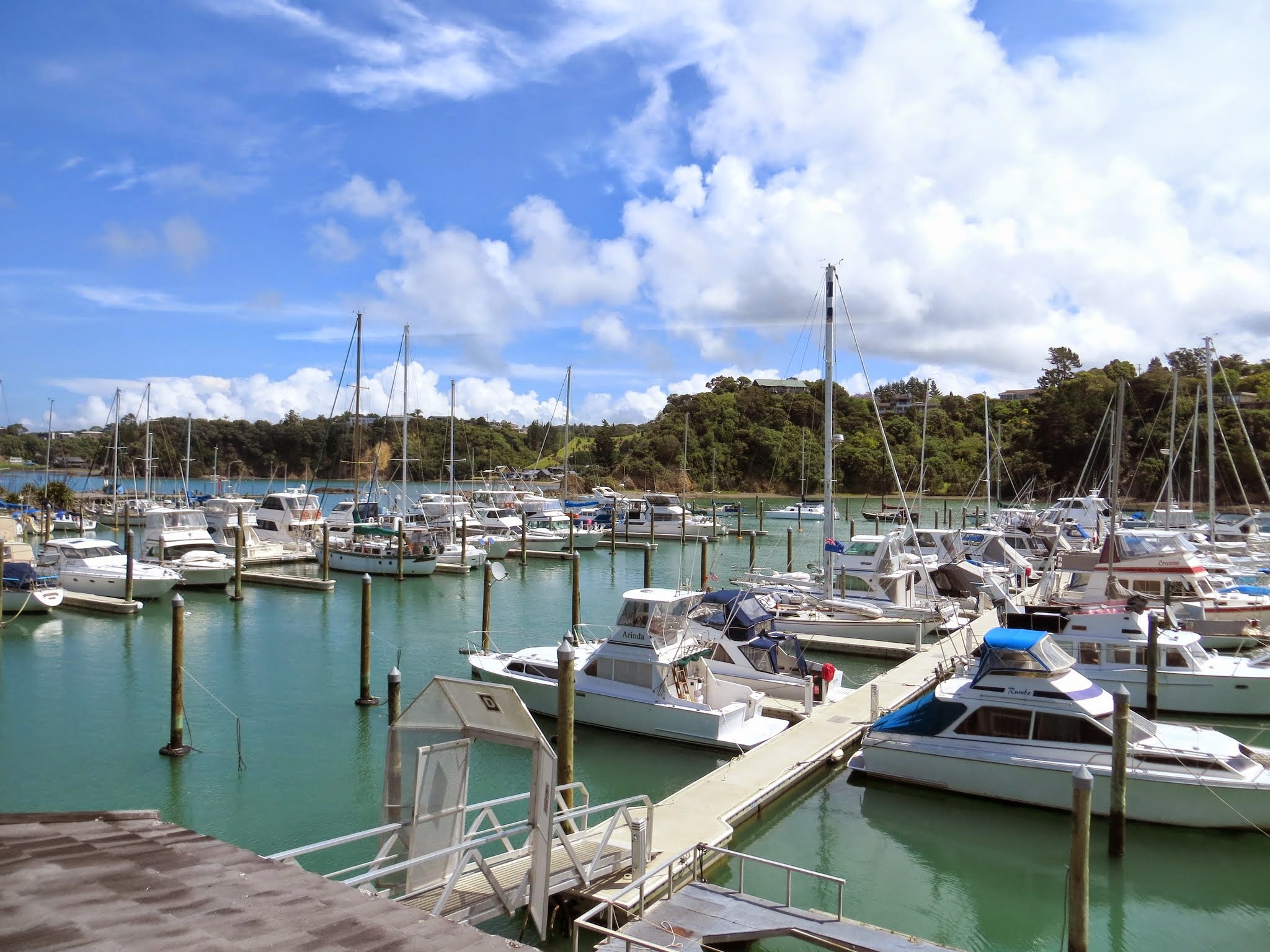
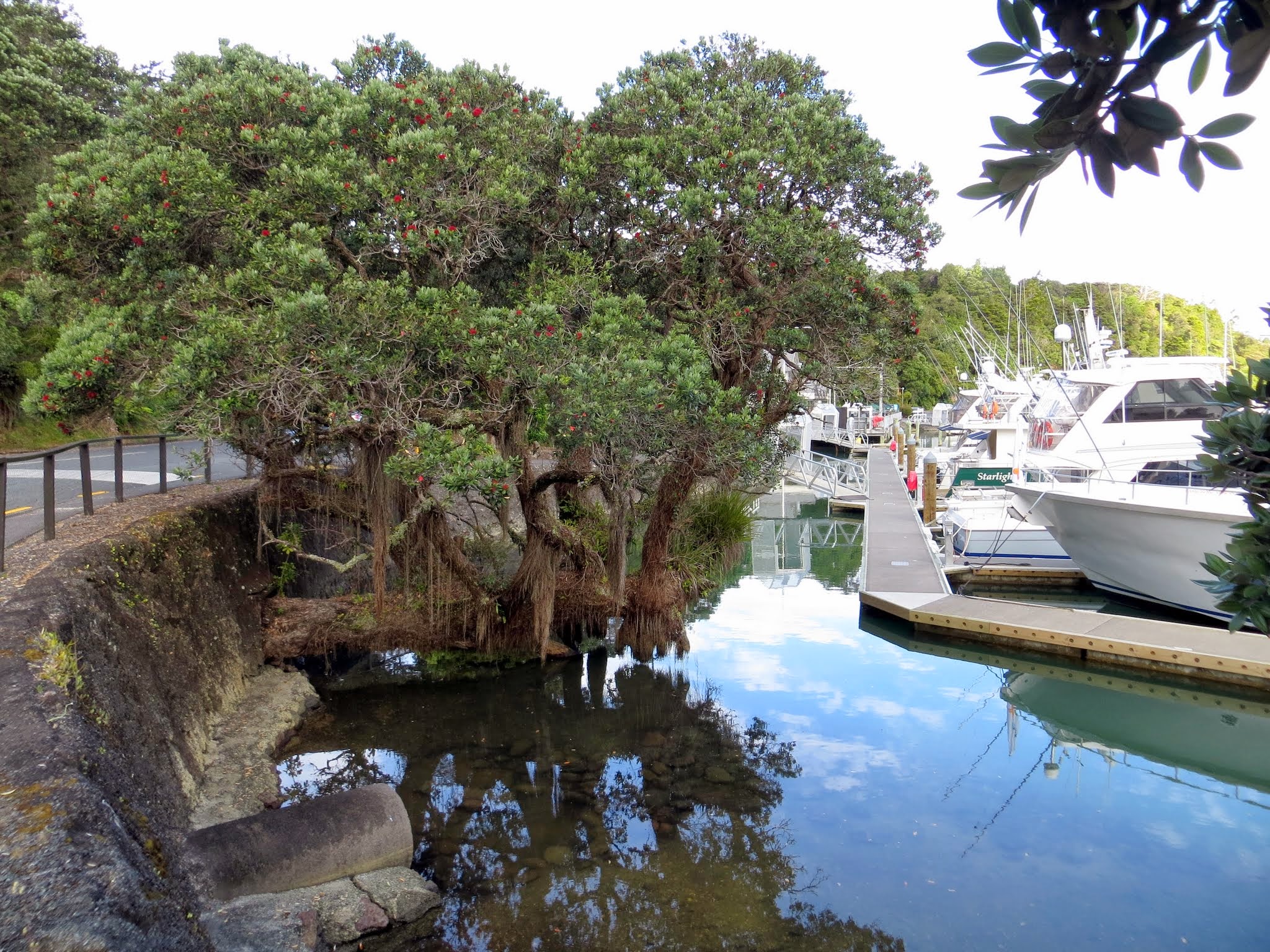
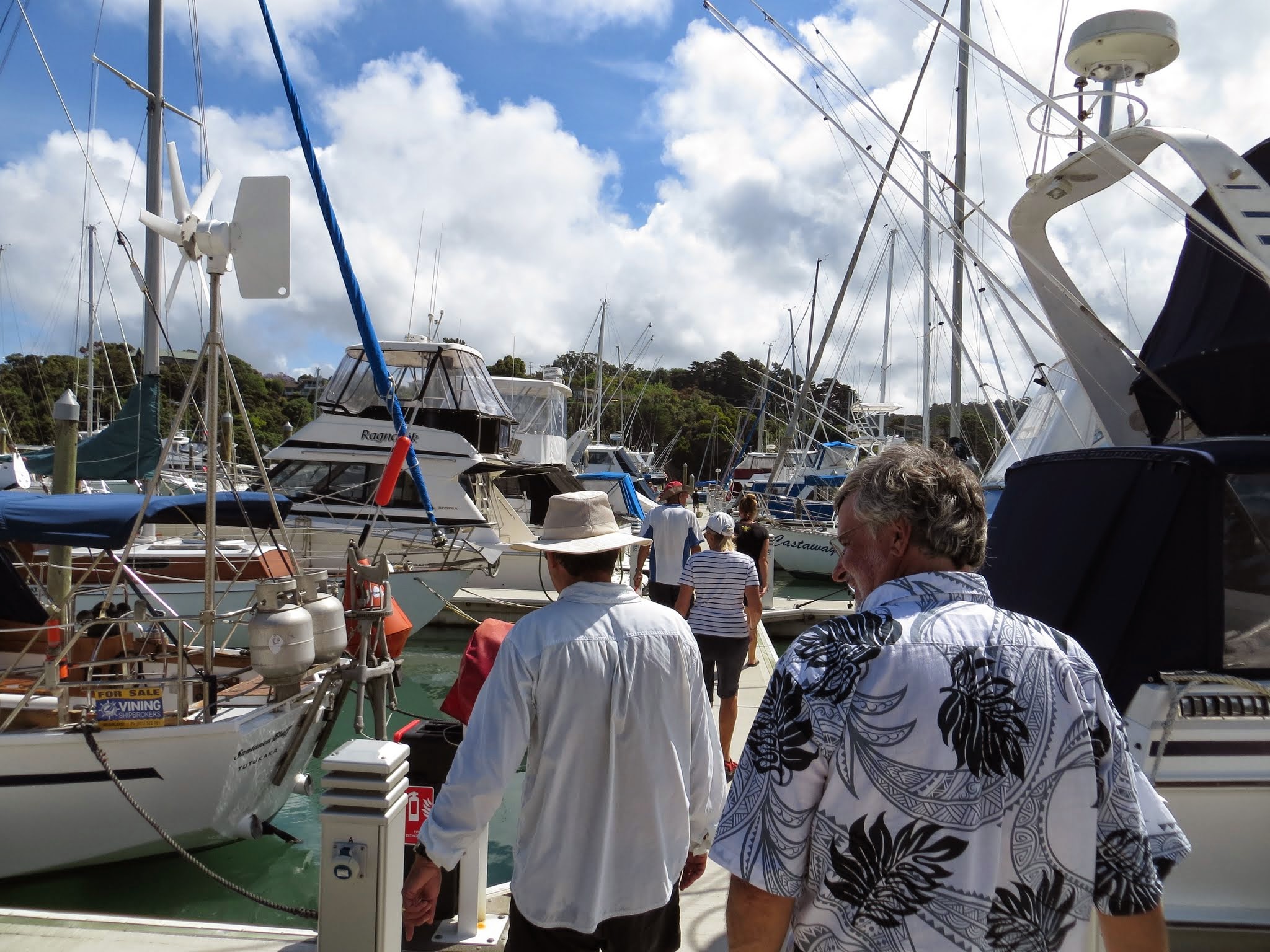
Tutukaka is smallish harbor with a marina on the north New Zealand coastline, and there were lots of reasons to pass it by.  First, it’s not the easiest place for us to go as the entrance and mile-long pass to the marina are too shallow for us in all but high tide. Second, it’s not a place you’d want to exit in bad weather (not that we like exiting any place in bad weather, but it’s good to have the option).  And third, it’s easy to visit by car and we had, in fact, already visited it by car. (Our previous post.)

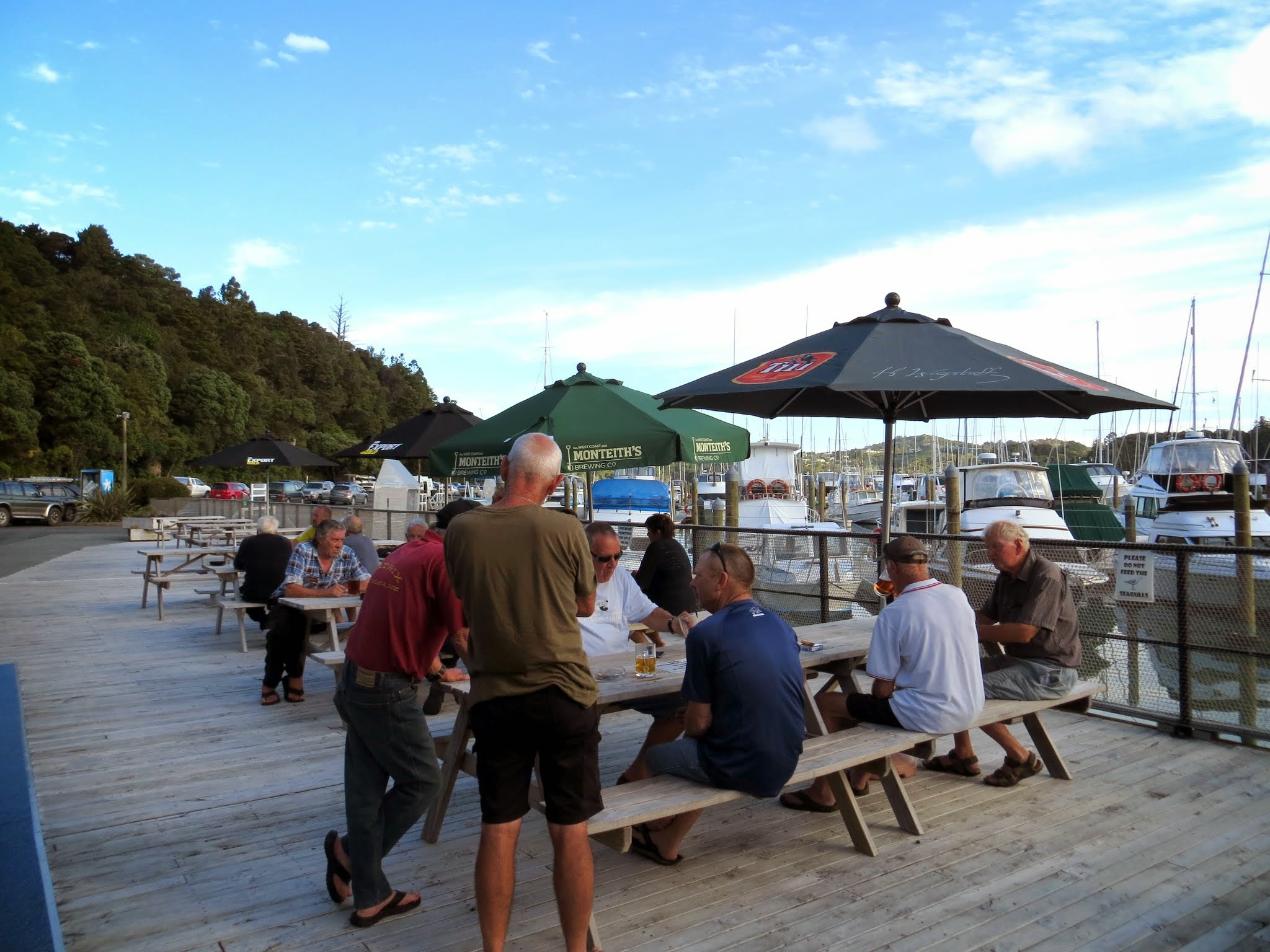
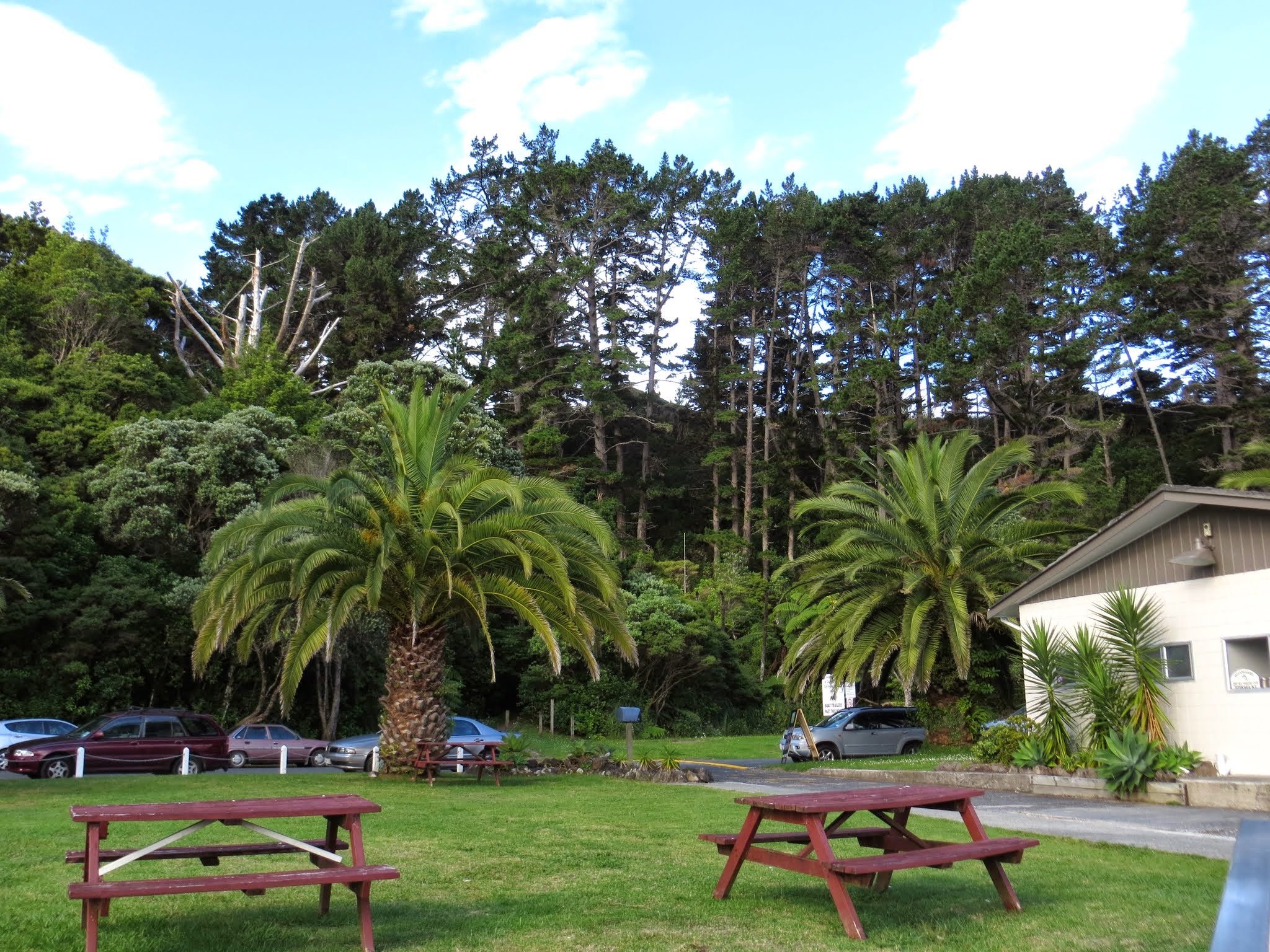
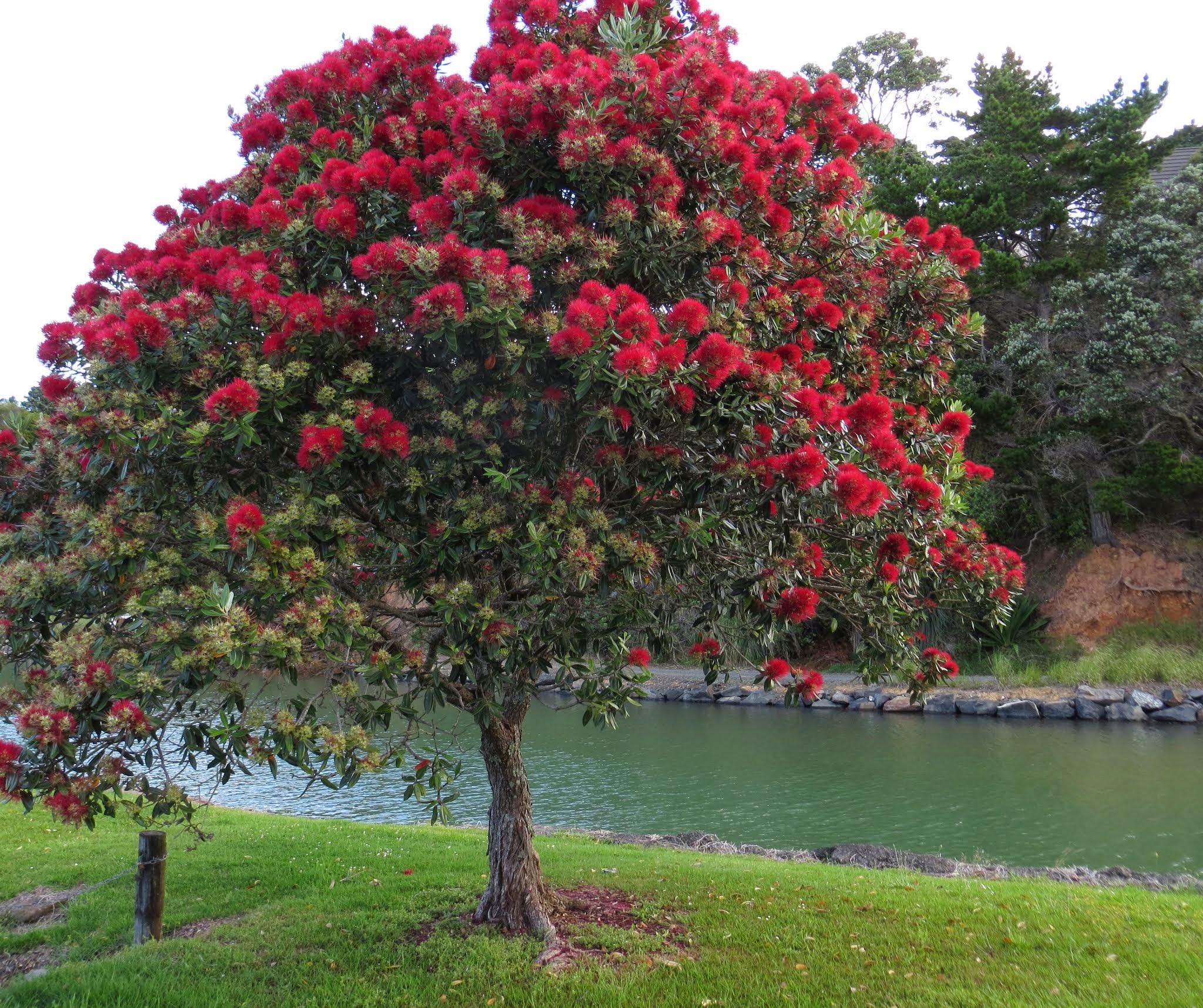
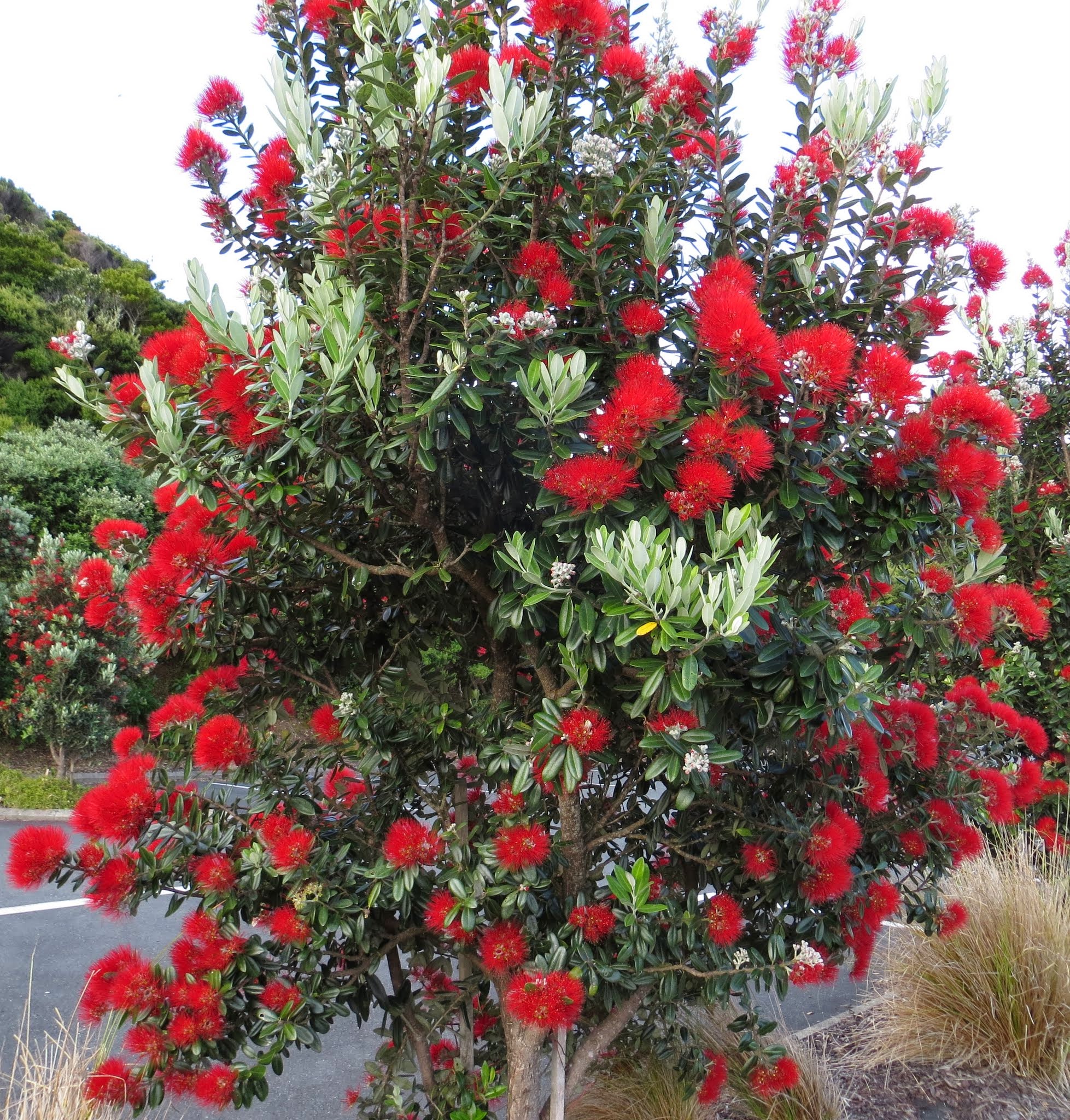
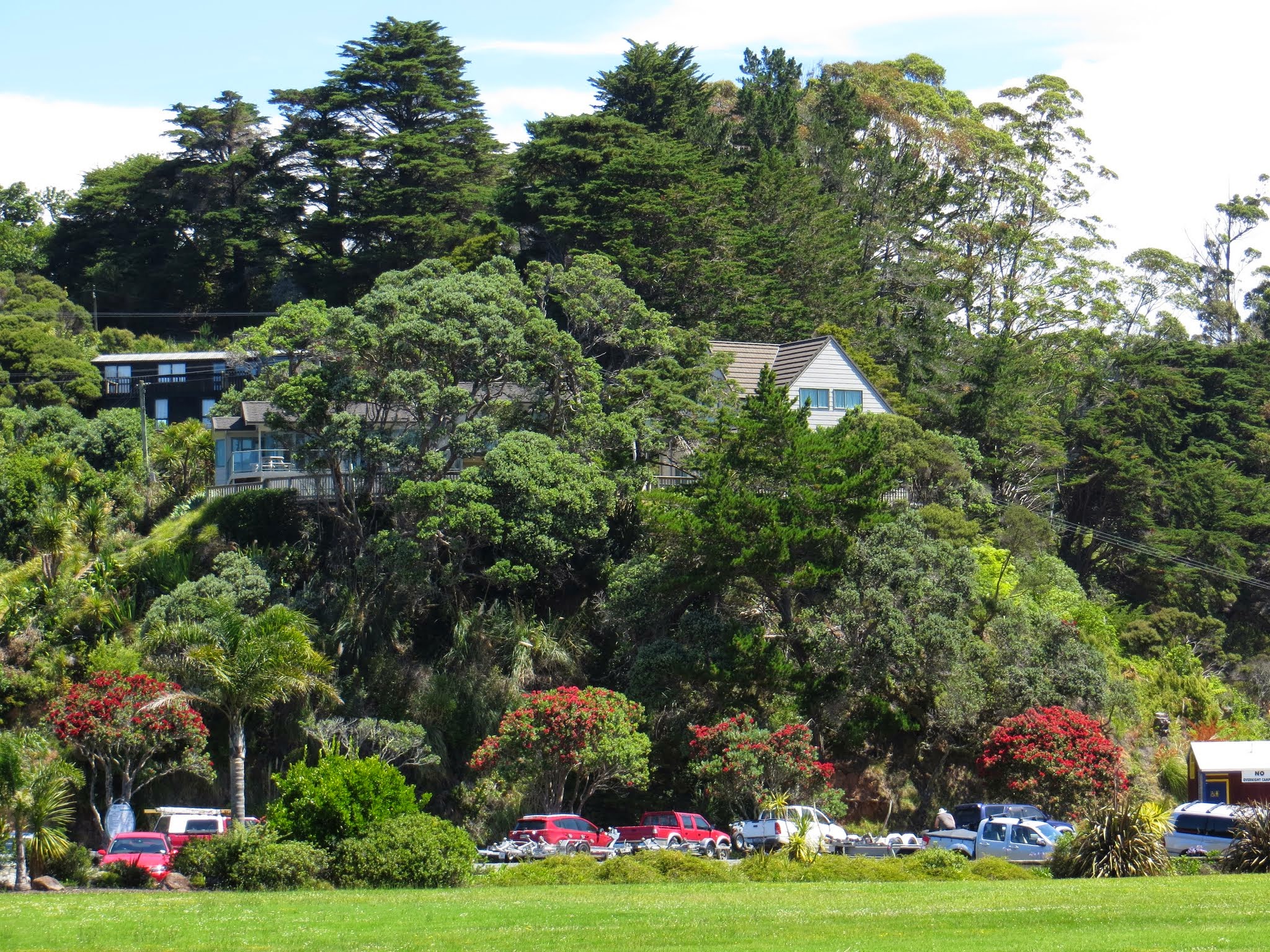
So why bother?  Lots of people don’t, but I had fallen in love with the place when we drove here last season, and I really, really wanted to bring our boat there.  Tutukaka sits nestled in a harbor surrounded by lush green hills, while pohutukawa and palm trees surround the marina and local businesses.  I think it’s one of the most beautiful marina areas I’ve seen.

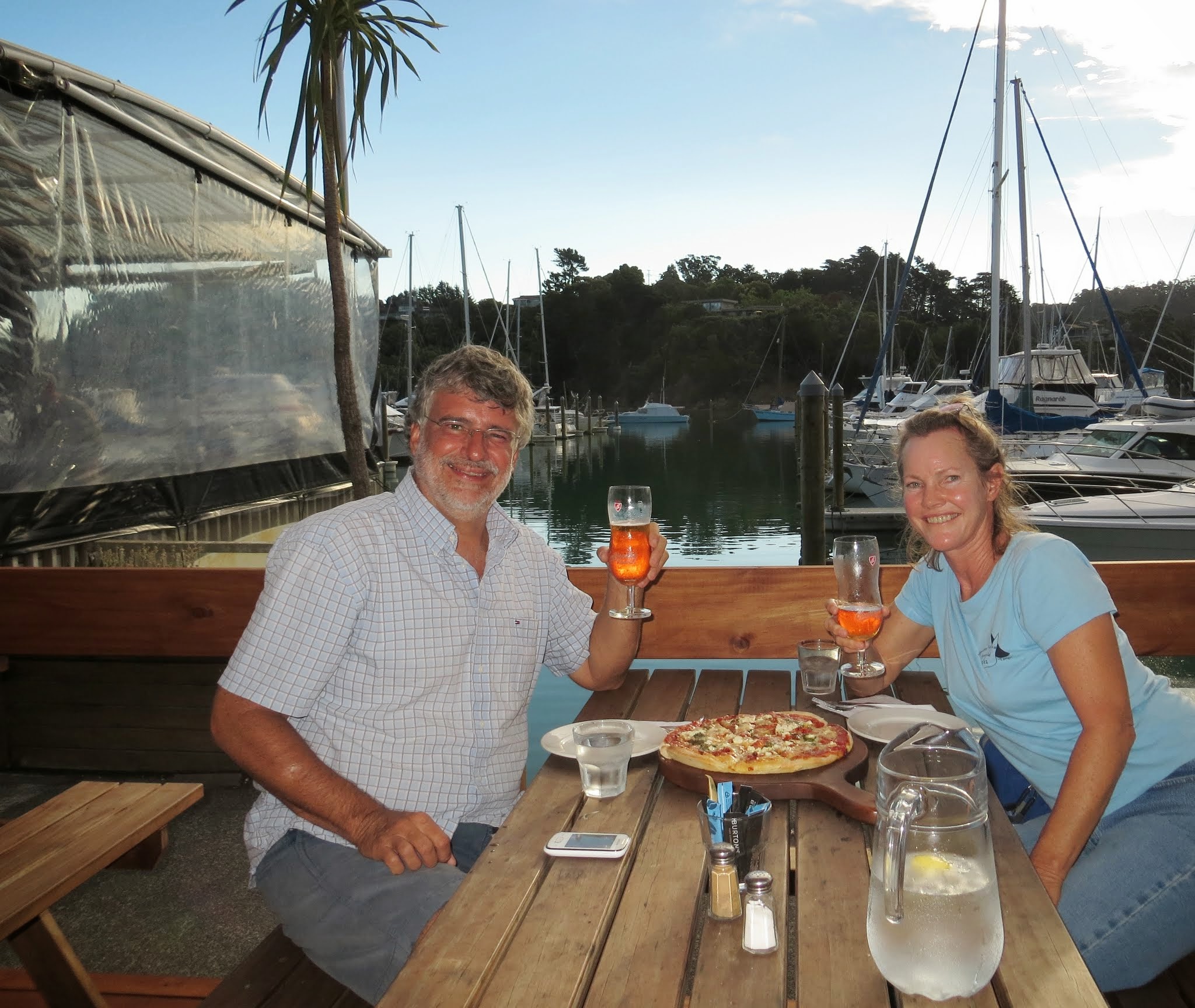
Apparently I’m not the only person charmed by this place because the people here are the happiest people we’ve ever run across (we know this because of the big smiles on all the faces we saw).  I don’t know if there’s something in the air or the water or what, but everyone here, whether working in the restaurant, running the marina, or just visiting their boats, seems to love where they are and what they’re doing.  And their happiness is contagious.

We’d been here one night and had planned to spend a few days, but once again the weather changed our plans.  Strong winds were predicted, and if we didn’t leave the next morning we’d be pinned here at least a week.  Not that we would have minded that, but it was mid-December, we wanted to be in Auckland by Christmas, and we had more places to visit between here and there.

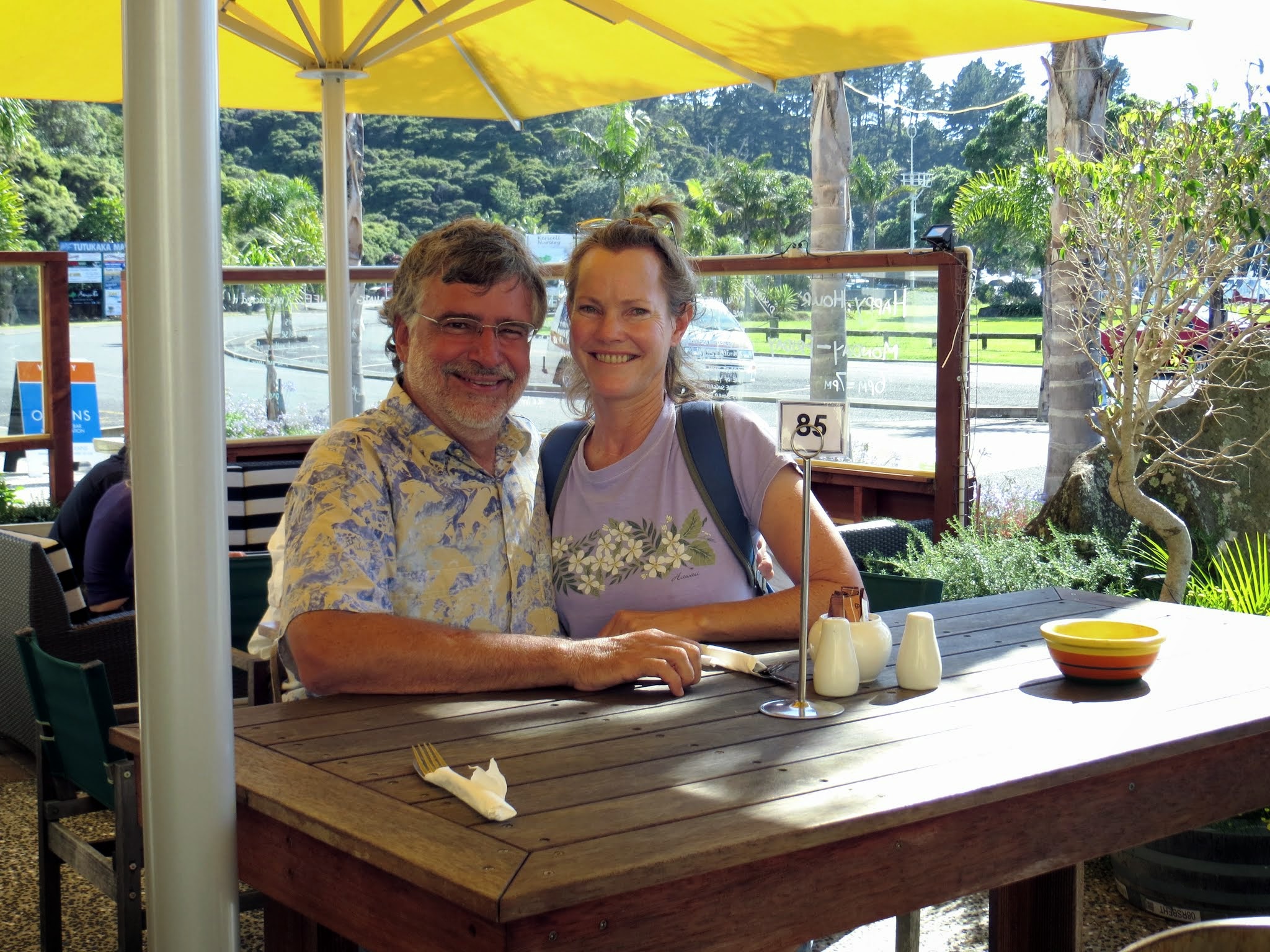
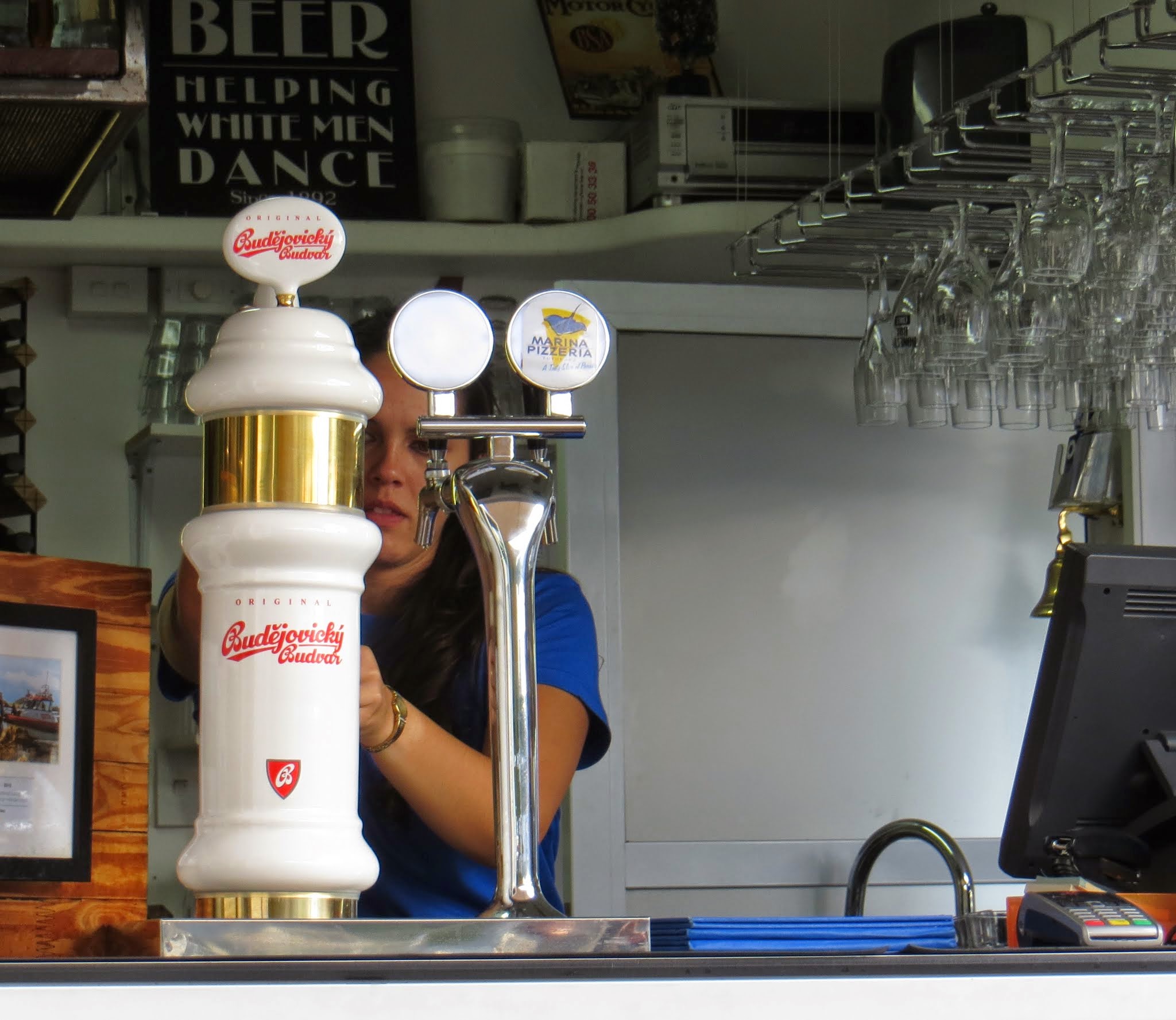
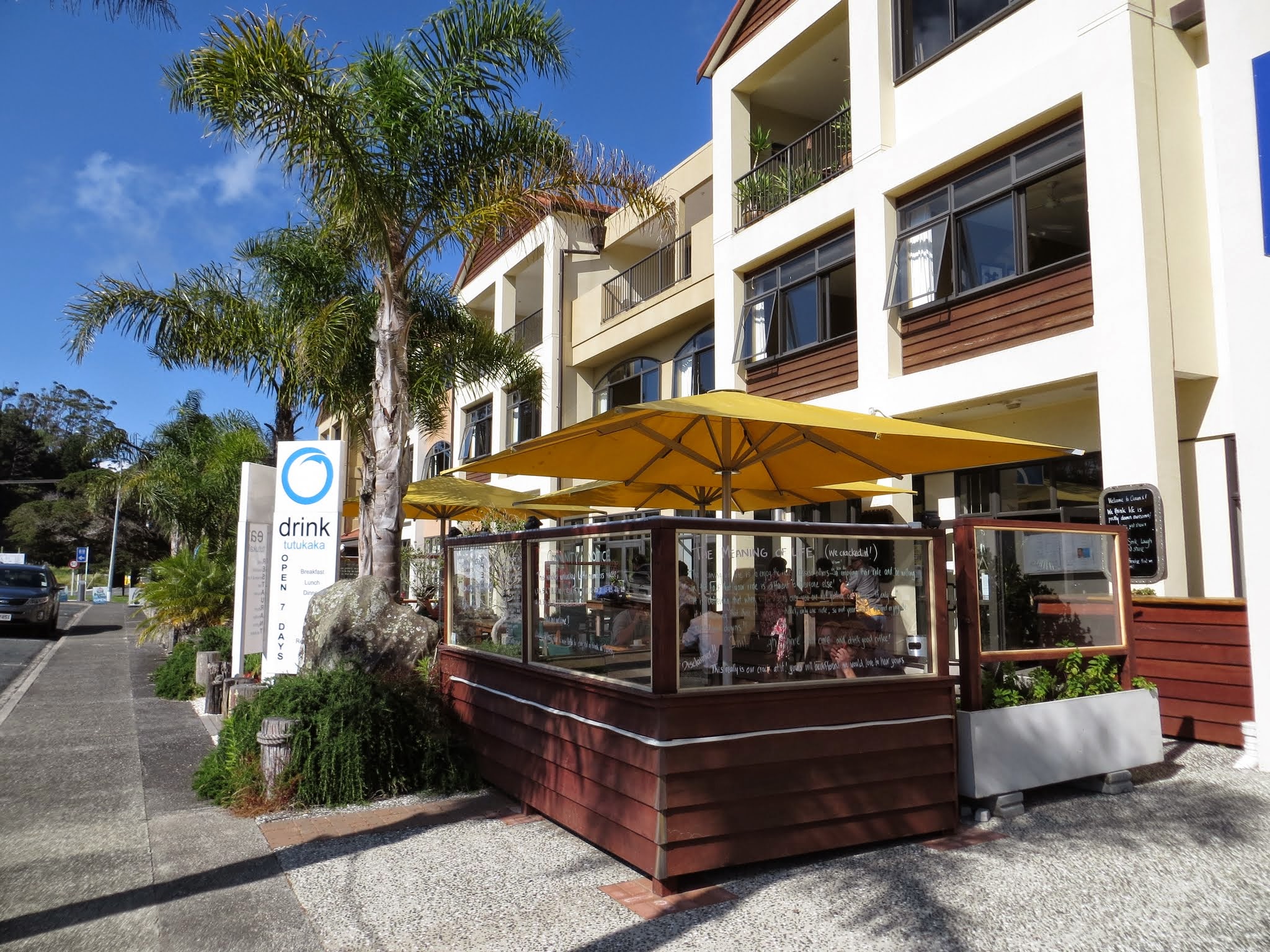
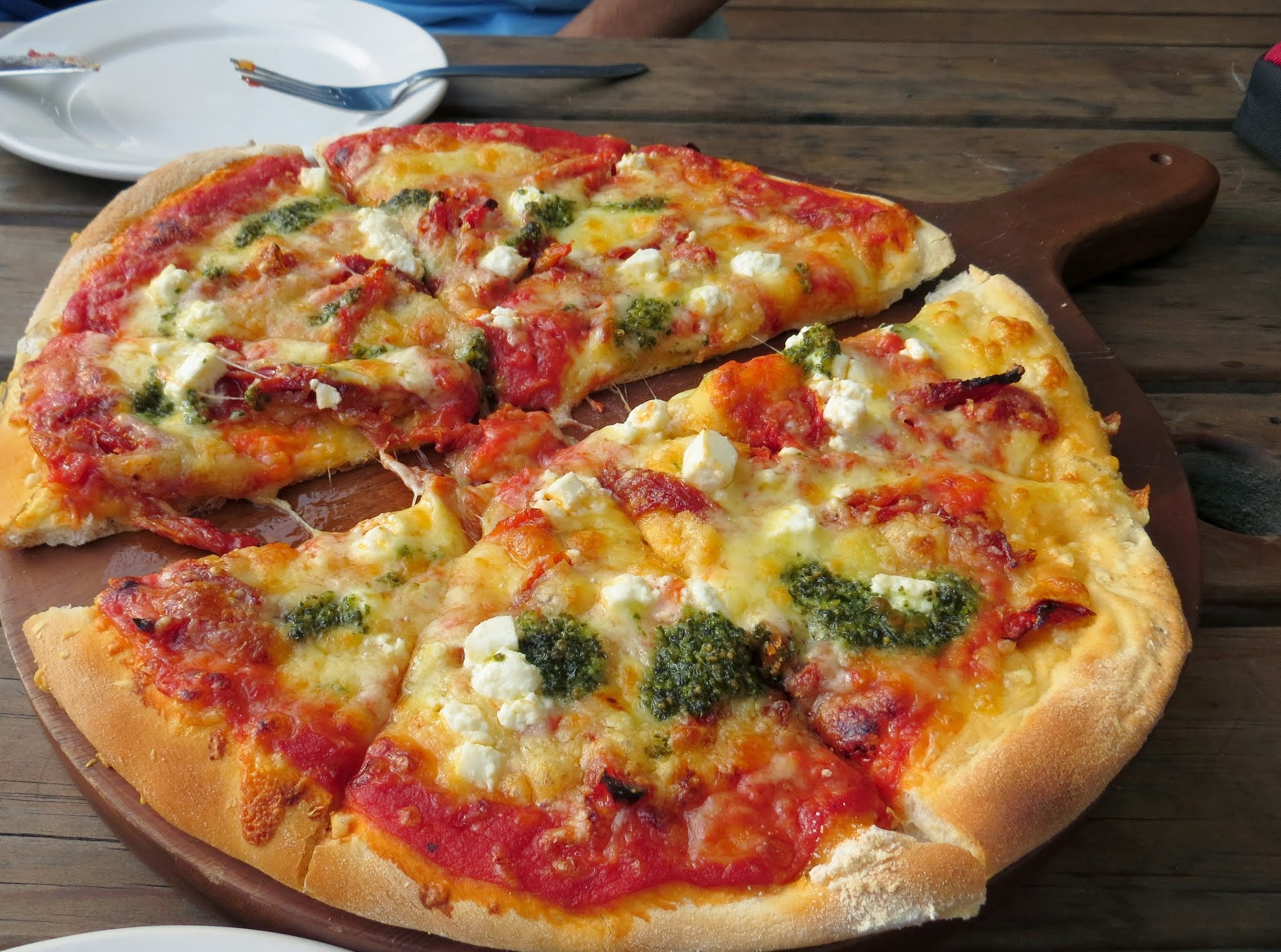
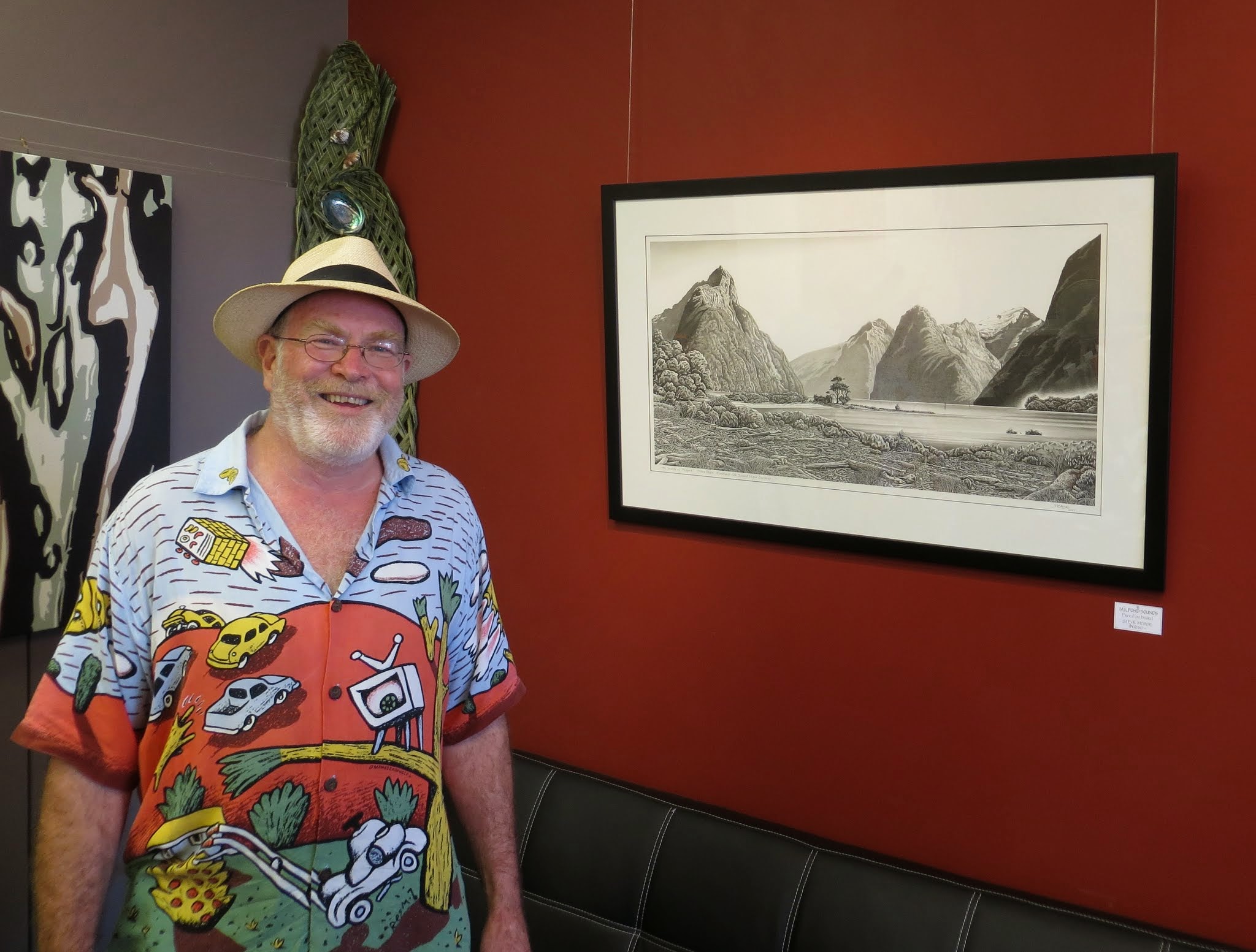
In the end we only spent two days here, but we made the most of them.  We ran into old friends we’d met in Fiji and joined a gathering on their boat.  We made new friends including Marc and Agnes on Ieta and a local artist, Steve Moase, who does incredible drawings and owns a gallery here (www.moaseart.com).  We very much enjoyed dinners at the marina’s pizza place, especially the Czech lager they have on tap: Budvar.  We also visited the nearby hotel’s Oceans Cafe and discovered they make incredible breakfasts and coffee drinks, and we had a nice lunch at Schnappa Rock, the pretty local restaurant. Between all this activity we managed to take a popular local hike (the subject of the next post).

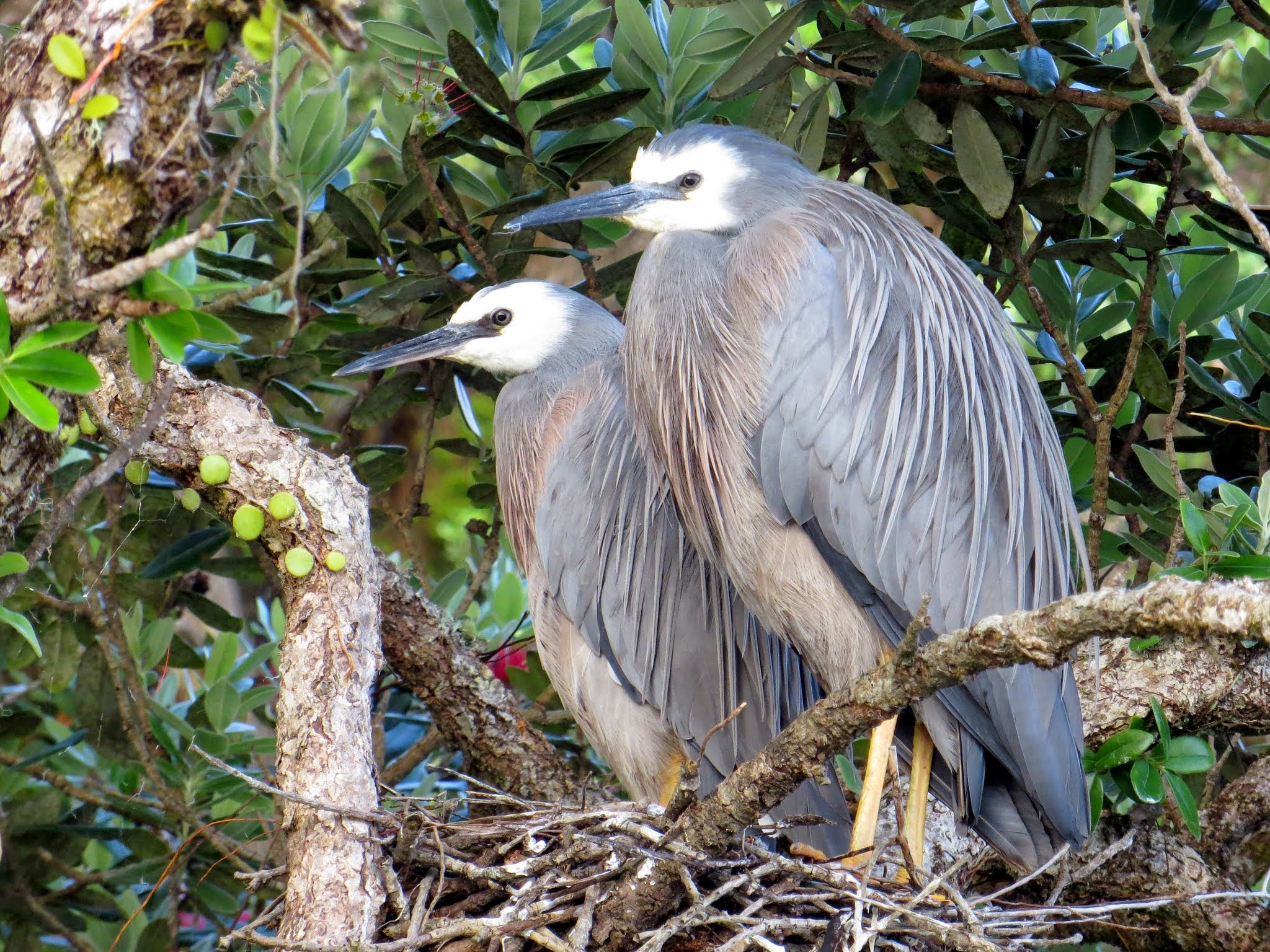
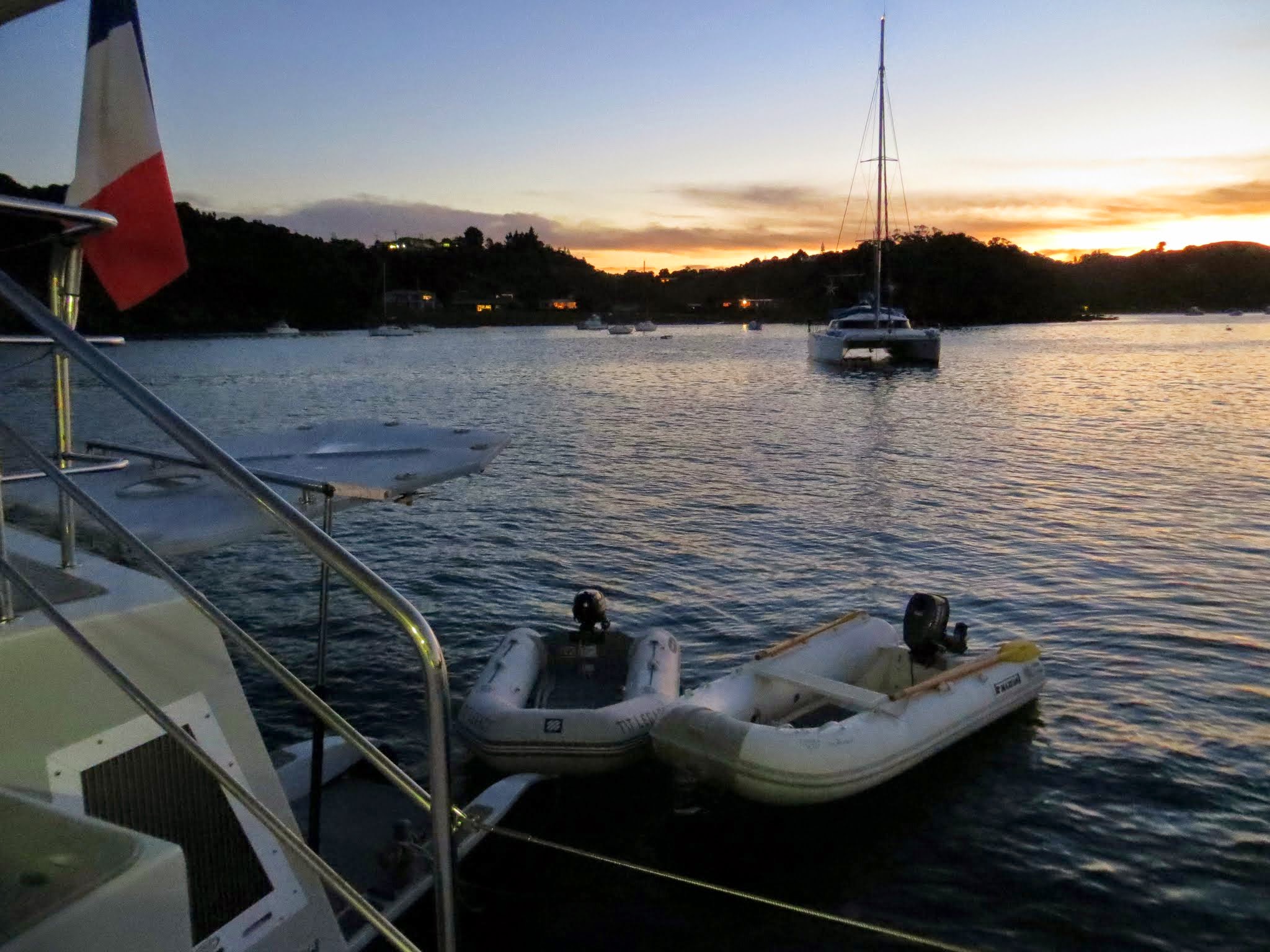
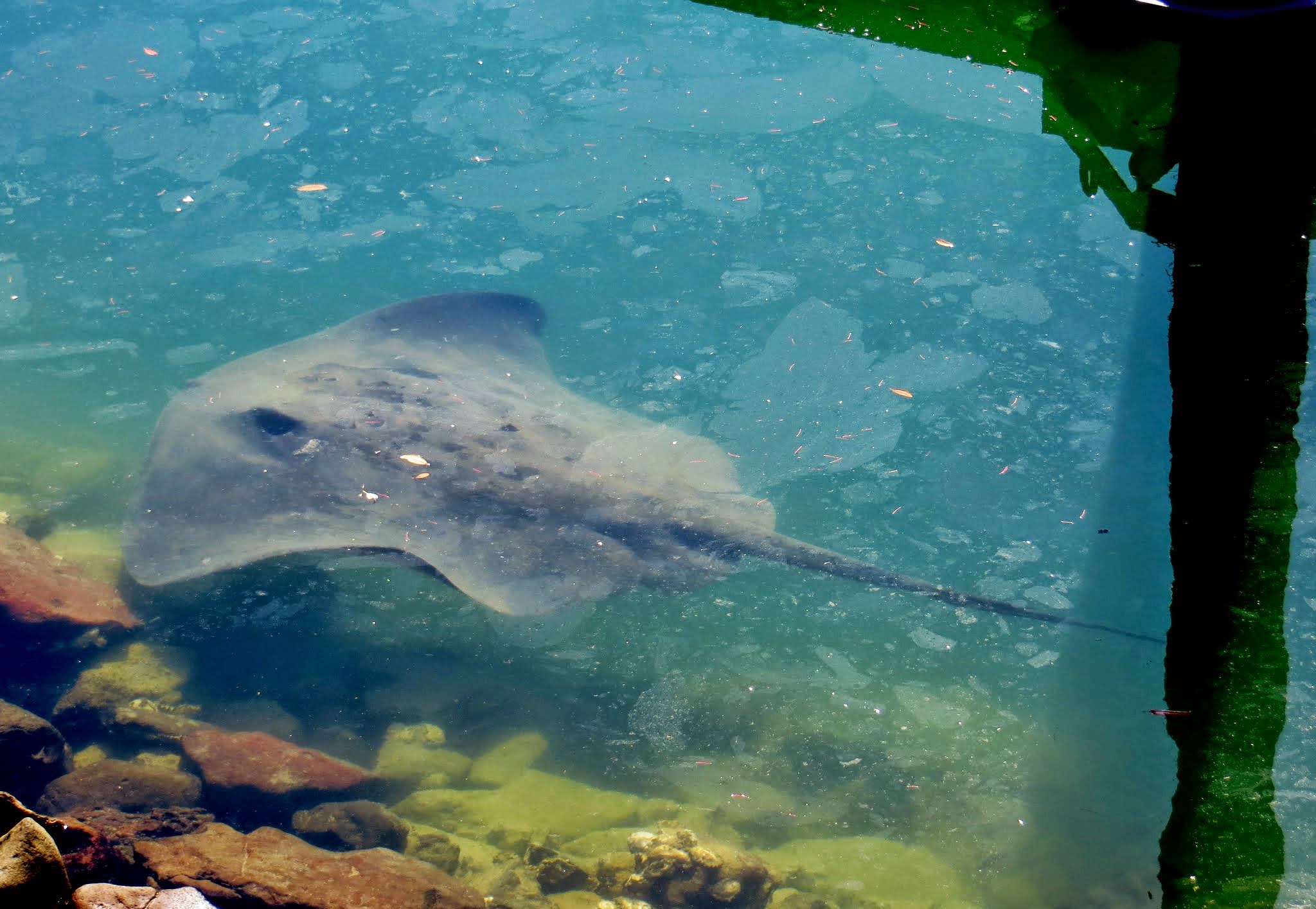
Above is a gallery of photos that sums up our time at the Tutukaka marina.  It was two wonderful days in a wonderful place.  Click any pic to enlarge. –Cyndi
Breakfast with Flipper

December 14, 2013 in Mimiwhangata, New Zealand

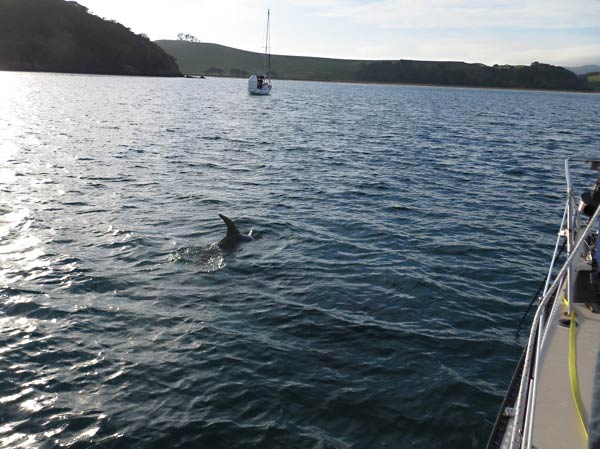
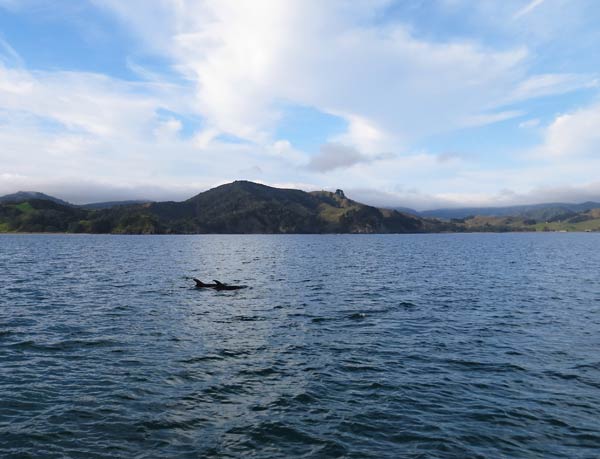
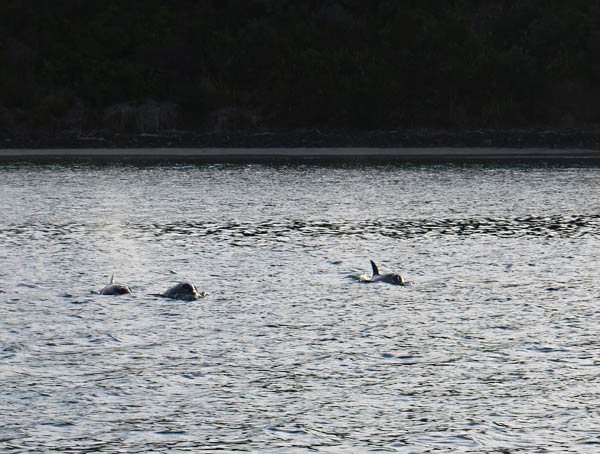
Last night was a little rolly and included one 3 AM trip up on deck to secure the noisy boom. This morning, I peeked out the companionway hatch just in time to see a dolphin surface a few feet from the boat. Cyndi and I threw on some clothes and went up to watch the dolphin show.

dolphin-1

dolphin-3

dolphin-2

The ecstasy to agony ratio was restored to a very happy level! (Photos by Cyndi – she was the one who was smart enough to grab a camera while I just stood there with a stupid ear-to-ear grin.) -Rich

The New Zealand Coast, Mimiwhangata Evening

December 13, 2013

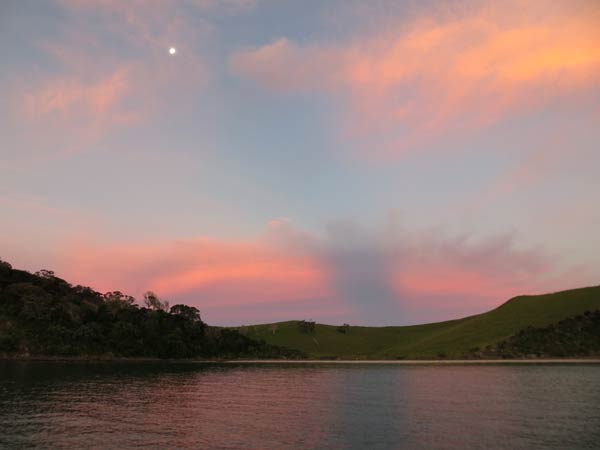
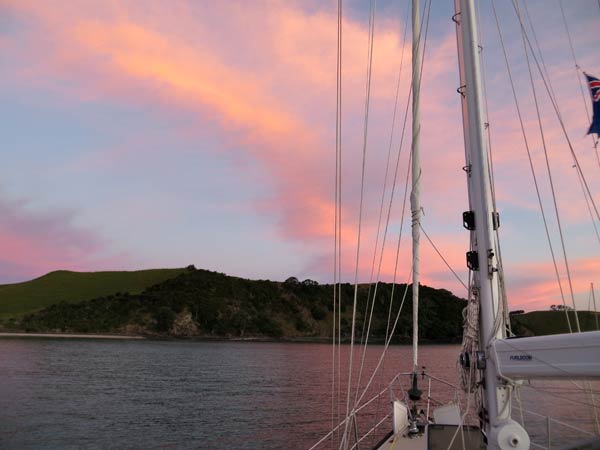
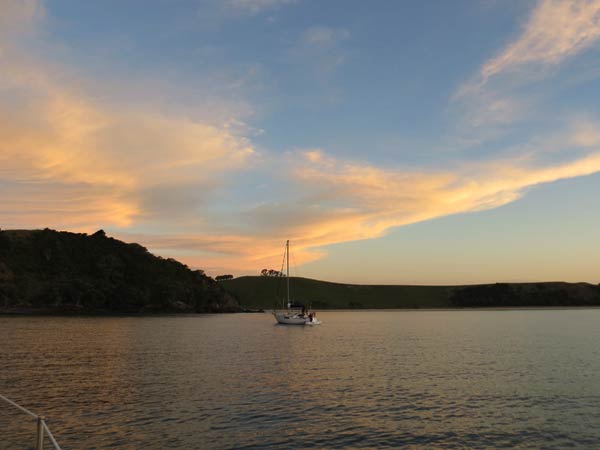
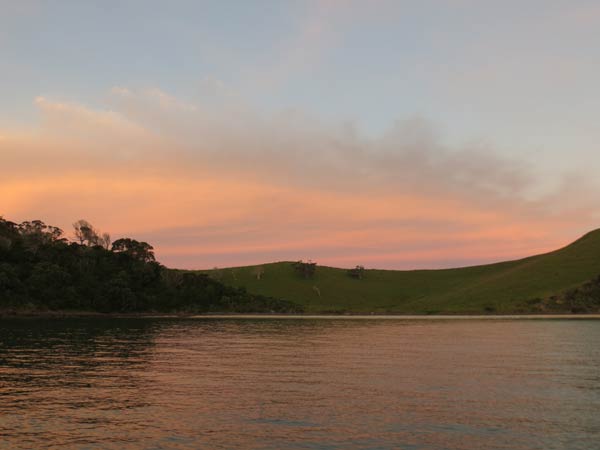
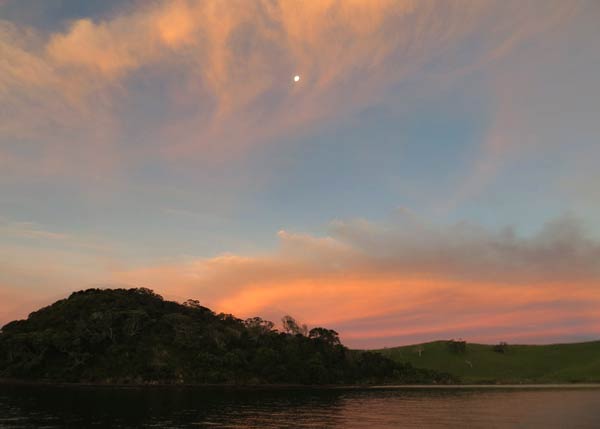
I know, I know . . . we keep posting sunset pictures, but it was summer, and some of these evenings are too beautiful not to share.

We spent the night in Mimiwhangata and had a fairly rolly night in spite of the seemingly calm conditions.  It was nothing we couldn’t sleep through, but it was a reminder to keep an eye on both swell and wind forecasts for some of these coastal anchorages.

The next morning, we were treated to a visit from dolphins!  We later heard that they’re regular morning visitors here.  It was a nice treat before we headed on.–Cyndi

mimiwhangata-evening-5

mimiwhangata-evening-4

mimiwhangata-evening-3

mimiwhangata-evening-2

mimiwhangata-evening-1

When Oystercatchers Attack (Mimiwhangata Bay, New Zealand)

December 13, 2013

New Zealand is full of wonderful birds, but some of them have a sinister side.  We had been warned about the dreaded spur-winged plovers who can swoop and strike with a small pointed spur on their wings.  At the bird sanctuary we learned that tuis can hook a claw through your finger like a fish hook, moreporks can inflict serious slashes with their claws, and a kiwi can rip you open.  In the south island, keas will annihilate your car antenna and steal your stuff when you’re not looking, and kakapos will mate with your head.

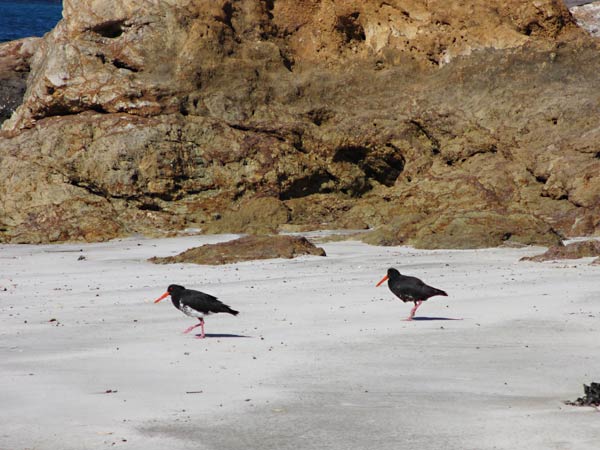
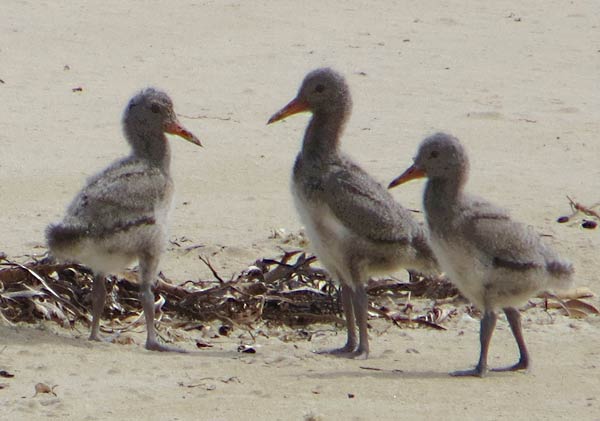
One bird we never worried about was the shy and docile oystercatcher.  They’re the size of small chickens and are quite striking with their black feathers and long orange beaks.  We first saw them in Mexico and now encounter them frequently on New Zealand’s shores.

As we walked down the beach, we saw several oystercatcher pairs.  One pair was doing a mating dance, another was nesting, and another pair had chicks and didn’t seem to mind us getting fairly close to snap a few pictures.  Half an hour later, we were walking back along the water’s edge, talking and not paying much attention to the oystercatchers up on the beach.

The attack came out of nowhere.  One minute were walking along, and the next we saw the blur of black feathers and a large orange beak, the normally comical feature now a needle-like weapon as it came at us fast.  We did the only thing we could do to survive: we screamed and ran like little girls.  The bird did not pursue us, and we stopped and looked back, wondering what caused it to get so irate.  It seemed the parent of the chicks wanted to bring them down to the water’s edge, and we were in the way.  Why it couldn’t just wait a few seconds for us to pass, or just go behind us, I don’t know.

We watched one of the parents, probably the proud father, bring his children to water after chasing away the evil giants.  The evil giants watched from afar, mentally adding oystercatchers to their list of New Zealand’s deadliest birds.  Defeated and broken, our dignity gone, we walked back to our dinghy, went to the boat, and comforted ourselves with a nice bottle of local sauvignon blanc. –Cyndi

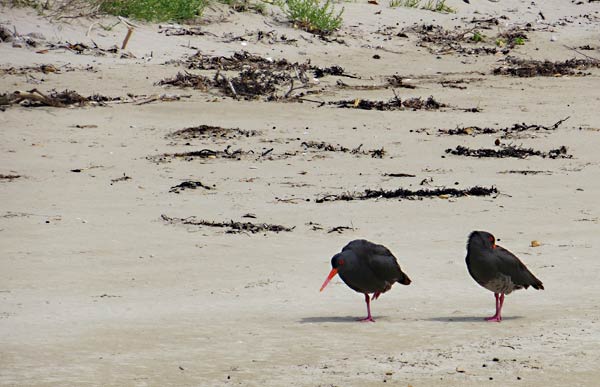
An oystercatcher pair in Bland Bay.
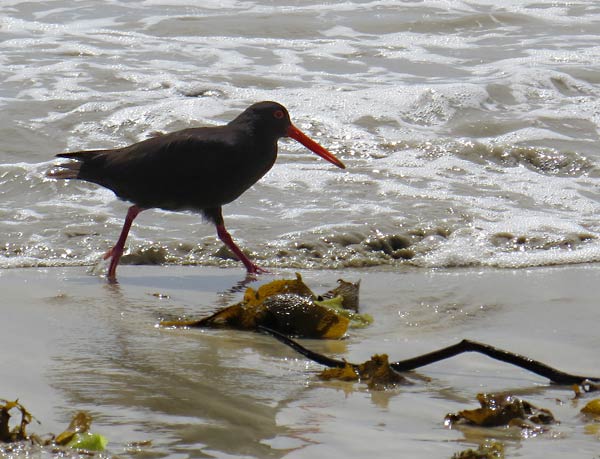
An oystercatcher strolling along the Mimiwhangata shoreline.
An oystercatcher pair flirting.
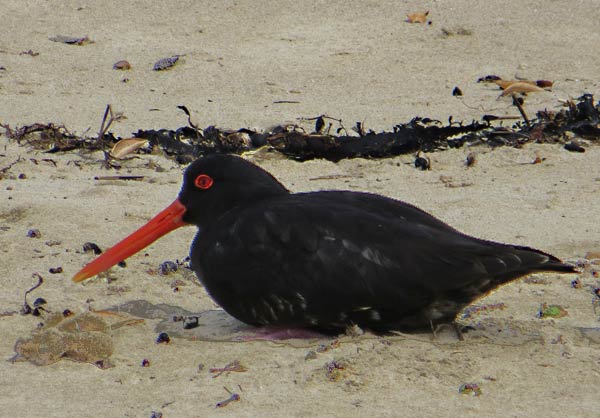
An oystercatcher sitting onshore.
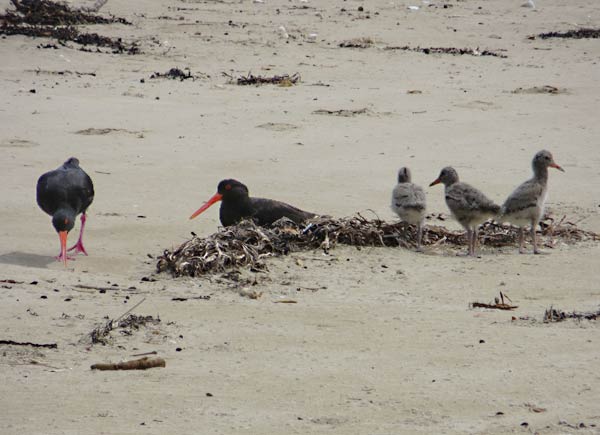
The oystercatcher who attacked us with his mate and chicks.
Sure, they're cute now but wait 'till they stab their beaks in your eyes!
Sure, they’re cute now but wait ’till they stab their beaks in your eyes!

The New Zealand Coast: Beautiful Mimiwhangata Bay

December 13, 2013

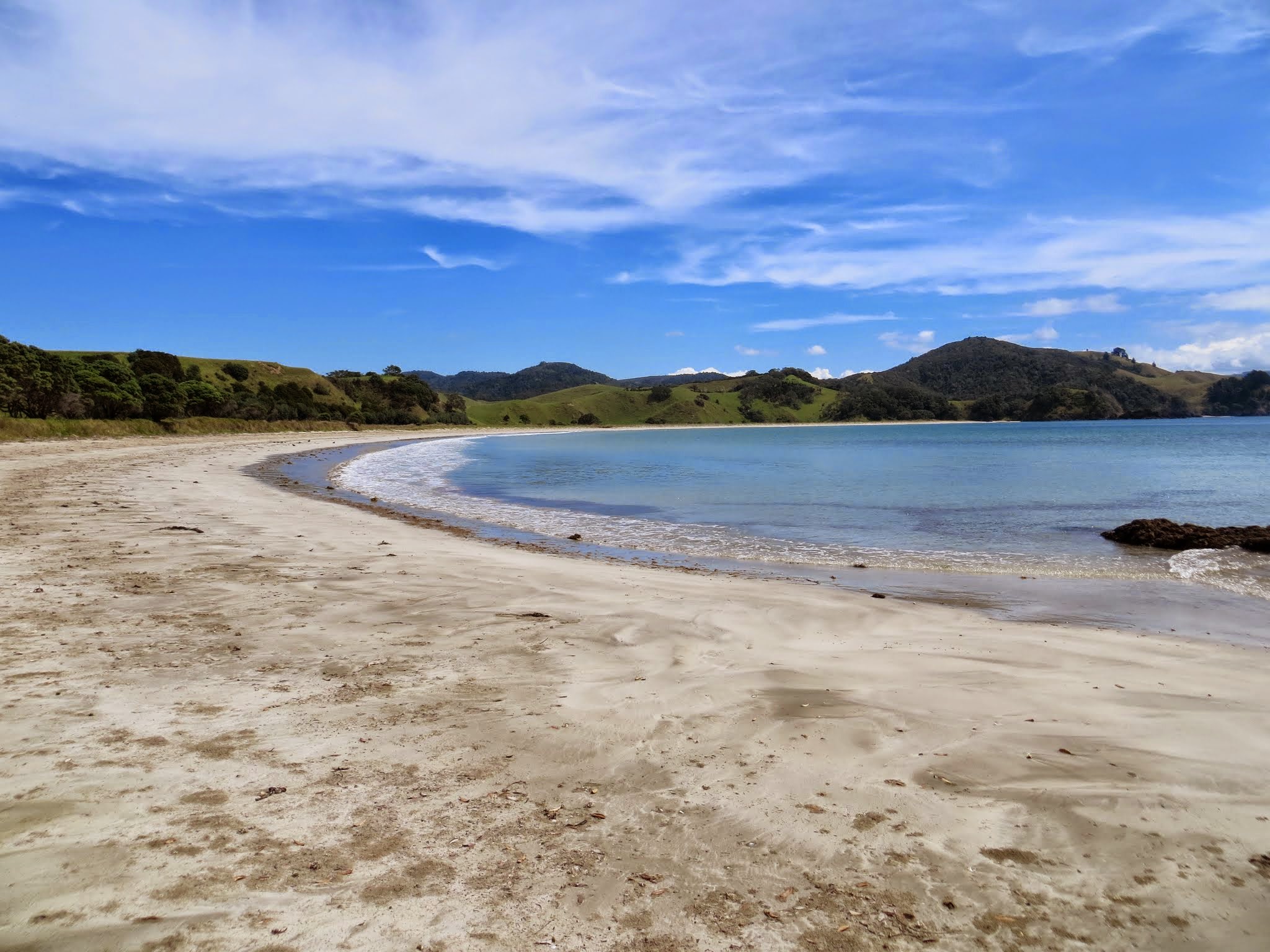
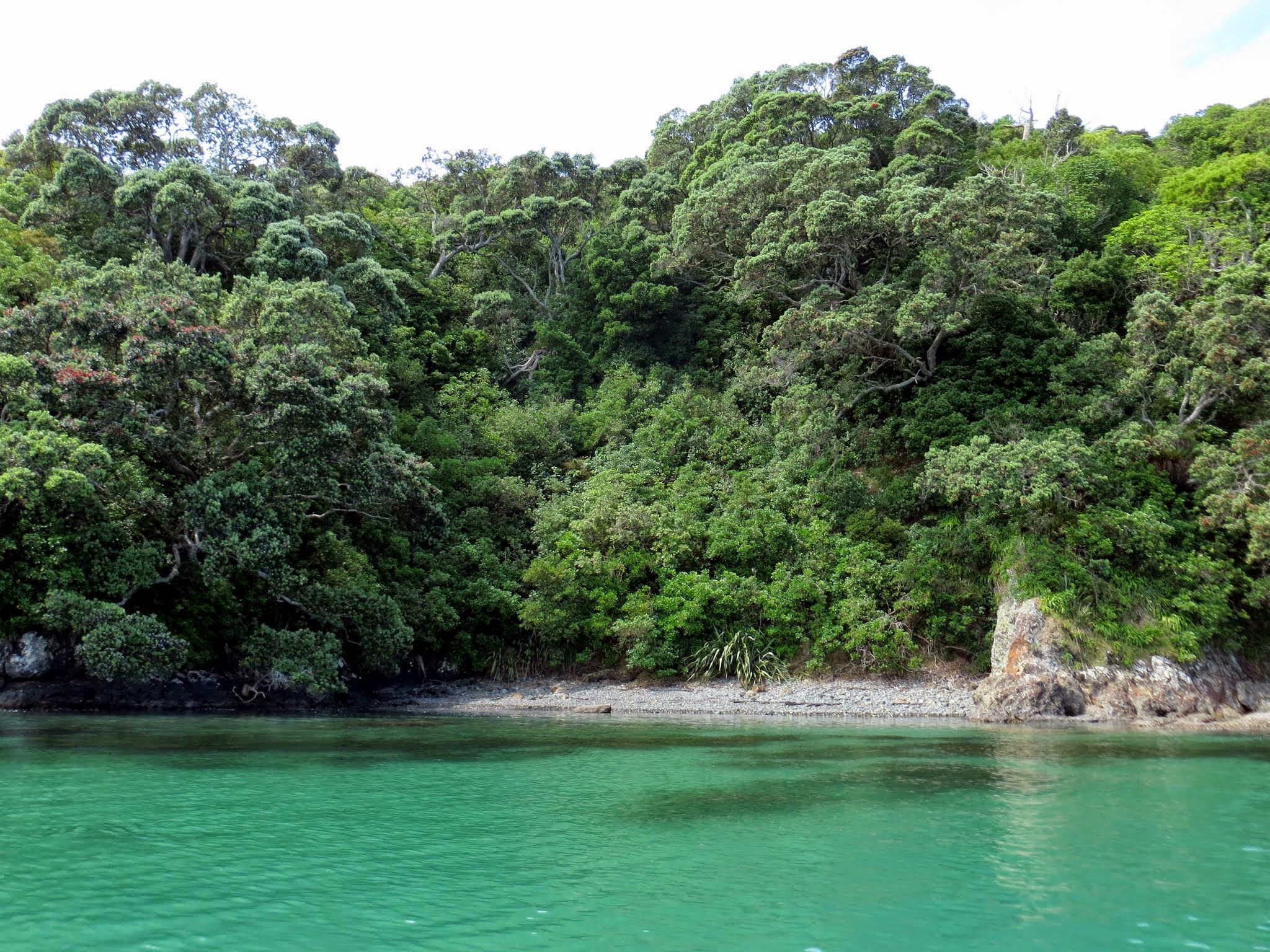
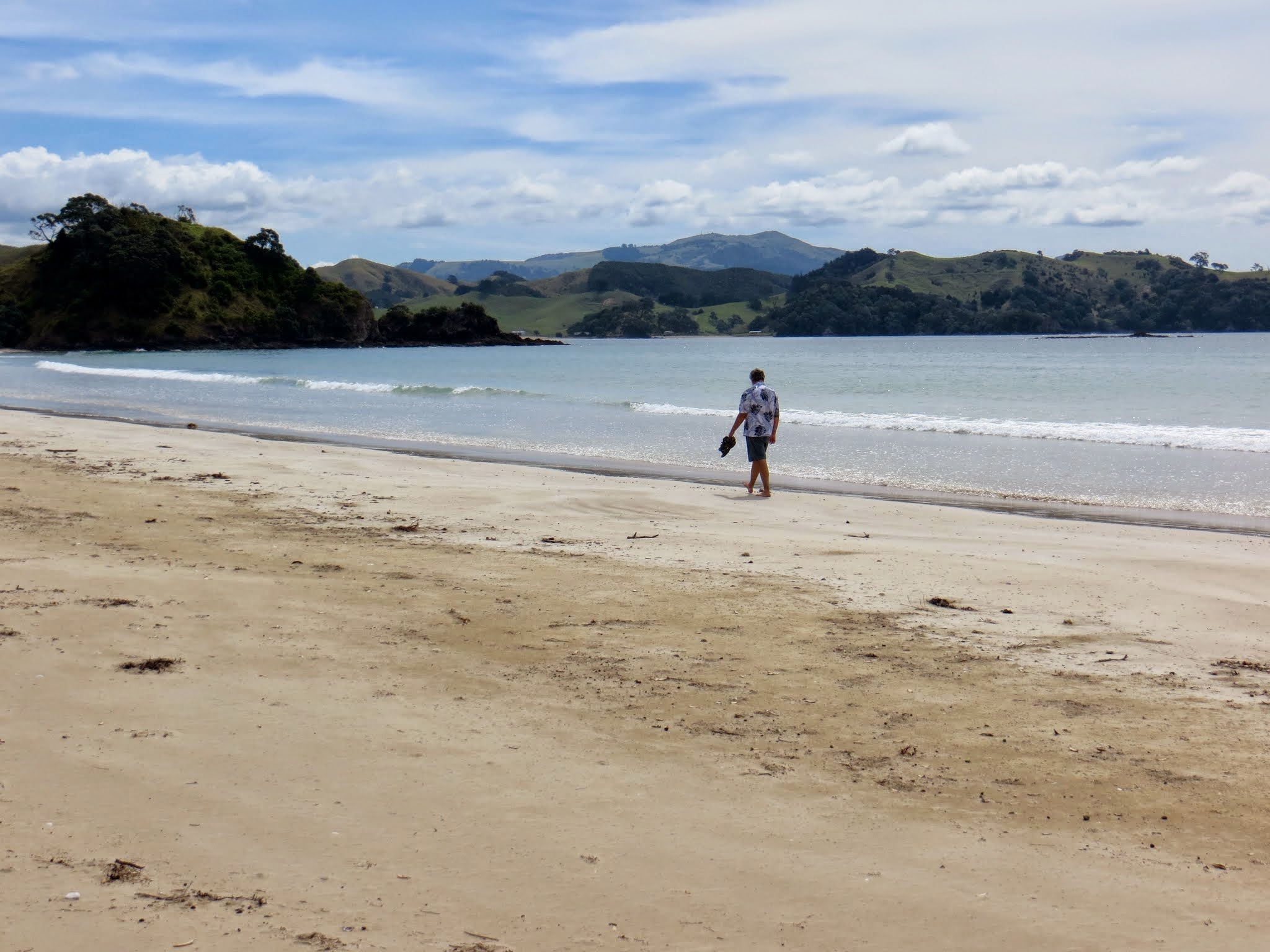
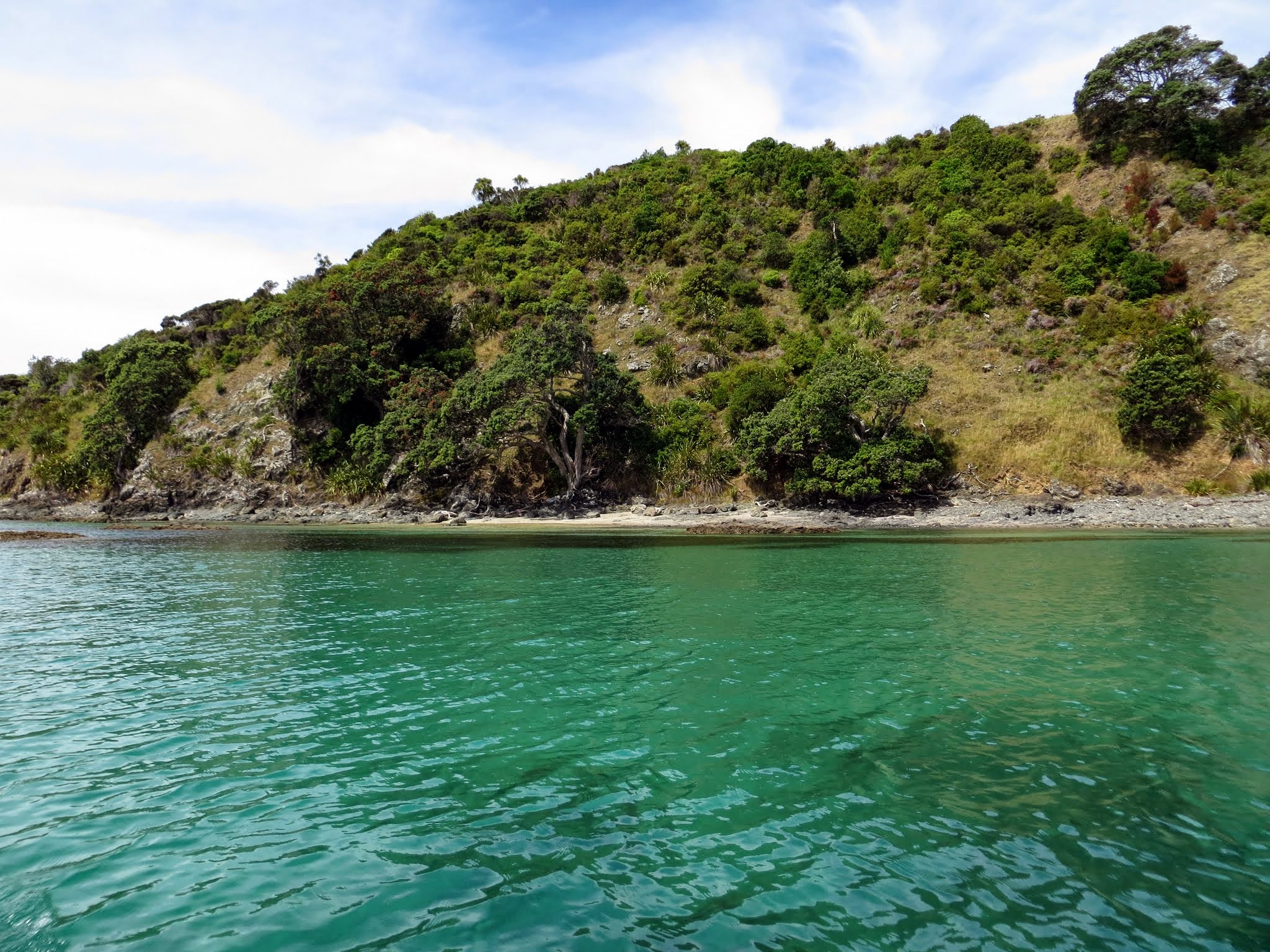
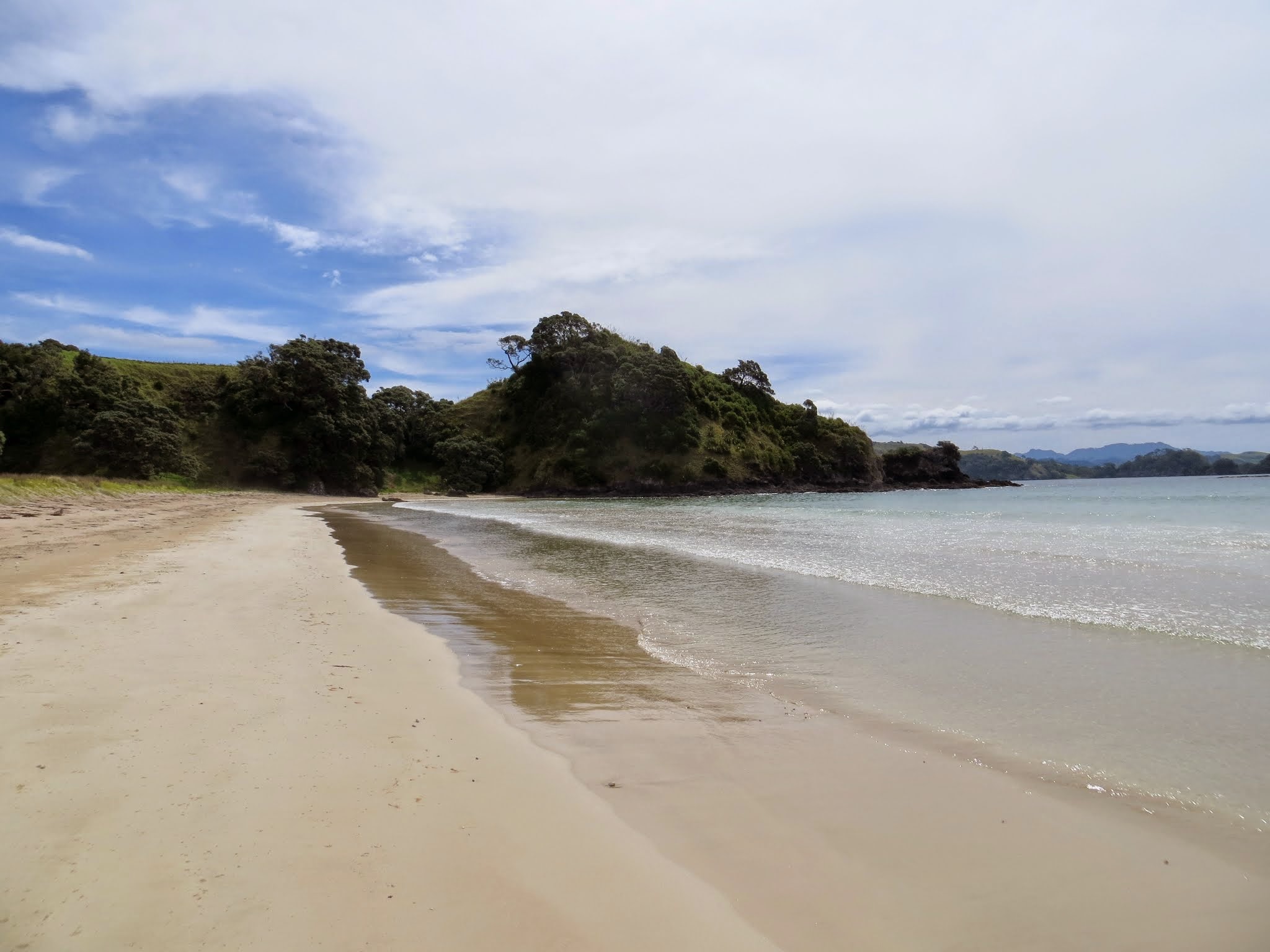
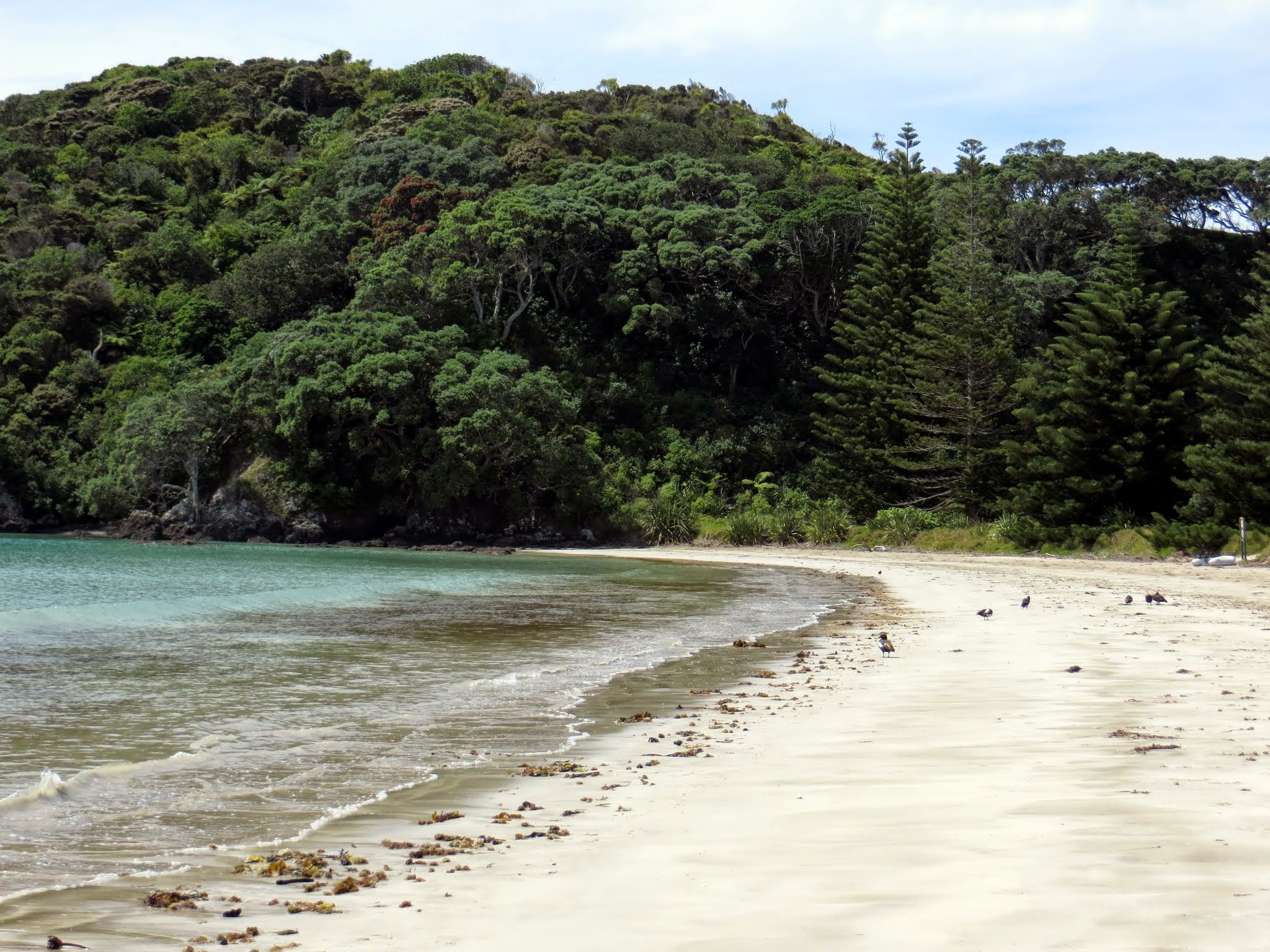
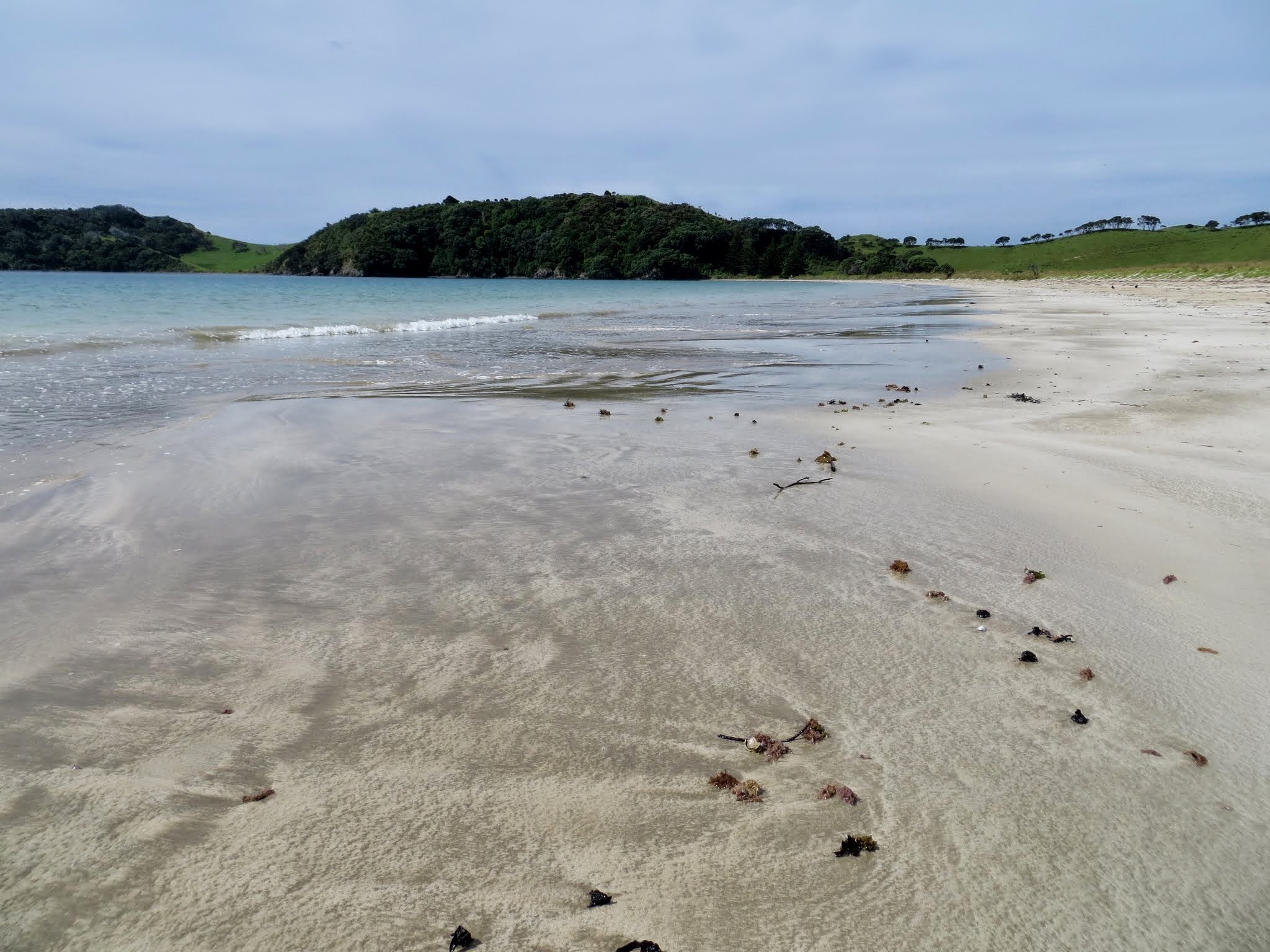
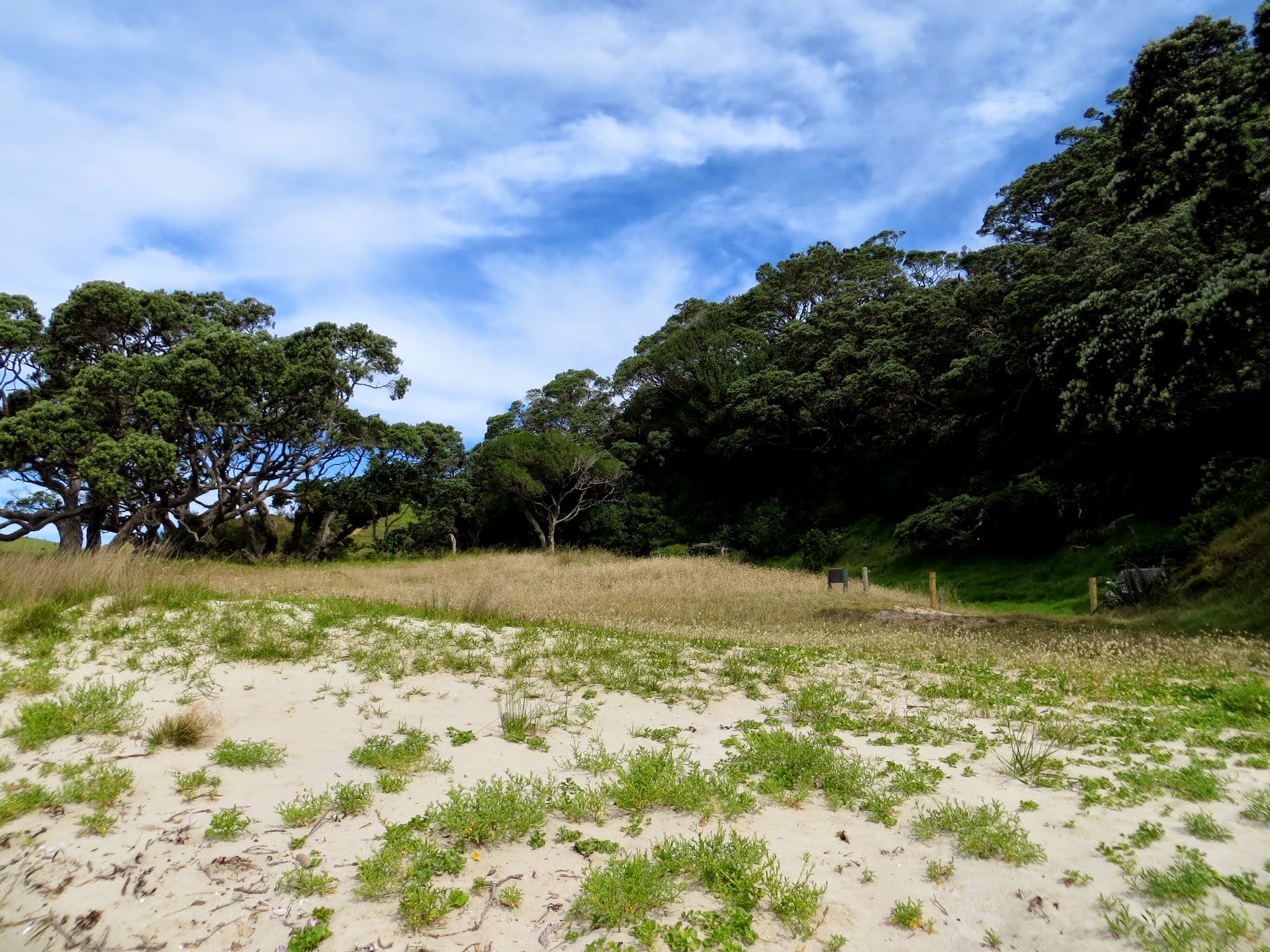
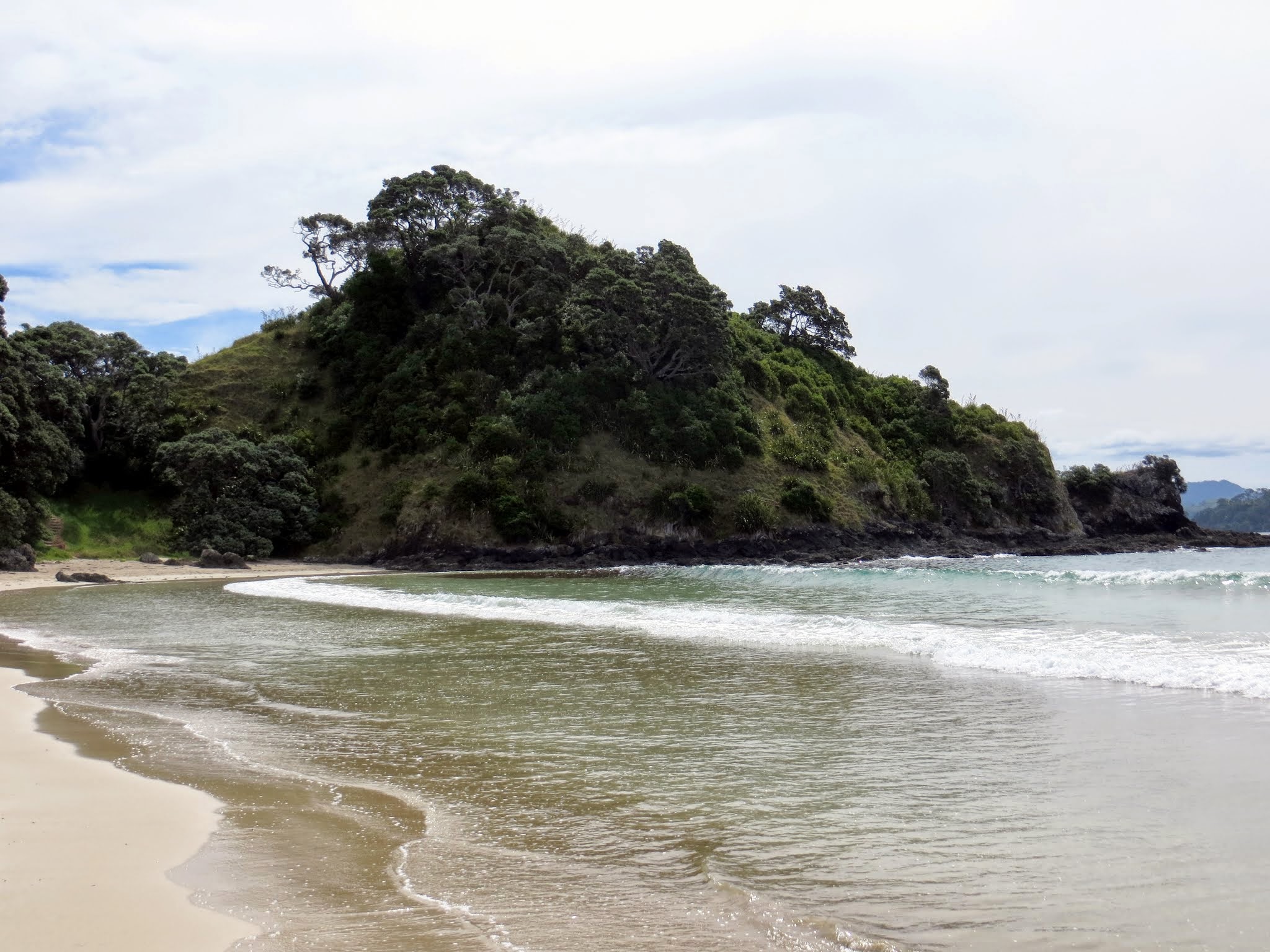
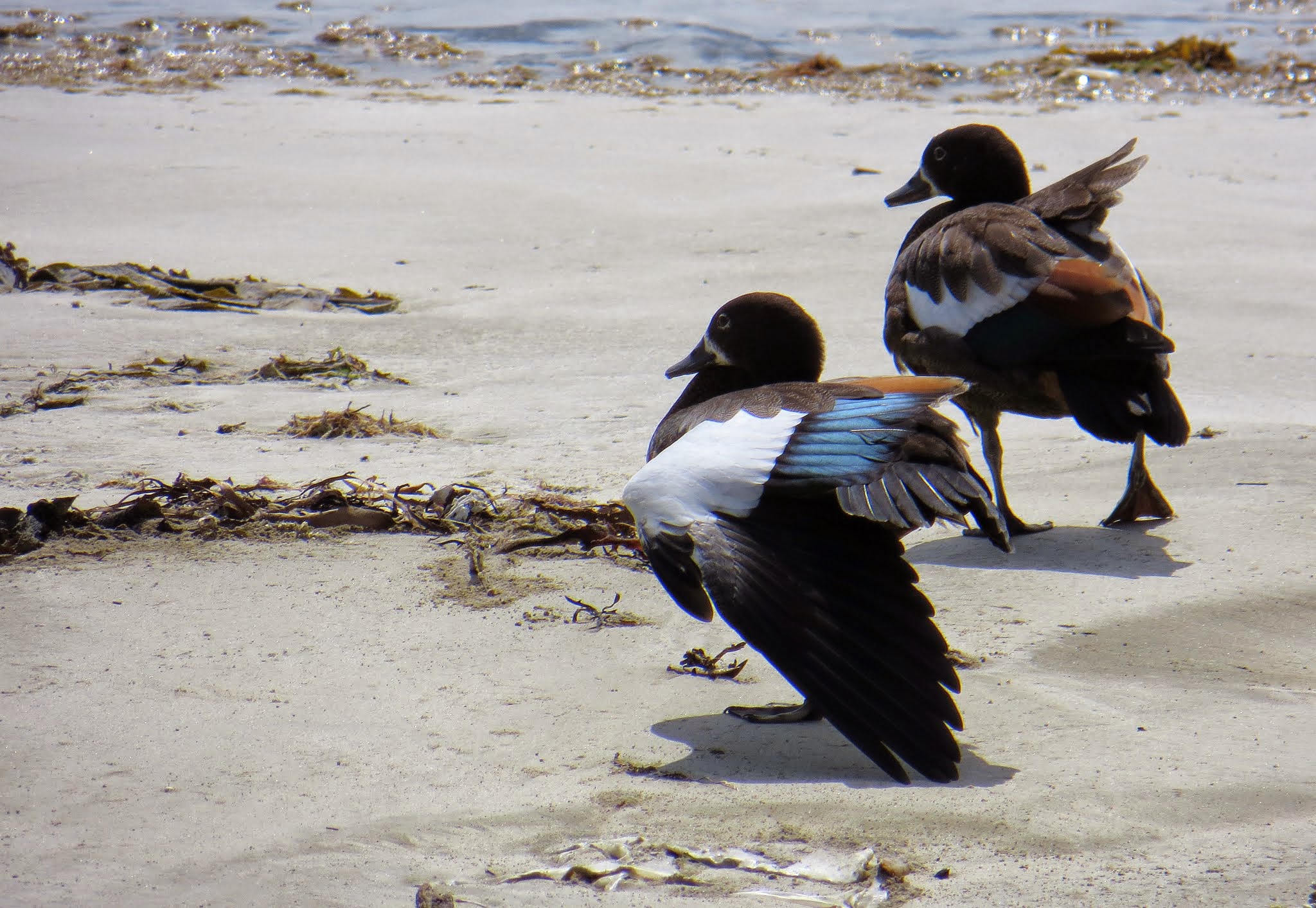
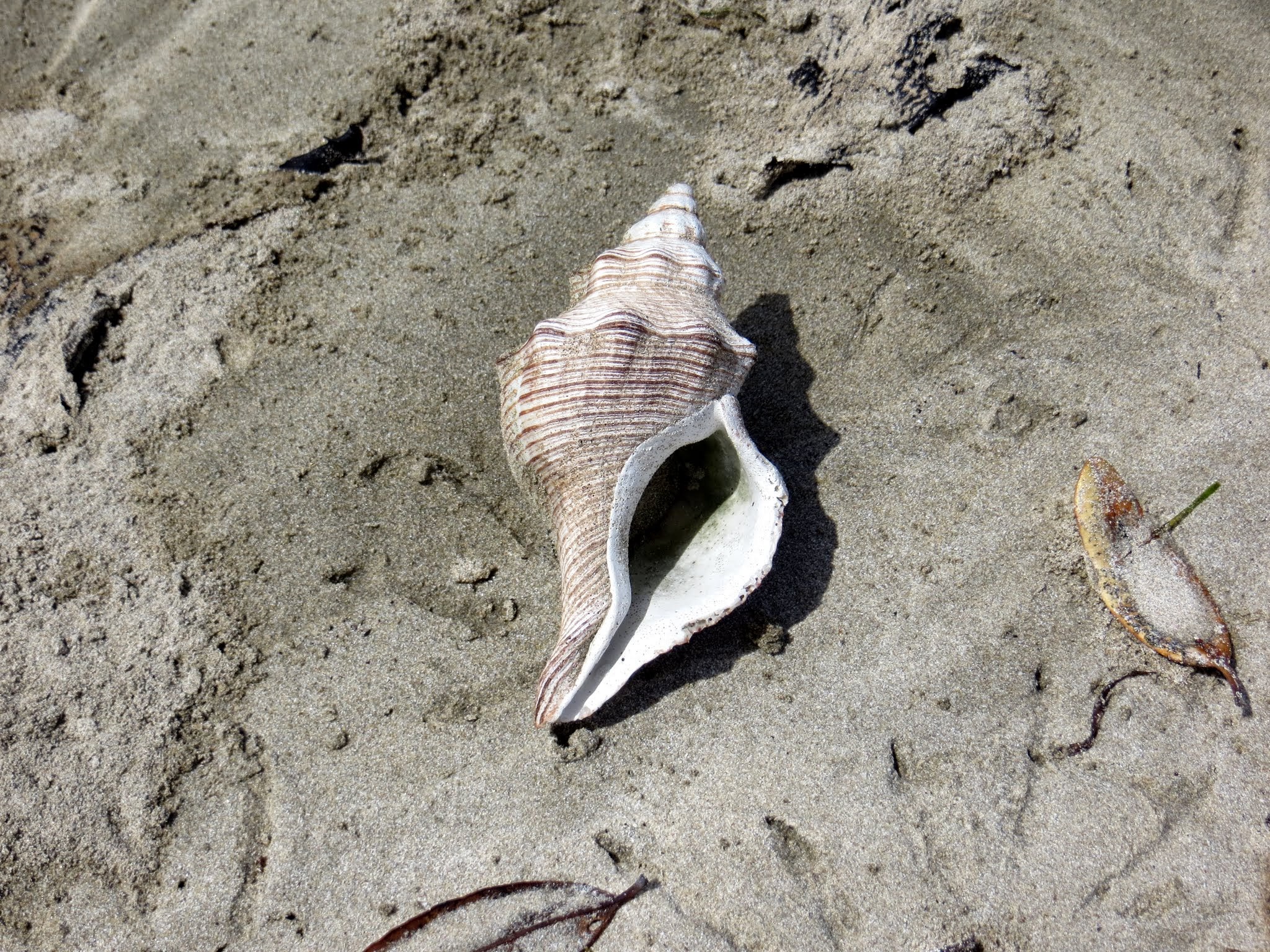
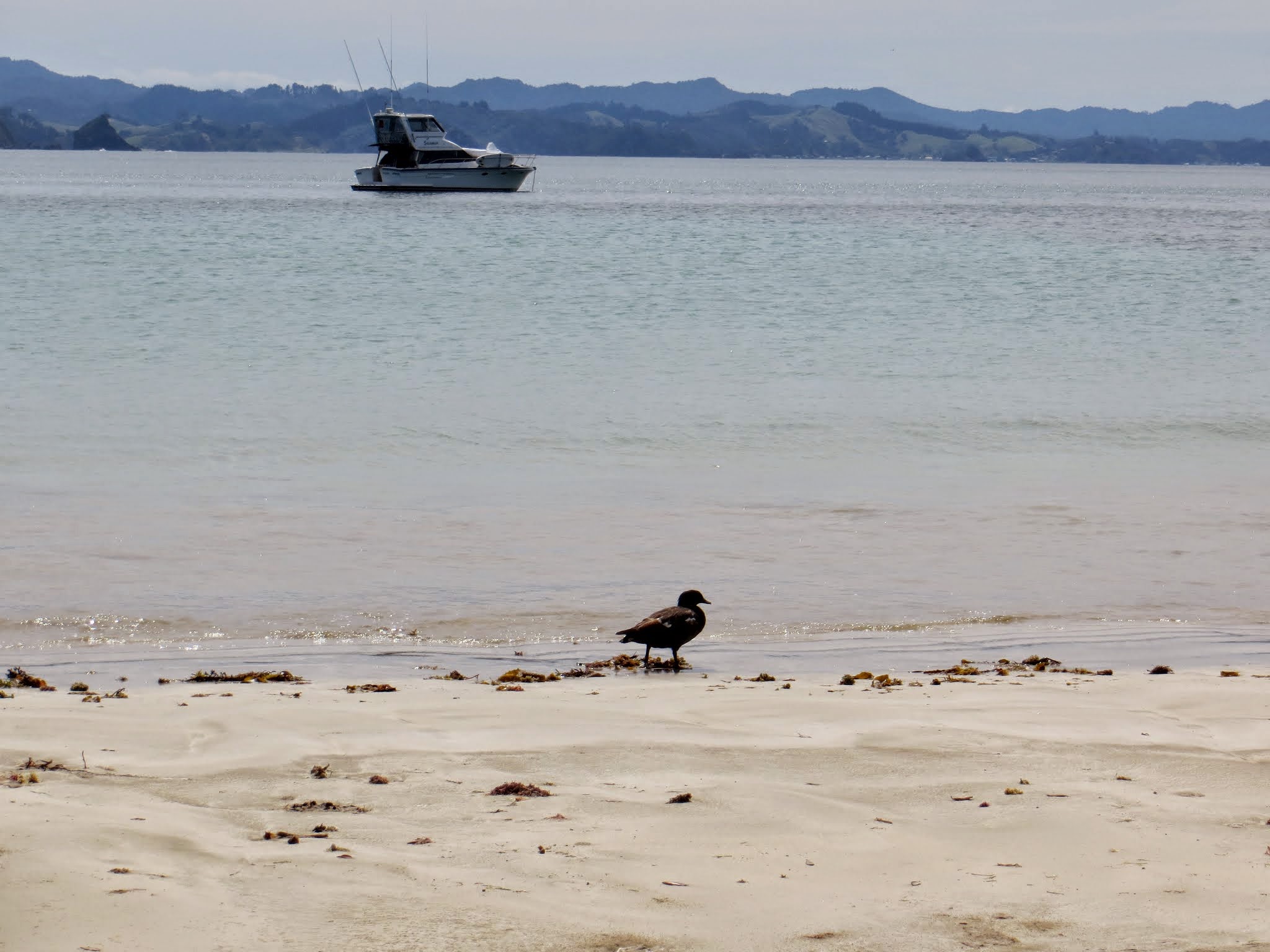
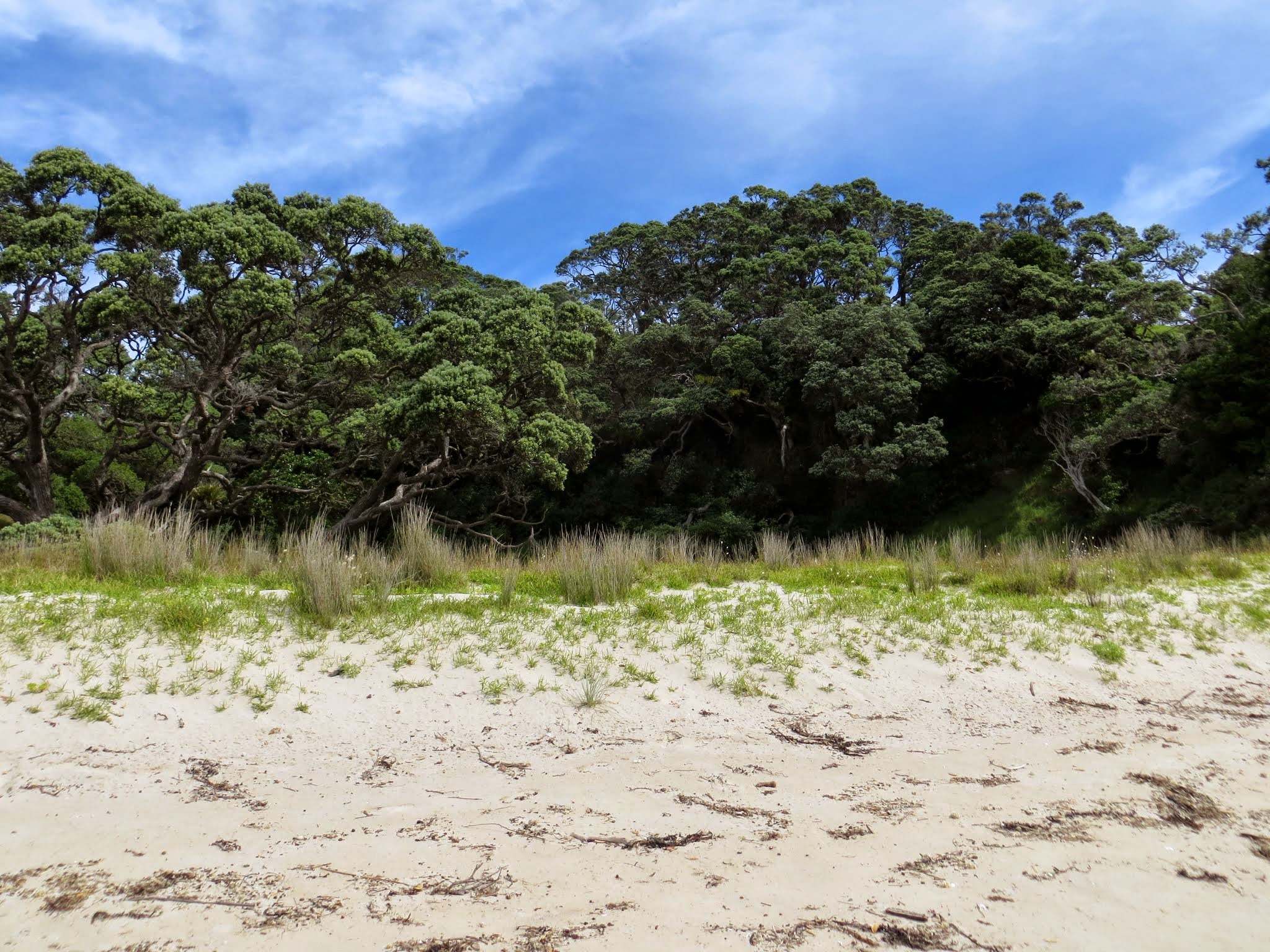
Mimiwhangata has a long stretch of white sand beach backed by grassy dunes and hilly pastures.  The beach is bracketed by rocky headlands covered with dense green vegetation and pohutukawa trees.  This is both a marine and a bird sanctuary, and the shoreline is dotted with oystercatchers, paradise shelducks, and other sea birds.  Beautiful shells lie scattered along the shoreline.

This is another one of those areas with a remote feeling, but in a warm, pleasant, and dreamy way.  The afternoon had this magical light that is one of New Zealand’s signatures, a soft glow that comes courtesy of the cloud formations here.  We walked along in the daze of sea and sun and grass and trees and beautiful light.

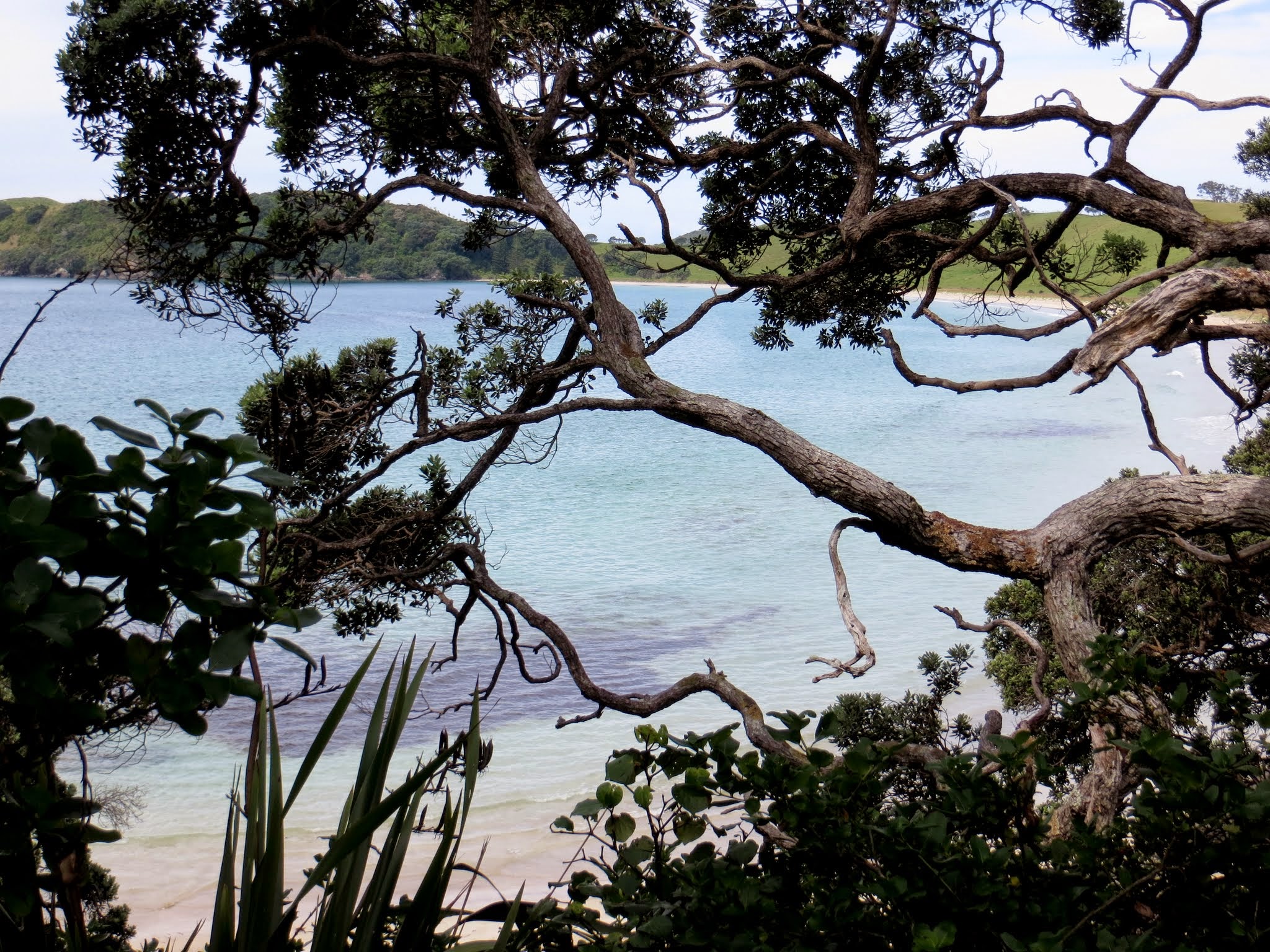
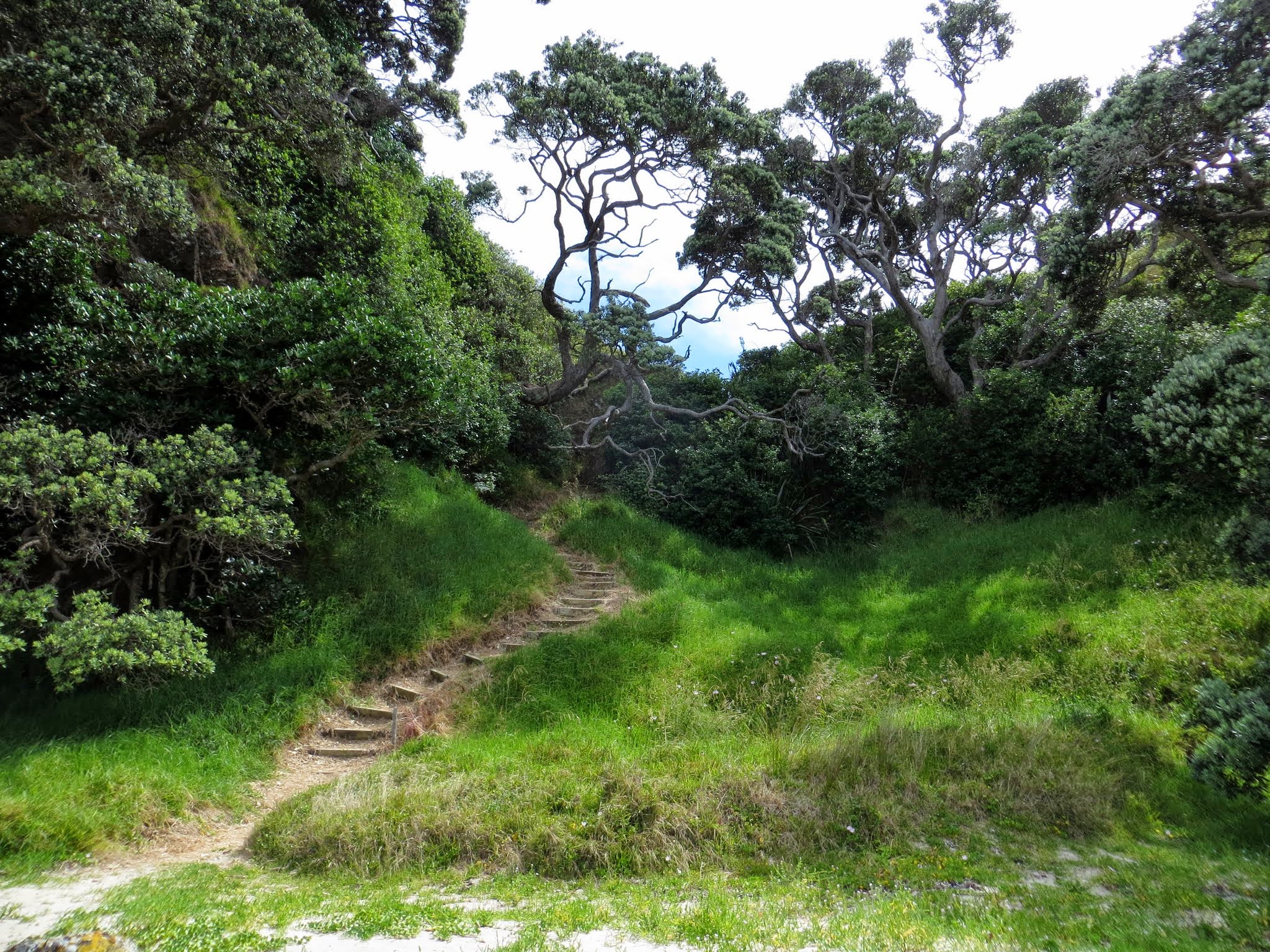
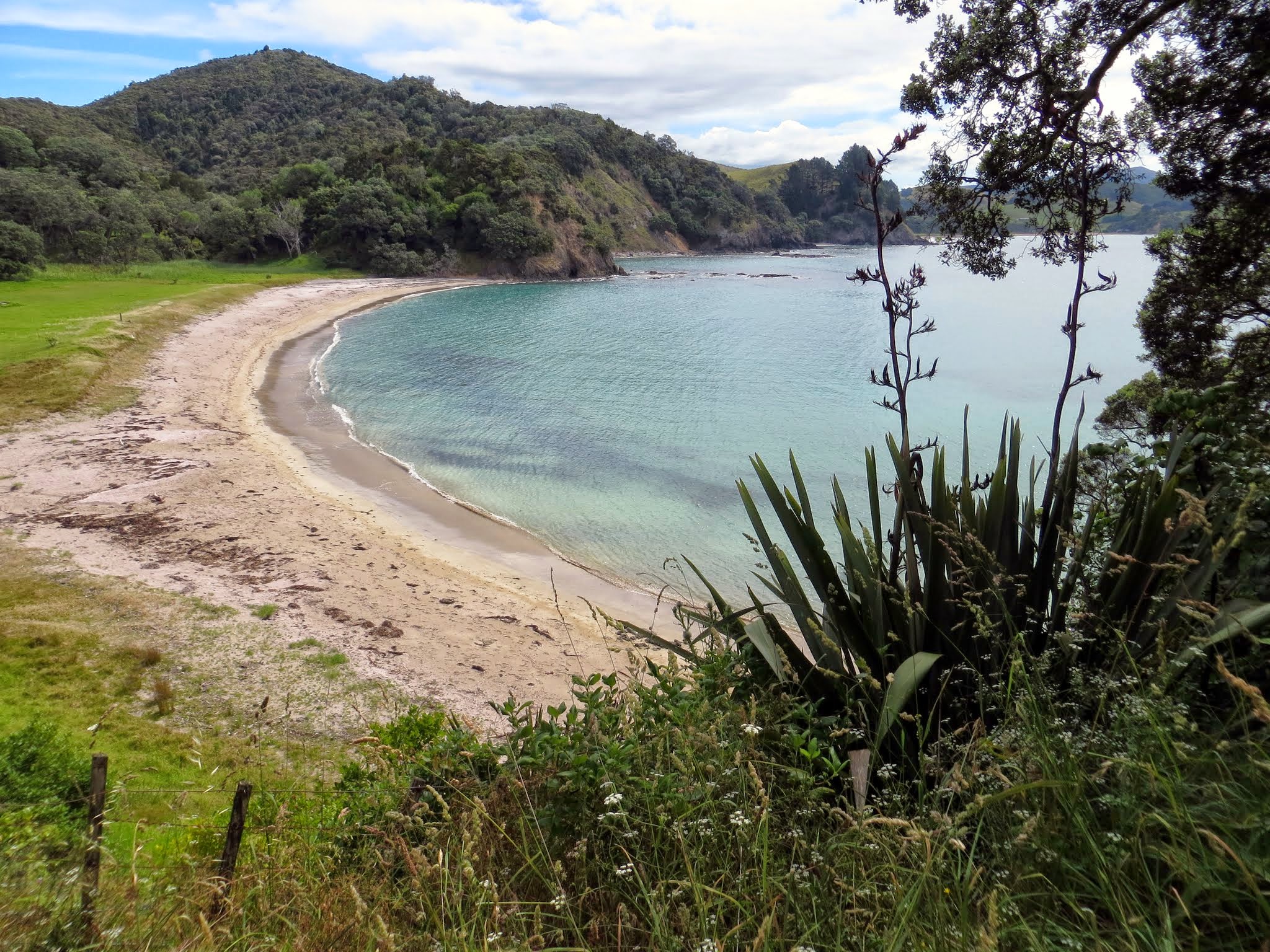
At the far west end of the beach, steps lead up and over the headland to Waikahoa Bay, another beautiful bay with a white sand beach backed by a grassy area where hikers can set up camp.

In all there are three beautiful beaches here, and because it’s so remote and only viable in good weather, it’s easy to end up having the area to yourselves.  This is definitely one of our favorite anchorages in New Zealand.

Above is a gallery of photos that include the headland at the east end of the beach, Mimiwhangata’s beach and dunes, and the west headland and neighboring Waikahoa Bay.  Click any picture to enlarge and scroll. –Cyndi