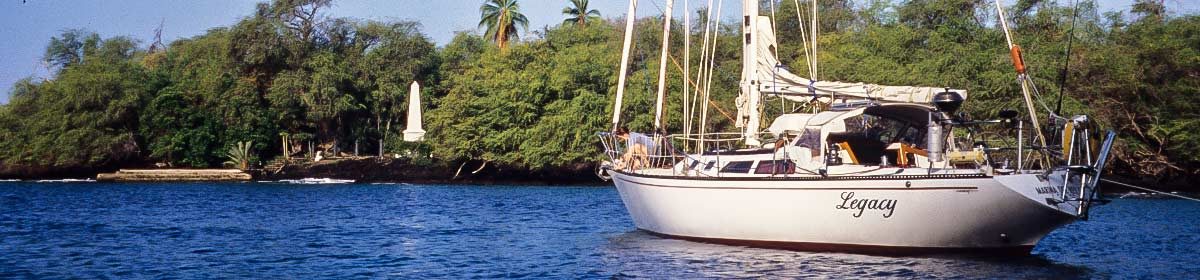
Dalconi Village (Vanua Balavu, Fiji)

September 17, 2013

We woke up pretty early and went outside to have coffee and survey our new surroundings. This is one of my favorite parts of cruising: seeing a new neighborhood in the morning light, often seeming very different after a cloudy, tired, late-afternoon arrival.

Unfortunately we wouldn’t be in this spot long because we needed head about a mile up the coast to an anchorage off Dalconi Village. We didn’t look forward to making this trip as Dalconi’s anchorage has poor holding and protection, but we needed to go there to do a sevusevu ceremony to gain access to the north part of this island.

As we motored north, we had a few impressive blasts of wind barrel down on us. This island is mountainous, and often that means wind bullets, almost as if the wind builds up at the top of the mountain then topples over in one big blast. There isn’t much effect on the water, but it is unnerving to be motor-sailing along minding your own business and suddenly finding yourself heeled way over.

Once we arrived at the village, we had a problem with our windlass and anchor. Rich fixed it, and we finally got the anchor set, but this was not turning out to be a good day. Earlier we’d found a container leaking oil in our lazarette, an annoying mess we’d have clean up. And now the psychic weight of having to do a sevusevu was putting enough stress on us to make us bicker over inconsequential things (we tend to bicker when under stress). Emotionally, bad things were piling up, and things were about to get worse.

As we anchored we noticed some guys had been building a fire pit on the beach. We assumed it was for trash until we heard a pig snorting, then screaming. Rich and I looked at each other. The screaming went on about 15 seconds, then subsided into softer grunts, then silence. Apparently this was to be a lovo (an feast cooked on hot stones underground) and the main dish had just been put to death.

Tears sprung to my eyes; this was an extra horrible event on a pile of bad events. I was upset and crying when I came back to the cockpit. Rich said I’d end up a vegetarian, but I said no, I wouldn’t. But I didn’t like hearing something suffer and die like that.

I pulled myself together and we somberly got ready to head in, me wearing a sulu (like a sarong) and Rich wearing long pants (men have an option to wearing the male version of a sulu which Rich really never wants to do). We put our kava in my backpack, it’s long shoots sticking out the top making a nice visual announcement that we were properly prepared.

We got in the dinghy and our electric engine wouldn’t start. We switched batteries and still no luck. Rich cleaned the contacts, then worked at it and finally got it started. We thought we’d fixed this thing but it was now going downhill steadily.

This day was not going well. Getting the dingy to shore required taking it over shallow water and rowing (never a good thing for us–we don’t row well together – see “Yelling Sticks”). We scraped the bottom in spite of the rowing but thankfully the dinghy seemed ok. This whole sevusevu excursion was turning out to be about as much fun as dental surgery.

Things started looking up when we arrived ashore to find two men waiting for us, one of them being Sam, the guy who acts as Turaga ni koro for this village. They’d seen us come in yesterday and tried to contact us over the radio (which we didn’t hear). A bit embarrassed as apparently boats are expected to come straight to Dalconi Village, we explained that we’d been ill yesterday and unable to come in (I didn’t go so far as to mention my racoon face). They accepted that and were very nice. It’s probably hard for a Fijian to be cross with someone with a peacock-like display of kava roots sticking up behind her head.

The sevusevu went really well. We all sat down on a mat at the chief’s house and Sam presented our kava and our $60 ($30 per person), the pre-set fee for visiting the Northern Lau Group of islands, specifically an area called the Bay of Islands which happens to be owned by Dalconi Village. We were presented with an agreement that showed a list of projects for which the money would be used.

Apparently Dalconi Village had gotten some resistance from cruisers not wanting to pay the fee, fueled by the likes of Curly (the local ex-pat who does seminars about how to cruise Fiji) and John Martin (head of the ICA rally who is quite an expert on charging fees for no service) who feel there should be no fee here at all. So they now call it a “donation,” and show you how your donation will be used for things like the school or community building, etc. For heaven’s sake, what else are they going to use it for, drugs and hookers? Somehow this list allows for cruisers to save face, thinking they are standing up and refusing to pay the fee but are instead making a donation (for the suggested amount, of course). Excuse me while I go roll my eyes.

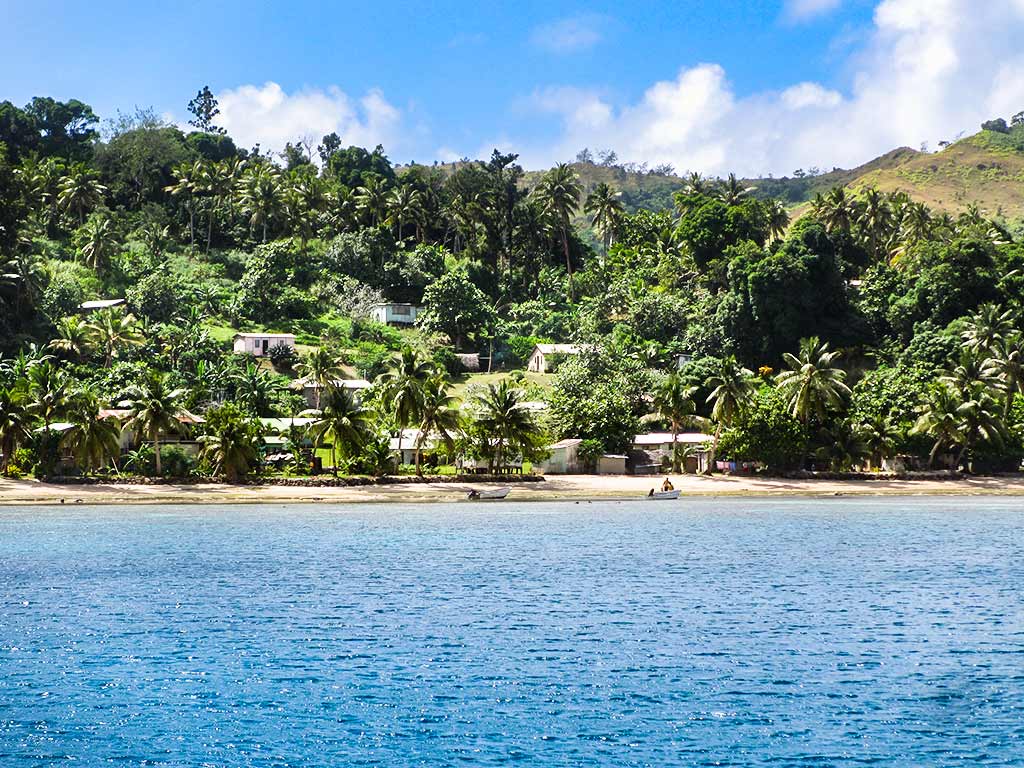
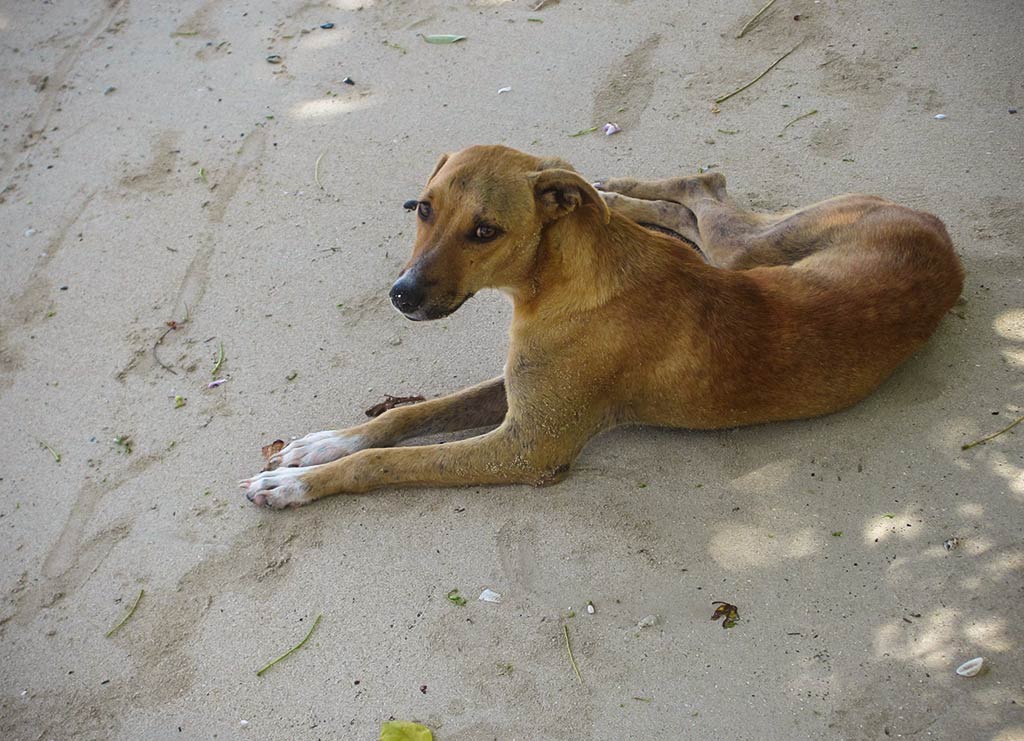
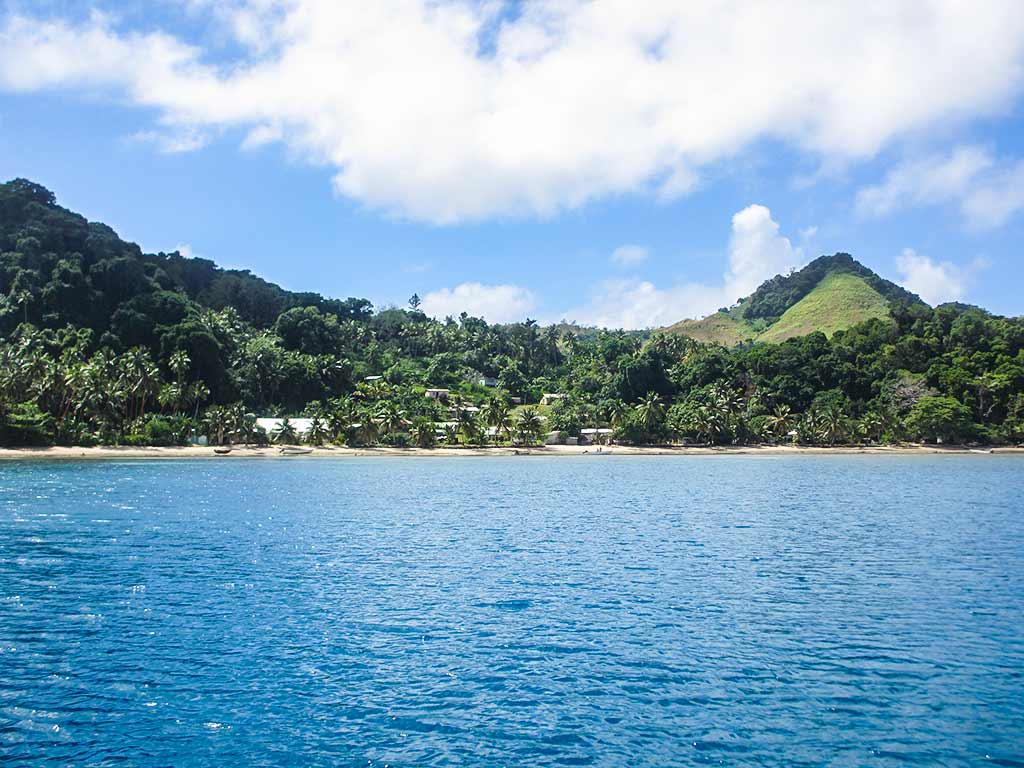
We made our “donation,” then looked at some info they have about a cave excursions and feasts, although I think these things take place earlier in the season when there are more cruisers. Sam then took us around the village and to visit his house. He asked what we needed, and we said bananas and papayas and we’d be happy to pay for both. They had no bananas, but they did have papayas and they would be free for us. At his home he apologized that his wife was not there to cook us lunch but did give us some breadfruit cooked over an open fire that was quite good. He told us how to cook it, and then actually gave us some. In all we found Sam exceedingly generous and gracious, and I felt bad about the flack they’ve endured about charging the fee. After all, until recently, visiting the Lau group of islands required an outrageously expensive special permit. Now at least it’s affordable and accessible.  (Below, a gallery of photos from Dalconi Village; click to enlarge/scroll.)
Our sevusevu and village visit went well and the spell of bad events for us seemed to have been broken, but when we took our dinghy back in the water, my shoe stuck in the mud and broke. This was followed by another spat over who was and wasn’t rowing properly through the water. (I was rowing properly, Rich was not, but he yells louder.) Back on the boat I managed to pinch some skin on my palm as I closed the overhead hatch, quite painful and soon to be a nasty blood blister. The bad ju-ju seemed to be back.

We pulled up our anchor and headed back to our previous anchorage off Malaka. Sam had told us how to take a bus to the main town located on the other side of the island. Since we needed some provisions, we planned to head in the next morning and catch the bus at a stop just outside the Malaka village. As for now, it was good to be back in our old, secure spot: good holding in a protected anchorage.

I know this has been a long, rambling post, but I have a reason for writing it. Recently I did a post about a perfect day we’d had, but frankly those aren’t as frequent as non-cruisers like to think. Most days tend to be more of a mixed bag. Sometimes the mix leans towards the positive, sometimes more to the negative (like the one above).

Really bad days happen, but they’re rare. Perfect days happen, but they’re also rare. Most days land in the middle. For me, the trick in life is to do what you can to make things happen more on the positive side of the middle, but sometimes shit happens and you just have to ride it out.–Cyndi
Journey to Vanua Balavu (Northern Lau Group, Fiji)

September 15-16, 2013

The conditions were comfortable as we started north from Fulaga to Vanua Balavu, but the wind came up during the night and we had a lot of mixed swells, making for an unpleasant and uncomfortable ride even though the true wind was aft of the beam. The combination of having too much sail up plus swells hitting us on the beam made for classic seasick conditions. I ended up losing everything I’d eaten that day, especially sad when one of those things was a fresh fish dinner.

After a nap I was up again by 3am to take another watch. Again I felt sick and had a pretty intense round of dry heaves (with nothing left to bring up) over the side of the boat. No fun, but I felt better after that. (There will be a point to this story.)

What a relief when the island came into sight the next morning. We were able to head up its lee side, getting us out of the swell although it was still windy and rather cloudy.

Vanua Balavu is an island surrounded by a coral reef; so we had a pass we had to enter. Nature, of course, played her favorite joke on us and decided to let loose some rain as we headed in through the pass. No matter what the conditions, we tend to attract clouds and rain as we head in through any given pass.

After going through the pass we motored across a large harbor inside the reef. We had two choices: anchor off Dalconi Village and do our sevusevu, which would give us clearance to head up to the Bay of Islands. Or, we could anchor off the bay just south of that, Malaka Bay and get some rest before dealing with the sevusevu thing the next morning. Below, an interactive map of Vanua Balavu showing the day’s two anchorage choices.


Feeling exhausted, we opted for Malaka Bay. This turned out to be a good thing: I caught a glimpse of myself in the mirror and was horrified to see I had a sudden outbreak of dark freckles under my eyes that made me appear to have two back eyes! WTF?! I ran to show Rich and we both realized what it was; petechiae. It seems leaning over the side of the boat with the intense forces that come from being heeled over combined with dry heaves had produced this petechial hemorrhaging around my eyes. I looked like a racoon and certainly not in shape to go do the sevusevu ceremony. I hoped some rest and a good night’s sleep would fix it.

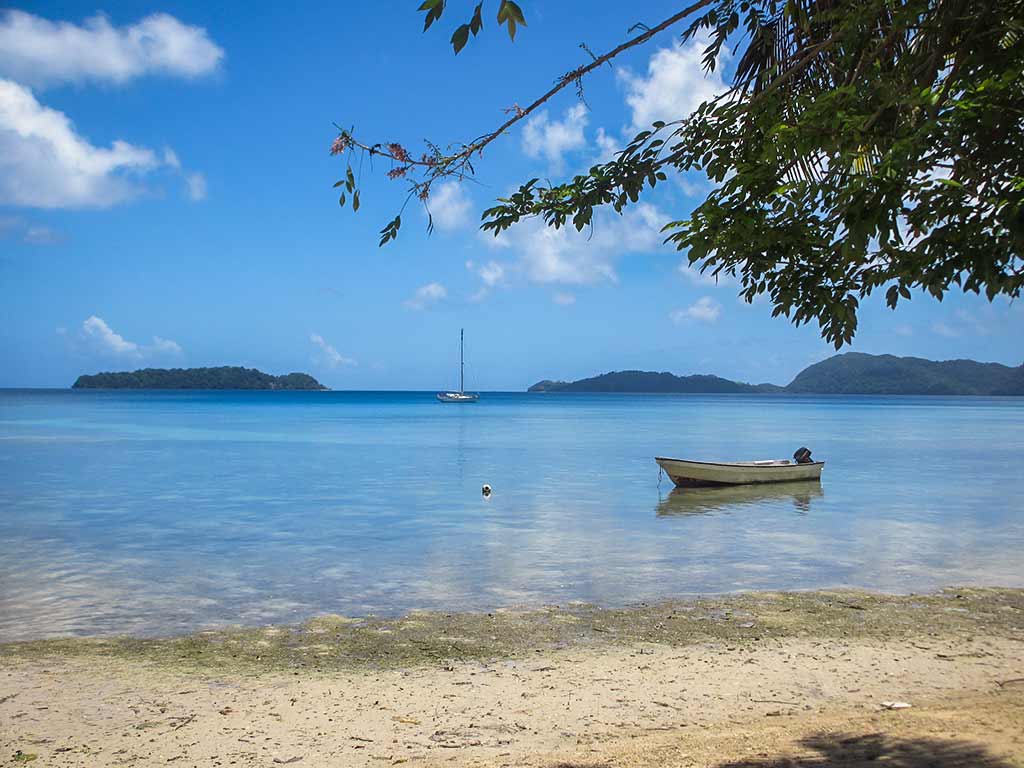
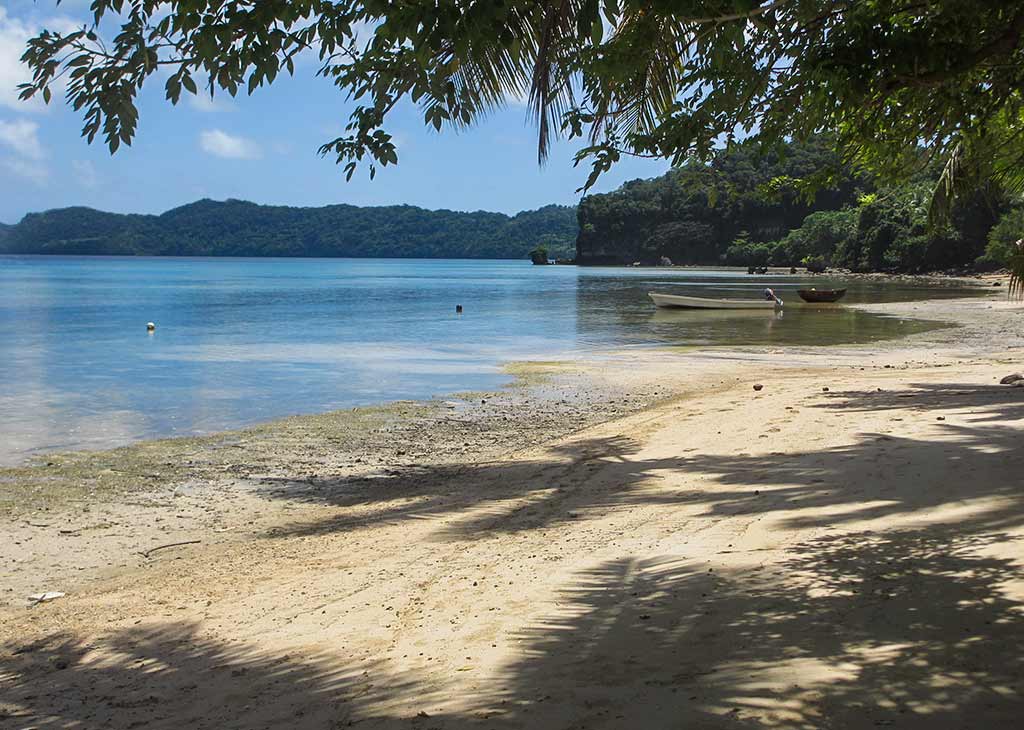
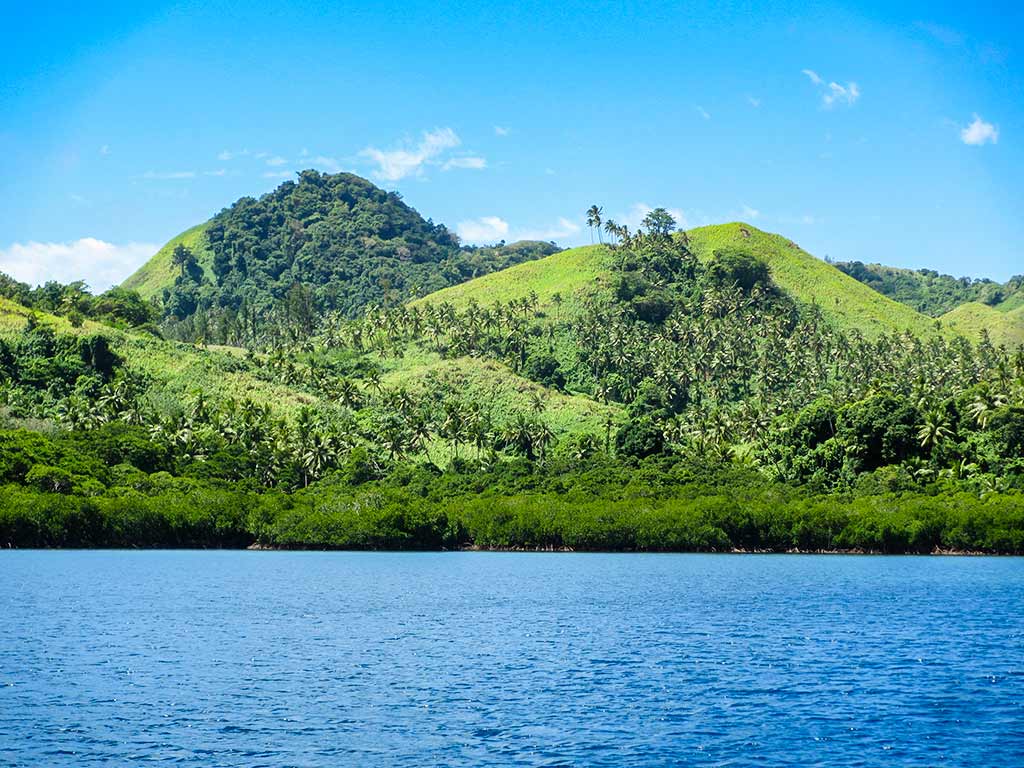
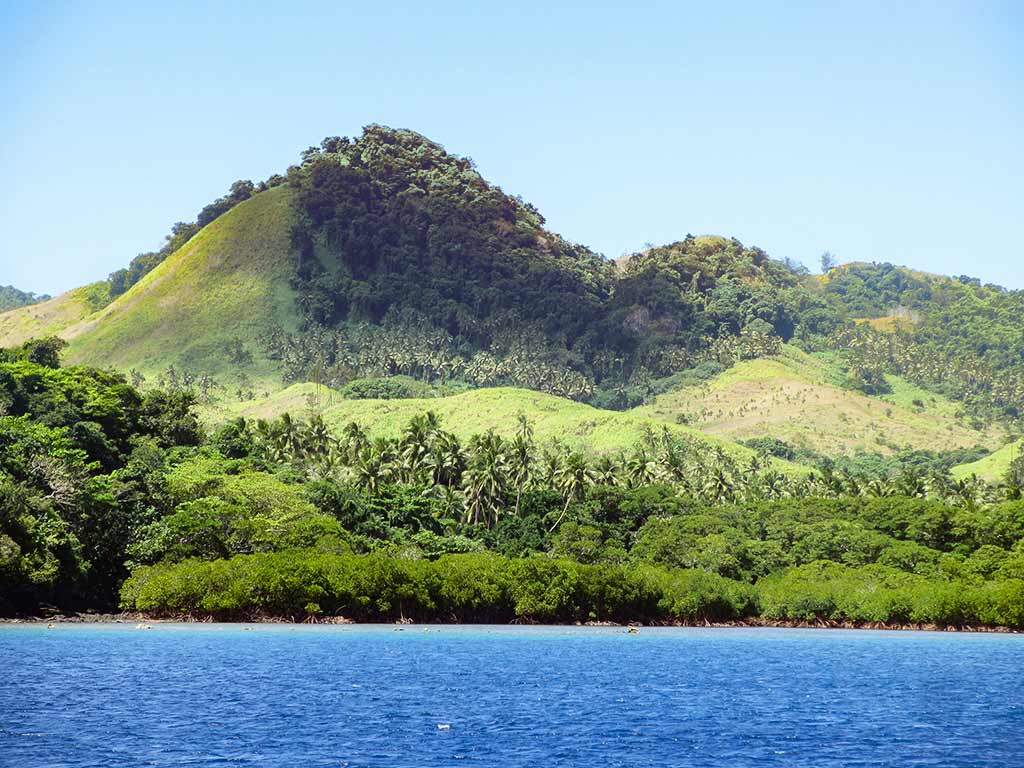
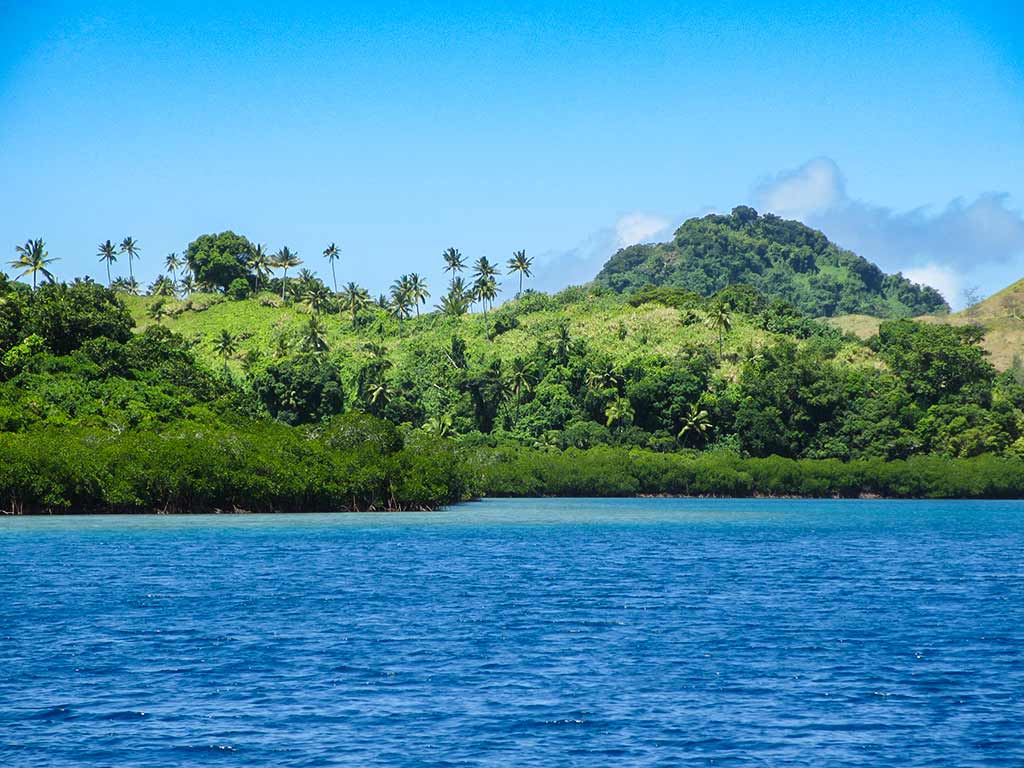
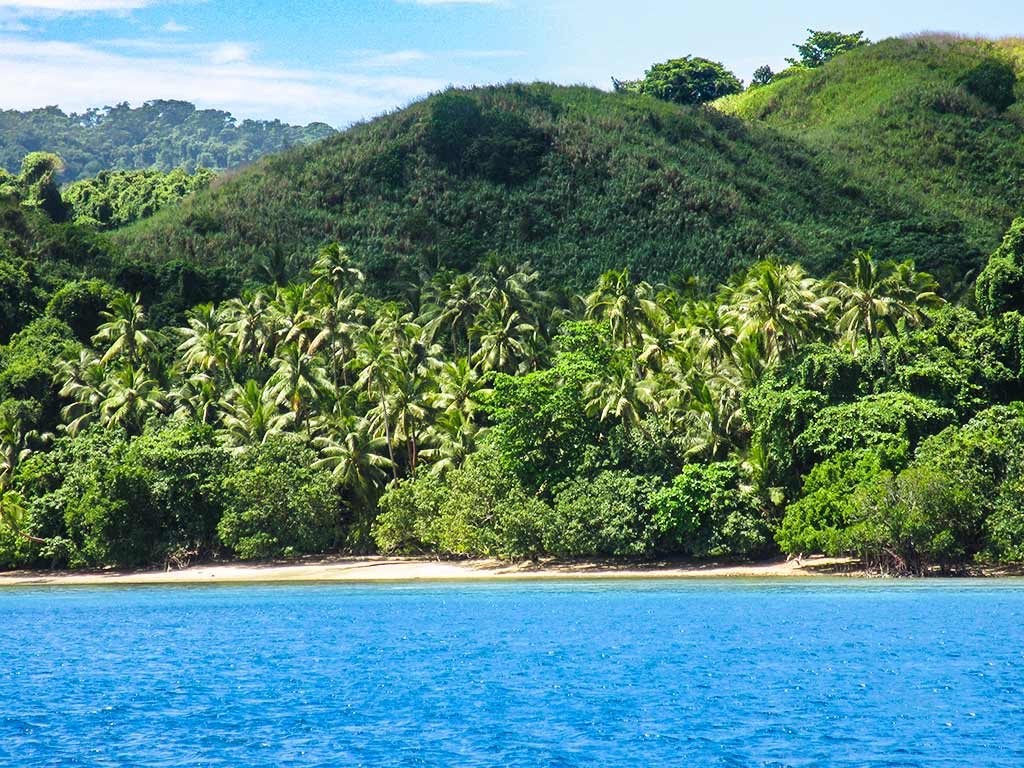
What a pleasure it was to motor into Malaka Bay! It was well protected, semi-enclosed by an island just off the point and surrounded by beautiful green hills, some mowed and grassy while others were covered with trees. The water was very dark but also very clear, and while there was a village here, it was hidden well back behind the vegetation. In all, while it wasn’t a particularly special spot compared to other Fijian anchorages, it was perfect for us at the time. (Click to enlarge/scroll through photos.)

After sundowners and popcorn, we headed inside for a good night’s sleep and slept very, very well. -Cyndi

The Southern and Northern Lau Groups (Fiji)

September 15, 2013

Now that we’d visited Fulaga in the Southern Lau group of islands, we were anxious to see the Northern Lau.

As I’ve mentioned before, the Lau group of islands in Fiji had only recently opened to the general population of cruisers. By “general population” I mean those not willing or able to pay the big bucks (and I mean really big bucks) for the formerly-required very special permit. Now with that permit no longer required, the islands were open to all.

The Lau Group of islands covers about 150 miles and can be divided into two distinct groups: the Southern Lau Group and the Northern Lau Group.


While they’re a long distance apart from each other, the Lau groups have a lot in common:

  • Both groups are remote, sitting near the eastern border of Fiji.
  • Both are hard to sail to (from Fiji’s main ports) as they require traveling against the prevailing winds.
  • Both groups had only recently been included in the general Fiji cruising permit.
  • Both groups had virtually no tourism (as of 2013).
  • Both groups required a fee to visit, payable to the chief when doing the required sevusevu (welcome) ceremony. (Yes, the expensive special permit was no longer needed, but the islands themselves required a fee.)

Both groups contain a number of islands, but in each group there is clearly one must-do place. In the Southern Lau this is Fulaga, and in the Northern Lau it is Vanua Balavu, specifically an area known as the Bay of Islands near the Vanua Balavu’s north end.

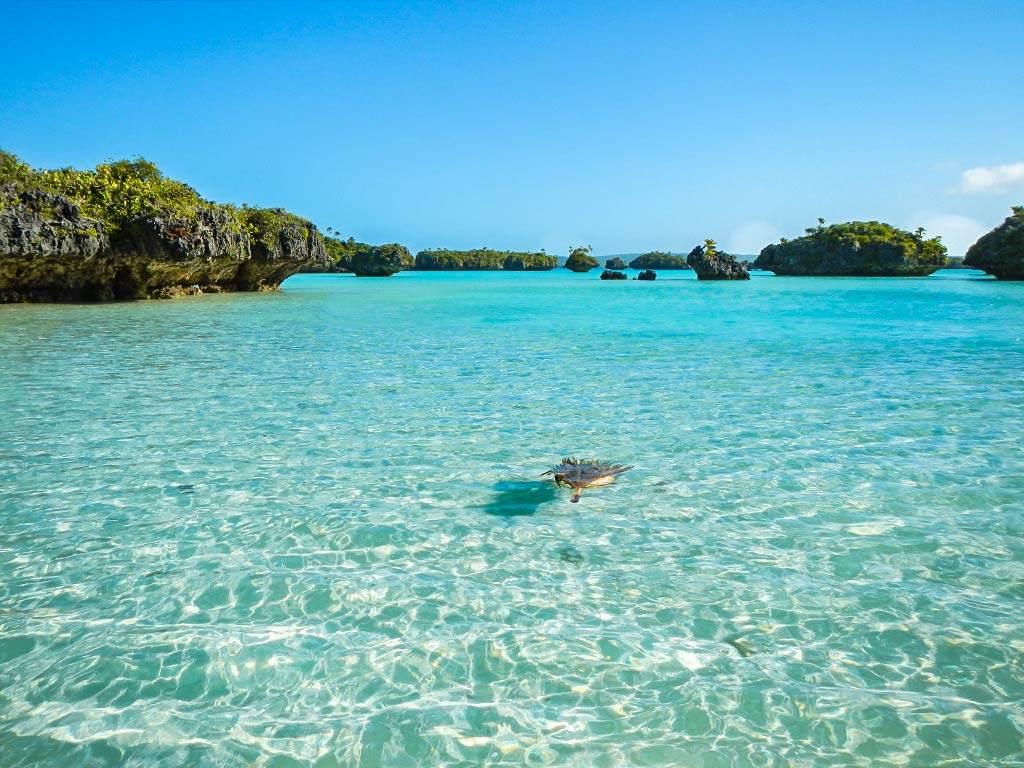
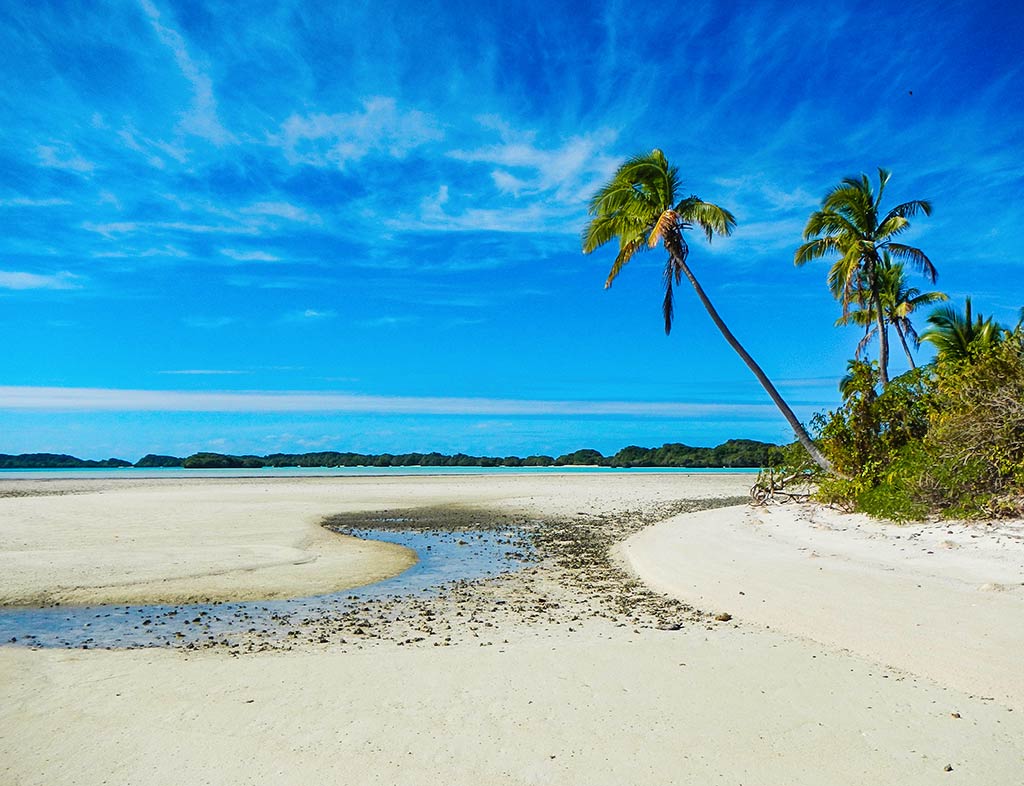
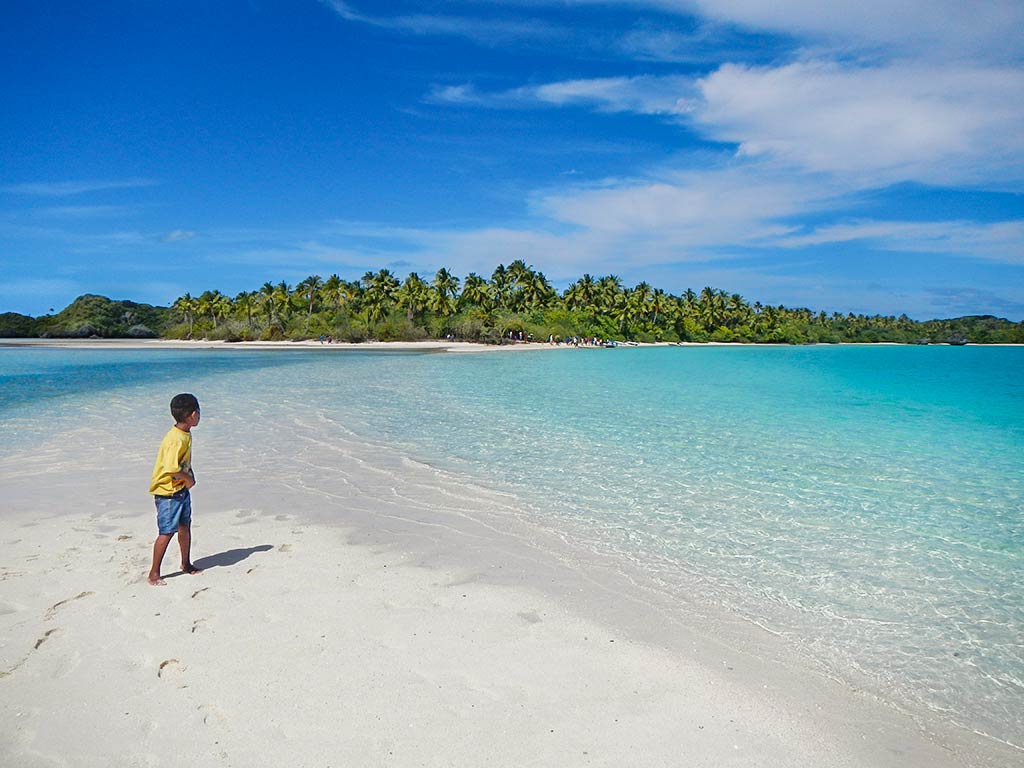
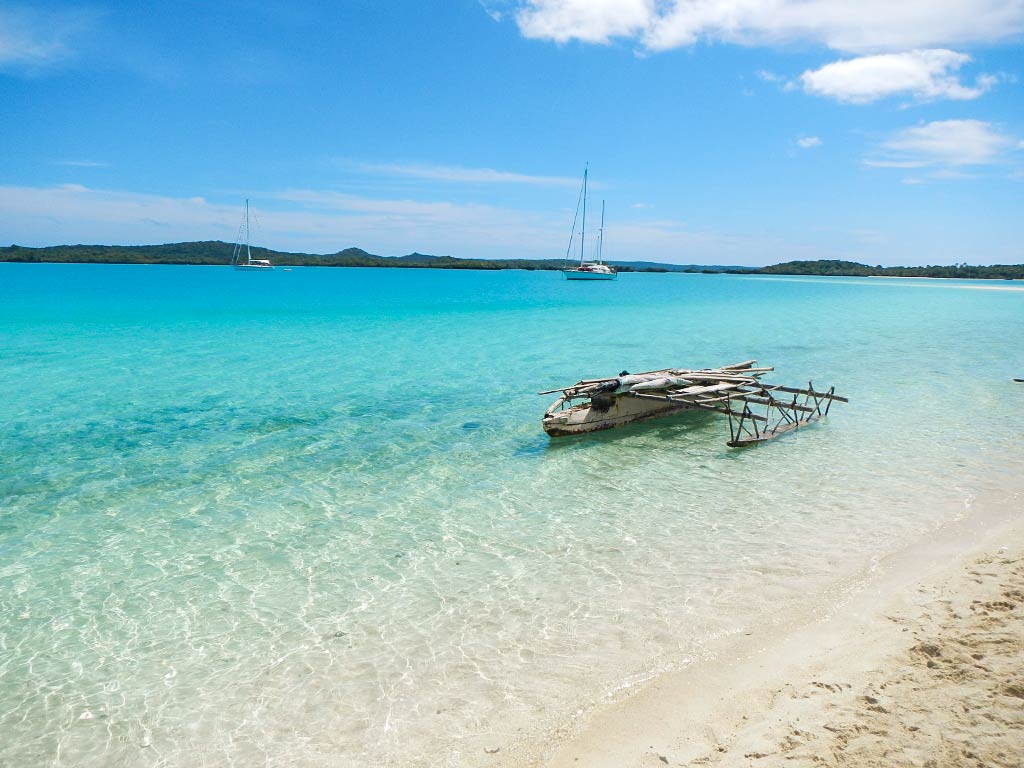
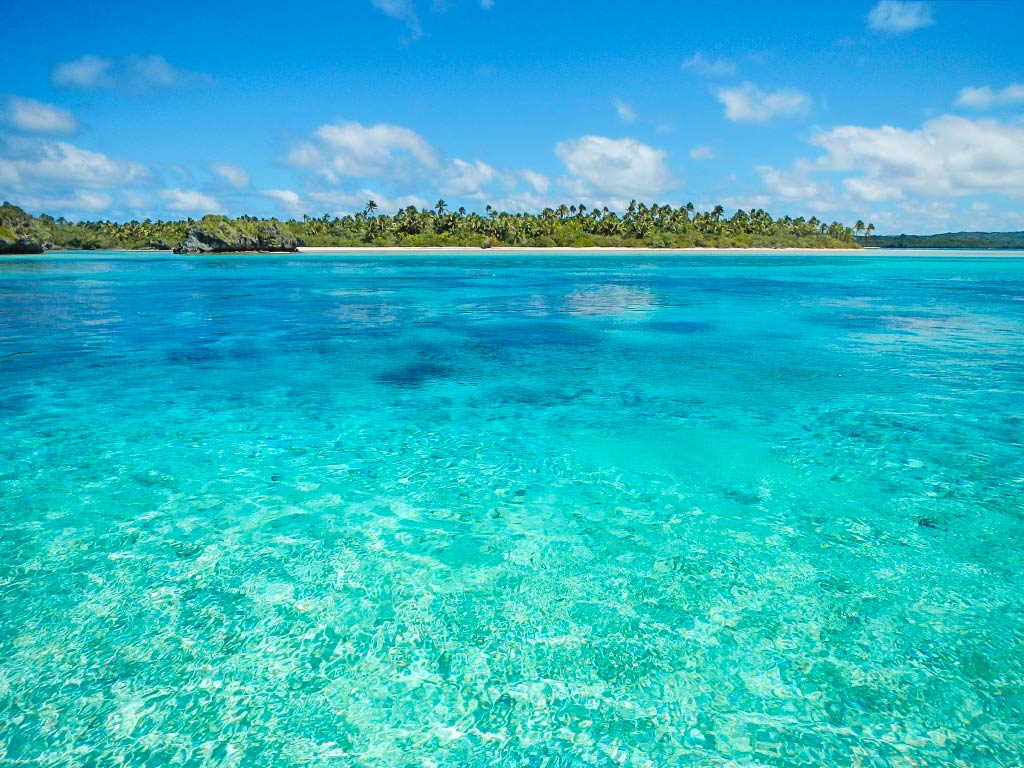
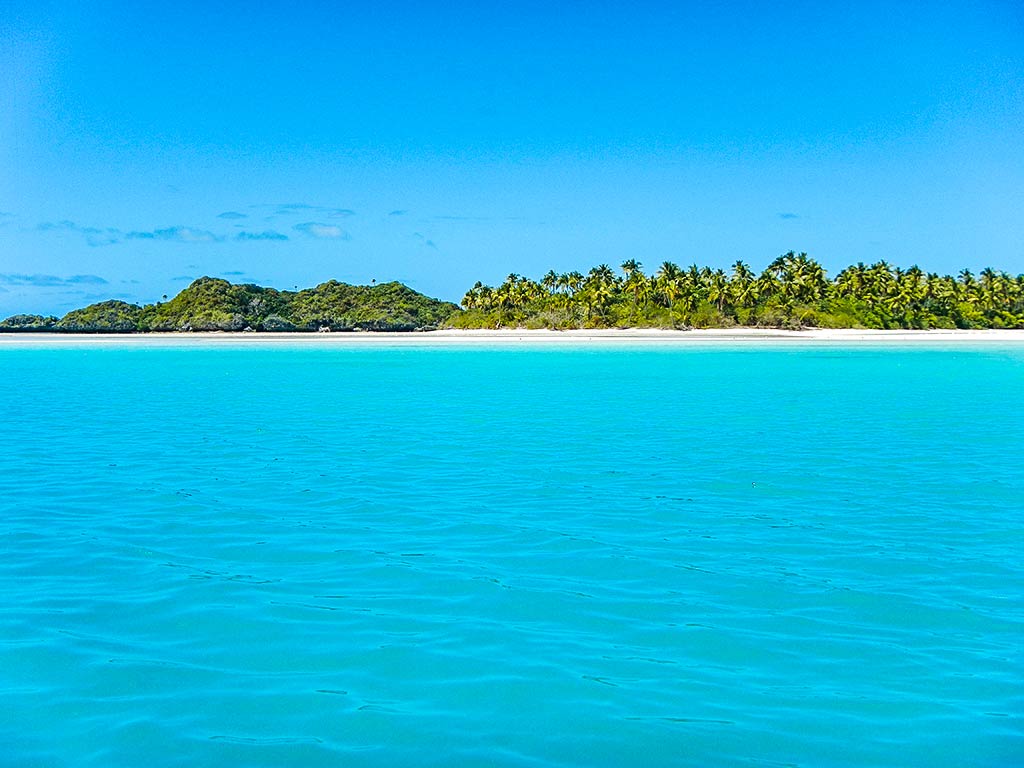
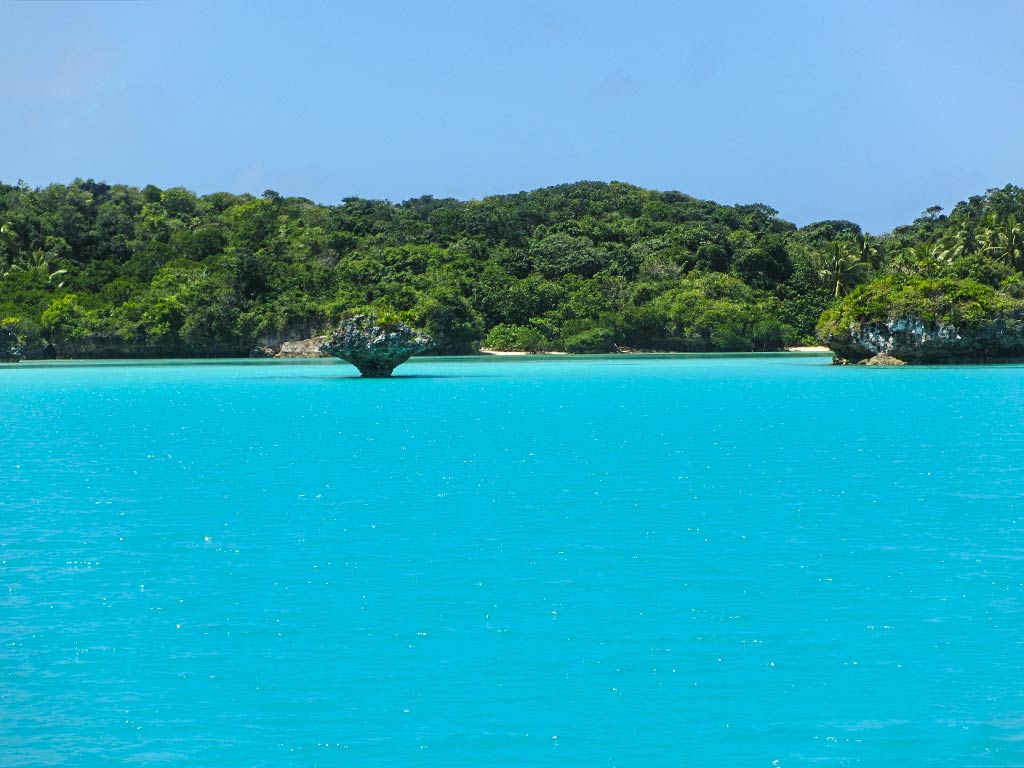
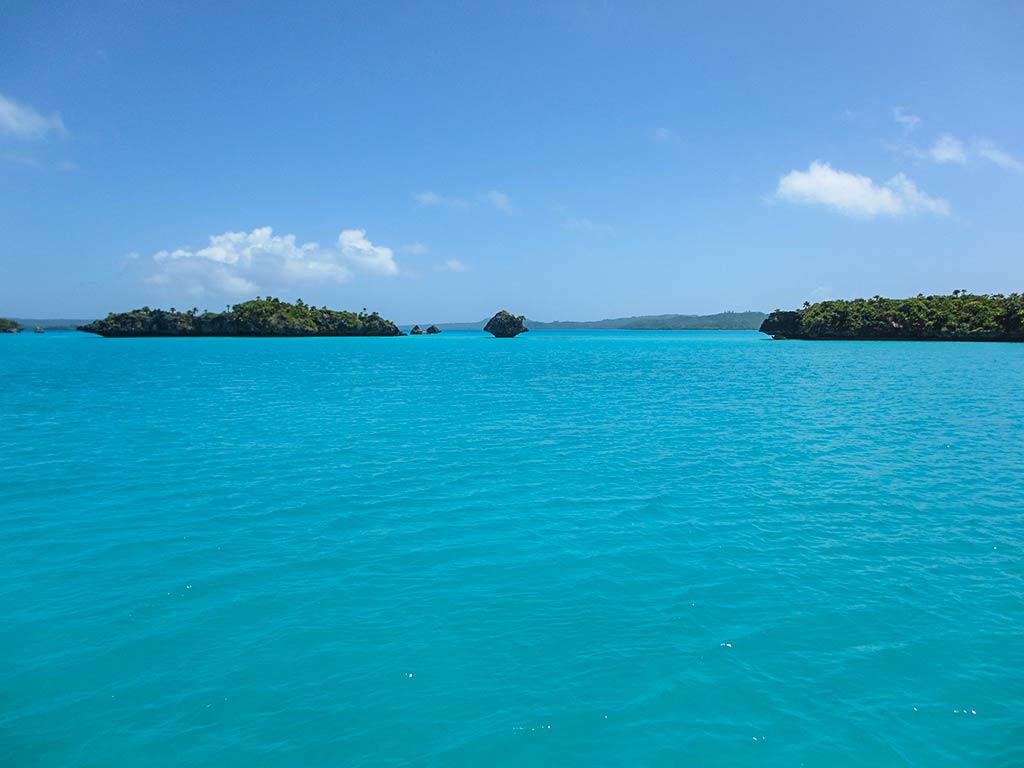
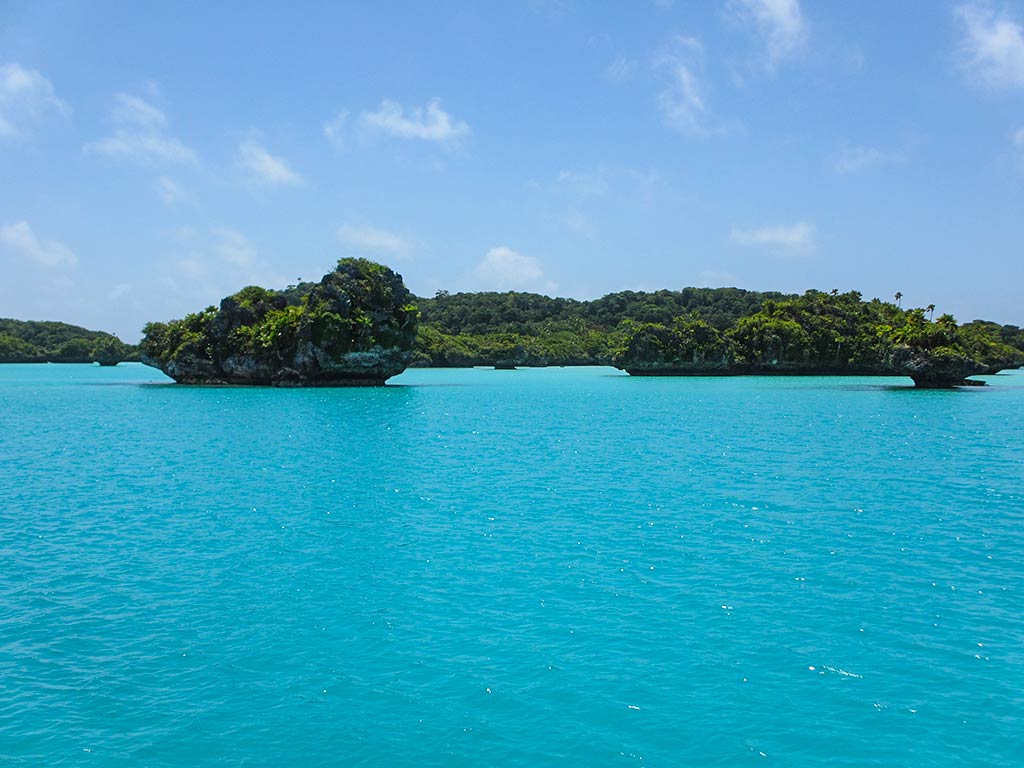
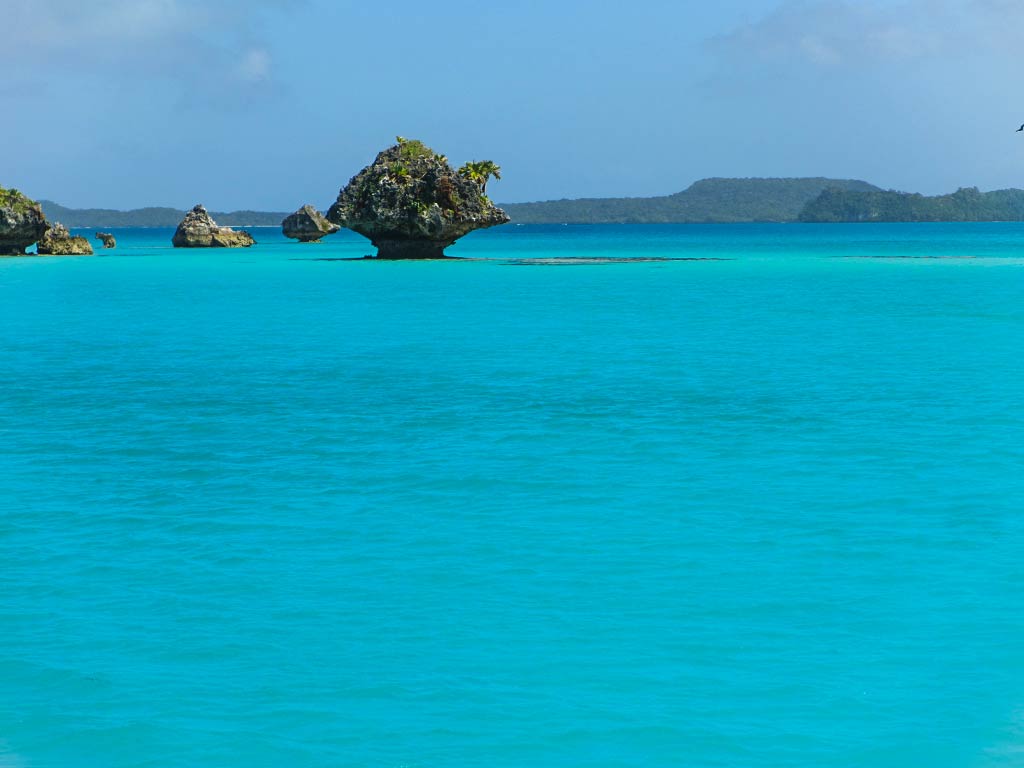
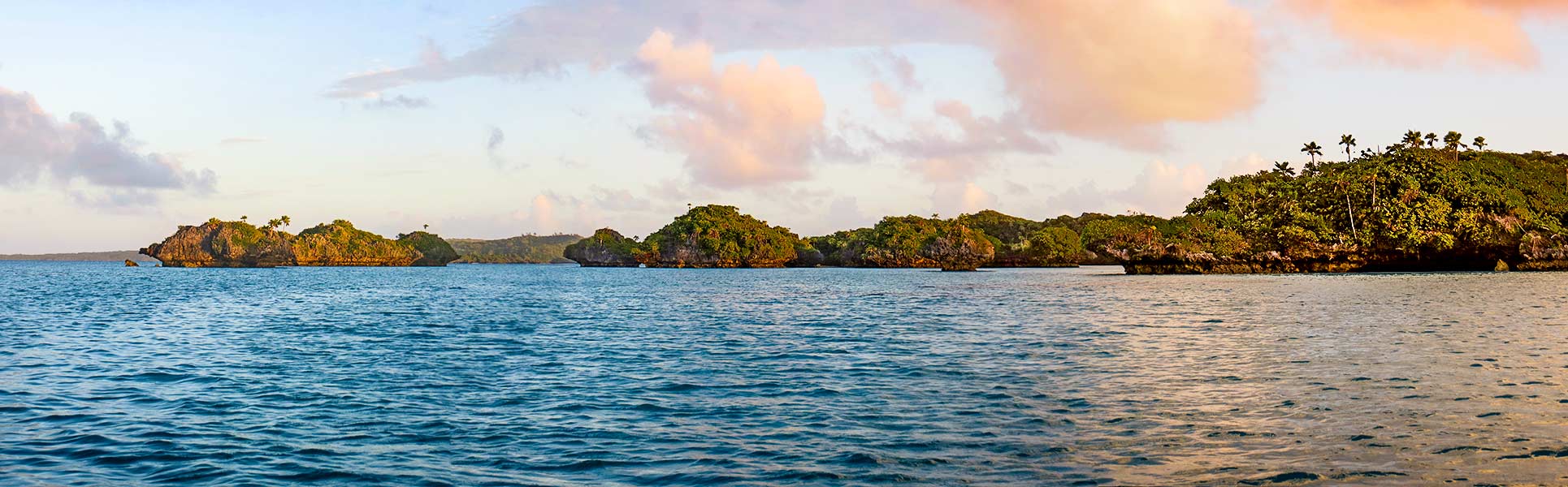
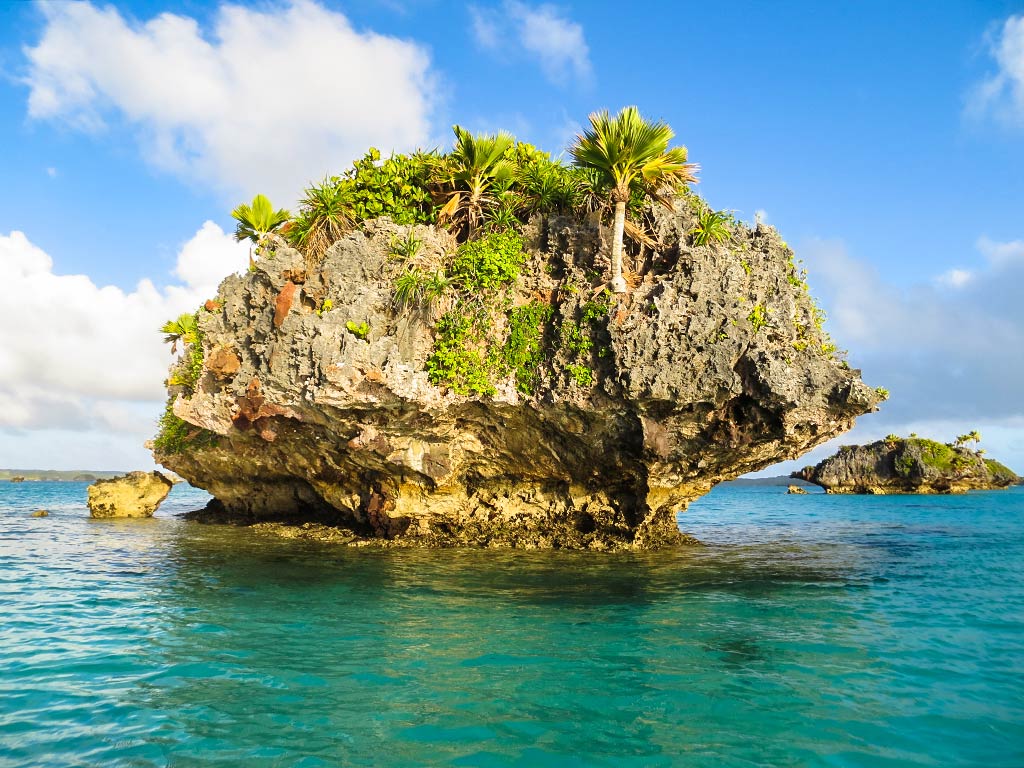
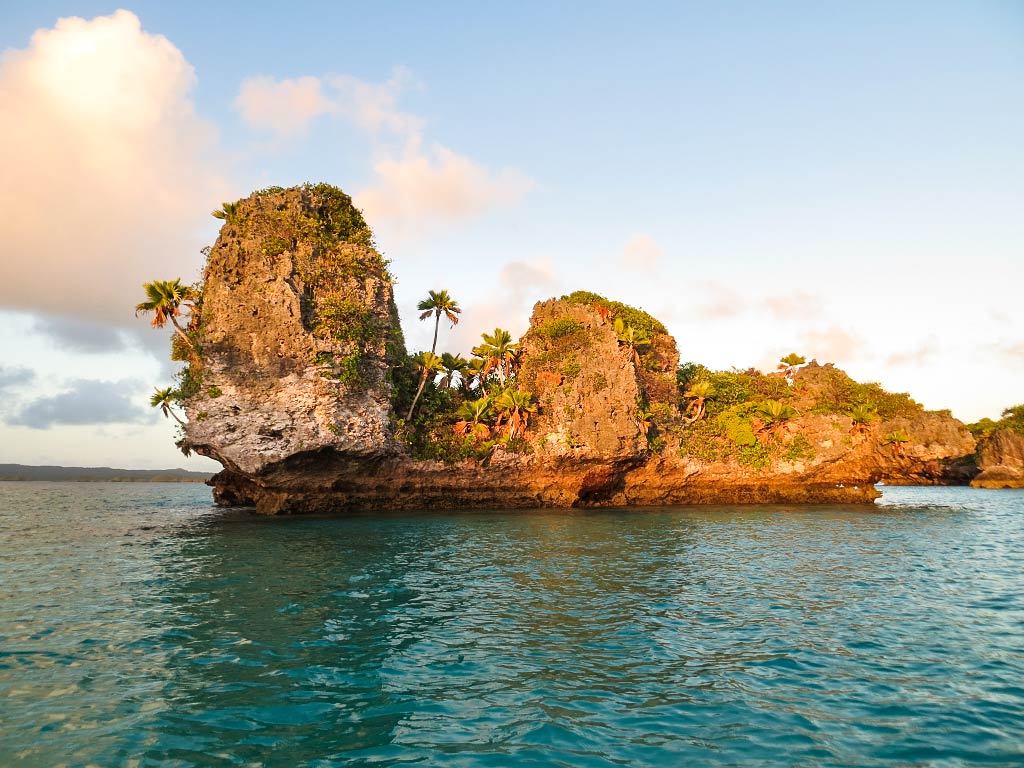
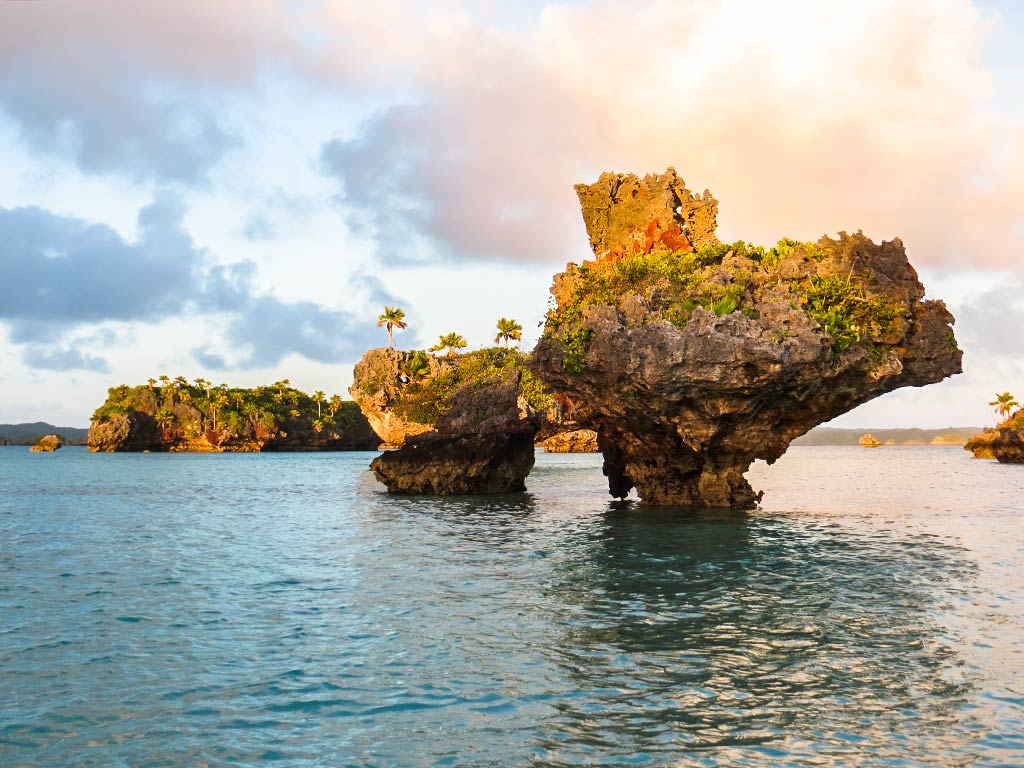
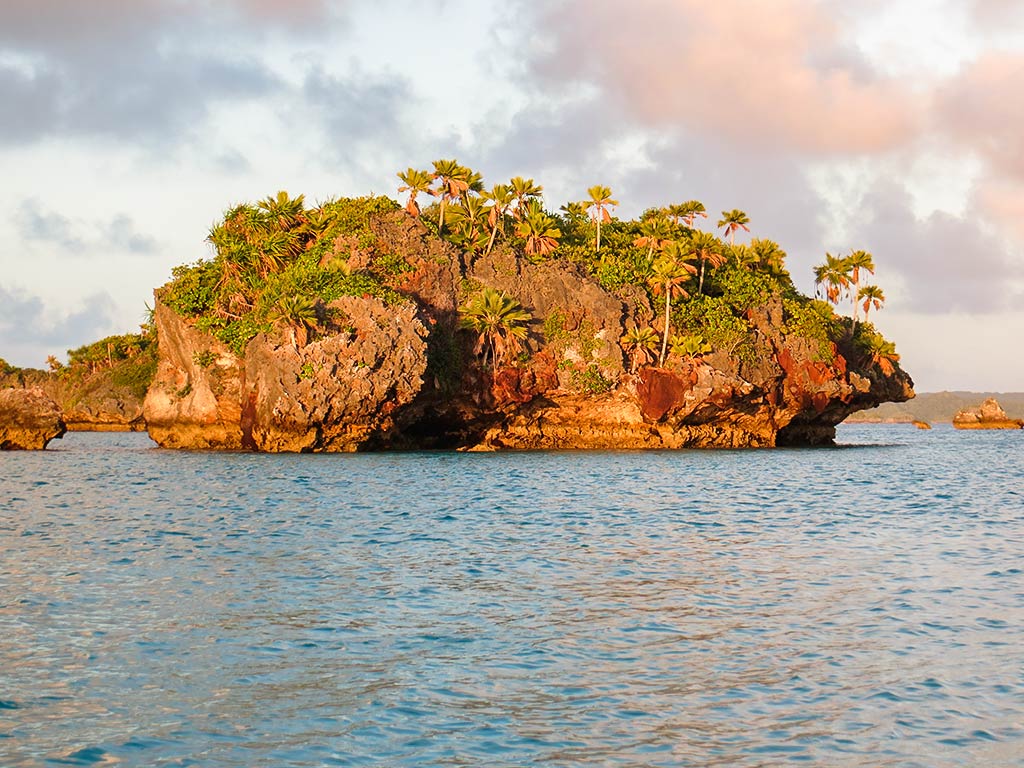
Where Fulaga and Vanua Balavu differ is in the way they look. Fulaga is an atoll containing a beautiful lagoon filled with rock islands, water in every shade of blue, and more beaches than we could count. Below, a few examples to sum up the general look of Fulaga: (You can click to enlarge/scroll through photo galleries below.)

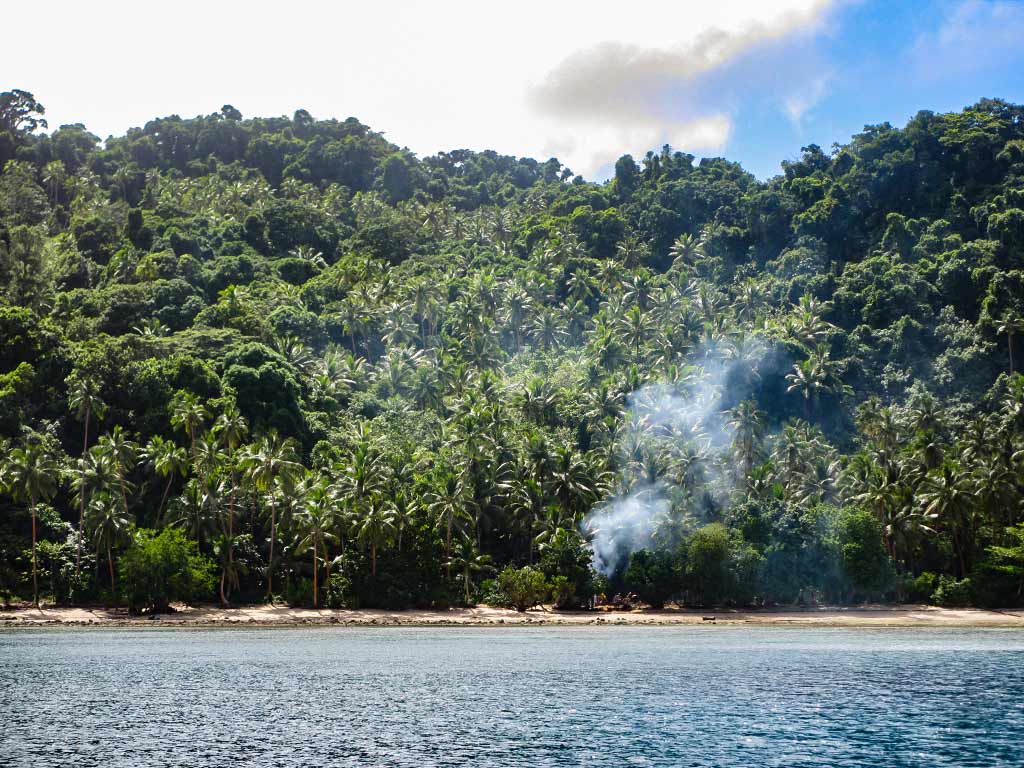
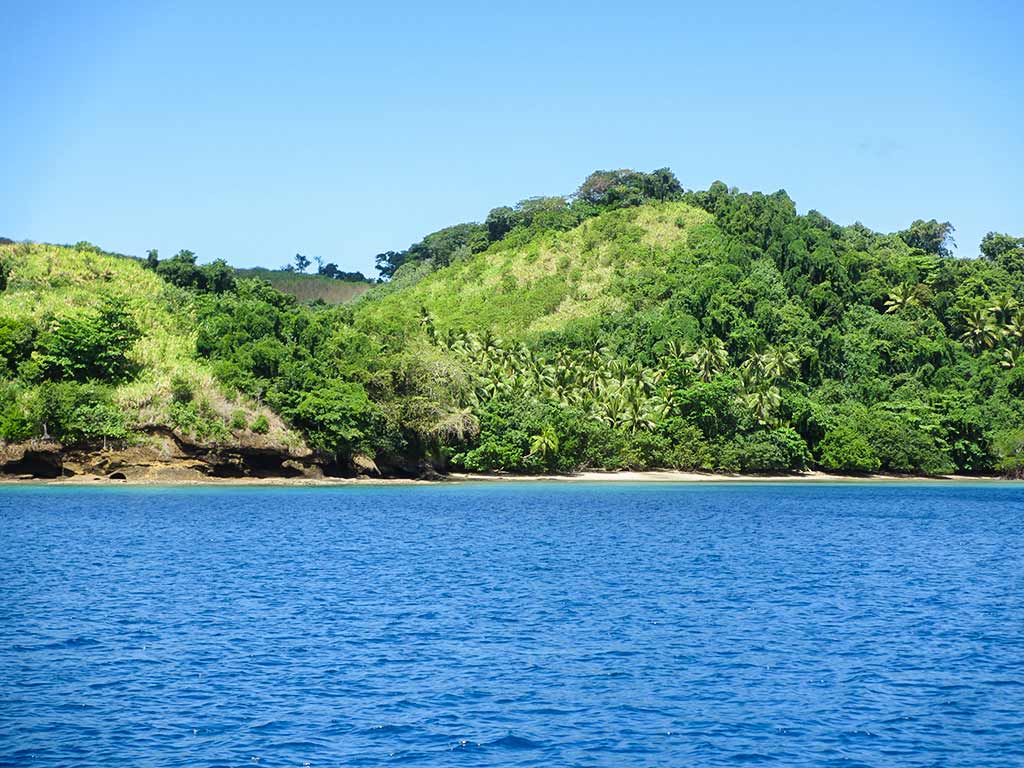
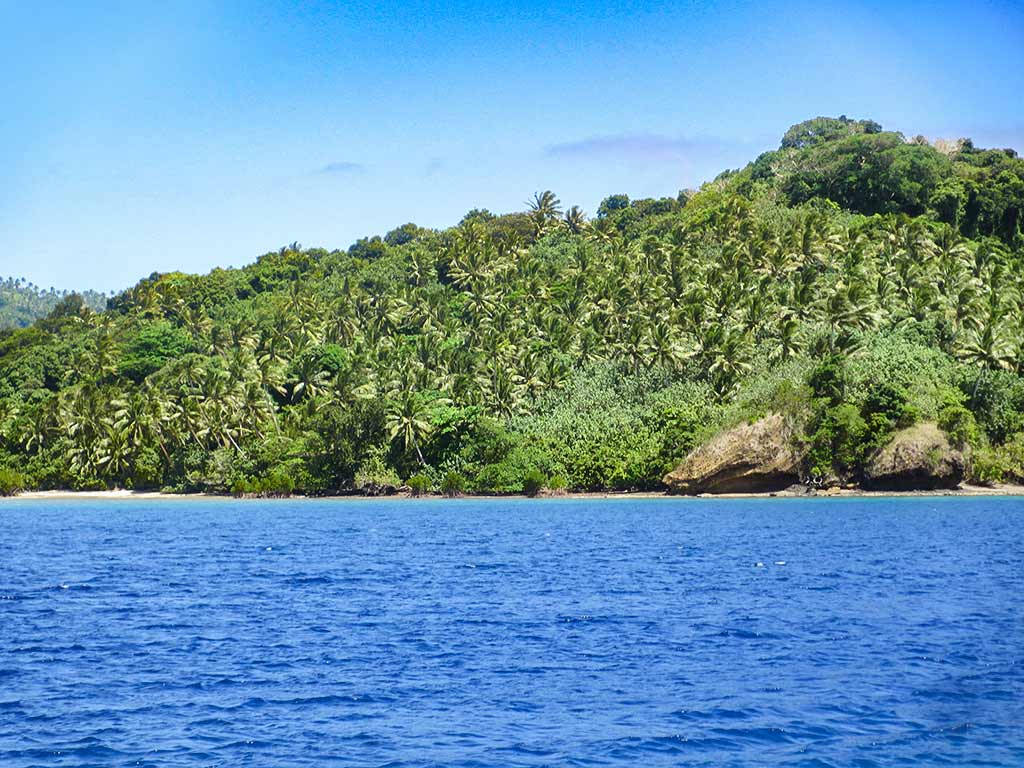
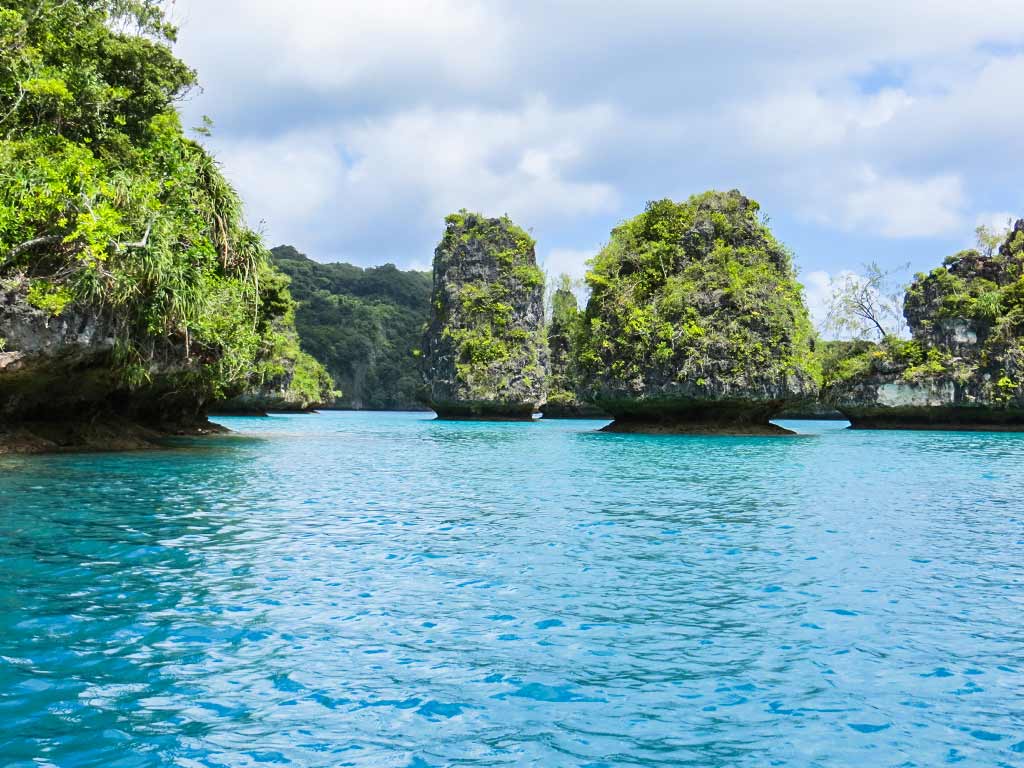
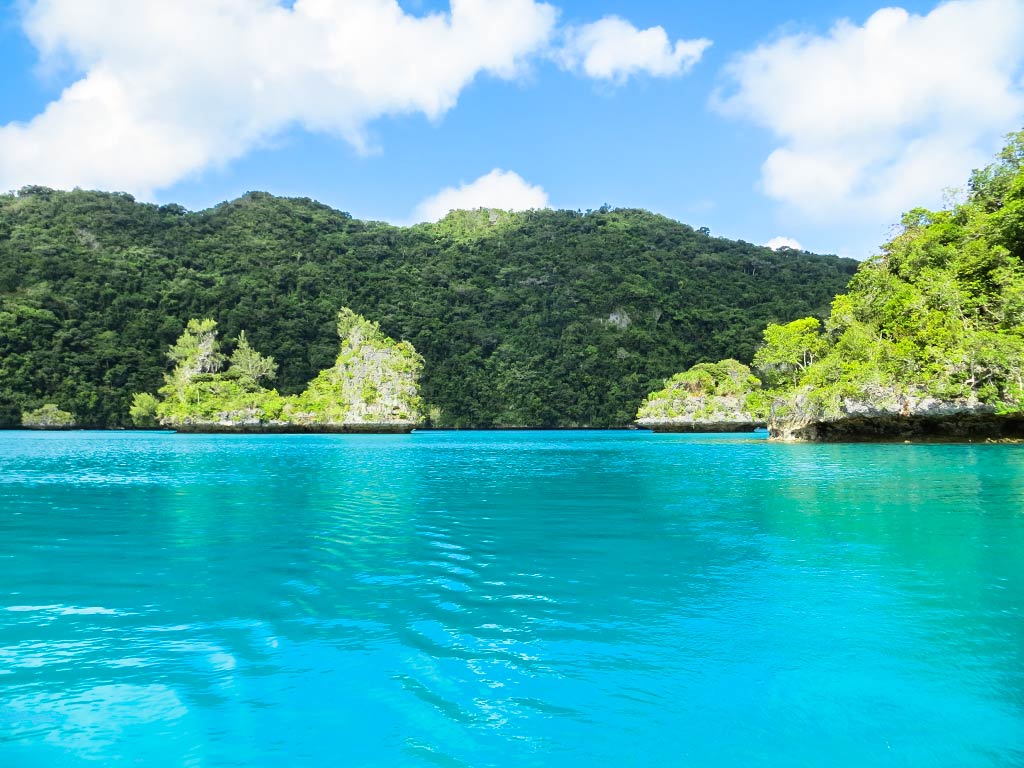
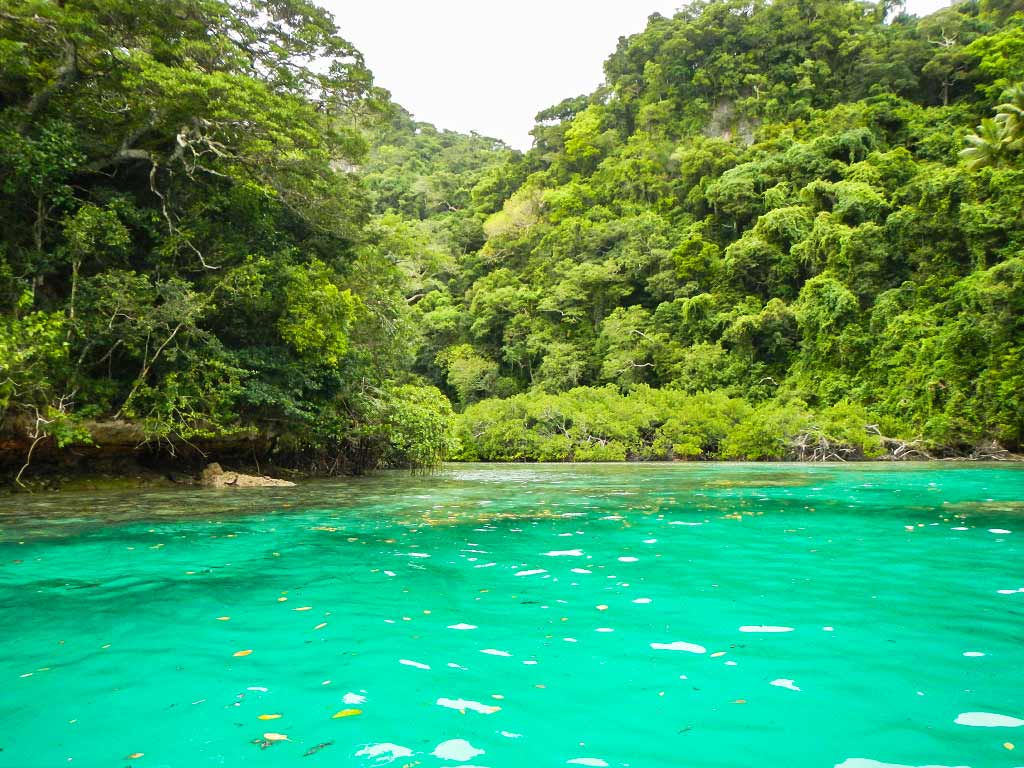
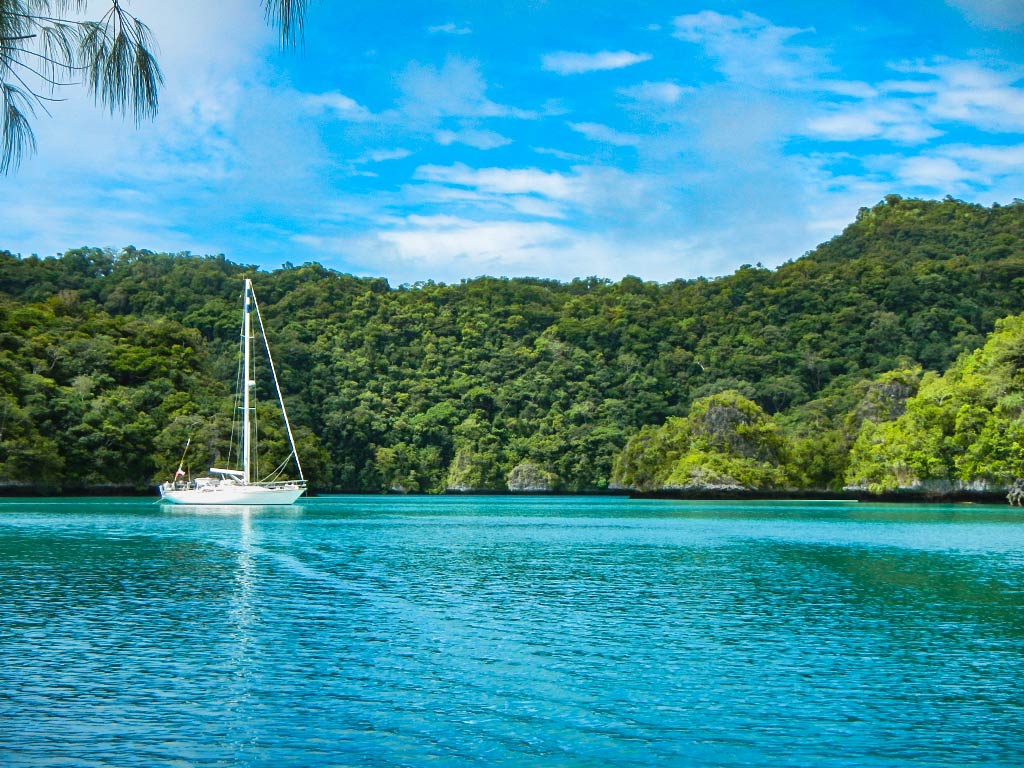
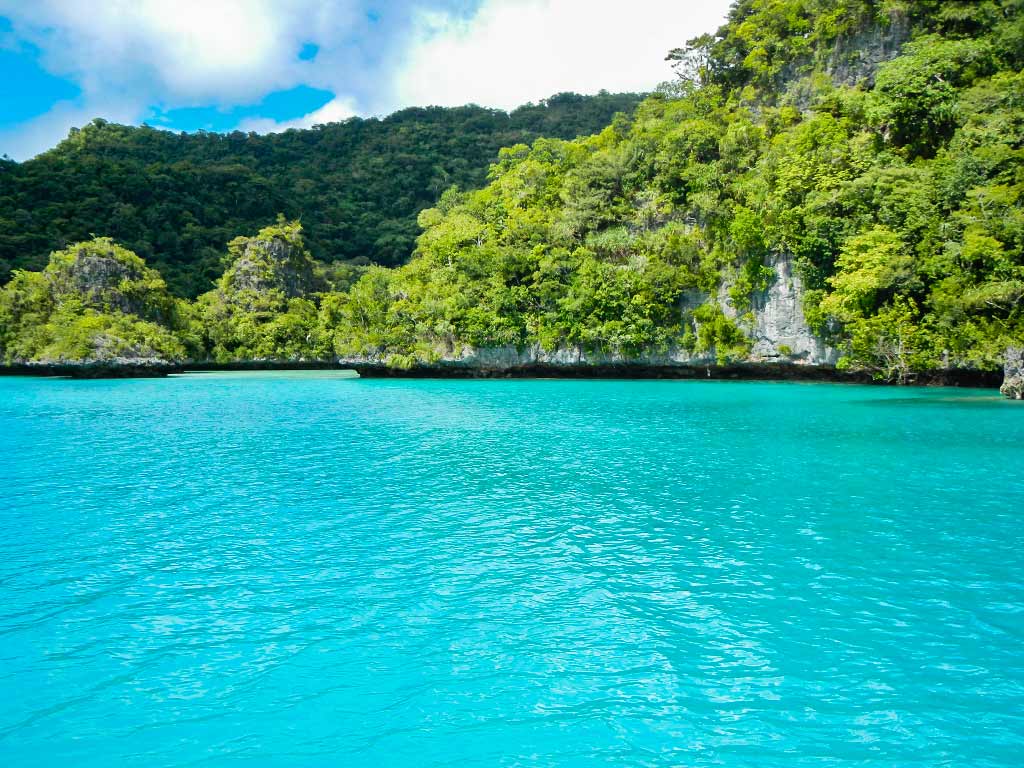
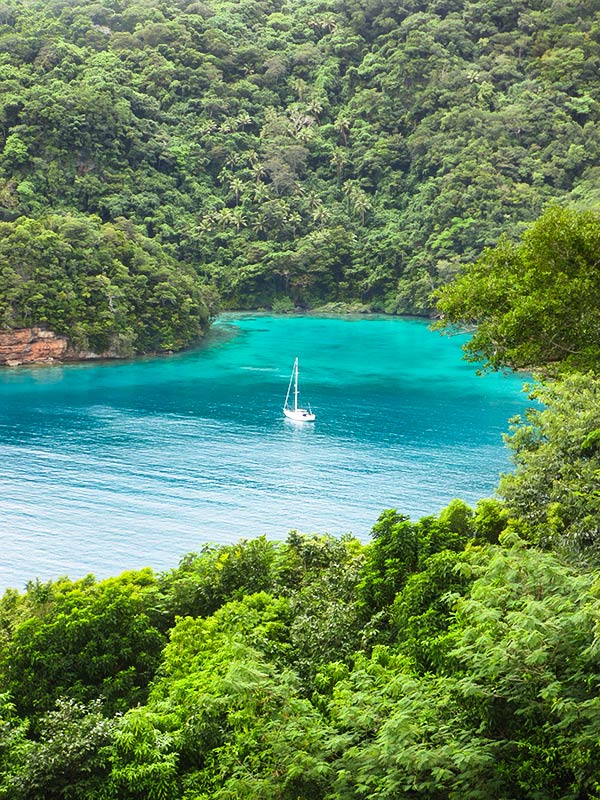
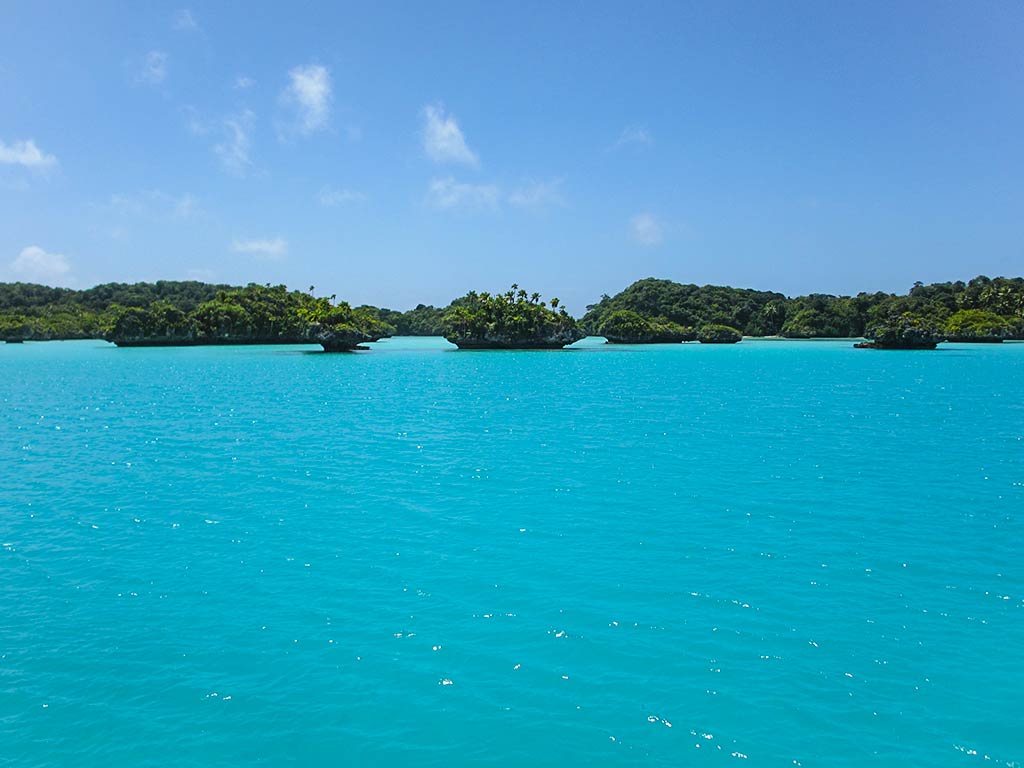
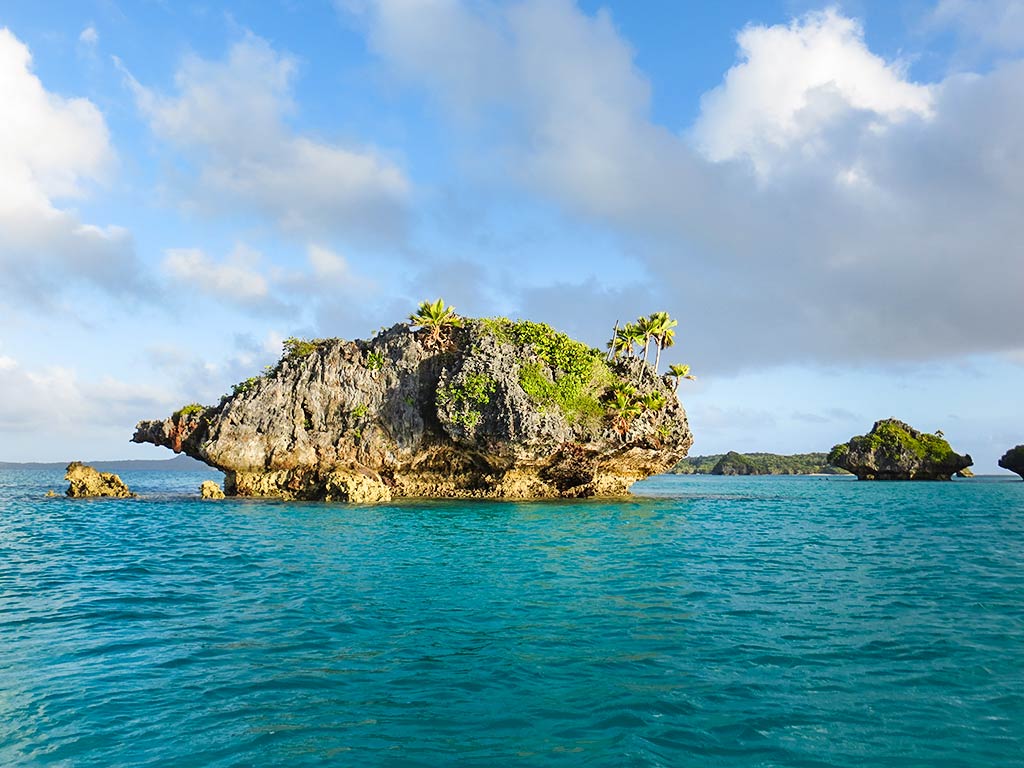
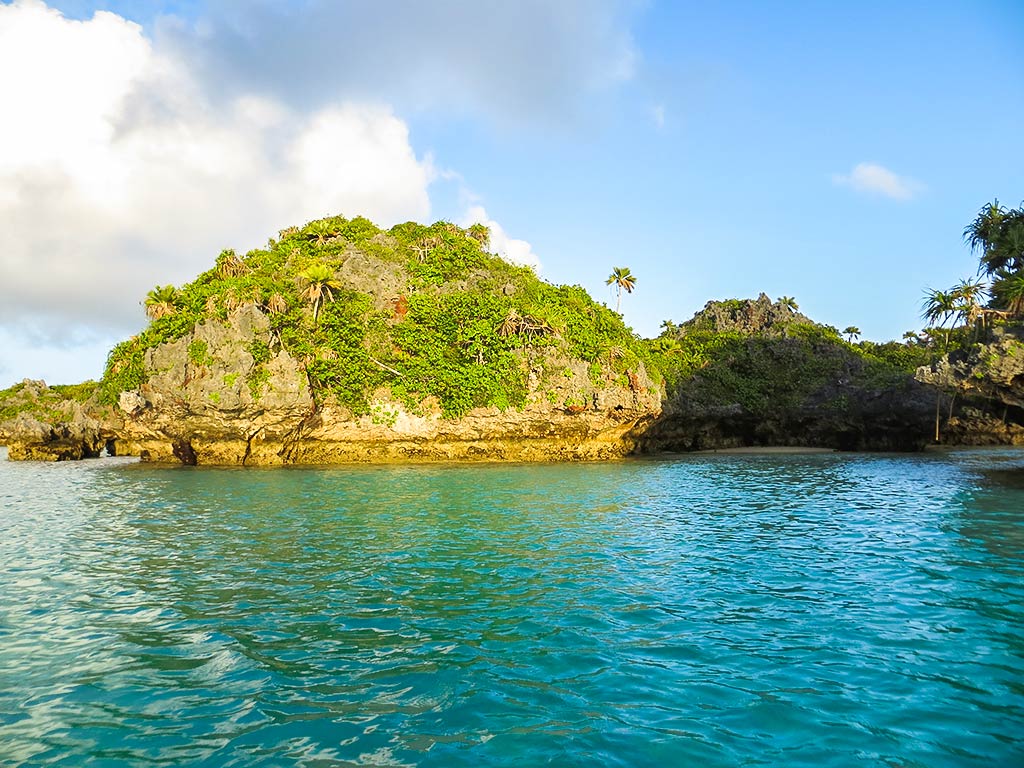
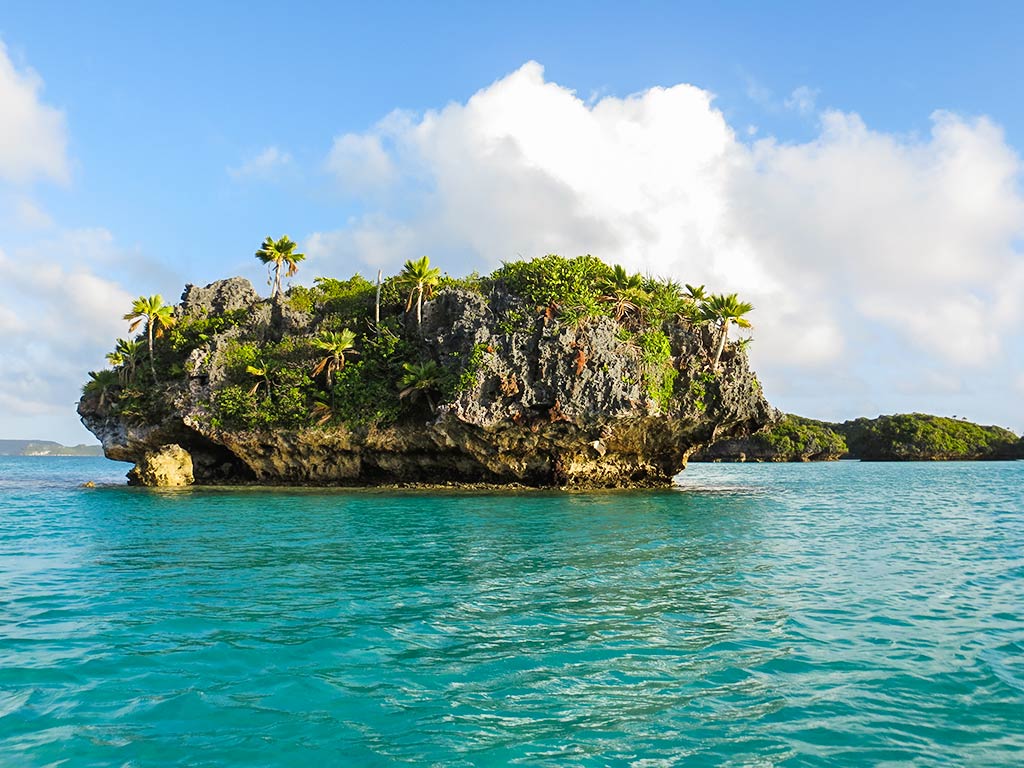
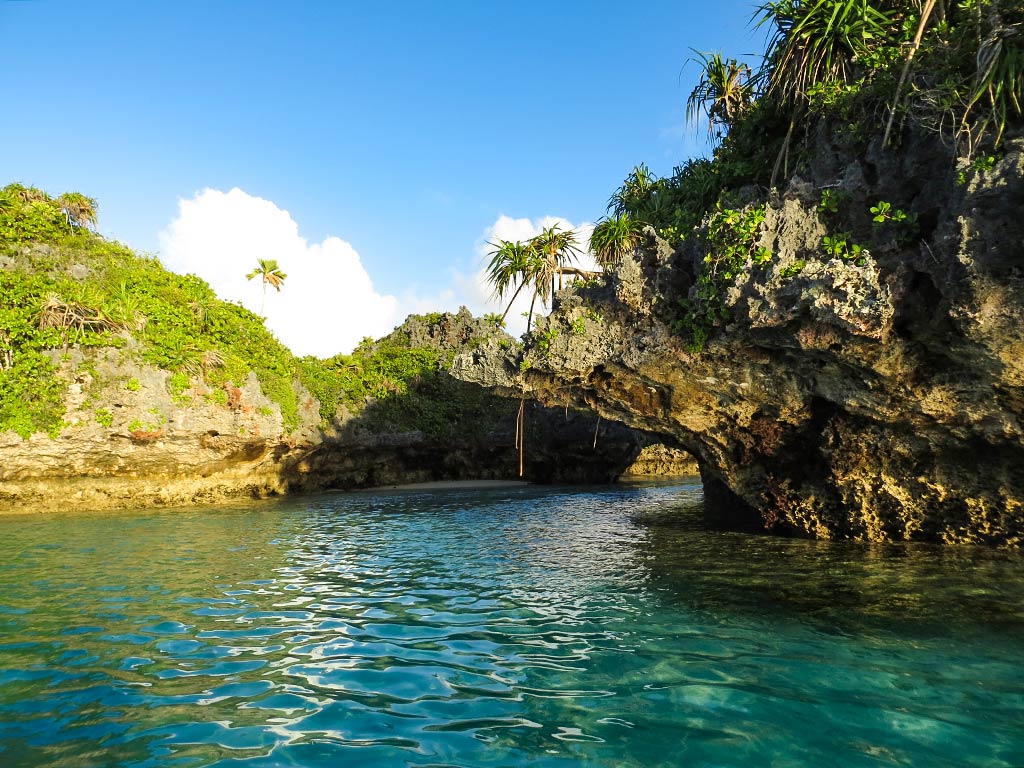
Vanua Balavu, on the other hand, is a rather large and mountainous island with little in the way of beaches. In fact, the Bay of Islands area has no beaches at all! And while it does have rock islands, they are bigger and greener than those of Fulaga. The Bay of Islands is also known for its colorful water, but here there are as many greens as blues and the colors can seem almost electric. Below, a few photos to try to sum up the general look of Vanua Balavu:

I can also note that since Fulaga had been more isolated than Vanua Balavu, its villagers were particularly friendly and welcoming. Vanua Balavu is a somewhat large island with many villages and a higher population than Fulaga, a good-sized central town, an airport with regular flights, and in general seemed to have plenty of contact with the outside world.

Because the two island groups are so far apart, most of the cruisers had time to do only one group. Naturally anyone who had managed to do both was anxiously questioned: “Which did you like better?” While most people liked both, Fulaga seemed to be the winner. Yet there were enough people who preferred the scenery of the Northern Lau to make us sit up and take notice. It sounded like it would be well worth the effort to see it and make the decision for ourselves. The upcoming posts will reveal our answer. –Cyndi
Final Day in Fulaga (Fulaga, Fiji)

September 15, 2103

Sadly, this would be our last day in Fulaga, but we needed to wait for slack tide in order to exit through the pass. This wasn’t due to happen until after 2pm, giving us more time to enjoy our anchorage. The blues here are ever changing, and today’s richer, darker blues were some of my favorite. Below, a photo gallery featuring this pretty shade of blue.

Unfortunately, this day was marred by that last-day-of-vacation feeling and the nerves that come with it. In this case, we were nervous about getting out through the pass and after that, an overnight passage to the Northern Lau group of islands. We were also sad to be leaving, to see this magical time ending, and having to say good-bye to our friends who were heading in a different direction.

We’d already gotten attached to the new remoras at this anchorage, and I gave them the last meal we’d be feeding them. These remoras were much more shy than the ones at our last anchorage, but we became fast friends when I fed them pork scraps.

It was getting close to 2pm when we picked up our anchor and headed off. Today the visibility in the water was the best I’d seen. Normally this would be a good thing, but being able to clearly see each and every dark spot and coral patch on the bottom was giving me anxiety attacks. I tried to direct us around the dark areas I saw, but there were too many. I just had to remind myself that we’d originally come through this way at low tide and been fine. The visibility wasn’t nearly as good then and I was so much calmer.

Now, we approached the pass. A boat was waiting outside to come in, and over the radio we all decided he’d enter as soon as we and Bright Angel made our exits. It was time to go, and we headed out first, following our track from when we came in. Thank God for that track–today’s clear visibility made all the coral reefs and rock formations look so close to the surface that I’m not sure I could have done this without suffering a heart attack. I continued to remind myself we’ve been over this before, and to appreciate how much nicer it was when I could hardly see into the water. Damn you, visibility!

After we made it over the shallowest parts of the pass, we still had some turbulent water to go through, including some 3-foot swells that threatened to become waves. Finally we were clear, and I returned to the cockpit from my bow watch a nervous wreck. Where’s the Valium?!

Bright Angel exited after we did seeming much calmer about the whole thing. After they made it, we all hovered and watched the other boat go in and made sure they were OK. They’d arrived earlier with no idea how to get into Fulaga and had put a call out on the radio asking for help and advice. We and Bright Angel told them to wait for slack tide and gave them waypoints and information about getting to the village. After all this, we now felt a little responsible for them.

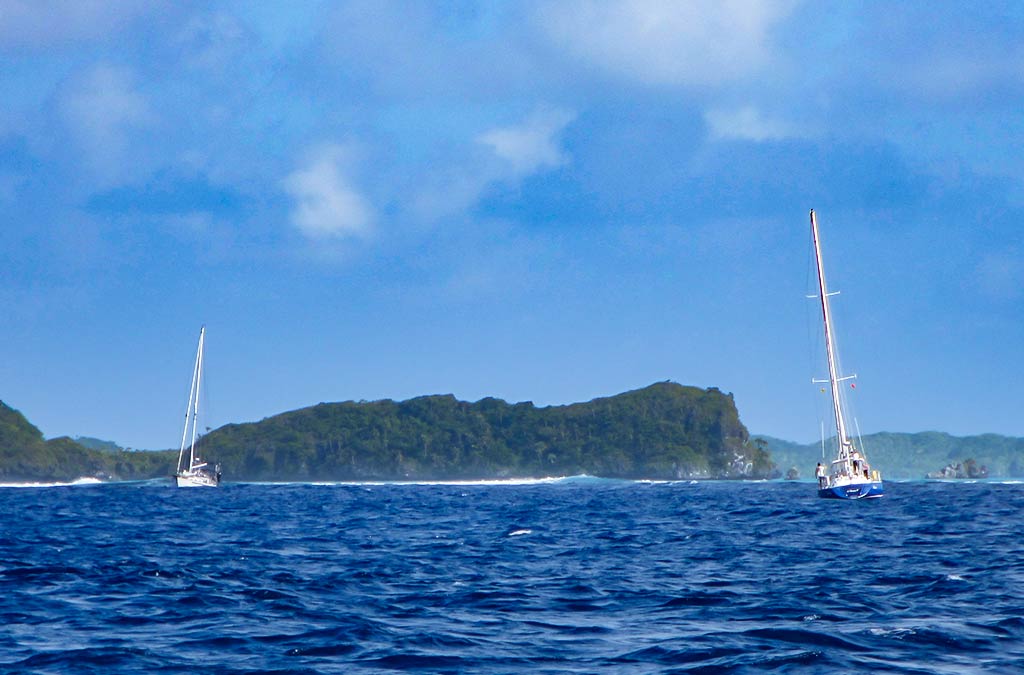
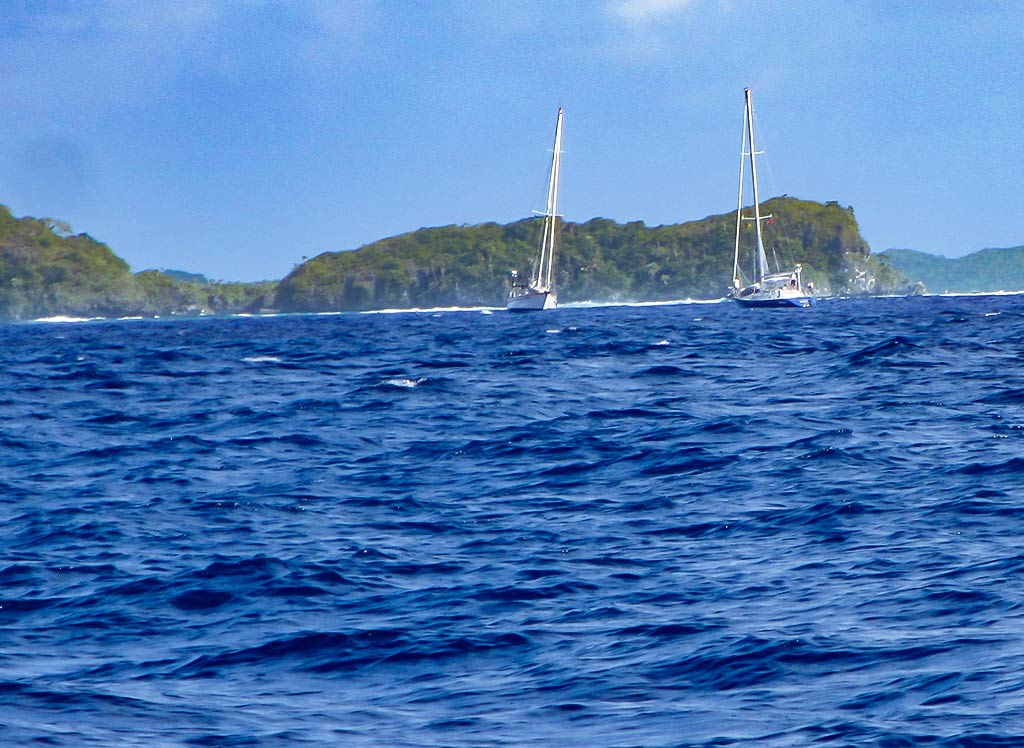
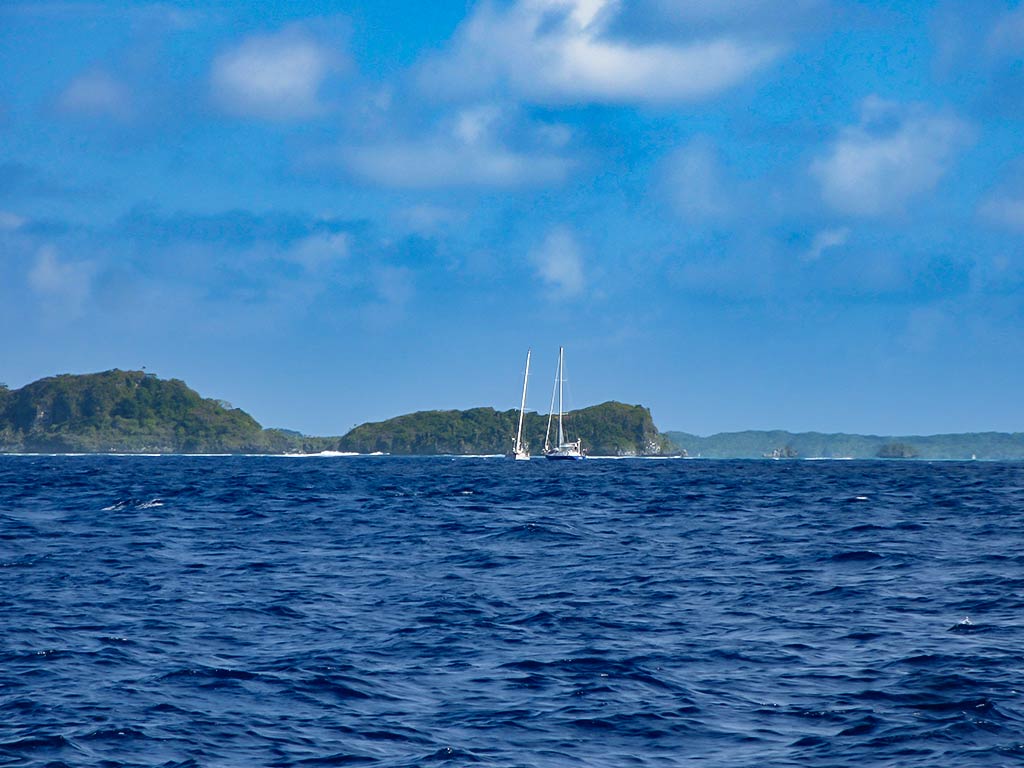
Below are a few pictures of Bright Angel exiting the pass while the other boat enters, taken from our vantage point safely away from the island.

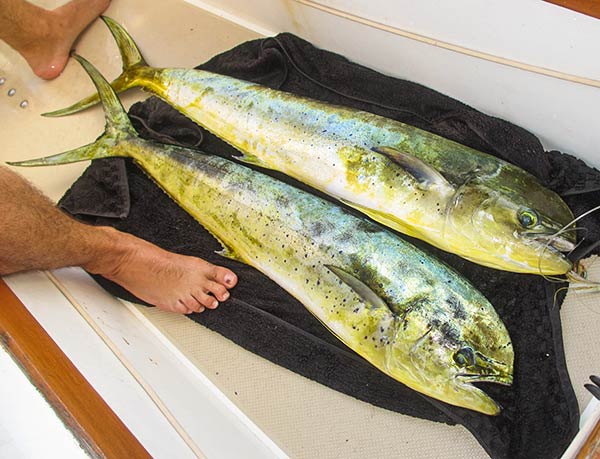
After we were satisfied they were on track, we headed off to our next destination. I was barely below when Rich called out, “Fish!” He’d put two lines out and both were zinging! We ended up pulling in two mahi mahi, a final gift from Fulaga. –Cyndi
Dawn In The Motus (Fulaga, Fiji)

September 15, 2013

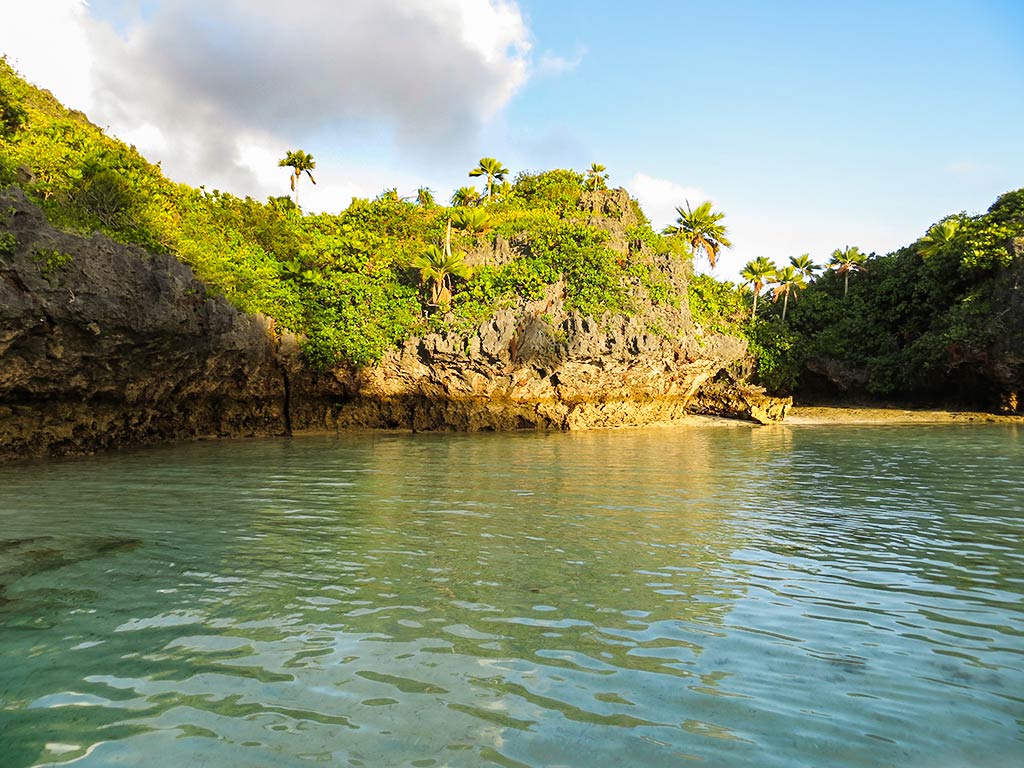
After waking at sunrise and having some coffee, we took our dinghy out amid the motus and waited for the sun to rise from behind the hill, cameras ready.

Fulaga Morning (Click for larger version)

One by one the little islands started to light up. Passing clouds would send them back into the shadows, but by waiting patiently the clouds would pass and the light would be even better. This was well worth getting up for! Below, a photo gallery of the rock islands in the early morning light (click to enlarge and scroll.) -Cyndi