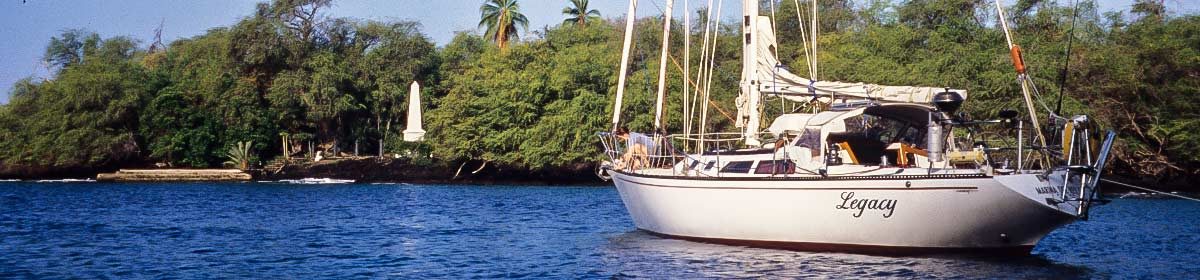
Cruising Season, 2013
After arriving in Fulaga, we spent our first few nights in the village anchorage before heading off to stay in other areas of the lagoon. We’d already made the decision not to return to this particular anchorage, opting out of the daily goings-on in the village and Sunday church days.
For many cruisers, this would have been unthinkable as there was something very special about this village, an openness and innocence to the people here as cruiser visits were a fairly new occurrence. The village embraced the visiting palangi (foreigners) with open arms, and many cruisers relished this embrace, spending their nights at the anchorage near the village and their days in the village learning their ways, helping out with projects, and spending time with people who soon felt like family. Those with bigger boats would also entertain villagers onboard, even having movie nights. For some cruisers, there was no such thing as too much village time.
Other cruisers, though, preferred dividing their time between various anchorages in the lagoon, then opting to return to the village anchorage for Sunday church and lunches. For some, I think, this was out of a sense of obligation while others seemed to enjoy those special Sundays and lunches with families in the village.
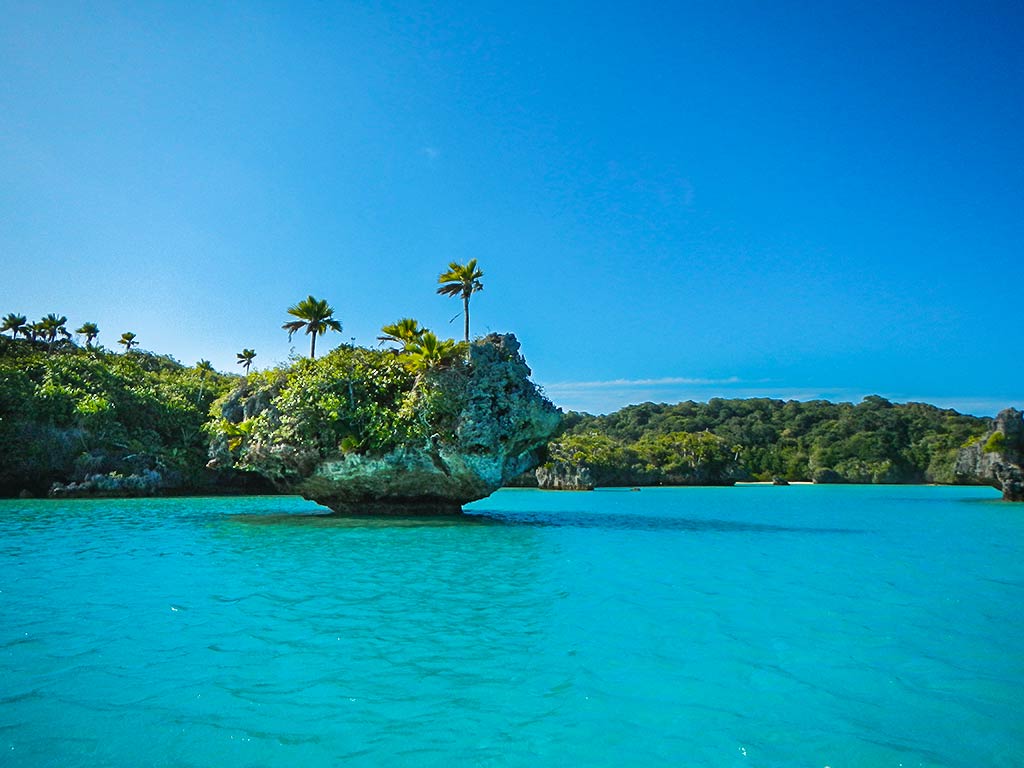
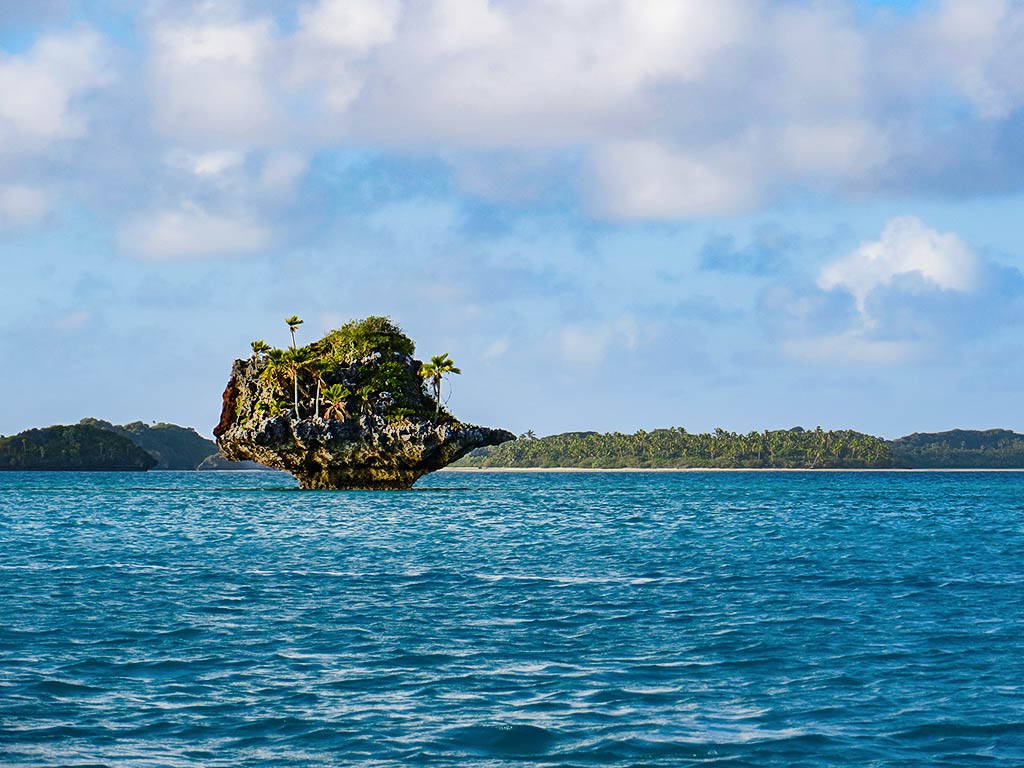
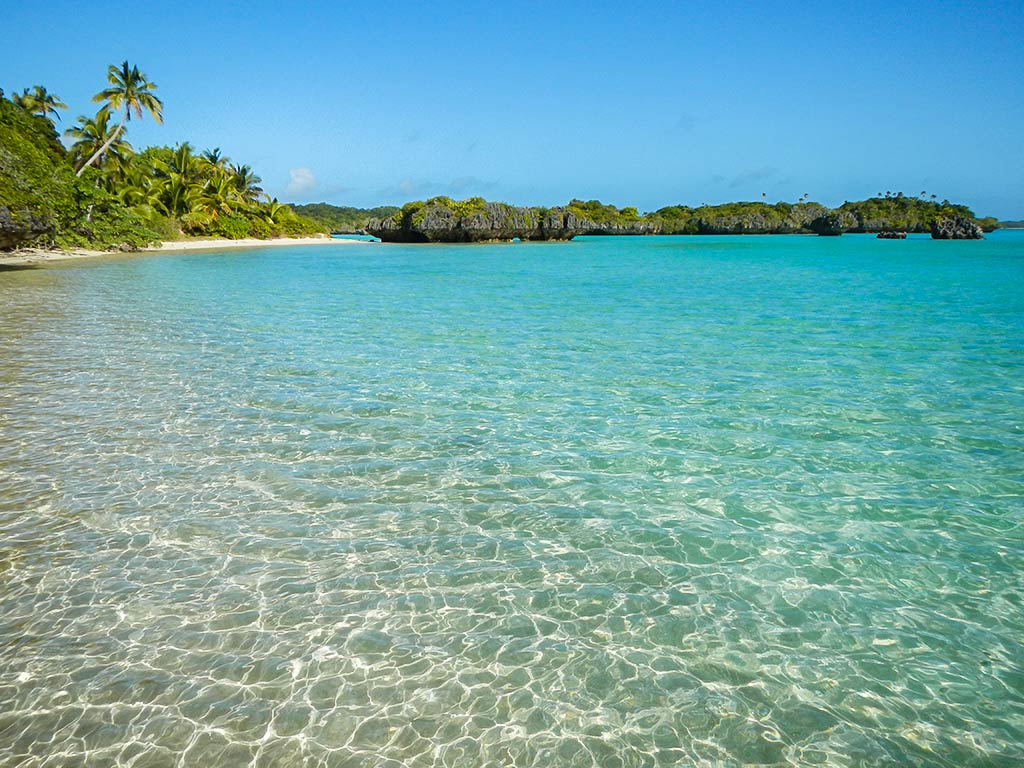
For cruisers like us, the preference was to do the initial visit with the village, then head out to focus on the natural wonders of this place. Yes, the people of Fulaga seemed lovely, but there are lovely people everywhere. Meanwhile, there is only one Fulaga atoll, and we wanted to see as much of it as possible.
These strategies worked out pretty well for everyone, but unfortunately (as far as we’re concerned), the powers that be in the village felt that the man who generally served as Turaga ni koro (liaison for visitors, chief, and villagers) was getting too many gifts and not sharing enough with the village. So they came up with a plan for the following year.
Their plan: each visiting yacht would be assigned a host family, which would give every villager equal access to all that comes with representing the cruisers. The problem here is that this person whose influence they were trying to dilute (his name is Ty) was actually good at his job, spoke English, and seemed to understand the needs of the various cruisers.
Because Ty was off somewhere when we arrived, we ended up with a different Turanga ni koro. This was fine at first, but later our guy kind of hustled us, pressuring us into buying stuff we neither wanted nor needed, then trying to radically overcharge us for the stuff we did buy ($100 for two lobsters? We got him down to $55, still way too much). In the end we wished we had gotten Ty (who charged $15 per lobster, by the way). Even though the host family system was not yet in place during our visit and it was just our bad luck not to end up Ty as our Turanga ni koro, we got a bit of insight into one of the main downsides of the host family system: not all hosts are created equal.
We can understand the villagers desire for things to be fair for everyone and the dismay they might have felt seeing one person getting special gifts and profits when the tradition calls for sharing. But we also believe this decision stems from the same greed they were trying to offset: it’s all about the “stuff.” They don’t care that some of these local families don’t speak English and may not make good hosts–at least they’ll get access to “the stuff.” They also don’t factor in the wants and needs of the various cruisers, lumping us all into the “spend lots of time at the village” group.
Having a host family comes with a responsibility to visit them, to go to church with them, and to entertain and be entertained by them. Again, many cruisers might say, “So what? That’s a good thing.” Most others will go along with whatever everyone else seems to think: Host families? No problem! For cruisers like us, however, it’s like being put in a leash. I can’t imagine we would have been able to experience half of what we did had we returned to the village every week. (If you’ve seen our blog posts showing what we’ve seen and done in Fulaga; I rest my case.)
Update to Cruising Season, 2014
We were interested to see what would happen when they implemented the host family protocol in 2014. We didn’t return that year, but we got quite a few reports about how it was going. Sorting through comments like “the innocence has been lost” from what was happening with the host family thing takes some thought.
There are those who returned and were dismayed at some of the changes, while a couple of others insisted that it was still the same (maybe a little too vehemently, I think, as from what I hear they wouldn’t even discuss the subject). For at least one person we know, a person who loved the village life, it had, in some ways, been ruined–he loved spending time with everyone in the village, but this year his host family would come along and pull him away from everyone else, cutting him off from his other friends because now he was supposed to be with them.
We weren’t there; so we can’t weigh in on the changes in the people as they were exposed to more cruisers, more western values (and more stuff). But there was one effect we did see from afar. I can sum it up like this: the year we went, everyone stayed for weeks, some even opting to make the nearly 200-mile trip back to Savusavu to restock and then return mostly upwind. We later met the people on the boat that came in as we were leaving. The crew member said, “Oh, you were the boat who stayed for four weeks!” Uh, no. Everyone stayed for four weeks at least. They, conversely, were the boat that stayed only a few days, an unheard of thing to do (but they hadn’t planned to go there and weren’t properly supplied; so good for them for at least checking this out).
The change in the length of a typical stay was the biggest change we saw in 2014, at least as far as the new-to-Fulaga cruisers go. It wasn’t so much the words people spoke (no one seemed to be voicing an opinion on the host family thing) as it was their behavior that was the most telling. Droves of newcomers seemed to only be staying a week–or less. This was unthinkable a year ago but seemed to be very common now.
What changed? Could it just be more people were going, and thus more people who were in a hurry? Possibly. In our opinion, though, it was the assigned family thing. With this new system, you generally go do the mandatory sevusevu then hang around until Sunday for church and lunch with your assigned family. After Sunday (probably a day or two later), you’ll probably feel compelled to entertain your host family on your own boat.
After that, you might go out to other areas, but then you have to plan on coming back the following weekend (while taking into account the weather and coming back early if winds are forecast) for another round of church and lunch. Then you’ll probably want to play host to your assigned family yet again before you hopefully get out to other anchorages again.
This cycle will likely continue unless you have enough gumption to say no, risking disappointing your host family and the disapproval of the other cruisers. It’s no wonder people left after only a week. Fulaga had changed from a nature experience into a social experience.
We haven’t heard much about Fulaga beyond the reports we got in 2014; so we don’t know how it’s going now. Last we heard, they were still doing the host family thing. I remember the seminar we attended when we first arrived in Fiji, hosted by an ex-pat named Curly. Some of it we vehemently disagreed with, but other things he said were sensible. One thing he stated comes to mind, and while I don’t remember his exact words, it went something like this: When you do your sevusevu, tell the people of the village what kind of experience you hope to have. Do you want to be a part of the village? Do you want to participate in their work or daily routines? Or do you want to focus on other things?
In our experience this was totally unnecessary to discuss, but maybe it’s time to take another look at that. If we could speak to the powers that be in Fulaga, we’d suggest that they give people a choice in the kind of experience they want to have and whether or not to have a host family. I can guarantee that plenty of people would opt for the host family thing in a heartbeat. And for those who choose not to, it’s probably best for everyone involved to let them go their own way. After all, what family would want to host resentful guests (or guests who may not have much to give)? Many of us can barely supply ourselves, much less throw tea or dinner evenings for entire families. Let the people who have the desire and the resources partake in the host family thing and free up the smaller boats and nature lovers to do their own thing. Everyone would be happier (well except for those who would rather not have a host family but won’t admit it to themselves–they wouldn’t like seeing other people have a choice.)
Having this choice would be our wish for the future cruisers to Fulaga. Maybe if someone is feeling brave and would rather have their freedom, they could ask to opt out of the host family thing. If one person asks, then others can jump on the bandwagon. Good luck!
Update 2018
We have some friends who feel as we do about the whole village thing. They went to Fulaga this season and were very clear with their host that they preferred to spend their time in Fulaga out at the anchorages and not to return to the village. Thankfully , while the host was disappointed not to have them over for dinner, she understood and respected their feelings.
Our friends ended up spending a month in Fulaga, and it was some of the best cruising they’ve ever done. It’s hard to disappoint someone, but by being brave enough to ask for what they wanted (as opposed to what everyone else wants–the subject of many self-help books written for women by the way), they gave themselves the experience of a lifetime.
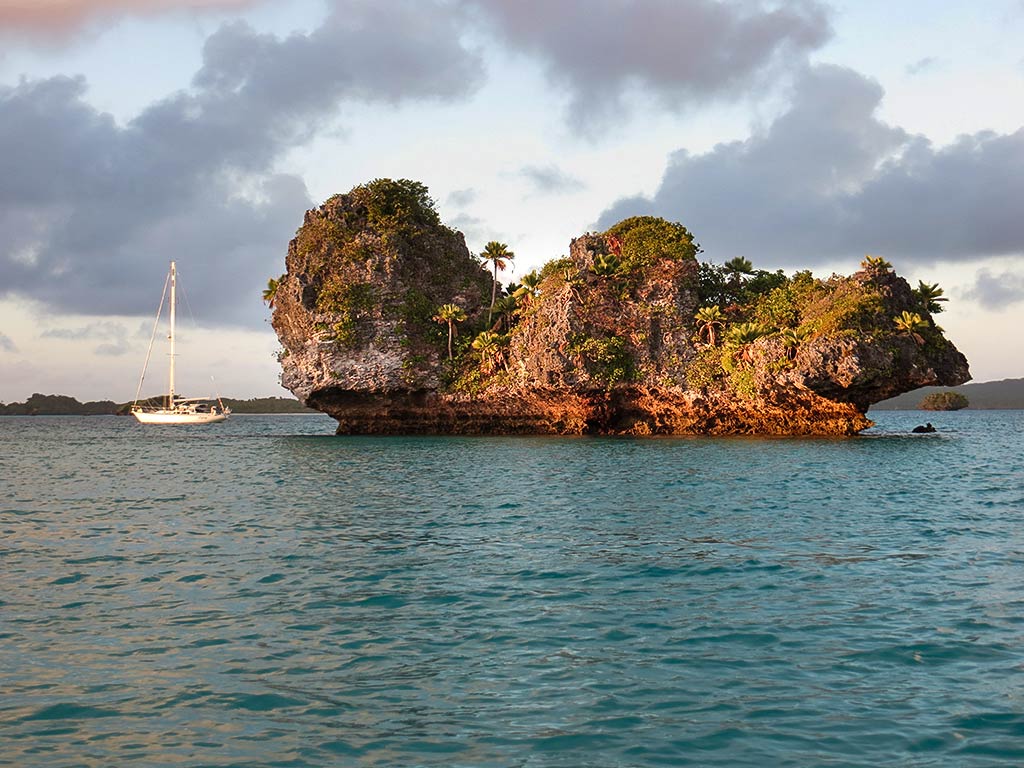
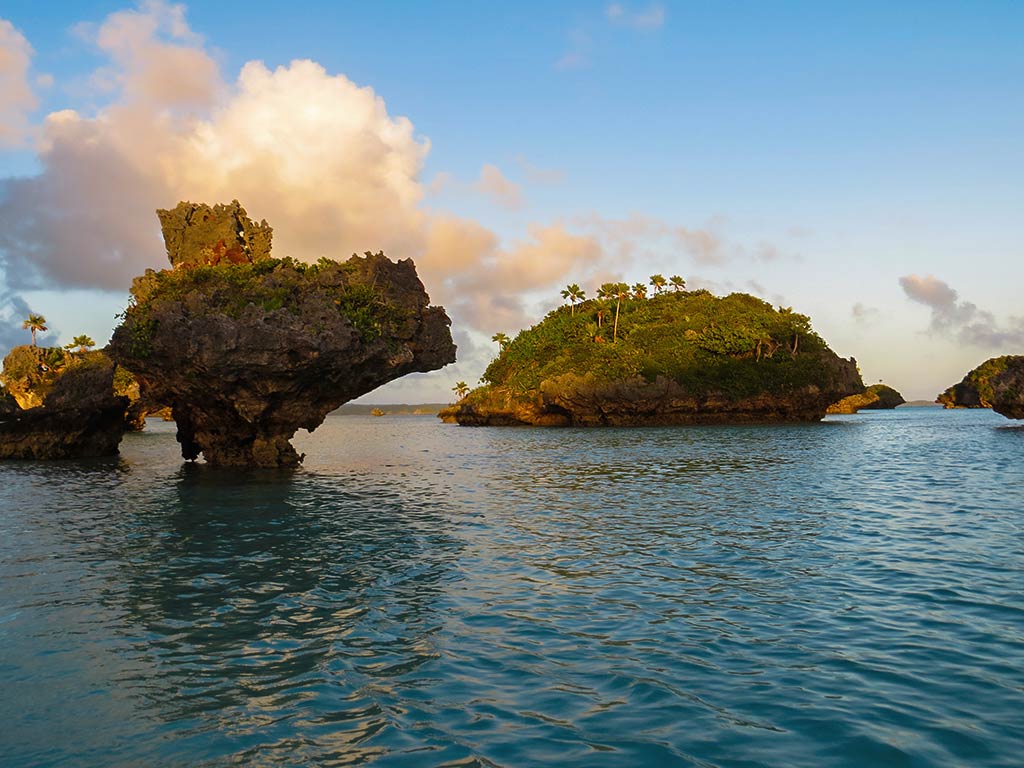
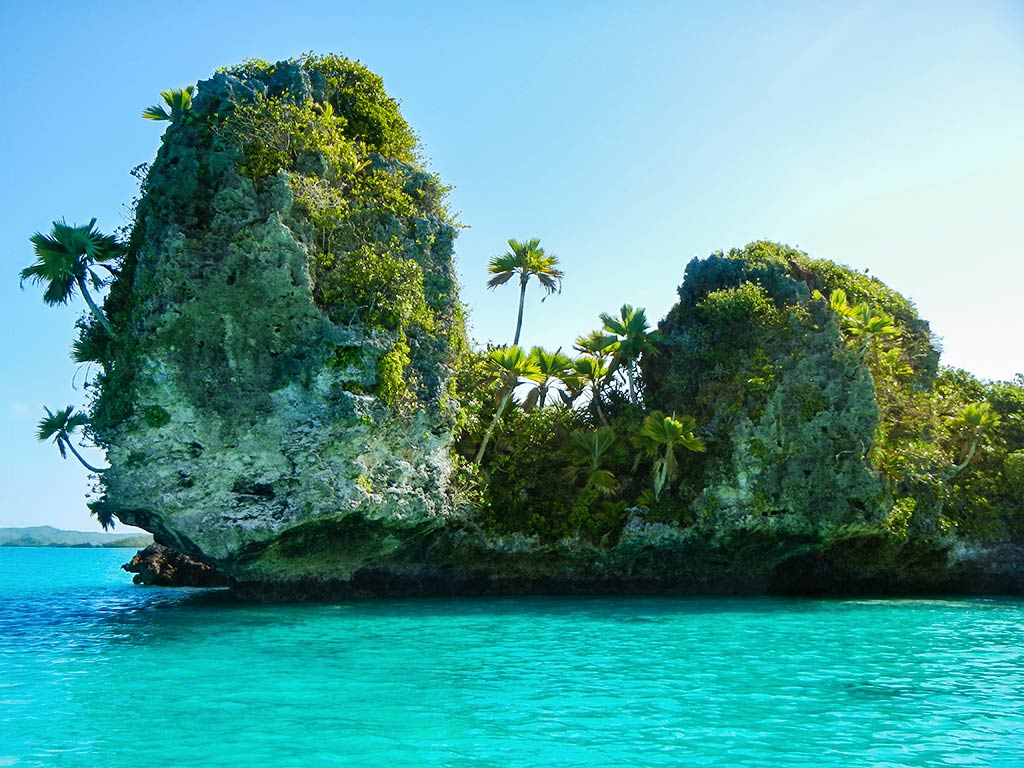
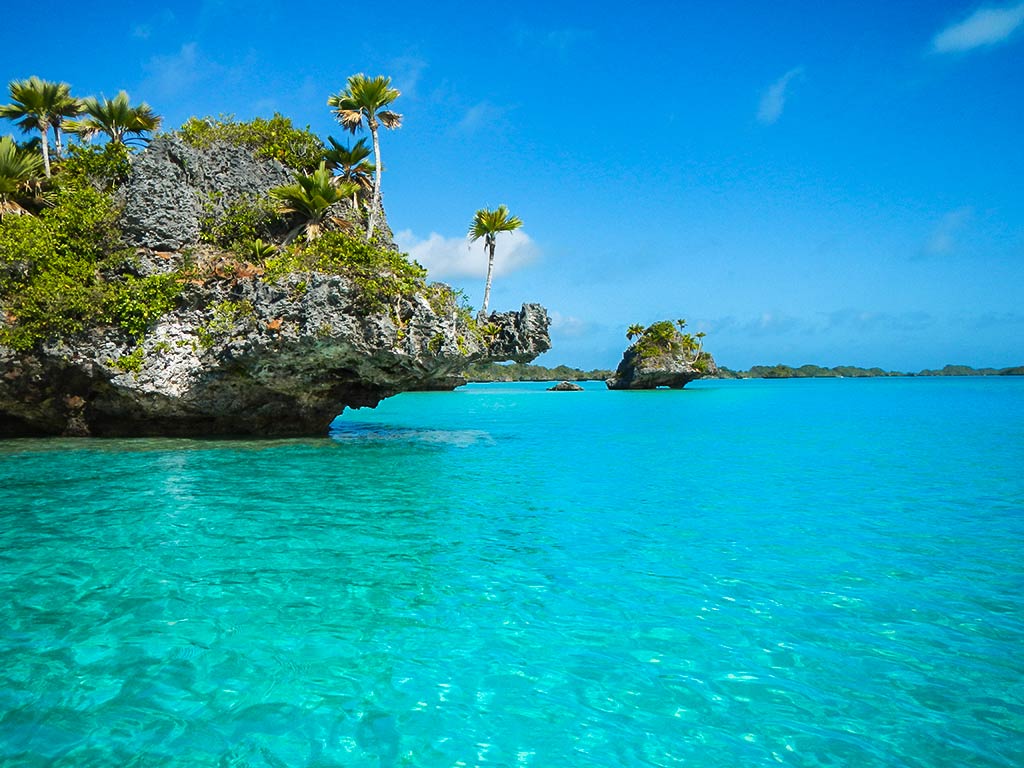
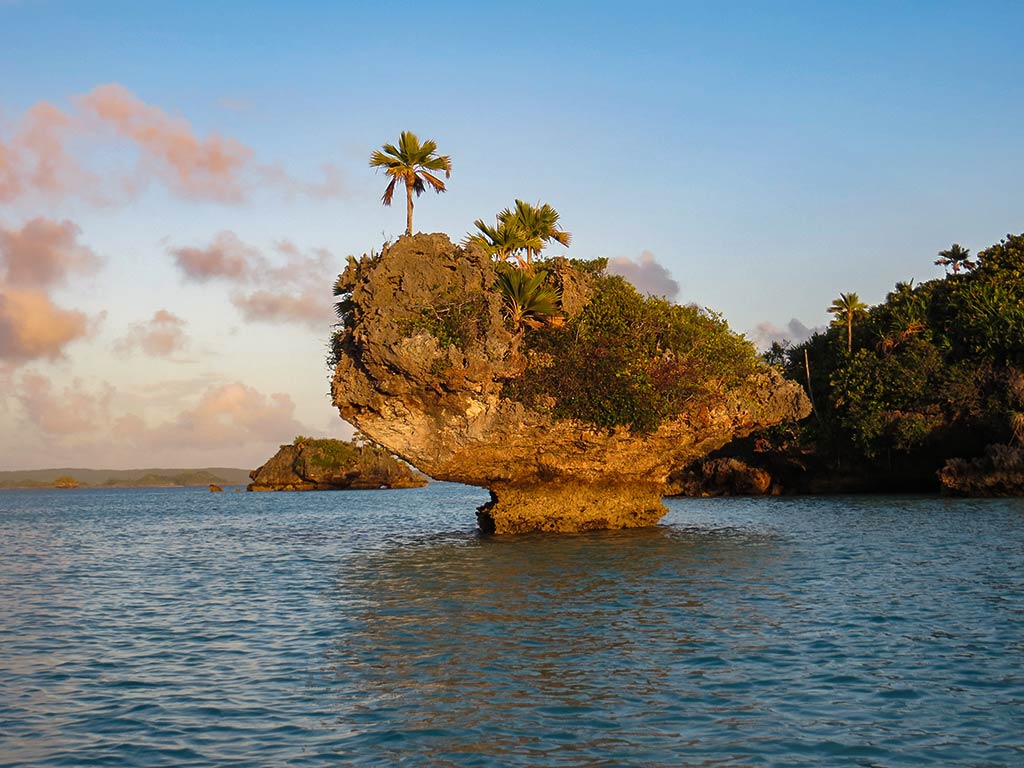
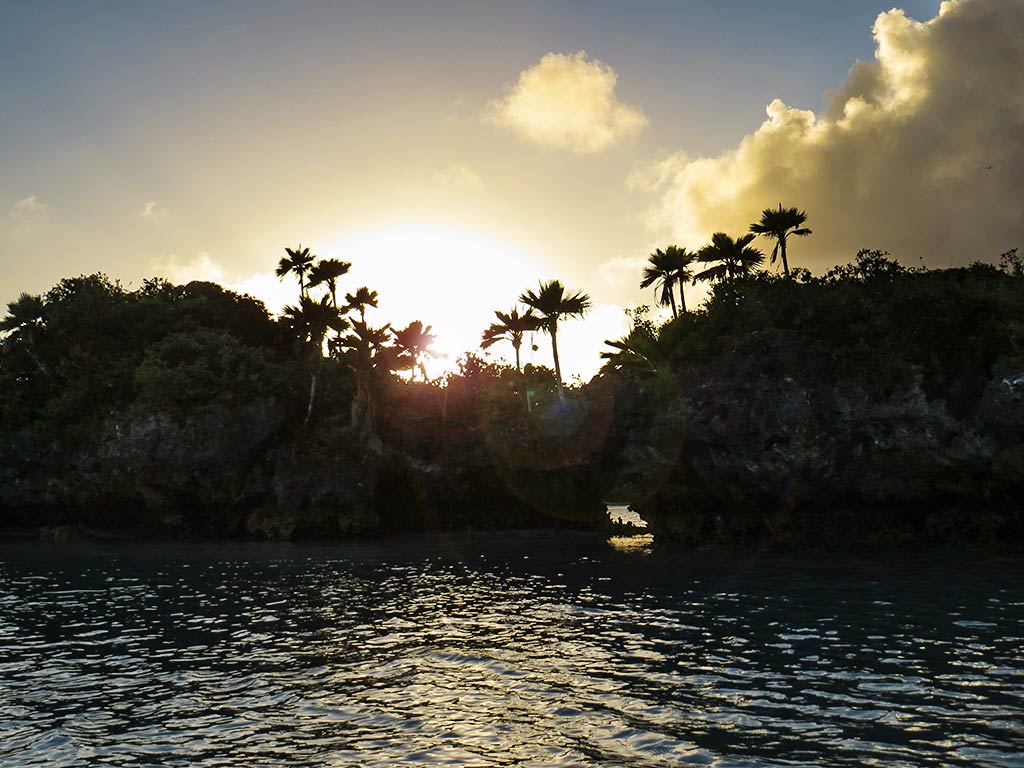
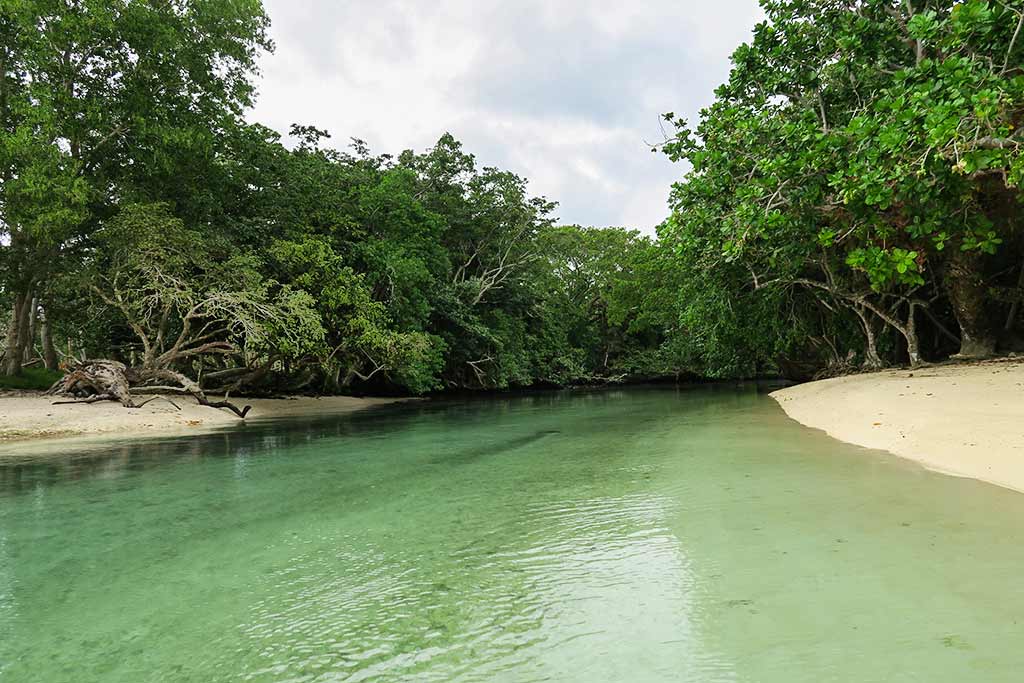
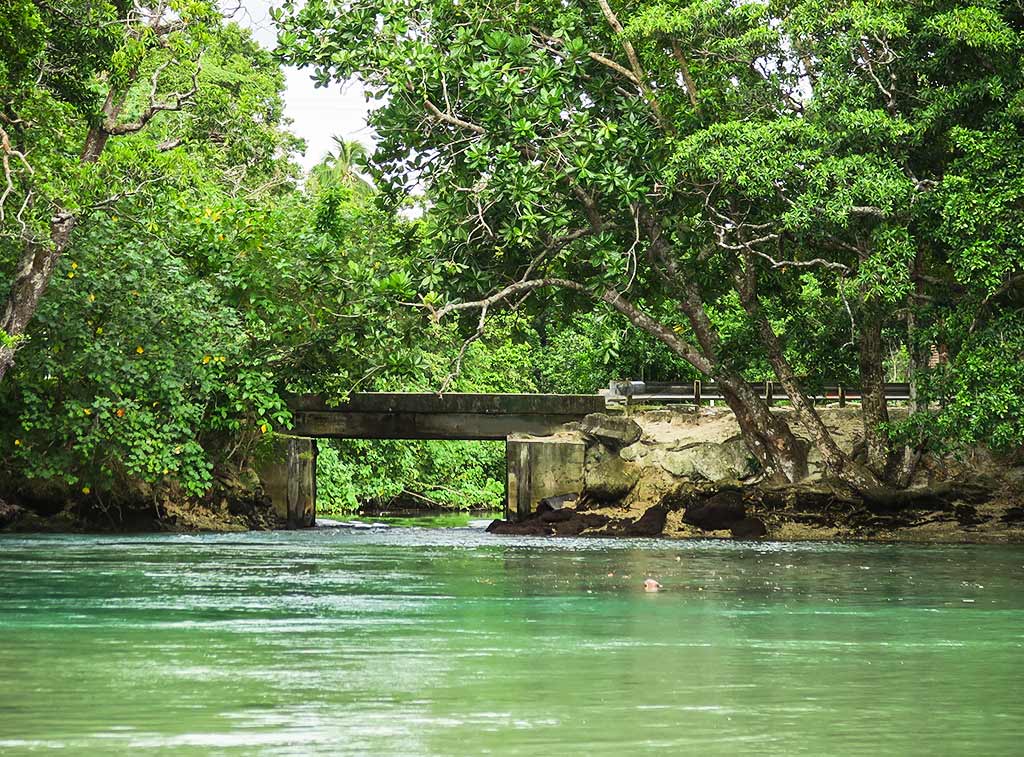
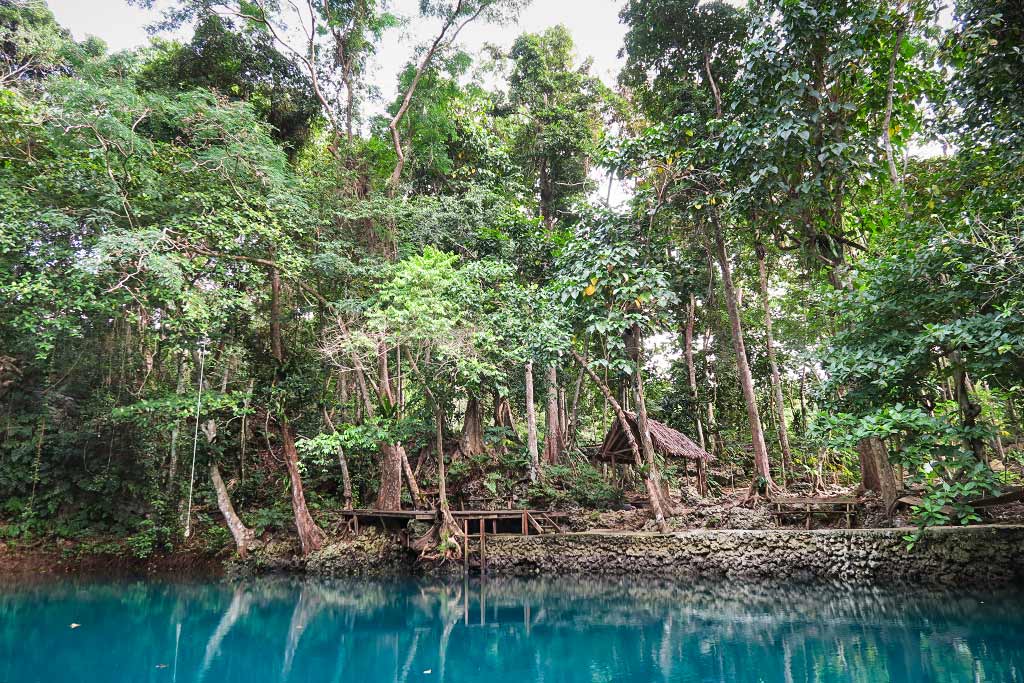
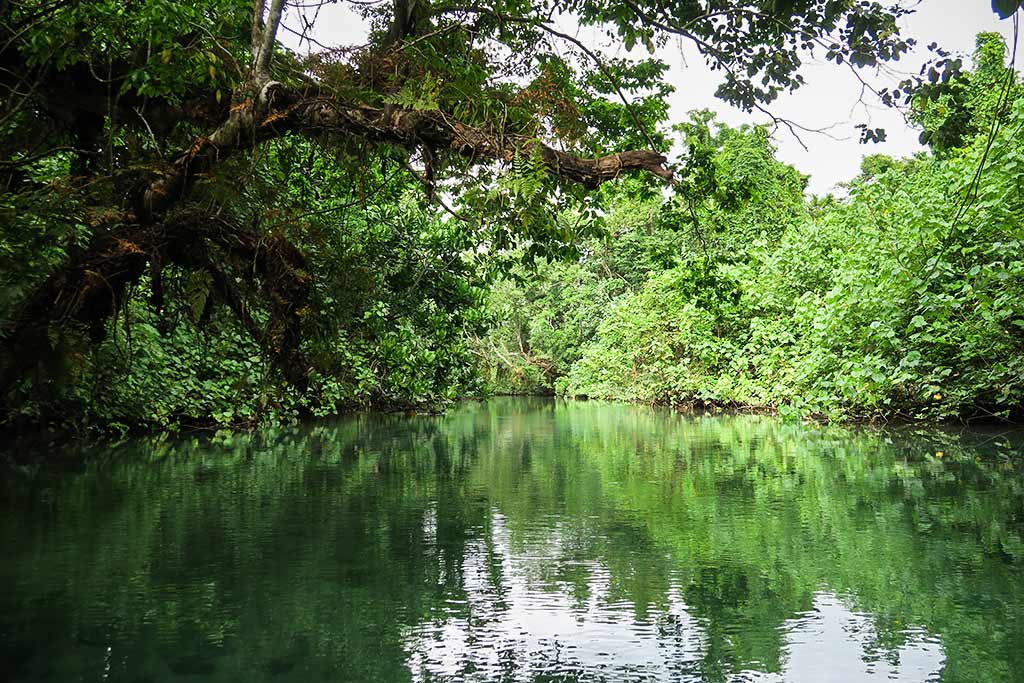
Now, we’ll go on to write about other places, but below a gallery of motu photos that never made it into the blog. (Click to enlarge and scroll.)