Good-Bye Bay of Islands (Vanua Balavu, Fiji)

September 19 – 23, 2013

While we looked forward to our next destination on the other side of Vanua Balavu, it was sad to leave the Bay of Islands. We’d visited many beautiful places, but this one was extra special.

I can sum it up best by mentioning a dinghy ride we took shortly after we arrived here. We’d spent the afternoon exploring and snorkeling and were headed back to the boat when Rich, noticing I seemed quiet and subdued, asked what was wrong. In fact there was nothing wrong, but the day’s scenery had somewhat overwhelmed me, taking me to that place beyond enthusiasm to feeling humbled and the need for quiet contemplation. It was a lot to take in, and I was glad to have some days ahead to do so.

During the days that followed, there were moments when I thought this might be the most beautiful place I’d ever seen. Rich felt the same way, and while it’s impossible to ever pick a favorite place; Rich and I were thinking if we had to pick right then, that this and Fatu Hiva (in the Marquesas) may well go in our top two.

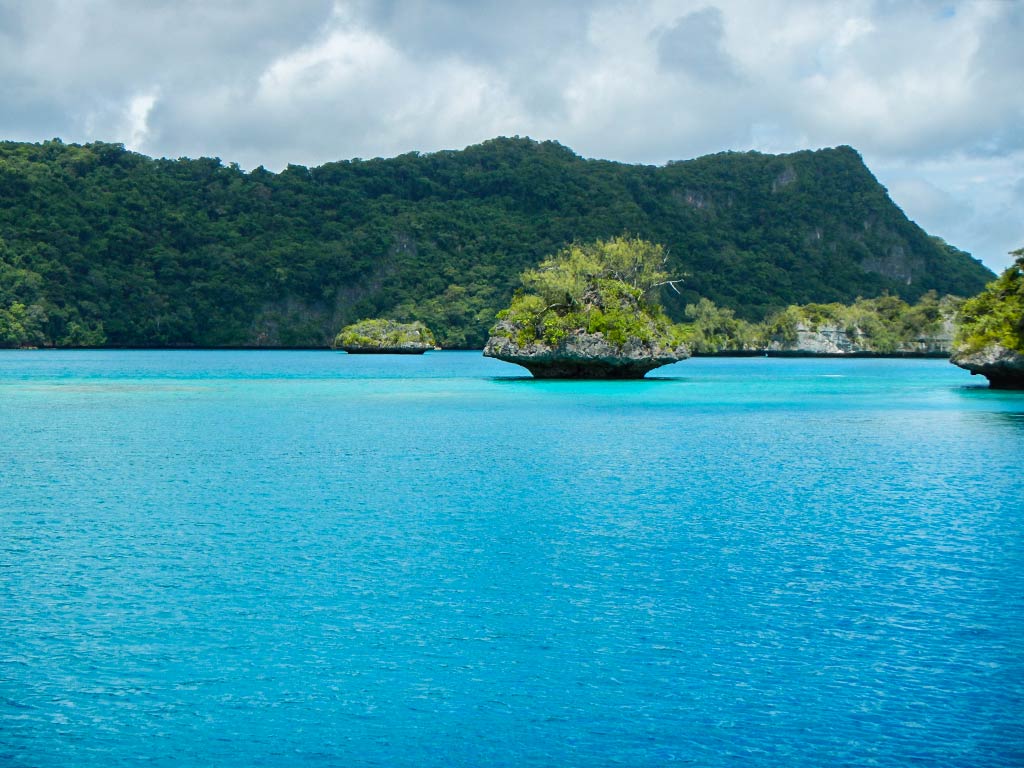
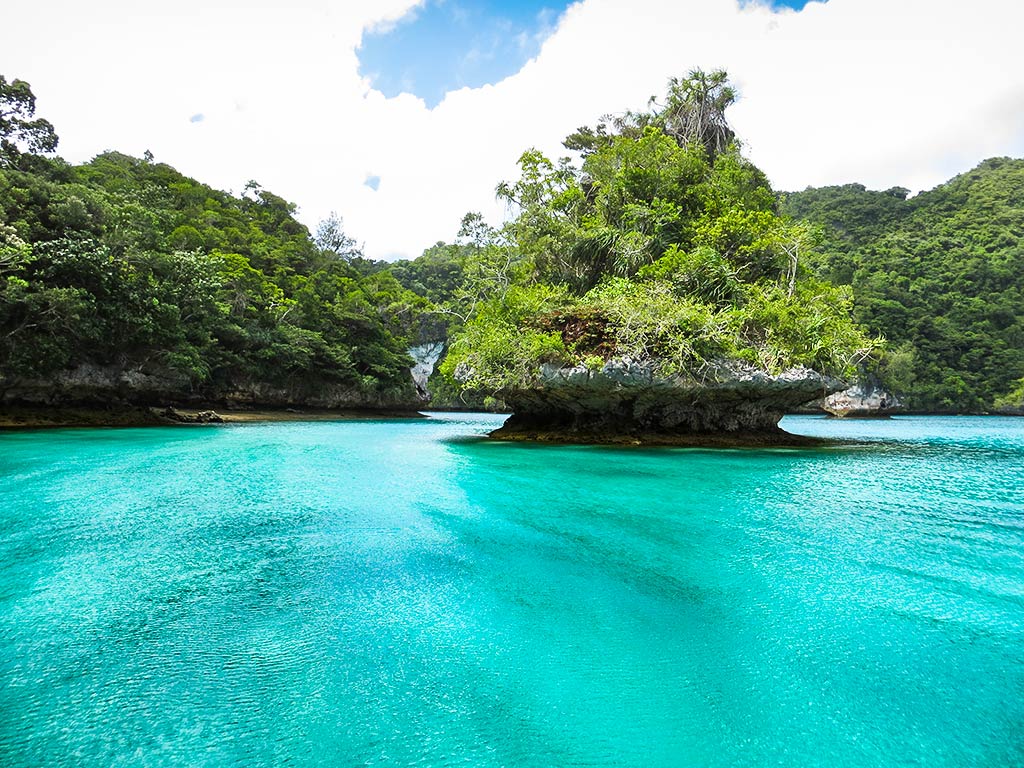
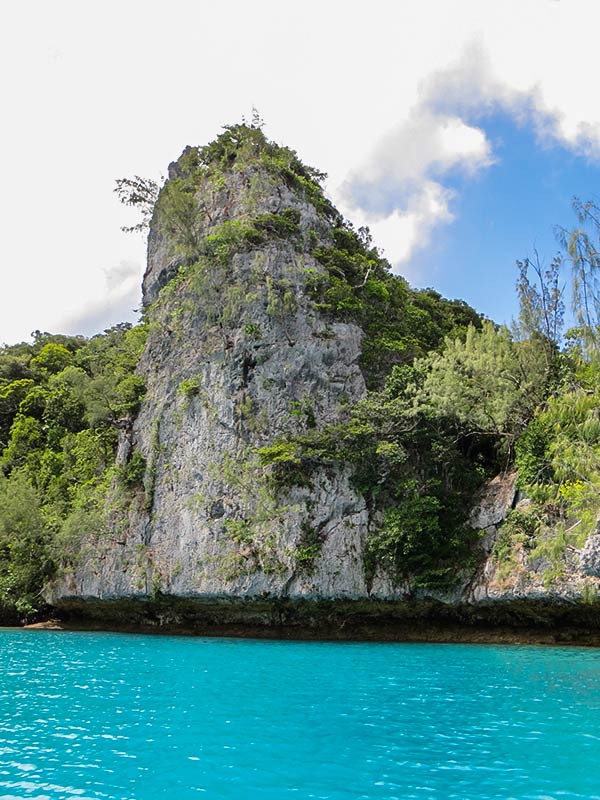
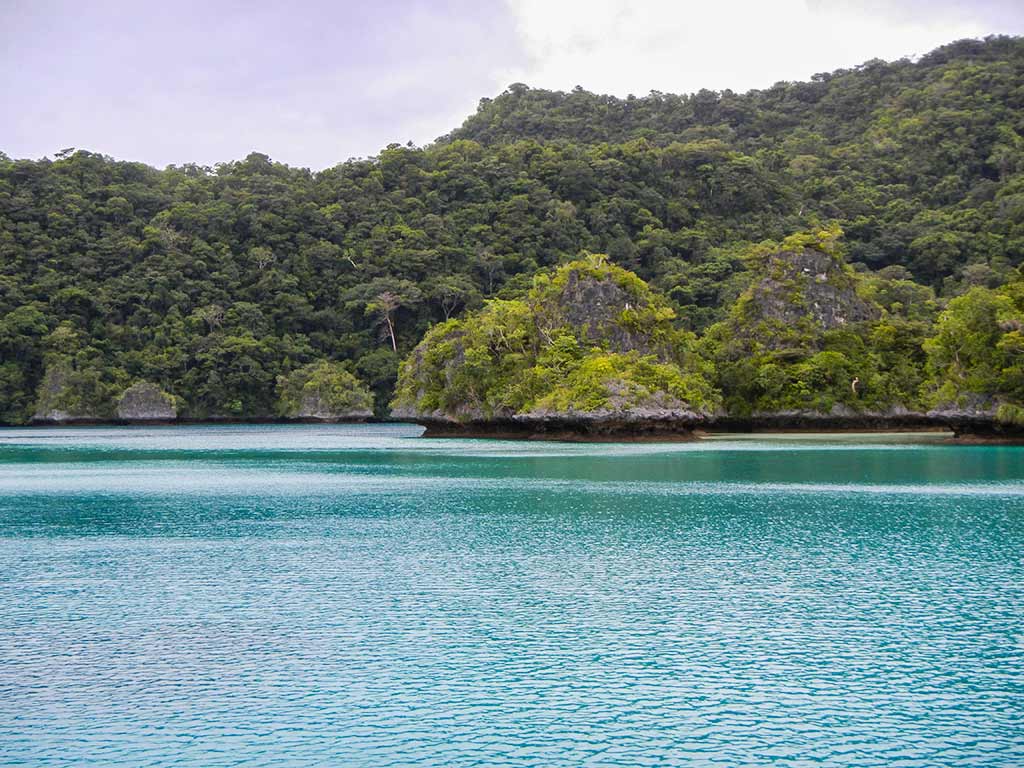
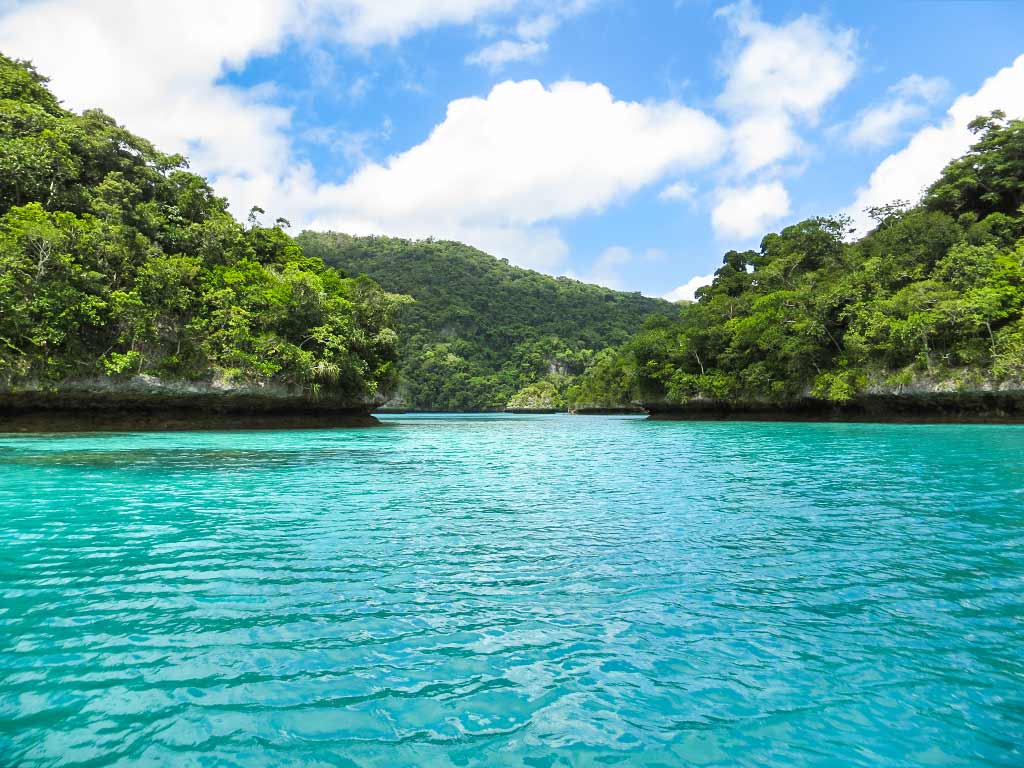
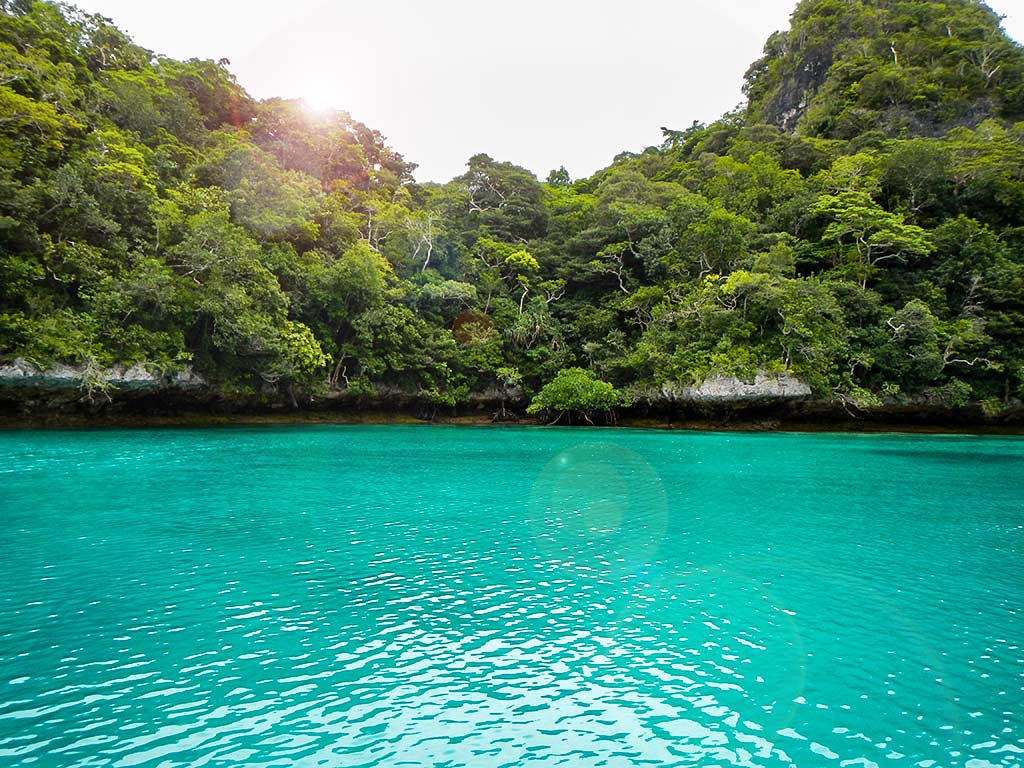
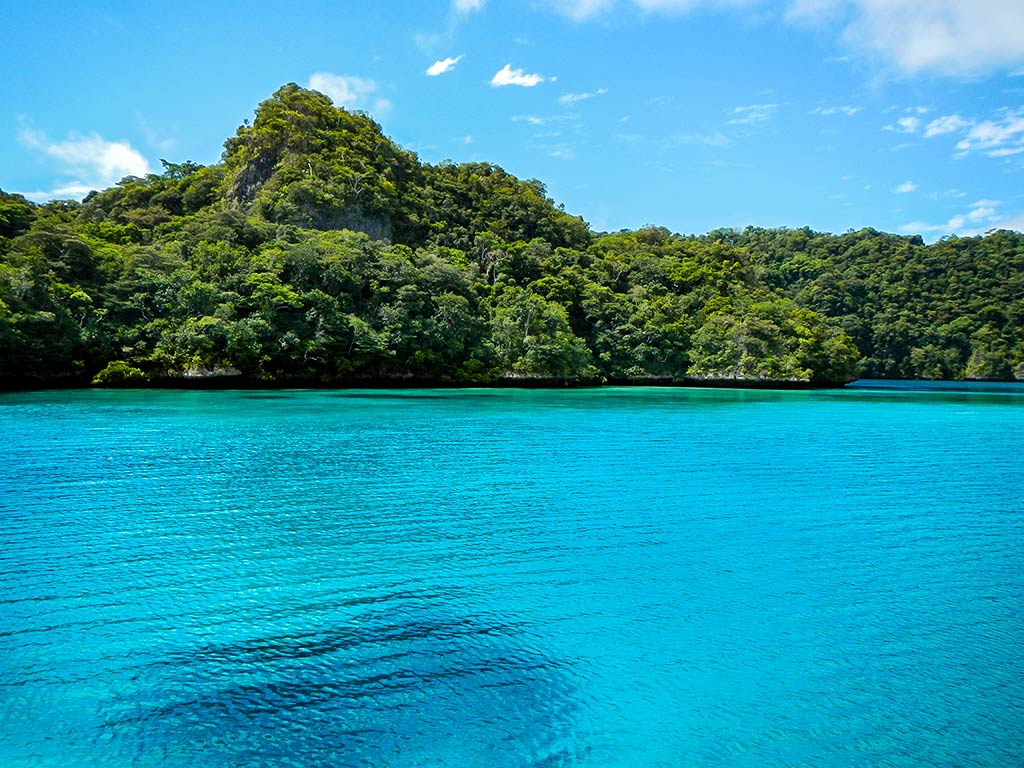
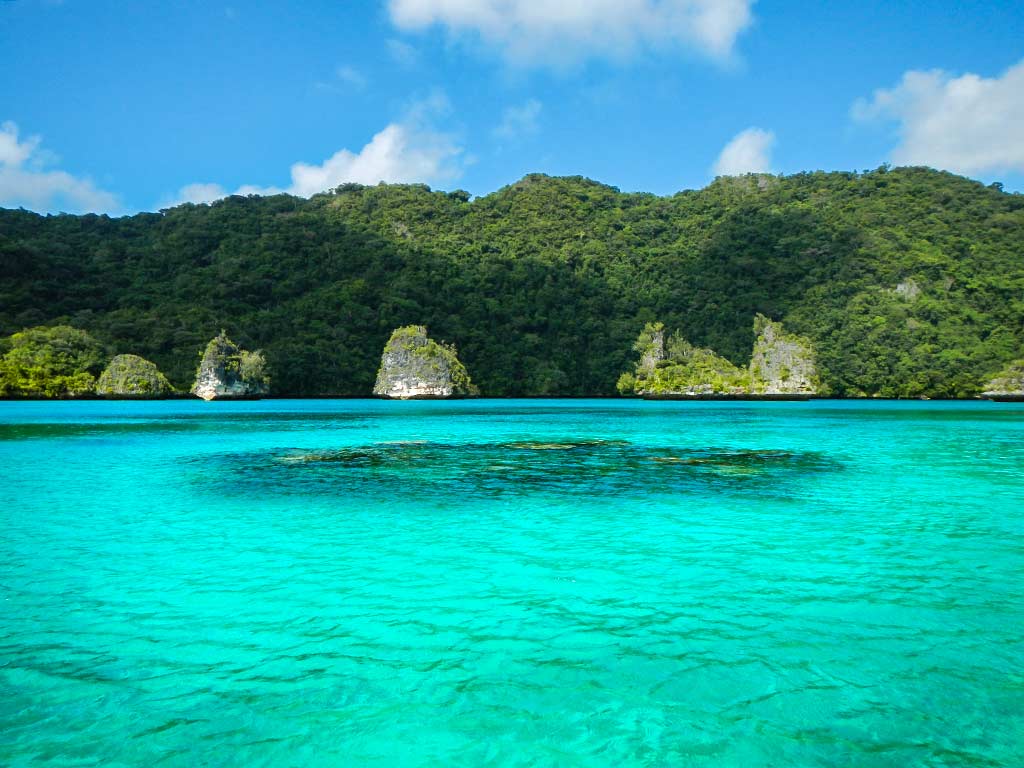
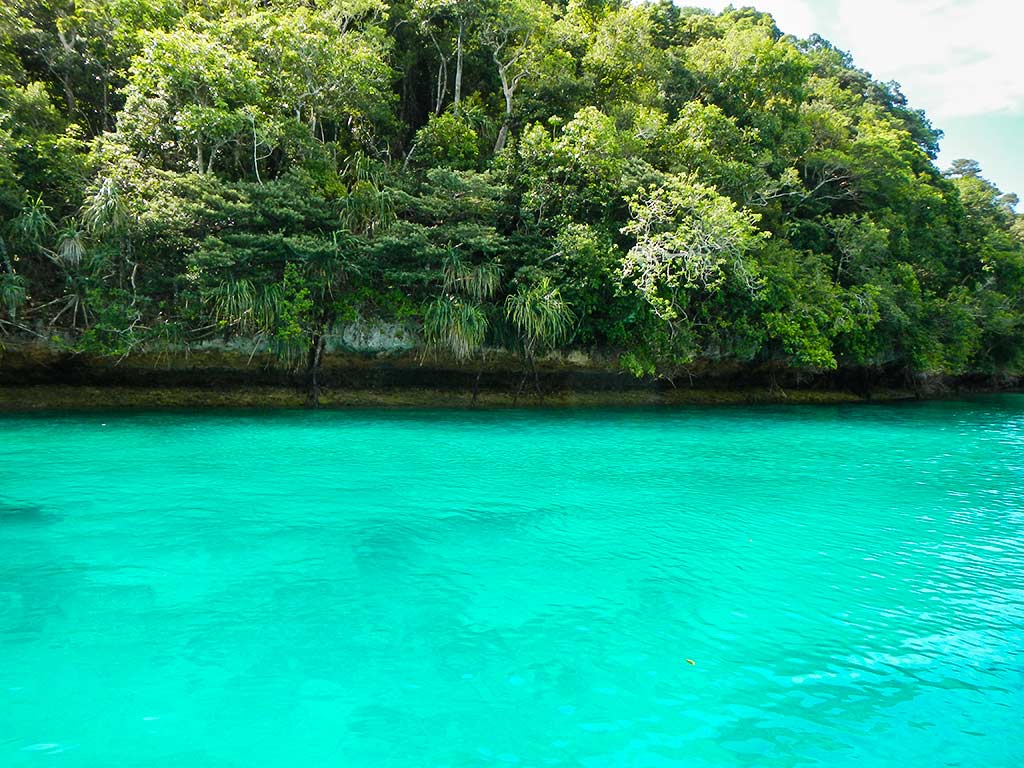
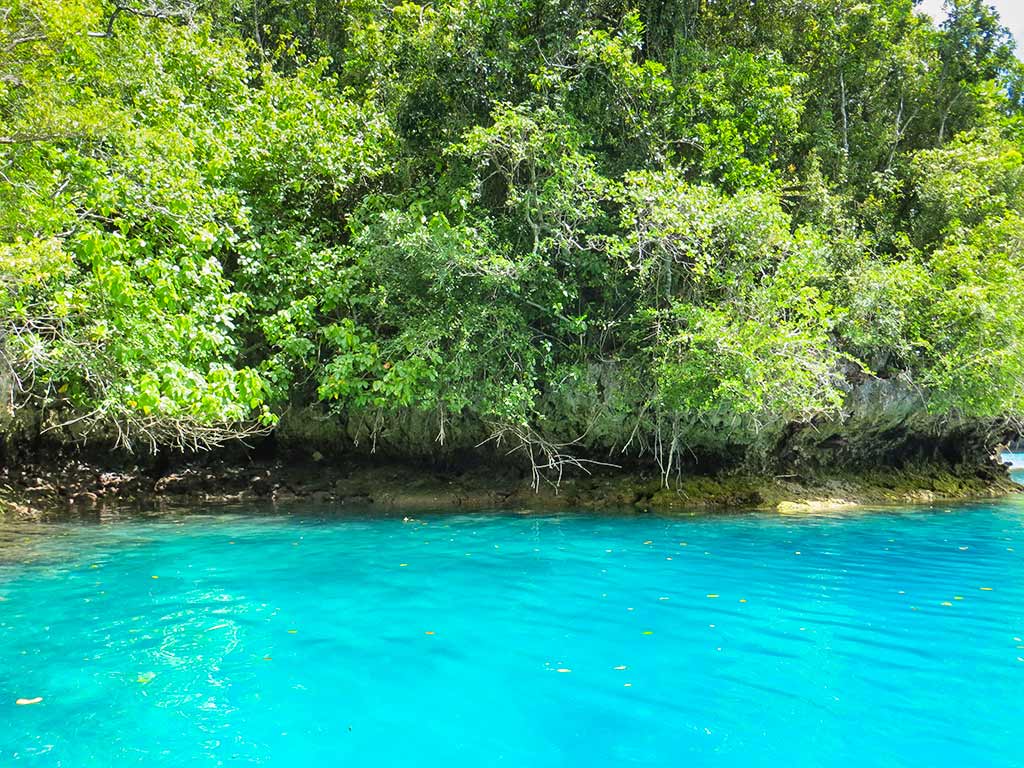
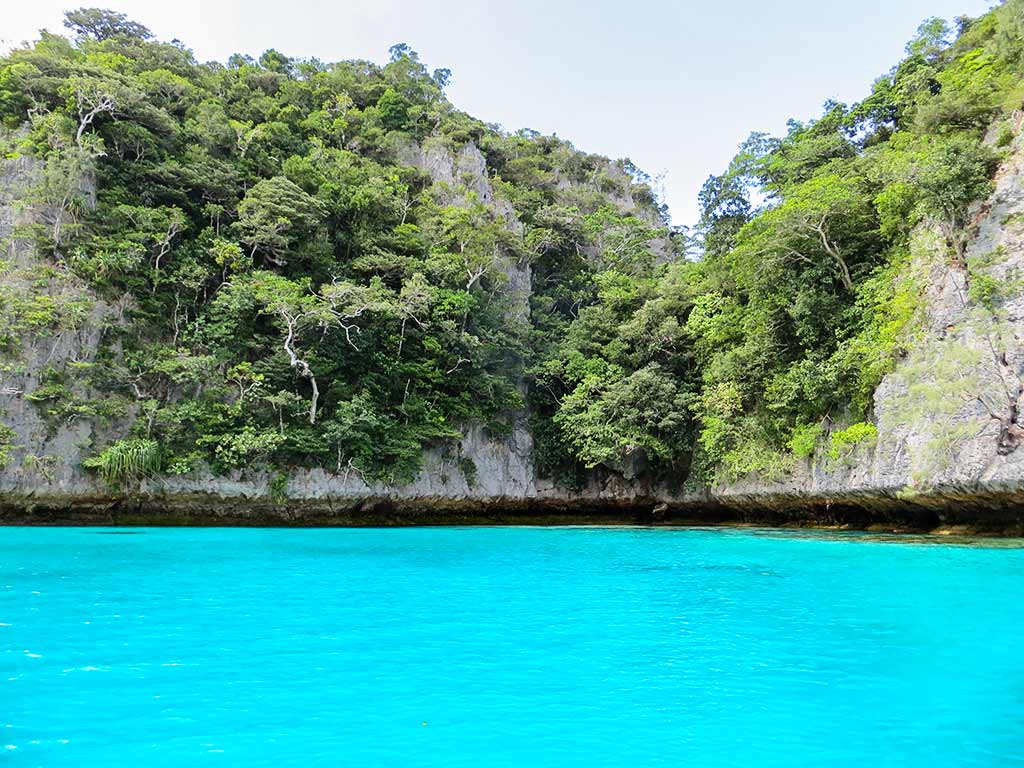
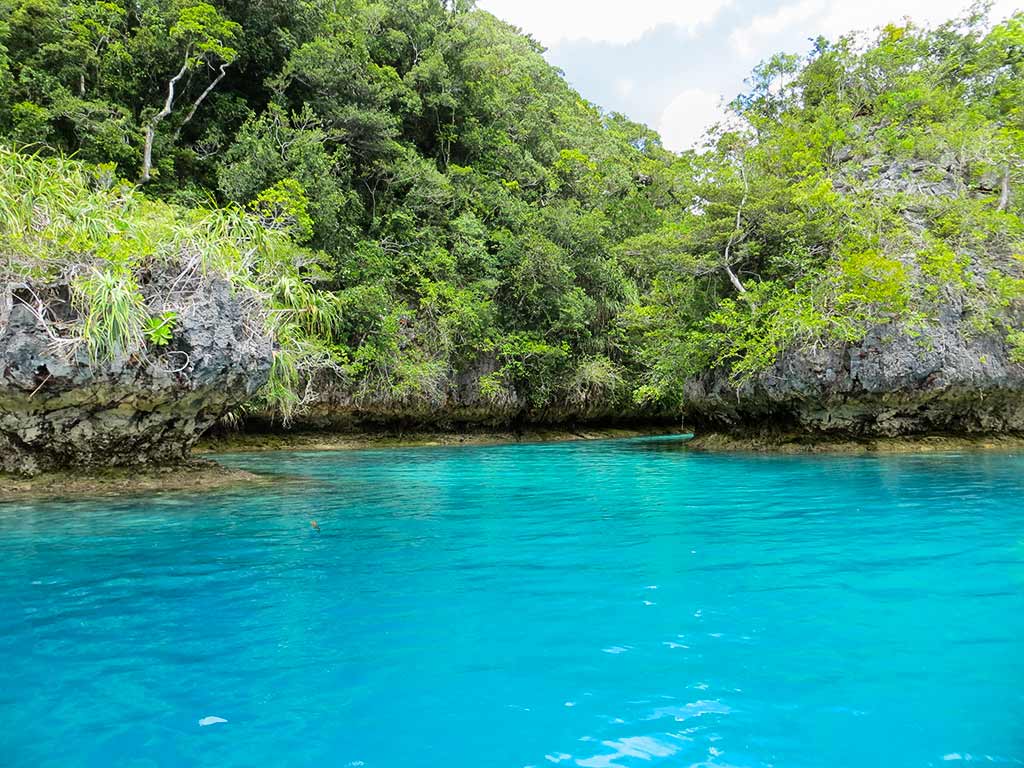
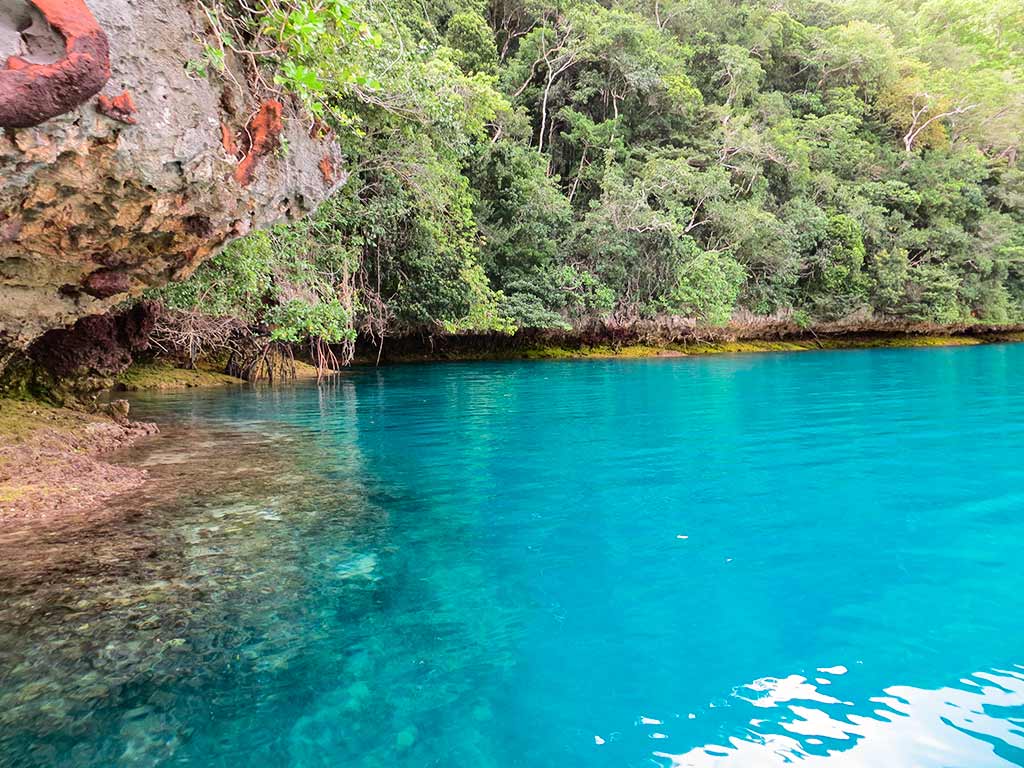
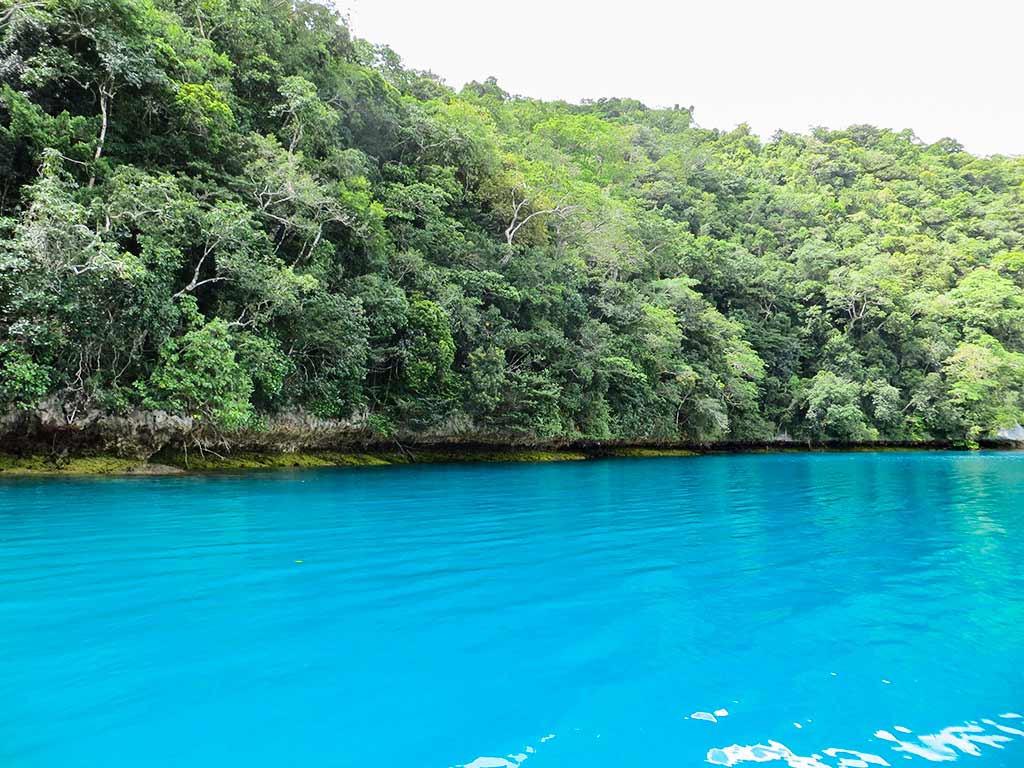
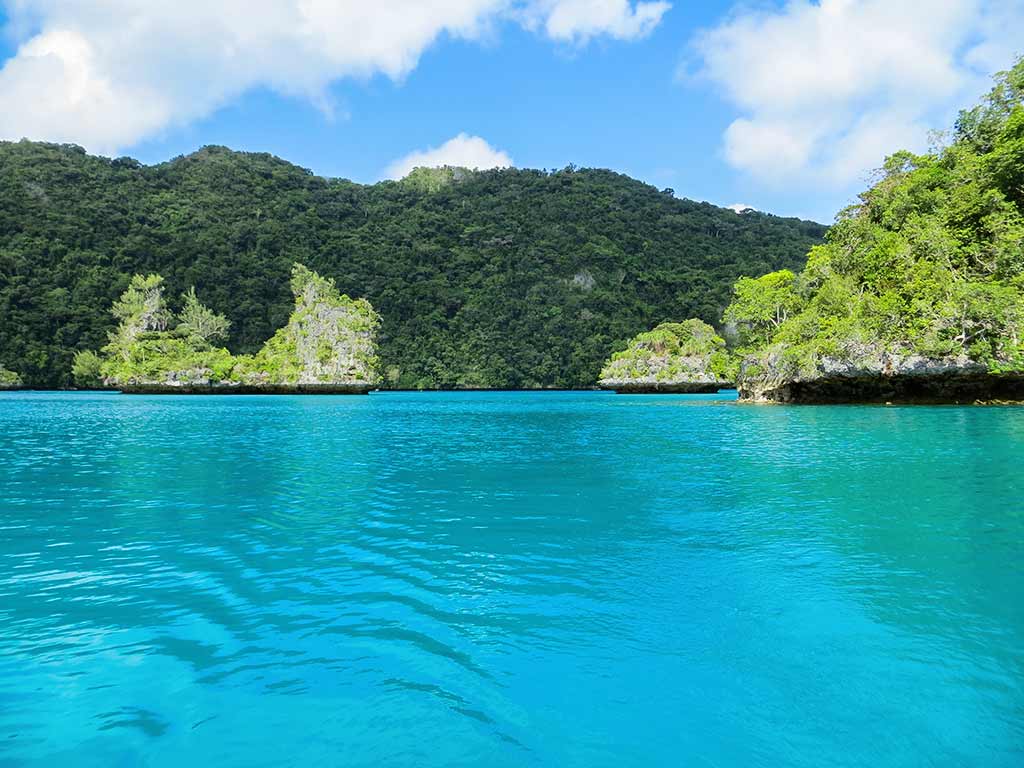
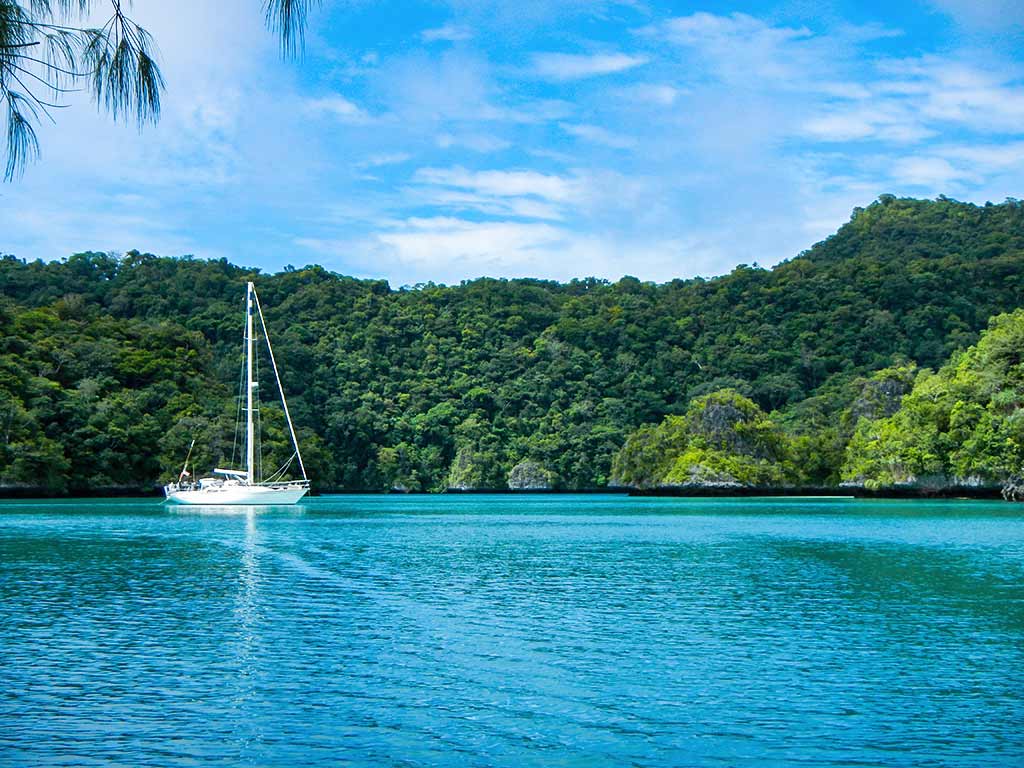
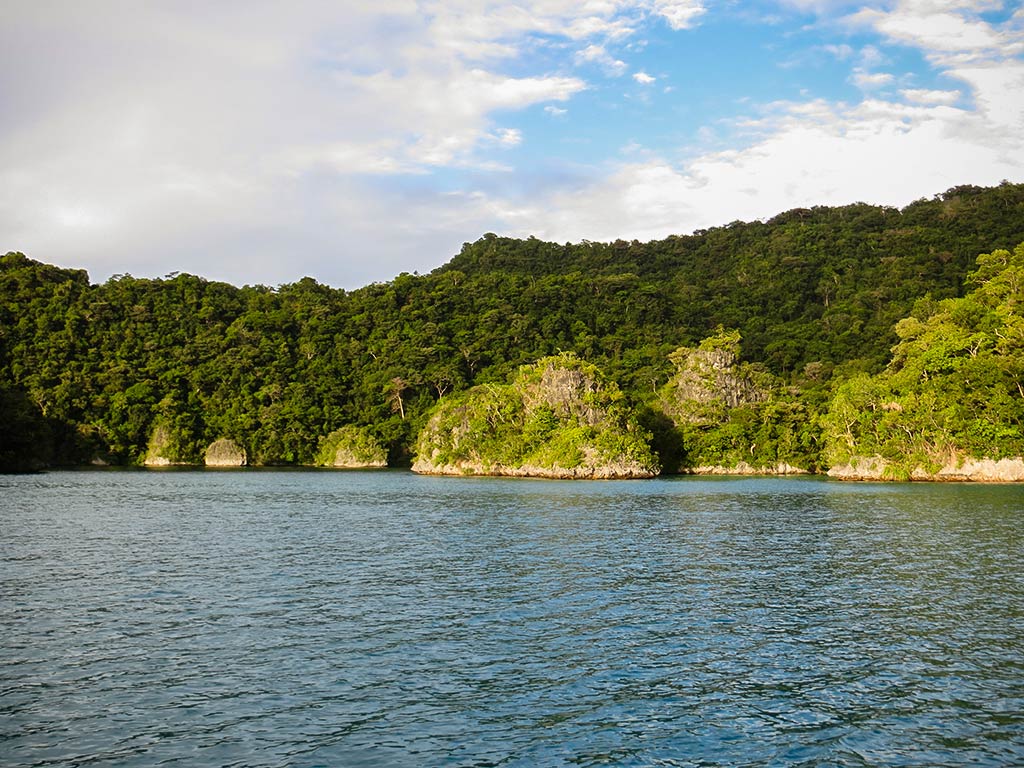
What made this so extra gorgeous? I think it’s the tall hills and mountains around this bay, then the islets themselves with their electric bands of color beneath them and the gorgeous little worlds they create, and the tall motus covered with green vegetation that’s more Pacific Northwest in feel than the drier vegetation of the southern Lau. This is greener, wetter, and cooler than Fulaga, and more mountainous.

So to answer the question of which we liked better, the Northern or Southern Lau, we’d say for us, the Northern Lau was closest to our hearts. On the other hand, how do you compare a place like this to the thousand-shades-of-blue water and white beaches of Fulaga? You really just can’t.

We would advise any cruisers trying to chose between the two places to not take the word of the majority who’d pick Fulaga, but instead to look at photos of both places and see which calls to you more. Better yet, try to get to both if you can.

Below, a gallery of a few miscellaneous photos of Vanua Balavu’s Bay of Islands (you can click to enlarge and scroll though the gallery below).
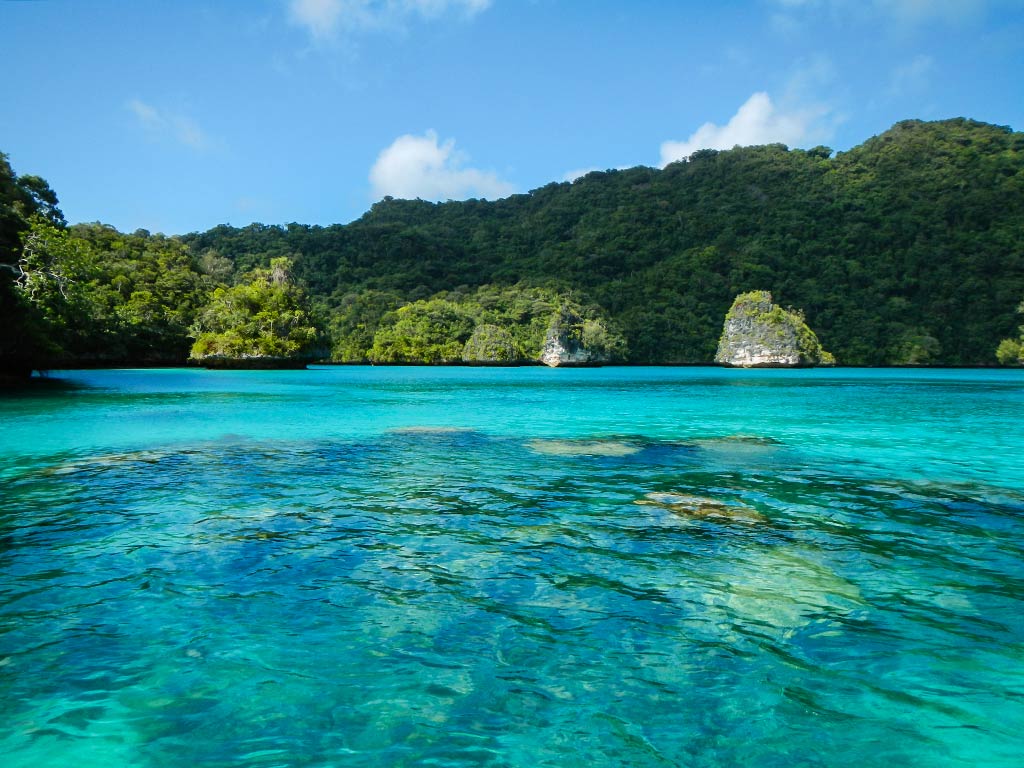
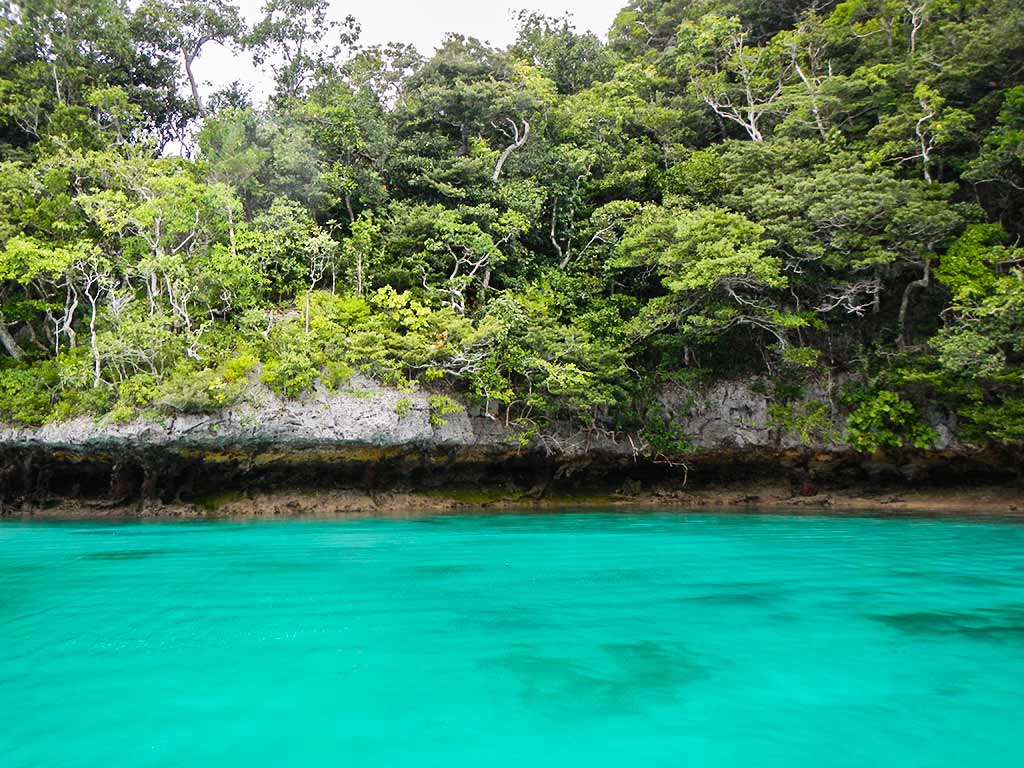
By the time we pulled our anchor and headed to our next destination, I felt satisfied with all we’d experienced here and good about heading on. Still, this is a place I hoped to return to someday. –Cyndi
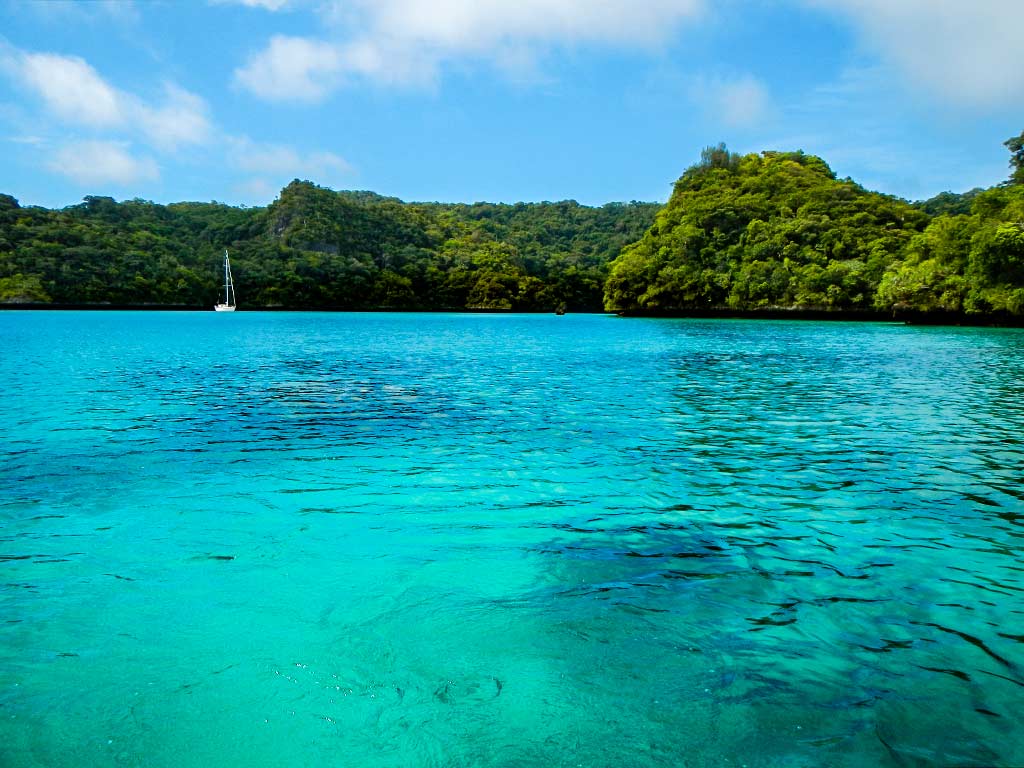
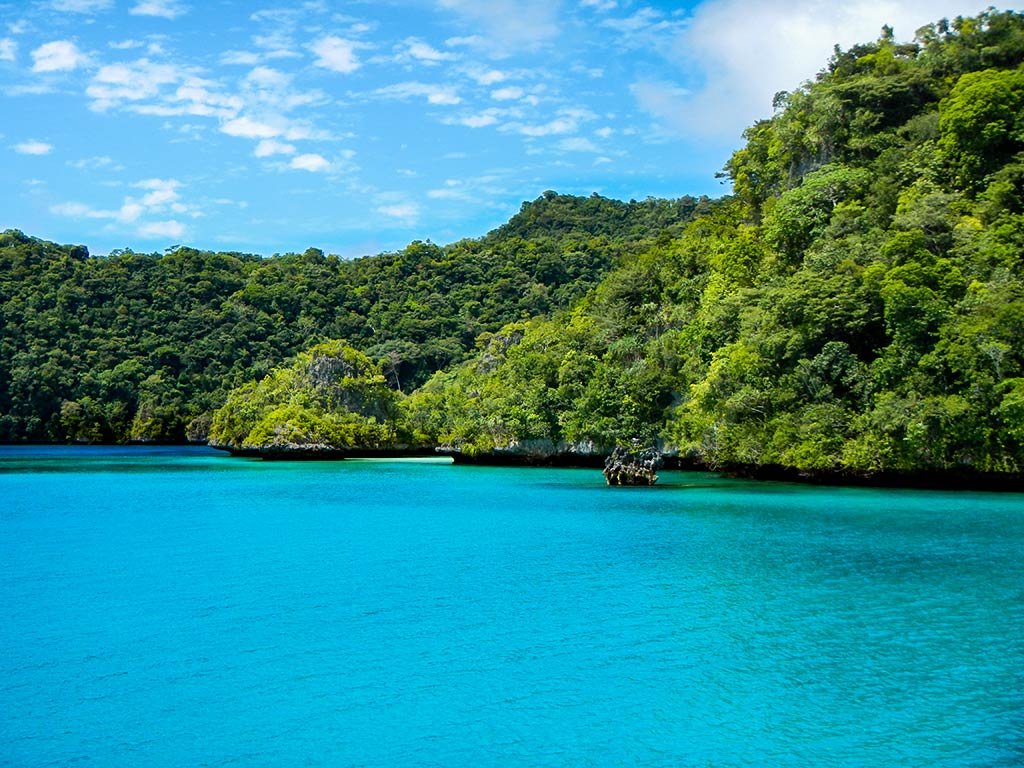
 

Good-Bye Beautiful Anchorage (Bay of Islands, Vanua Balavu, Fiji)

September 19 – 23, 2013

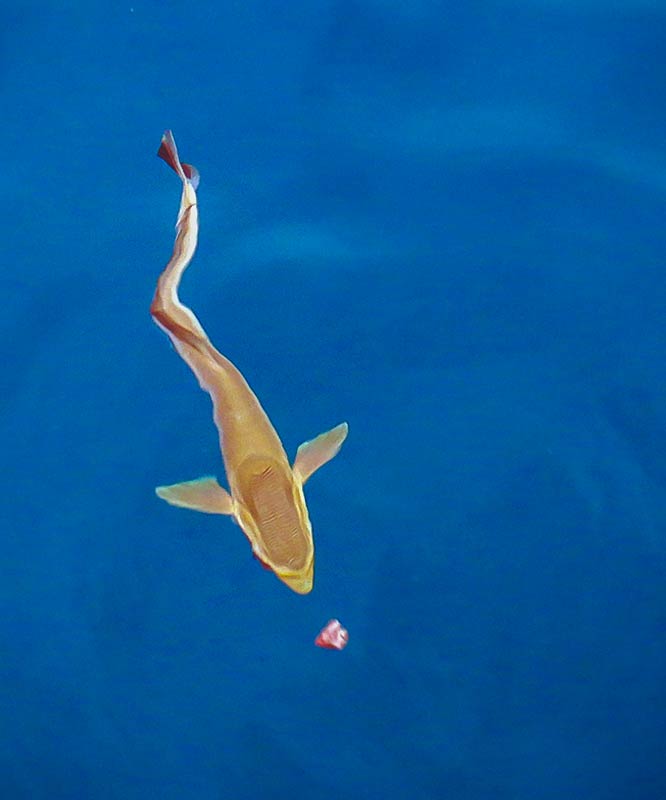
The time was coming for us to leave the Bay of Islands and head over to the east side of Vanua Balavu. We’d been here less than a week but that was plenty of time to get attached to the place. We even had “pets,” some remoras that hung out under our boat and appreciated the daily food scraps we fed them.

We’d miss the beautiful colors of our anchorage, our remoras, the good swimming and snorkeling, and (aside from the occasional passing kayak), the feeling of having it all to ourselves, that it was “our” place. But now supplies were running low, the season was getting on, and it was time to visit some new places.

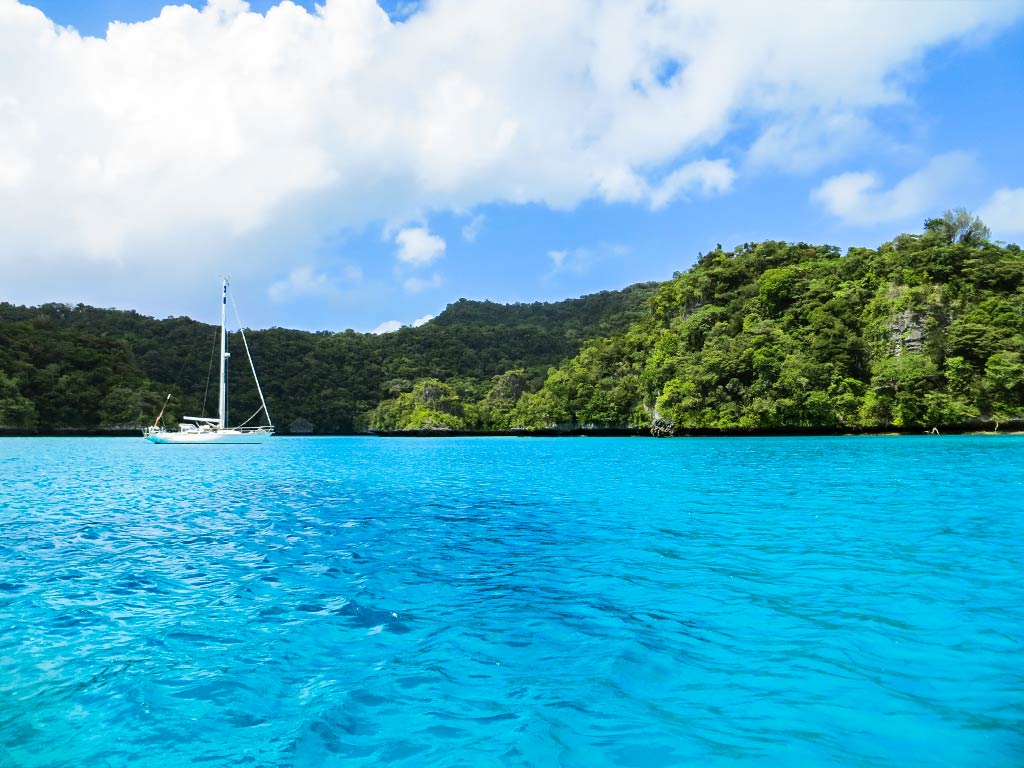
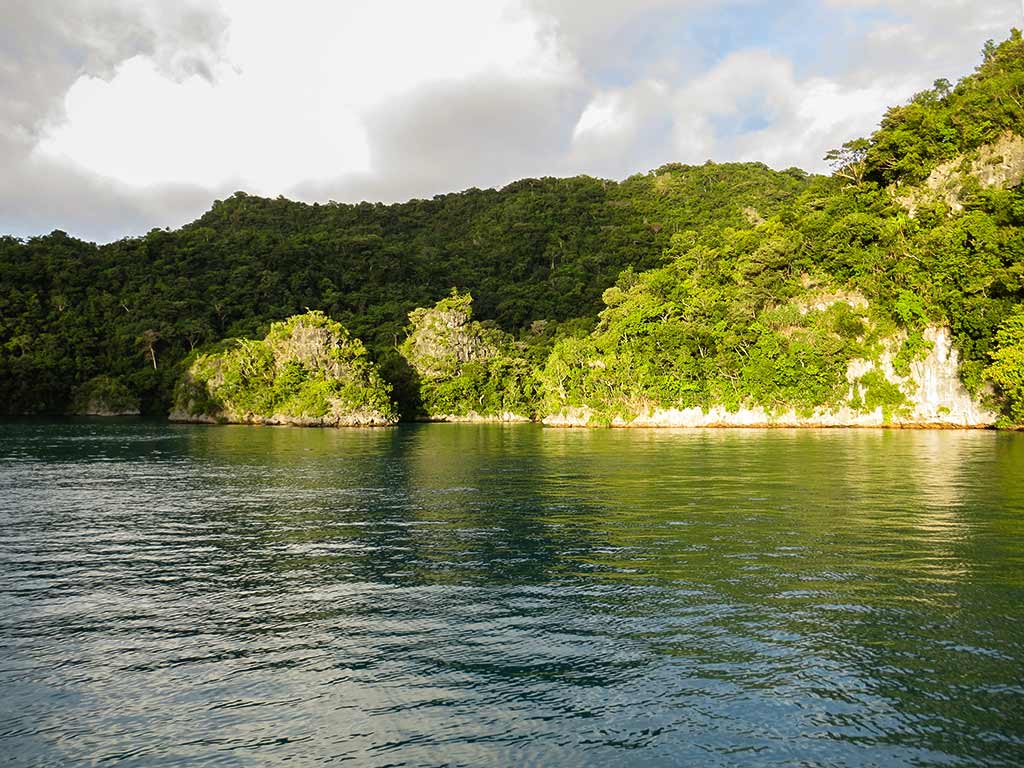
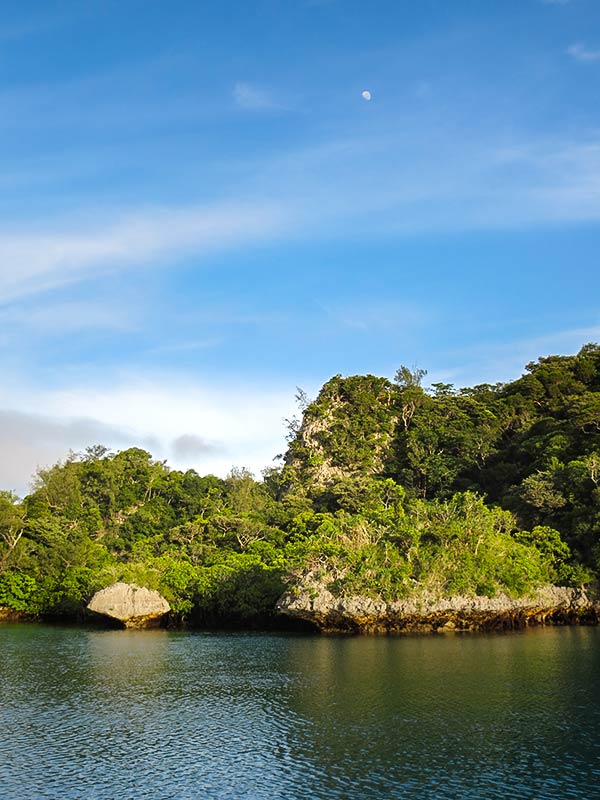
Below, a “second chance” gallery featuring photos that didn’t quite make the cut to get chosen for previous photo galleries. These photos were all taken in our anchorage, most of them from the boat. (You can click to enlarge and scroll.)

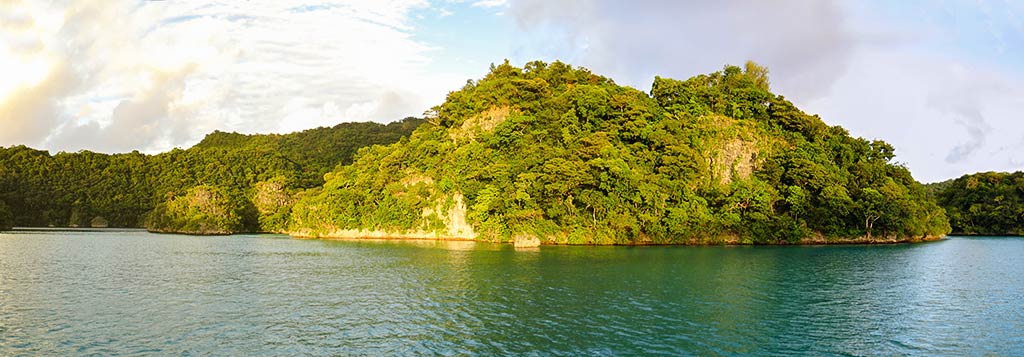
And finally, a panorama of the anchorage during the evening.–Cyndi

Vanua Balavu – click for larger image.

Electric Blues (Bay of Islands, Vanua Balavu, Fiji)

September 19 – 23, 2013

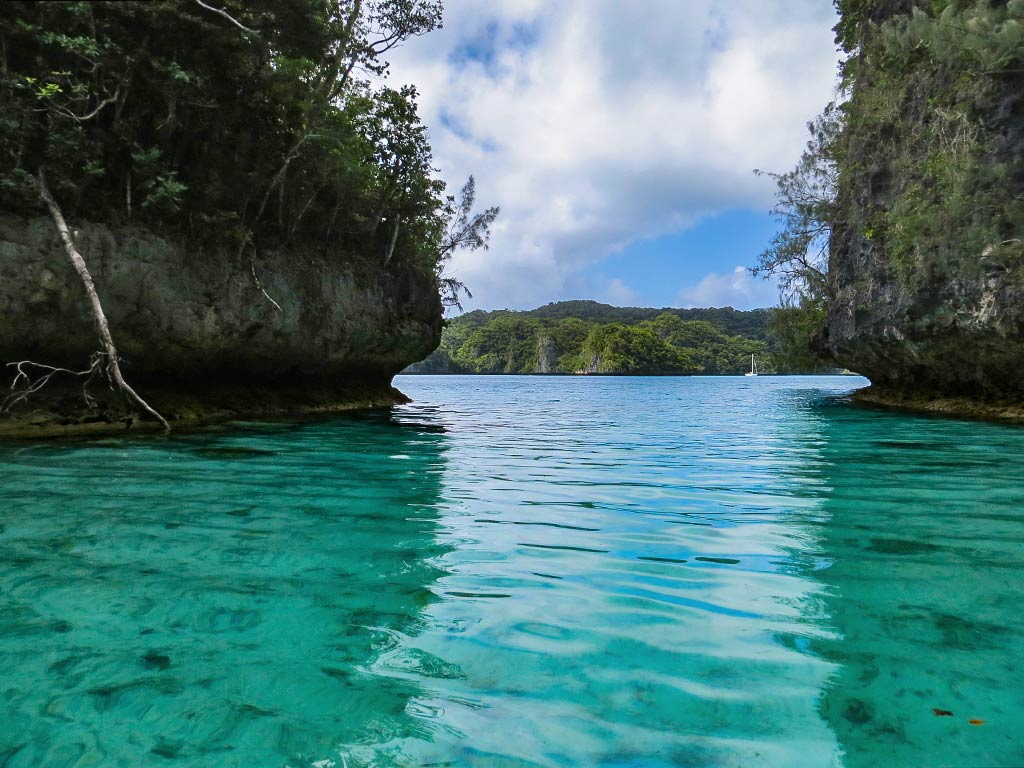
In our opinion, Fiji’s Northern Lau group (Vanua Balavu in particular) definitely held its own against the spectacular beauty of the Southern Lau. The landscape was exotic and beautiful, and the feeling of being tucked in amid islands and mountains in the calm seas of the lagoon was very special.

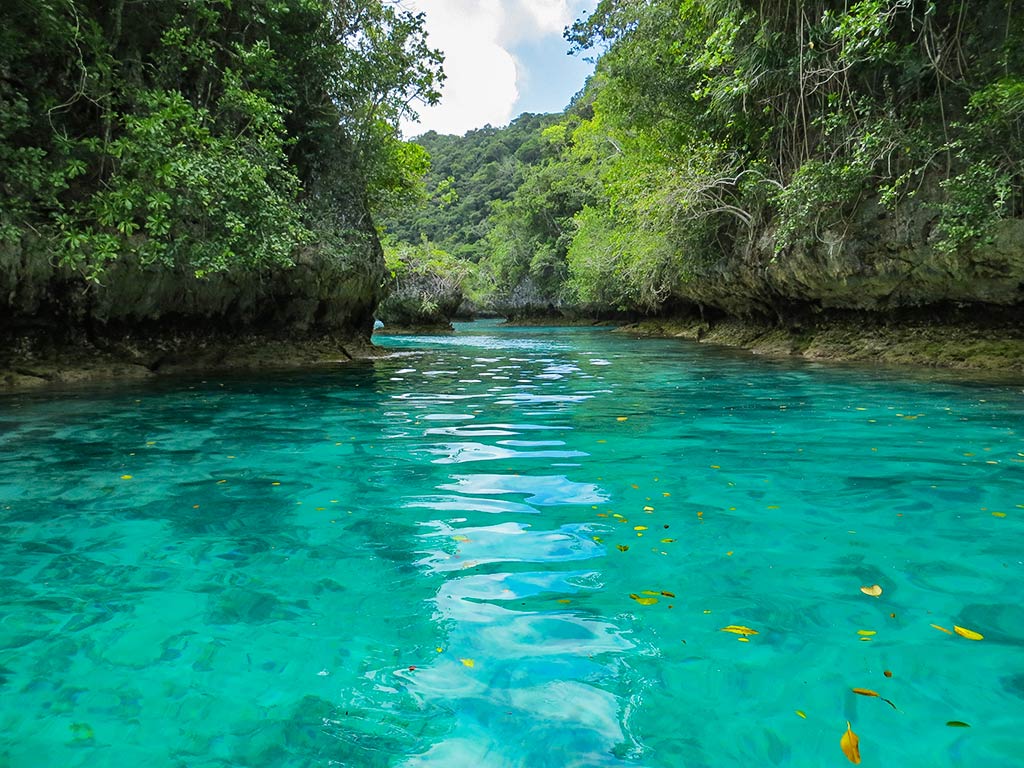
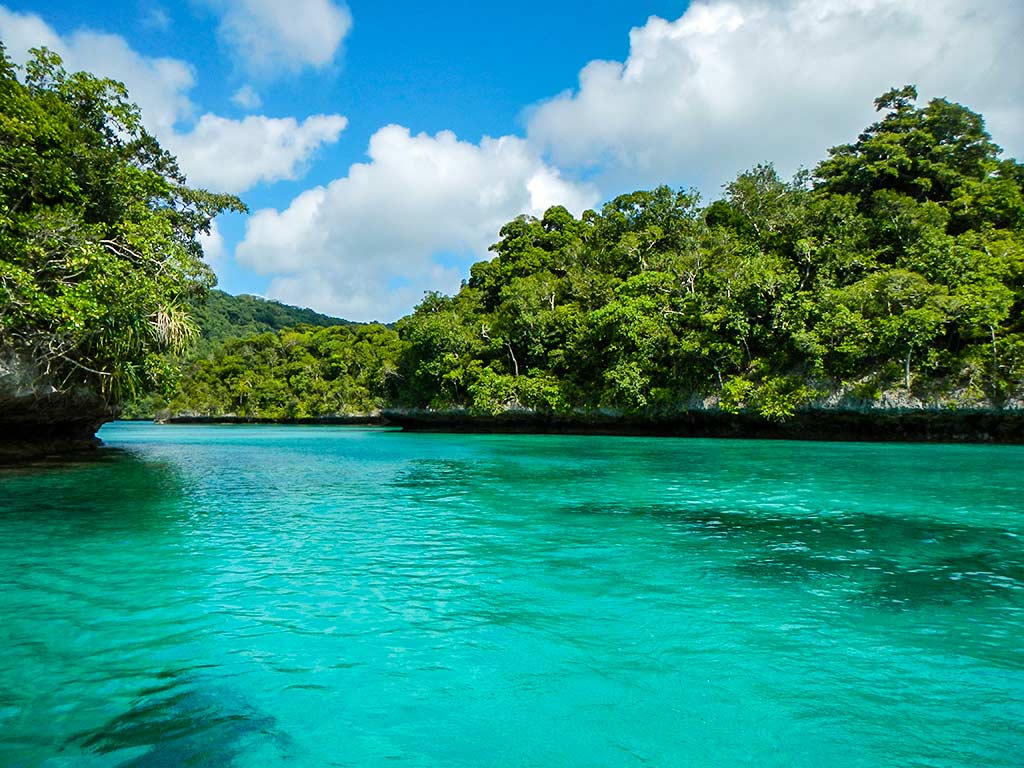
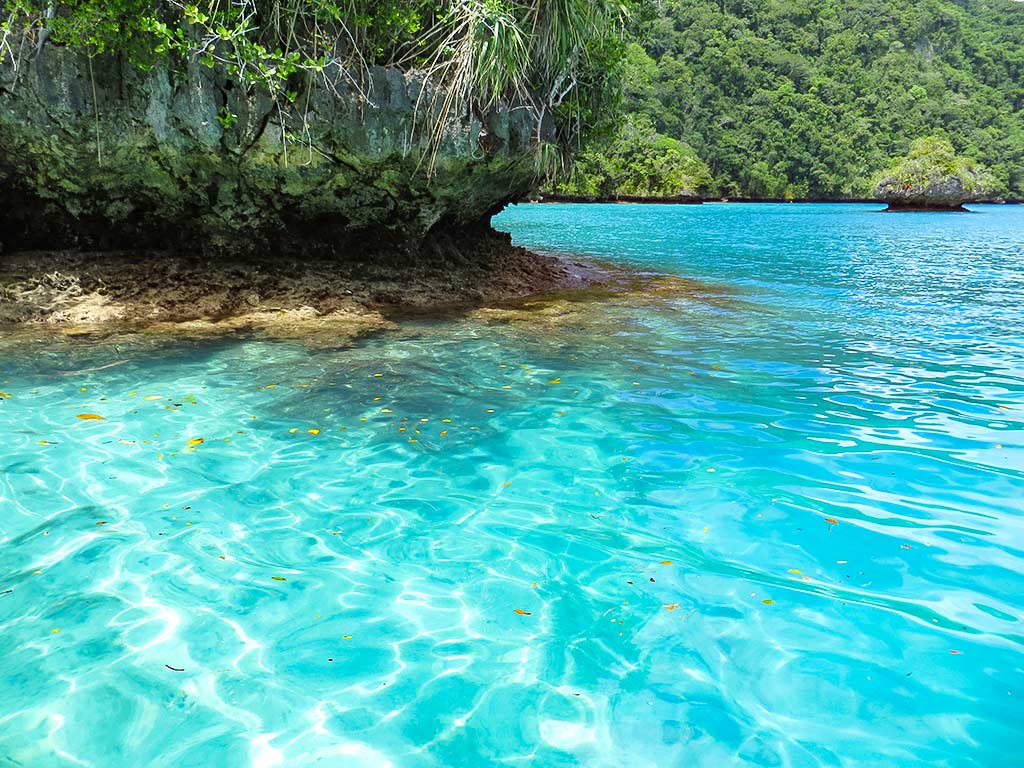
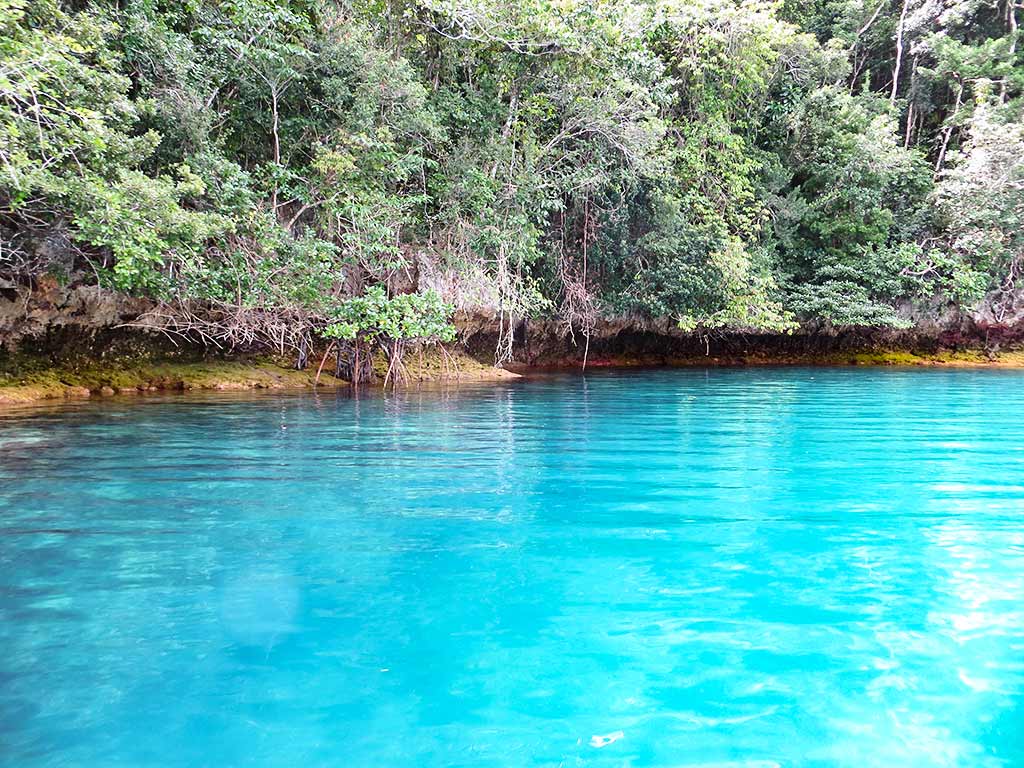
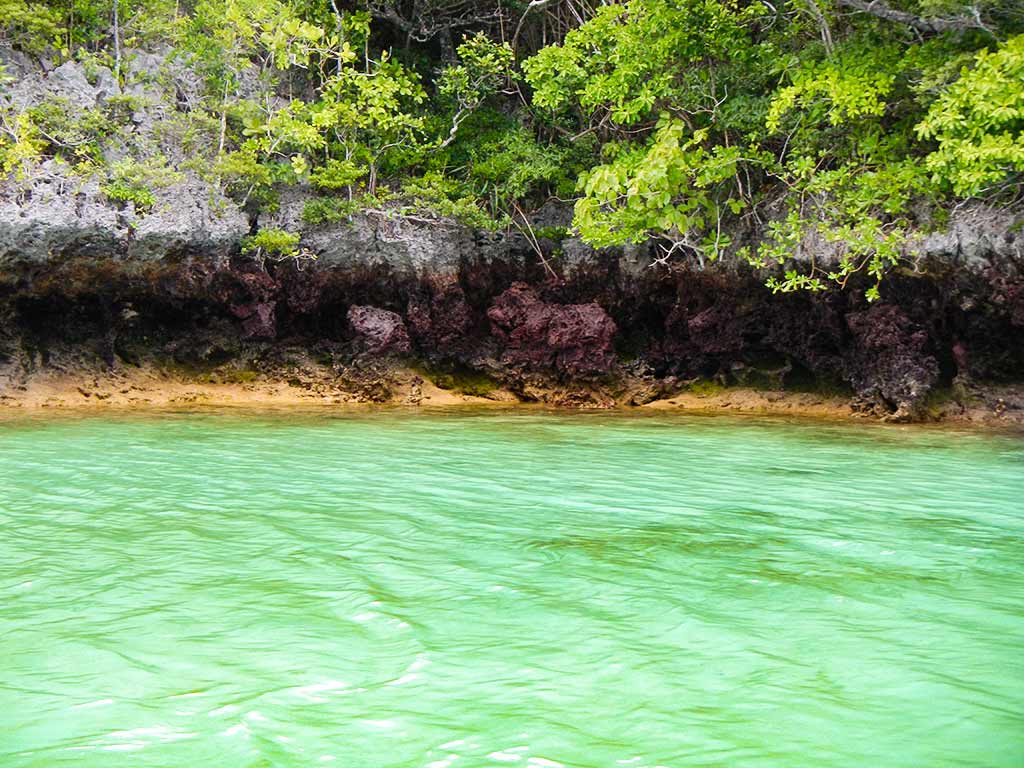
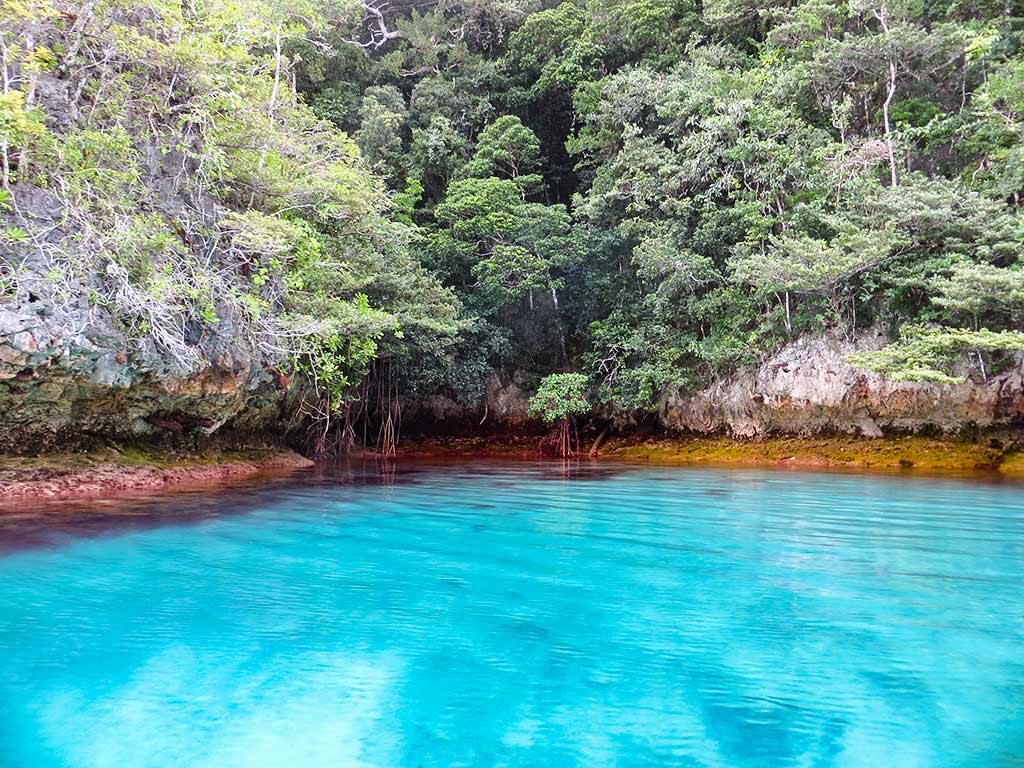
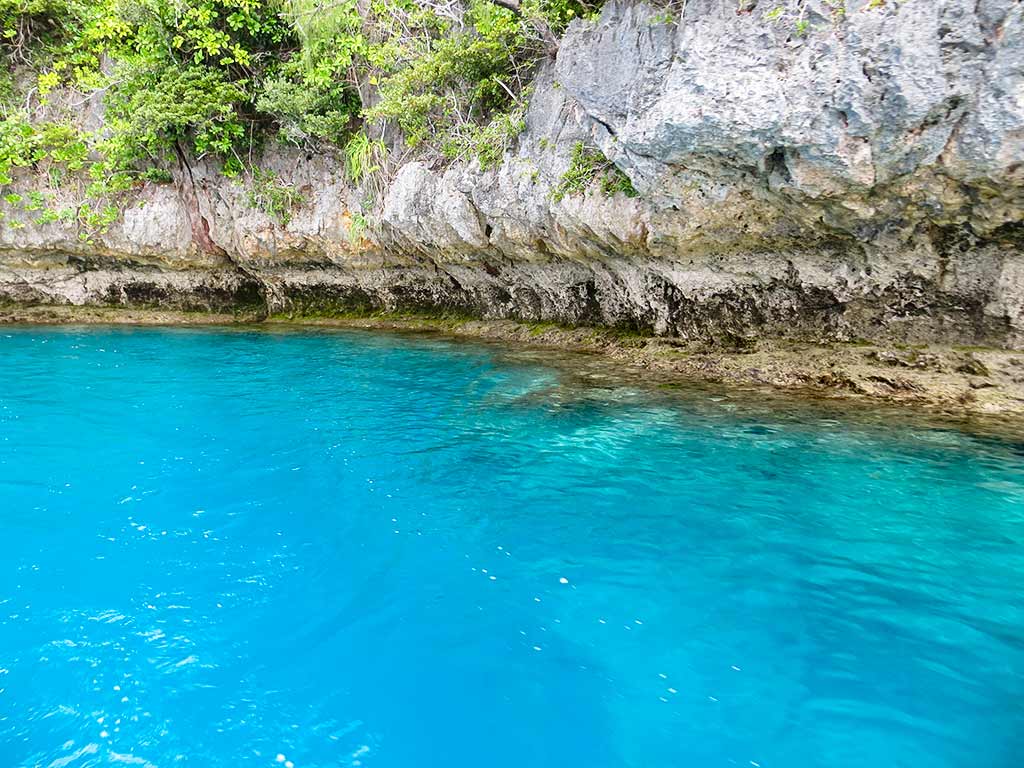
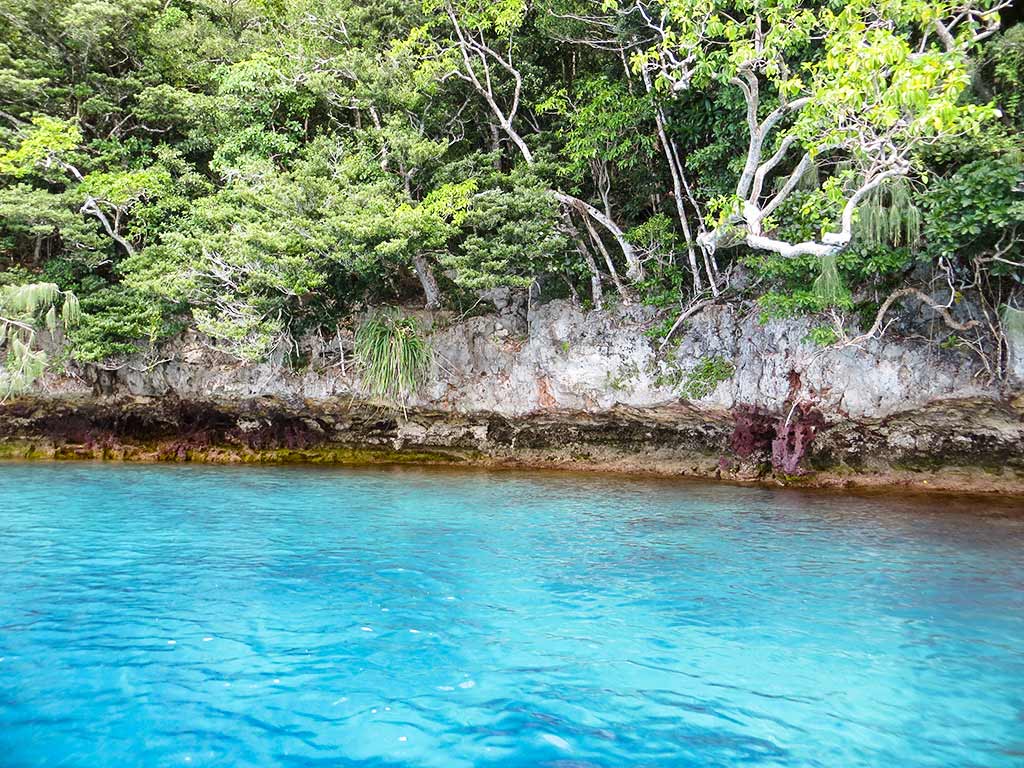
For me, the area’s standout feature was the lit-from-below quality of the water. I could almost imagine the glowing blues and greens were battling it out to see which could be the most electric, and it would inevitably be a draw. (You can click to enlarge/scroll through photo galleries below.)

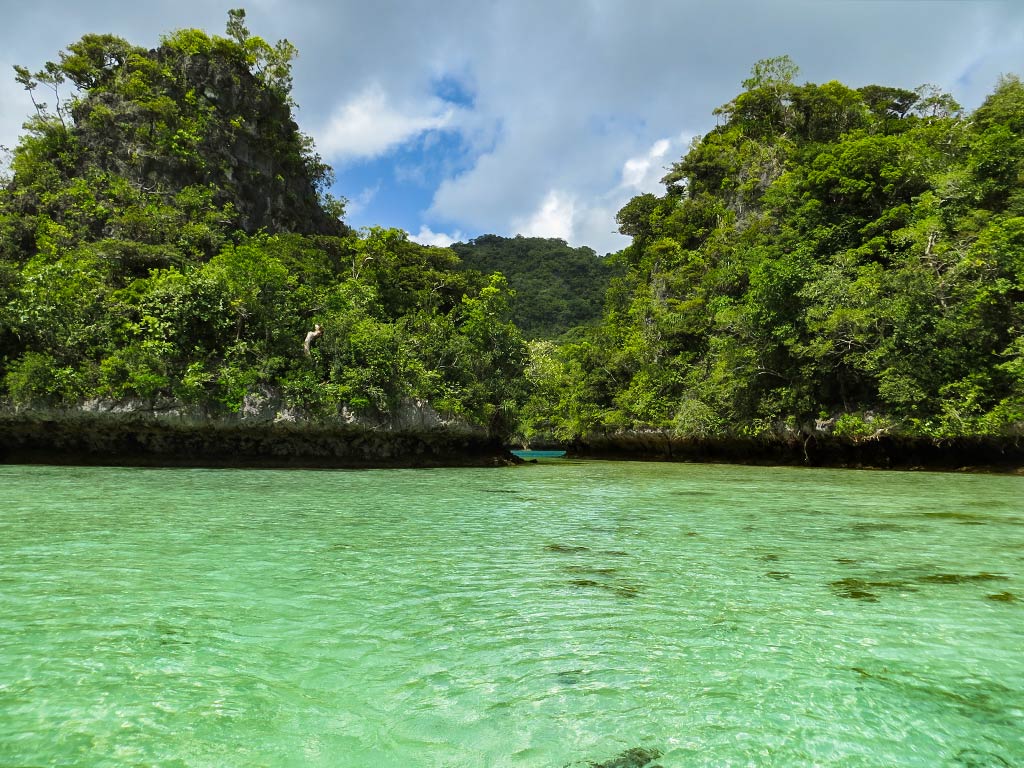
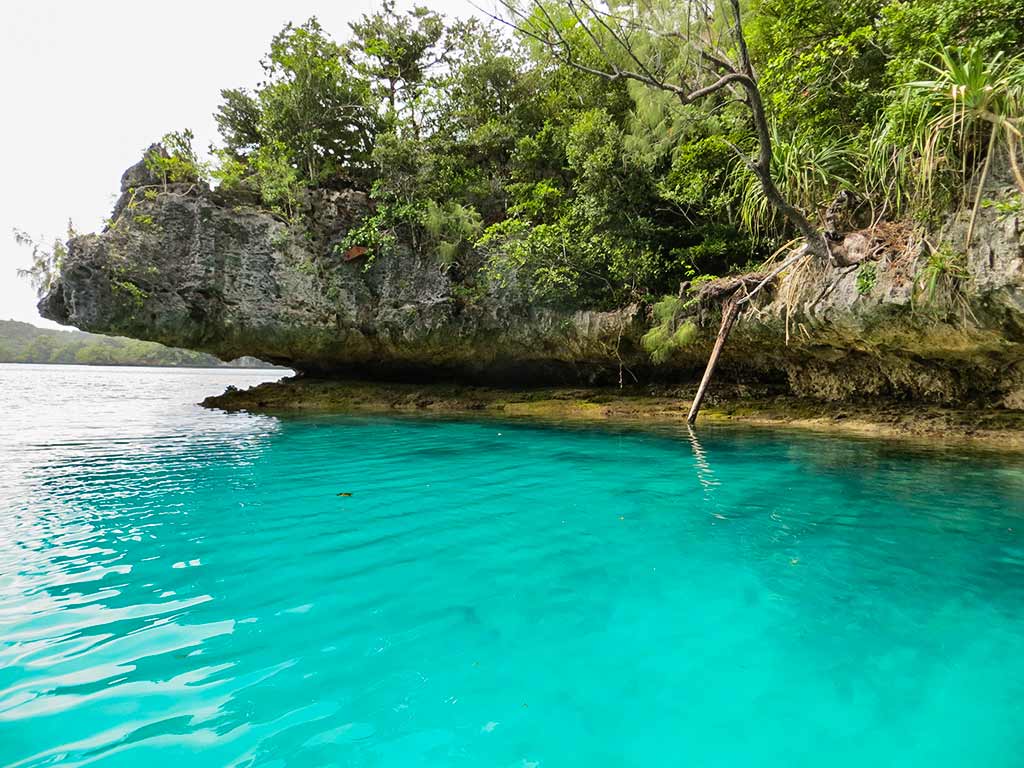
Then there were the softer celadon greens of the shallows and the rich royal blues of the deeper areas. Any given dingy ride would take us over a kaleidoscope of colors.

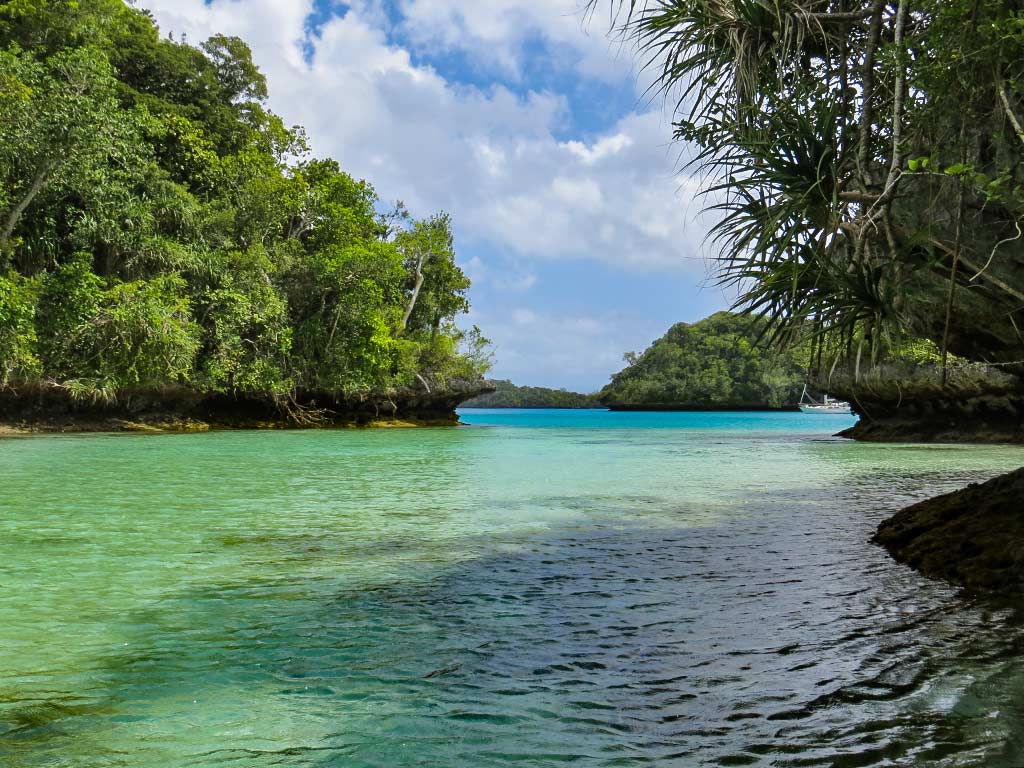
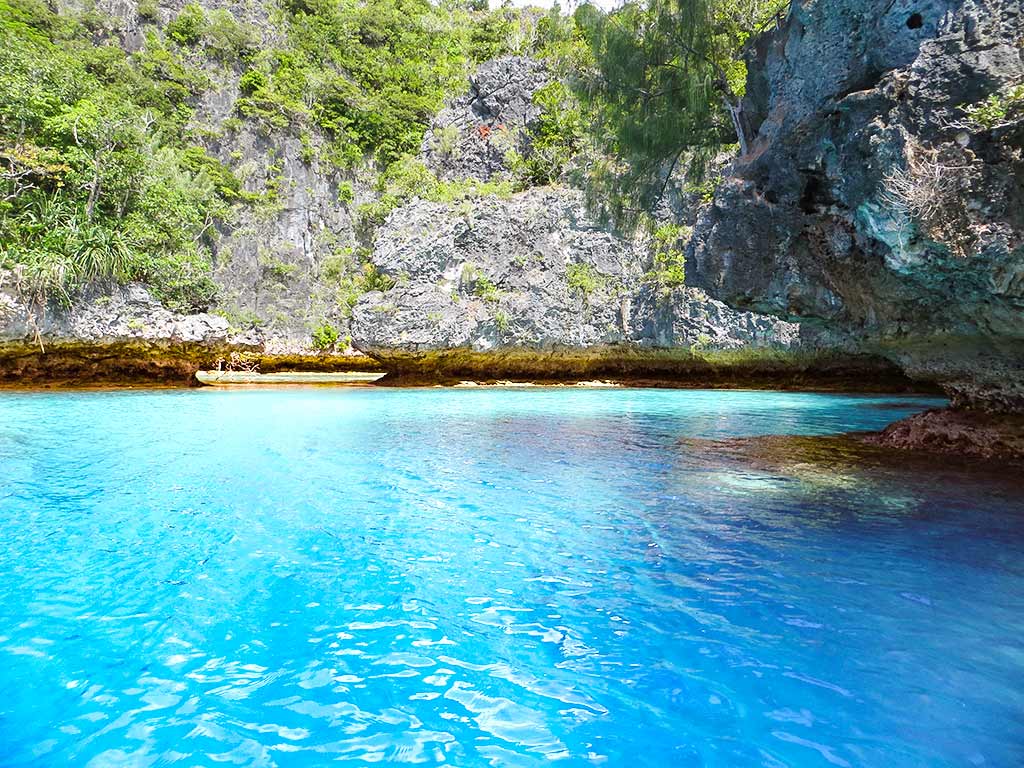
Some of the most beautiful shades were found under the ledges . . .

As anyone who reads our blog can tell, I’m a sucker for brightly colored water. I think it comes from living in Los Angeles all my life. The ocean there is amazing for swimming and body surfing (and definitely has its own wild, kelp-forested beauty), but its color tends toward a washed-out navy blue or dusky green. It wasn’t until I traveled to Hawaii at age 19 that I saw just how colorful the ocean can be, and my fascination with these colors continues to this day.

Vanua Balavu not only has all those pretty colors I love, but they actually seem to glow. I’m not sure what causes this effect; I just call it magic. –Cyndi
Outboard Woes in the Bay of Islands (Vanua Balavu, Fiji)

September 19 – 23, 2013

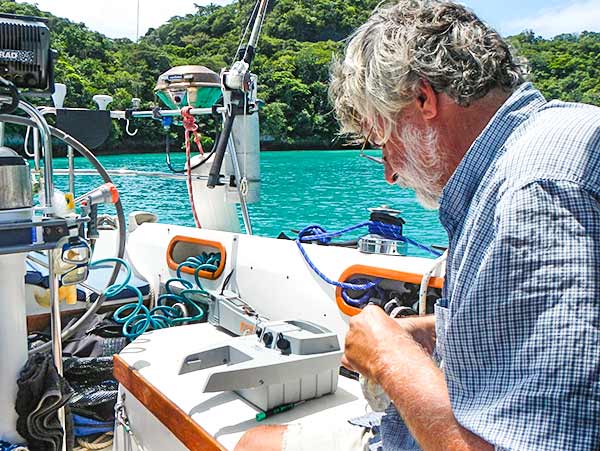
While we were very much enjoying our time in Vanua Balavu’s Bay of Islands, there was one fly in the punch bowl: our Torqeedo electric outboard engine.

It started being problematic the previous year during our trip across the pacific, to the point we’d tried to send it back to Torqeedo to be serviced. We’d bought it less then a year before and had only been using it a short time. We were prepared to pay for shipping it to Australia where a service center was located, but their customer service effectively shot us down by saying if we wanted it serviced, it must be returned in its original box. Original box?? They had to be kidding! Even if we still had our place on land, we wouldn’t keep a box for something like this, much less cart it across the ocean on a small boat! (Of course they must have known this—the original box requirement is a known business tactic used to prevent customers from sending their products back.)

Since they weren’t kidding, this ended any chance of us getting our outboard fixed. Luckily Rich is an electronics and computer guy and was able to nurse it along through the season, but the problems had worsened now to the point it was circling the drain. It was very hard to get it started, and once it was going we didn’t dare put it in reverse, stop it or even slow it down until we were within rowing distance of the boat. We could only hope to keep it going until we got back to Savusavu.

Of course, this affected our time in the Bay of Islands. We were headed out to explore a neat-looking area up the way when our engine quit quite a long way from the boat. Rich managed to start it for a short time, but it quit again. With that, we had to turn around and row back towards the boat. Luckily Rich got it going one more time so we were able to motor back, but that was the end of us taking our dinghy more than rowing distance from the boat. Meanwhile, we planned to visit a couple more places before heading back to Savusavu, and I could only hope we’d keep the outboard going long enough to do so.

Was there any possible way, given our predicament, to take lemons and make lemonade? No, not lemonade, but we could make something. And so we did: a video demonstrating our struggles with this outboard. It used to be when you gave a customer an impossible hurdle to clear in order to get any service, that would be the end of that. But now there’s something called the internet; so while the company may not have to talk to you, the customers can, in fact, talk to other customers and more importantly, potential customers.

And so was born our infamous Torqeedo video. I call it infamous because we put it on YouTube and had thousands of views in the months to follow, and I’ll wager it cost them some business. We posted it after returning to Savusavu; meanwhile ordering a Suzuki outboard from New Zealand and giving up on the whole electric outboard engine idea. An employee from Torqeedo saw our post and promptly wrote and accused us of working for Suzuki.

Working for Suzuki? Do they have jobs that entail dismantling your land life, sailing across the south pacific on a small boat while using someone else’s outboard, only to have it quit so they could mention ordering a Suzuki to replace it their blog? That would be quite a conspiracy! And not much of one since the Suzuki arrived broken (although this was actually the fault of the courier and not Suzuki) and we didn’t have much to say about it since we hadn’t used it yet. In a nutshell: we weren’t promoting Suzuki, we were just choosing a reasonable option for a gas-powered engine as we didn’t want anything too heavy.

Here’s where I’d normally put the initial rough version of the video Rich made, but last year we decided to remove it from the internet completely, and I think I’ll adhere to that decision. Why? Because last year (2017) we happened to meet one of the current distributors for the company. We told him about the problems we had, and we were impressed enough with what he had to say about their current way of doing things that we decided to take down the YouTube video and the blog post Rich did in our information pages. Companies and their products can change, after all, and we felt it’s been long enough now that we can’t really comment on the Torqeedo of today. Is it better? We have no idea, but we hope so. We won’t be trying one again!

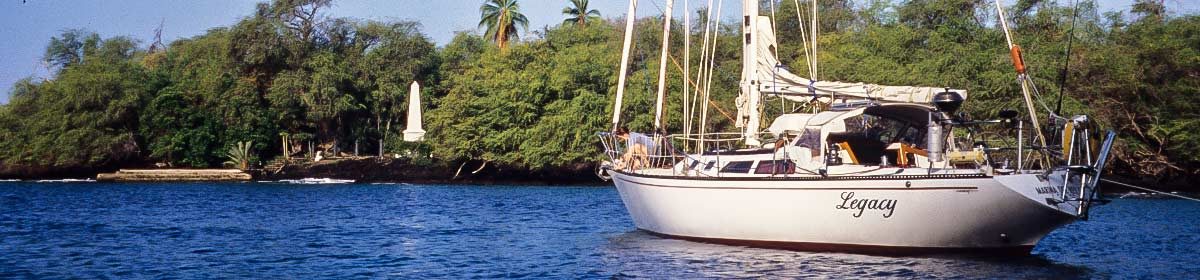
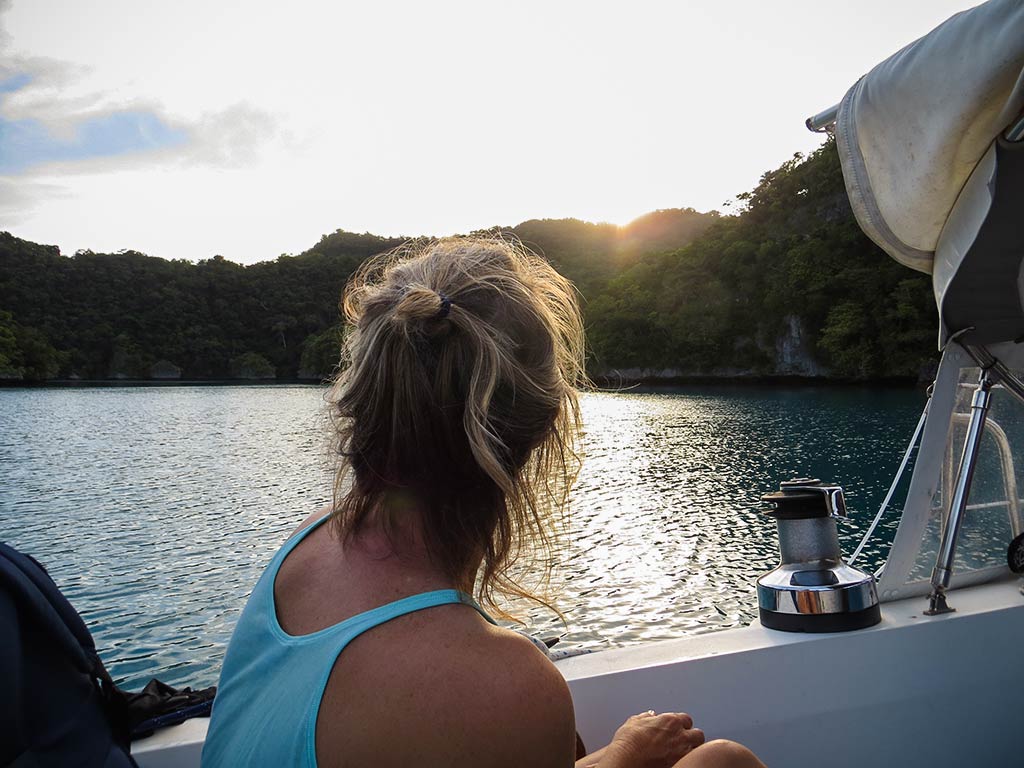
So instead, I’ll post some photos of Legacy sitting in her picturesque anchorage as we bravely strayed far from the boat with our iffy outboard. (Click to enlarge and scroll)–Cyndi
Evenings in Vanua Balavu (Bay of Islands, Fiji)

September 19 – 23, 2013

In an area like this, it’s impossible to pick a “best” time of day or even the best type of day. Cloudy days actually enhance the glow of the water in some areas, while other areas become most vivid in full sun. Rain gives the area a mystical feeling, while sun invites swimming, snorkeling, and experiencing the magic under the water.

Windy days are odd: it’s mountainous enough here to create wind bullets. What this means is that conditions can be relatively still, only to be interrupted by a sudden, strong pffffffft when a gust blows through, abruptly swinging the boat around on its anchor. Generally we stayed put while this was going on.

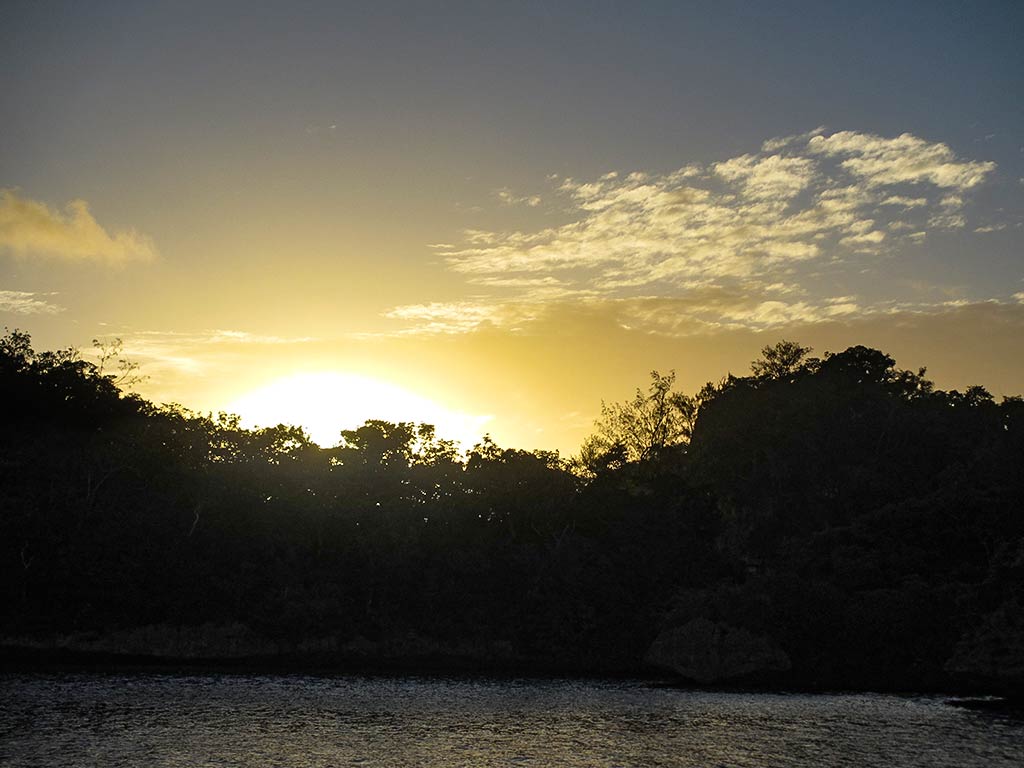
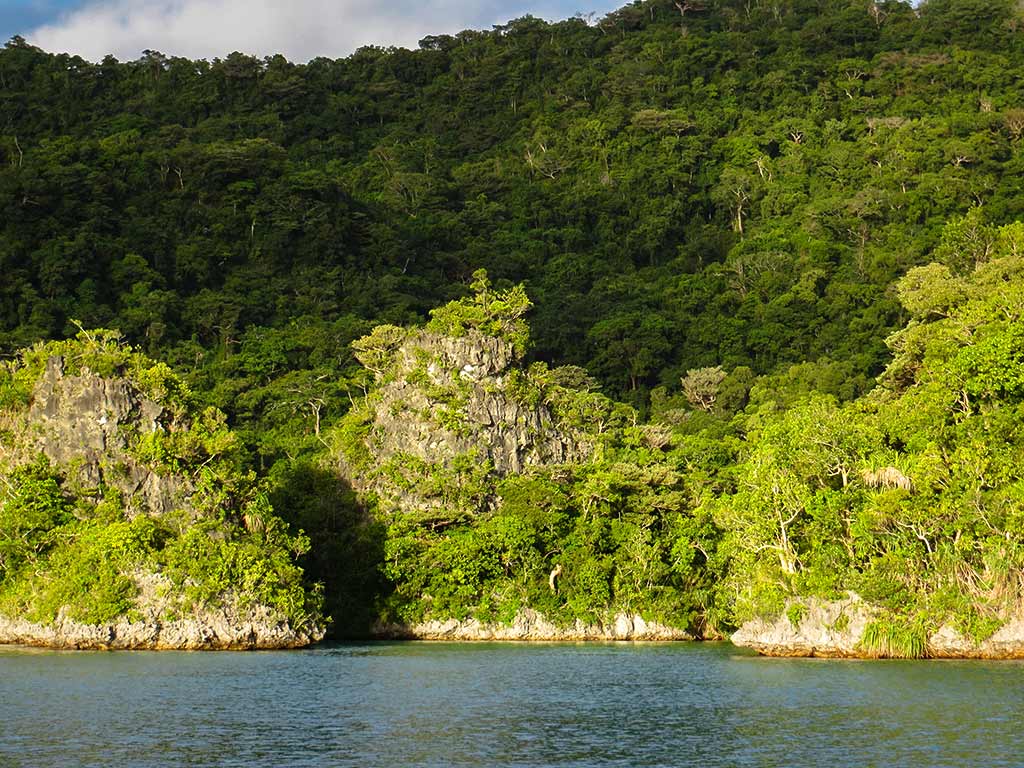
Perhaps our favorite time of day was early in the evening as the sun got low in the sky. The small islands would remain lit up while the mountains behind them fell into the shadows. When the sun went behind the hills, that was our cue to go outside, have some wine, and watch the changing light.

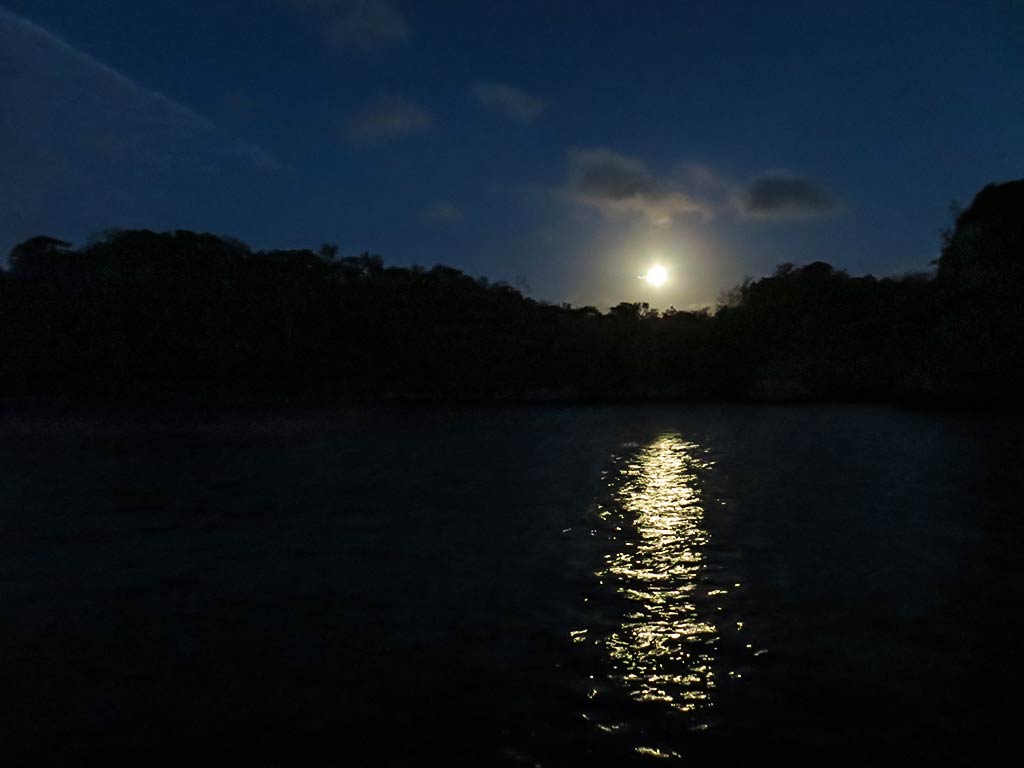
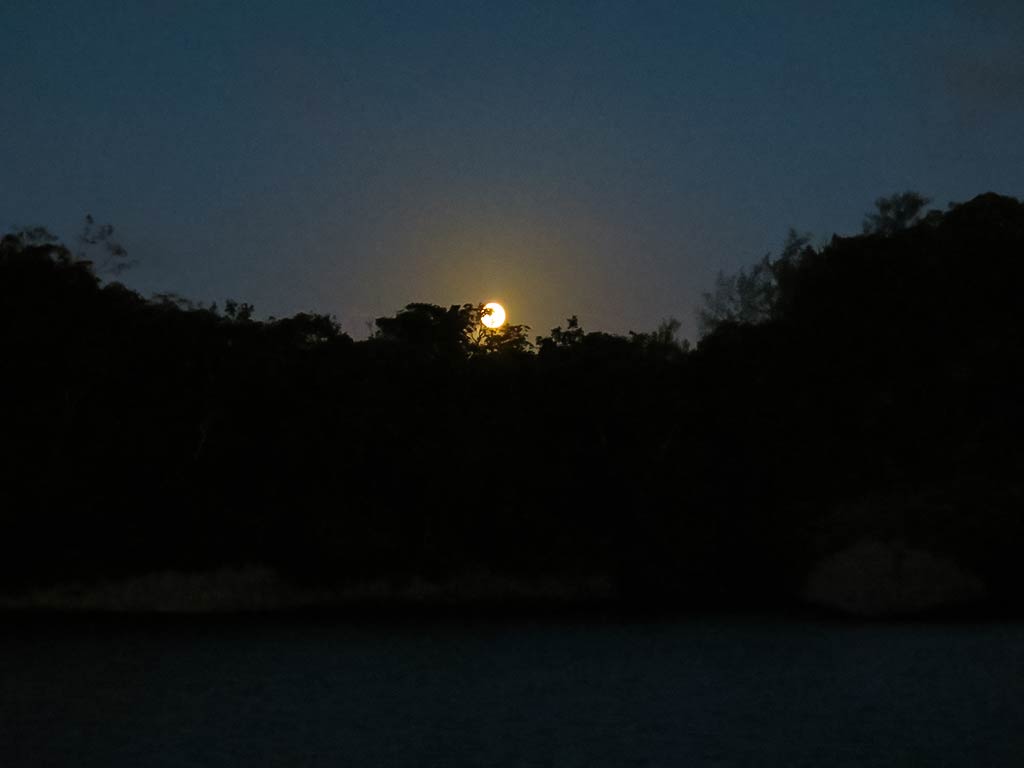
A while later, we’d go watch the full moon rise.

Generally we were asleep not long after this point, but here I’m going to take an entry directly from my journal – a moment from when I got up at midnight and stepped outside into the cockpit:

“I woke up and went outside to the most amazing sight: a full moon shone above our bay over still water, which meant the hills were all reflected perfectly in the water below.

The water was totally opaque and greenish in the light, like a dark-gray jade, but the green vegetation on the hills was visible in the light. In the sky there were clouds, but a light scattering of stars was visible here and there.

The full moon shone brightly, and everything looked closer and closed in, like we were in one of those waterholes in the middle of a jungle mountain lake. Night bugs were singing, and the scene was still, yet so full of life. It was fantastically beautiful.

Suddenly I could hear a barking pigeon doing his huff, huff huff, sounding much like a barking dog or howler monkey, and it echoed in our bay. Rich stirred and I told him to come out here and see this. He did, and appreciated the moment as much as I did.”

(Note: I don’t wake him up unless it’s really worth it.)

So often, in the face of something special but subtle, it’s easier to give into the temptation of returning to the TV program, surfing the internet, fixing dinner, or—hardest to break away from—sleeping. But if we can muster the will and effort to break off from these activities, stop what we’re doing and go experience the moment, the rewards can be great. It’s not always easy to get up, to listen to the person saying, “you should come out and see this,” but it’s worth it. –Cyndi