Arrived Napier

February 26, 2016

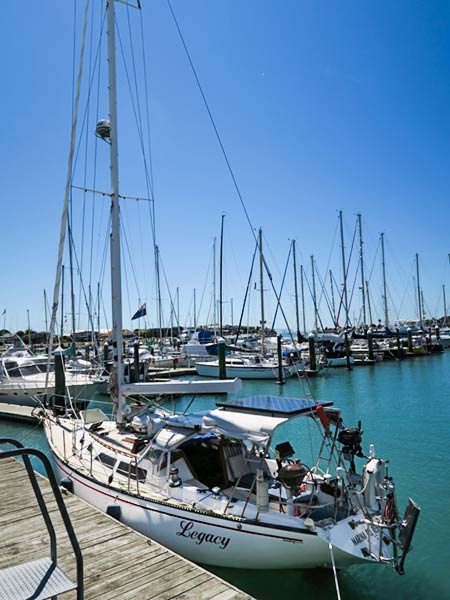
We’re here! At the Napier Sailing Club! Tied up! More than half way on our trip from Tauranga to the Marlborough Sounds on New Zealand’s South Island.

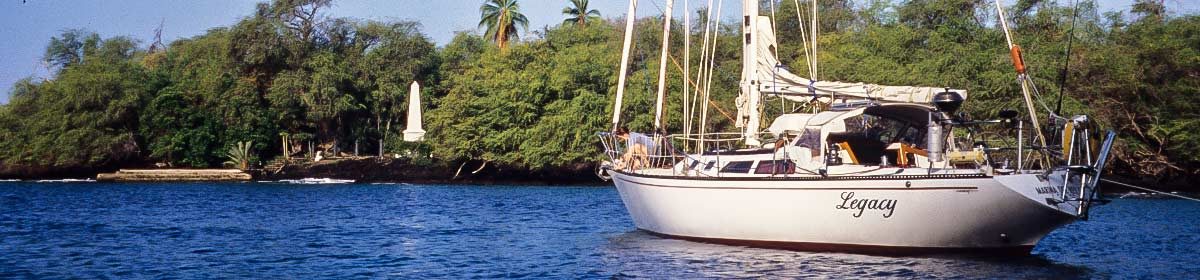
legacy-in-napier

We were in Napier two years ago, by car, and loved the town. In an hour or so, we’ll be heading over to our favorite restaurant (so far): Mexi Mama. It’s a six minute walk from the marina. What more could we want?!

Check out the map in our previous post for our location.

More soon. -Rich

Ahuriri Cove, Hawkes Bay (New Zealand)

February 25, 2016

We made such good time on our way to Napier that we were able to stop last night and anchor, and still make it into the marina at Napier before any bad weather and during daylight hours. What a treat.

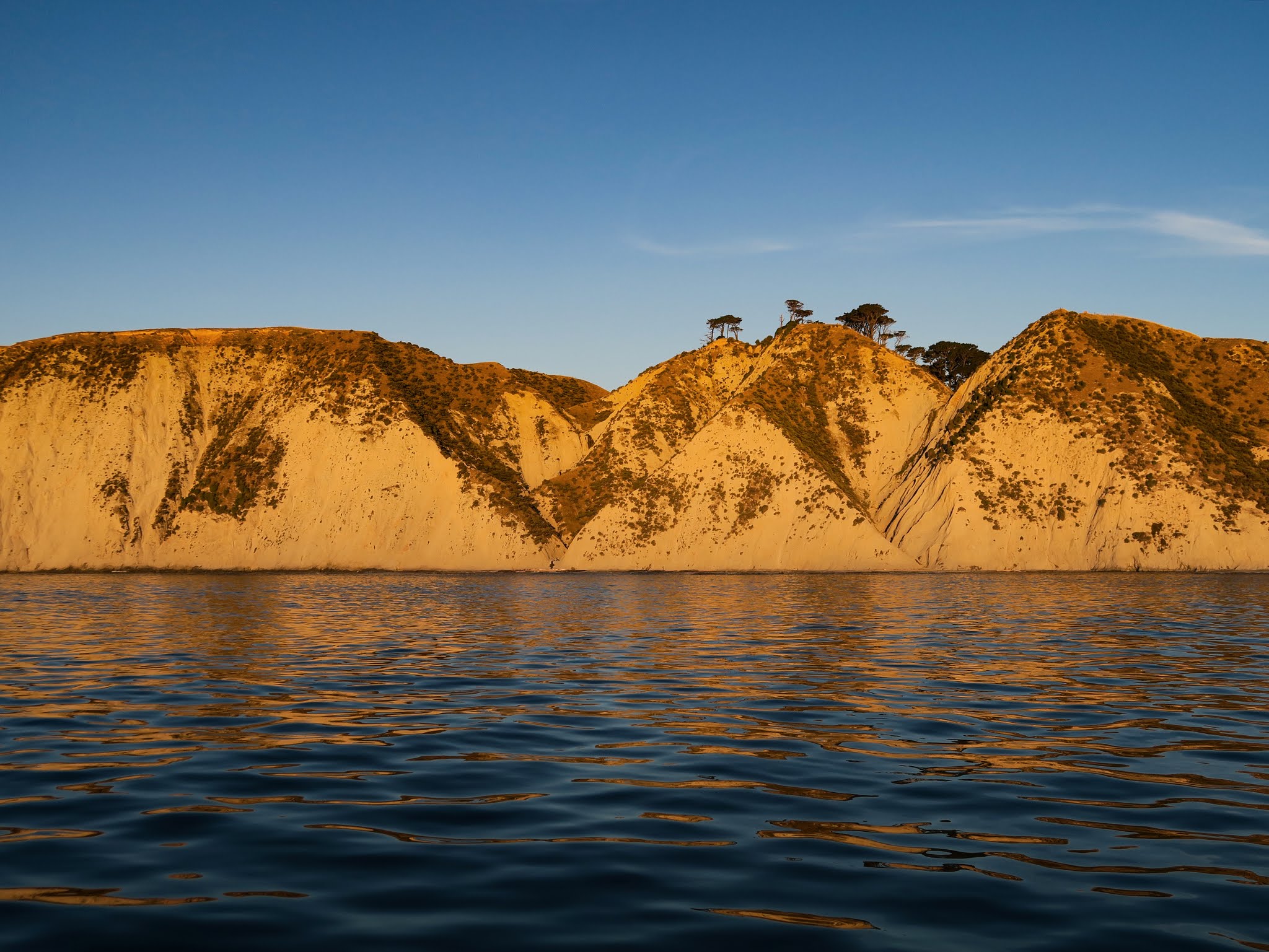
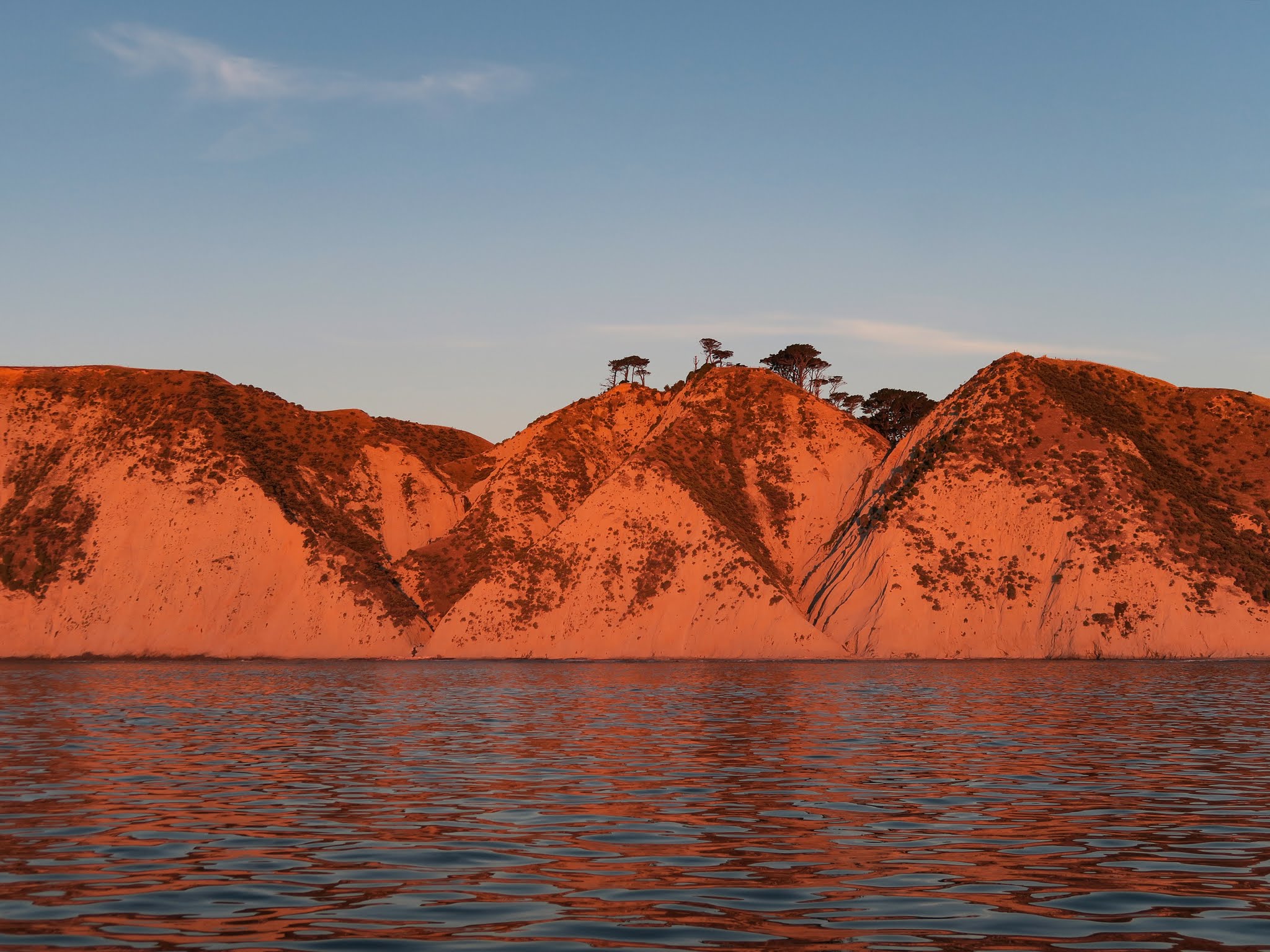
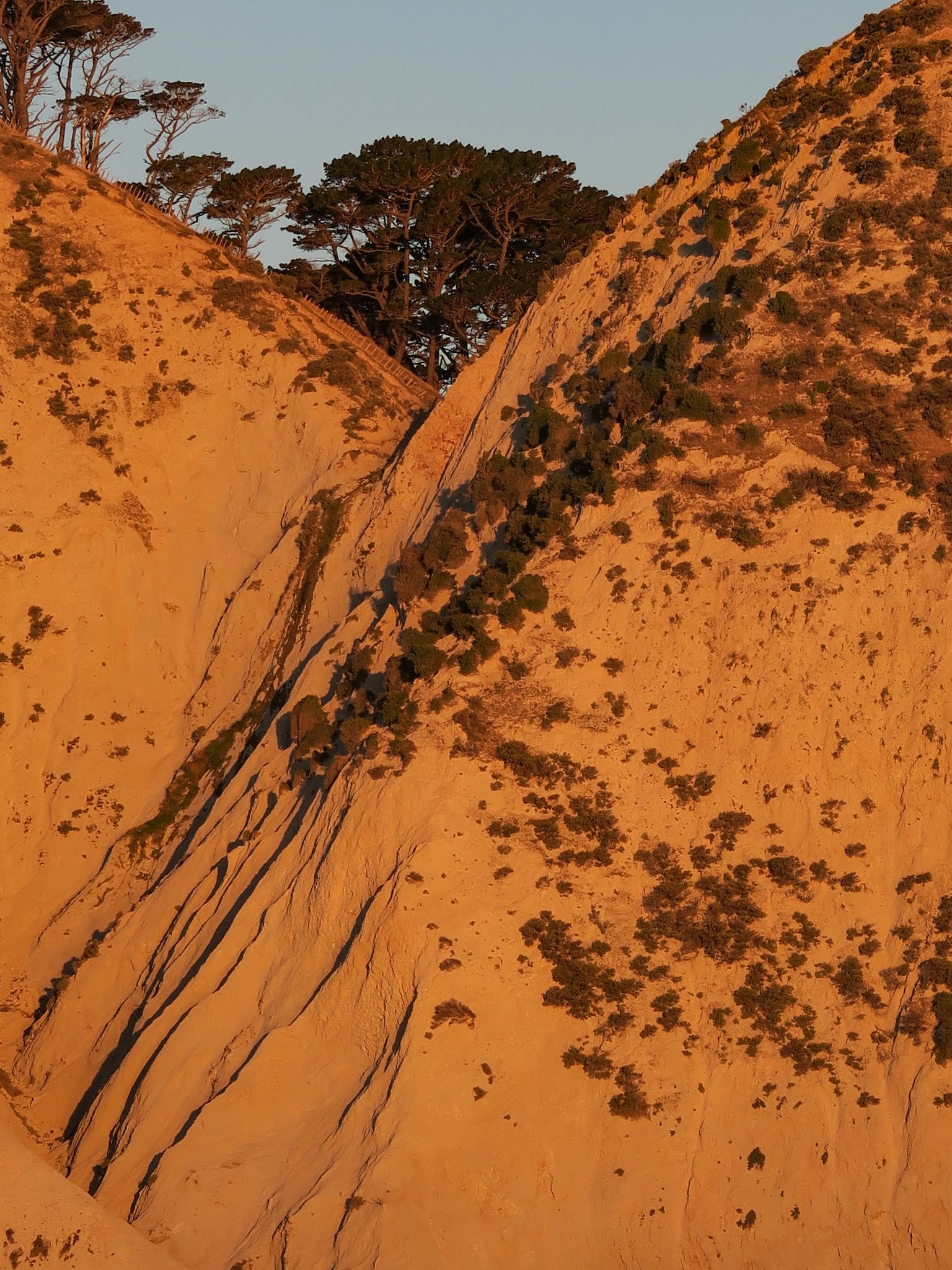
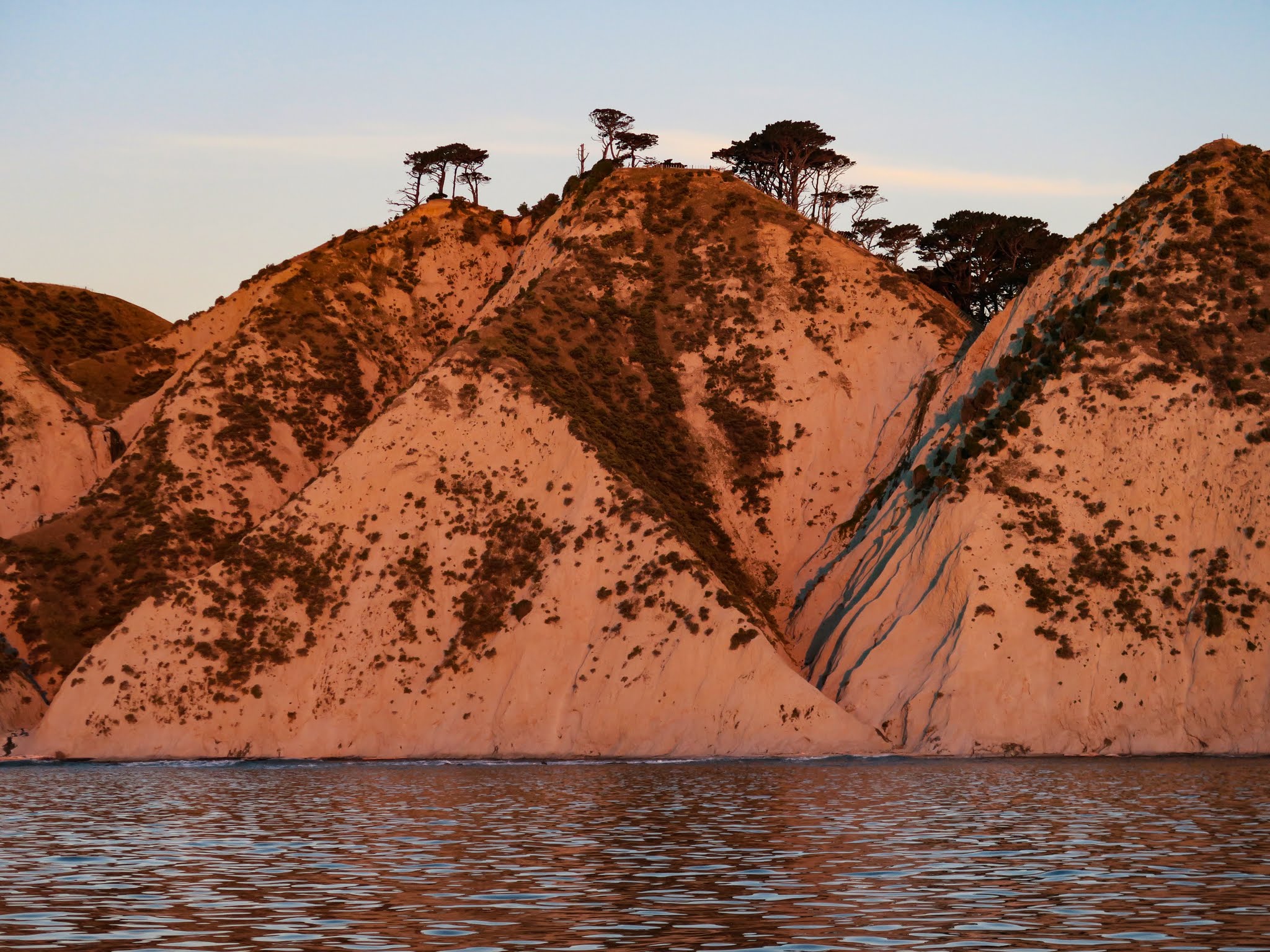
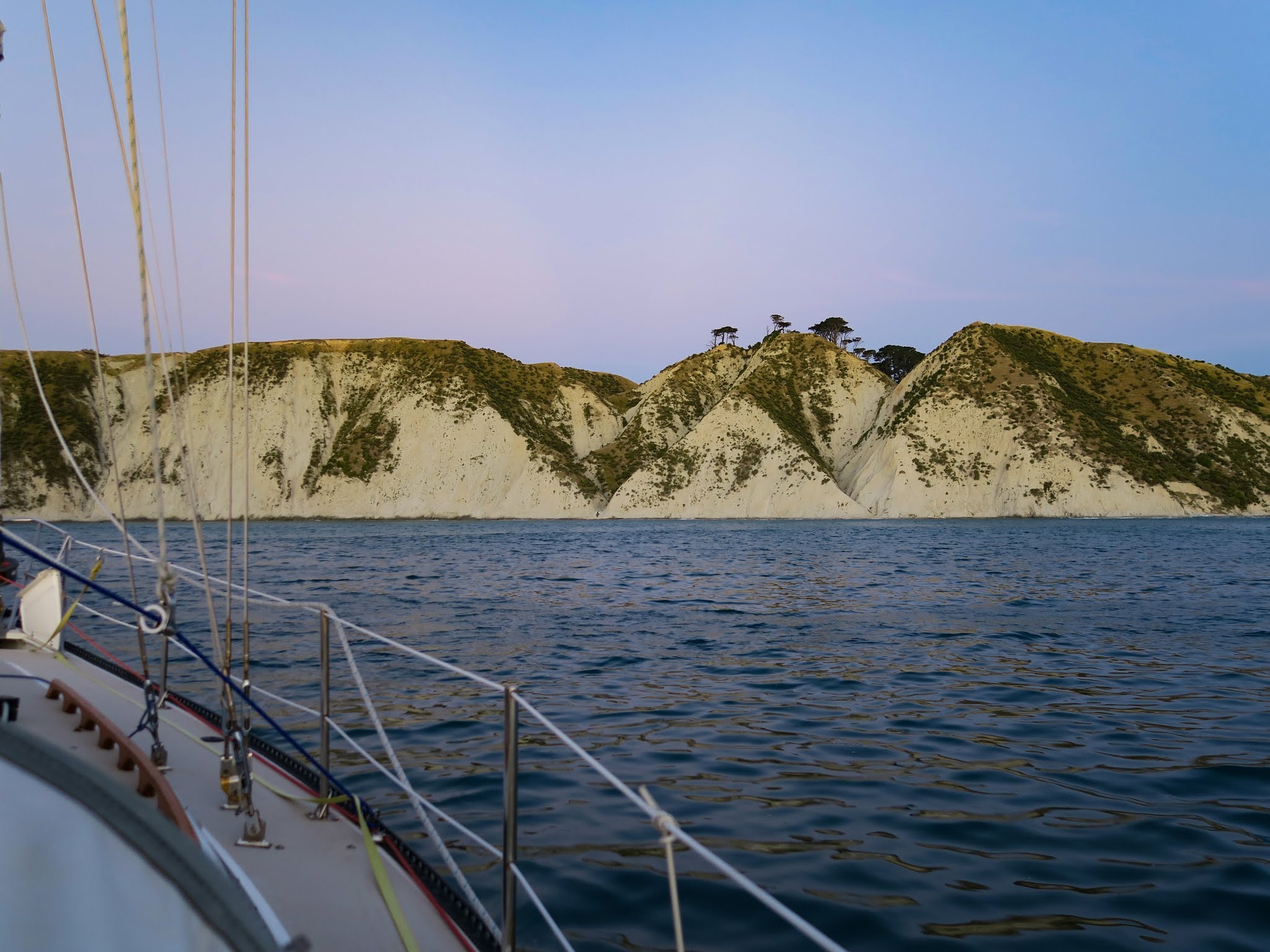
Cyndi, using her incredible research skills, found us a nice bay that was just about on the way: Ahuriri Cove.

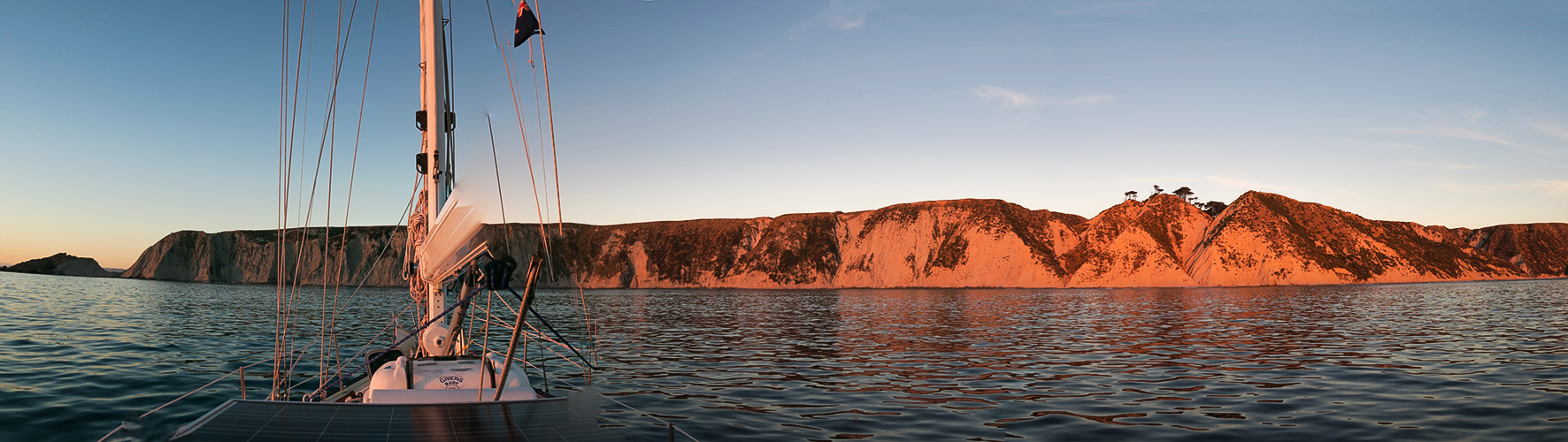
Ahuriri Cove (click for larger version)

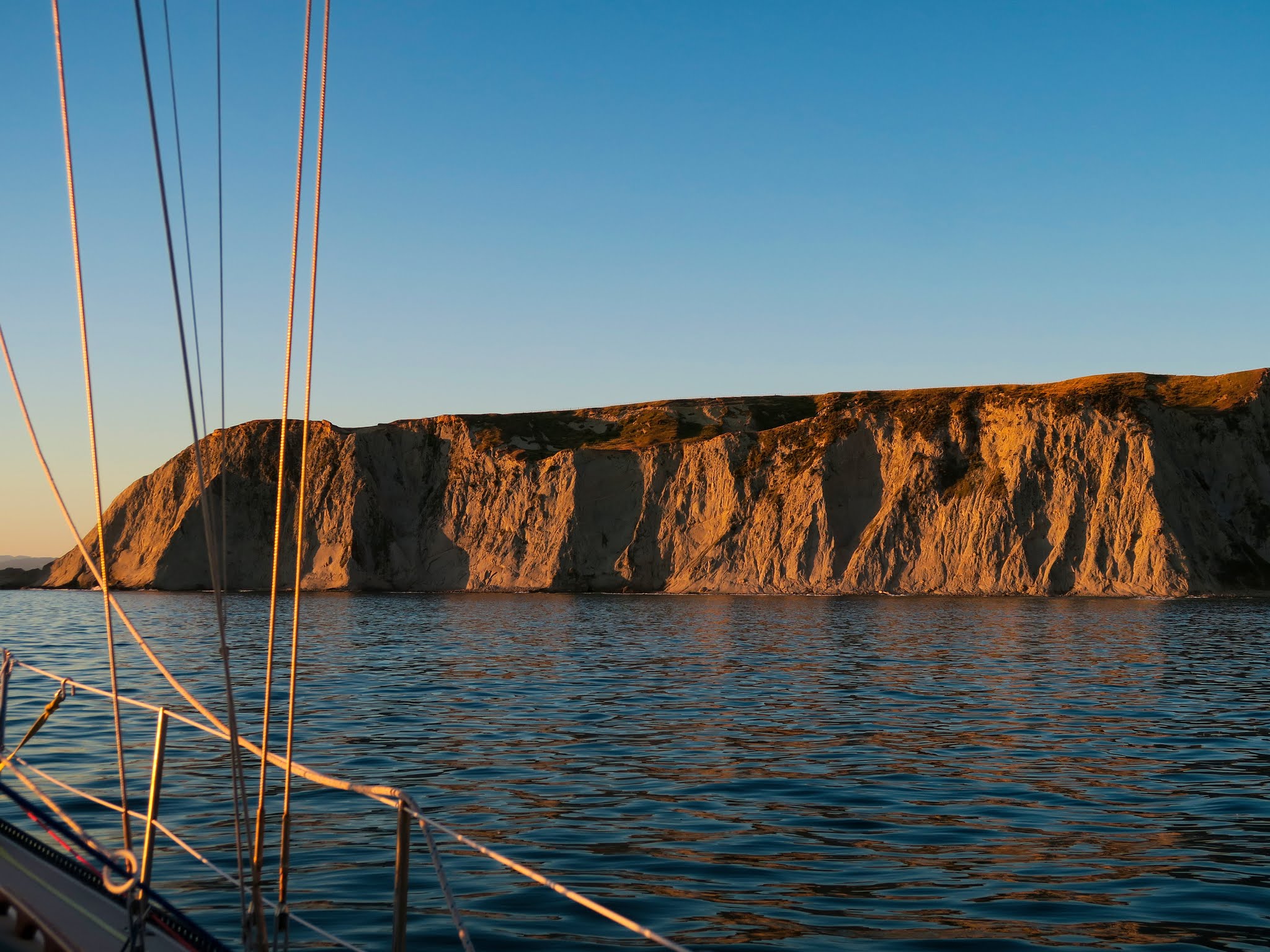
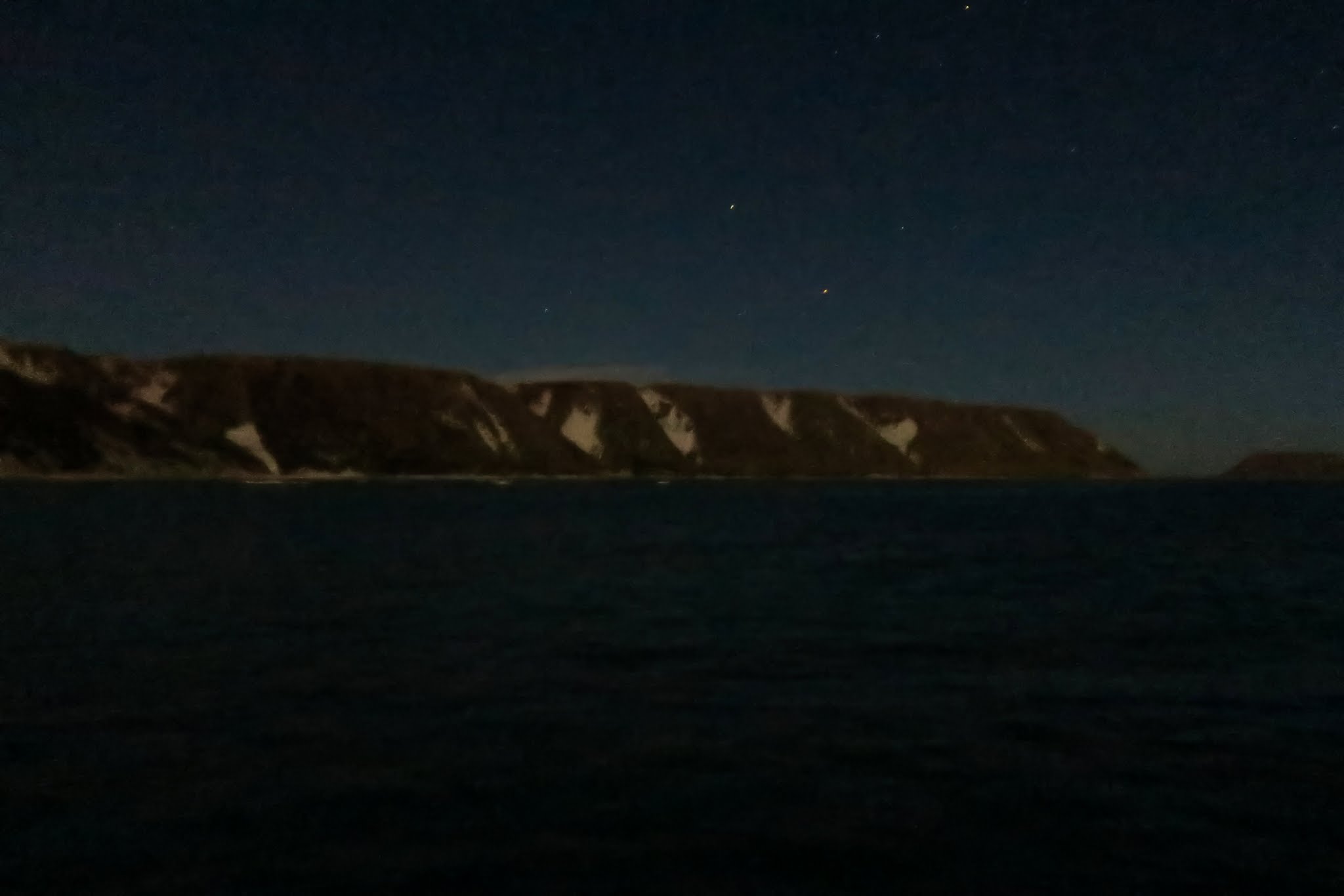
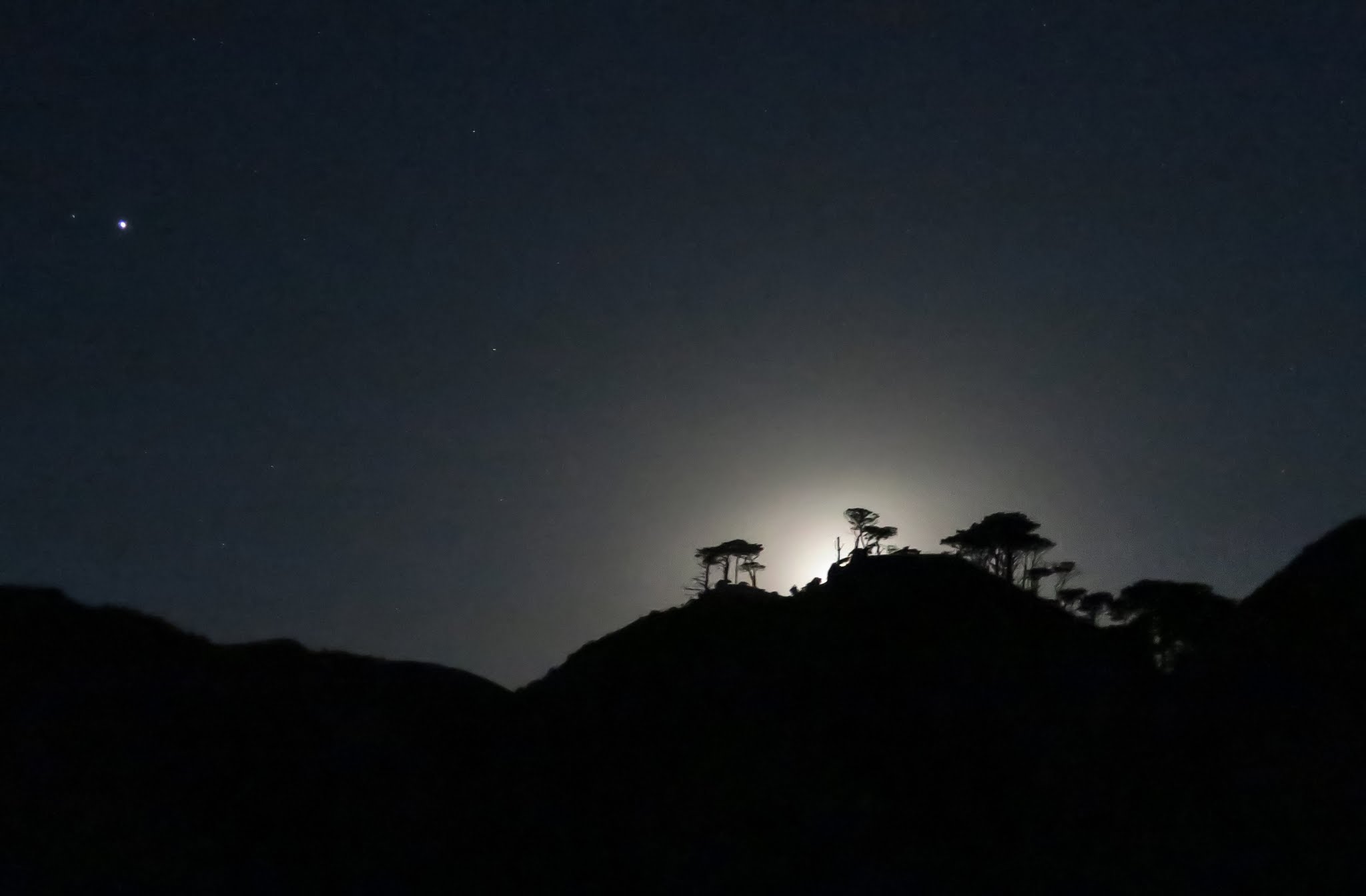
As the sun set and the moon rose, the colors on the sandstone hills changed from tan, to orange and red, to subtle greens. At one point, the shadows cast by trees, shrubs and creases in the cliff changed to blue. After the moon came up, the sand patches looked like show covered hillsides.

This reminded us of being in the Sea of Cortez desert, only prettier.  (Click to enlarge/scroll through pictures.)

As anchorages go, it’s not great. It’s rocky on the bottom and a south swell we didn’t even know was there (because it was covered up by the larger swells from at least four other directions) rolled right into the bay. It wasn’t bad, though–we had a very comfortable night.

Note: we wouldn’t recommend cutting in between the island and mainland like we did if the seas are up. There’s a pretty good current through the pass and it probably gets nasty if the current opposes the swell. -Rich

Here’s an interactive Google map…

Volcano! (White Island, New Zealand)

February 24, 2016

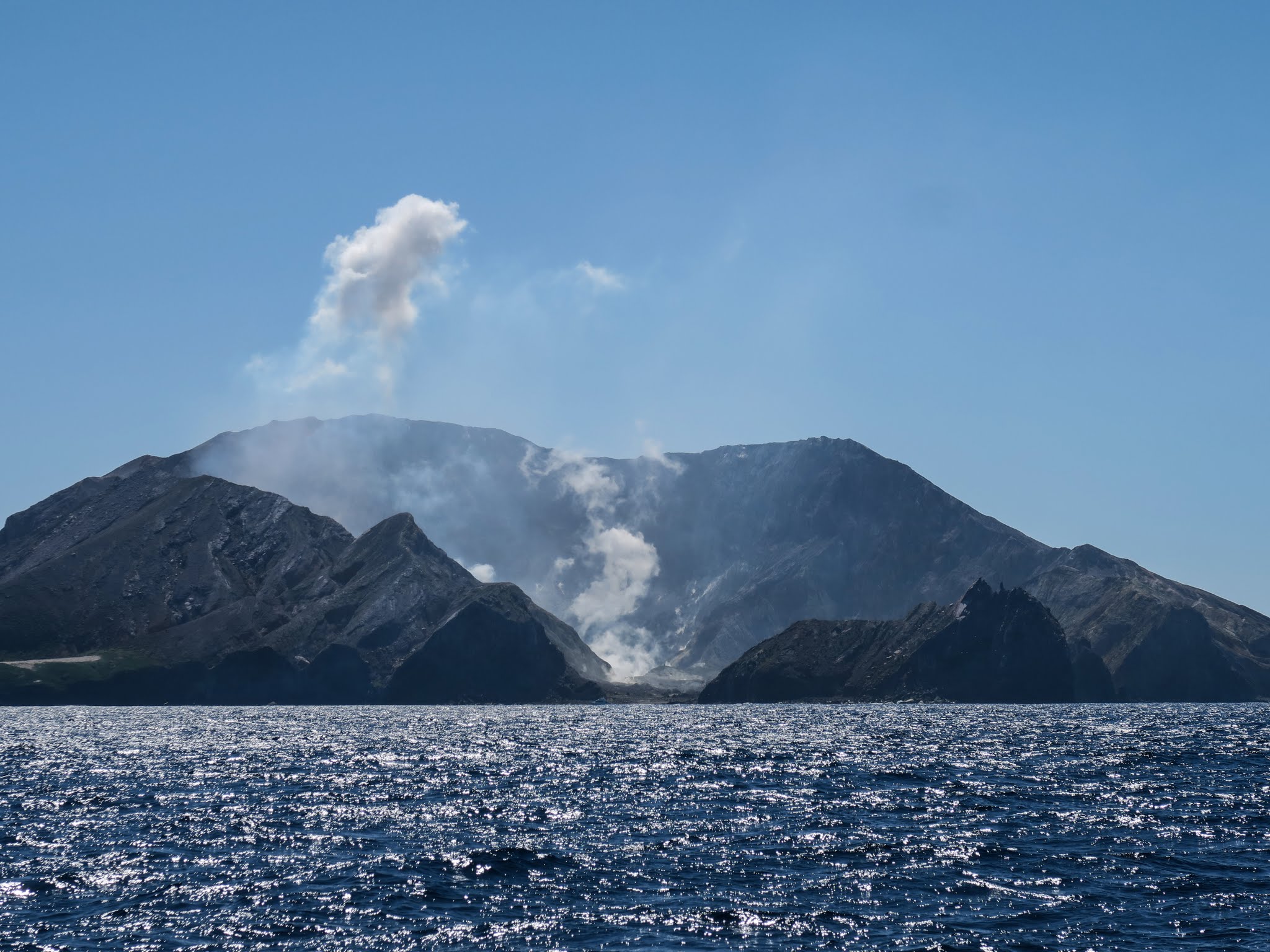
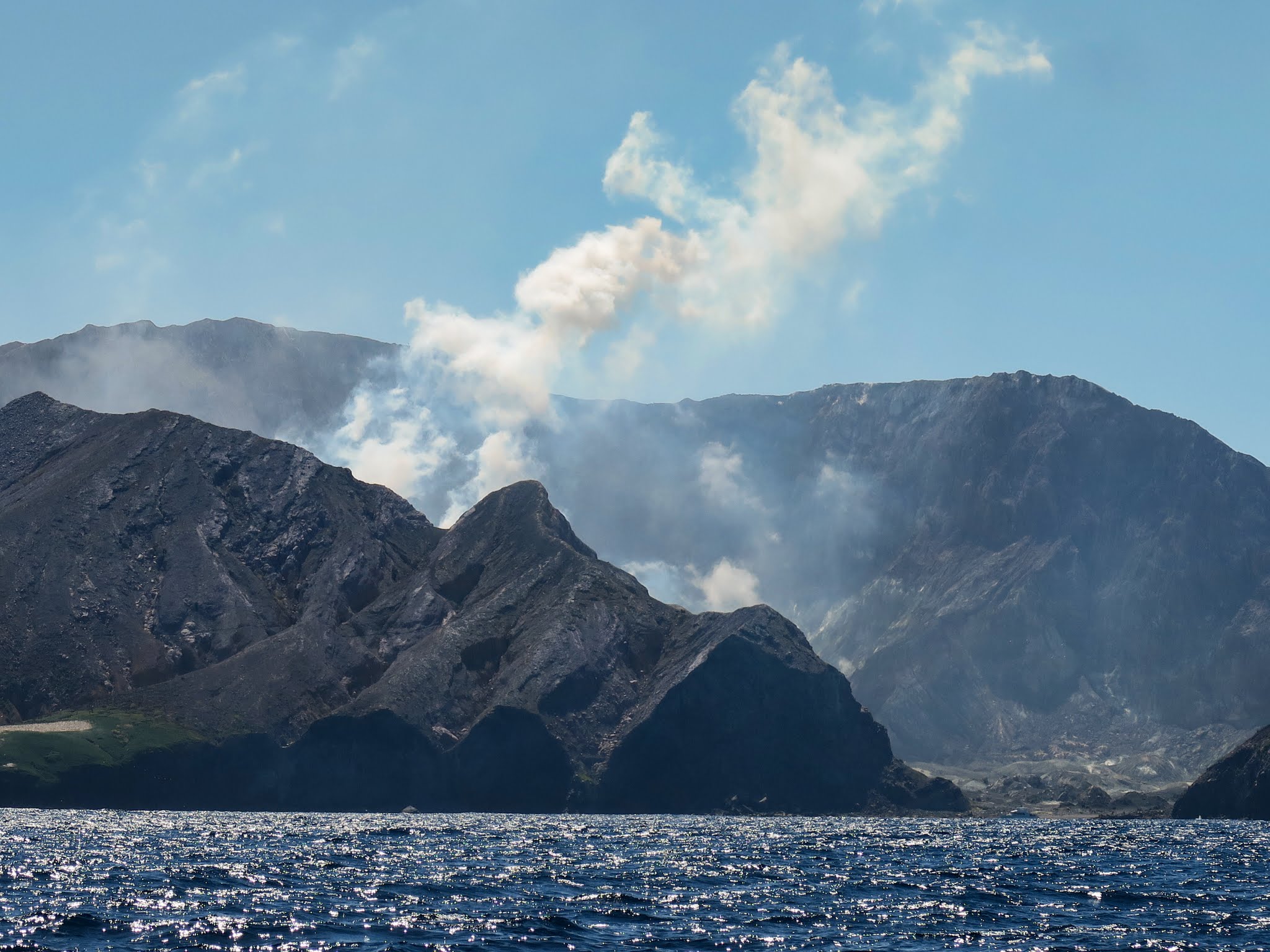
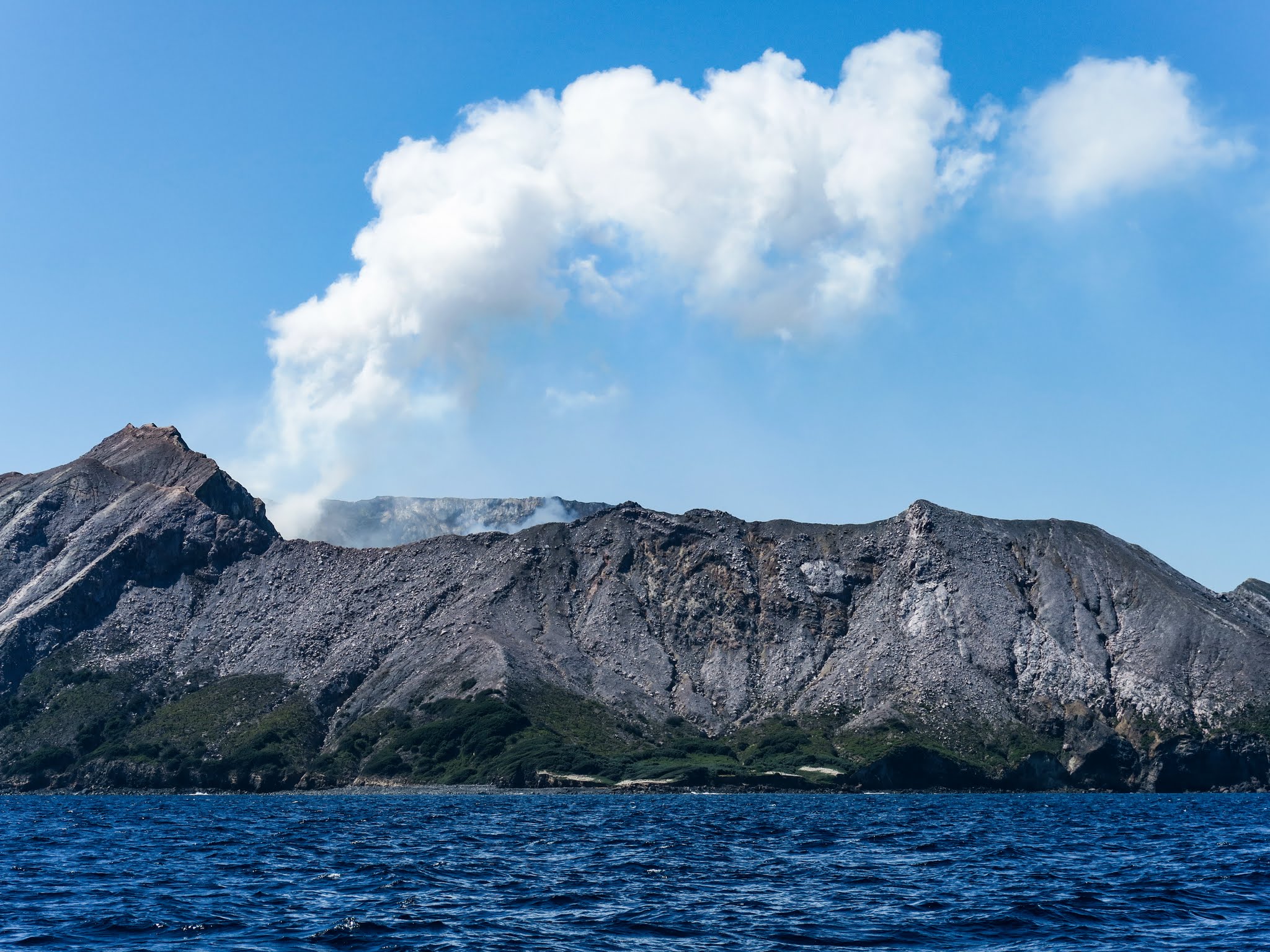
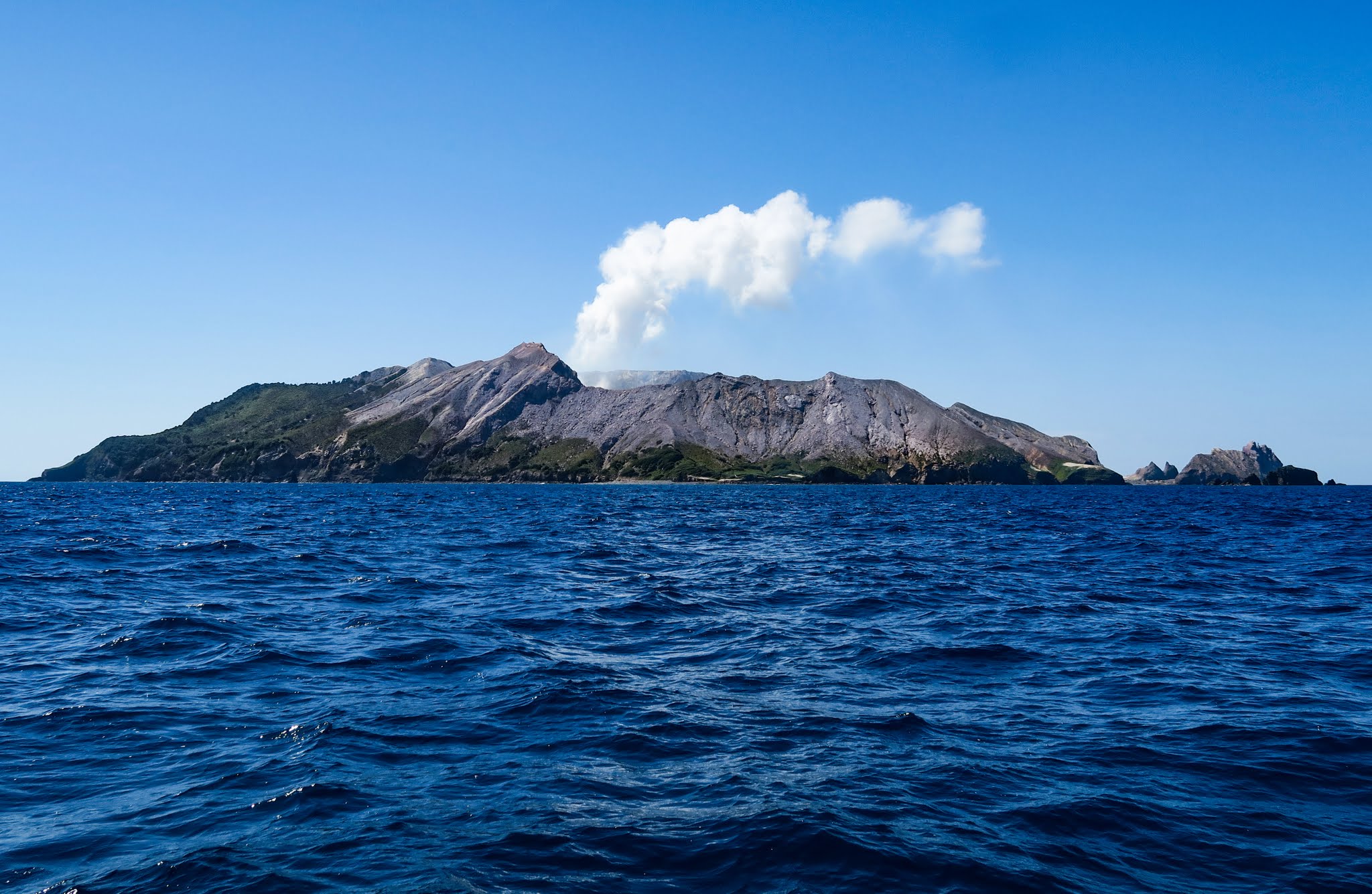
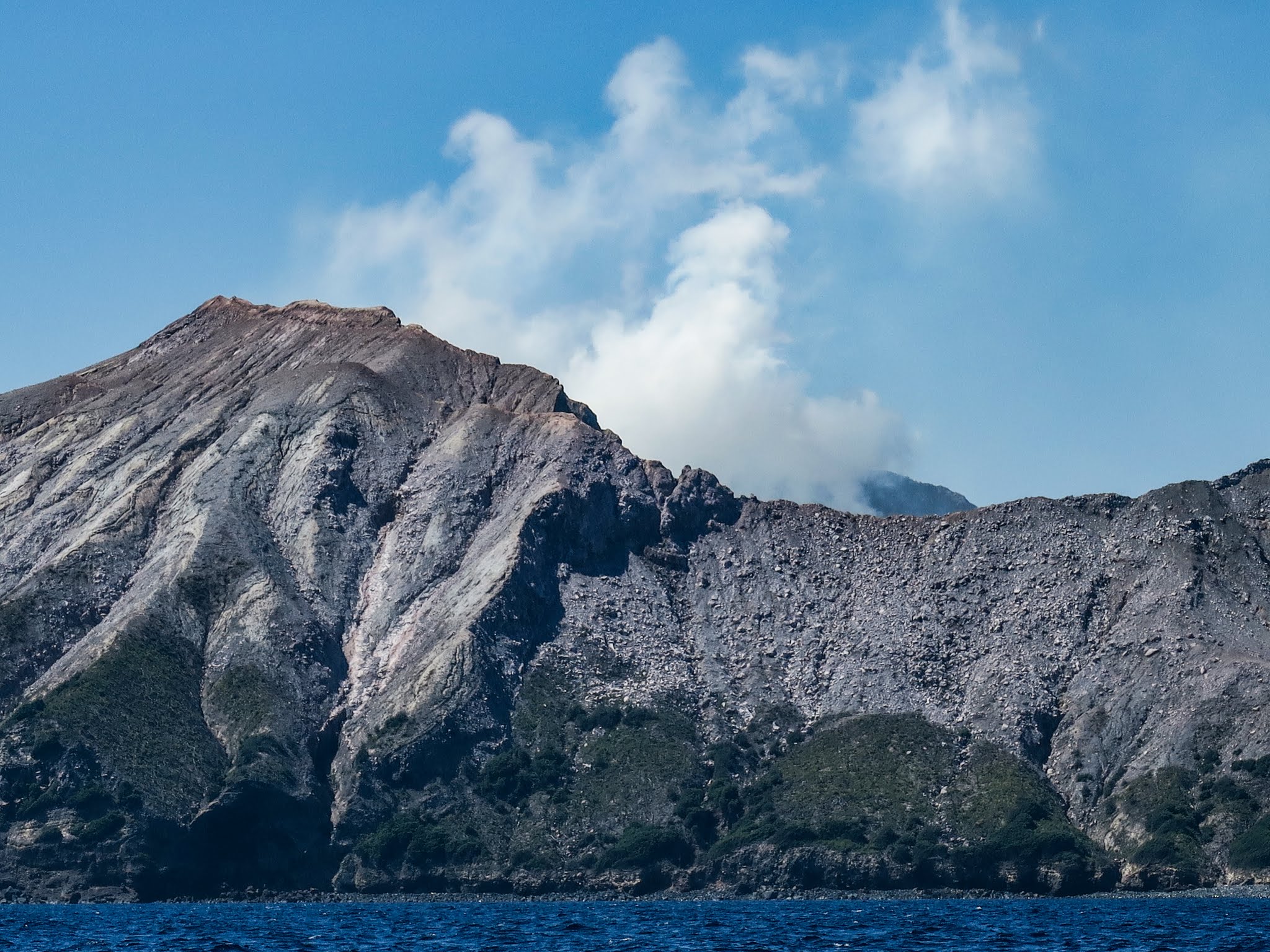
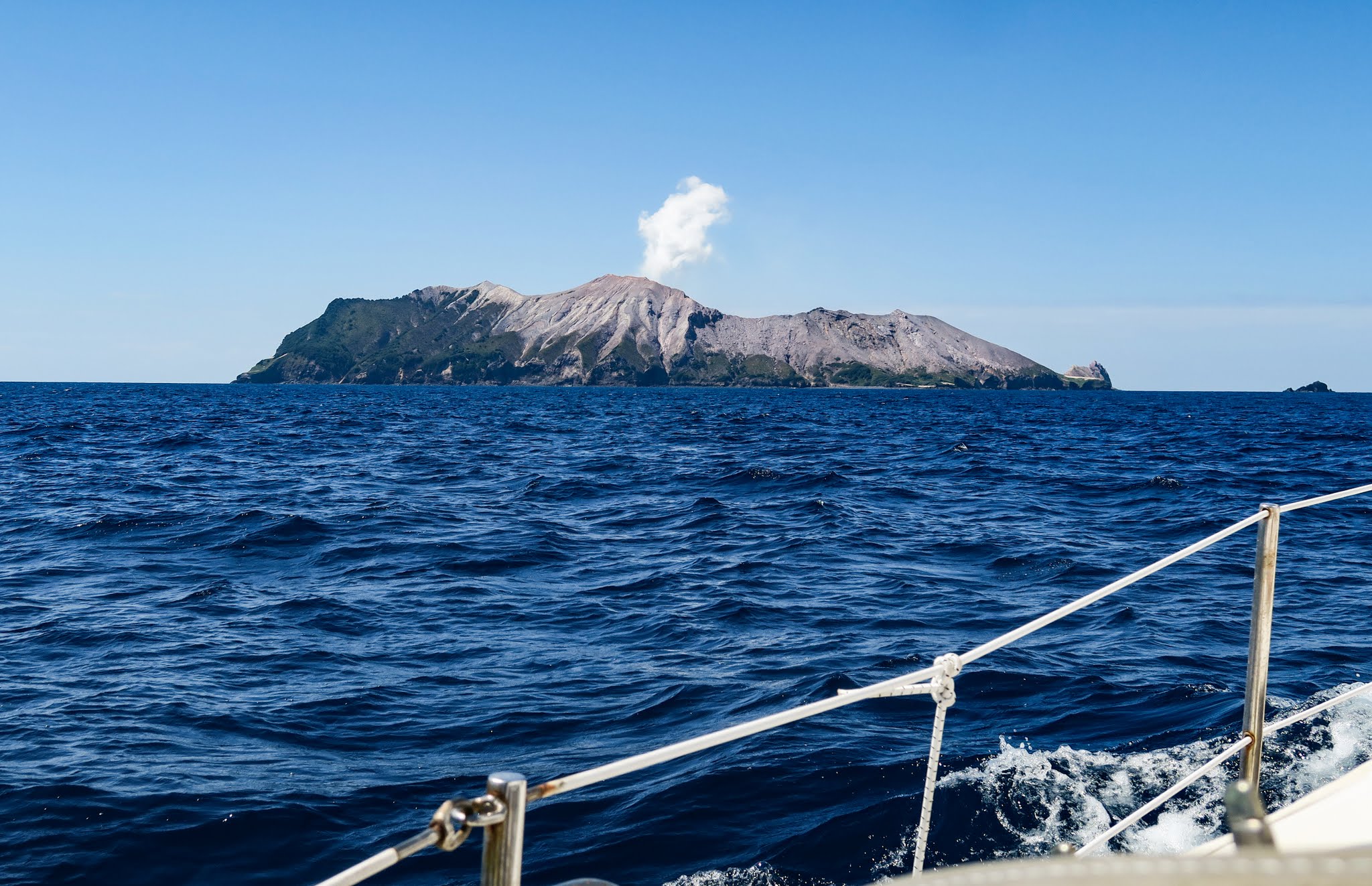
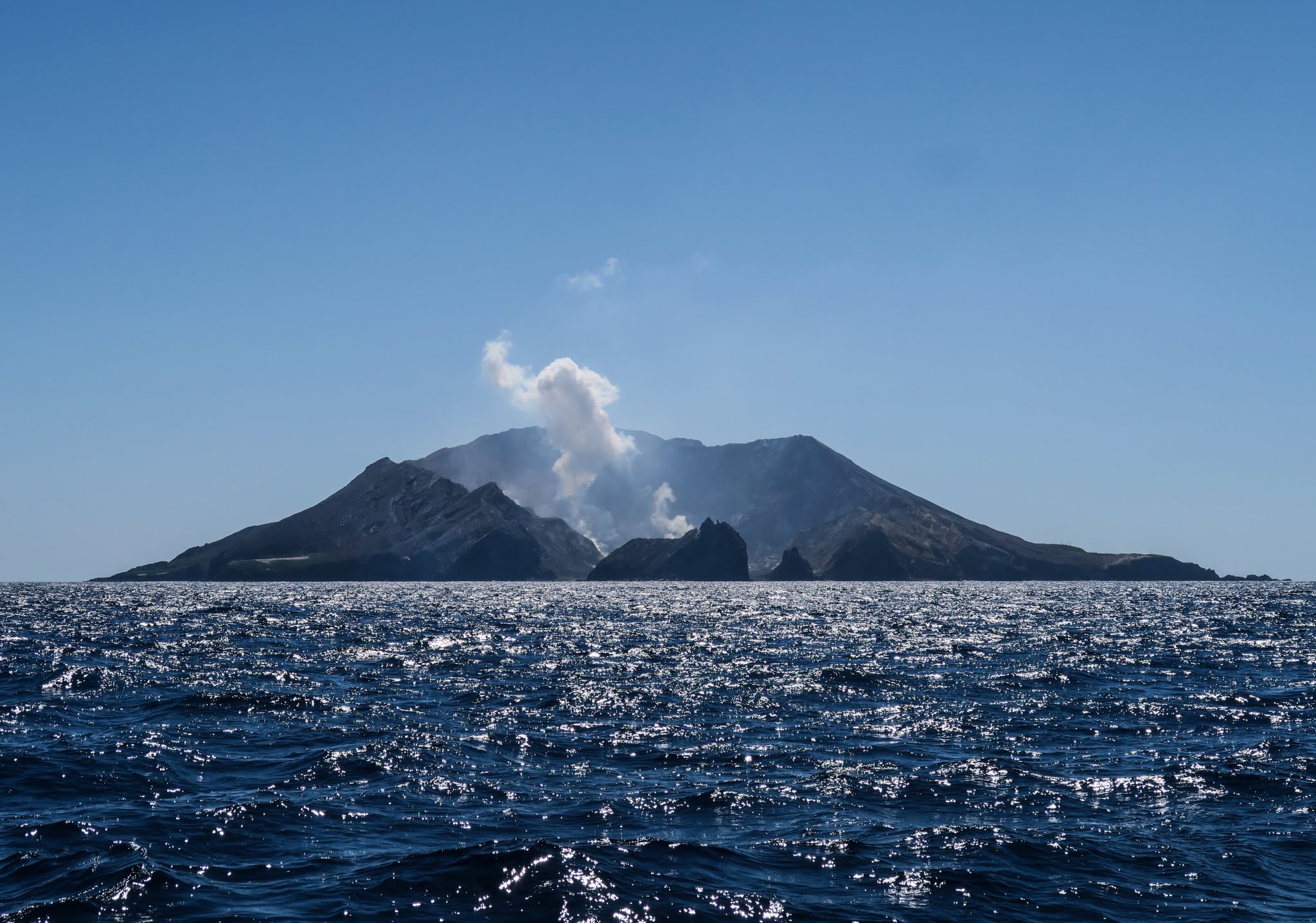
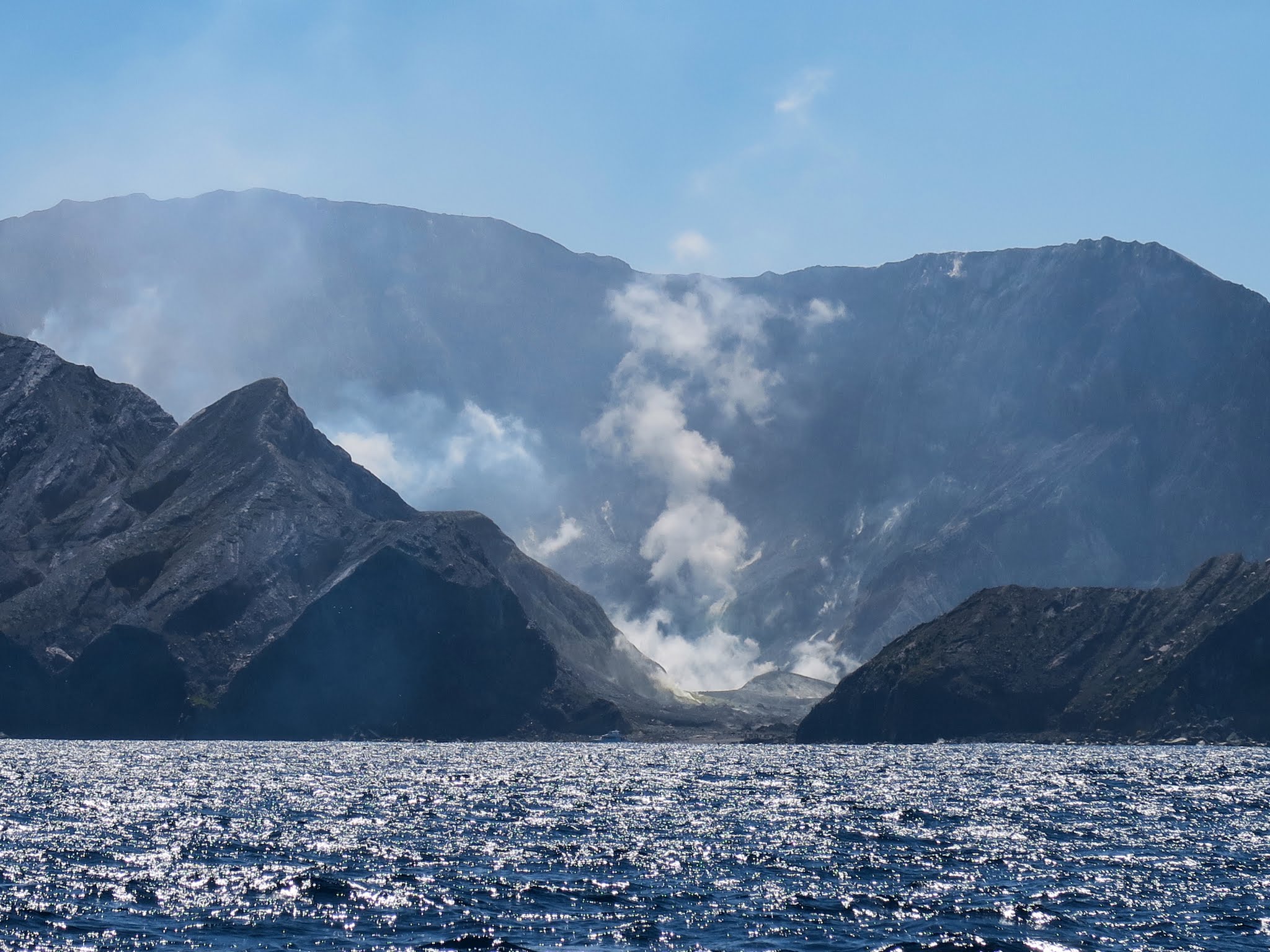
We left Tauranga this morning after almost two months of great eating and hard, productive, satisfying boat work. Eight hours later, we were sailing by an active volcano. It’s on White Island (also called by it’s Maori name: Whakaari).

We passed about a half mile south of it. It’s not the shooting lava type. It’s more a steam vent and bubbling mud kind, accented with that lovely sulphur smell. Here are some pictures…

On this leg, we’re heading about 280 miles to Napier on our way to the north tip of South Island. -Rich

Boat Bling

February 17, 2016

boat-bling

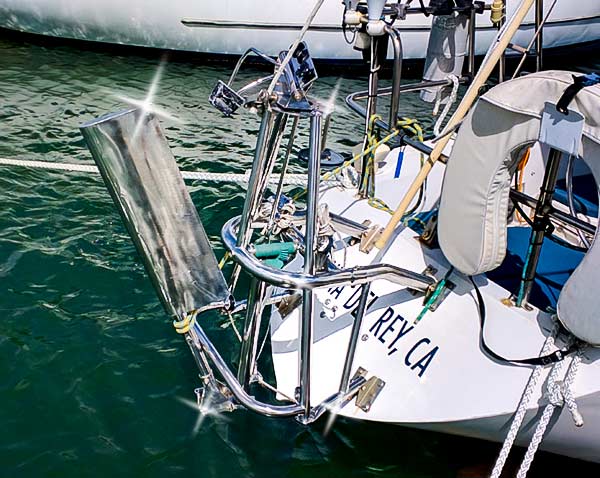
Our Monitor windvane: From a rusty hunk of junk, hanging off Legacy’s butt, to shinny, sparkling bling dangling from her derrière. That’s how it’s been transformed. We hadn’t even intended to rebuild it, but it looked so bad after Legacy was waxed that I couldn’t resist.

It turns out that it was a much-needed rebuild. There were broken bolts, a crack in the stainless and other worn out parts.

We removed and disassembled it and Chris from Tig Art welded the crack and polished the stainless. He did a great job. We reassembled it, and in the process, I found I lost one part. Of course, a vital, critical, can’t-do-without-it part.

Enter Marine Diesel Services. They’re the guys who created and installed our rudder bushings two years ago (still working great!) and have helped us with numerous tasks. Malcolm made us a new one, using the un-lost one as a sample. I can’t recommend these guys highly enough!

We had a rebuild kit, mostly intact, from when we bought Legacy 18 years ago. It’s all back together, hopefully working great, ready to steer us in the right direction (we won’t know for sure until we get out in the ocean again). -Rich

What the heck is a windvane?

For those that may not know about windvanes, it’s an ingenious, totally mechanical device with no motors, wires or transistors. When the boat turns slightly sideways to the wind, the wind pushes a board sticking up in the air off to one side (not installed in the picture). A mechanical linkage connected to the board turns a paddle (seen folded up in the picture) such that the water flowing over it pushes it to the side, pulling on a line attached to the steering wheel. Simple and elegant.

I have to admit, we don’t use it much anymore. It’s so much easier to use our hydraulic autopilot as it steers a very straight course with no extra miles covered. The windvane meanders a bit, changing course as the wind changes direction. These days we always seem to be racing a weather system into port and can’t afford the extra miles sailed. (Or maybe that’s just my excuse for being lazy ;-).

I do know that I wouldn’t be without our Monitor. When we lost our alternator (and therefore everything electrical) on the way to Hawaii, it saved us.