Communications at Sea

February 3, 2020

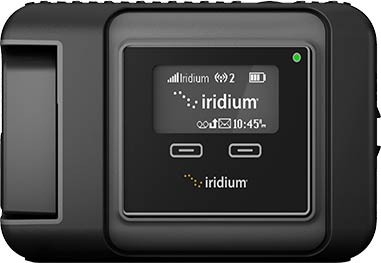
On Legacy, we have two ways to get email and weather data: HF radio and an Iridium Go satellite device. One requires a rather advanced understanding of all things computer and substantial technical skills, is only marginally reliable at best, and always frustrating. The other is the HF radio which is only a little less frustrating.

As you may surmise, I’m not a fan of Iridium. We switched our poorly made and unreliable Iridium satellite phone (9575) for their Go! satellite modem thinking it would be better. Nope. While it worked on our trip from Christchurch to Nelson, New Zealand, it didn’t work on our first outing from Nelson to D’Urville Island. We were unable to send and receive data to get weather charts. It soon failed completely and we were unable to make phone calls. (Did I mention that there’s no cell service or internet at D’Urville?)

It’s not as serious as it could have been. We had alternatives. We could get unreliable and seldom accurate weather from Metservice over the VHF radio. We were also in a very protected place and no matter what the weather did, we’d probably be pretty comfortable. If we were out on a passage with a dead Iridium Go!, it would be a different matter.

Come on Elon! This is a picture (someone else’s) of another group of 60 recently launched Starlink satellites before they spread out into their final orbits. This service might replace Iridium as a faster, more reliable and less expensive option for internet at sea. It may happen late this year!

Our backup plan has always been the HF (HAM) radio with email over Winlink using a Pactor modem. It’s been a while since I’ve used it and in that time, the preferred software has changed to from Airmail to Winlink Express. I installed it a while back and did some testing to make sure I could make it work, then promptly forgot what I’d learned. When the Go! failed, I dusted it off and put it into service. The results reminded me of why we bought a satellite phone in the first place.

The problem with email over HF radio is that you have to have conditions that favor radio wave propagation. That means using the correct frequency at the correct time of day to get a signal through. Here, we had a marginally acceptable signal at 7:00 AM and again at 9:00 PM. I was able to get GRIBS (weather files) only one morning. Other times, couldn’t connect to a Winlink station.

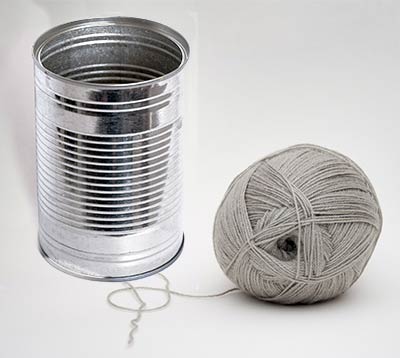
Does anyone know where we can get a really big ball of string? -Rich

I’m going to need more string!

Takapuna: Our New Home Town (North Shore, Auckland, New Zealand)

January 8, 2014

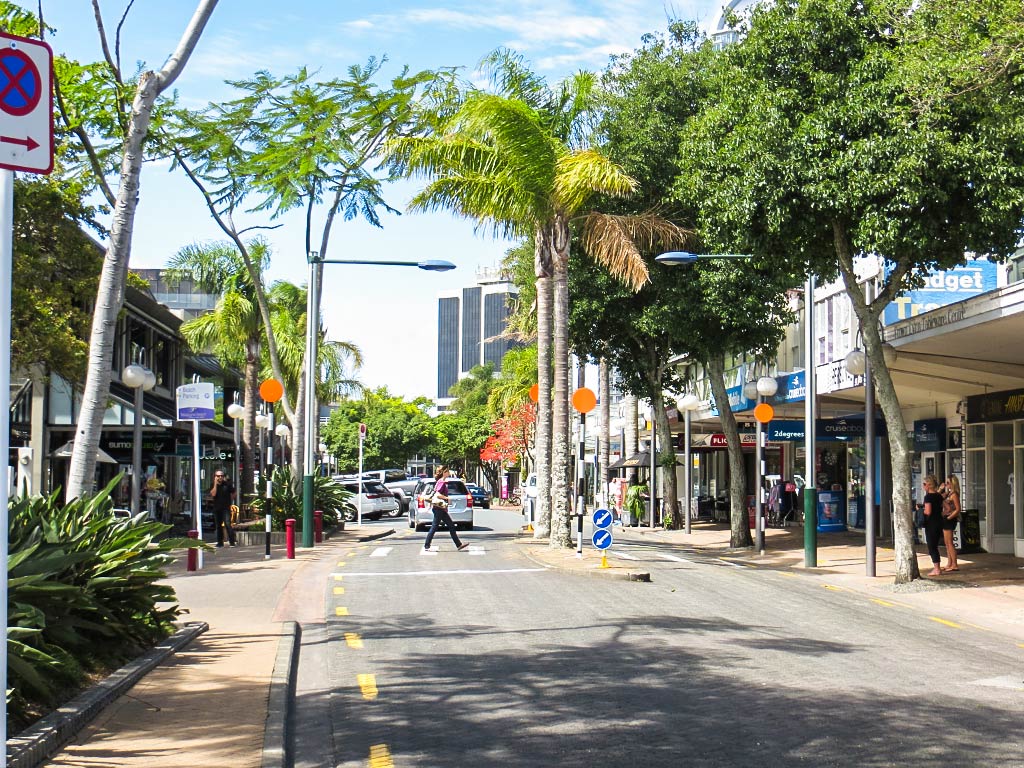
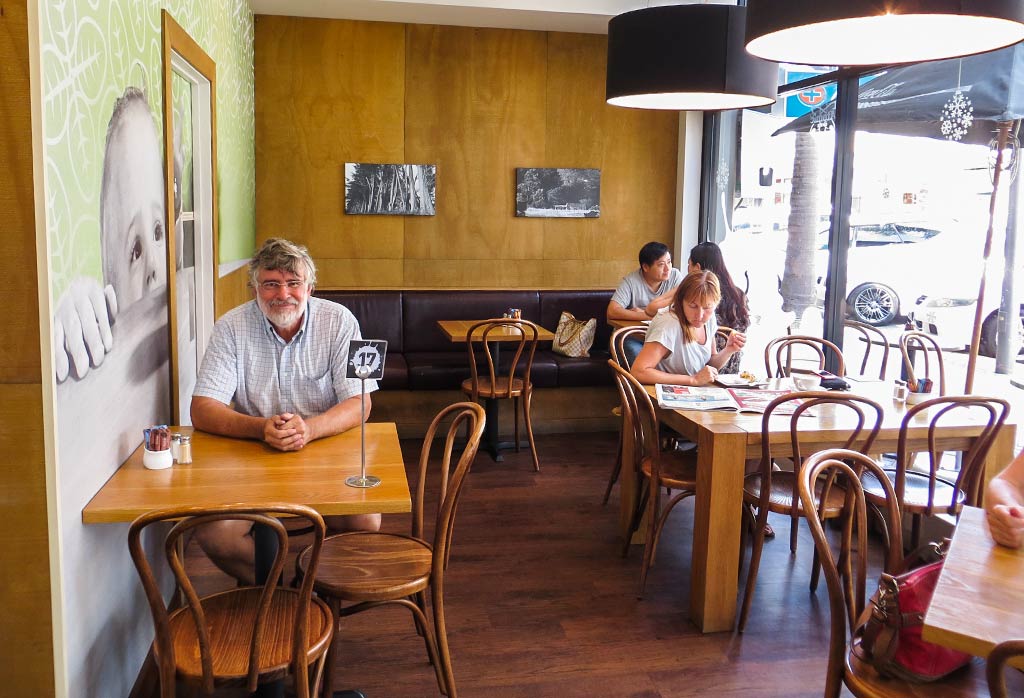
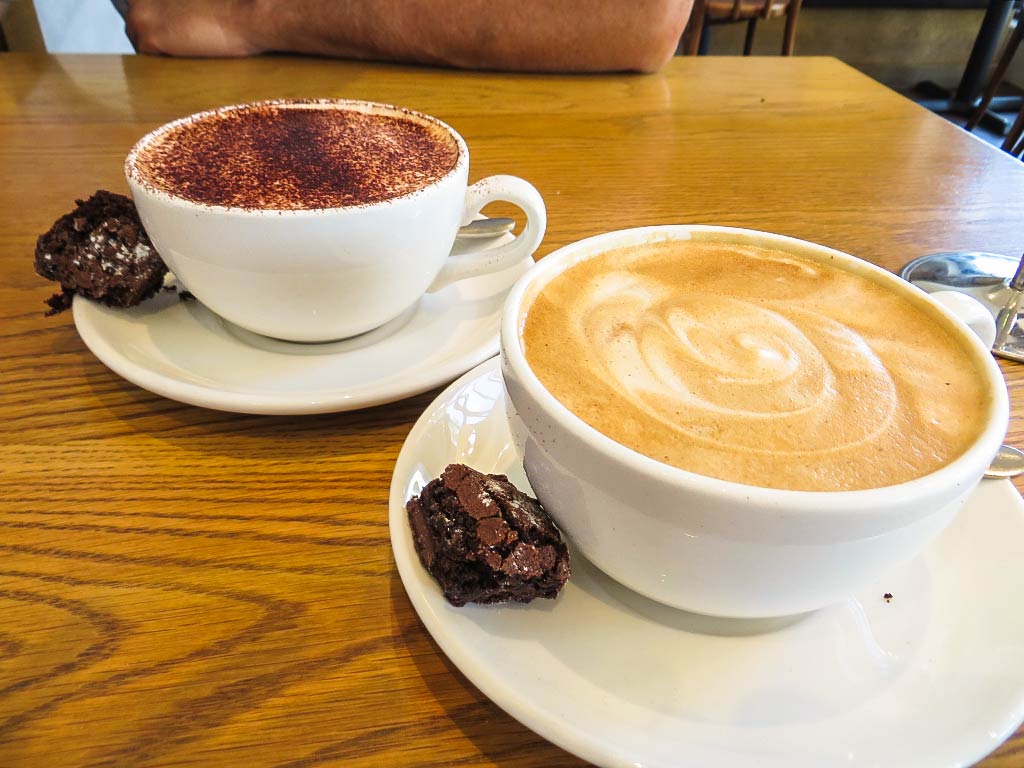
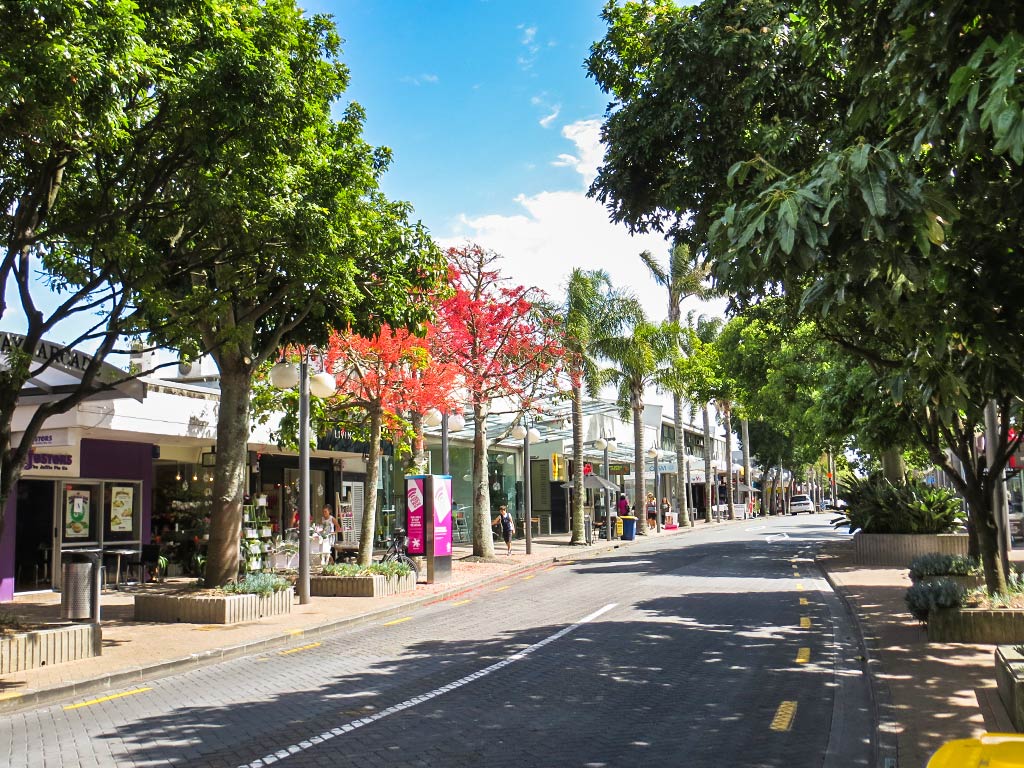
We headed to check out Takapuna, excited to get acquainted with our new neighborhood. We found a parking spot near the Starbuck’s we’d visited the previous year, then proceeded to stroll around the center of town. It was similar to many New Zealand suburban towns, but being a bedroom community for the city of Auckland, it was more upscale and quite attractive with tree-line parkways and a good number of appealing restaurants and cafes. We popped into one of them for breakfast and had an incredible meal.

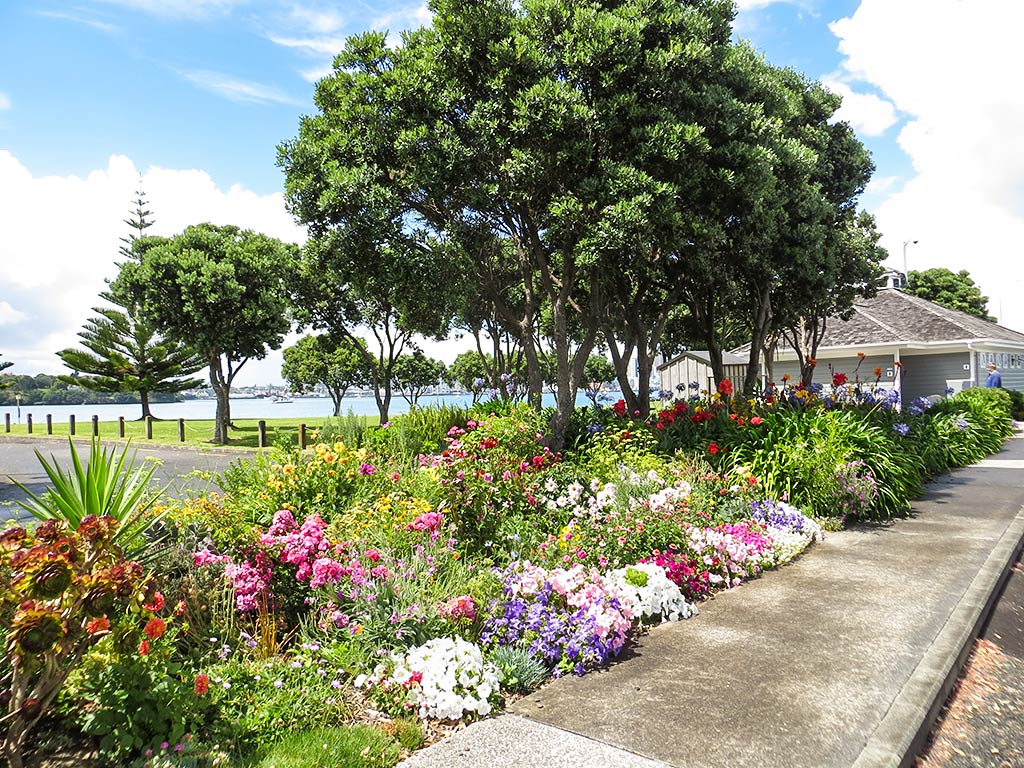
(Below, a couple of photos of Takapuna and our breakfast cafe. You can click to enlarge and scroll through both galleries in this post.)

We still had more of the town to explore, but already we knew this was a a place we could love. Being near a town we enjoy is essential for our enjoying a long stay in a marina; so in essence, this put Bayswater Marina firmly in the 🙂 category.

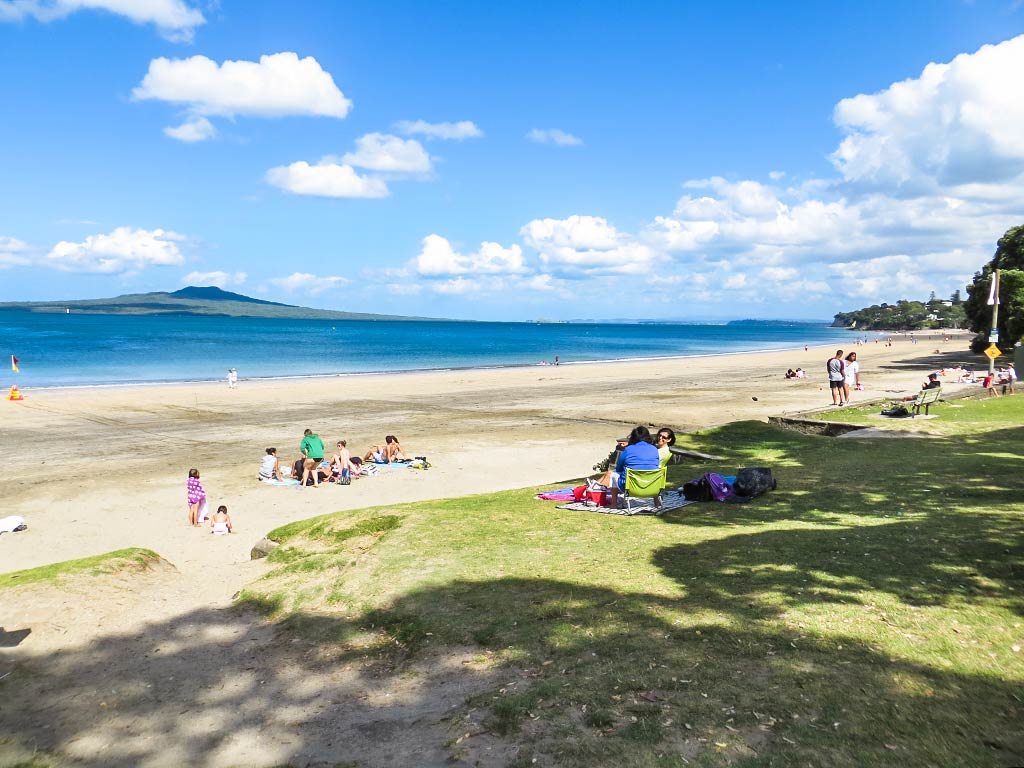
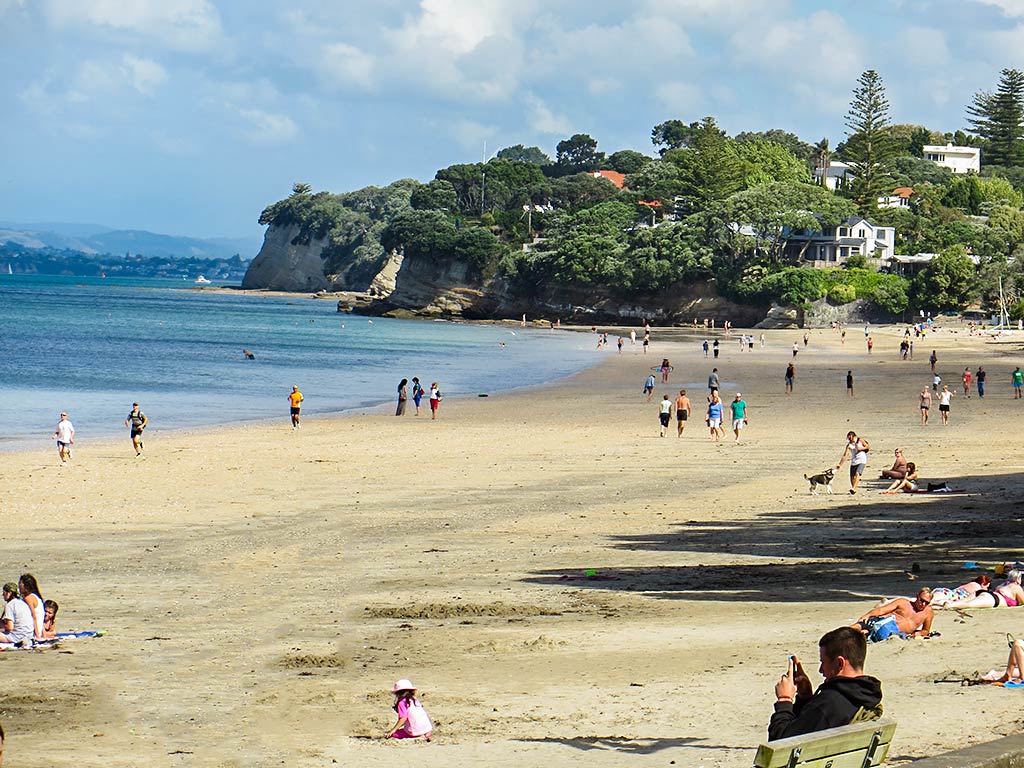
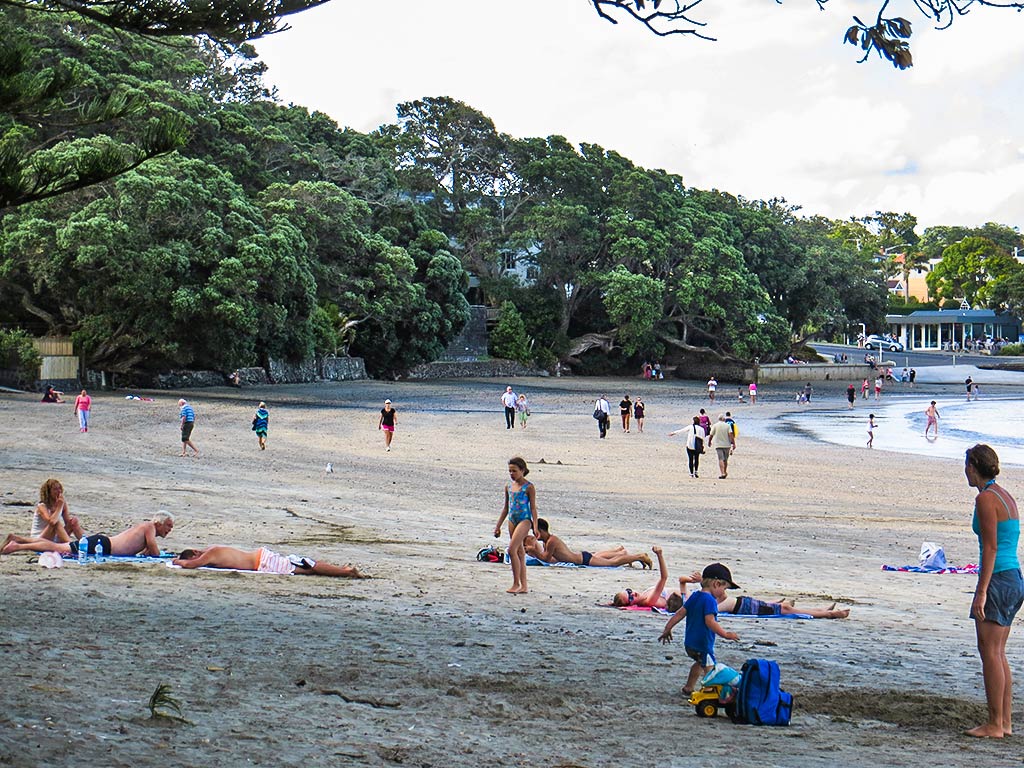
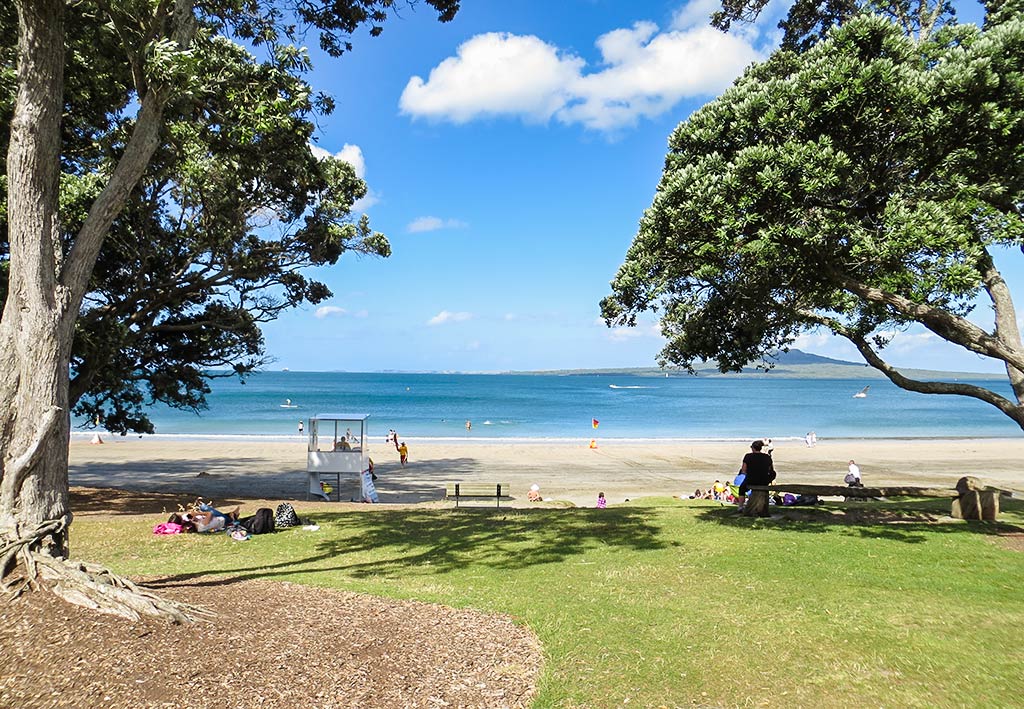
After visiting the town center, we headed to check out the local beach, Takapuna Beach. It wasn’t as well known or publicized as the beaches near the tip of the peninsula so we weren’t expecting much. We were surprised to find it’s actually a beautiful place with a long stretch of sand and some really nice trees. The sight of Rangitoto, the volcano-shaped island sitting just offshore, gave this beach an exotic feature that made it feel unique. It seemed pretty popular with the locals but I don’t think visitors would know to seek it out — Takapuna has managed to keep this spot a secret!

We headed back to the boat, then back to town later for dinner as we’d spotted a local franchise of an Auckland favorite, Sal’s Pizza. Yep, we were going to be happy here in Takapuna! –Cyndi

Kicking off January 2014 (Auckland and the Bayswater Marina, New Zealand)

January 3 – 7, 2014

As much as we were enjoying staying in the Viaduct, we came across an offer we couldn’t refuse. A year ago we’d found an incredible deal to stay at a very nice hotel in Auckland called The Langham. While this time of year is busy everywhere else in New Zealand, Auckland is pretty quiet, and the summer holiday is a great time to find hotel deals in this city. Just for the heck of it, Rich checked to see if we could get lucky again, and yep, we sure could! Rich booked us in at the Langham.

For two nights we enjoyed big and comfortable bed, dinners downtown, cable TV, and taking baths! As cruisers we seldom see a bathtub because the hotels we stay in generally aren’t upscale enough to have them. I estimate I’m lucky to get one bath a year, and this year I was having my bath at the Langham! The ultimate luxury? A bath in the morning, followed by a leisurely hot shower. Those two days at the Langham went by so quickly!

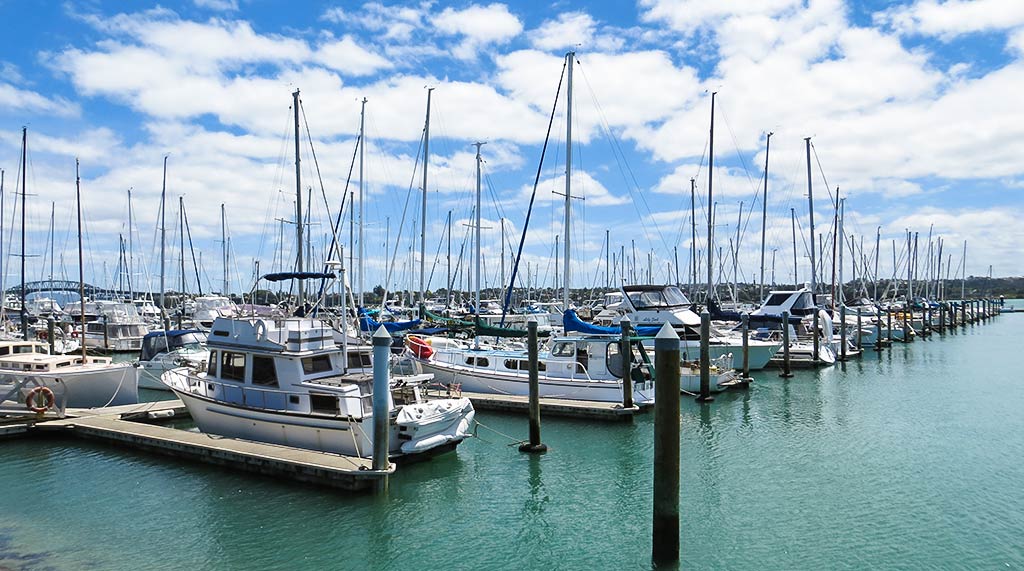
During this time we made our final decision as to which marina to stay in: Bayswater Marina on Auckand’s North Shore. The morning of the sixth, we made our way out of the Viaduct, crossed a rather busy channel, and arrived at our new slip and home for the next month. Bayswater wasn’t a place we’d initially wanted to stay, but looking at the other options had made it seem much more appealing by comparison.

Right off, we liked the marina. The area was low-key and pleasant, the people cheerful and friendly. The shower was nice, as was the laundry room. Bayswater was looking to be a good choice for us.

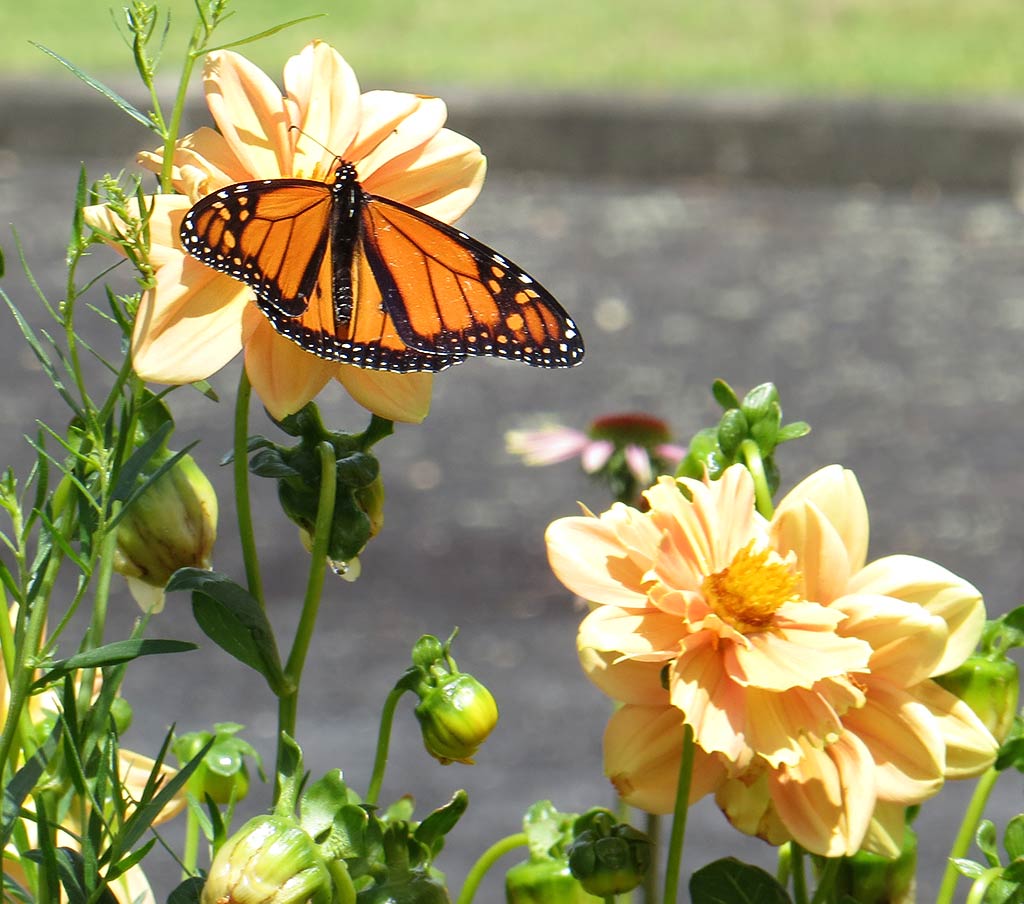
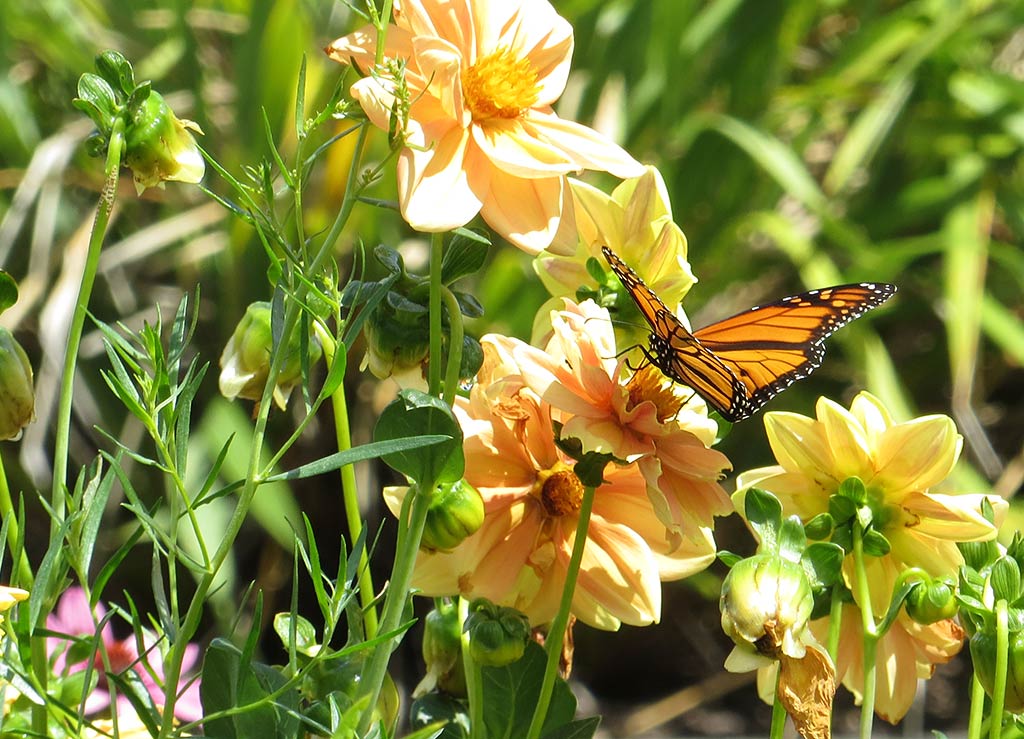
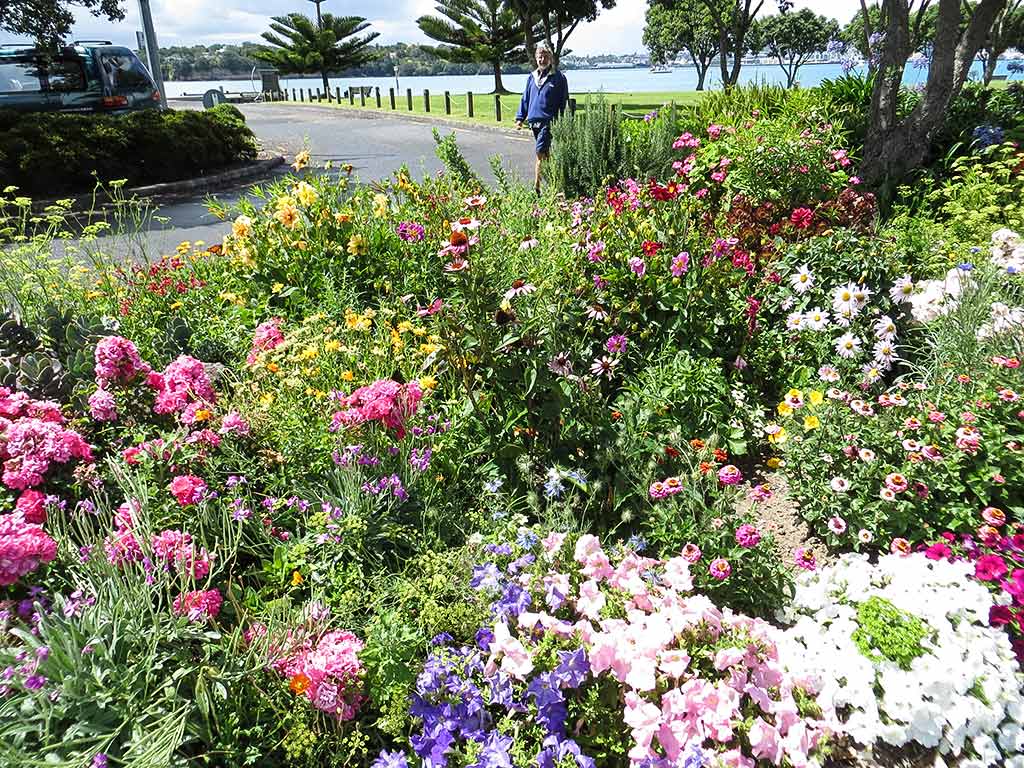
In the parking area they’d planted a butterfly garden with lots of flowers that attracted monarch butterflies. Any marina thoughtful enough to have something like this gets bonus points from us.

There was one downside: something about this location made it susceptible to funneled afternoon winds which happened almost daily. We weren’t thrilled with this aspect of the marina, but by evening the wind would die down. With all the advantages of being here, we decided we could live with the wind.

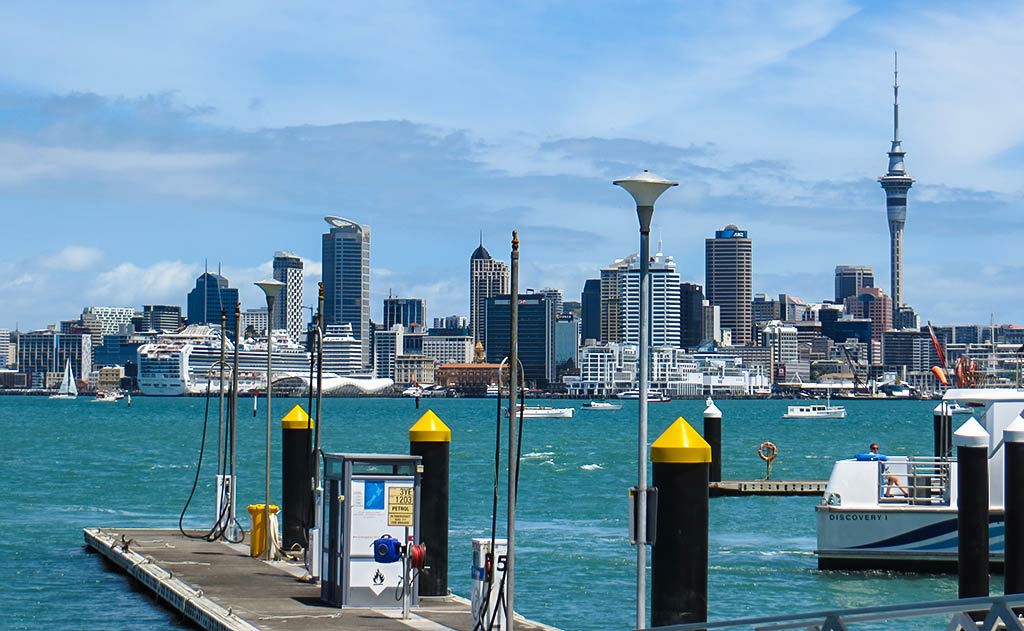
Meanwhile, we were really looking forward to getting to know the North Shore area and the nice little city of Takapuna (where we’d made our pilgrimage to find a Starbuck’s the year before). We remembered it was a good-size town and expected it would have everything we’d need. At the tip of North Shore’s peninsula was the beautiful and historic resort town of Devonport, another place we hoped to become better acquainted with. (Below, a map of the North Shore area.)


But to enjoy these places, we’d need our car because Bayswater is within walking distance of absolutely nothing. Thus our first morning after arriving, we caught their early-morning ferry to Auckland, then boarded a bus to make a 4-hour (with a lunch stop) trip to the city of Tauranga.

What a strange feeling to step off the bus into the early-summer air of Tauranga. We thought we knew this area, but in fact we’d only been here in the fall. The bright, intense sun and warm air felt strange to us, and wonderful! Tauranga is one of the warmest, sunniest places in New Zealand, and it was particularly apparent that day. We headed to the marina where our friends had had thoughtfully delivered our car so we’d have access it when we arrived (thank you again, Colin and Jeanette, for taking such good care of our car!).

It was a lot of fun to pop in and say hi to everyone at Phil’s Place, the restaurant we’d frequented at the marina. We’d really settled in here on our last visit, and we were warmly welcomed back. We also visited our car-sitting friends Colin and Jeanette. After that, we hit the road and started our drive back up to Auckland. We’d had only a short visit here, but it was so nice that it made us really anxious to get back to Tauranga! But that would have to wait; for now we planned to enjoy the Auckland area and then do some cruising around the islands of the Hauraki Gulf.

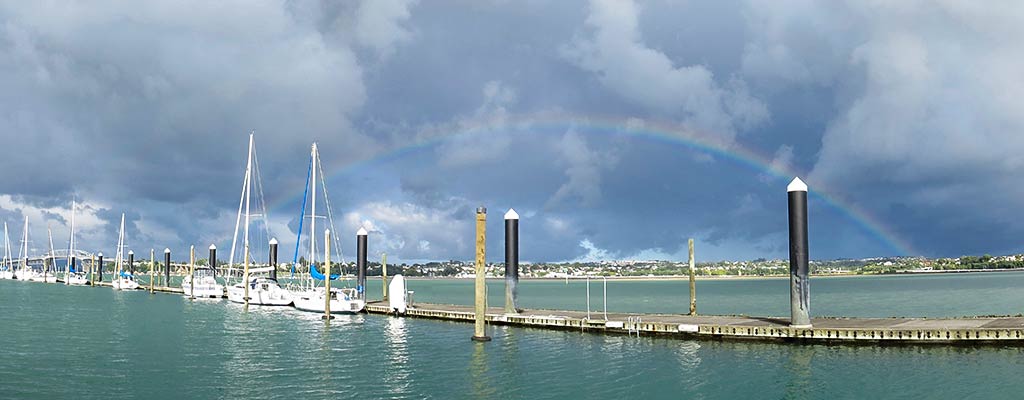
It was initially a little depressing to return from sunny warm Tauranga to a blustery, windy afternoon at the Bayswater marina, but it turned out this wasn’t the usual afternoon breeze. It seemed remnants from an Australian cyclone were now hitting Auckland. It turned out to be rather exciting weather once we understood what was going on, and the sky–full of streaky, soupy clouds–was a fantastic sight. The following day the wind was gone, but he warm humid air and streaky clouds lingered. It was a perfect day to go explore our new neighborhood of Takapuna. –Cyndi
Unusual x 2

January 27, 2020

There were two unusual things about our recent trip to D’Urville Island. The first was that we were off by ourselves and alone for over a week. While the occasional boat would come in just before sunset, they’d leave in the morning, giving us what felt like an entire island to ourselves. We didn’t even get off Legacy except for a couple of long dinghy rides. Our feet never touched shore.

We don’t usually cruise this way. There are almost always other boats around and our days are filled with activities – so many places to see and so many things to do (thanks, I think, Cyndi – our official cruise director). This was nice and oh so relaxing. We were both disappointed when the threat of strong winds chased us back to Nelson early.

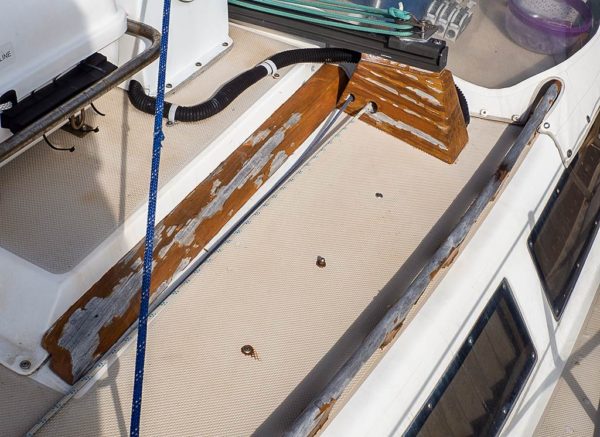
The other unusual thing about this trip is that I did boat work. Not the usual stuff which consists of repairing broken stuff, but cosmetic stuff. Our teak outside was getting really bad. See?

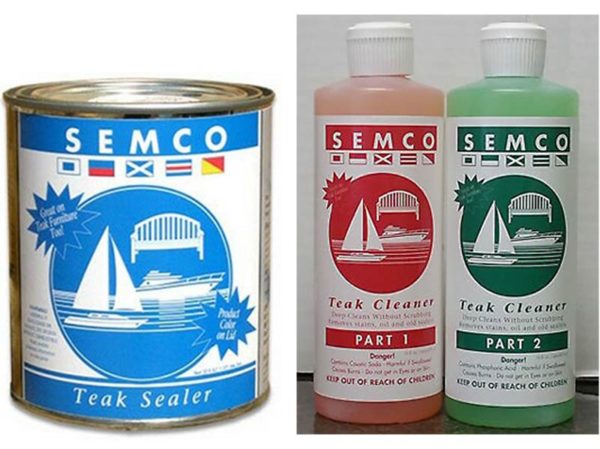
This shows the Cetol stain and gloss coming off. To it’s credit, it’s been eight years since it was done and for at least six of those years, it’s looked pretty good. This time we thought we try something recommended by a friend called Semco. It’s more like a teak oil and can be easily applied every season (whatever that means – it’s written on the can). First I scraped the old Cetol off with a paint scraper, then sanded, then used Semco 2-part cleaner. Here’s what we used:

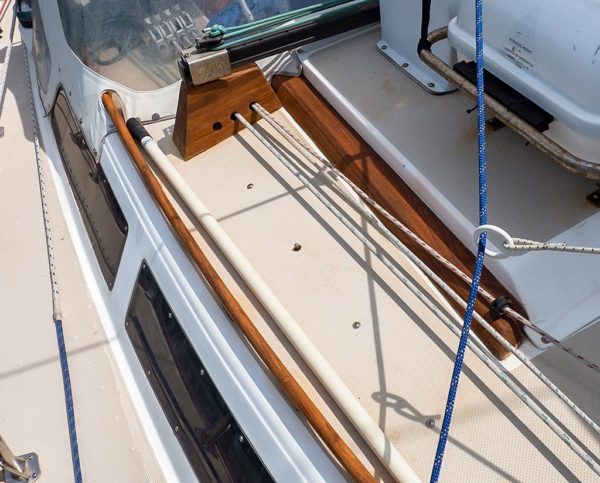
And here is the result…

It’s a mat finish and truthfully, not as stunning as well-done varnish, but it’s so much easier, and it looks so much better than poorly maintained varnish, which is what we end up with most of the time.

To those astute viewers, you noticed that the “before” is the port side and the “after” is the starboard. Yep. I only did one side. I’ll try to get the other side done soon. I’m so happy with the way it turned out that I feel inspired to do more.

I’ll report back on it’s durability down the road. -Rich

Sunrise Leaving D’Urville Island

January 26, 2020

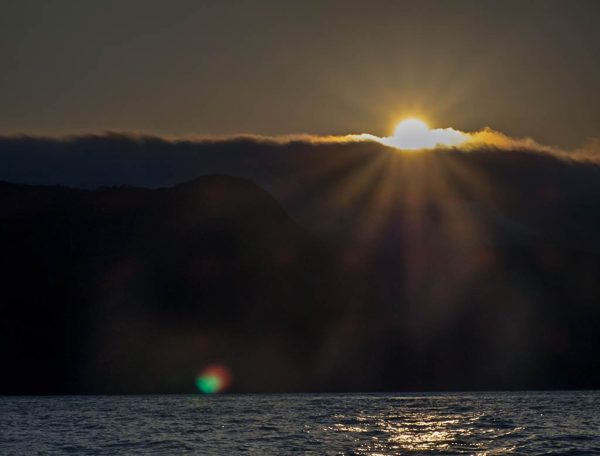
This was the sunrise this morning as we left D’Urville Island after a really nice ten days there. We really needed this relaxing, quiet time. We’ll be back in the big city – Nelson – this afternoon. -Rich

P.S. As long as I’m posting unusual sunrise pictures, here’s another just before the sun popped up above the clouds.