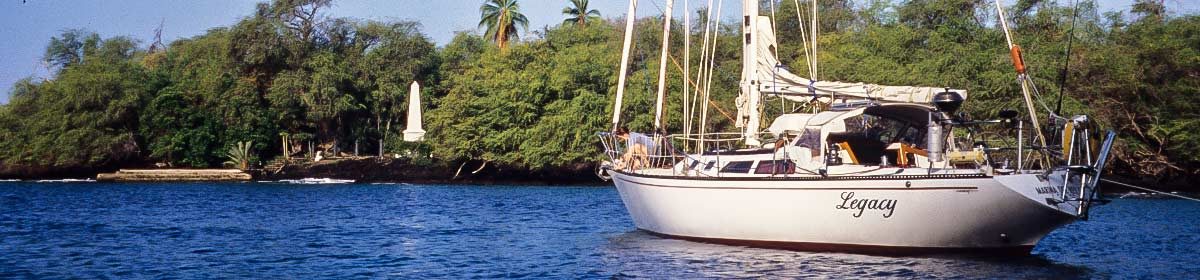
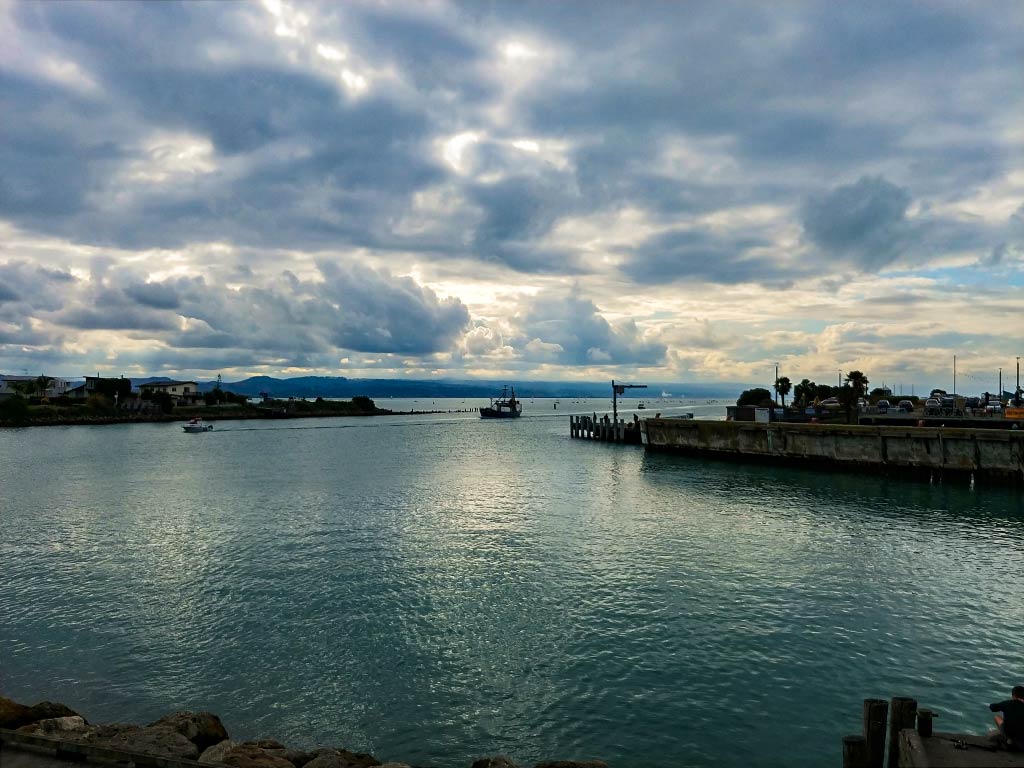
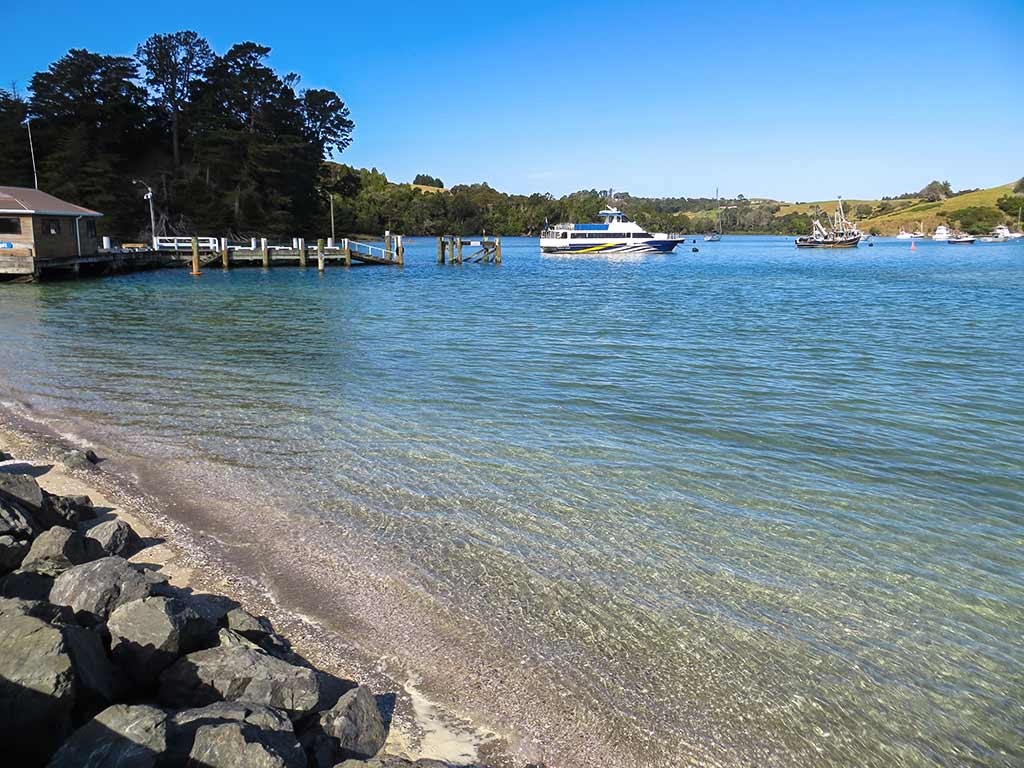
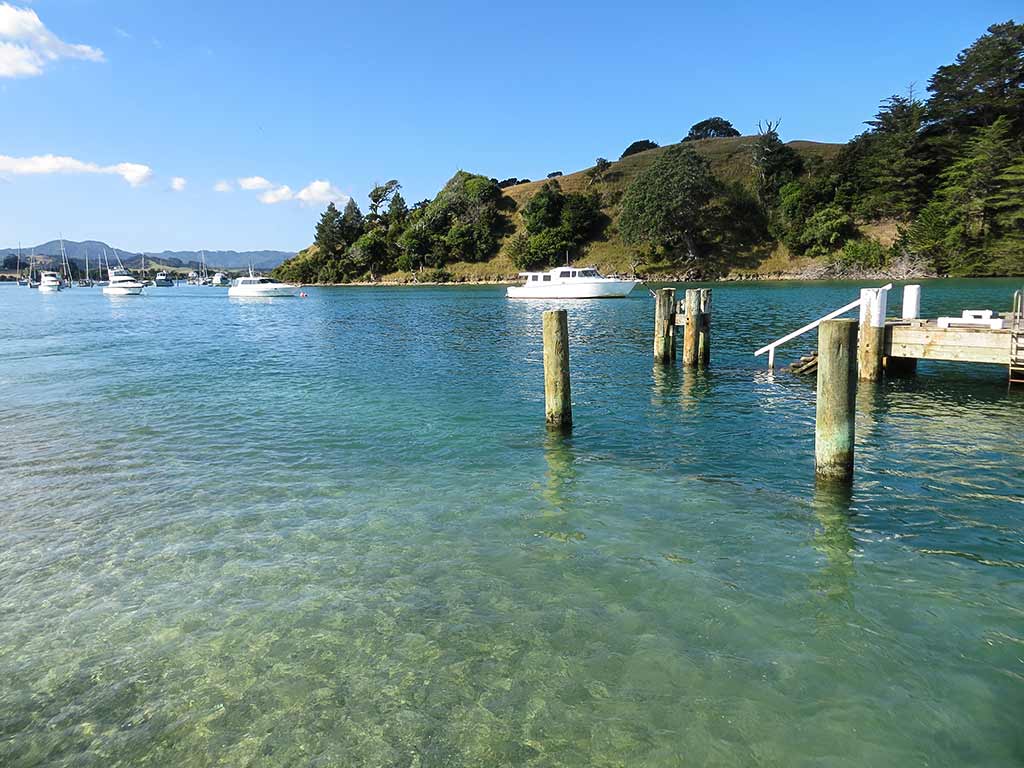
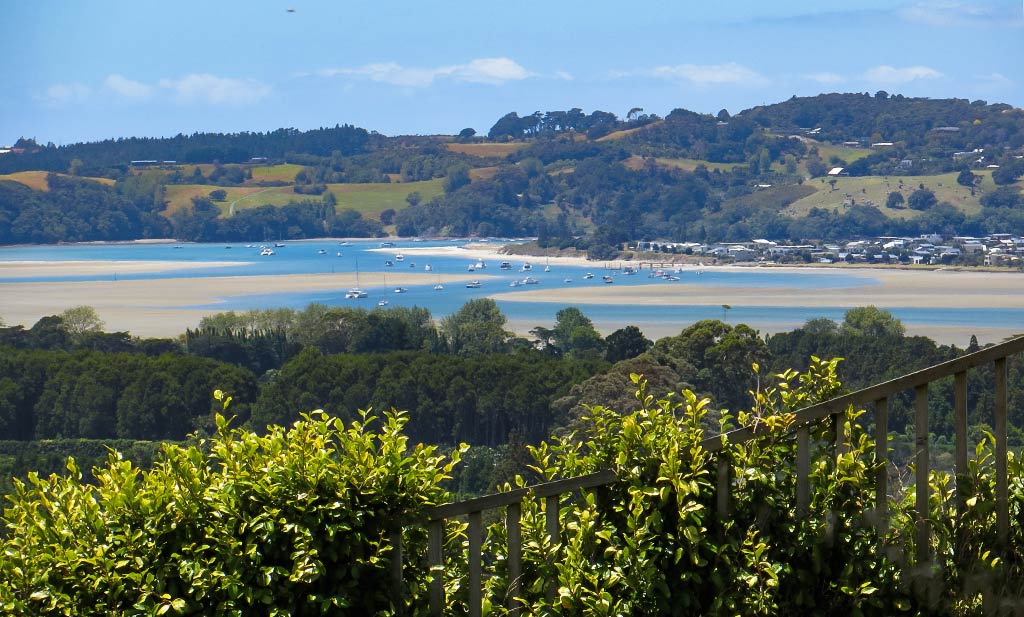
Cruising is a little wonderful and a little strange in that two days after we set off, we’re in a new city but living in the same house. Here’s the view now…
Napier, New Zeland Harbor Entrance
We’re in Napier after a two day motor up from Nelson. We’ve been here twice before. It’s good to be back. We’ll wait here for weather to make the additional two days and 350 nautical miles to Auckland.
Hey, that’d be a good name for our boat… “Sudden Changes.” Wednesday we were talking about our immediate futures. One of us suggested spending some time in Auckland. One of us sent off a couple of emails to marinas in Auckland. About 7PM, we got an affirmative response from one of them telling us they have a spot for Legacy and welcoming us.
One of us checked the weather forecasts and much to our surprise, it looked good. By 9pm, we’d walked to the grocery store for a provisioning trip for the first two-day, 300 mile passage from Nelson to Napier. By 7 AM Thursday morning, we were on our way.
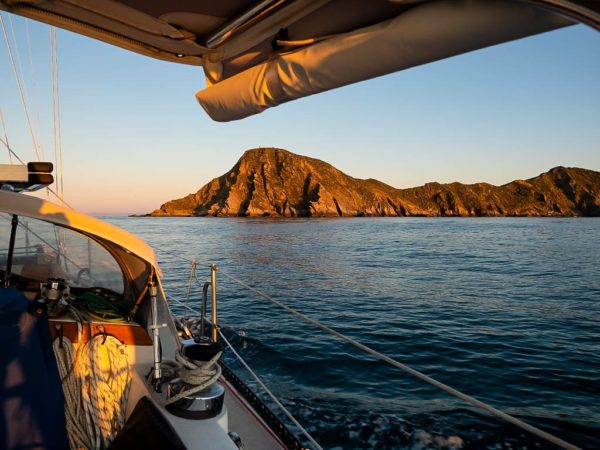
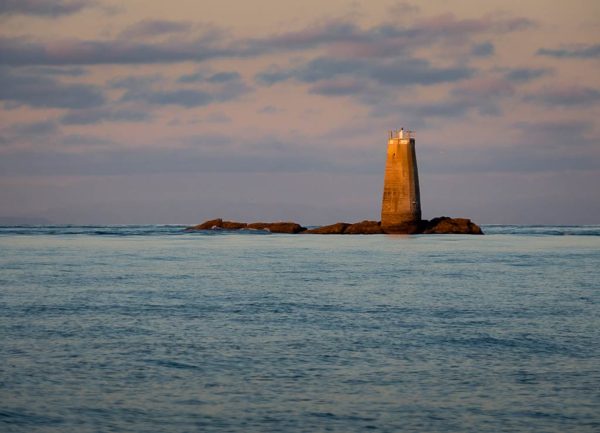
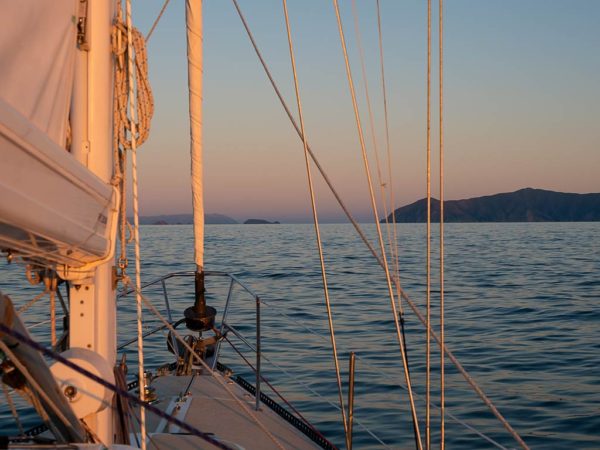
Here’s our last look at the South Island, where we’ve spent so much time during the past year and a half. This is Cape Jackson at the tip of Queen Charlotte Sound and the lighthouse right off the point.
Cape Jackson in the Marlborough SoundsThe Pretty Little Lighthouse off of Cape Jackson at Sunset
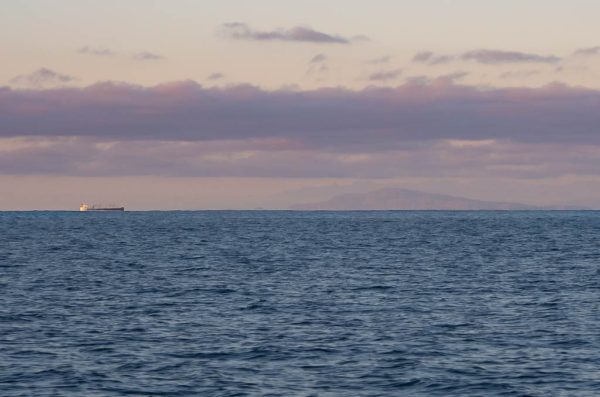
And our first glimpse of our destination – the North Island…
The North Island and Wellington in the DistanceNew Zealand’s North Island on the Left and the South Island on the Right
Our decision seems spur-of-the-moment and maybe reckless, but not really. It doesn’t look like Australia will be opening up anytime soon and it’s really cold in Nelson in the fall and winter. By getting out of the 40’s (latitude, as in Roaring Forties), it looks like the temperatures might be a little more survivable for the softies on Legacy. Also, we like Auckland and always like new restaurants and new scenery.
We’re underway now. One of us is sacked out in the bunk and one of us is typing this nonsense. We hope to be in Napier tomorrow about noon, with the high tide. It looks like we may have to spend a week there before we get weather to go an additional 300 miles to Auckland. That’s OK: There are restaurants in Napier that both of us like! -Rich
After our visit to Matakana and Leigh, I’d planned a hike on the seaside peninsula of Tawharanui Regional Park, a nature reserve.
To create this reserve, original New Zealand forest had been regenerated and species of birds, now rare on the mainland, had been brought in to repopulate the forest. To accomplish this, the area had to be cleared of non-native animals, a somewhat controversial process that involves trapping and in this case, the dropping of poison. It’s sad that the animals (possums, rats, stoats, and feral cats) had to pay the price for the human carelessness that brought them here in the first place, but the birds were here first, and since they don’t exist in other countries, when they’re gone from here, they’re gone. Rich and I have no issues with the methods needed to restore trees, plants and native bird life to the nature reserves in New Zealand.
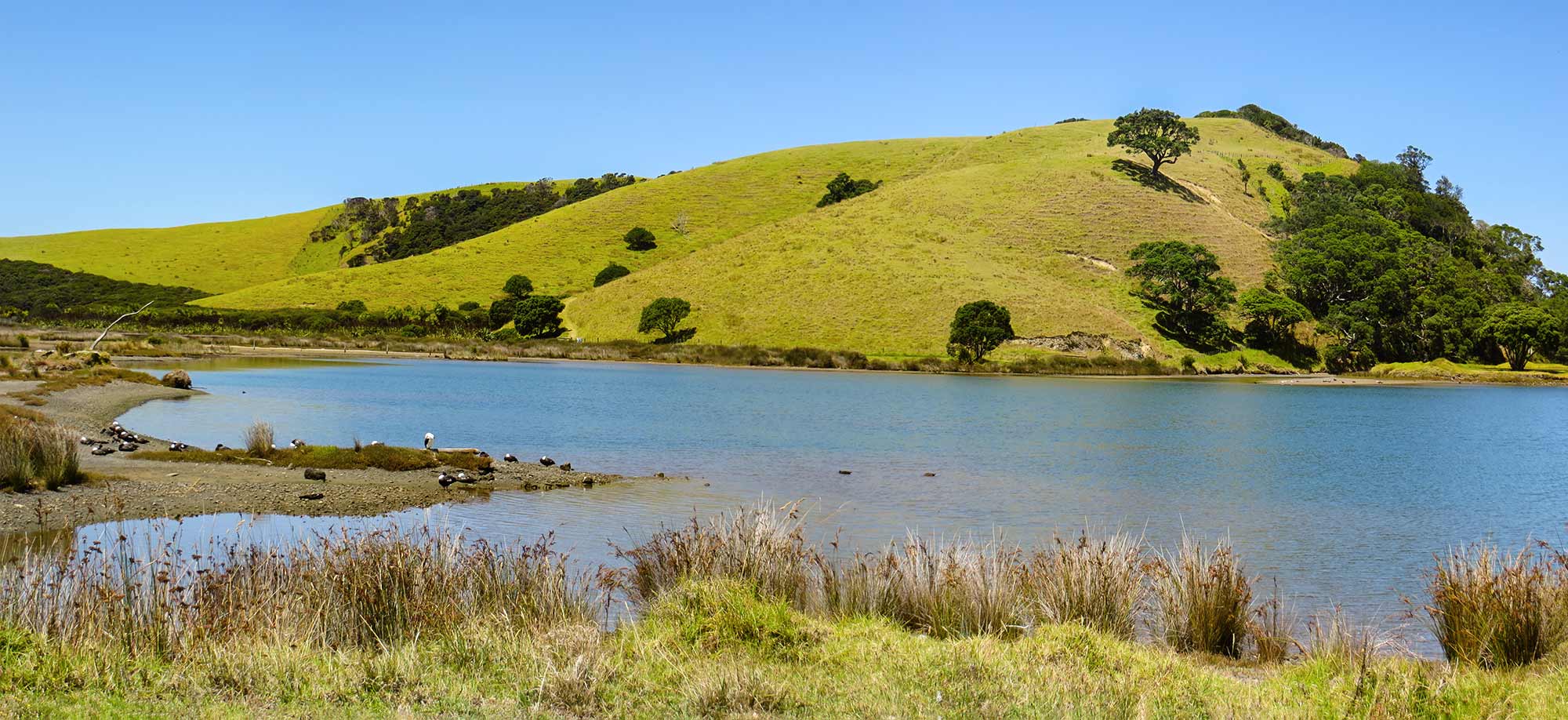
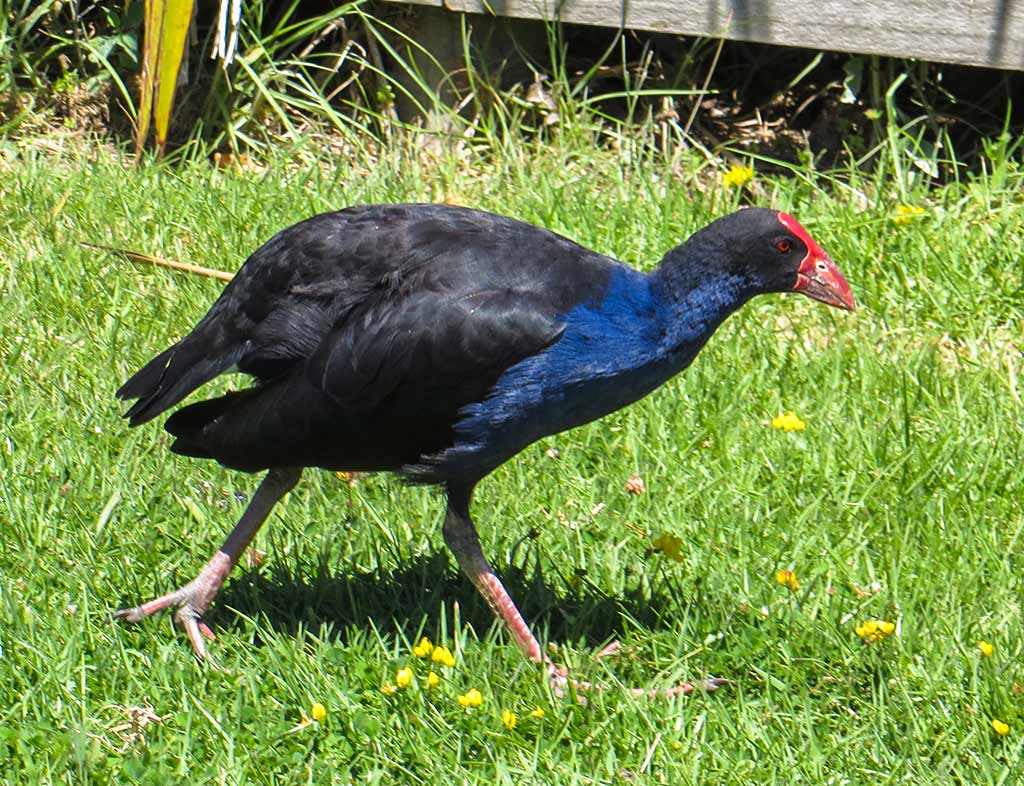
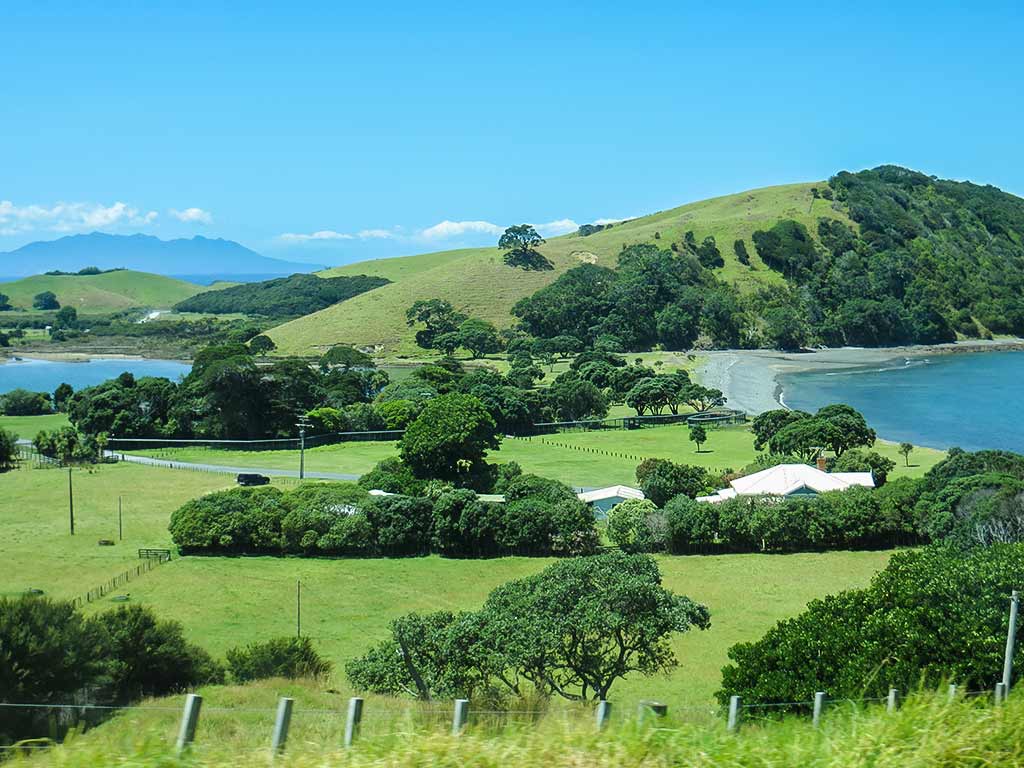
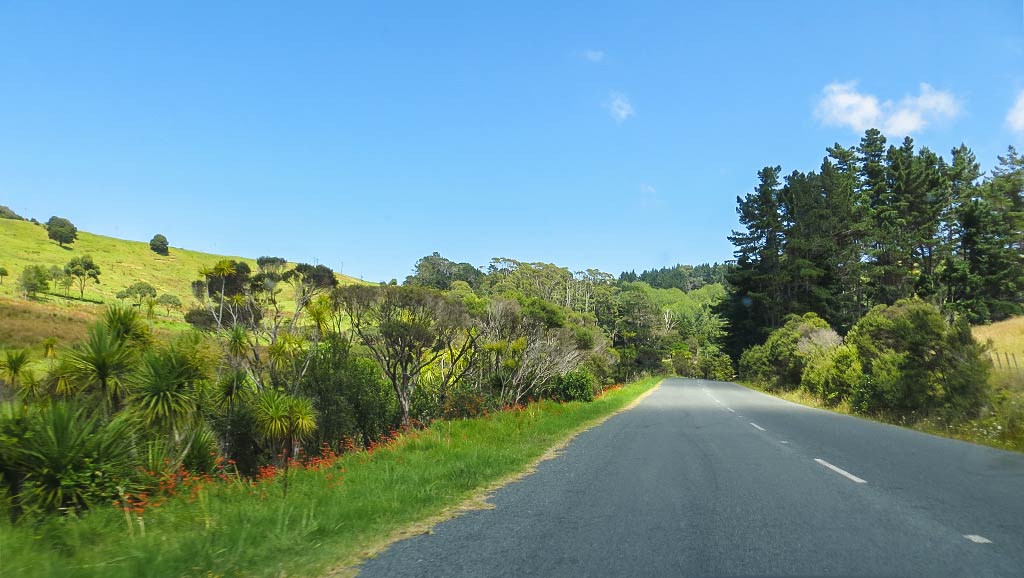
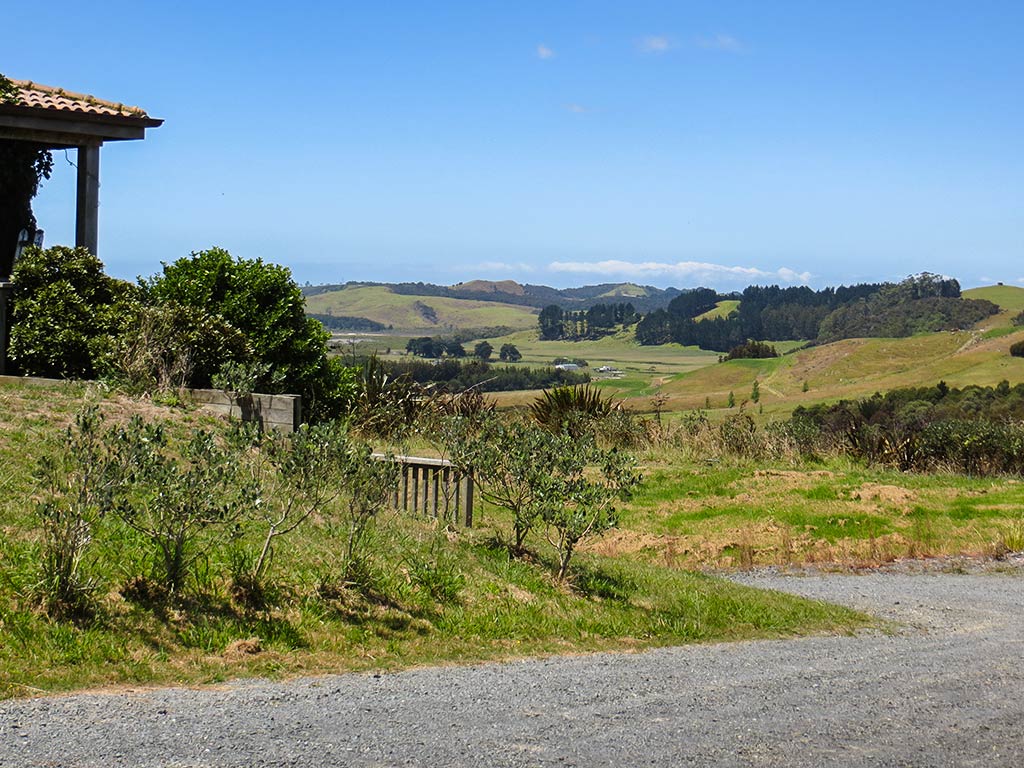
And so we drove out on the peninsula towards the reserve, passing through grassy pastureland and many, many pukekos (New Zealand’s big blue bird). Native New Zealanders hardly take notice of them, but for us they’re fun to see as we have nothing like them in America. As far as we’re concerned, there can’t be too many pukekos! Below, a few photos of the lagoon area en route to the reserve (click to enlarge and scroll).
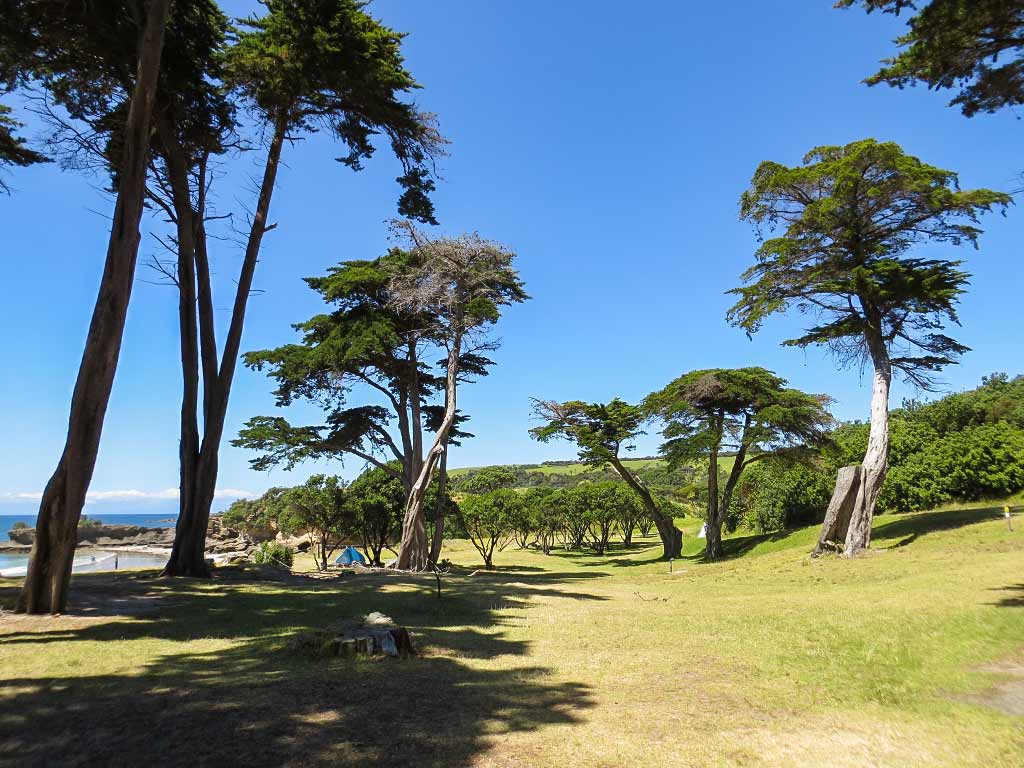
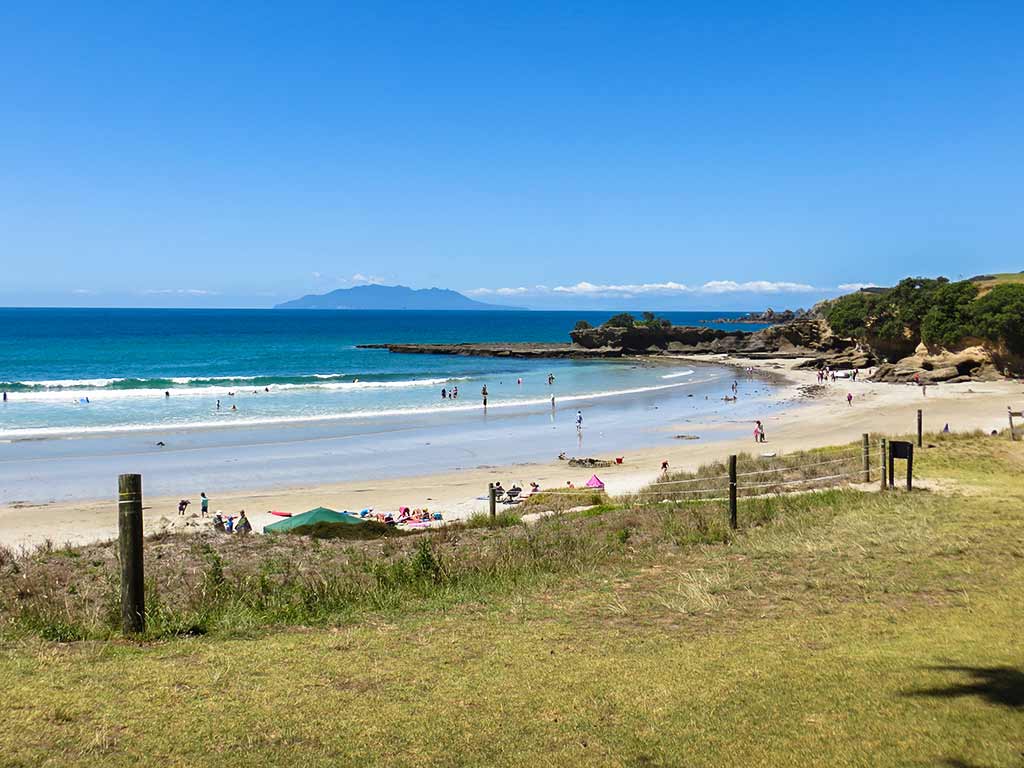
We continued to the parking area of the nature reserve, very appealing with broad lawn areas and scattered large trees along the two beaches. We took a walk to check out those beaches, both very attractive and worth a visit even without the nearby reserve.
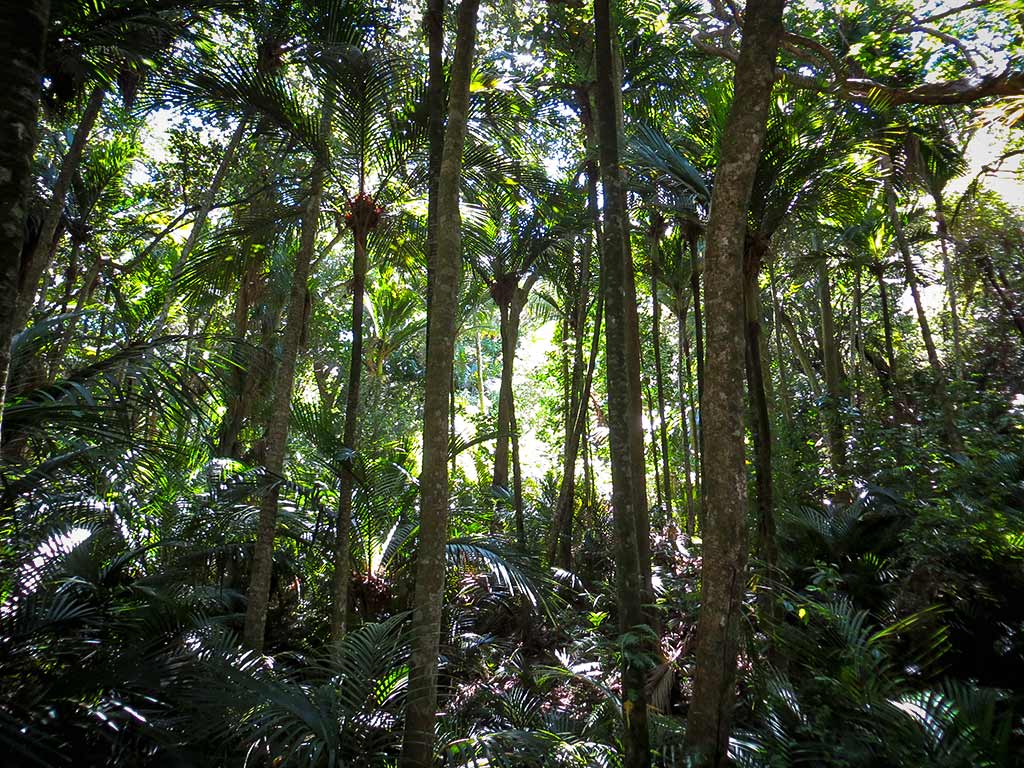
We then headed down the path into the reserve and, in contrast to the grassy pasture land and bush in this area, we found ourselves surrounded by densely-vegetated New Zealand subtropical forest. This was something we’d expect to see on a remote island or mountains, not here in wine country. Soon we started to spot birds, including parrots—big brown kakas and colorful kakarikis. And we could hear the chorus of bellbirds. Every year in New Zealand, the number of birds from these threatened species grows, and it’s a joy to see. What an achievement to create this reserve, one of several of this type that have been created on the mainland.
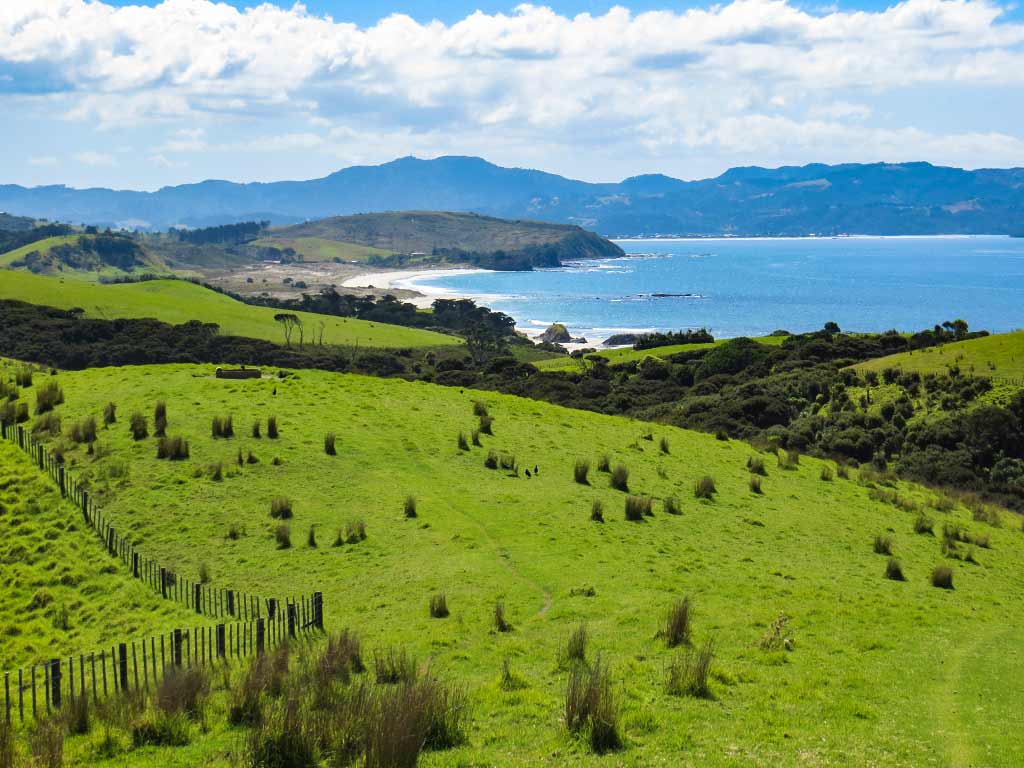
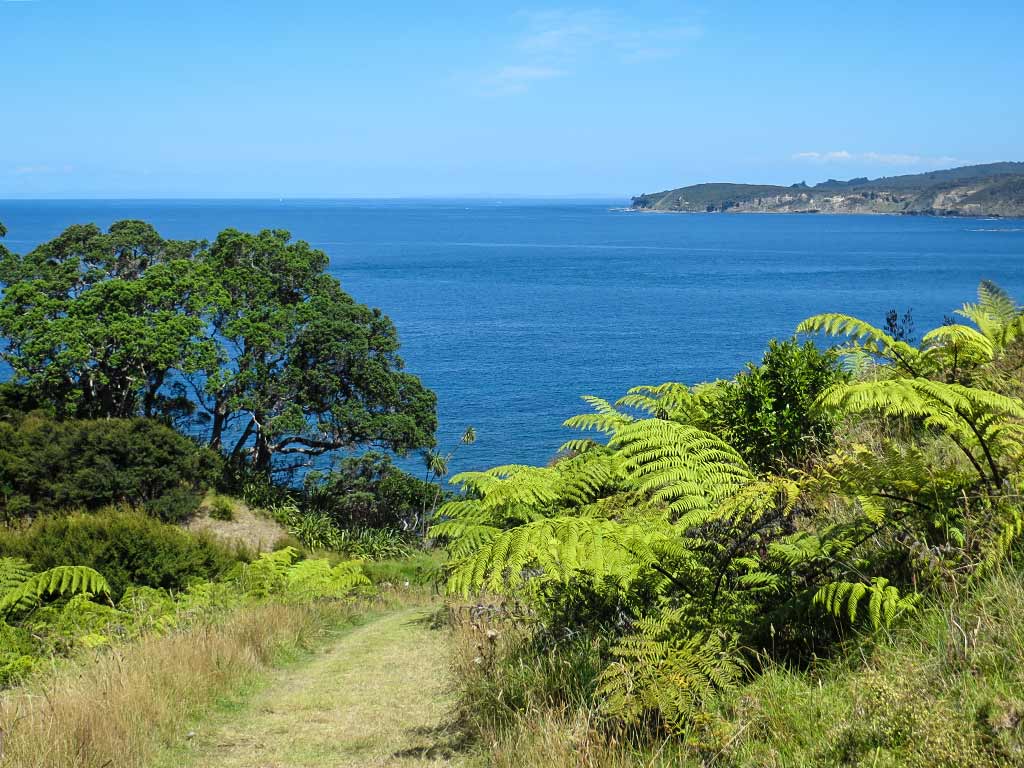
We continued our walk, eventually exiting the forest and ending up in grassy pastureland. The walk had taken a good hour, a bit longer than planned, but it was beautiful. Below, a few photos of Tawharanui Reserve.
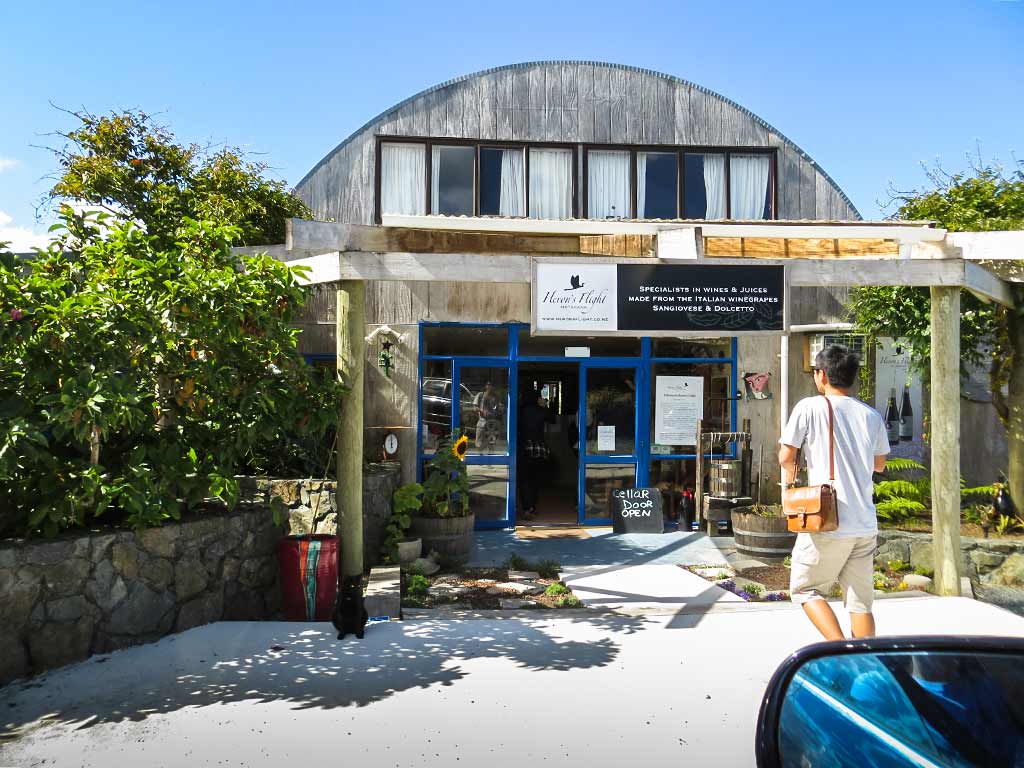
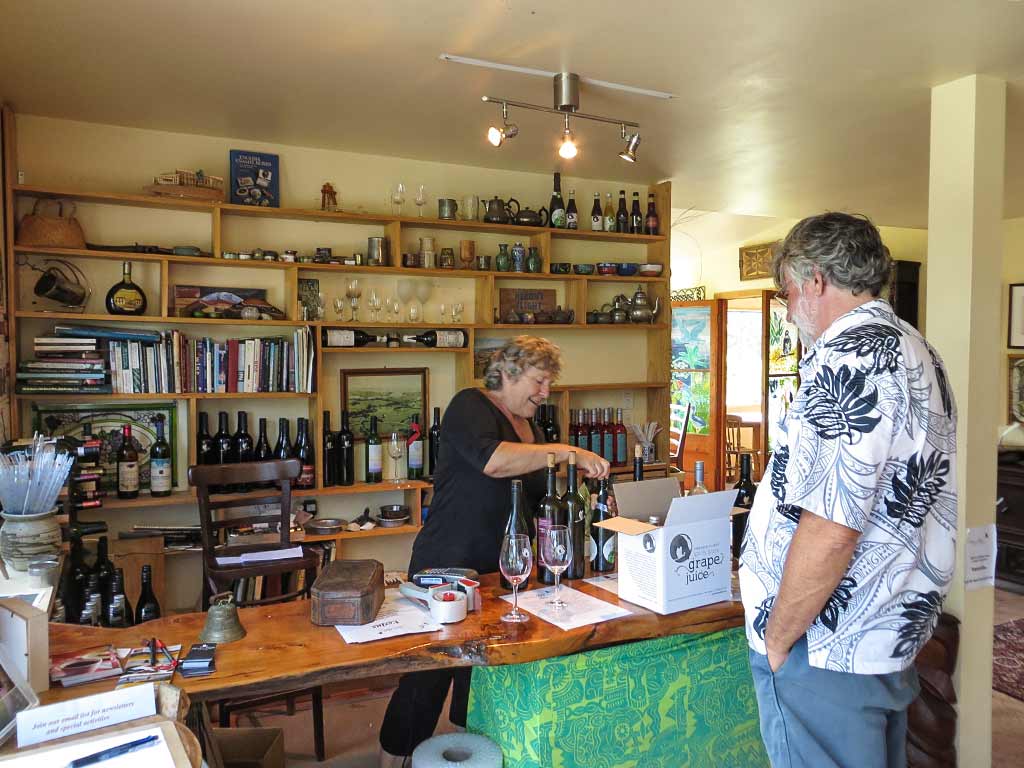
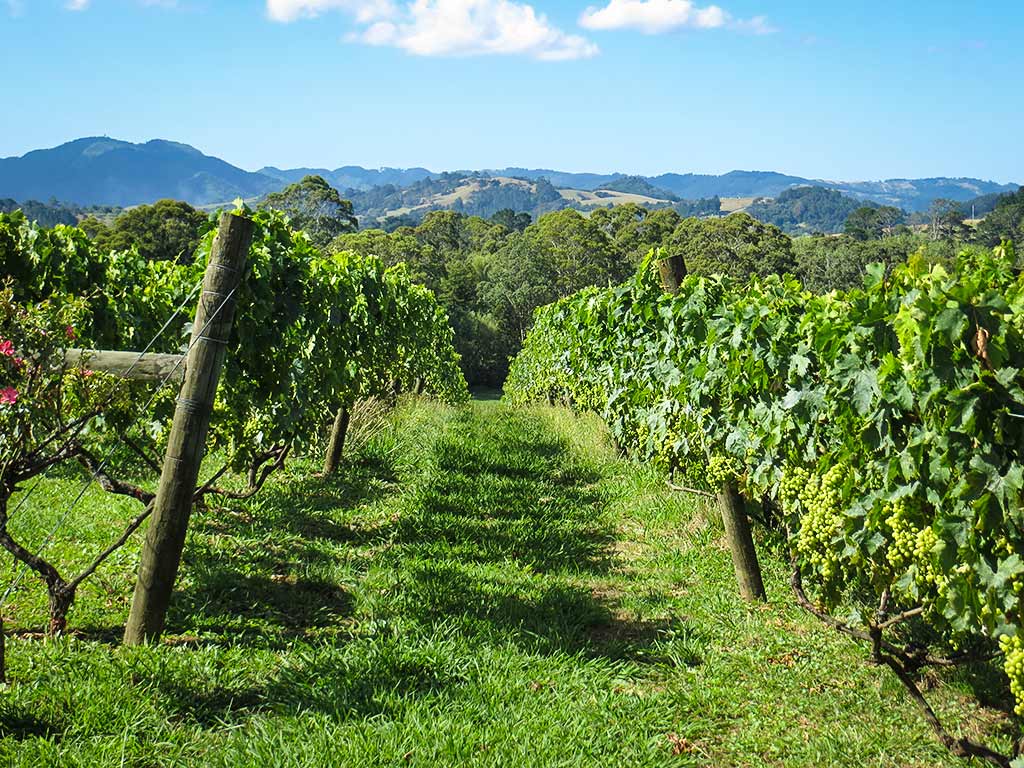
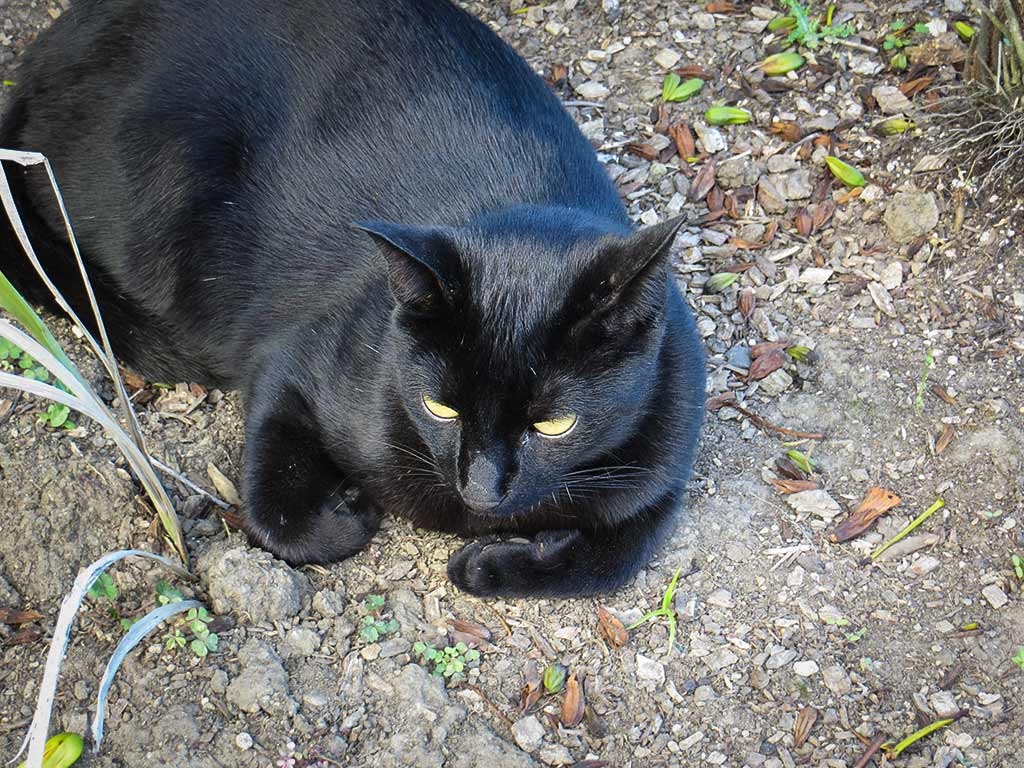
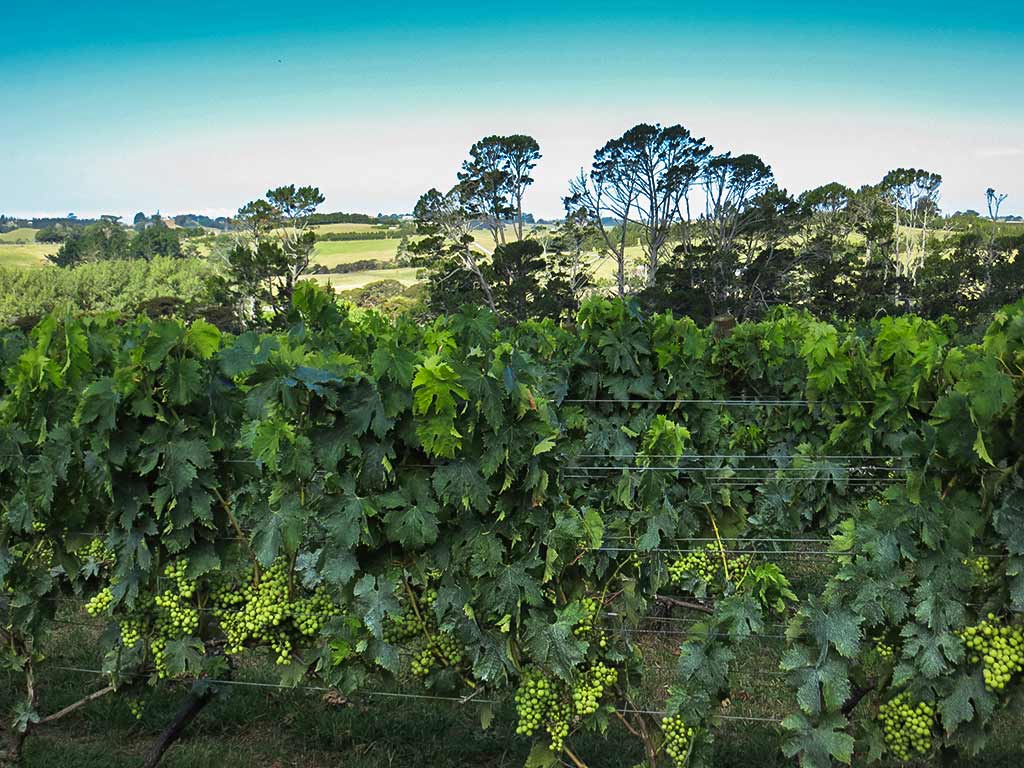
After our hike it was time for more food and drink; so we headed to a winery called Heron’s Flight. Here, we found a charming winery hut, pretty grounds, and a cat and a dog to pet. I tasted 5 wines and didn’t love any of them; but we fell in love with, of all things, their grape juice. We’re not normally into grape juice, but this was so good we bought a case.
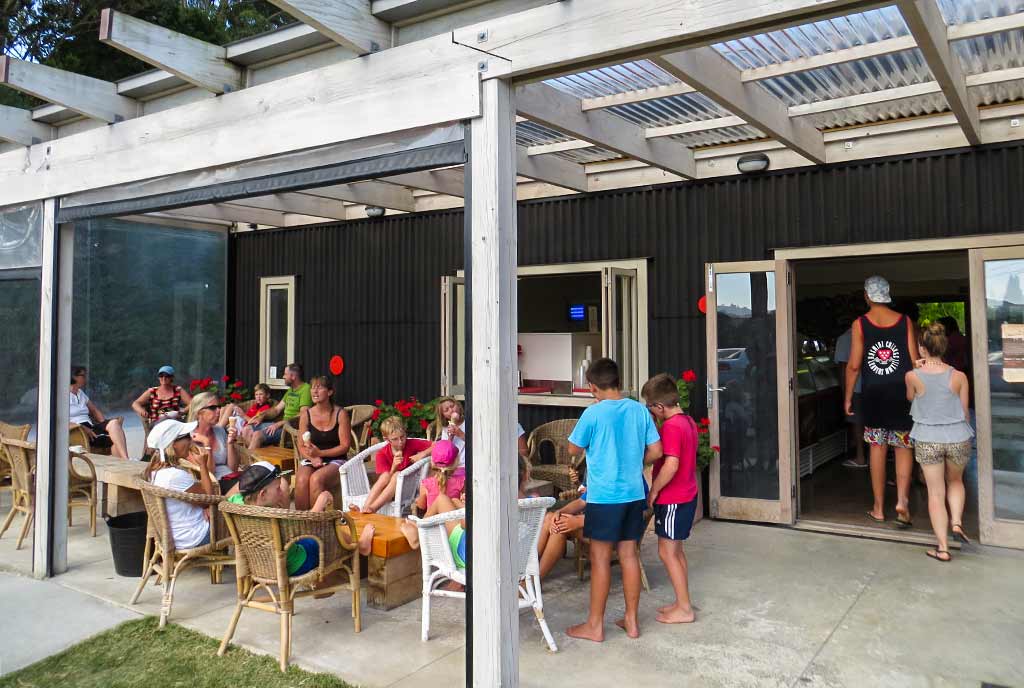
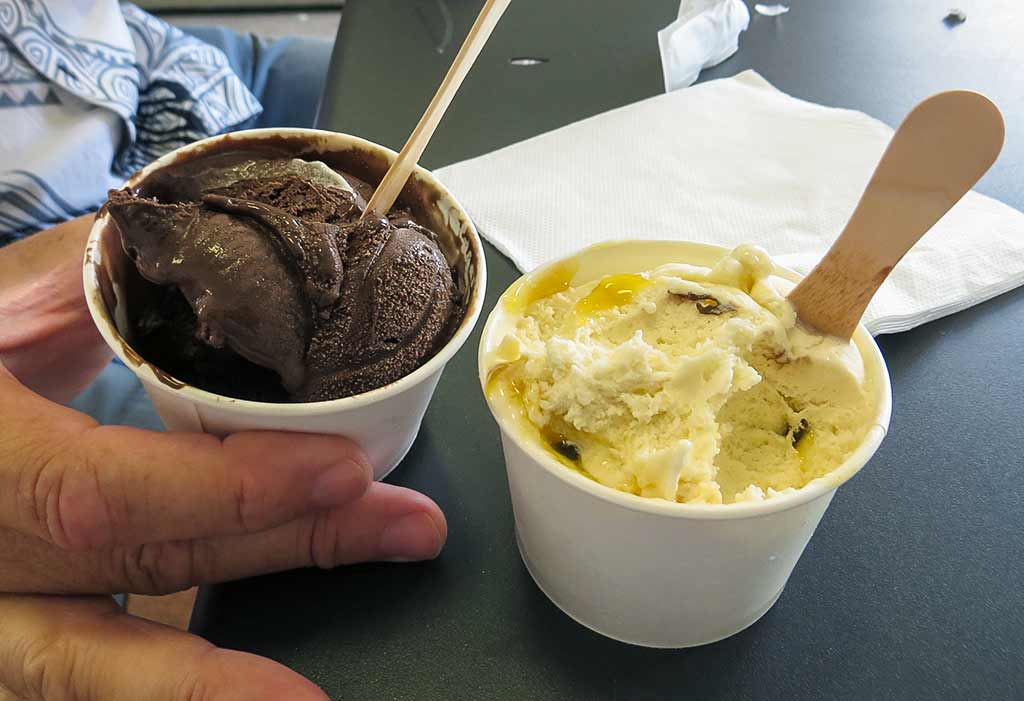
Next up, we headed to a place called Charles Gelato Garden, another famous ice creamery located in Matakana. We got dark chocolate and passionfruit gelato and it was spectacular, our new winner for the best ice cream in New Zealand.
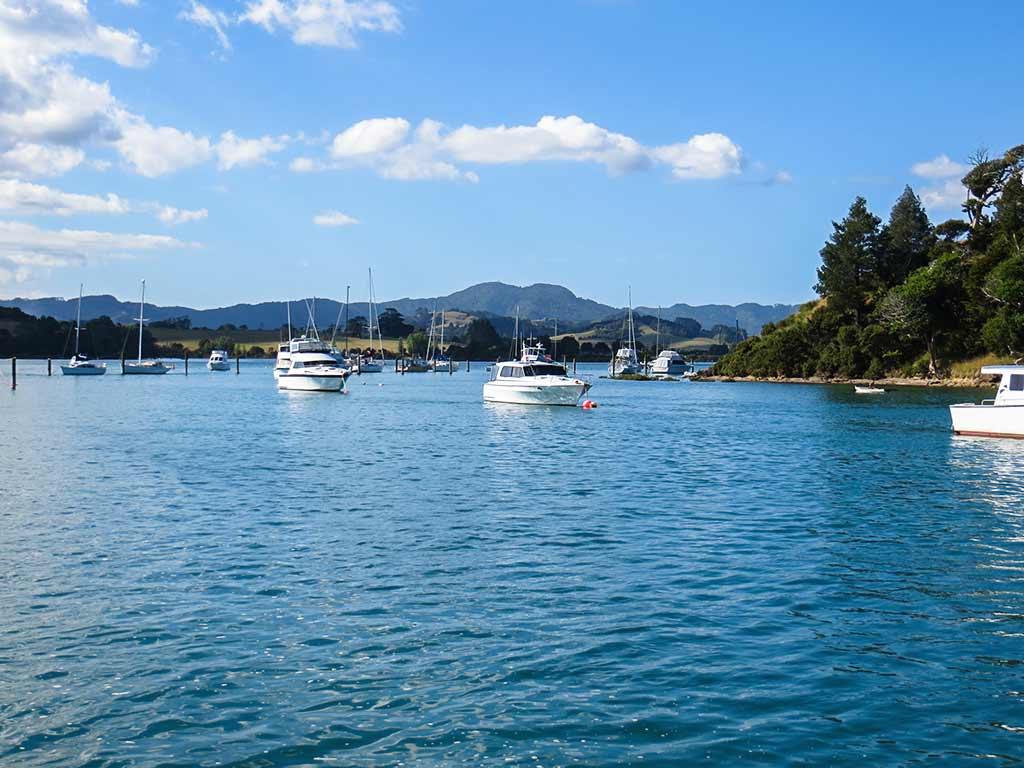
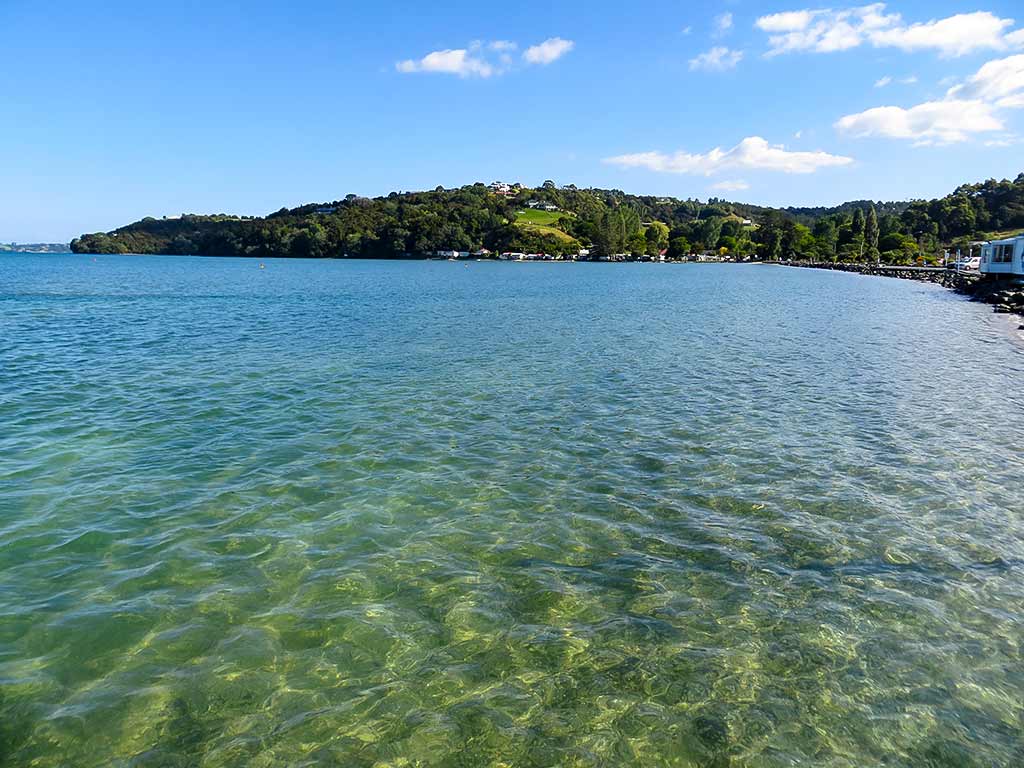
Our next stop was an area called Sandspit, a large and rather shallow body of water protected by a large boulder-barrier sandspit and home to the region’s marina and a large mooring field. I hadn’t expected to be impressed with remote and shallow Sandspit; so I was surprised to find it’s really very pretty here!
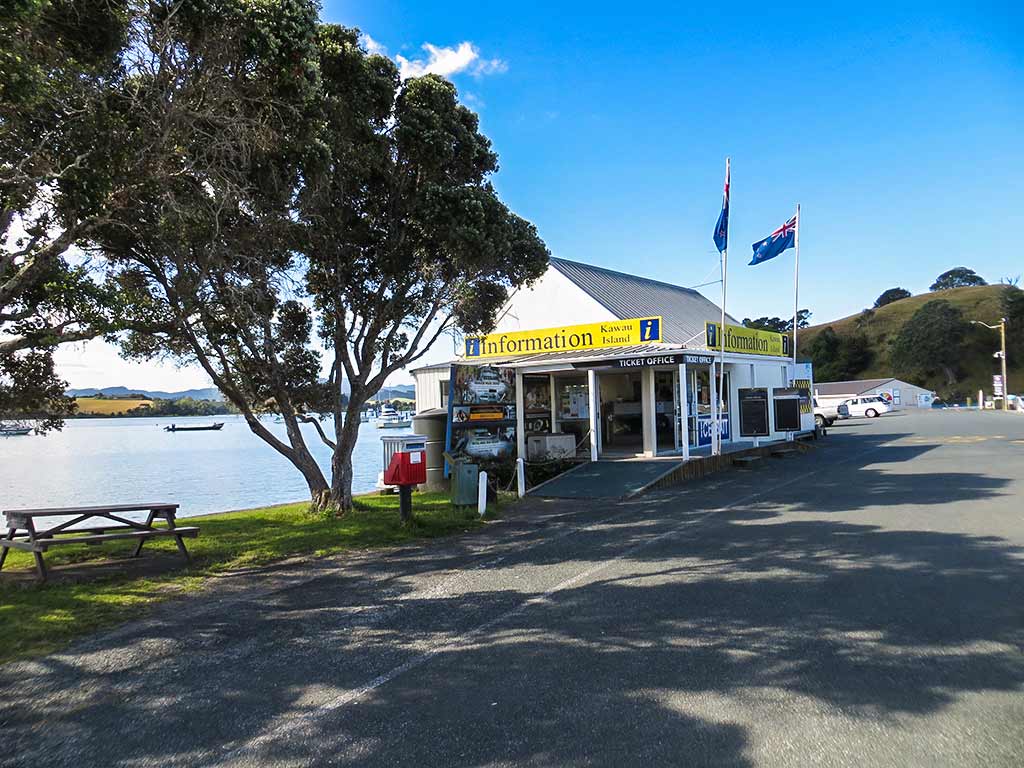
Sandspit is also the location of a small ferry that goes to beautiful Kawau Island, and some of its residents keep cars at the marina so they have transportation once they get over here. That would definitely be an example of the good life: a home on peaceful and magical Kawau Island, trips to Matakana for shopping and errands, and Auckland an hour away when one feels like visiting the big city.
Next up, we planned to head to the south end of the Matakana Region to more of the seaside areas. –Cyndi
Our anchor windlass has been slowing down for a while now. I took out the motor and had it checked and was told it was like new. Voltage drop?
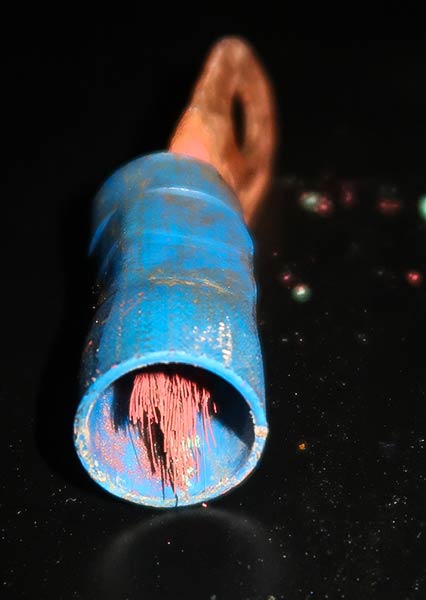
Yep, that’s what it was. I measured the voltage drop across the various cables while bringing up the anchor (to load the winch) and found that we were losing almost two volts across the ground cable. Usually, that’s just a bad connection, but in this case, the problem went deeper.
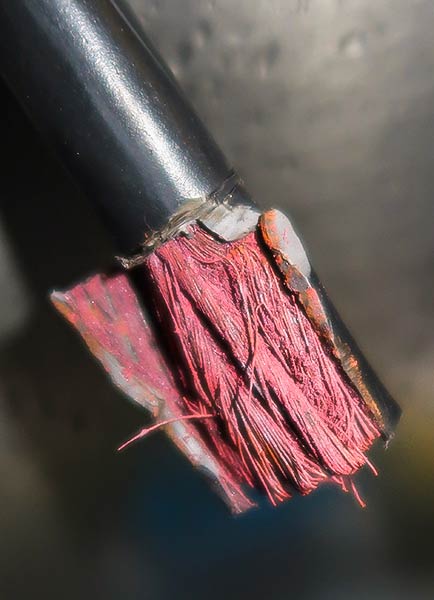
The end pulled off the cable without too much difficulty – a bad sign! The wire inside was like powder. In this situation, I’d usually just cut a little wire back a little and put a new fitting on the end. With the severity of the corrosion, I had a bad feeling about this solution. I cut the wire a few meters from either end and this is what I found…
I’ll need to replace the entire cable all the way back to the batteries. Yuk. I guess I’m glad we found it before it failed and we had 50 meters of chain to pull in by hand! -Rich
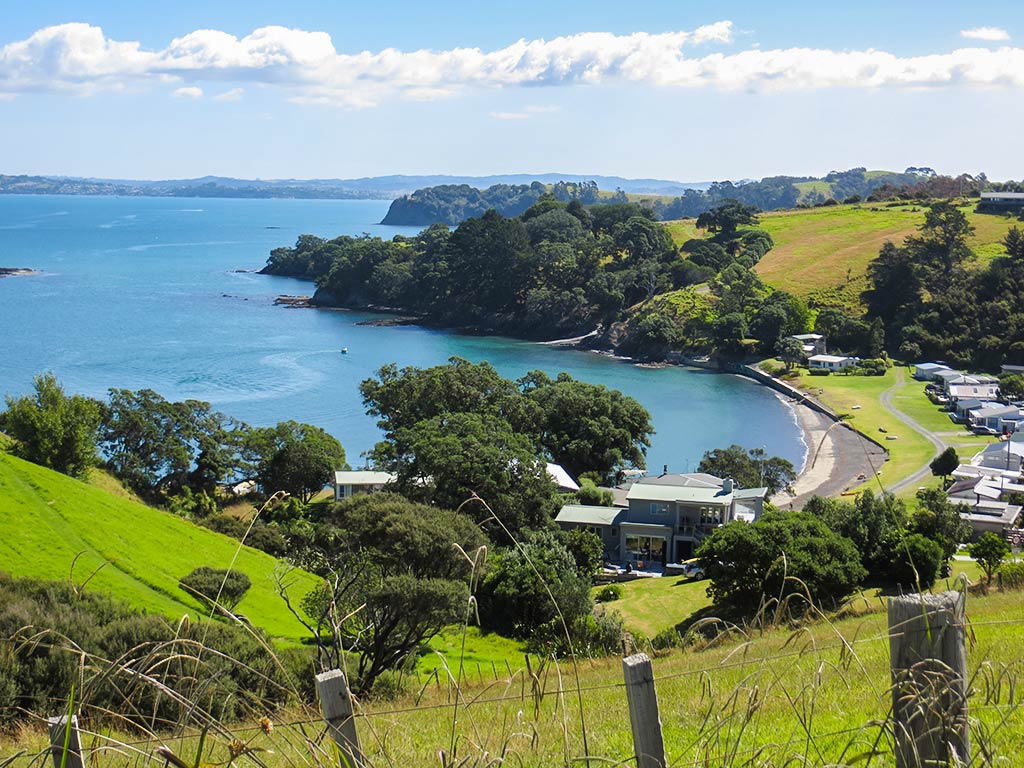
The Matakana region lies about 40 miles north of Auckland along the north Haruaki Gulf coast. While it serves as one of Auckand’s bedroom communities, you’d never know it to look at it. Instead of the expected suburban sprawl, it’s an area of scenic countryside. Here, grassy hills dotted with trees and vineyards overlook a picturesque coastline, while the islands of the north Haruaki Gulf lie in the calm waters just offshore. Below, a map of the area
The area’s towns include the quaint historic village of Warkworth and the tiny country town of Matakana. The area’s many galleries, craft studios, and a famous sculpture trail give the area an arty vibe, while the seaside towns of Sandspit, Snells, Omaha, and the stunningly pretty harbor of Mahurangi East lend to the area’s maritime feel.
Then there are the reserves, including Tawharanui Regional Park which has been cleared of pests and repopulated with rare native parrots seldom found on the mainland, and the remarkably lovely Goat Island Marine Reserve. In all, this area is a treasure trove of wonderful things to see and do. I would sum it up by describing it as the mainland’s answer to Waiheke Island. We had one day to see it, a rather ambitious plan, and I hoped we could fit it all in.
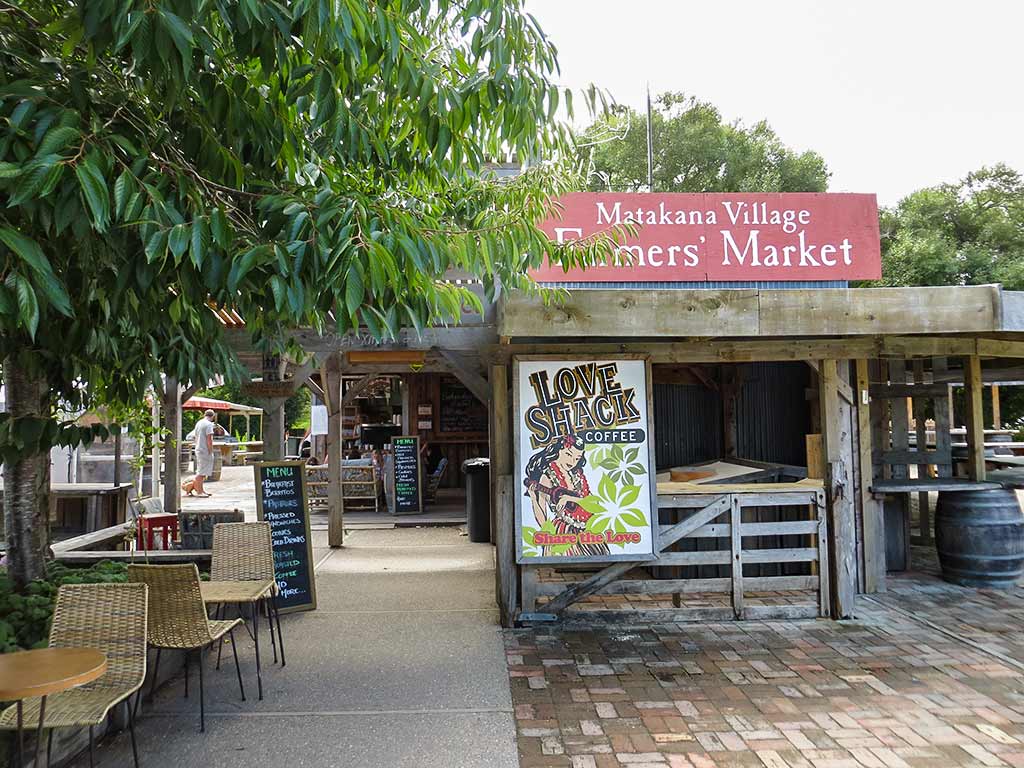
We started our tour of the area with a visit to the town of Matakana, surprisingly small considering it’s the namesake town for the region. Our destination was a place called Matakana Village, a former lumberyard that had become the site of a world-class farmer’s market. Soon added to the market was a village complex, specifically designed to capture the country, artsy feel of the area. Included were several specialty shops and an impressive arthouse cinema. The town may be tiny, but the Matakana Village Farmer’s Market has become a big weekend draw for Auckland’s residents and visitors.
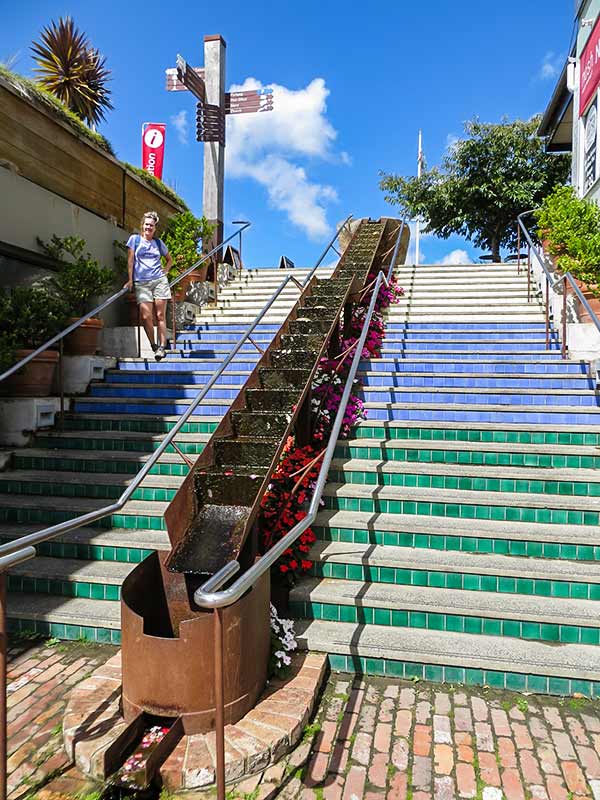
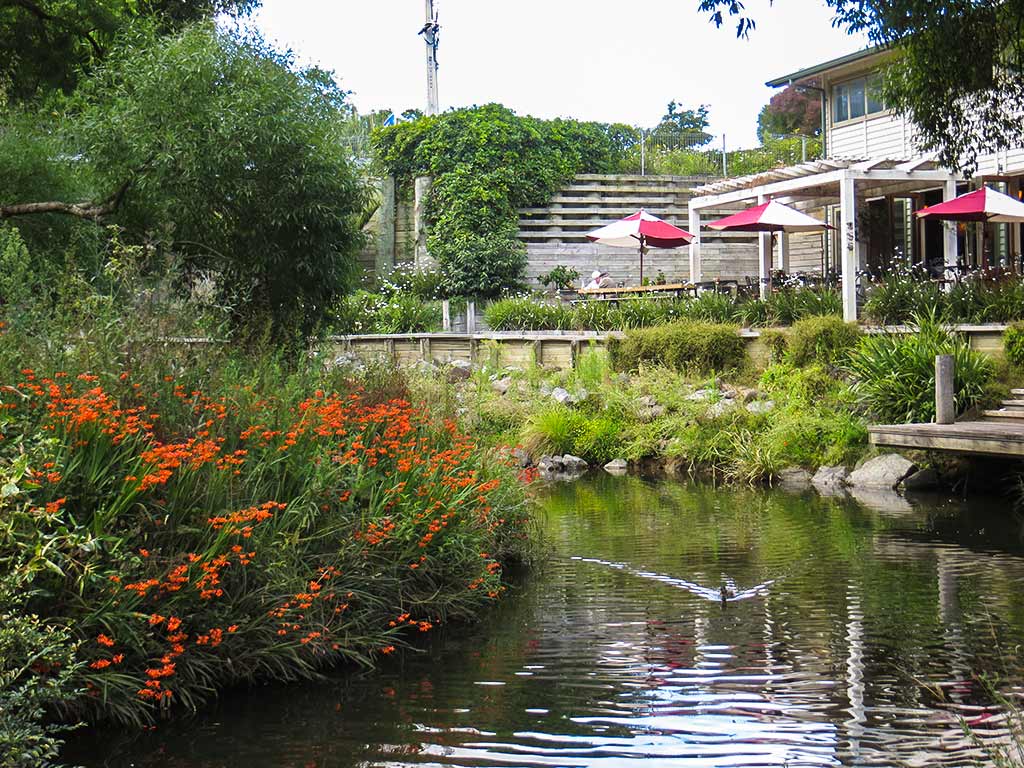
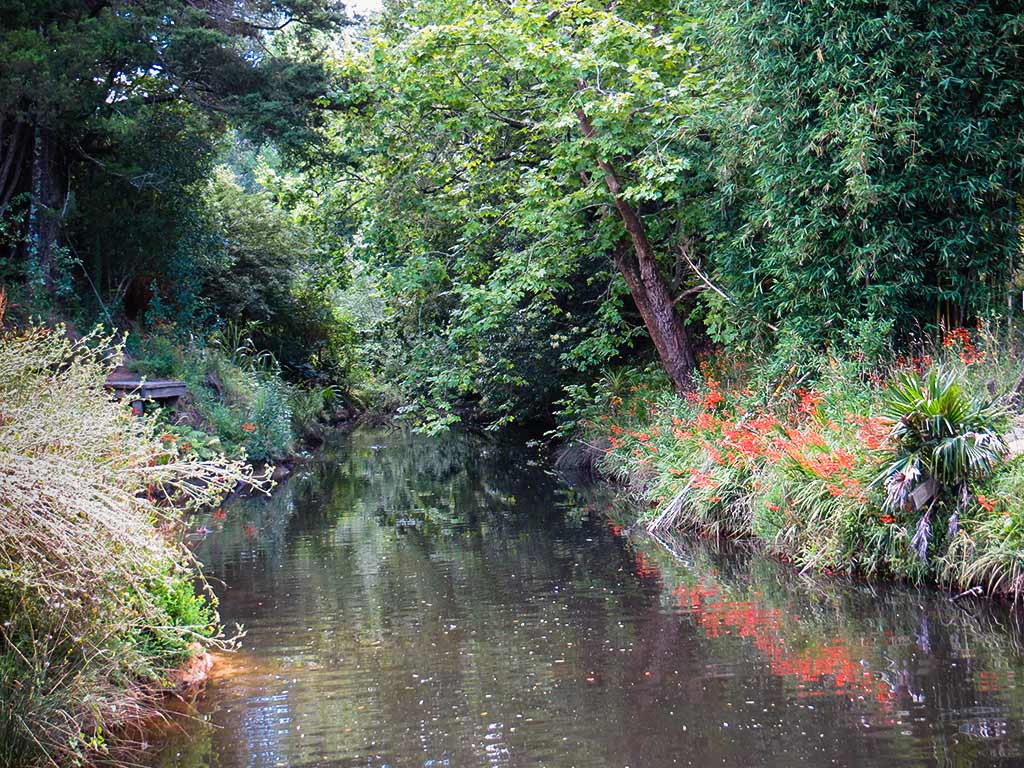
Our main destination in the Matakana Village was a coffee place called The Love Shack. Bypassing the street-level shops, we headed down a flight of stairs to the lower level, an area laid out just above a calm, winding river. What a beautiful place they’d created here, with lots of wood beams, corrugated metal, old barrels, and brick patios combining into an attractive outdoor seating area snuggled at the base of a hill.
We ordered coffee drinks at the Love Shack, then headed down some steps to the river-level deck where we could feed the ducks. This place felt like an oasis of peace and calm, and I couldn’t help but fantasize about living here, enjoying my morning coffee at the Love Shack and visiting the ducks at the river. It’s one of those places that you just don’t want to leave. I wished we could stay longer, but we had a big day ahead and lots to do. Below, a photo gallery of Matakana Village (click to enlarge and scroll though).
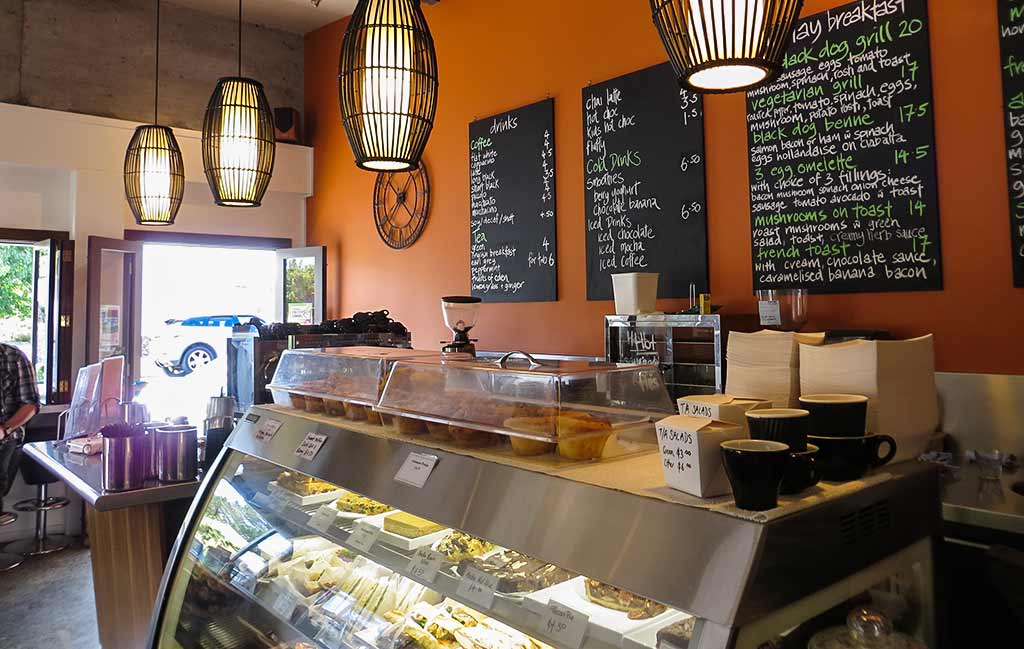
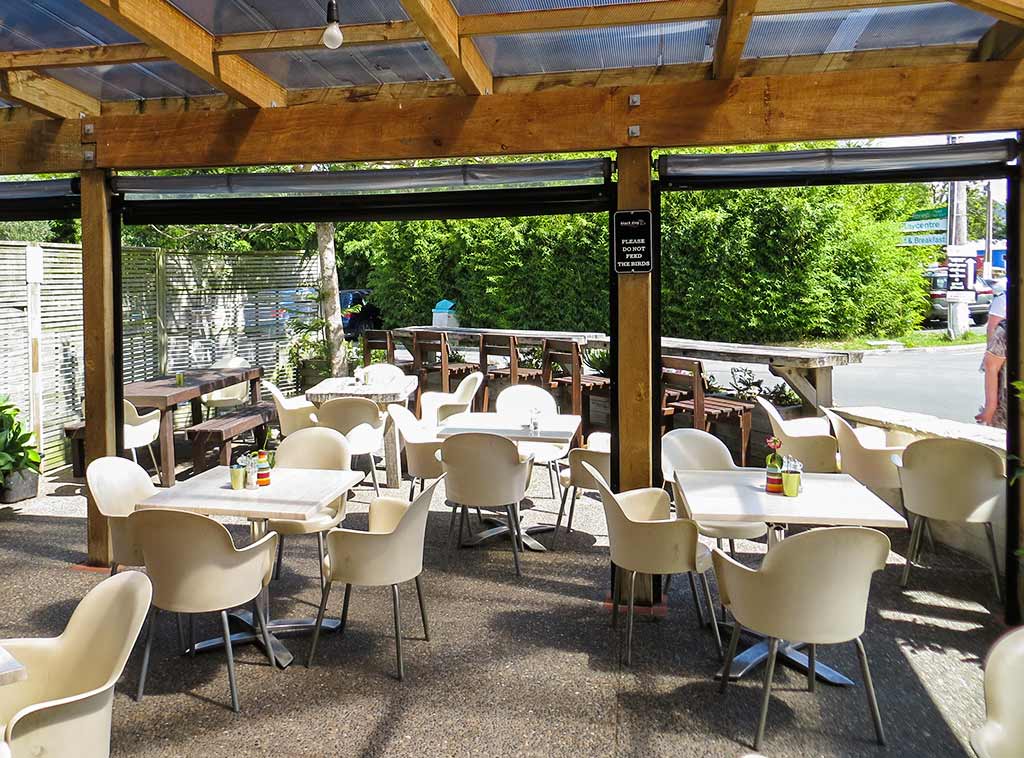
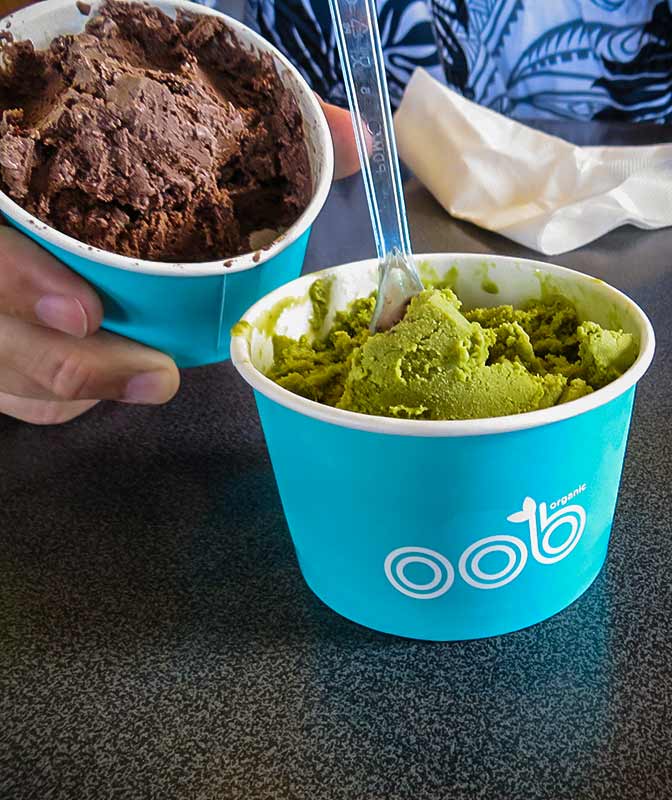
We headed upstairs to look at the shops and visit a place called Oob, famous for its ice cream. We weren’t disappointed; the ice cream was amazing. Now wanting more coffee for the road, we headed to a cute cafe on the main street called the Black Dog before getting in our car and driving to a seaside region called Leigh.
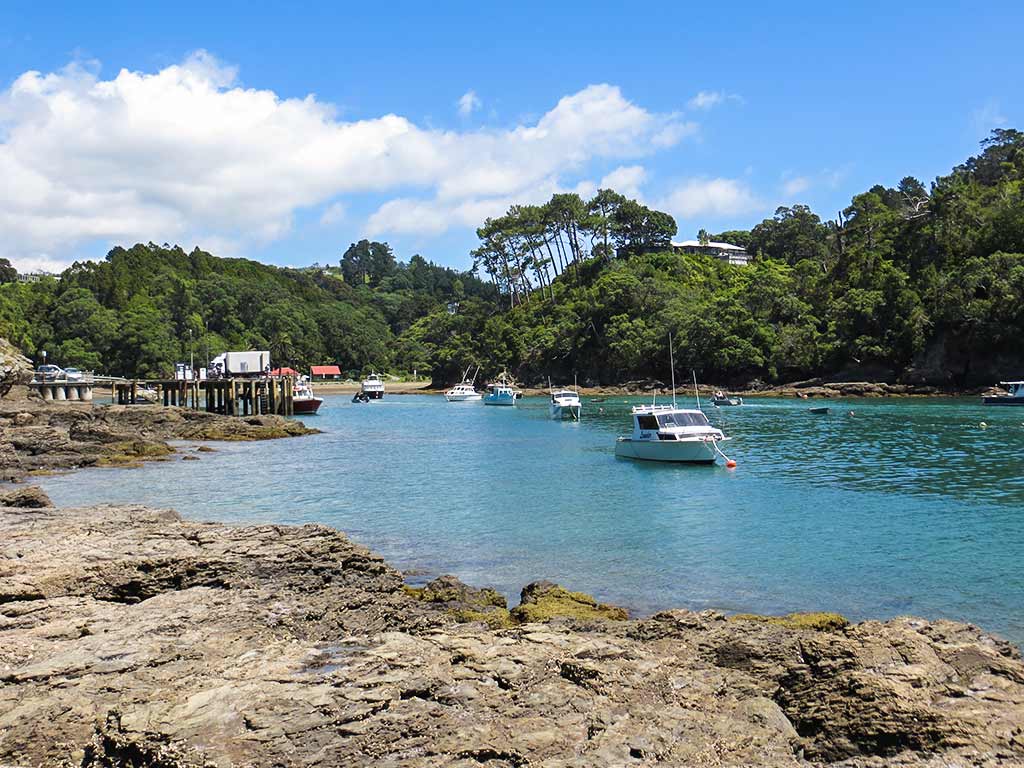
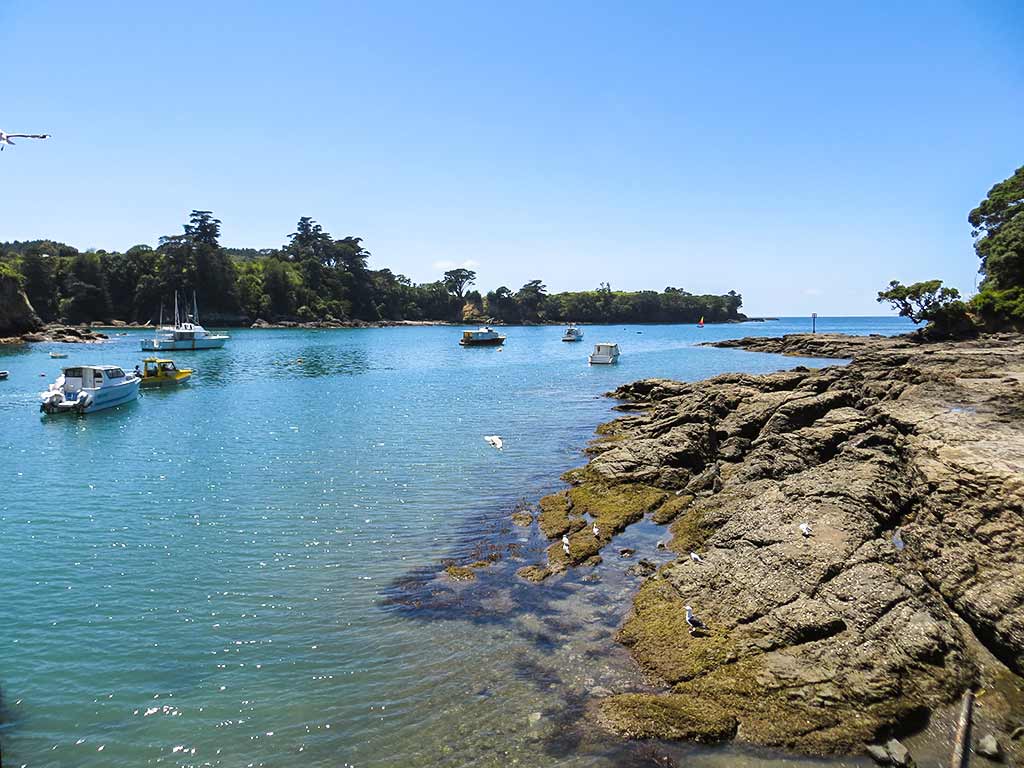
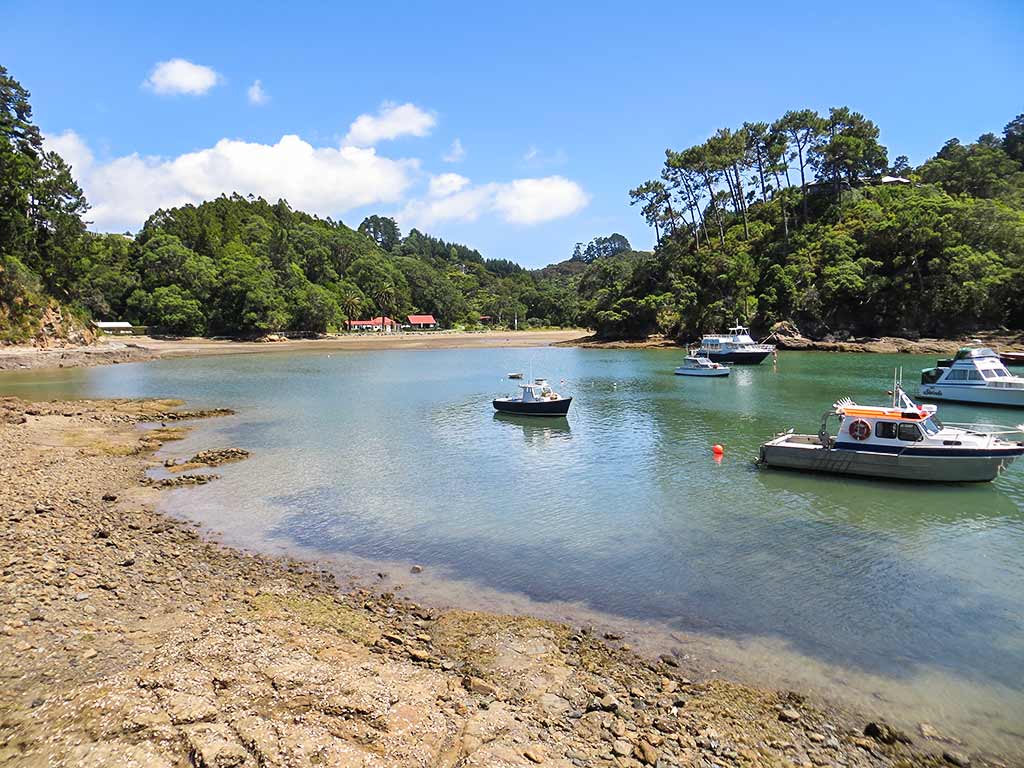
Our first stop was a place called Omaha Cove, a place I hoped to anchor on a future trip down the coast. It was picturesque, very reminescent of Maine with a black rock coastline and moored fishing boats. It looked like it might be challenging to find room to anchor; so I was glad we’d come to see it from land.
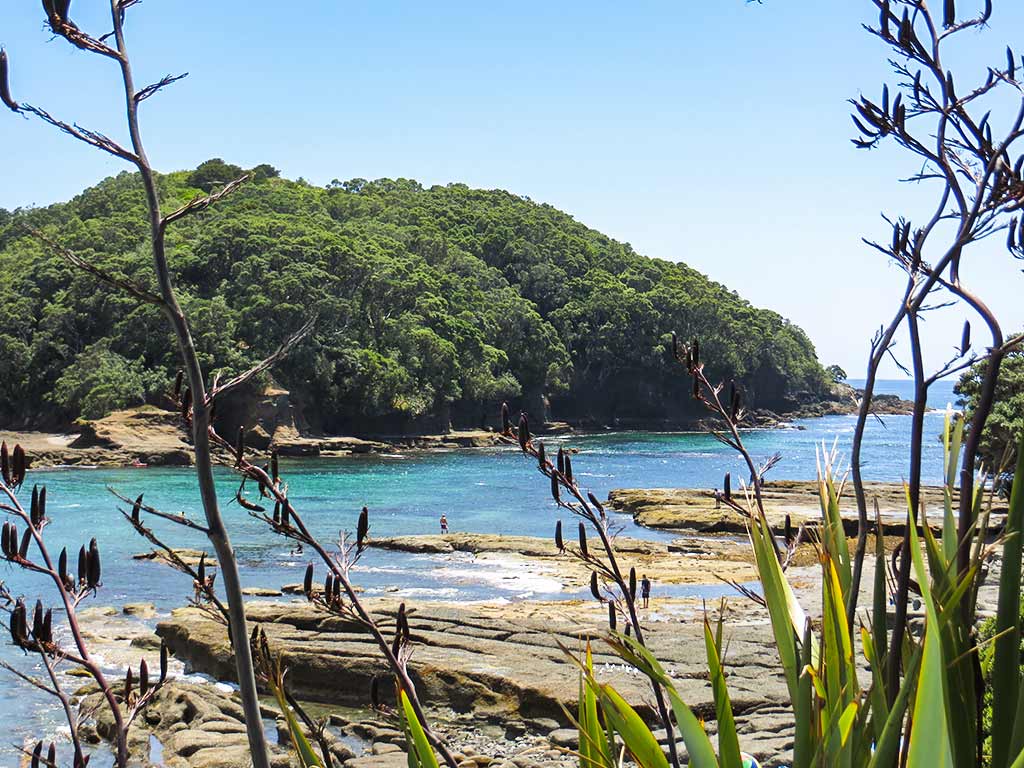
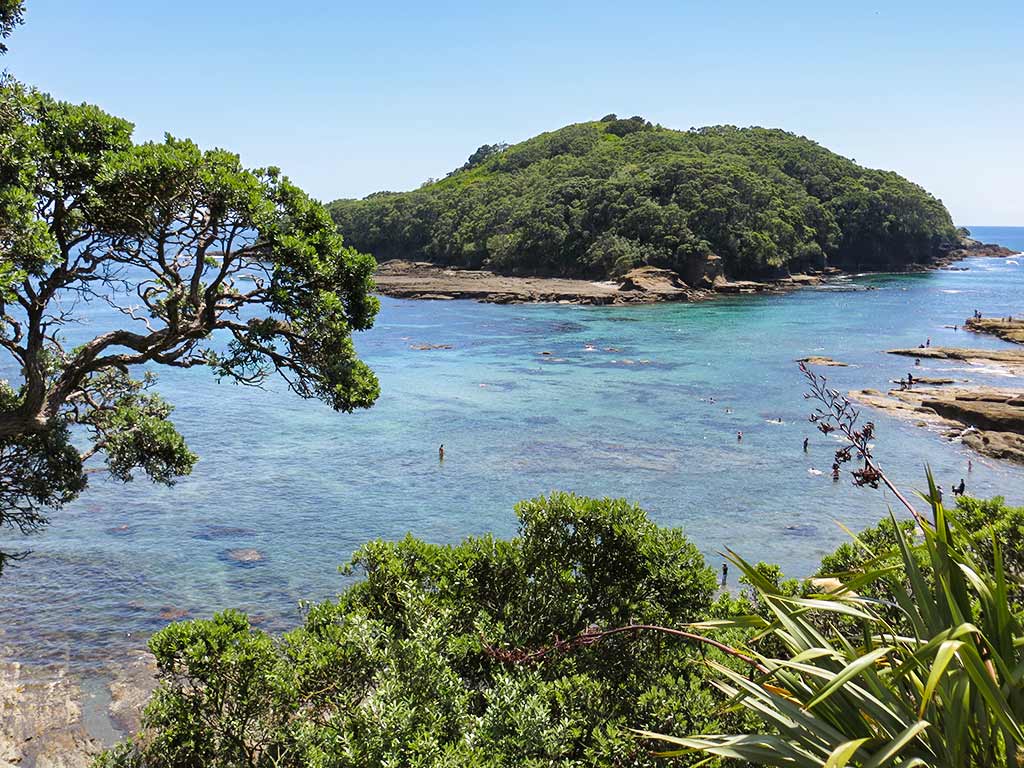
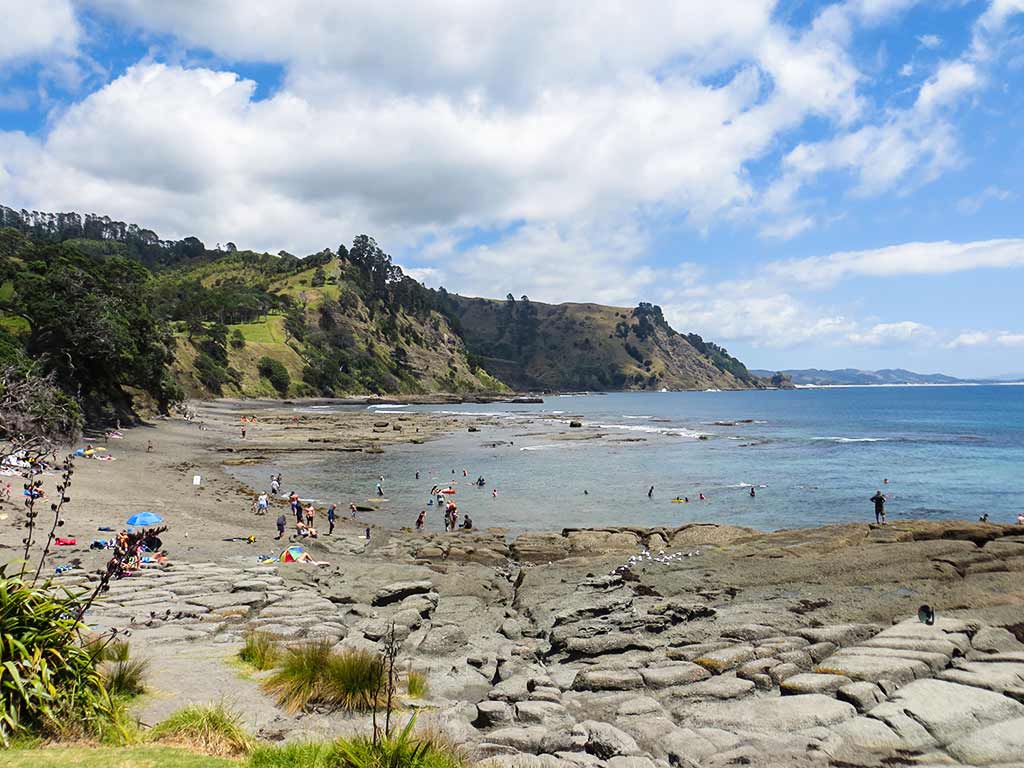
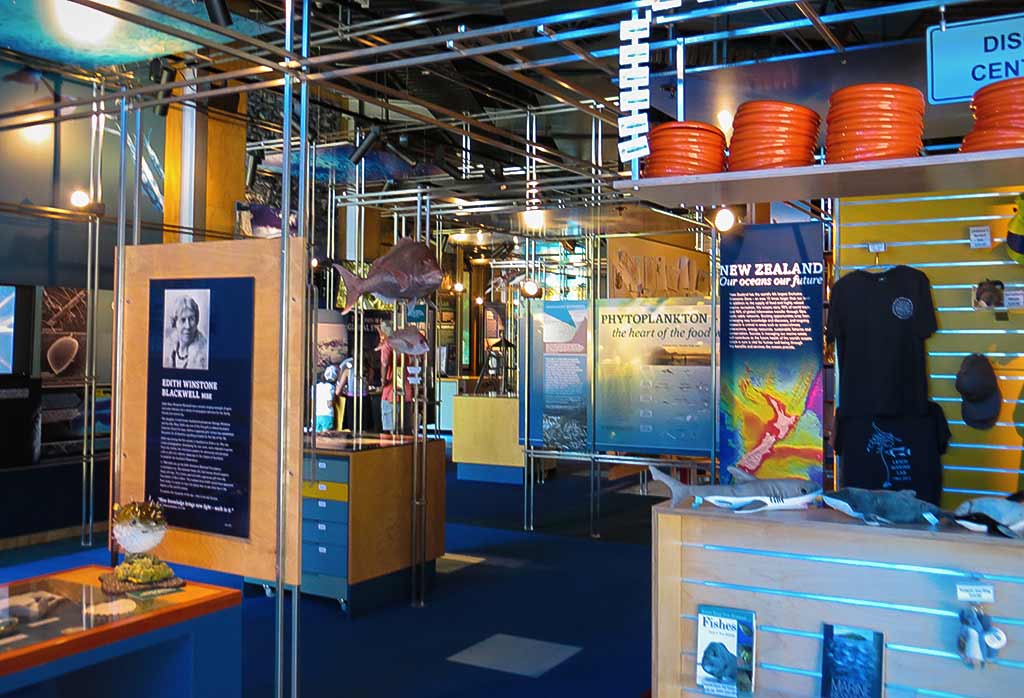
Next, we headed to the Goat Island Marine Reserve. I figured most of the attraction here was underwater as it’s famous for snorkeling, but I wanted to see it anyway. What surprised me was its beauty above the water, with an island just offshore and a large area of shallow turquoise, aqua and green water that looked more typical for the tropics than New Zealand. The scene was strking and very unusual looking. We made a quick visit to the Marine Discovery Centre which was interesting, but I have to say the draw for me was scenery—the island close enough to swim to, the blue-green water, and the grass and bush hills that overlooked it.
I had a plan for lunch, a place not far away called the Saw Mill that was known for its pizza. It was nice inside, but in spite of very few customers, we found ourselves being ignored. I have learned over the years that once this tone is set, the wait staff almost never redeems itself. I don’t know why that is, but it’s true. It’s like they let you know early that by not paying attention to you, that even when they do “get to you,” they will forget your water, your extra set of cutlerly or plate, your second drink (costing the restaurant money on this one!), your dessert menu, your check, or anything else you ask for. It’s sometimes true that initially-attentive service can slip into non-attentiveness after you’ve eaten your meal, but never does non-attentiveness become attentiveness. I saw the writing on the wall and suggested we leave. (Interestingly, talking to friends later who’d also visited Matakana, we learned they had an idential experience to ours at the Sawmill, to the point where they, too, decided to walk out.) So, this was our one bust for the day, but our next stop made up for it. (Below, a few photos of the countryside drive to the Sawmill. Note: I don’t mean to tell anyone not to go to the Sawmill-hopefully it’s better managed now.)
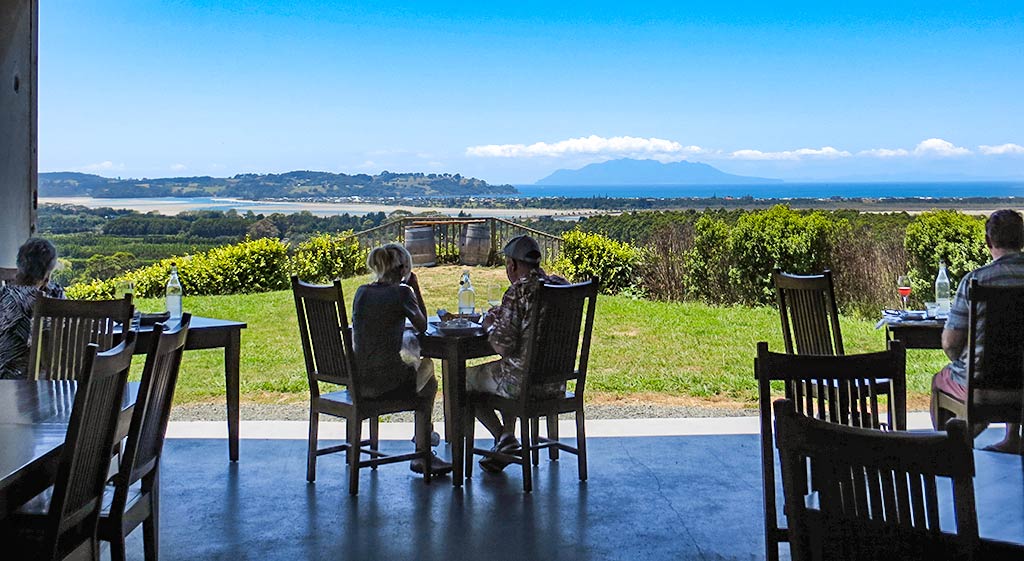
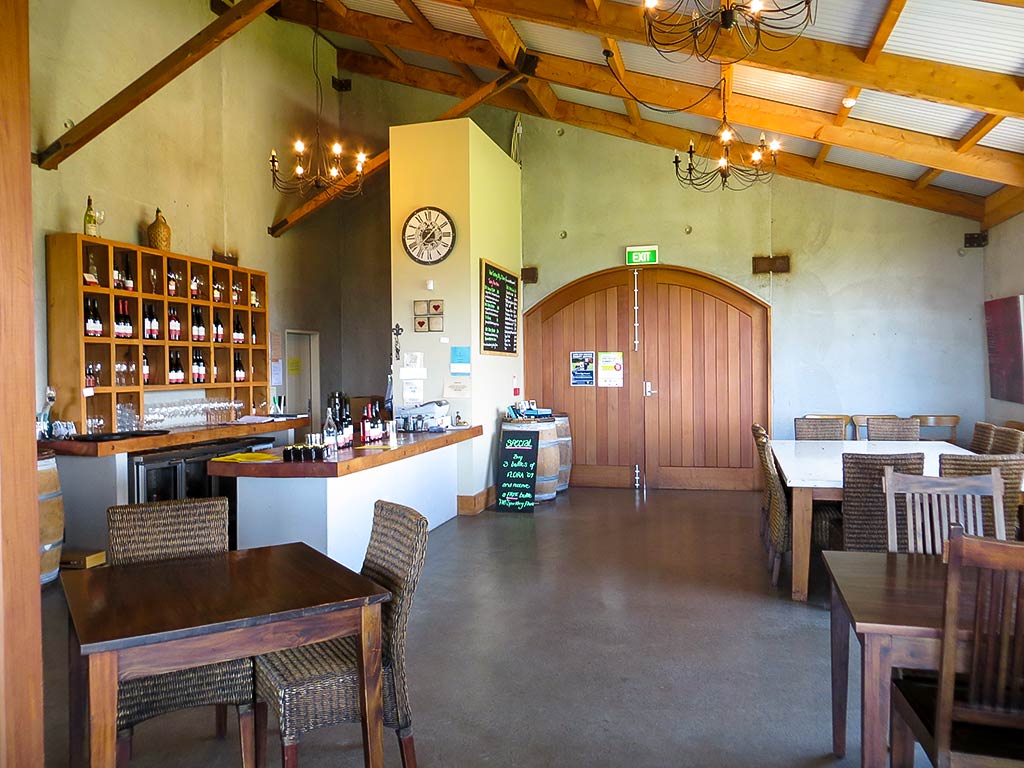
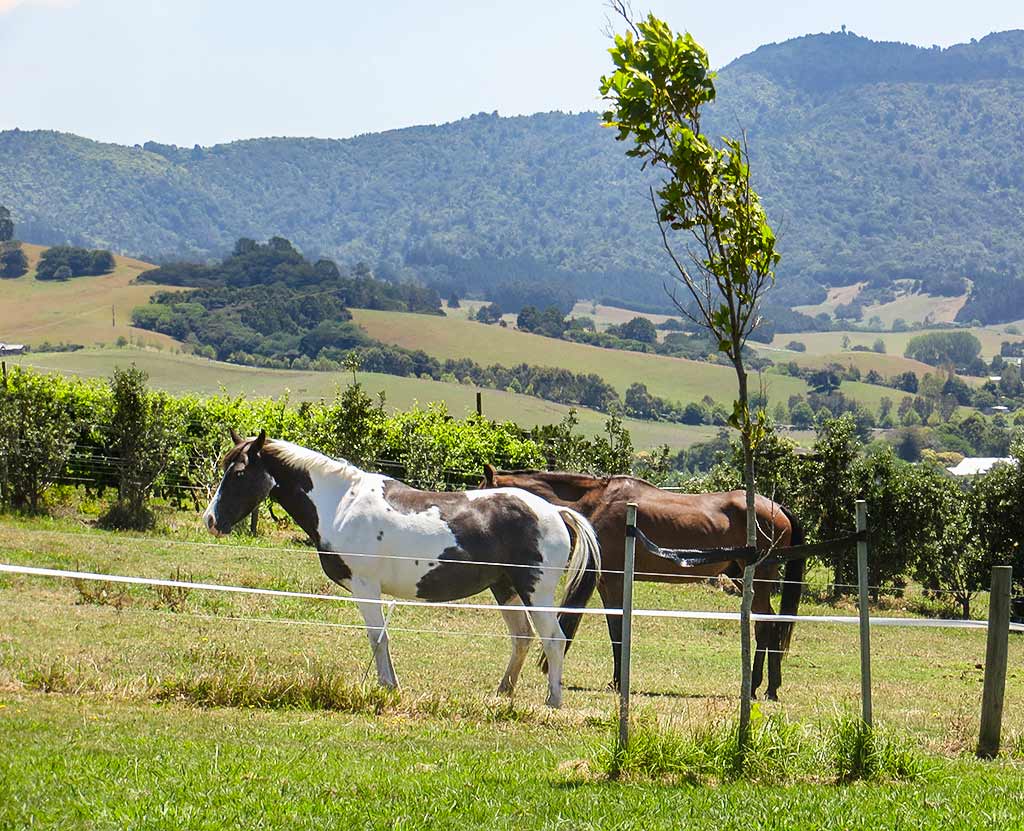
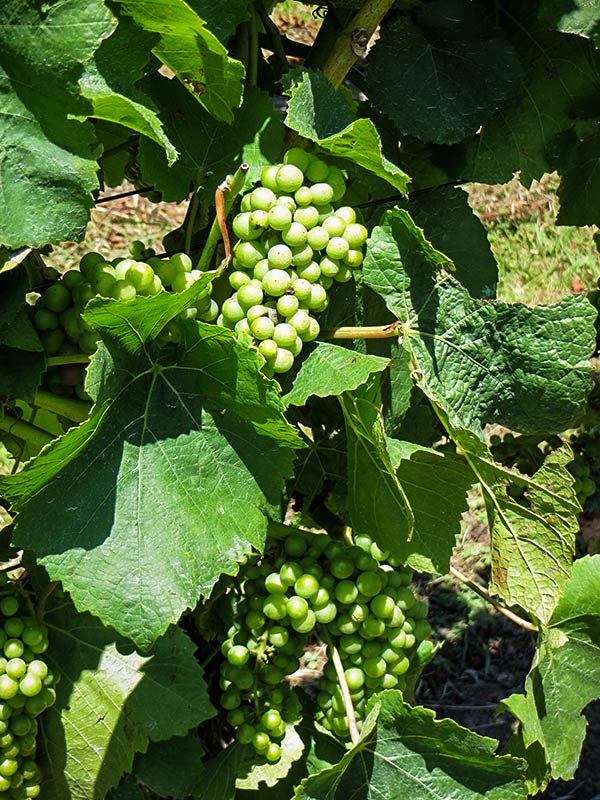
Next on my agenda was a visit to a couple of the area’s wineries. One turned out to be closed, but a place called Omaha Estate was open. We headed up the drive to an impressive hilltop vista with views of the ocean and countryside. We went in to do a tasting and, now hungry, were thrilled to find they had nibble-filled tasting platters. We took a seat in the dining area where a glass wall opened to let in fresh air and amazing views.
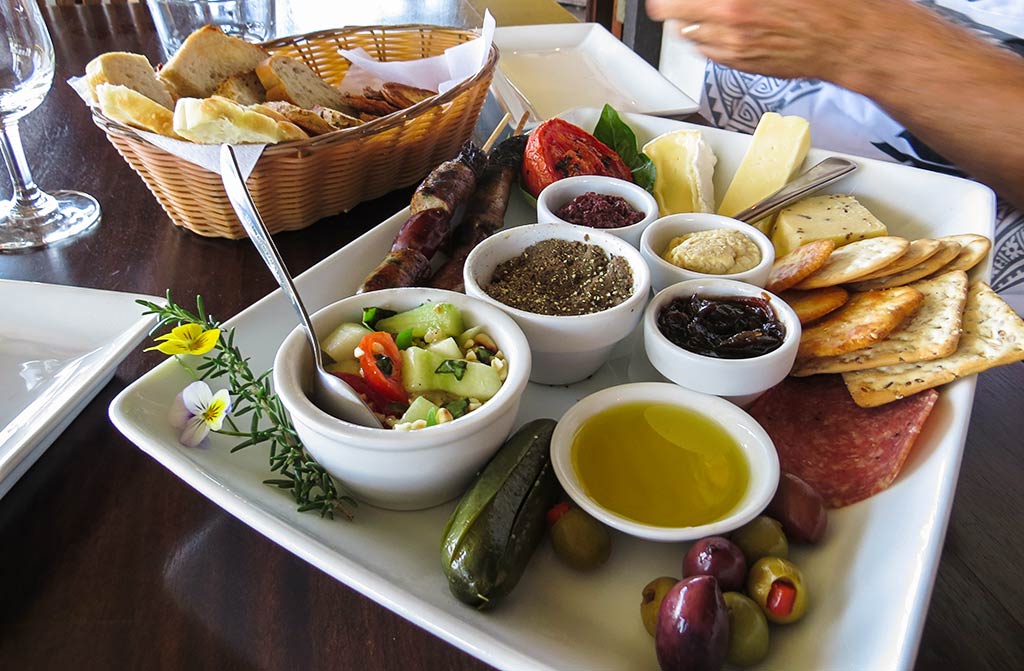
We were able to taste 5 wines, and our shared a platter consisted of breads, cheeses, olives, salami, pate (the best we’ve had bar none!), chutney, hummus, tempanade and olive oil, plus some sausage and date kebabs. It was fabulous! What a treat to have this wonderful food and wine and along with such a superb view.
Below, a panoramic view from the winery (click to enlarge).
View from Omaha Estate
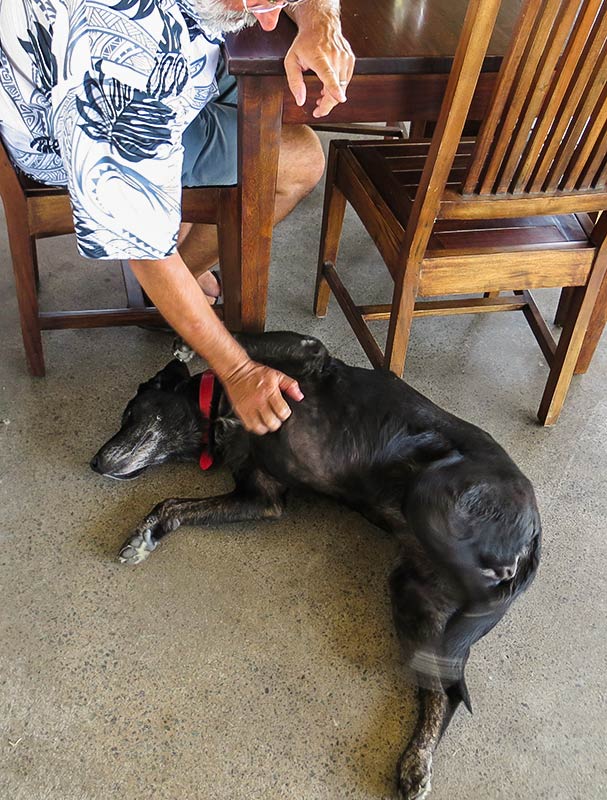
On top of that, the winery had a dog, a big black lab who came over for petting and to observe us eating. This was perfect, a quintessential New Zealand winery experience! I’d felt tense after the Sawmill experience and anxious about fitting everything in today, but the wine and the setting relaxed me and took my cares away. If we didn’t get to it all, we’d just have to come back, and coming back was seeming more and more like a great idea.
Next up, I had a hike planned, the subject of the next post.–Cyndi.