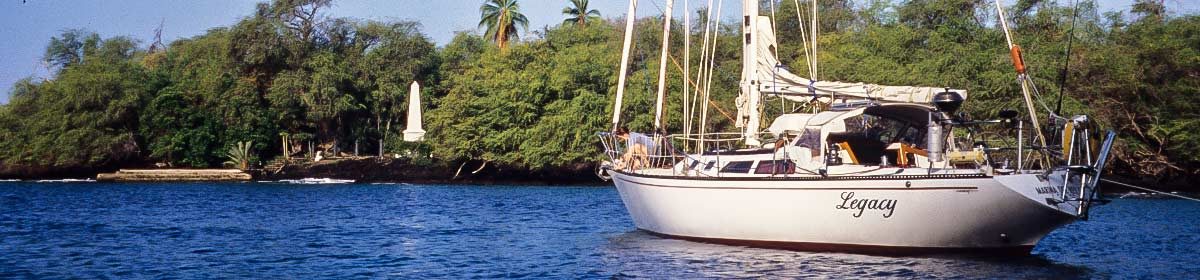
The Royal Suva Yacht Club (Suva, Viti Levu, Fiji)

November 10, 2013

Once we were secured on the mooring, we decided to take our dinghy over to the Royal Suva Yacht Club, a historic building dating back to when Fiji was a territory of England. It’s still operating today and would be our base of operations here in Suva. For this we would pay a fee and sign up for a temporary membership to the club.

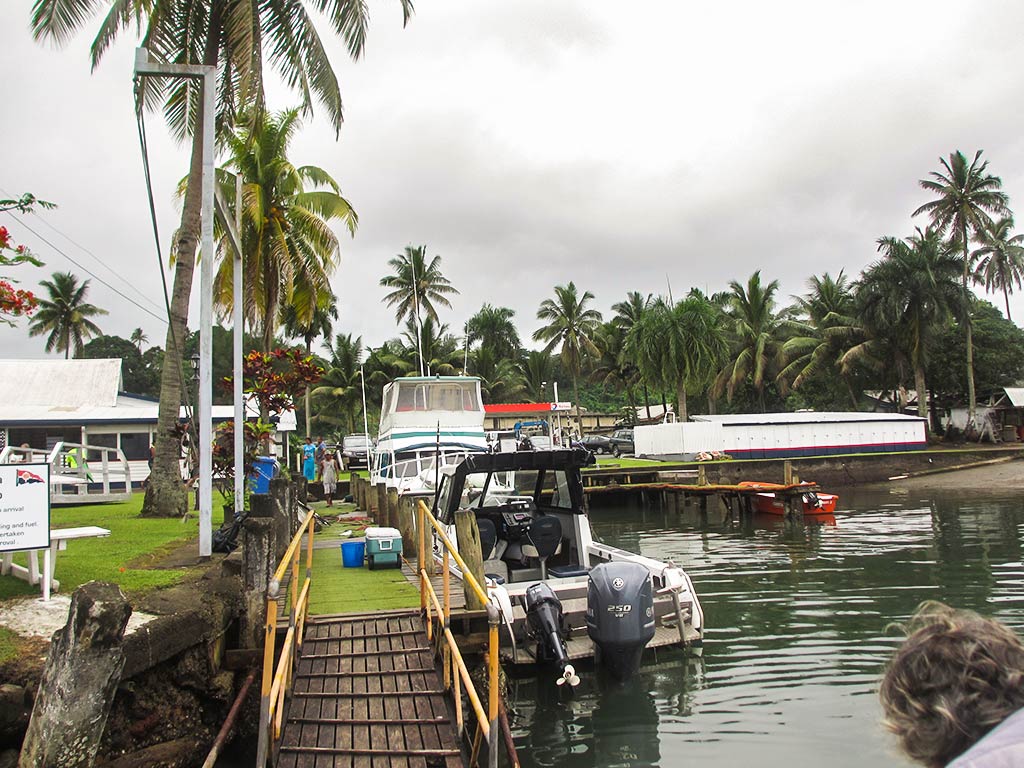
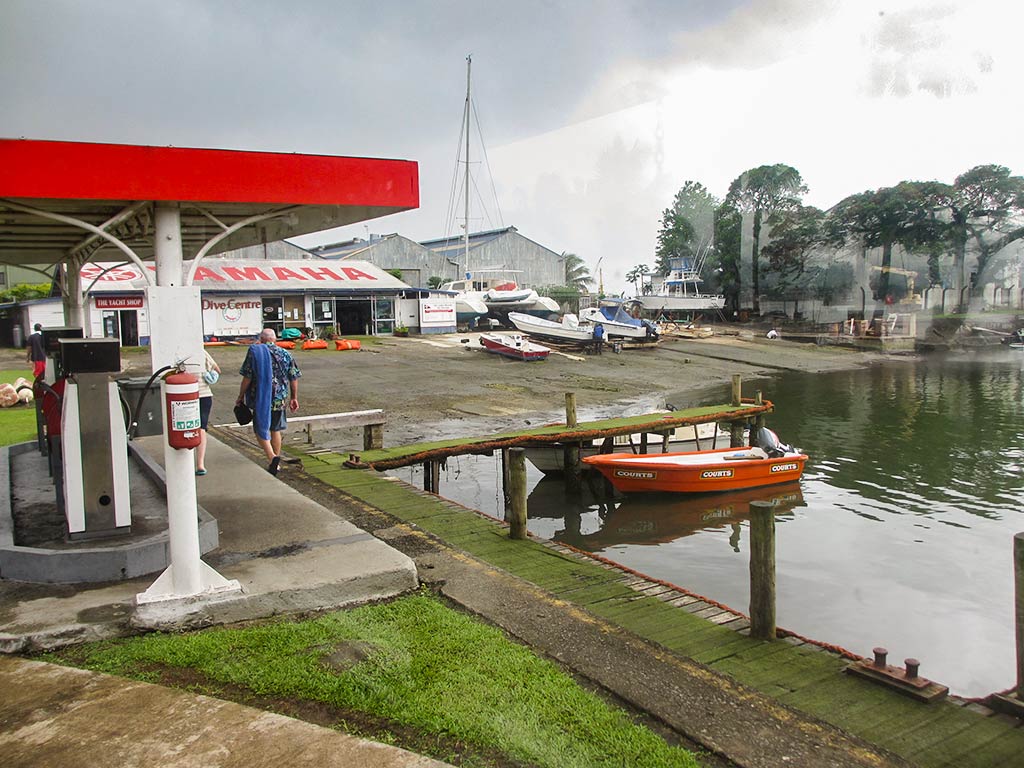
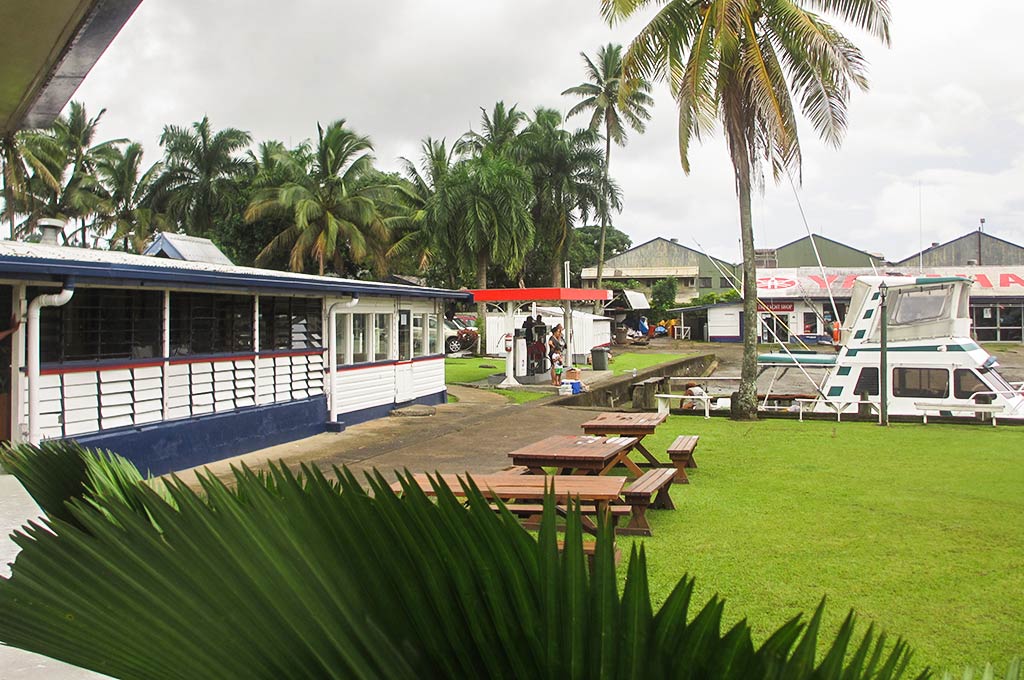
To get there we had to take a somewhat long dinghy ride past a breakwater and through the marina, most boats tied up med-moor style as the facilities weren’t exactly modern. We found the dinghy dock was also on the “historic” side, but at least it was functional. Stepping off from the dinghy dock we could see a fuel dock, handy but not big enough for Legacy to get into. On the far side of the fuel dock was a very small boatyard and marine store.

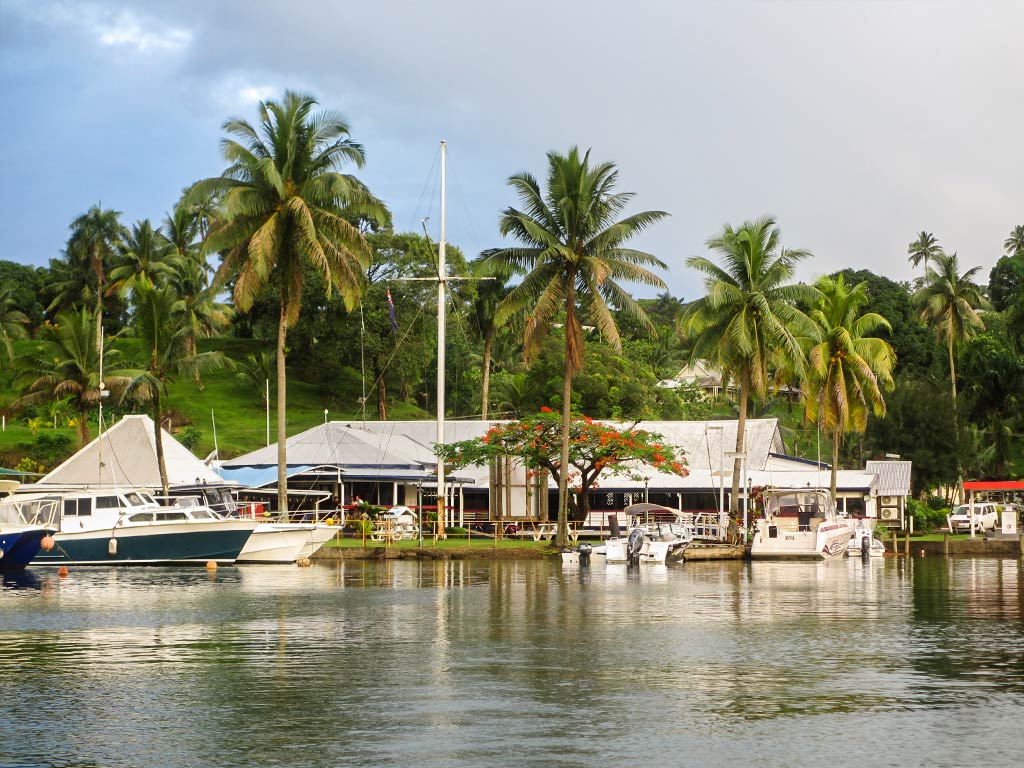
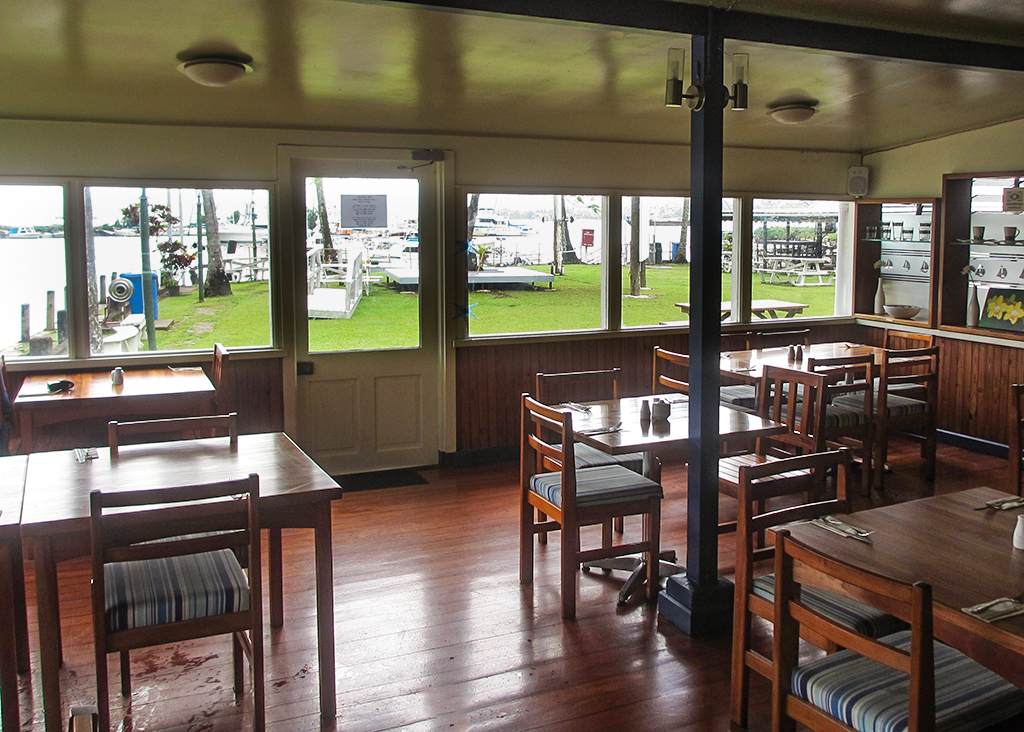
(Below, photo galleries of the marina area; the yacht club and the restaurant; you can click to enlarge and scroll through them.)
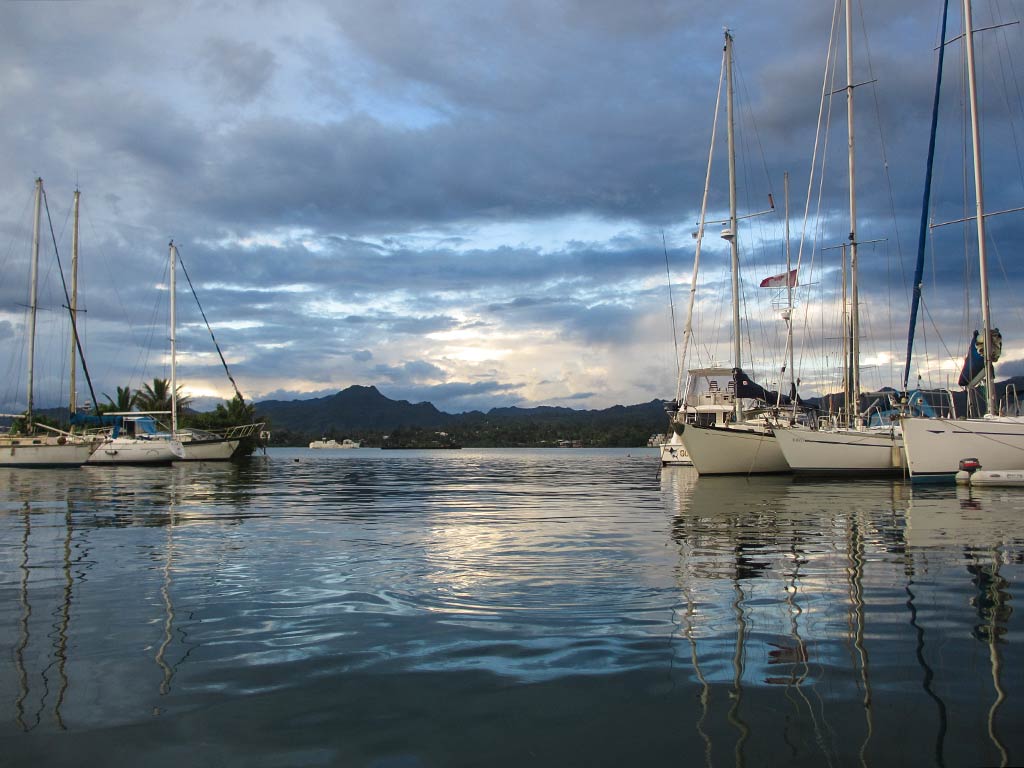
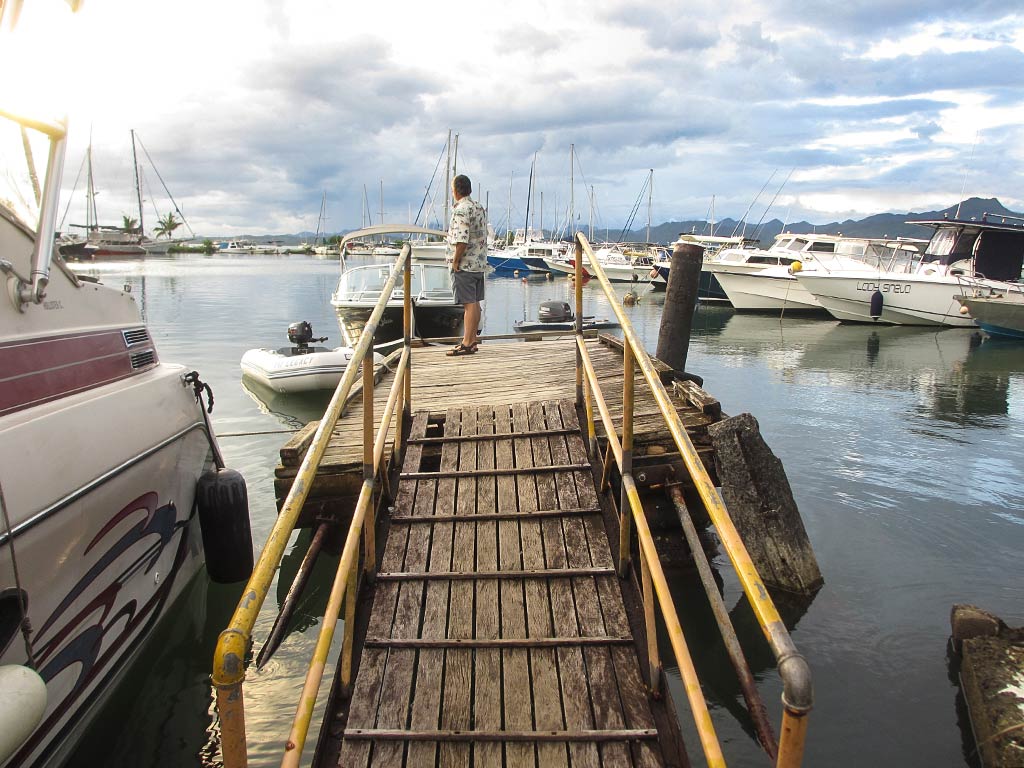
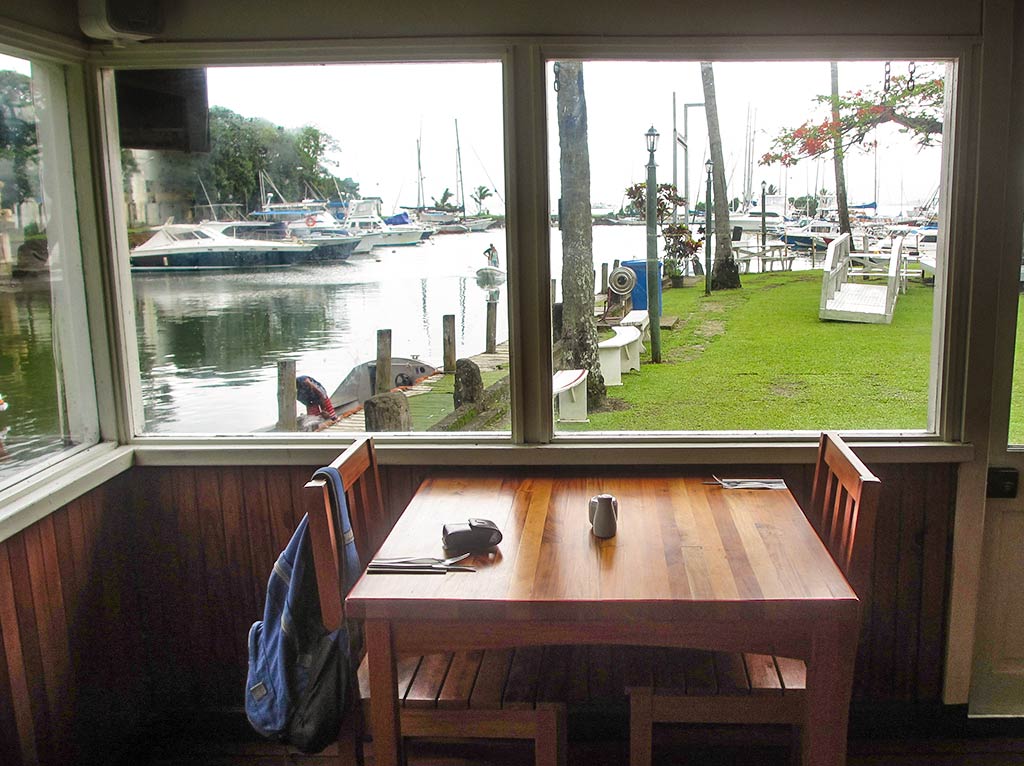
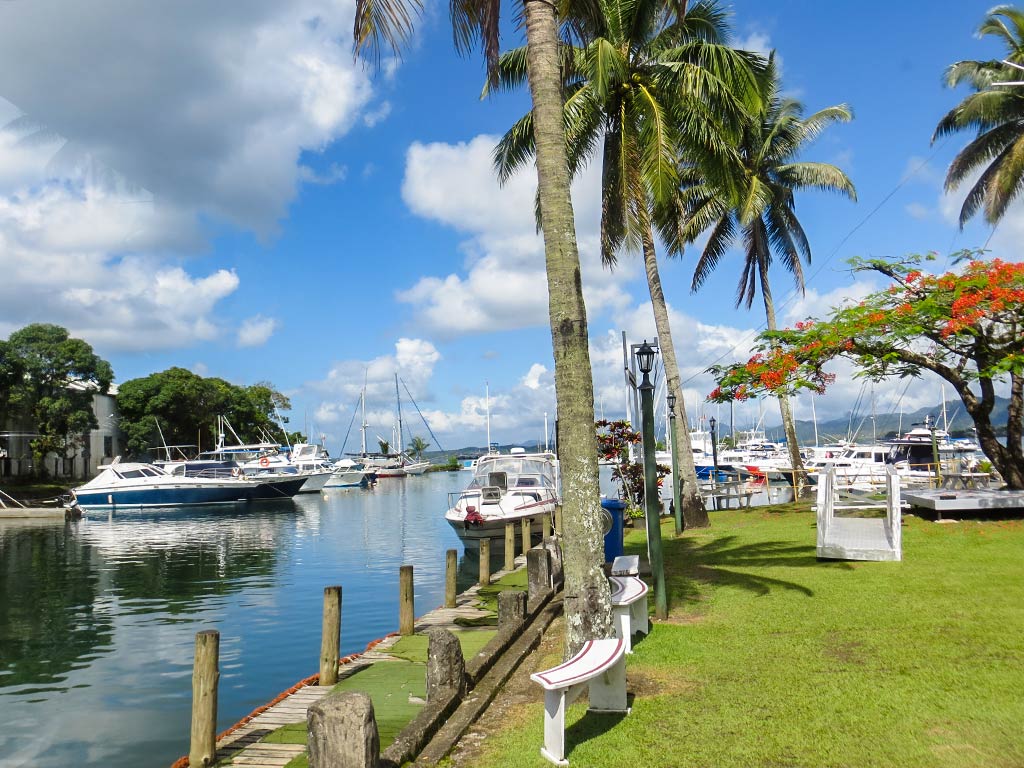
On our side of the fuel dock was the yacht club, built around a well-tended lawn shaded by a lovely flame tree. On the lawn were a few scattered picnic tables and a large screen for projected movies.

The yacht club itself had a large covered outdoor seating area next to the lawn, then a few stairs led up to the indoor bar. Outside the bar was a nice walkway with tables overlooking the lawn. The rest of the building included a rec room with a pool table, a main hall for functions and meetings, a small office, and, most importantly, an attached restaurant. This was not a tropical-style building but rather an old British building, complete with British yachting memorabilia and, naturally, a photo of the queen.
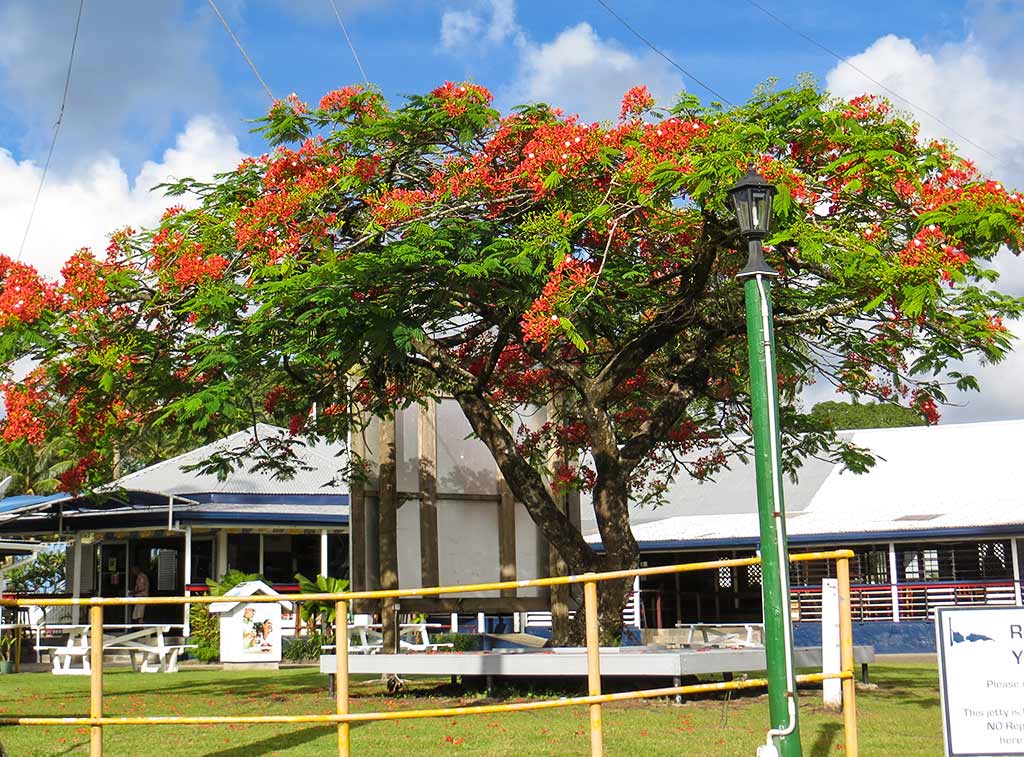
The club also had a few archaic rules concerning their dress code such as wearing “sensible casuals” during the day and “smart casuals” after 6pm (does having a wet-dinghy butt qualify as smart casual?). And males were forbidden to wear hats in the bar. If you forgot to remove said hat, you had to buy a round of drinks for everyone at the bar. (I don’t think they actually enforced this as it would be mighty expensive on a busy night.)

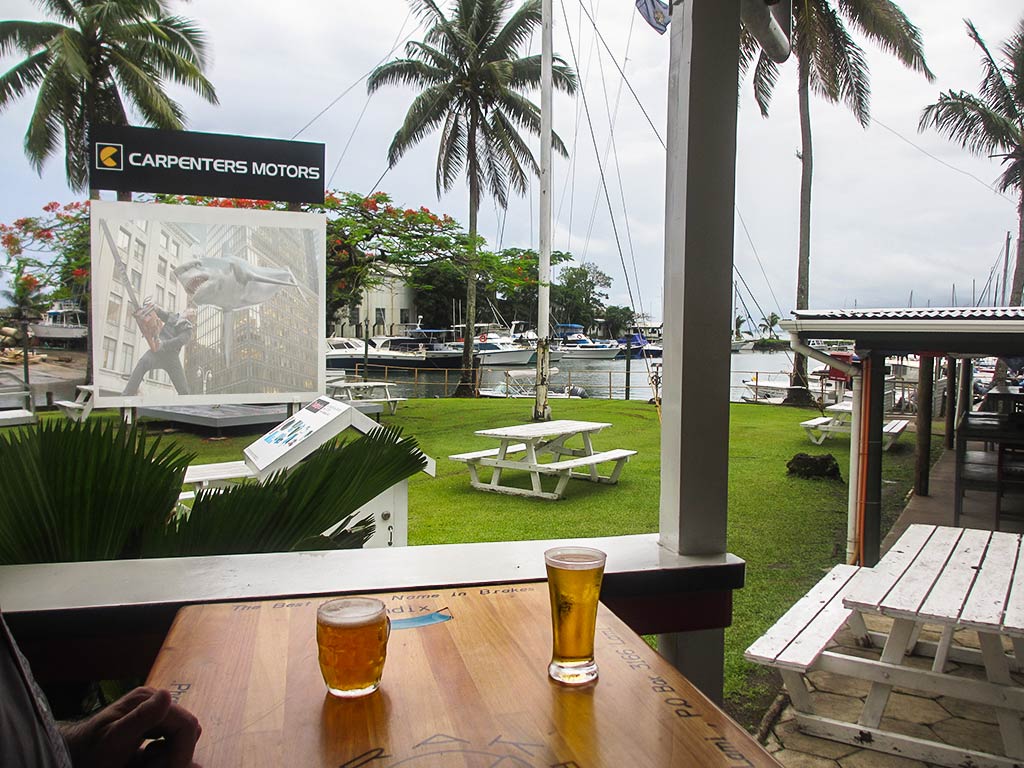
After signing in and getting our membership cards, we had an hour to kill before the restaurant opened for dinner. What a perfect time to go sit at one of those tables overlooking the lawn and enjoy a Fiji Bitter (our then beer of choice). It was a lovely place to sit! This club is actually located on the outskirts of Suva, the busy downtown area a mile way; so the feeling here was quiet and peaceful. The surrounding mountains created clouds that tempered the sun, making the November air cooler and much more comfortable than sunnier areas of Fiji. We hadn’t even made it to the city yet, but we already liked this place a lot.

(Full disclosure: Because our first visit to the yacht club was both cloudy and late in the afternoon, I have used some photos from a sunnier day in the yacht club gallery. The beer overlooking the lawn was real time, but there was no movie playing on the screen; Rich just thought that big white screen would look better with something on it. On the few occasions they did play a movie, you can rest assured it wasn’t Sharknado.)

When the yacht club’s restaurant opened we bee-lined right in for dinner. As yacht club eateries go, this was a casual and very appealing place with a wide variety of choices on the menu. I tried the tostada I’d heard about. British though this club may be, some sneaky American managed to have an influence at some point because this was the classic American version of a tostada, a tortilla bowl filled with Lawry’s-type seasoned ground beef, beans, lettuce, tomatoes, cheese, onion, etc. It was American comfort food and it was fabulous!
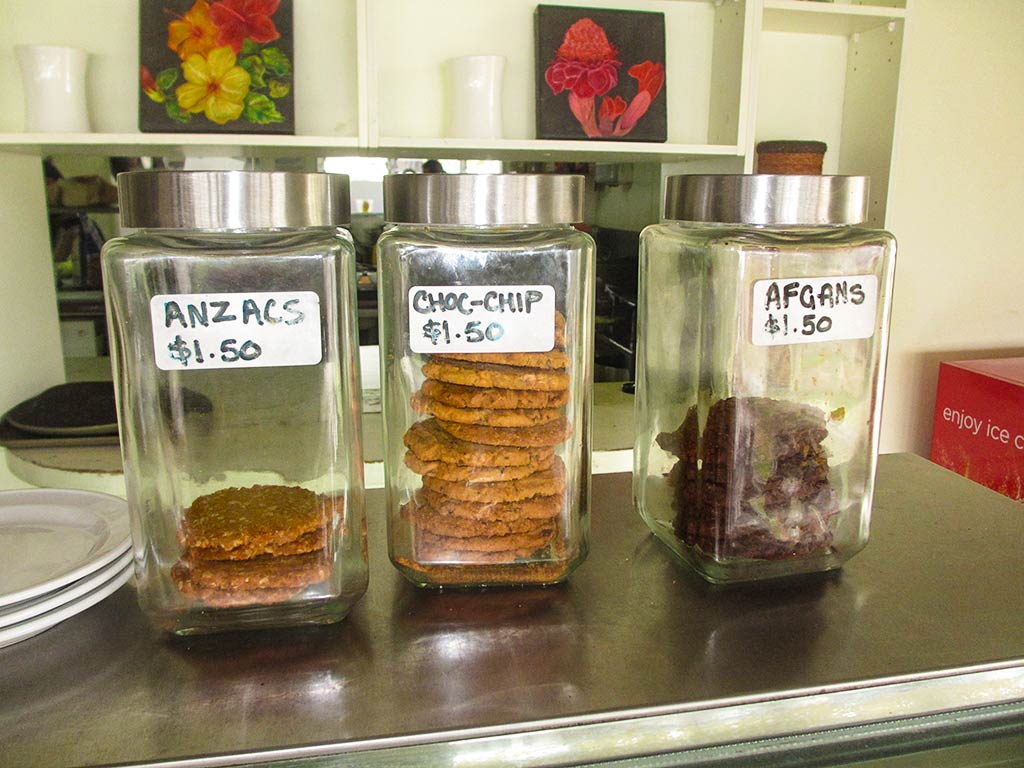
Of course they weren’t going to leave New Zealand out. In countertop jars, alongside the American chocolate chip cookies, were two of New Zealand’s favorite cookies: Afghans and Anzacs. Rich had acquired a strong liking for Afghans, and these were particularly good.

By now, even if we discovered we didn’t like the city of Suva, we could be happy living and eating at the yacht club. But based on some warnings we’d heard, we did decide to take some precautions while anchored in this harbor. They included locking up the boat when we left it, keeping the computer away from our open companionway overnight, and putting our outboard engine and dinghy up on deck every night. We have a place to put our outboard on the railing, and our dinghy actually serves as a cover for our forward hatch so we can leave it open when it rains. Suva is cooler than other areas of Fiji, but it’s still warm enough to warrant leaving hatches open overnight, and it sure is nice to have some cool air coming through that forward hatch even when it’s raining.–Cyndi
Heading To Suva (Viti Levu, Fiji)

November 10, 2013

It was time to head on to our final stop for the season: Fiji’s capital city of Suva. This is a big port city, with all the elements of any large city (shopping malls, government buildings, multi-story buildings, business headquarters, industrial plants, and city-style (enclosed and air-conditioned) restaurants. It’s also a port city with a mountainous and green terrain and a large central market filled with merchants hawking their wares. It has remarkably very few hotels as most foreign visitors come in on cruise ships. People who fly to Fiji arrive at the international airport on the west side of Viti Levu, a long distance away. In fact, most fly-in visitors never see Suva.

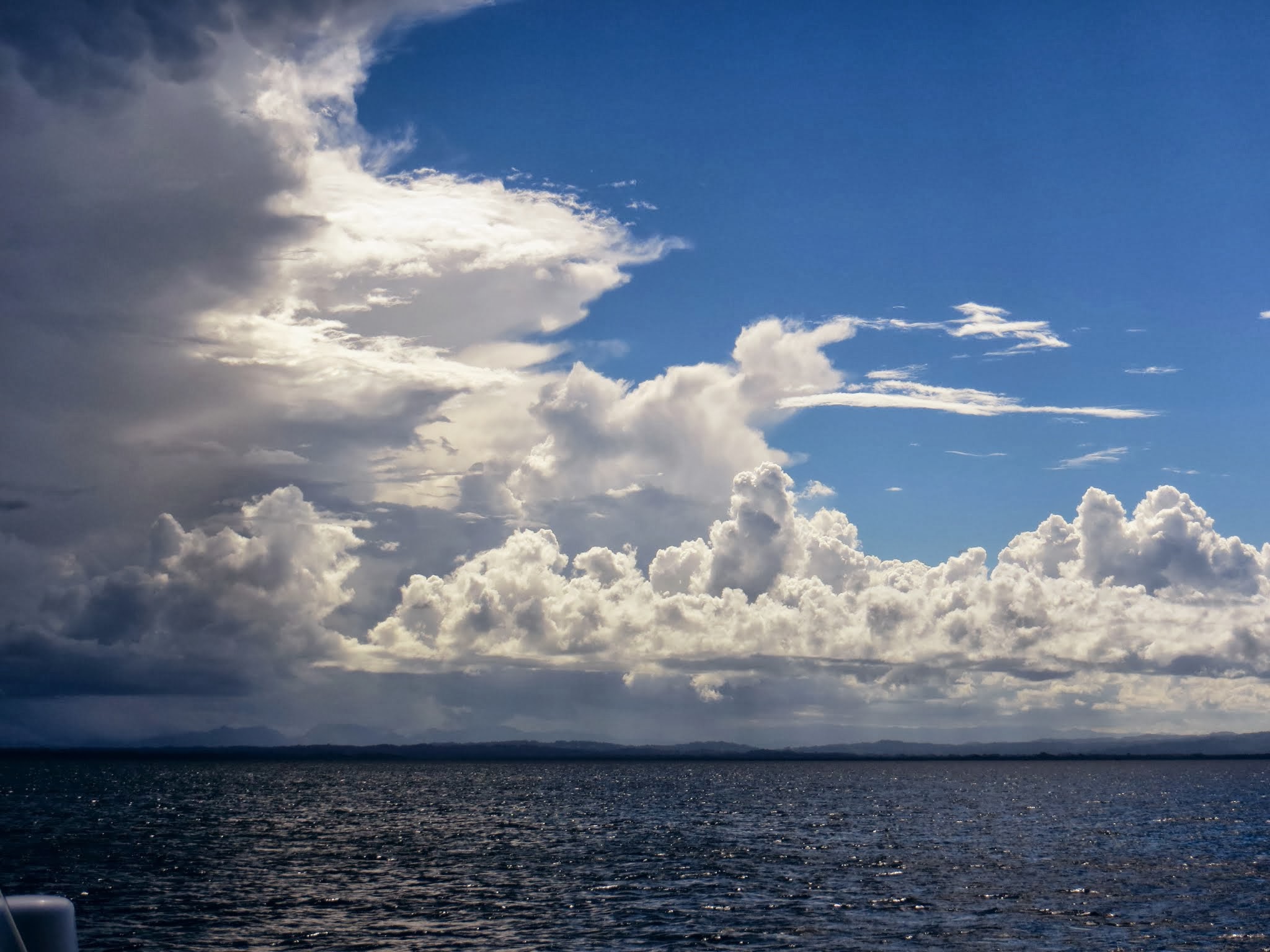
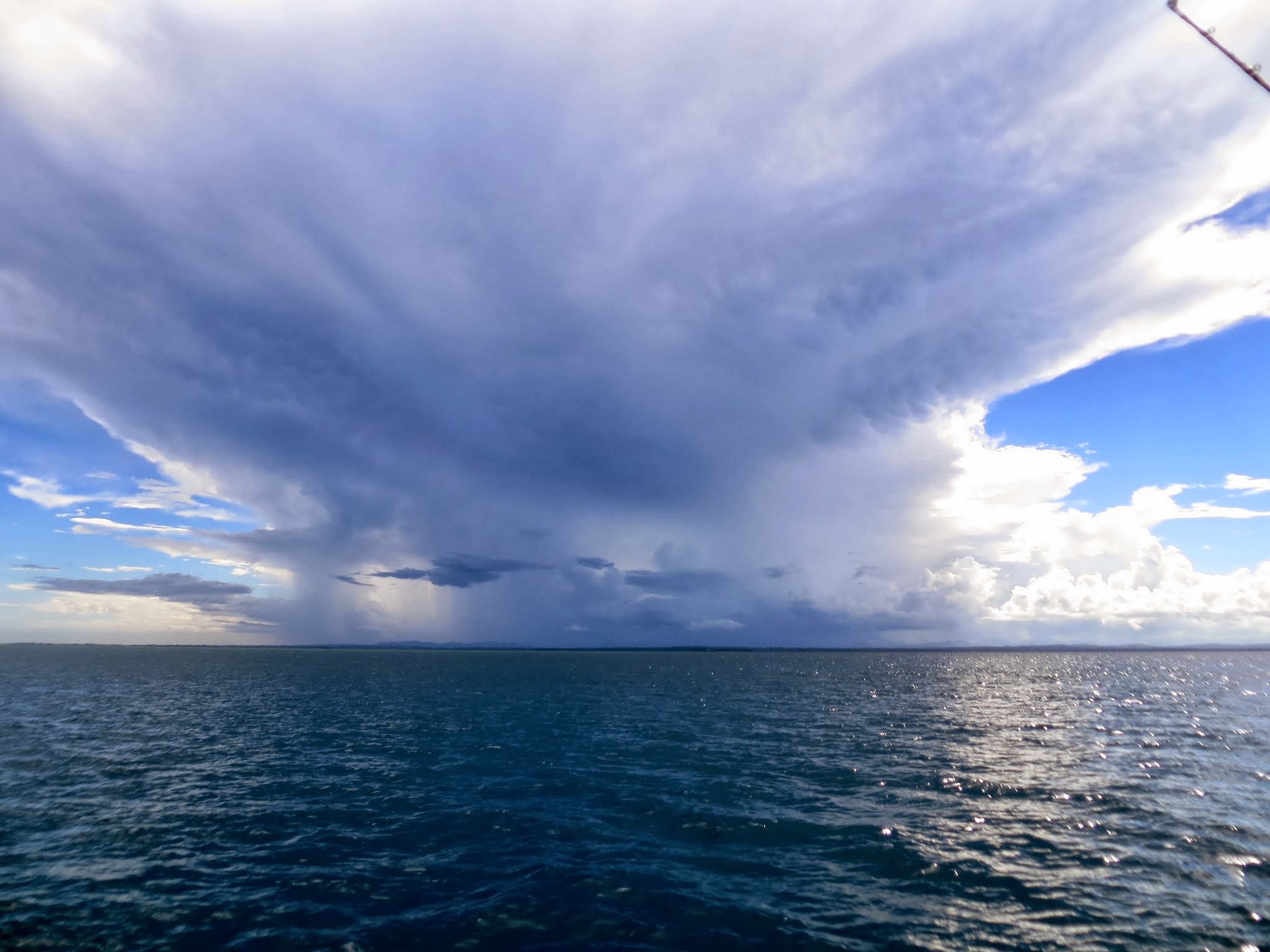
Since Suva is a day-long boat ride from Leleuvia, we had leave early in the morning. The winds were light, but it was gray and squally. The good thing: it was cool. The bad thing: squalls can have strong wind and we wanted to avoid them. In the end we had no squall encounters, but I was worried at times with these menacing dark gray patches looming around us. Below, a map approximating our route to Suva.


We were about 45 minutes outside Suva’s harbor entrance when our autopilot suddenly went out. We had to hand steer the rest of the way, not our favorite thing to do, but we were grateful this didn’t happen earlier in the trip. We did have some rain but it let up and soon enough as we were approaching Suva.

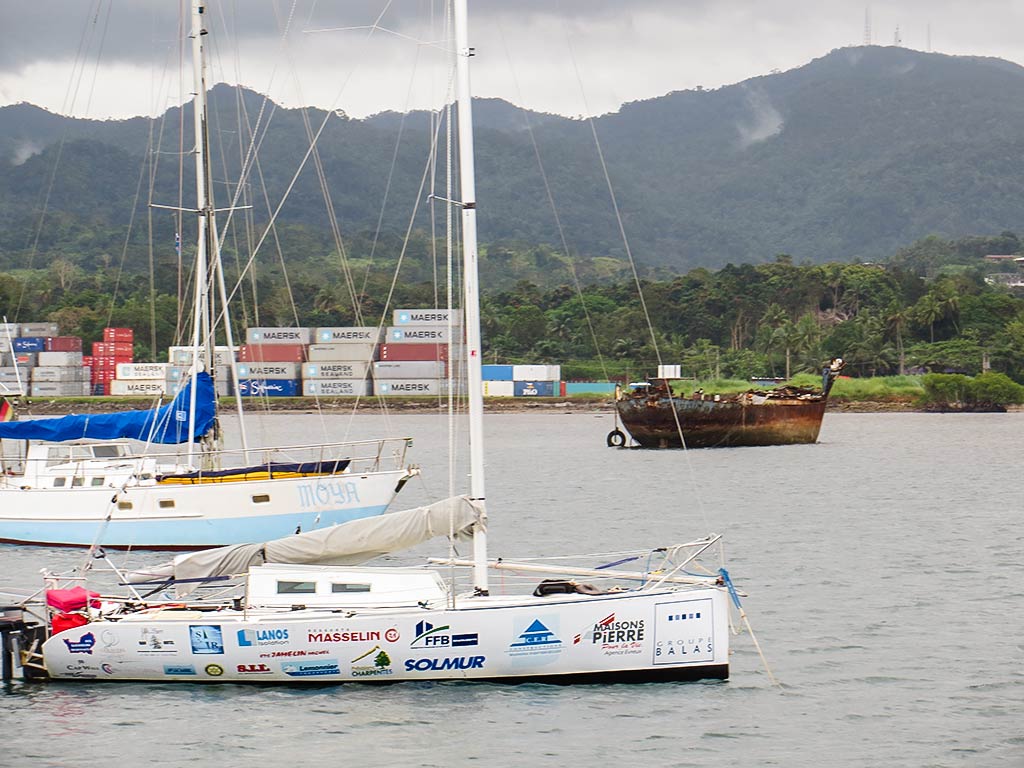
A very large reef protects and nearly encloses Suva harbor, but there’s a pass about a half-mile long through this reef, the Levu Passage. We had to be on our toes while navigating the pass because Suva’s a major port with lots of boat traffic ranging from big freighters to very small pangas, and without our autopilot we had to pay careful attention to the markers on the hillside. Rich focused his attention on maneuvering through boat traffic while I searched out the markers and made sure we were lined up properly. Waves were breaking on the reef on both sides of us as we traveled through, and we could see some old wrecks on the reef, reminders to be careful (not that we needed any reminders as we were definitely nervous as it was).

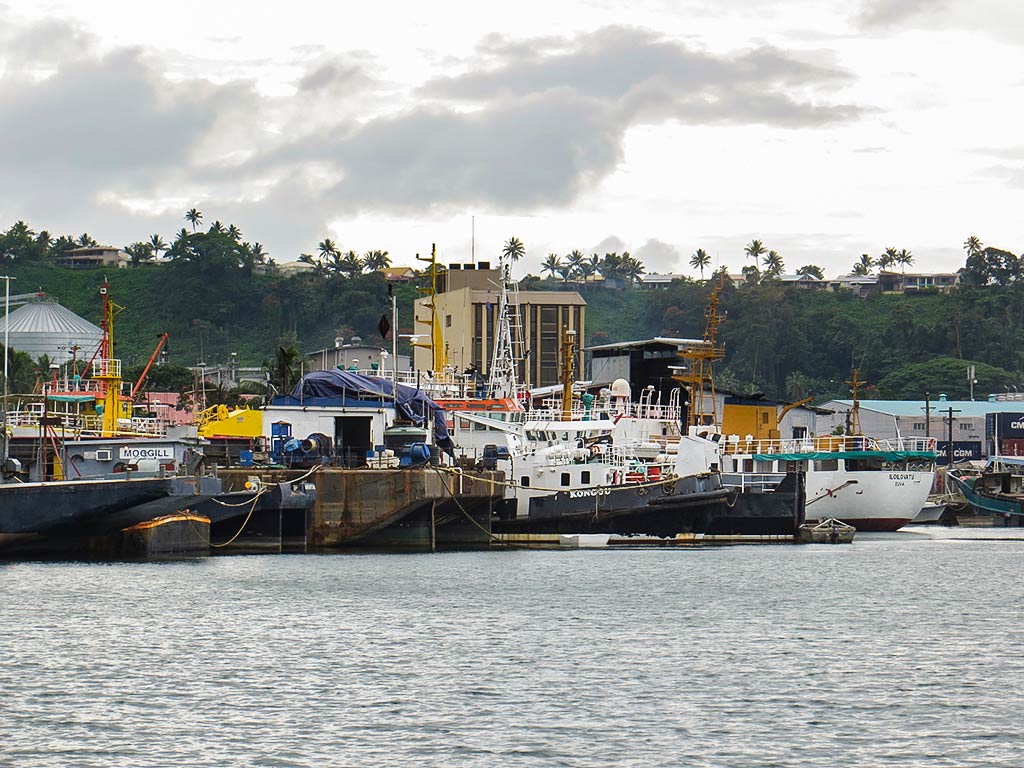
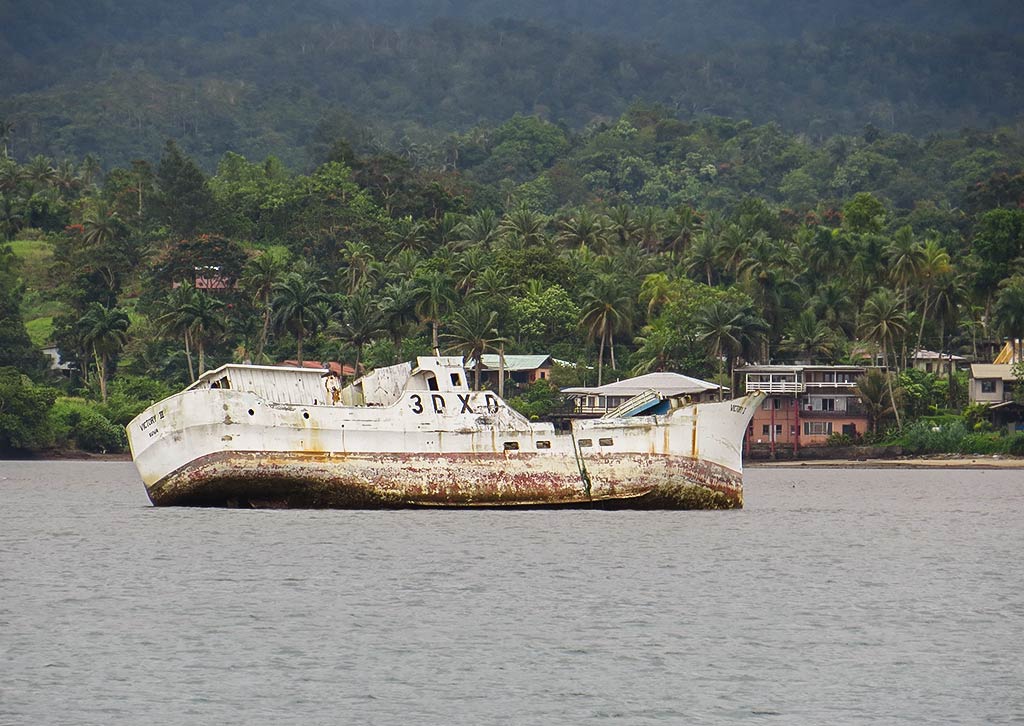
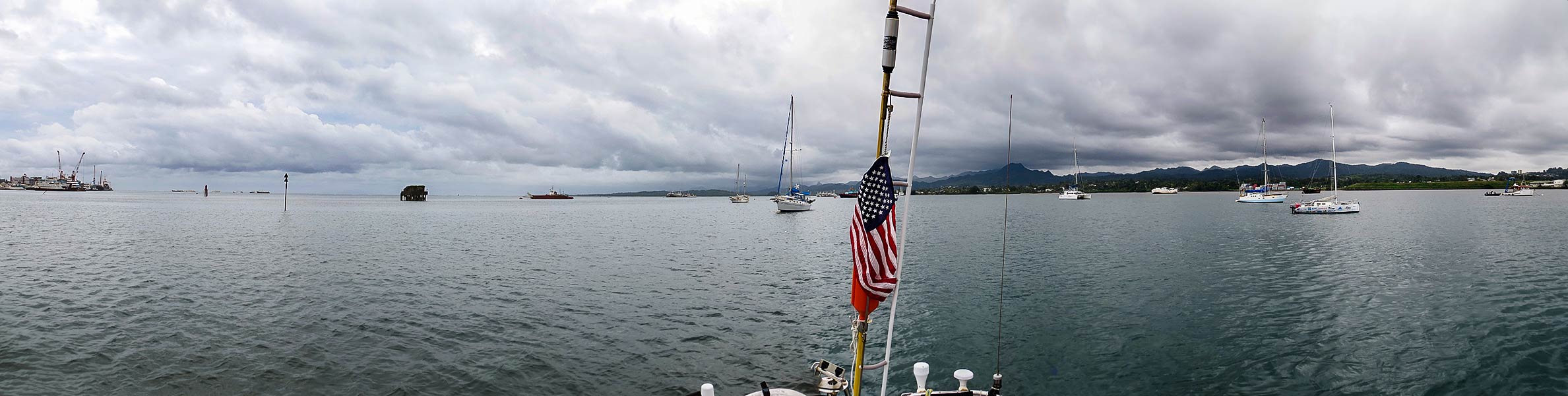
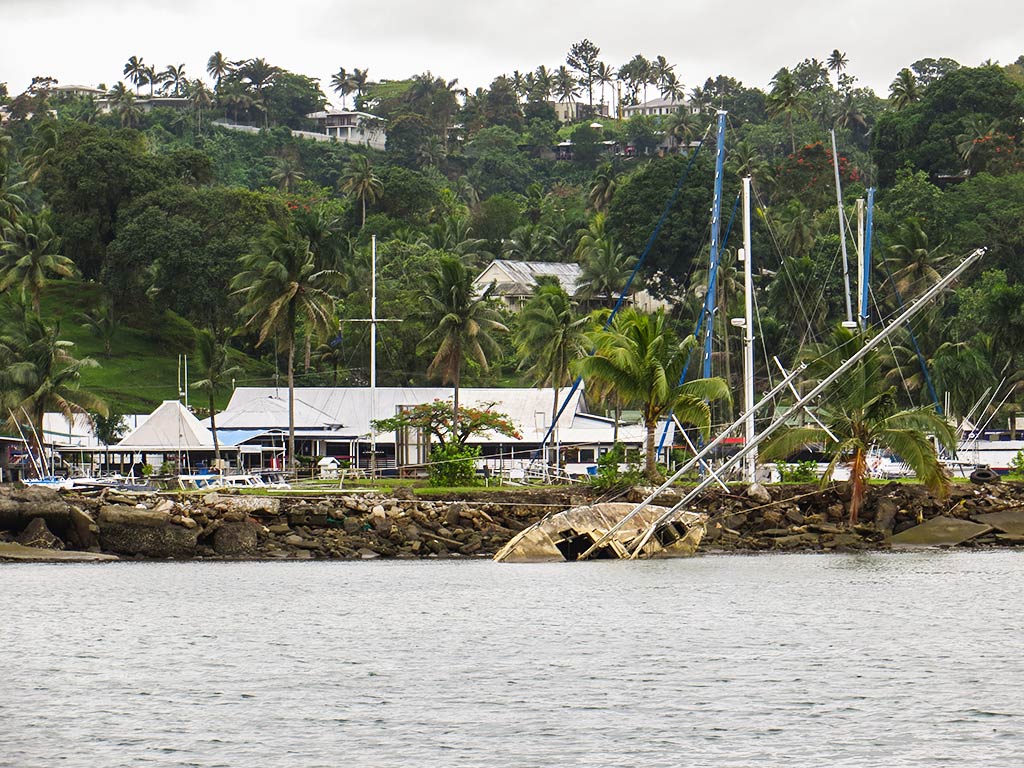
Once inside, the harbor is large, roundish, and very open, about 2.5 miles wide and 2 miles long. After we got through the pass we were able to relax a bit, but after quiet Leleuvia the shipping traffic was a bit overwhelming. Once we became confident we weren’t going to be run down, run anyone else down, or hit a reef, we were able to take it all in. This city had so many elements familiar to us: the cloudy skies of American Samoa, the industry and port activities of our home port of Wilmington, California, the green hilly terrain covered with buildings like Hong Kong (only on a much smaller scale), and a few wrecks in the harbor that reminded us of Nukualofa, Tonga.

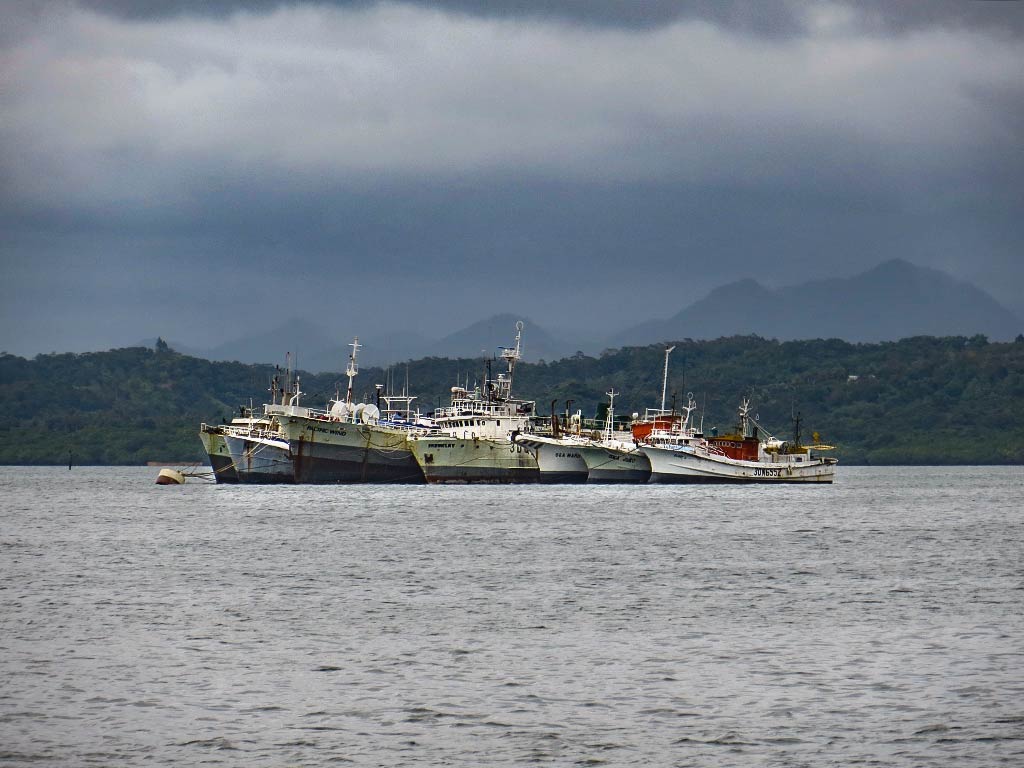
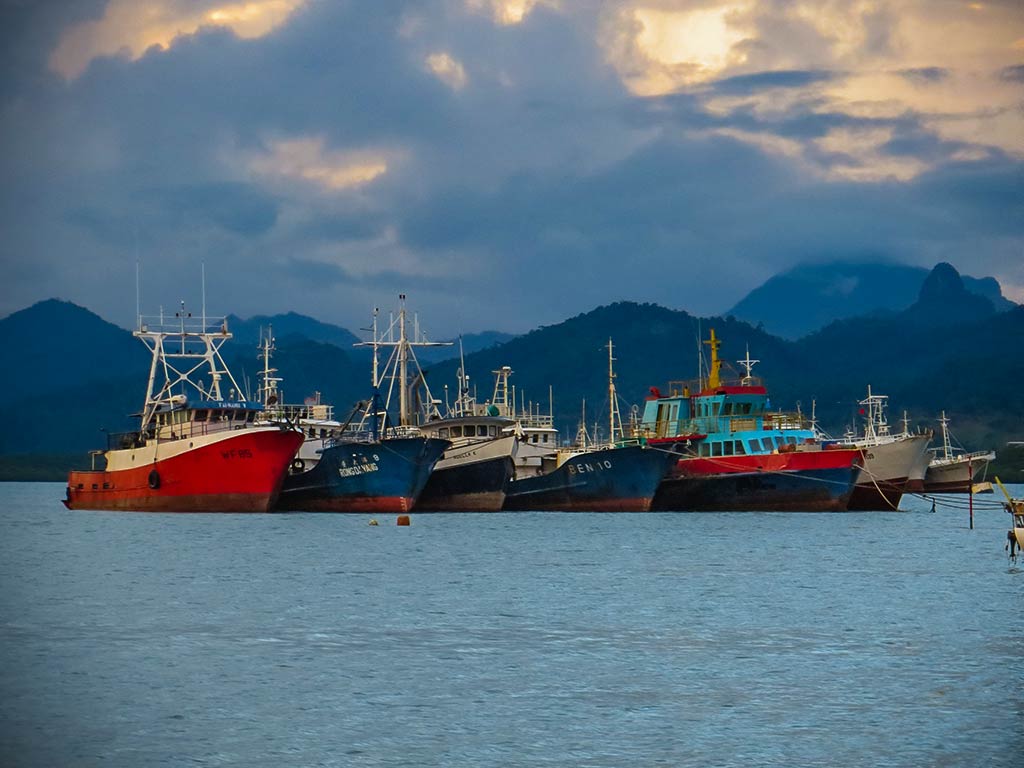
The strangest thing were the Chinese fishing boats, huge and decrepit, tied up in scattered groups around the harbor. What was that about? They didn’t look sea worthy; were they just abandoned here? These strange boats and the wrecks gave this place a surreal feeling, especially in flat calm water under gray cloudy skies.

Before leaving New Zealand we’d gone to John Martin’s seminar for the ICA rally, and he summed up Suva by calling it “a pit,” making it clear there was no reason to go there. By then we’d found the talk arrogant, disdainful and pretty useless, full of fleeting references to islands and anchorages we’d never heard of as of course, we’d never been to Fiji. But it seemed a good portion of this rally group were repeat offenders, mostly there for the social experience and so knew the places he was referring to. Other people just intended to follow everyone else around so didn’t care about learning anything useful.

It was a rather frustrating experience, and we quickly caught on we shouldn’t take his comments as gospel. After the talk was over, we chatted with an experienced cruiser, asking his opinion of Suva—should we really avoid it? He said personally he loved Suva; so this thankfully opened our minds go going there.

And so now looking around this exotic and surreal looking place, we felt intrigued and optimistic. Yes, there were wrecks around the harbor, and it was industrial in areas along the shore, but the buildings and the greenery and the gray skies and the mountains made us feel somehow very comfortable here. Wanting to avoid the disappointment we had with Levuka (the old capital city), we decided to withhold judgement until we went ashore, but we couldn’t help but feel like we’d like it here.

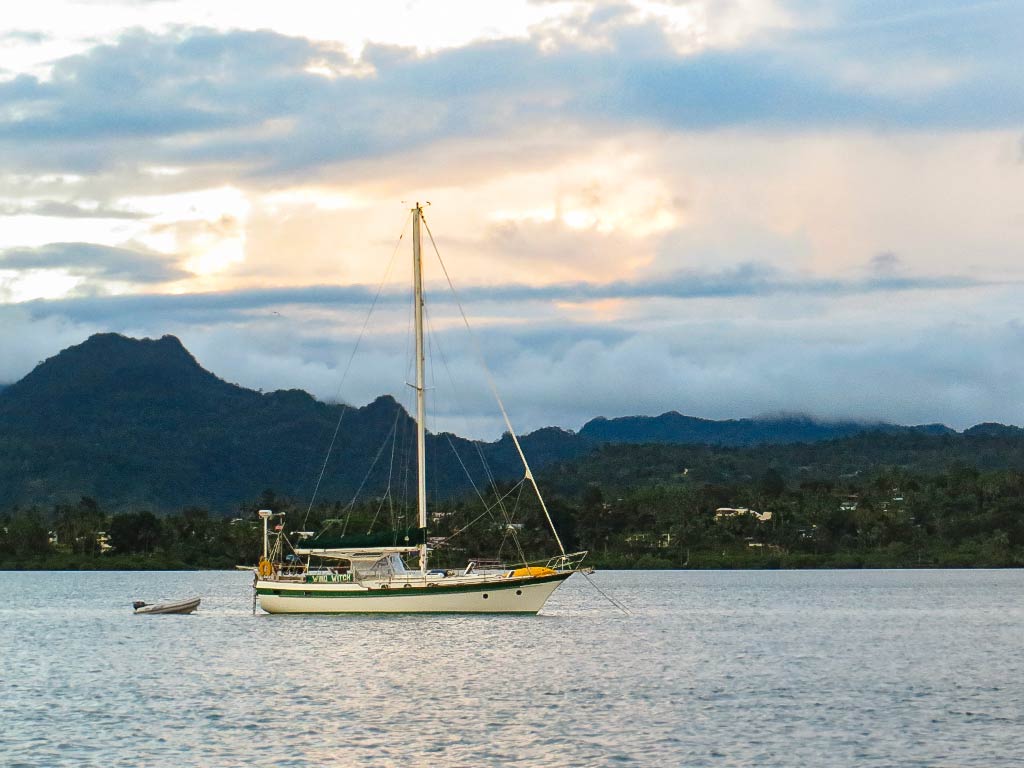
We could see the yacht club area and motored over that way. The marina here is small, filled with local boats with virtually no room for transients; so visiting yachts have to anchor out beyond the marina’s breakwater. Thankfully this is generally a calm harbor (although it’s best to move elsewhere in strong southwesterly winds). There were about 10 boats anchored and another two on moorings. One mooring was free so we quickly snatched it up, happy to be on a mooring instead of anchored in area rumored to have dubious holding ground.

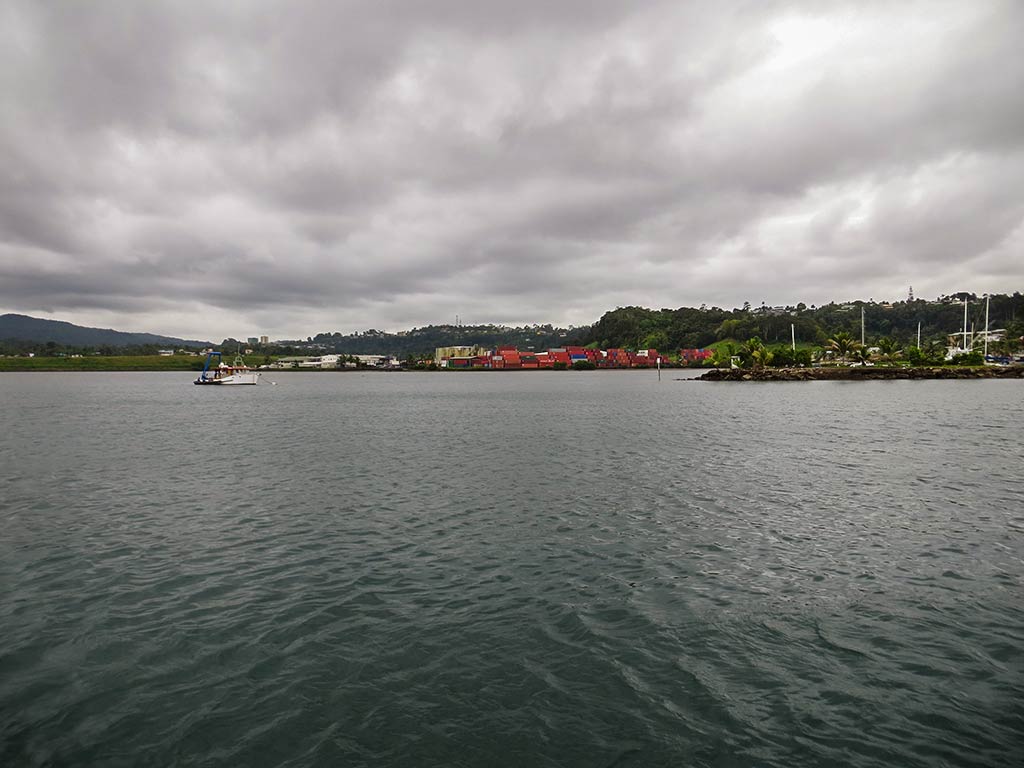
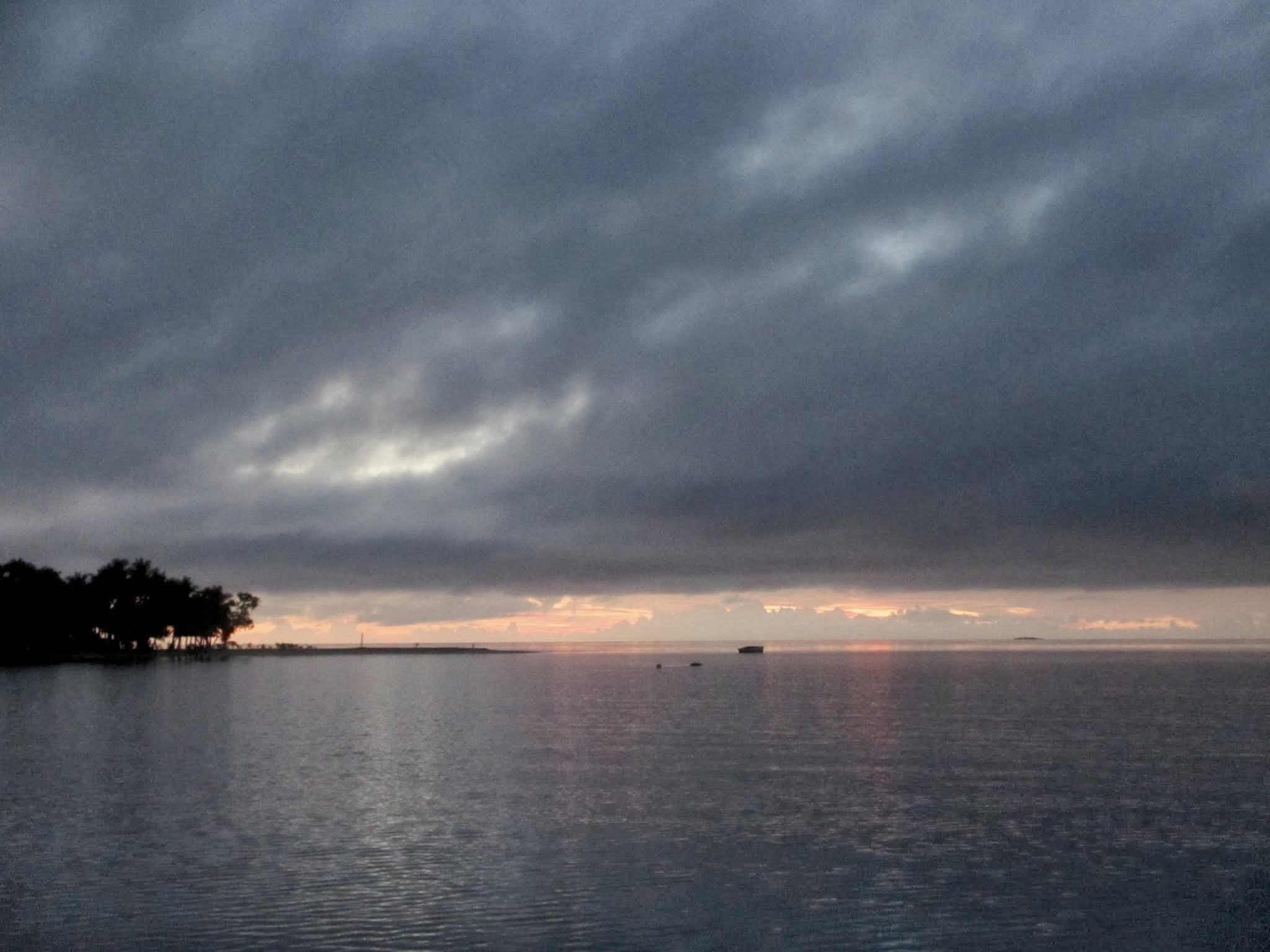
We took a few photos which I’m posting in this gallery below. As you can see it was cloudy and late in the afternoon, but I hope these photos capture a sense of time and place. (You can click to enlarge and scroll through the photos below.)

And below two panorama shots, the bottom of which was taken from our mooring. You can click to enlarge the photos.–Cyndi
Goodbye Leleuvia

November 9, 2013

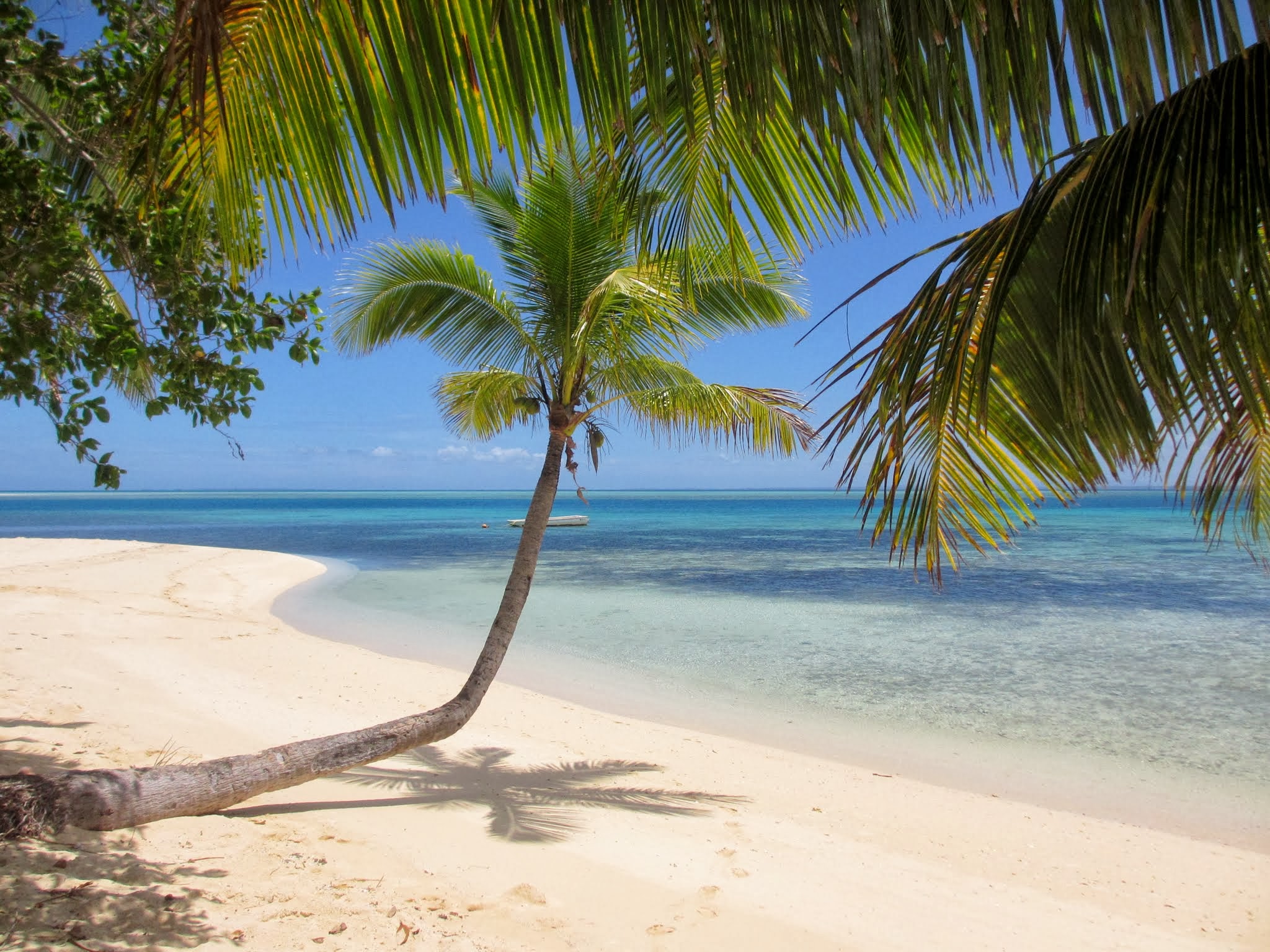
Well, after a week of beautiful weather our final day in Leleuvia was squally; so much so that it looked like we might miss the lovo we’d deliberately stayed around for. We didn’t mind the rain, but we can’t go ashore in heavy winds as we don’t like leaving the boat unattended, nor do we appreciate wet splashy dinghy rides. After watching and waiting anxiously, the wind finally died down to an acceptable 8 knots just in time to make it in for dinner. We put on our rain panchos and headed in.

The buffet was as good as we remembered, well worth the effort to get here in spite of the wet weather.

During the dinner we had a couple of downpours that were impressive, but by the time we headed back to the boat, it lightened up. Later, the wind picked up and it rained heavily again; so we had gotten lucky with our timing. What a nice way to cap off a great time Leleuvia.

Below, a few miscellaneous photos that didn’t make it into the previous galleries but I like too much to discard. Click to enlarge and scroll through them.–Cyndi
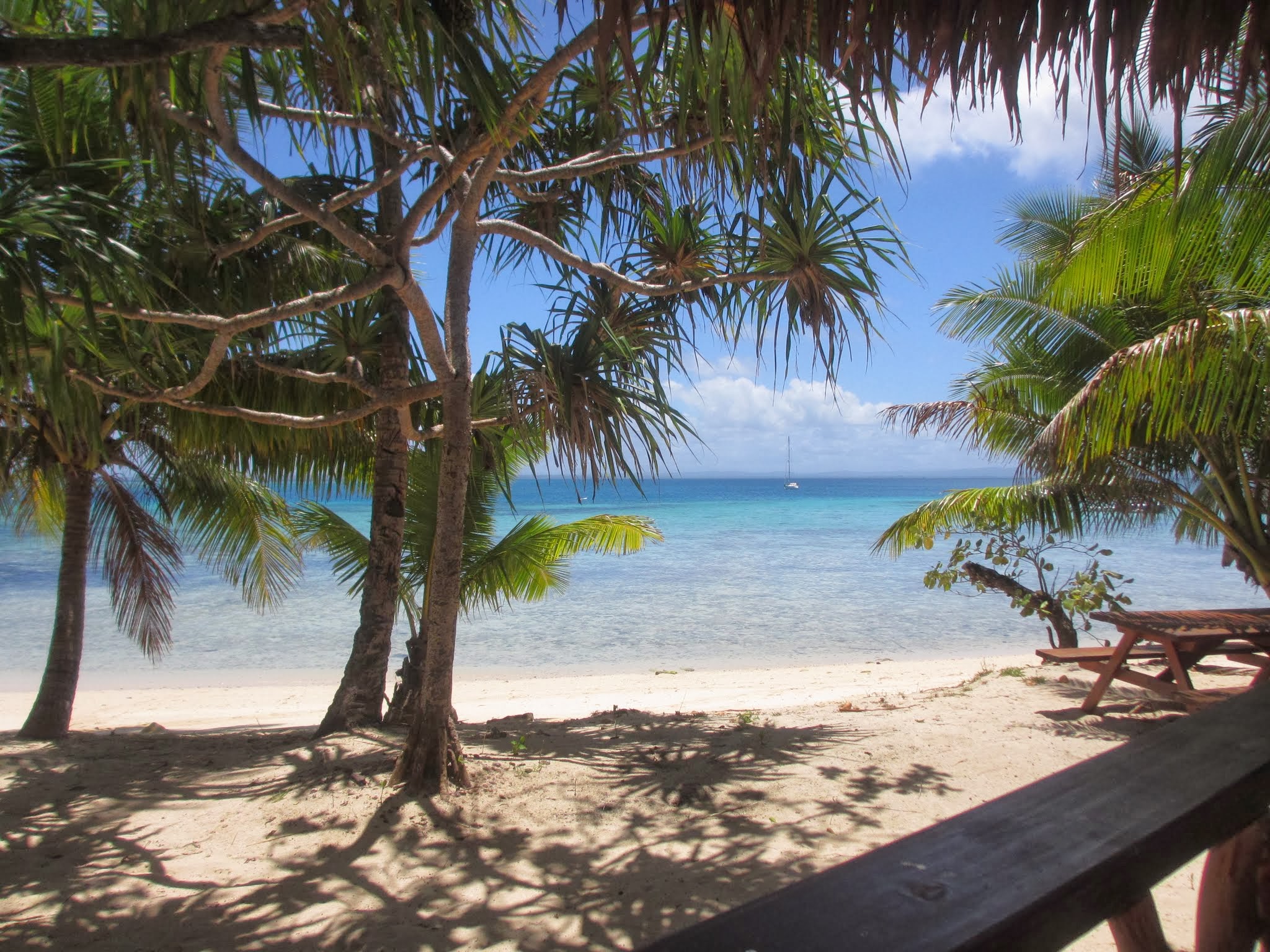
Note from 2018: I’ll mention here that we visited Leleuvia once again in August 2018, and while the island is as beautiful as ever, the resort seems to have lost some of its spark. It’s still a very welcoming place, but they’ve cut back on the staff and meal options, the food is now rather expensive, and the bar has been moved from the center of the dining area to an out-of-the way spot, now much smaller with no bartender.

It almost seems like the owner feels having a bar is a necessary evil, something that should be hidden away and drinking not encouraged—we were never even asked if we wanted a drink with our rather expensive buffet lunch, and when I did order one they behaved as though that was an strange and unexpected thing. And they oddly seem to have gotten rid of their main office—the resort’s business affairs now taking place at a commandeered table in the dining room, but I’m hoping that’s temporary.

They’ve also taken out (or lost and not replaced) some of their moorings—there are only 1 or 2 left, but a resort vessel will still come out and show you where you can anchor, and they are still very welcoming to the yachties.

Still, this place is definitely different; maybe there’s a new owner? I don’t know, but I do hope whatever’s going on here is temporary and it returns to its wonderful normal self. Time will tell. I really hate to end all these glowing Leleuvia posts on a negative note, and I don’t want to discourage anyone from coming here as Leleuvia is a fantastic place. Just be warned that, for the time being, not to expect too much from the resort part of the experience.

Leleuvia, Fiji – Best Of

Early November, 2013 at Leleuvia Island, Fiji

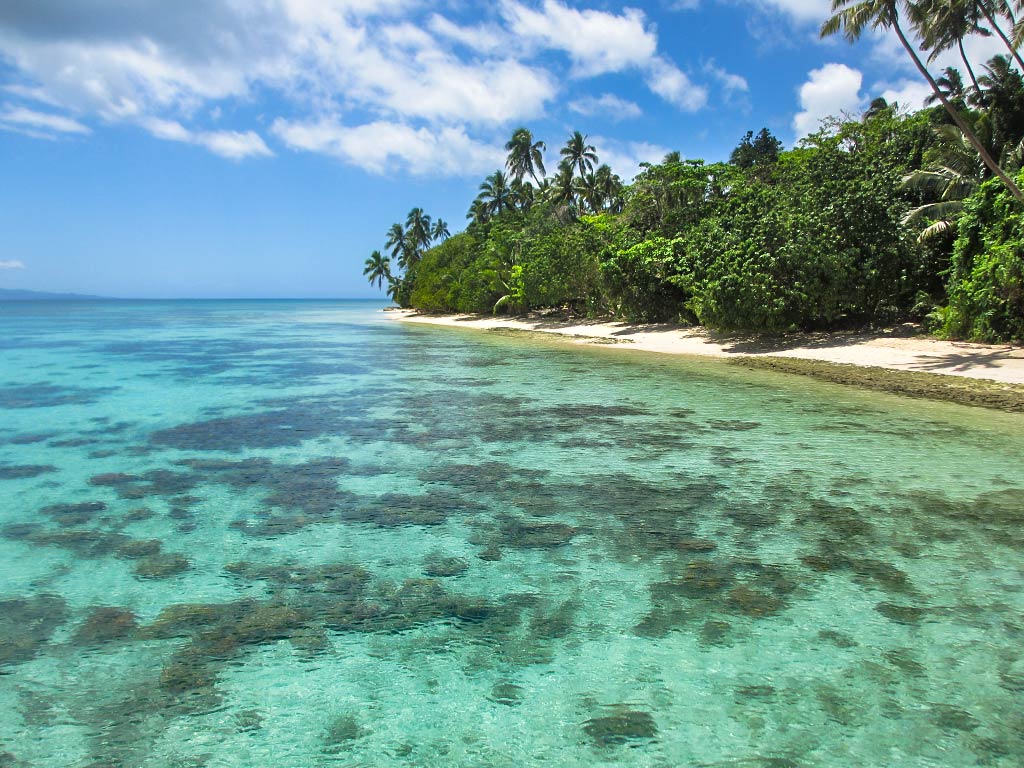
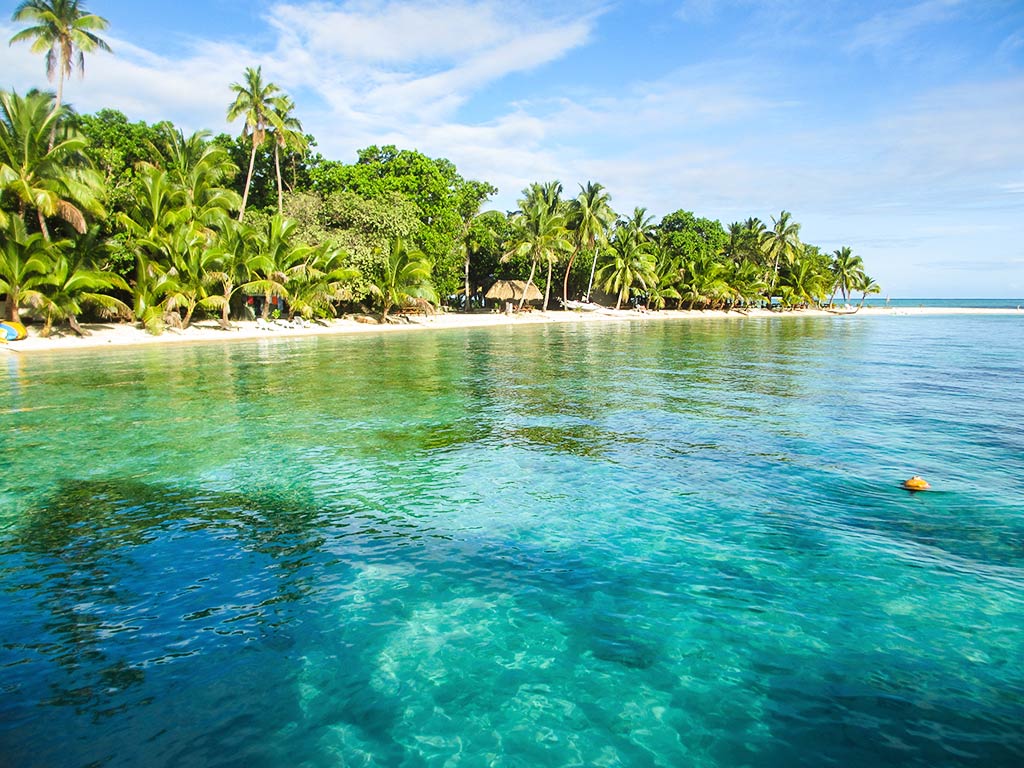
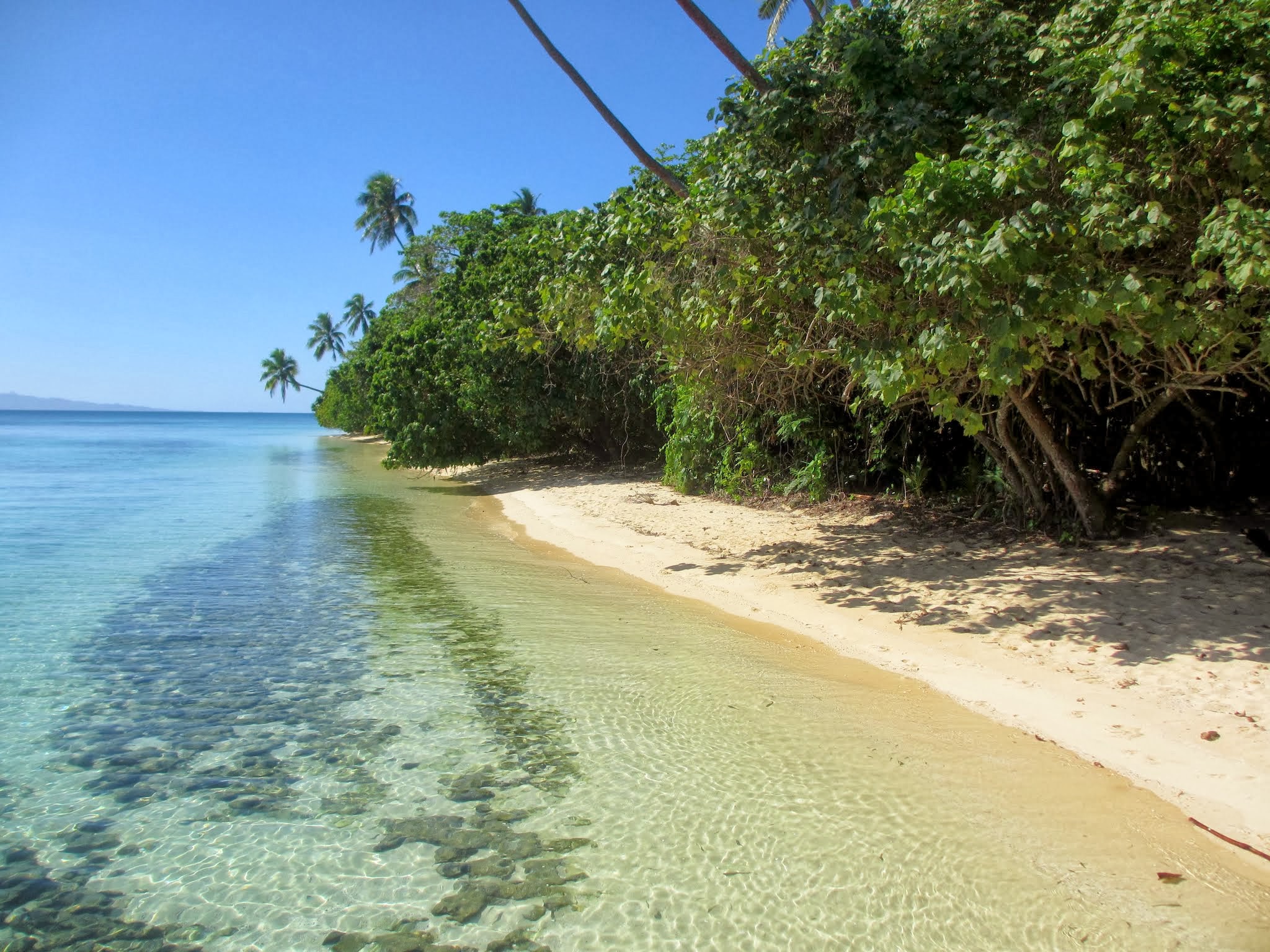
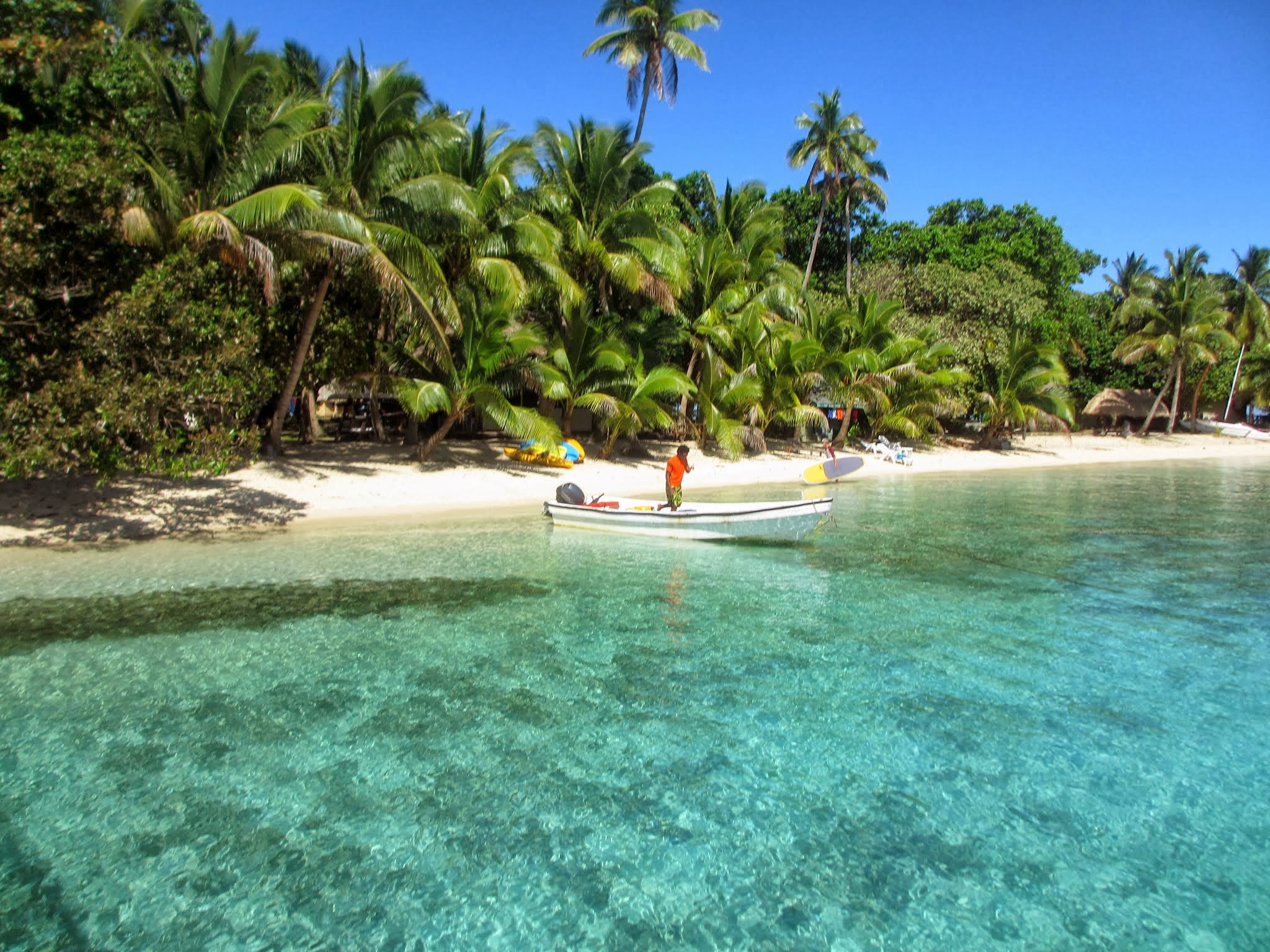
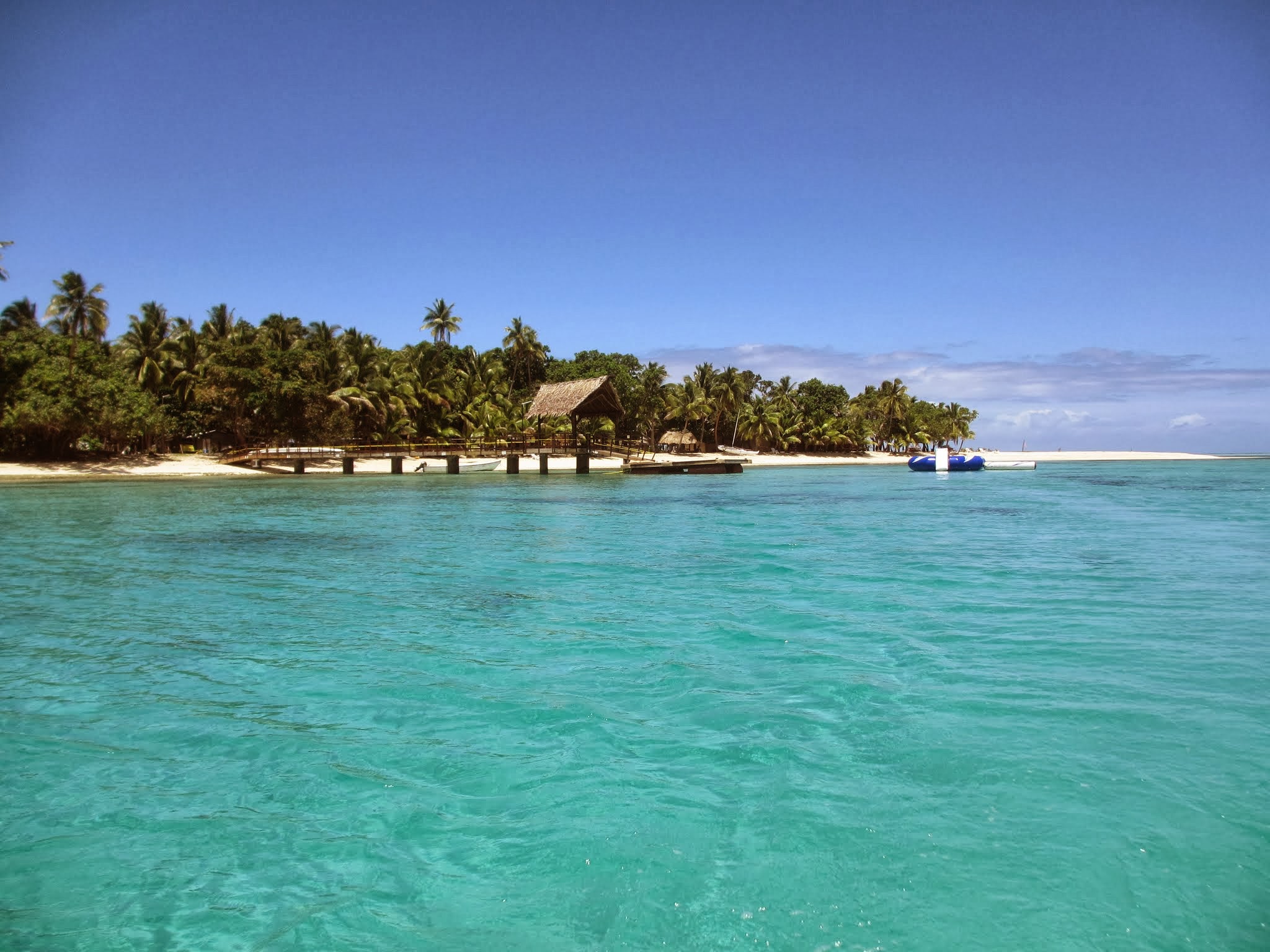
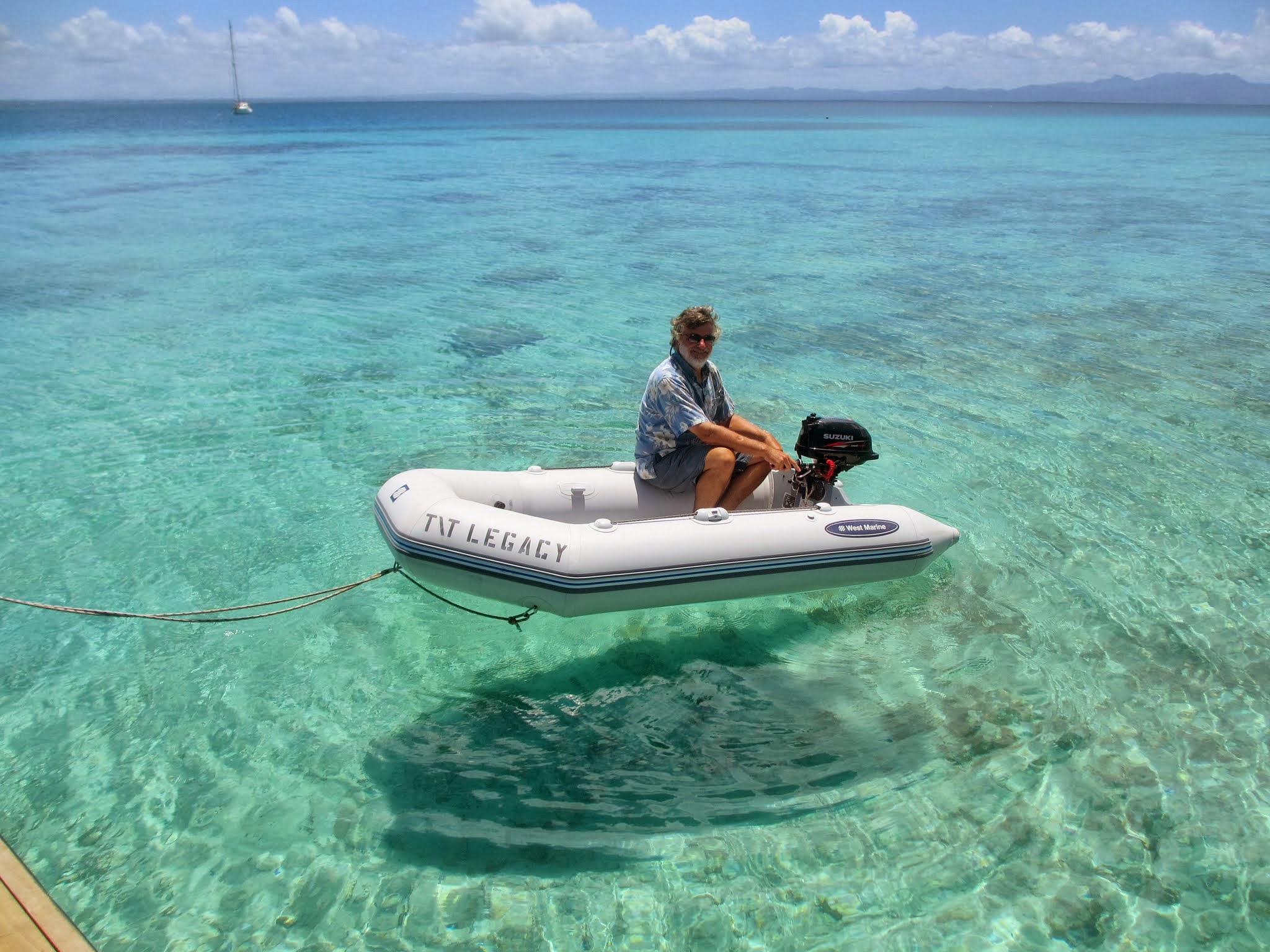
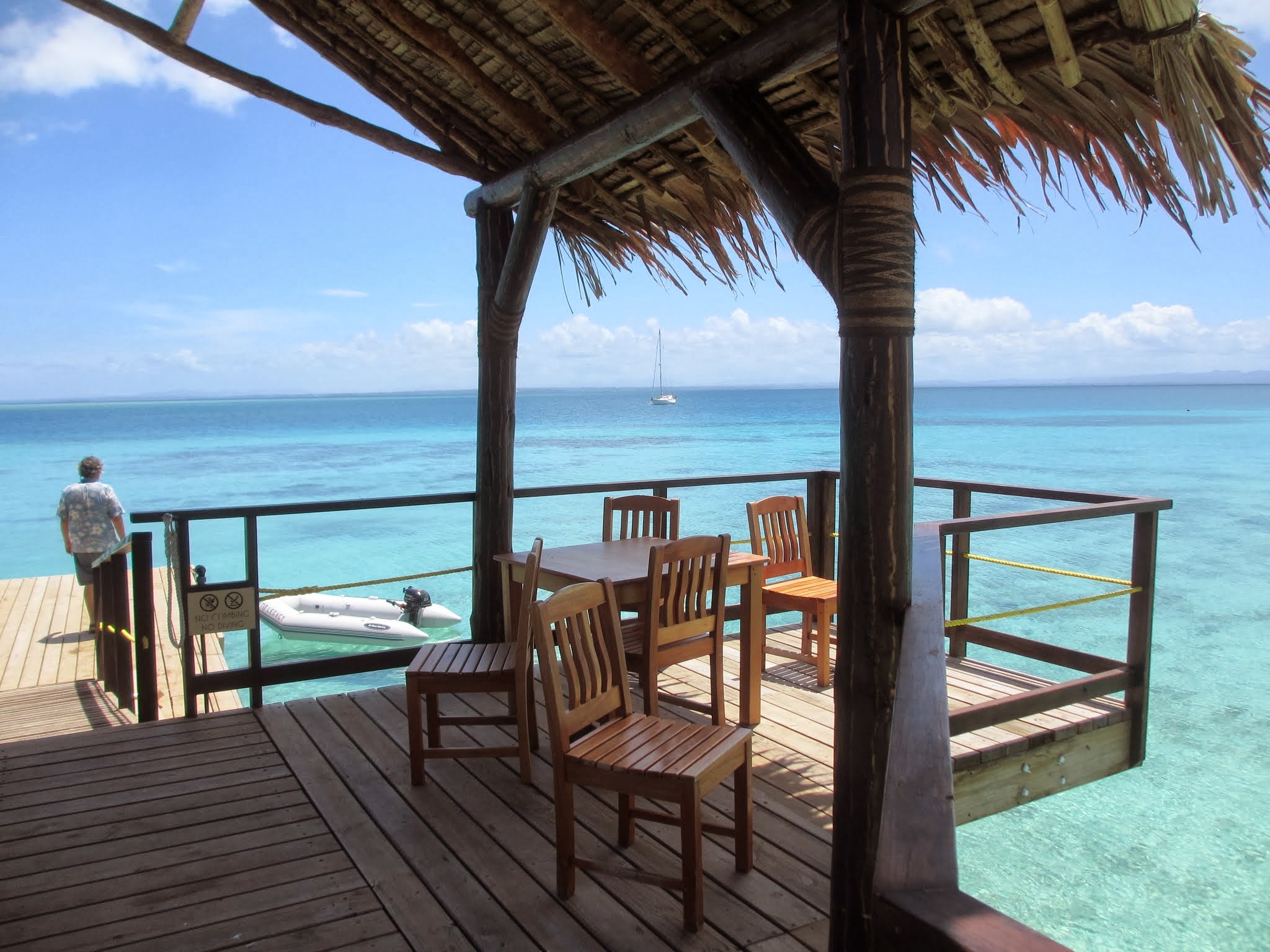
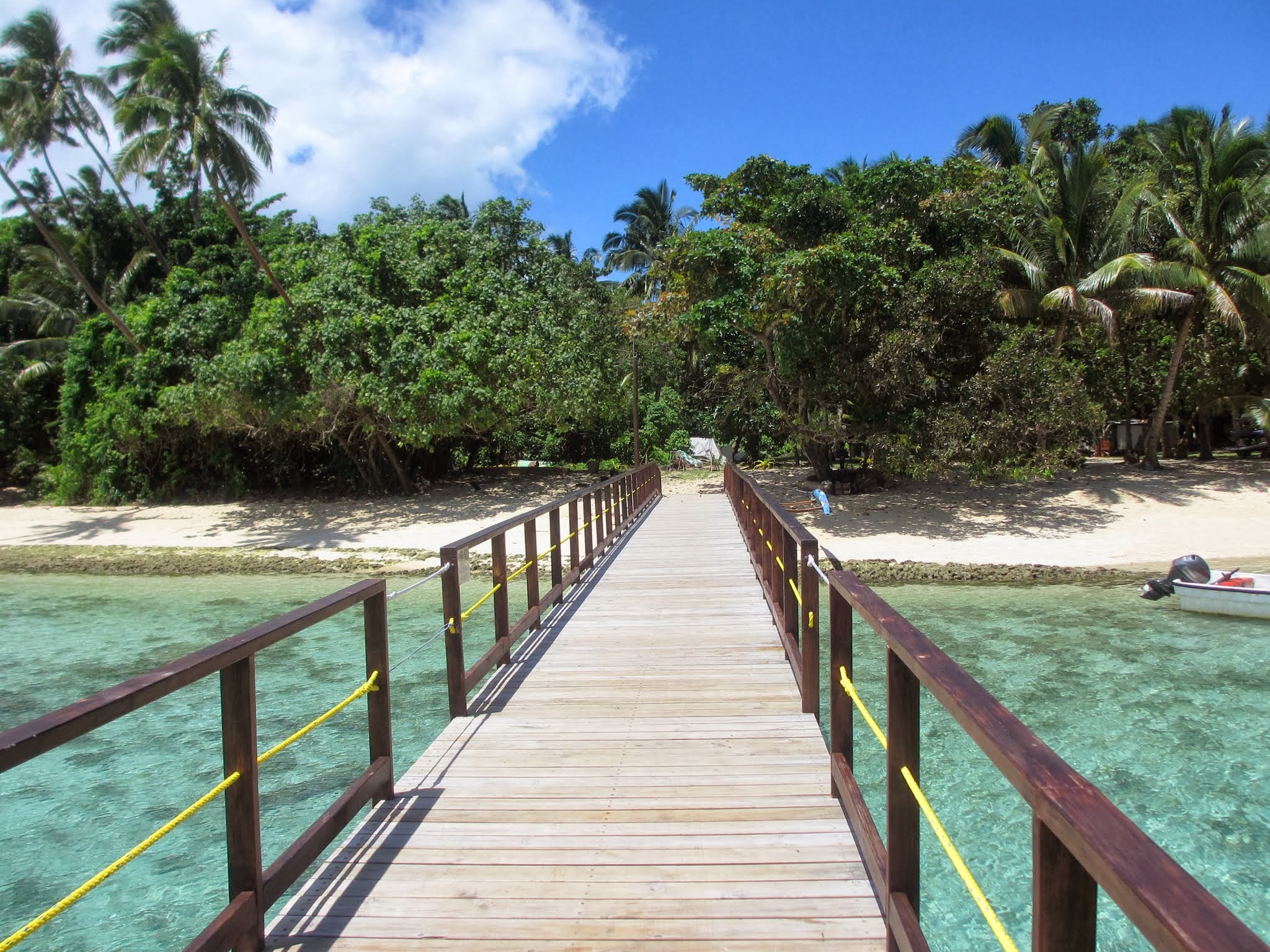
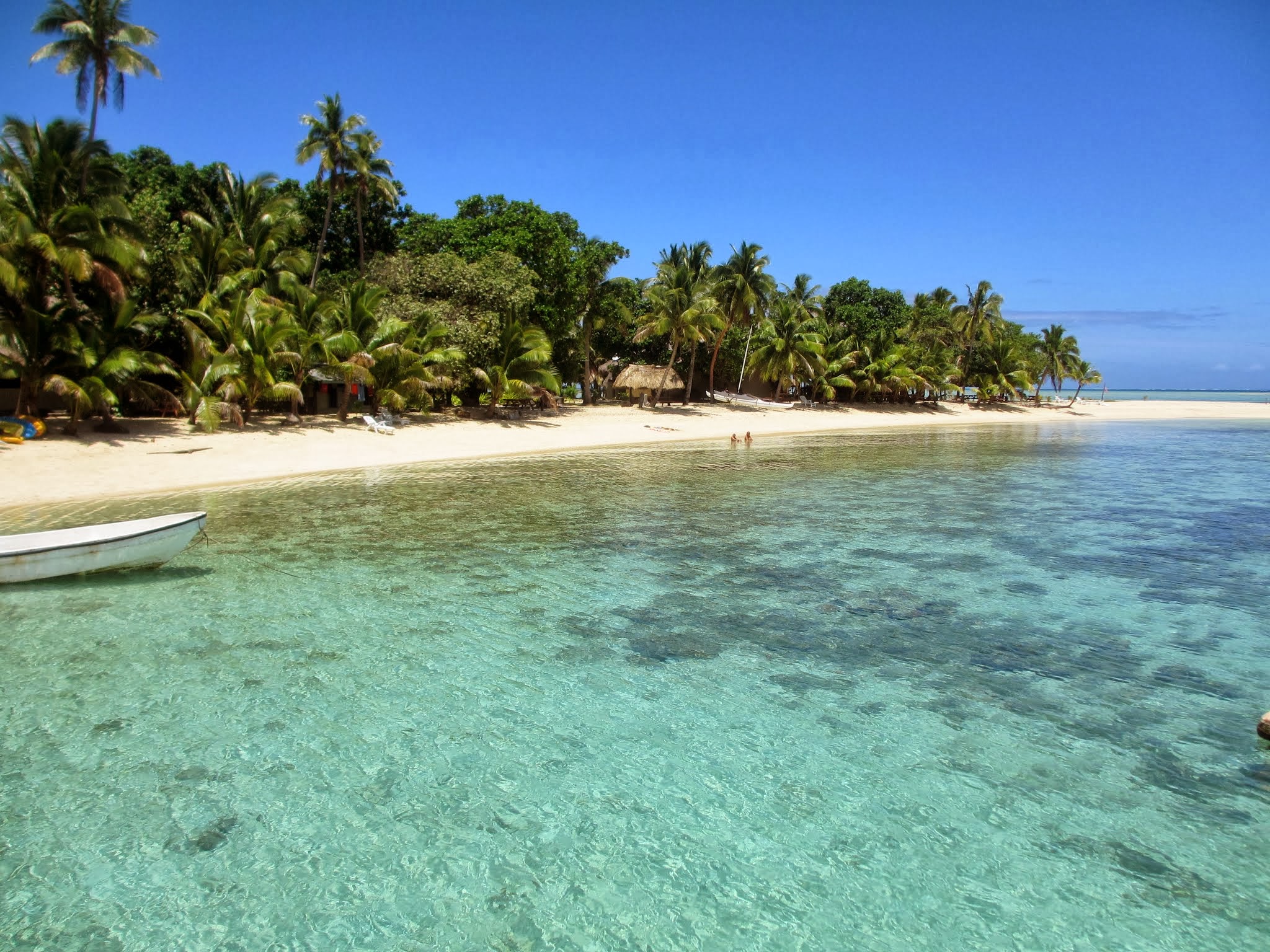
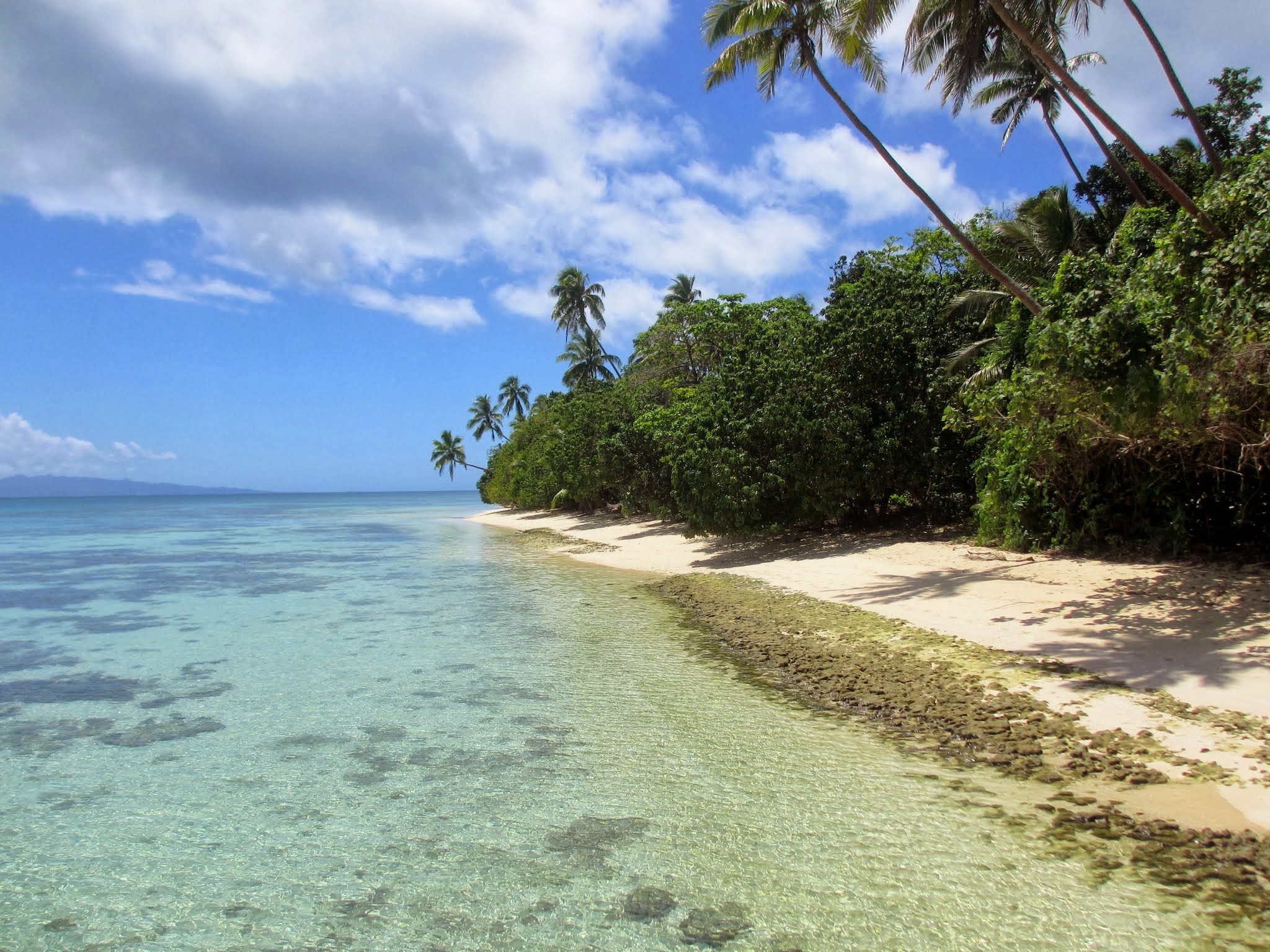
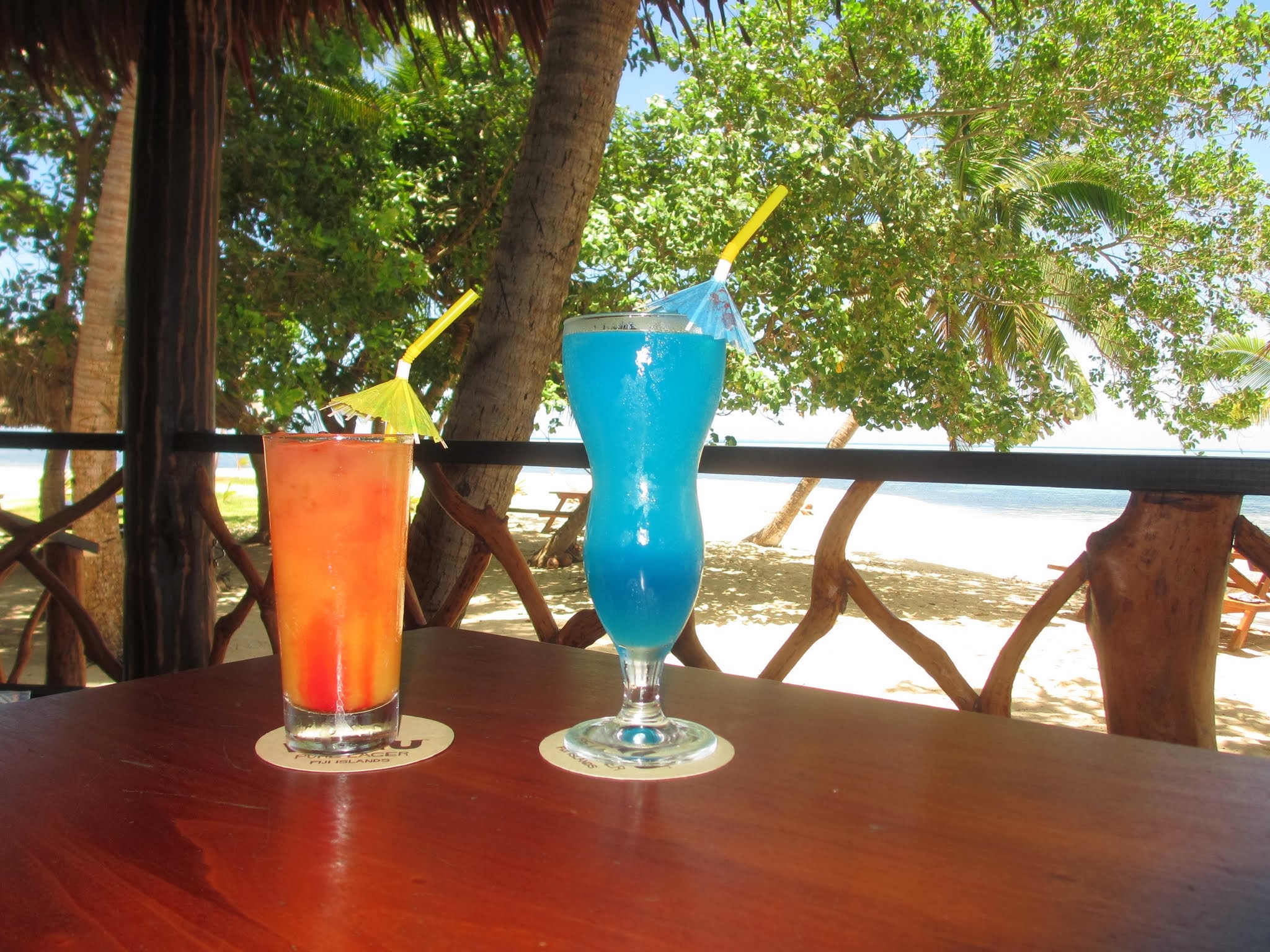
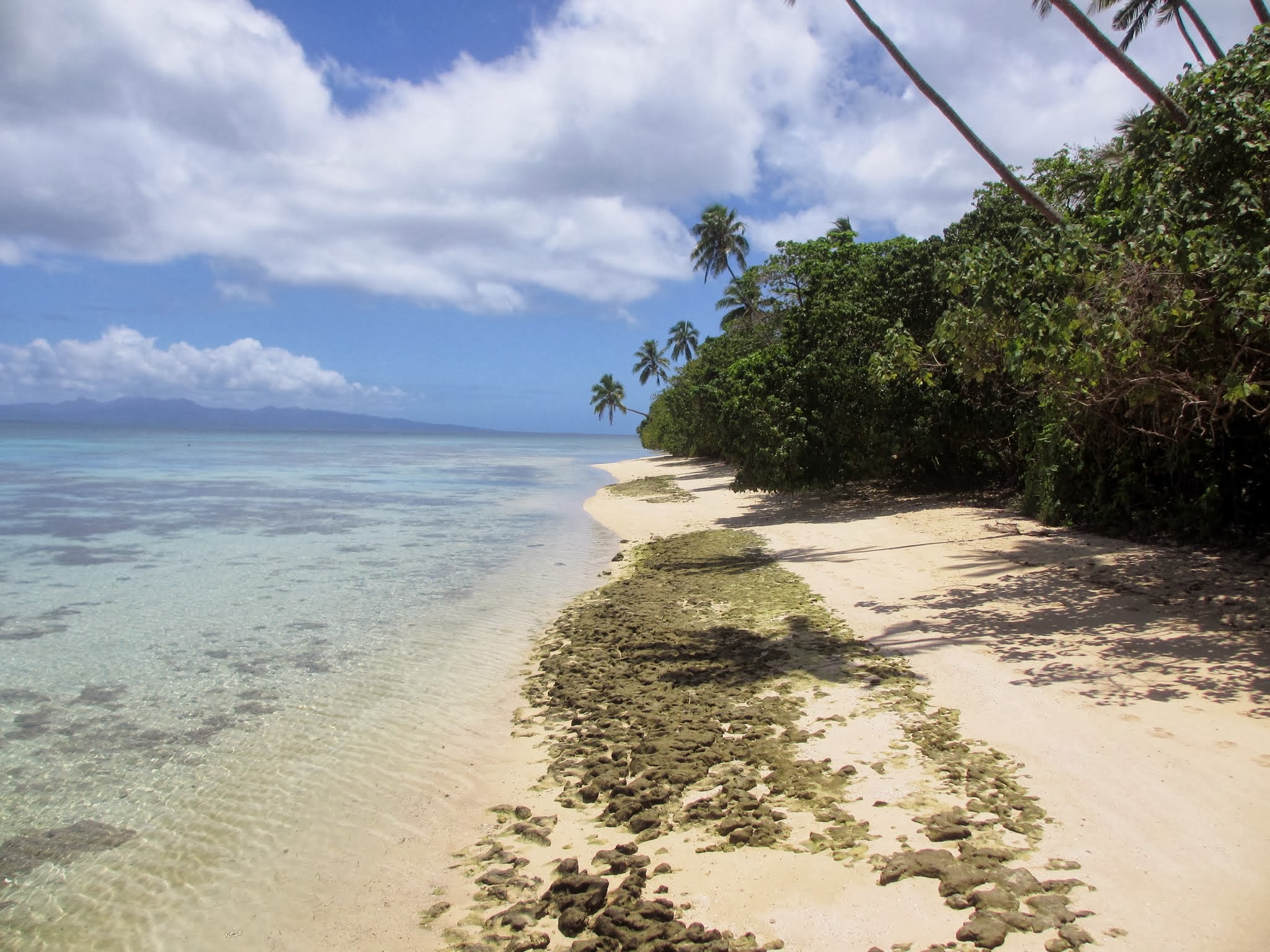
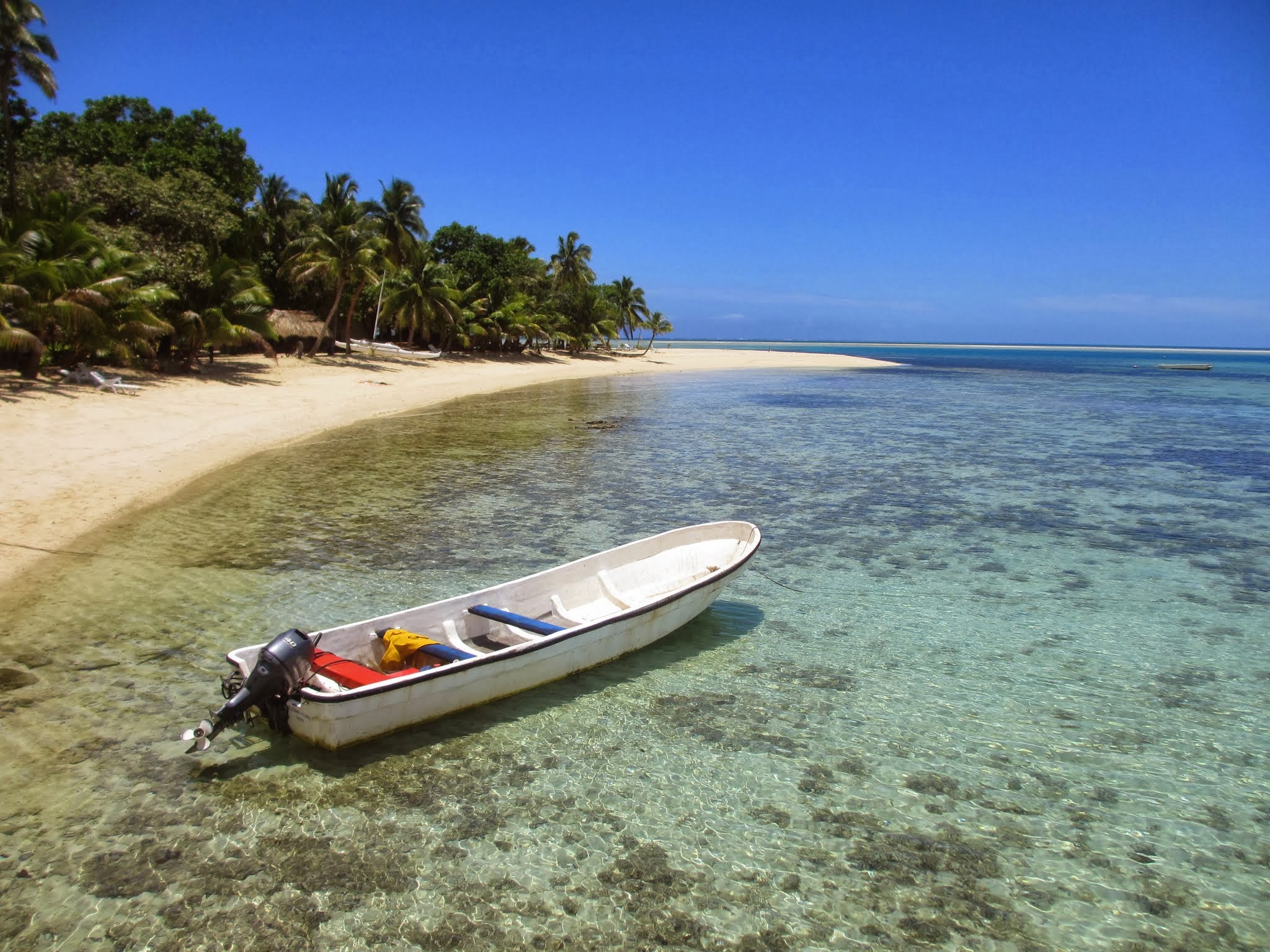
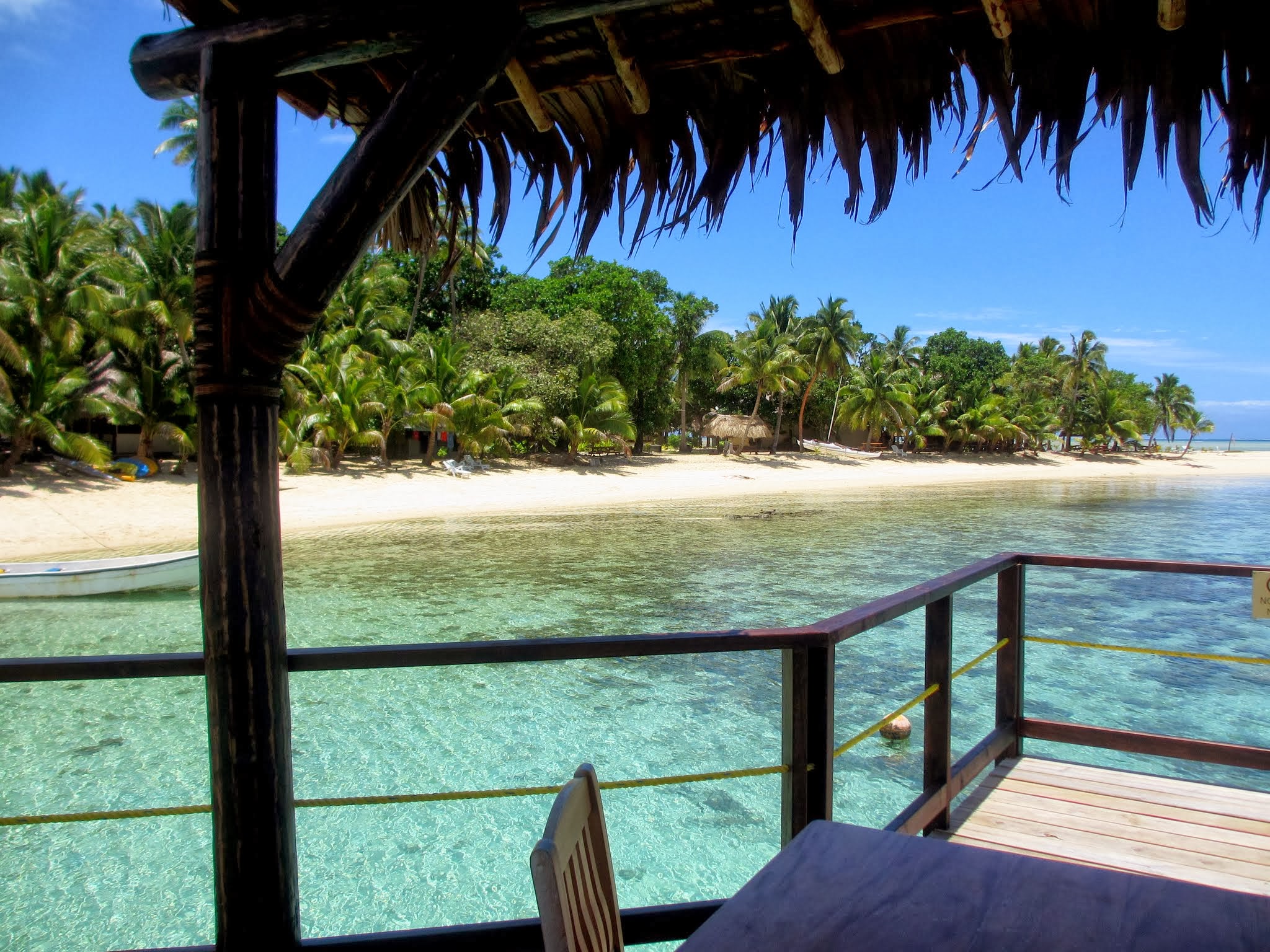
We’ve spent five days anchored (moored) off this idyllic place – the Leleuvia Beach Resort. During that time, we’ve seen fireworks, lightning storms and had some very wonderful snorkeling. We’ve also had great food, tropical fru-fru umbrella drinks and $3 happy-hour beers in the resort’s fine restaurant. They’ve really made us feel welcome here. -Rich

(You can click to enlarge/scroll through above photos.)

Update: We visited Leleuvia in 2018 and while it’s still beautiful, it does have a few new issues. If you’d like to read about them; see the bottom of this post: Good-Bye Leleuvia

Leleuvia Final Days (Lomoviti Group, Fiji)

November 6 – 9, 2013

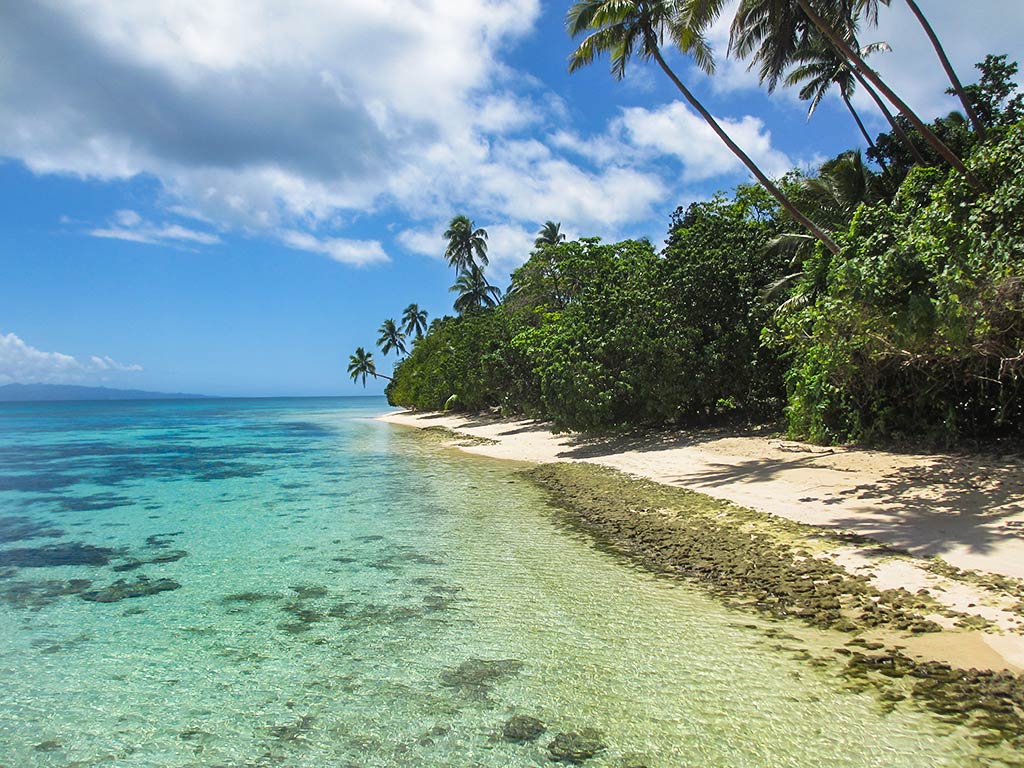
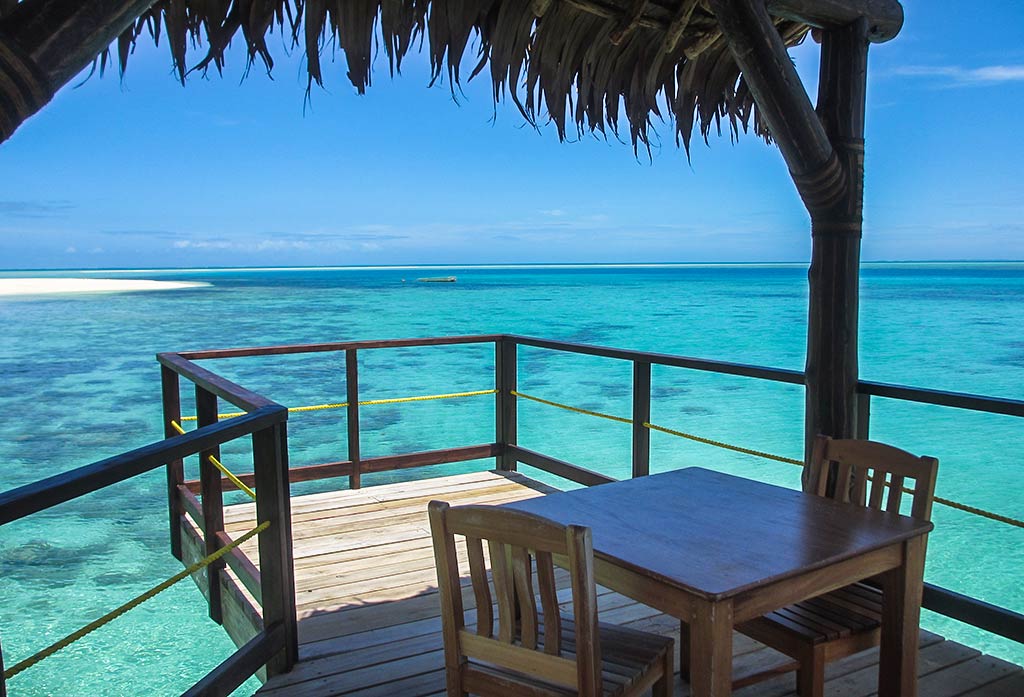
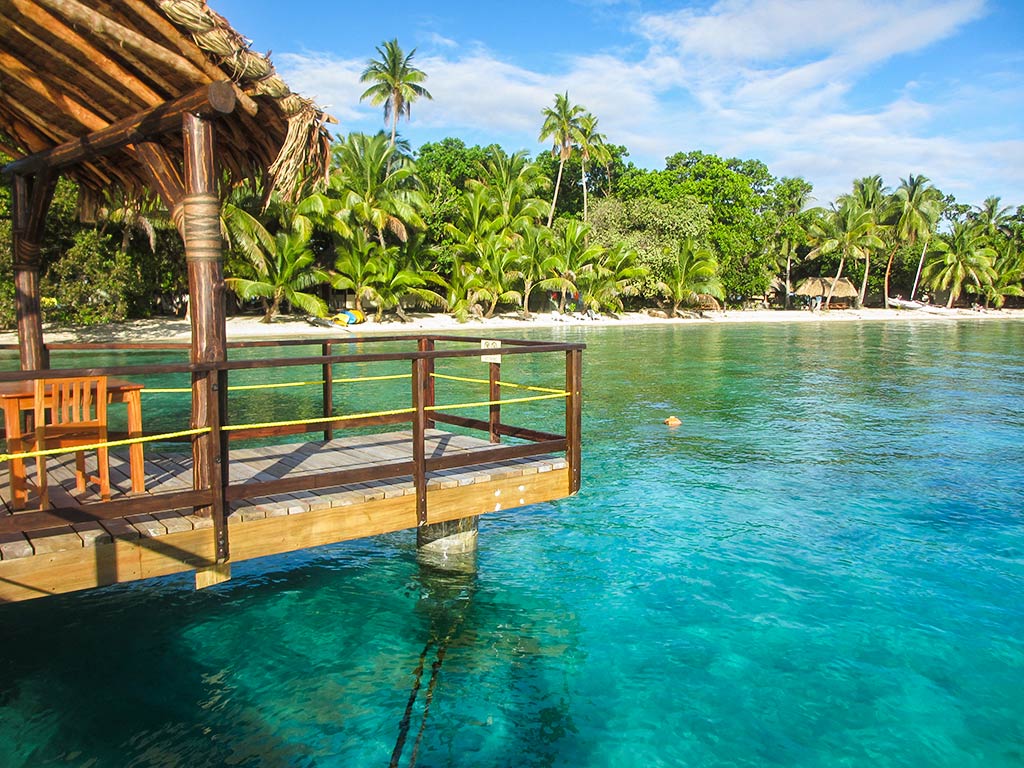
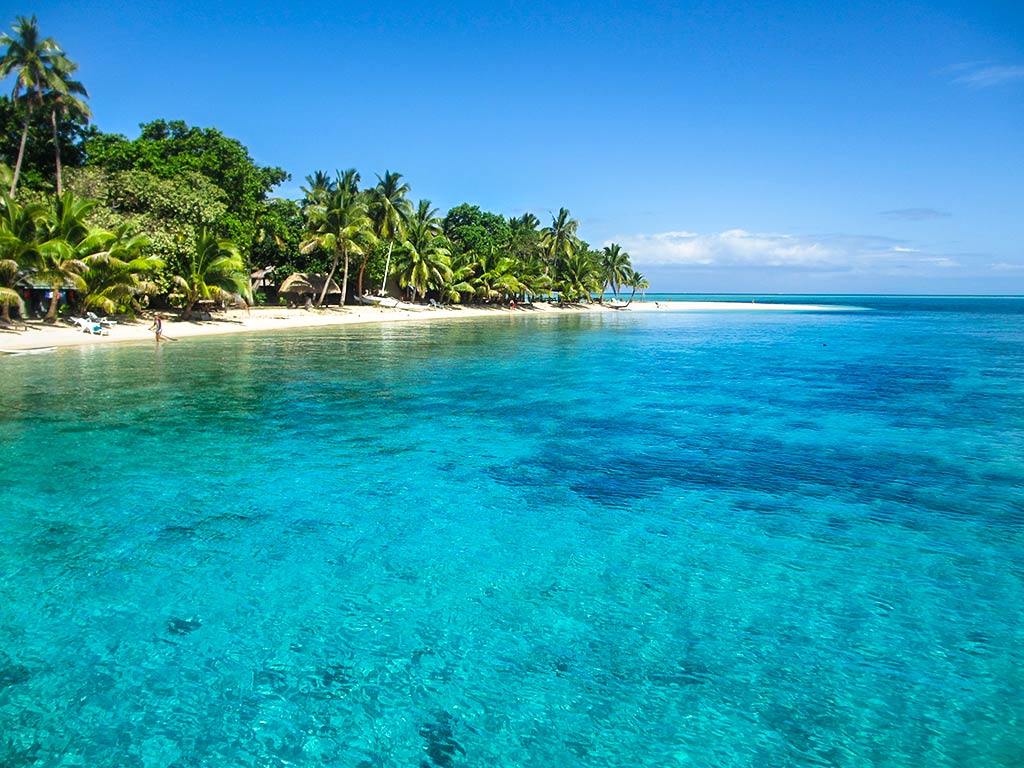
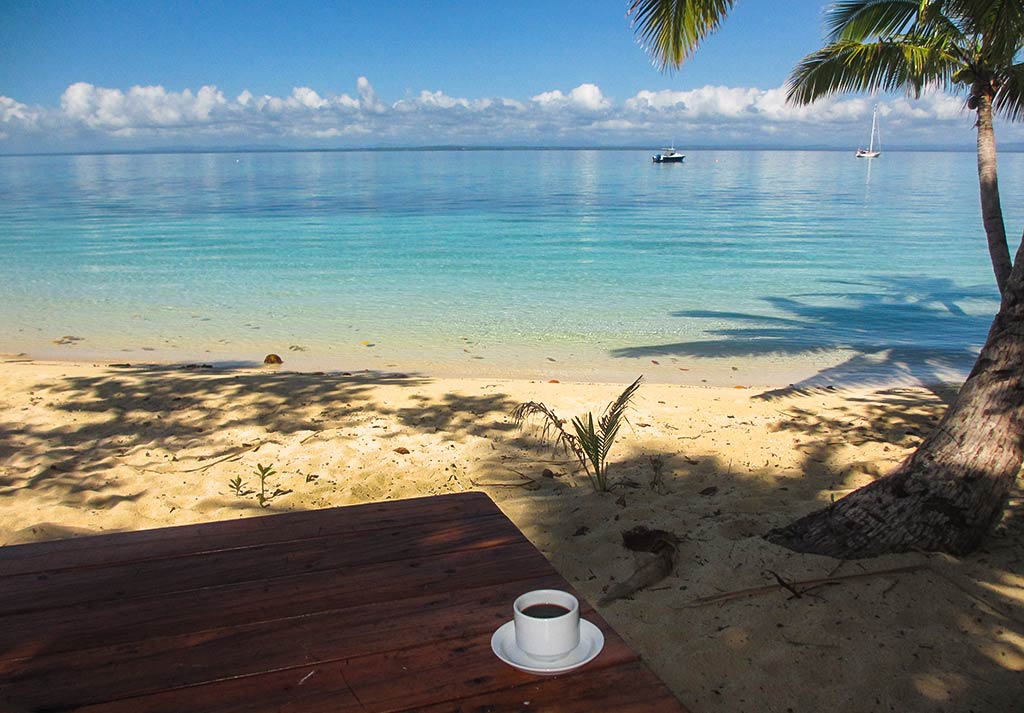
The weather mostly stayed cooler for our final days at Leleuvia, but our routines remained the same. We enjoyed the early-summer morning feeling while having coffee in the cockpit, afternoon visits to the shore, snorkeling after lunch (which coincided with the warmest part of the day), watching the late-afternoon clouds build in the distance, happy hour visits to the resort and a few terrific dinners there, and nightly rain showers.

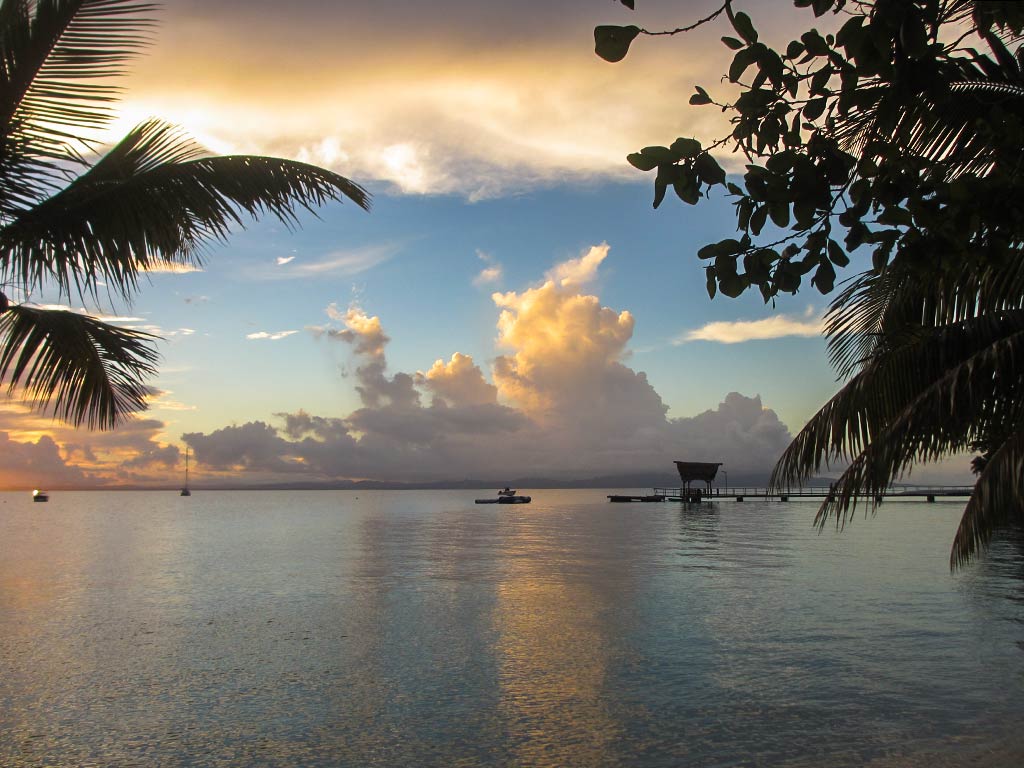
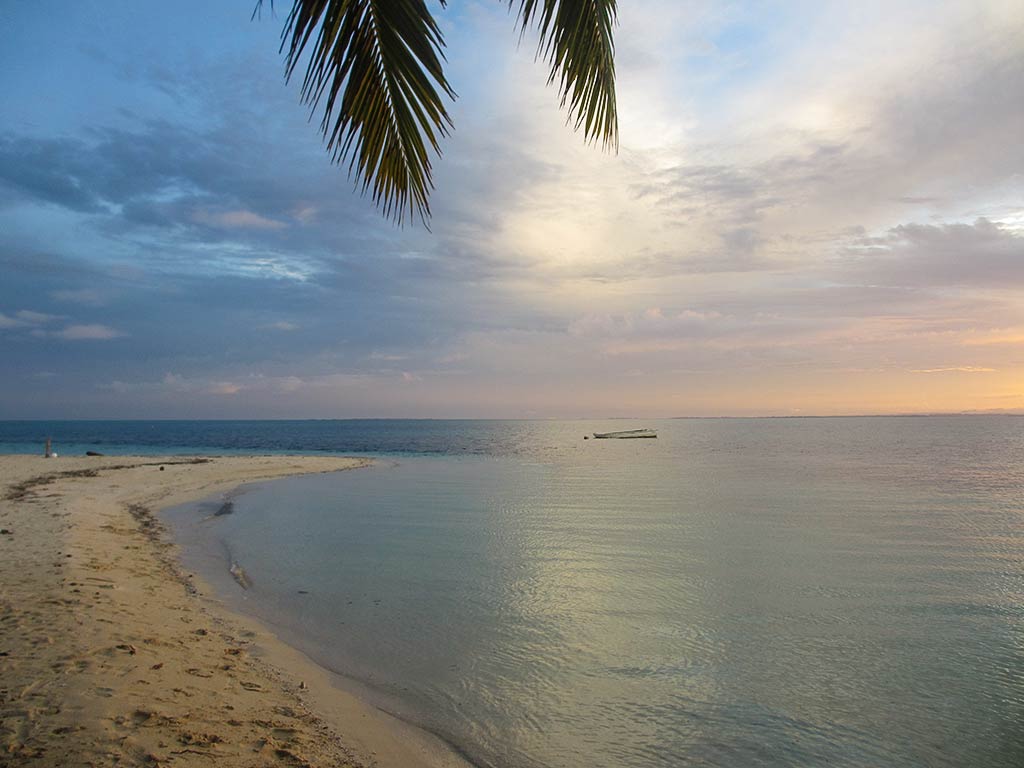
There was one evening that was particularly beautiful. We were headed back to our boat after happy hour at the resort. Sunset had come and gone, and we walked along the beach into what I call a Blue Hawaii evening, one of those indigo blue evenings that looks extra beautiful as a background color behind palm fronds. Dusk was deepening by the time we climbed into our dinghy, yet we could see so clearly into the water that we could make out details on the bottom. Evenings like this are surreal and so beautiful; we never take them for granted.

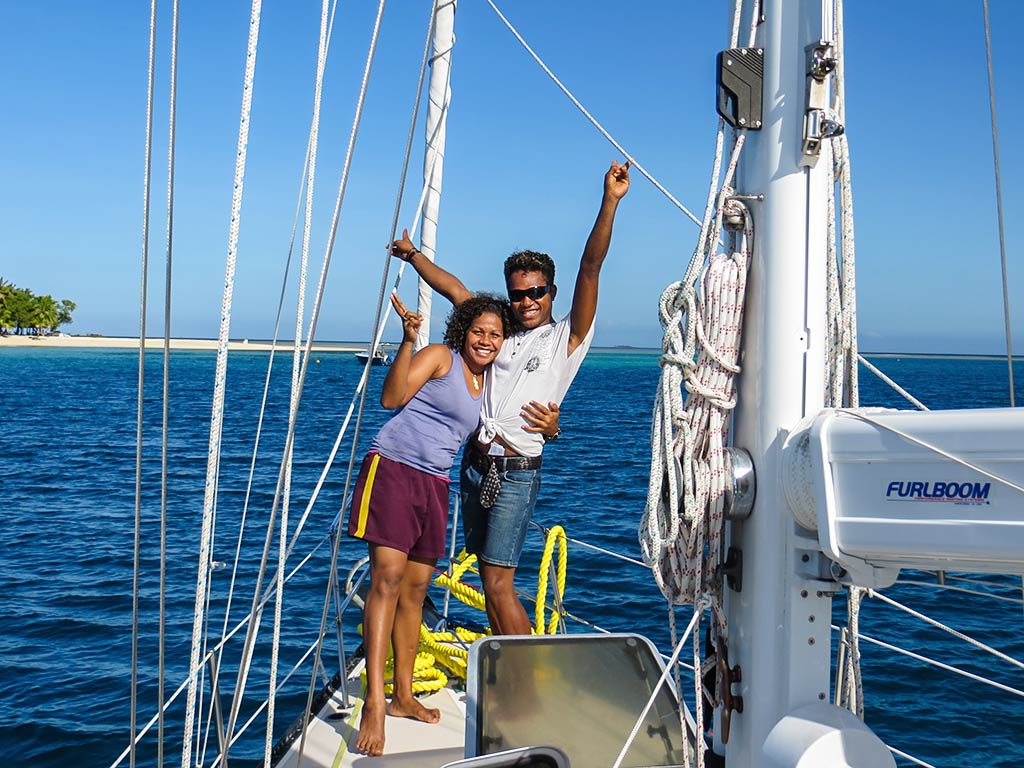
Another neat moment was having some of the young staff over to our boat. The staff at Leleuvia resort were (and still are) so nice. Unfortunately this took place so long ago that I can’t remember their names, but at least I have a photo of their smiling faces!

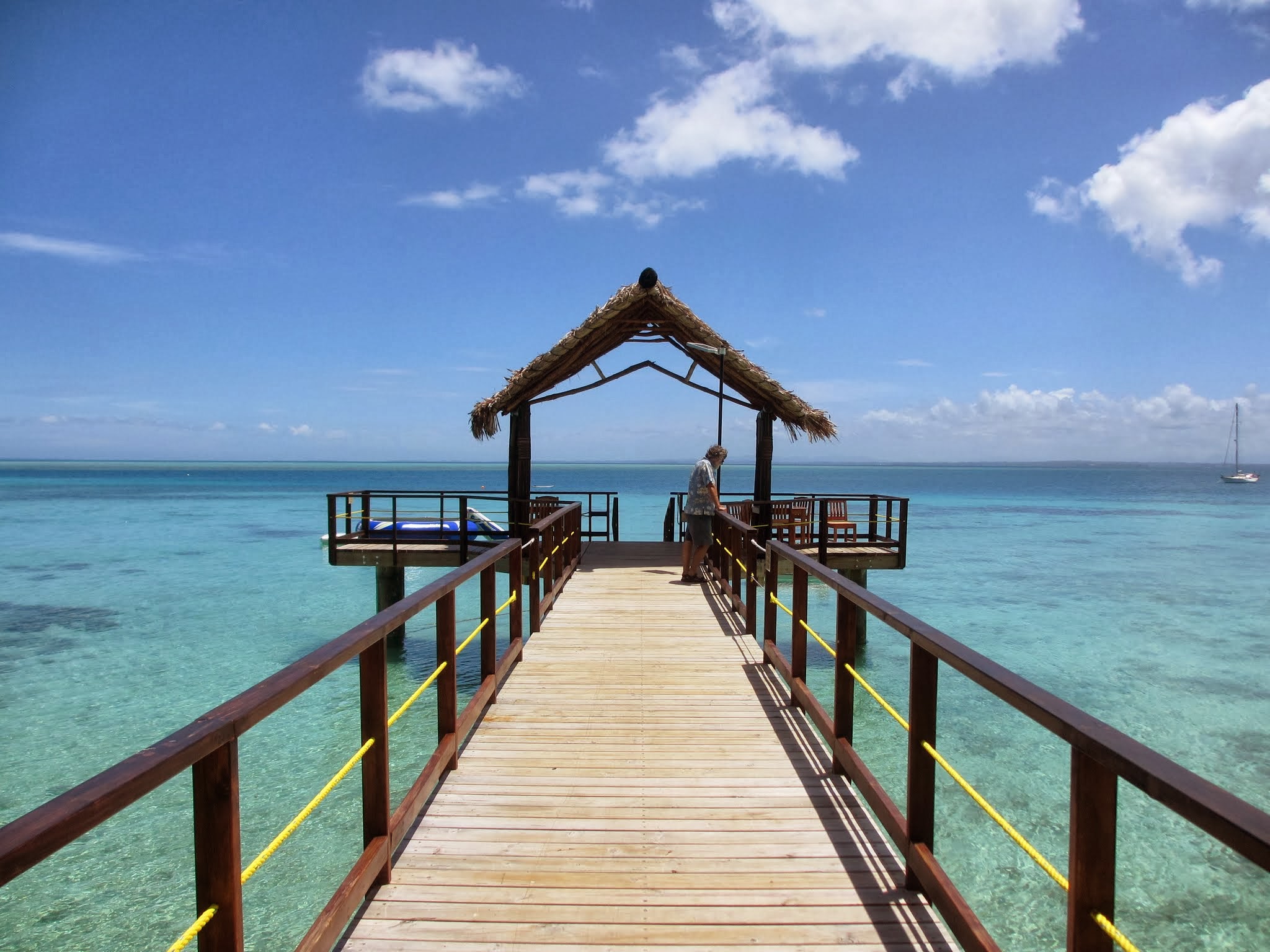
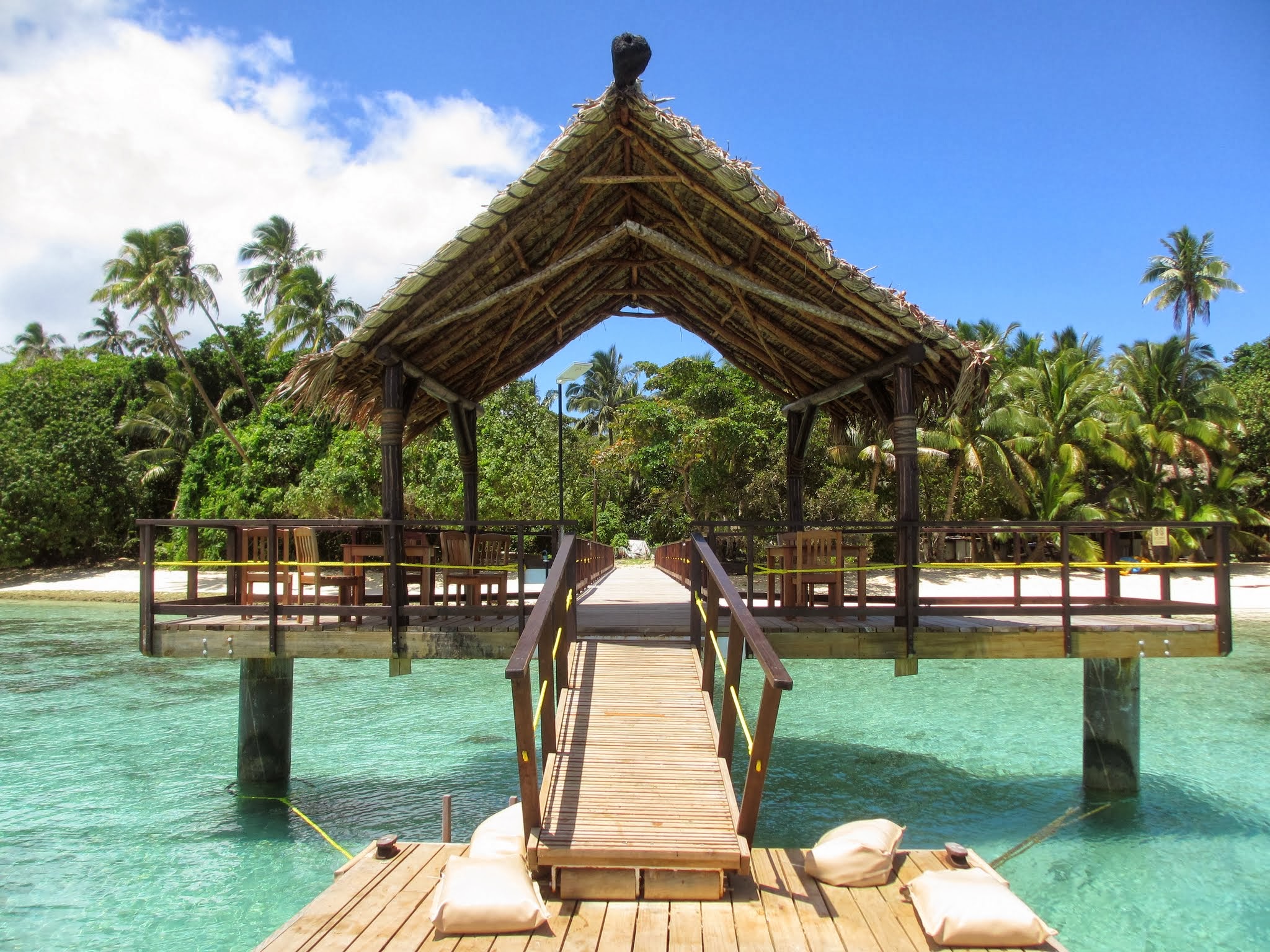
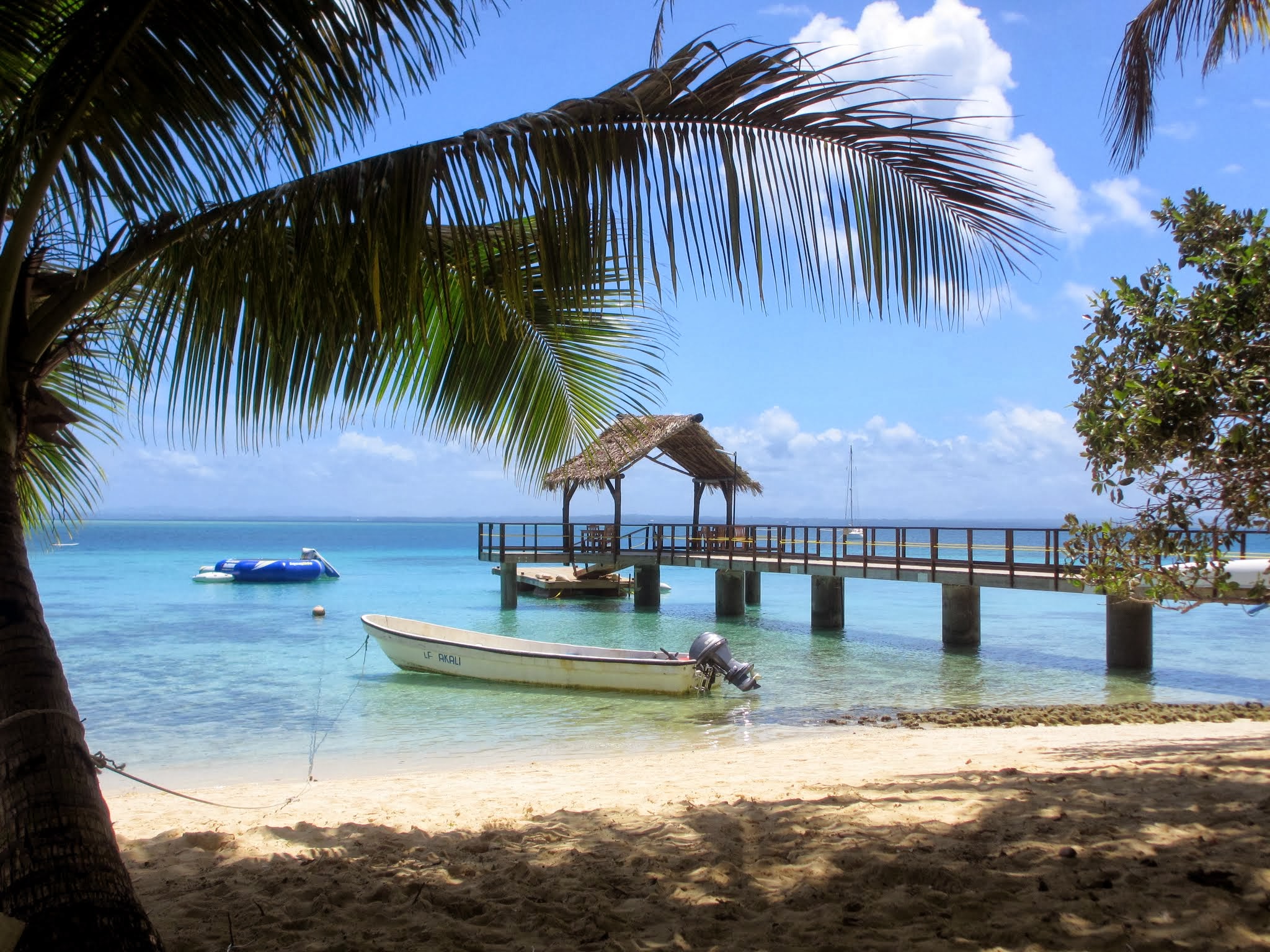
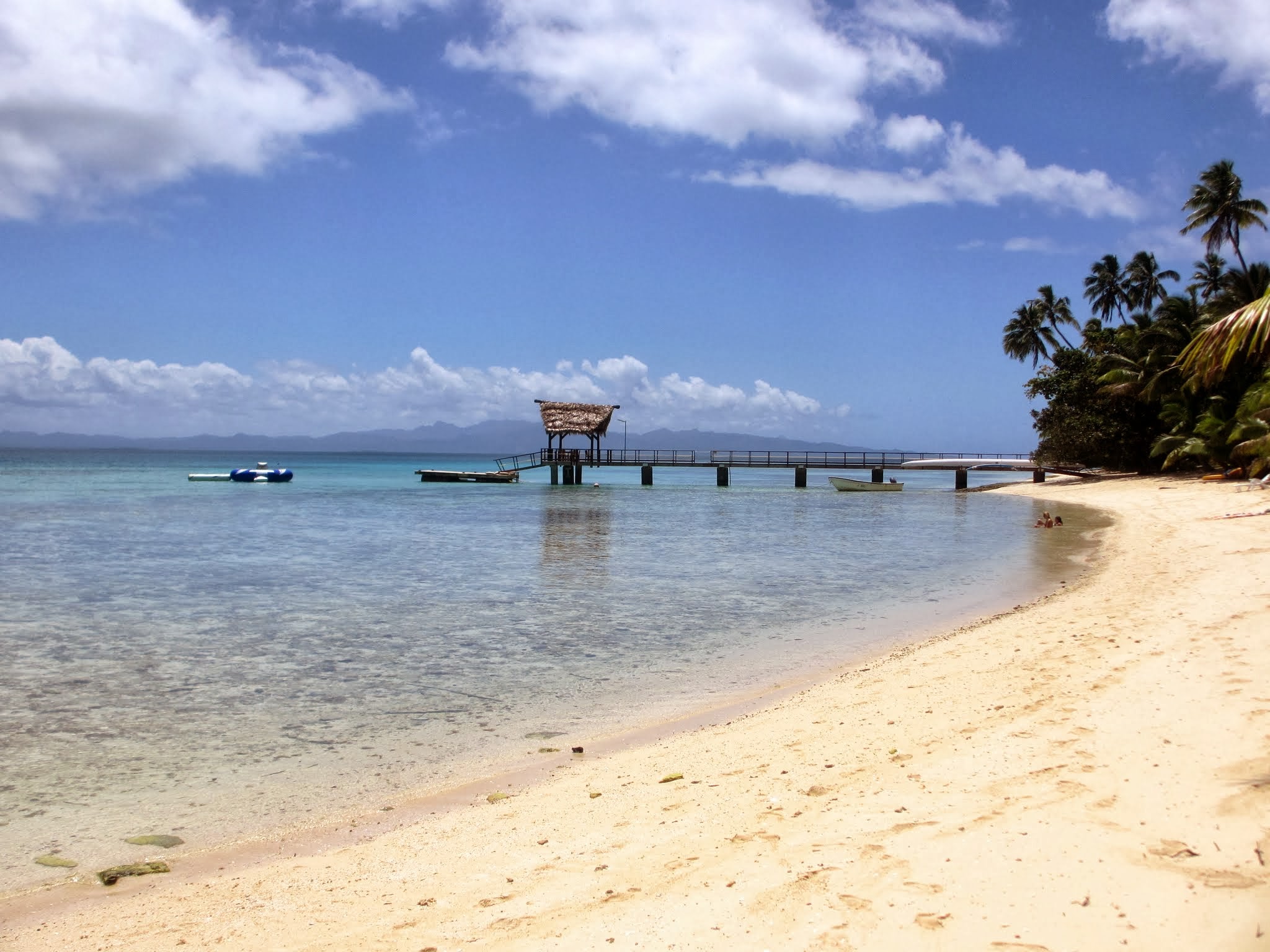
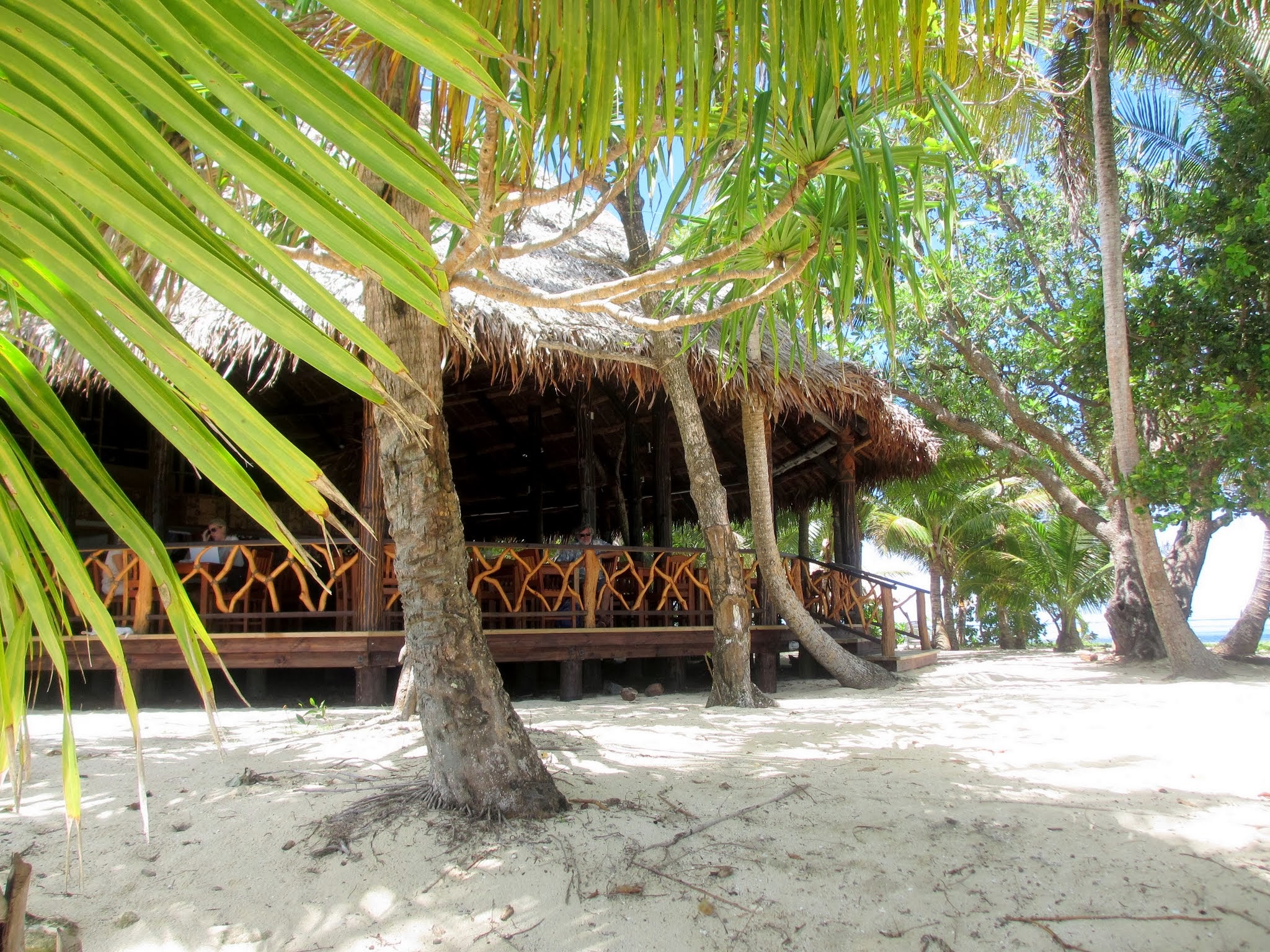
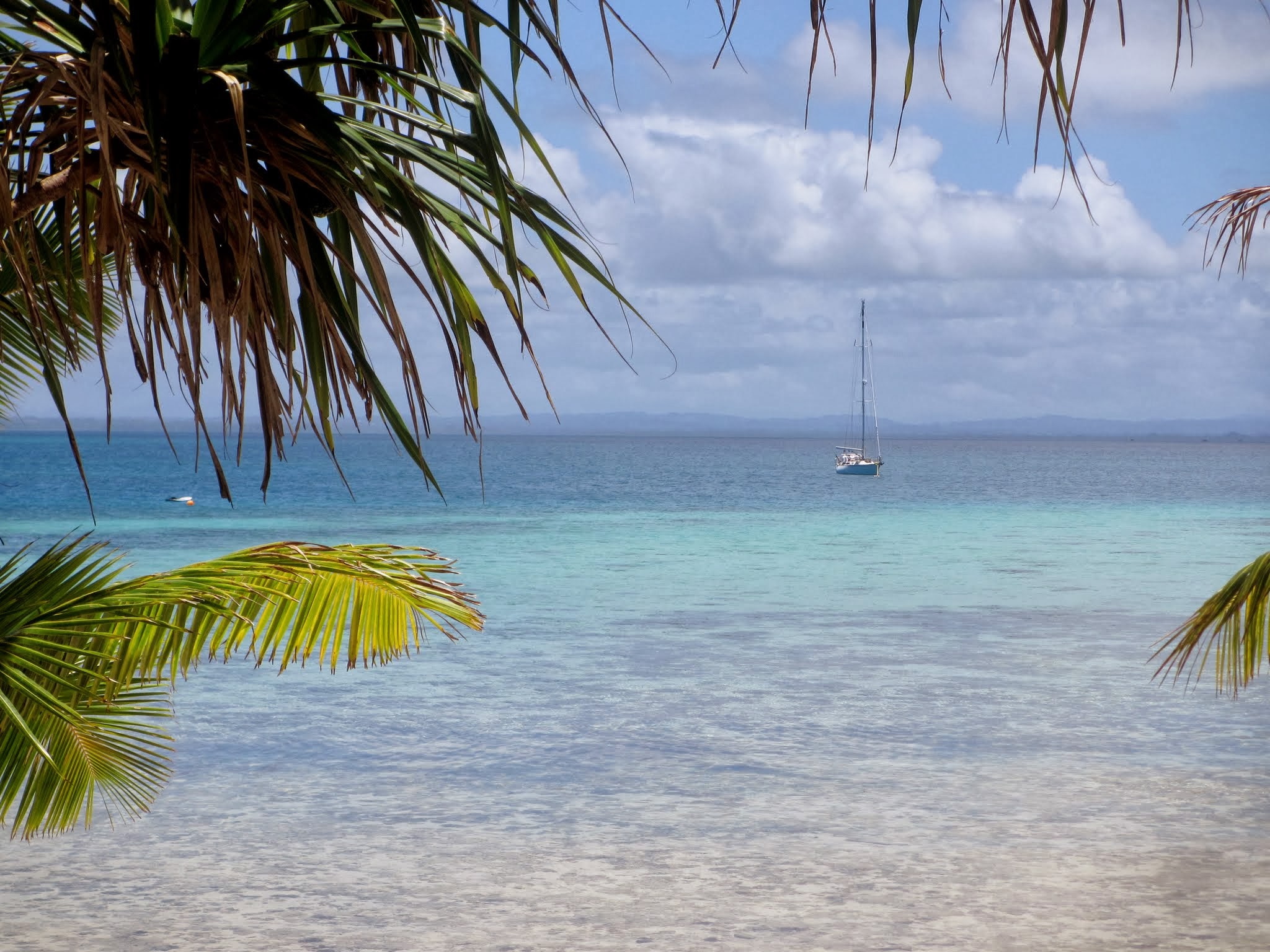
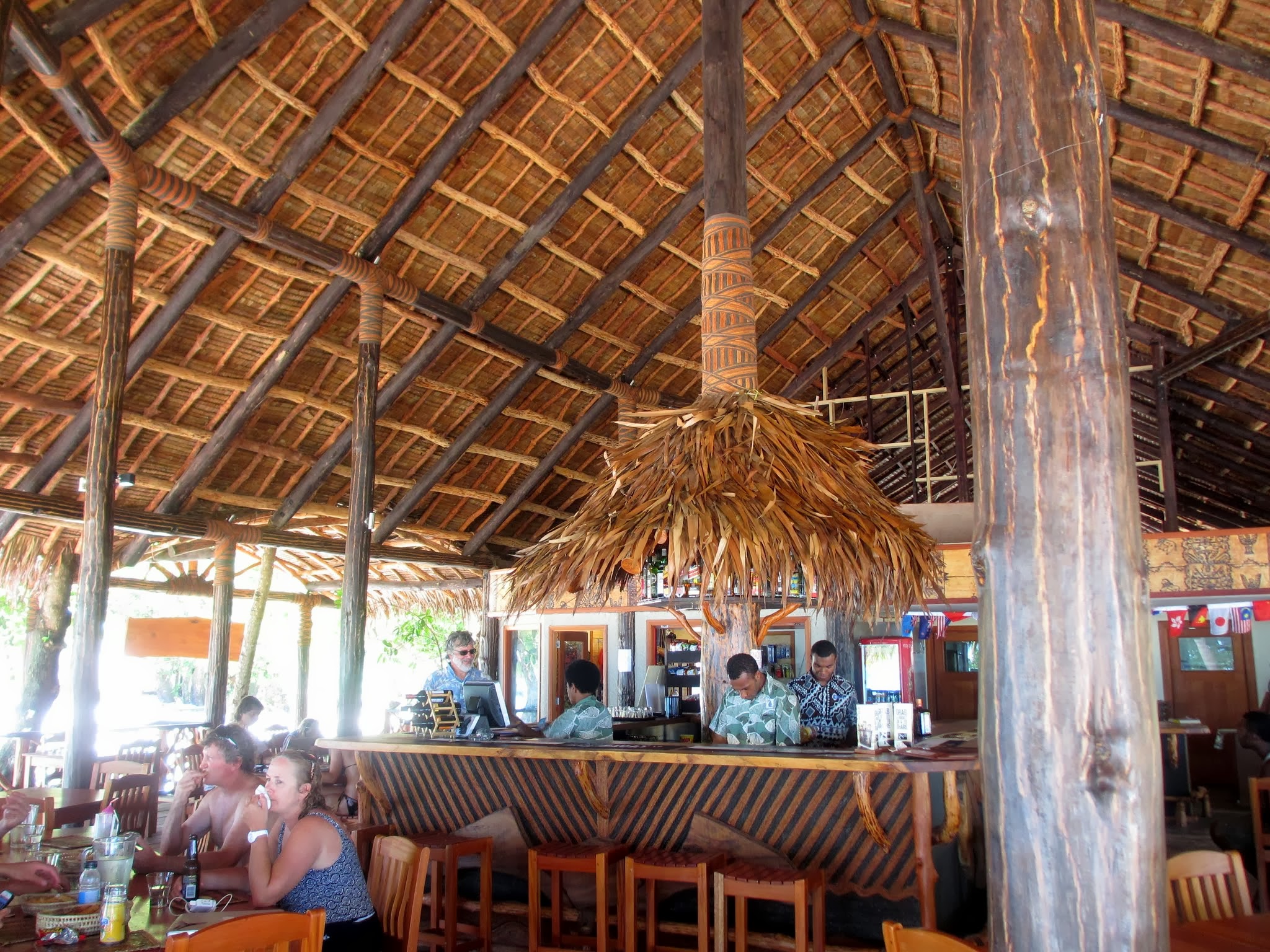
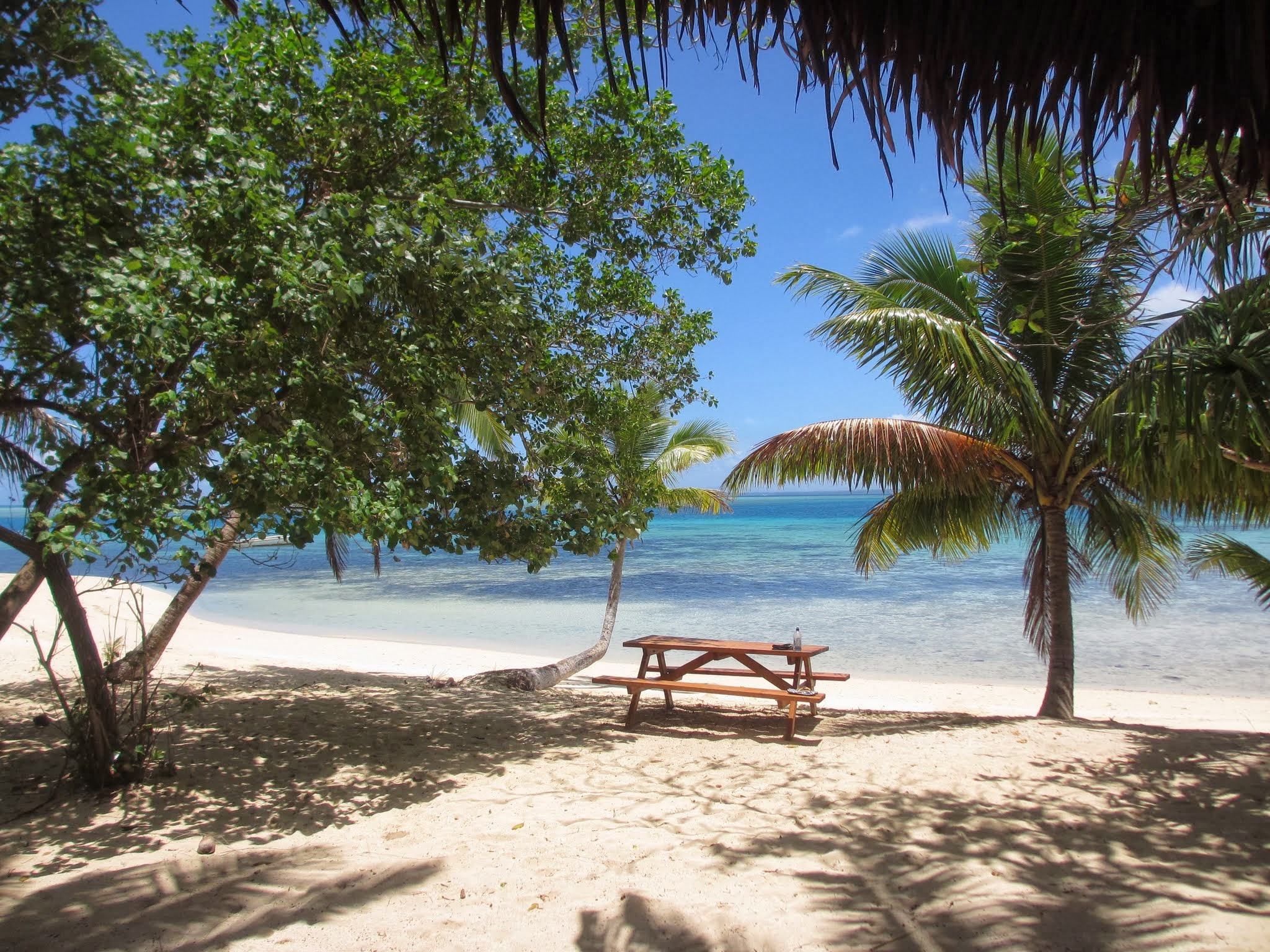
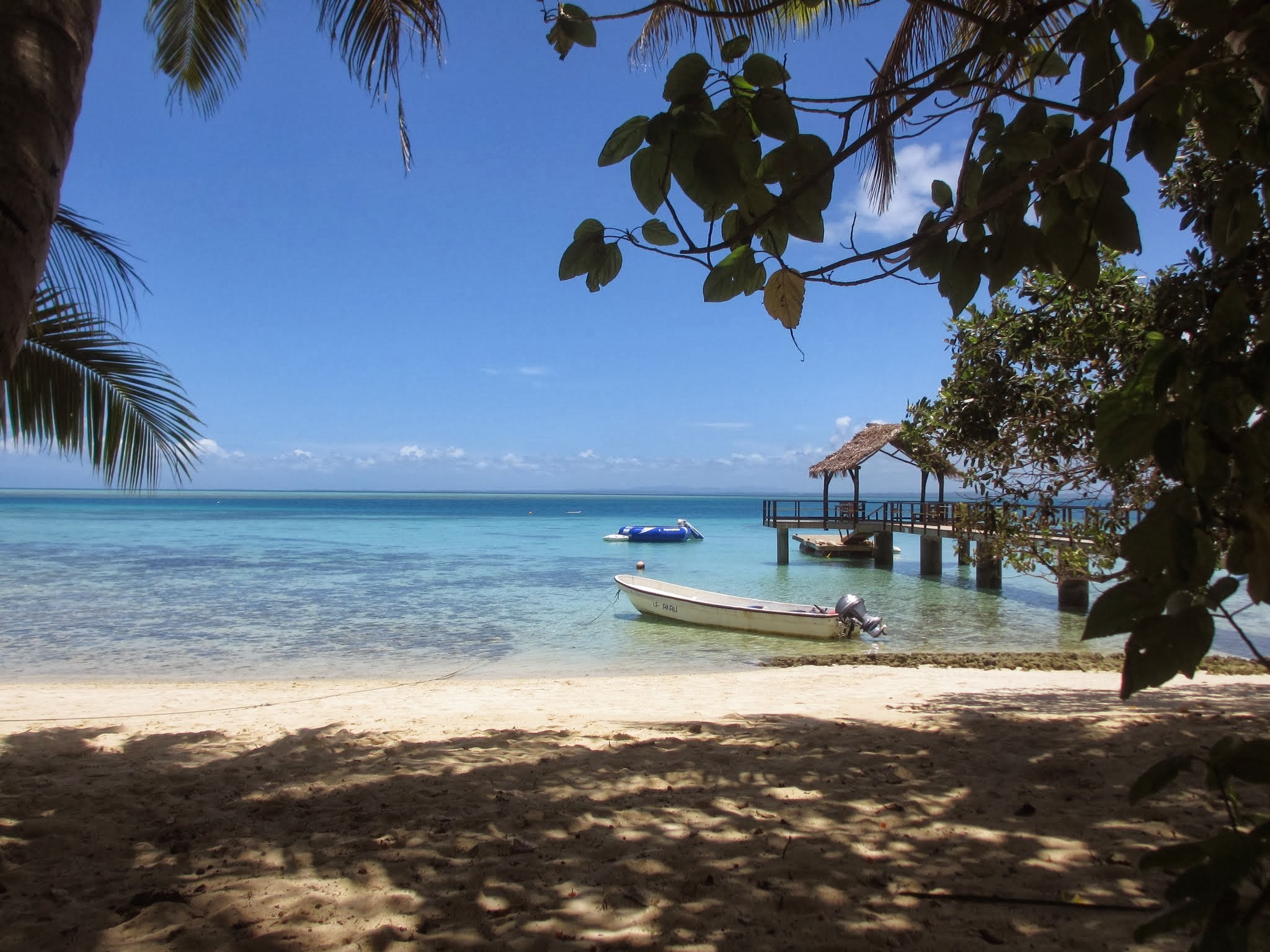
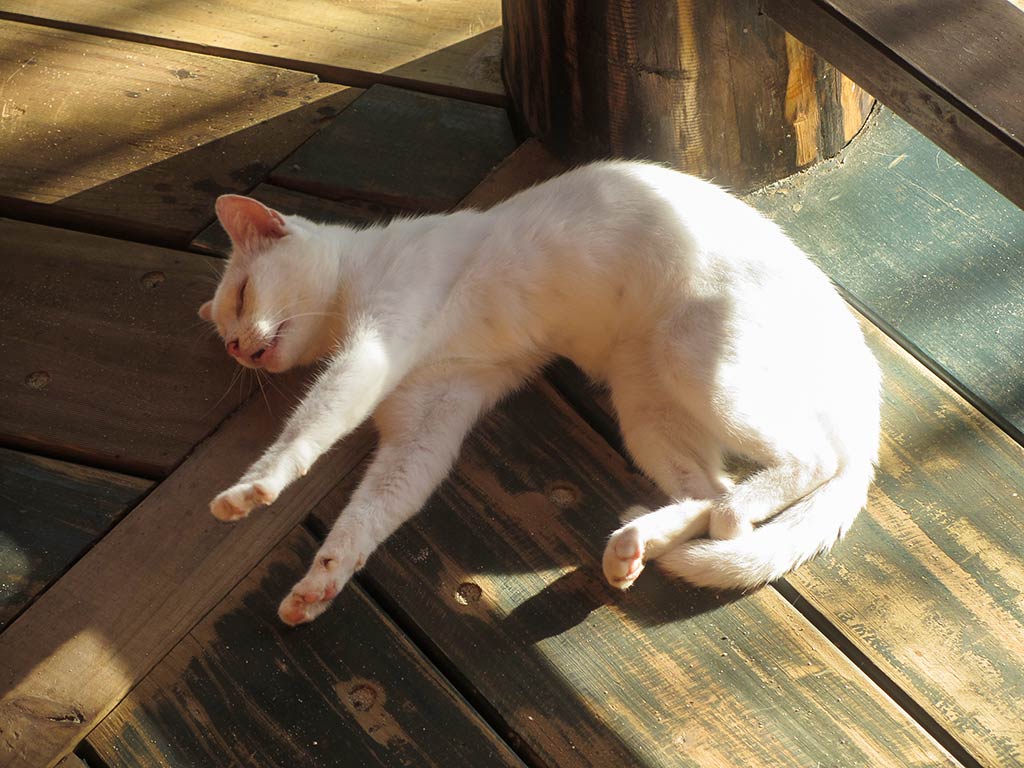
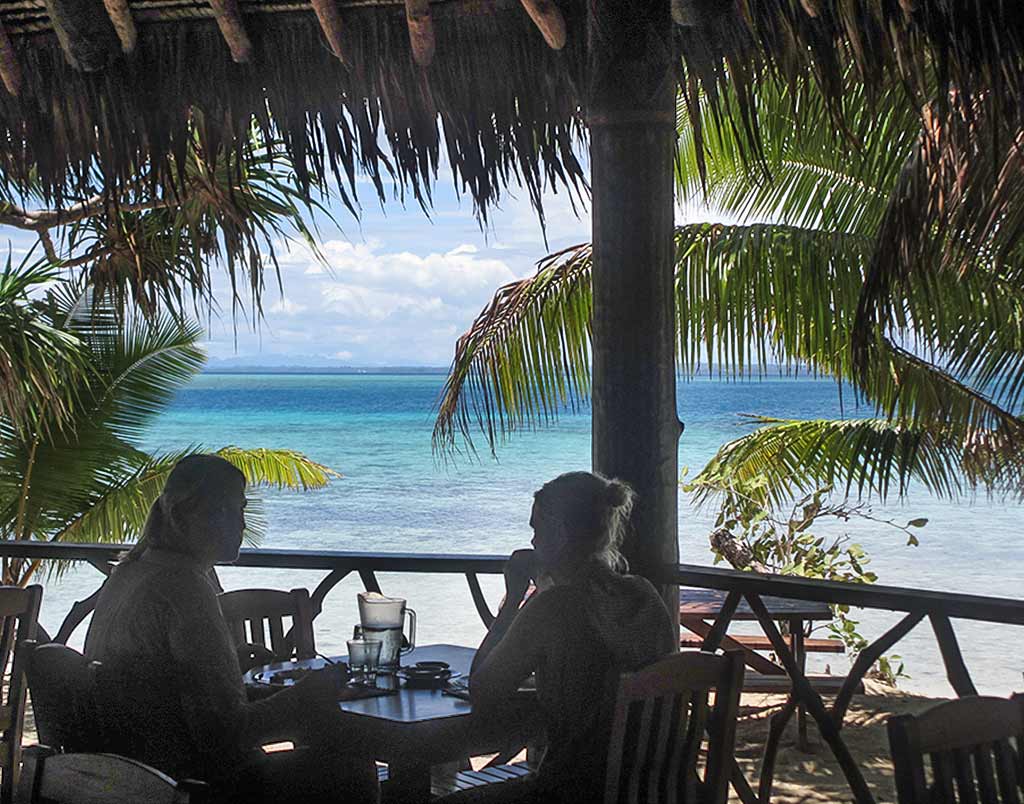
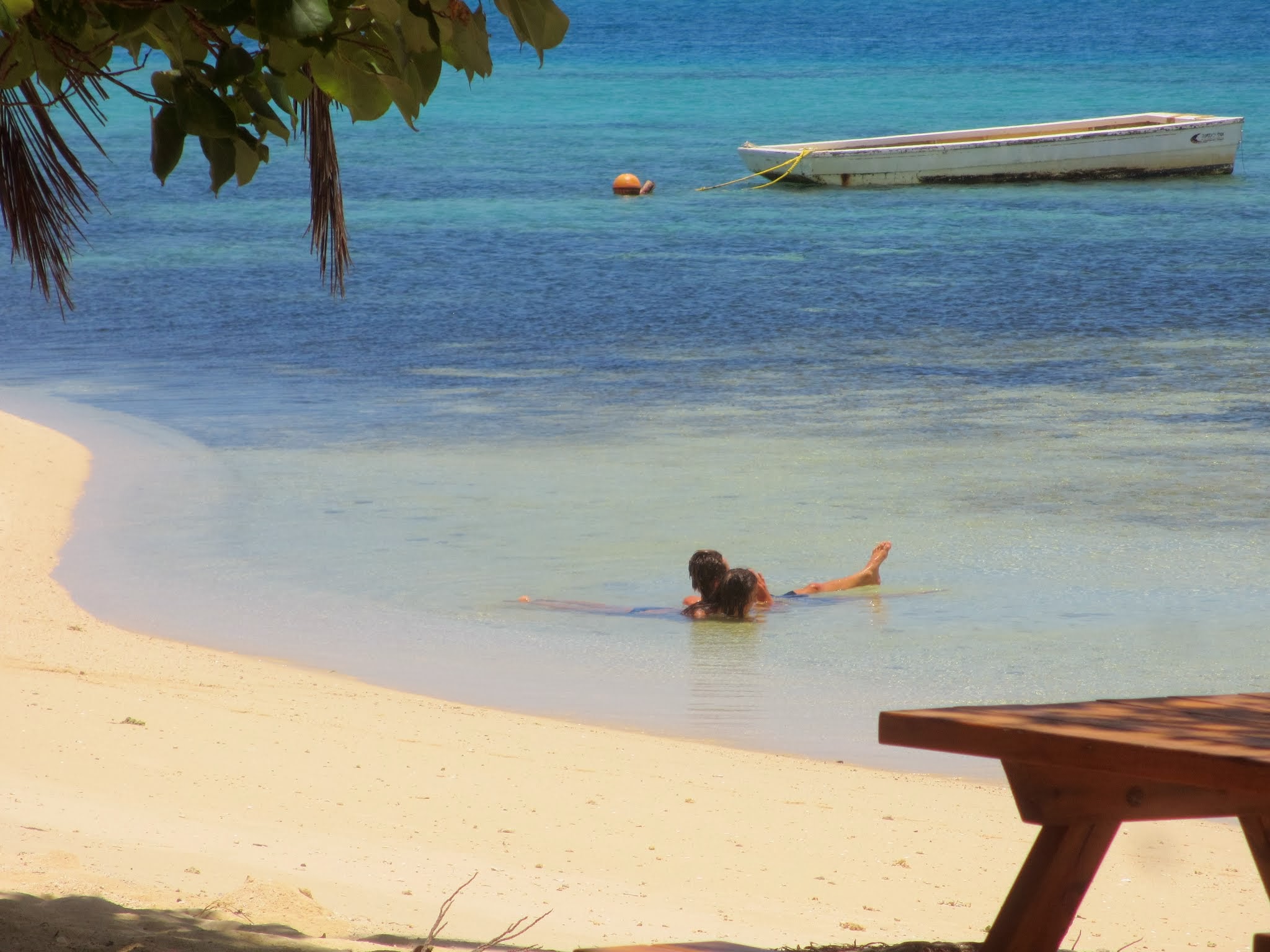
Below, a few photos of the places we frequented here: the pier, the beach, and the resort bar and dining area, plus a photo of the resort’s cat and the young people we had visit us on our boat. (Click to enlarge and scroll.)–Cyndi
Update: We visited Leleuvia in 2018 and while it’s still beautiful, it does have a few issues. If you’d like to read about them; see the bottom of this post: Good-Bye Leleuvia