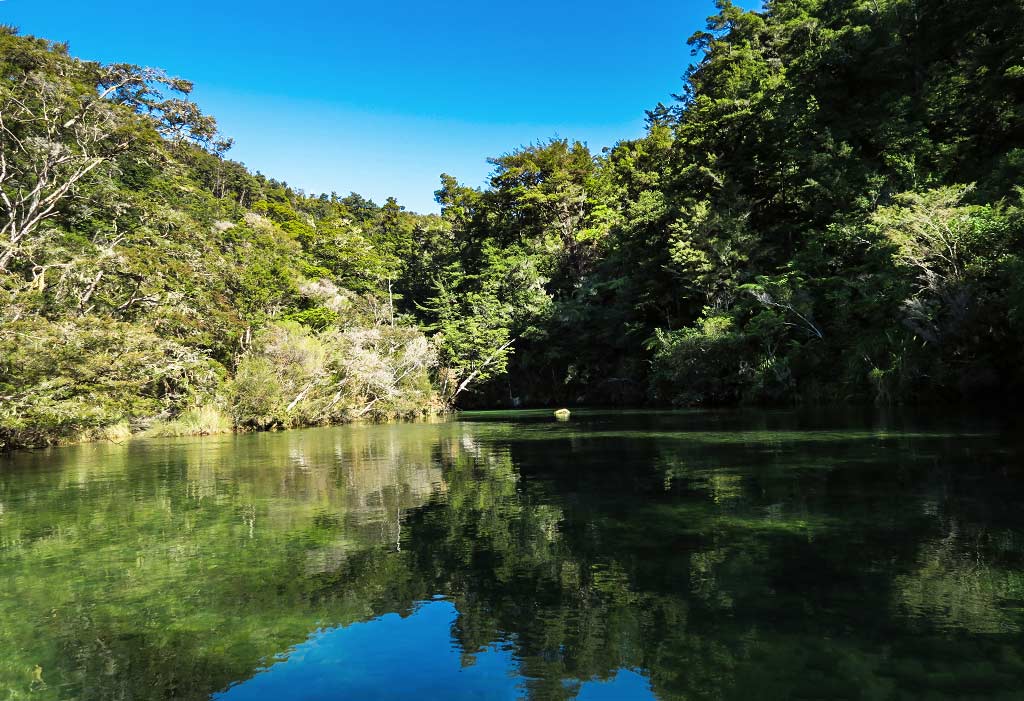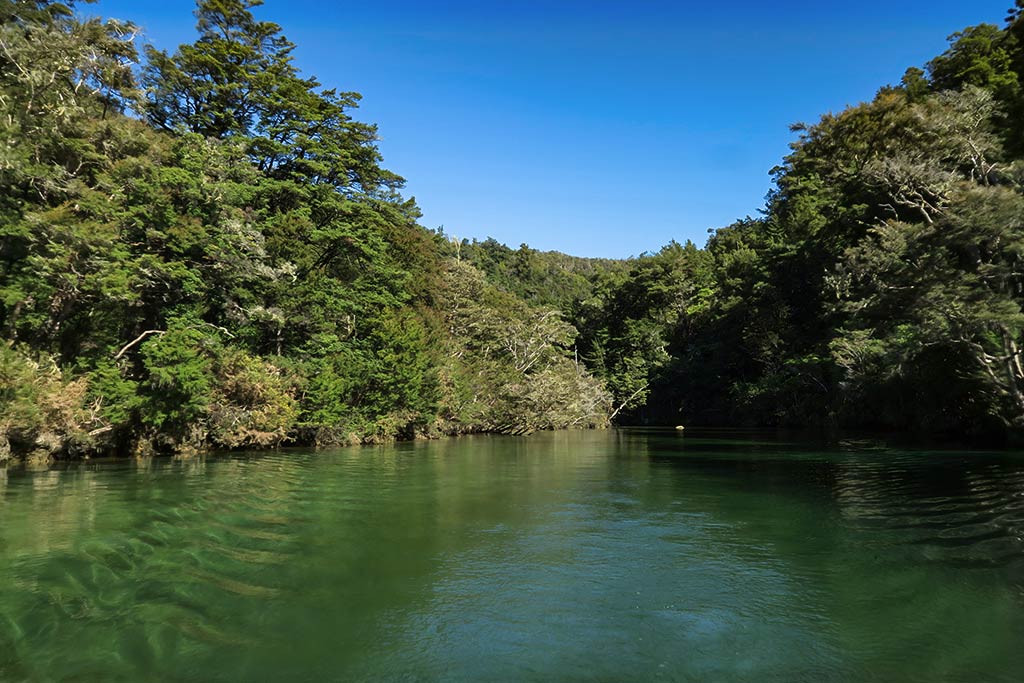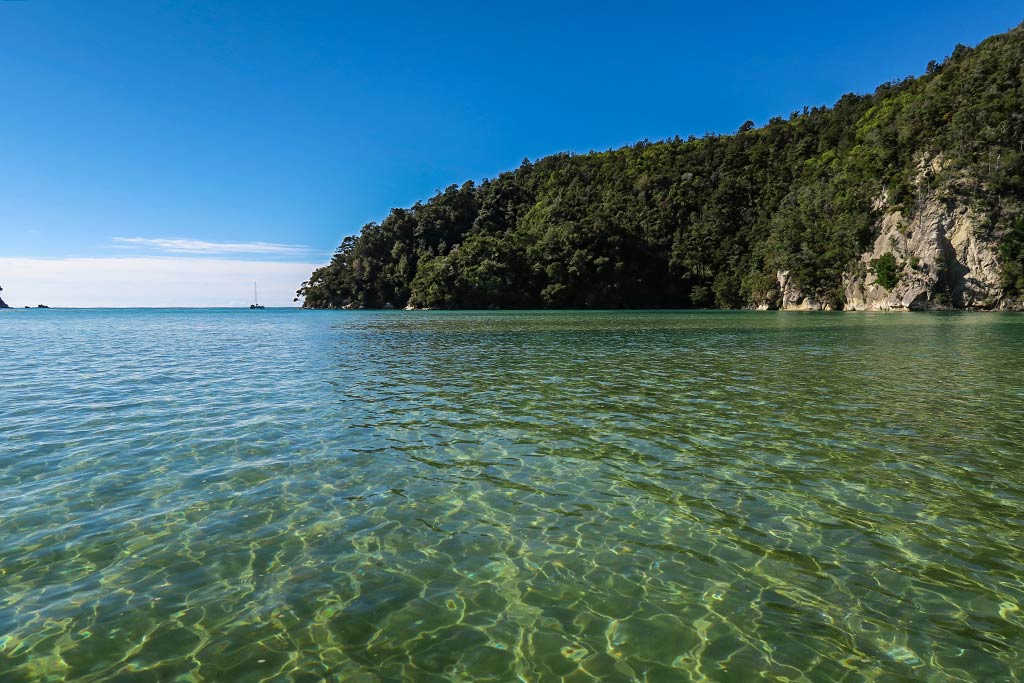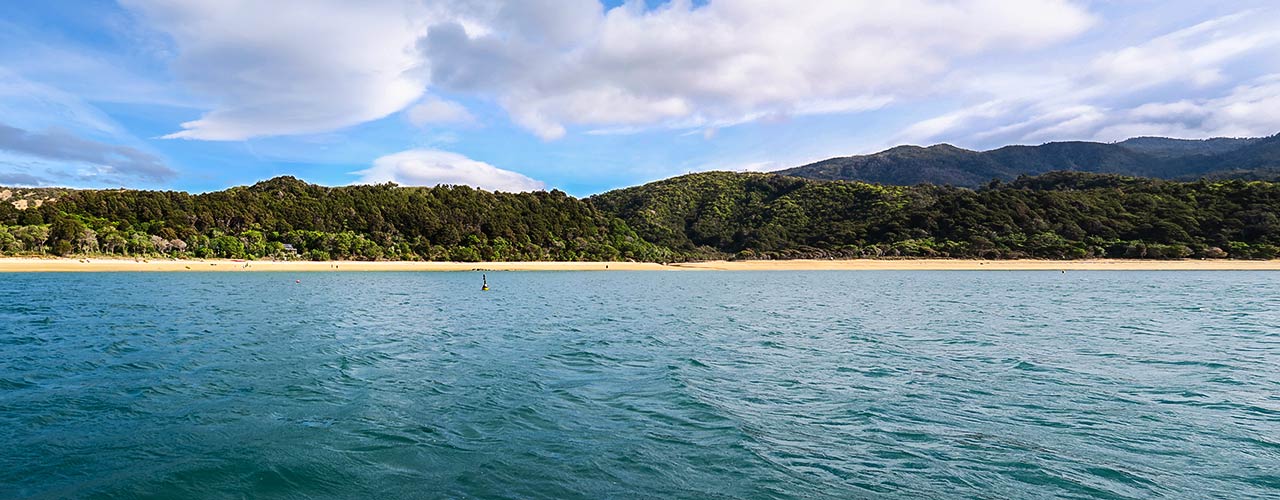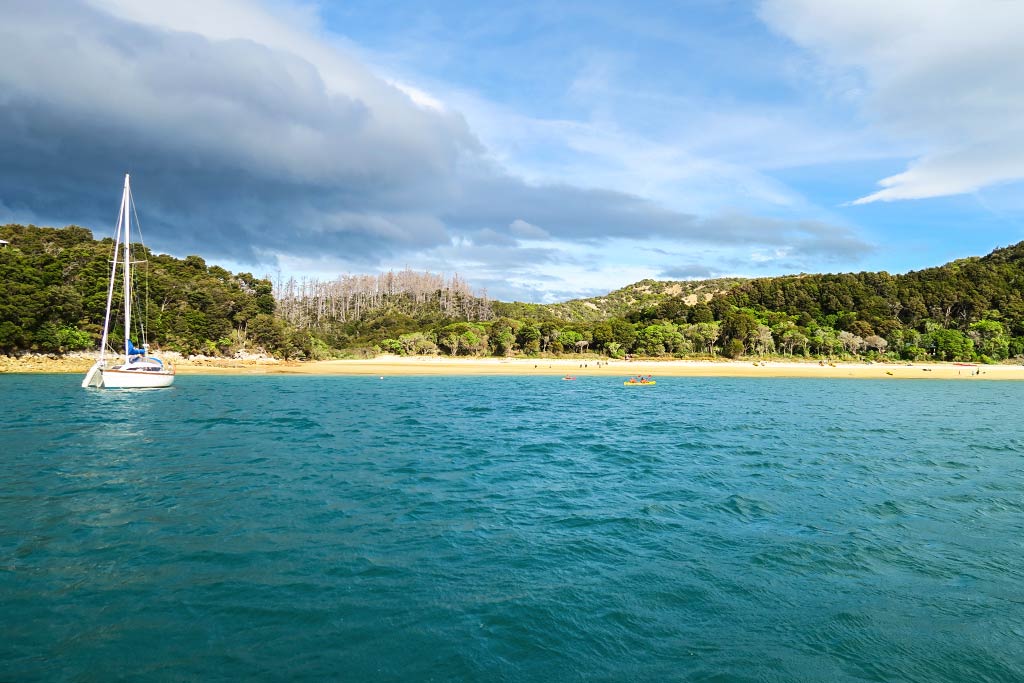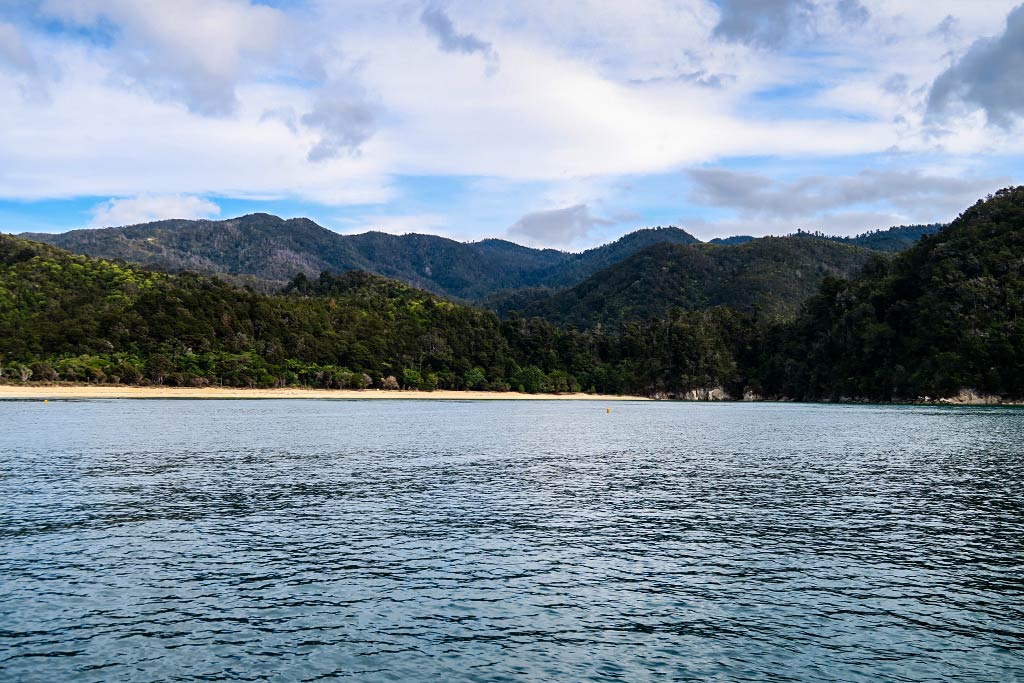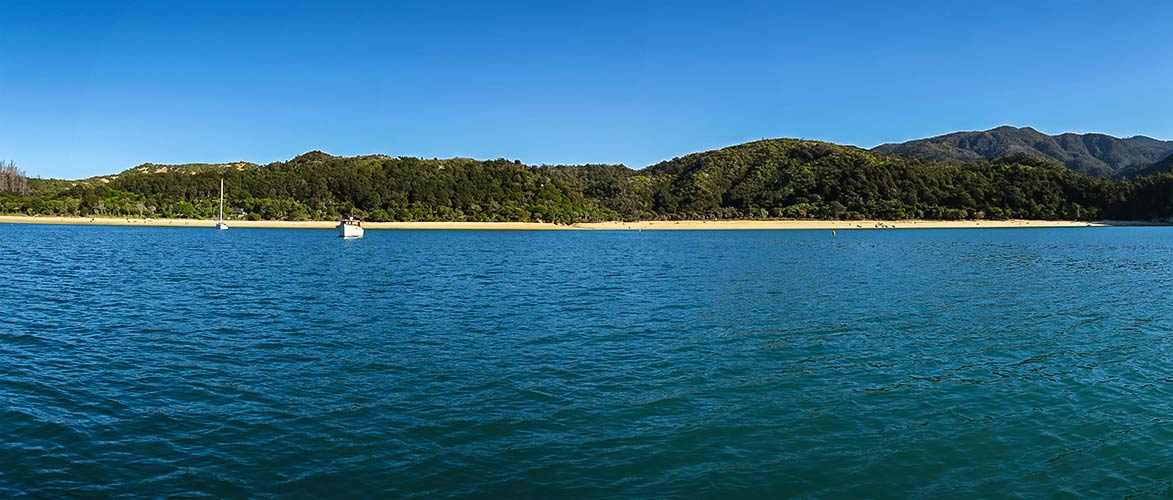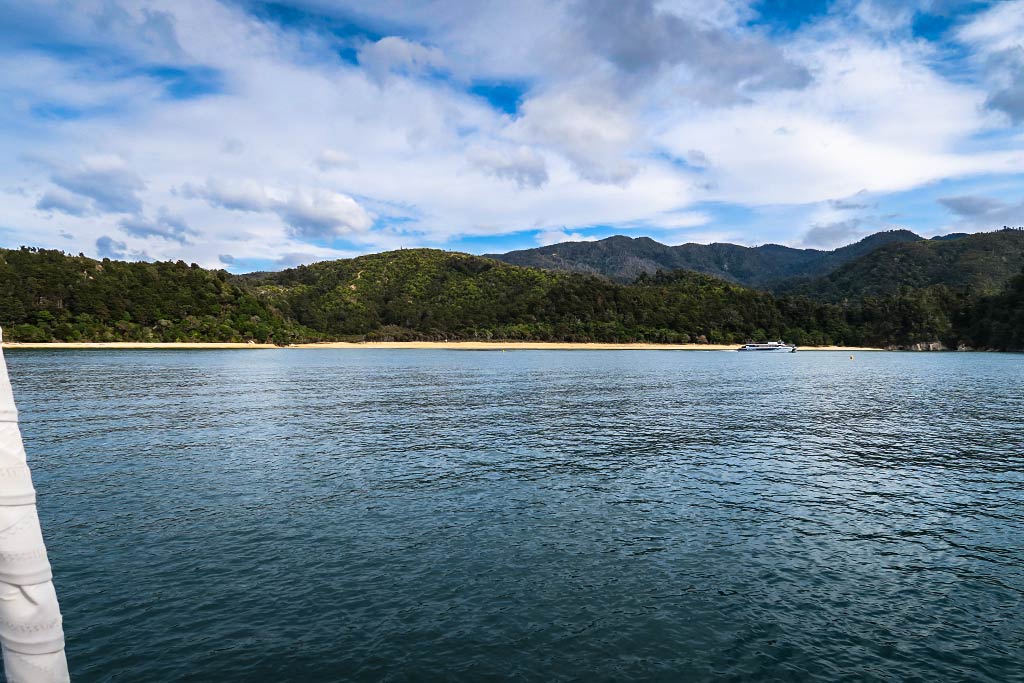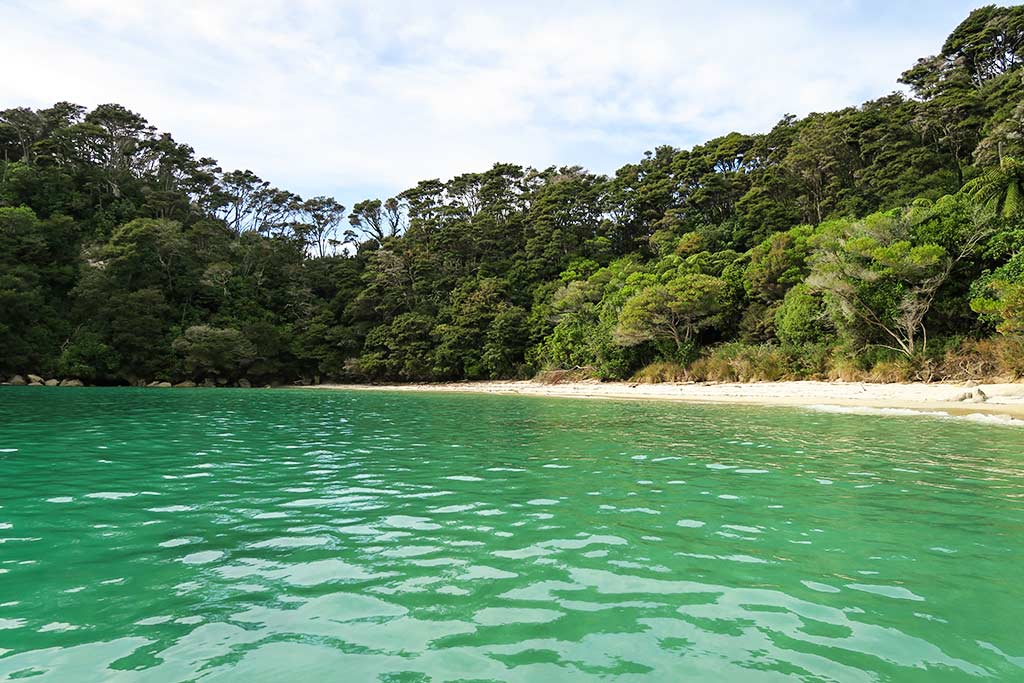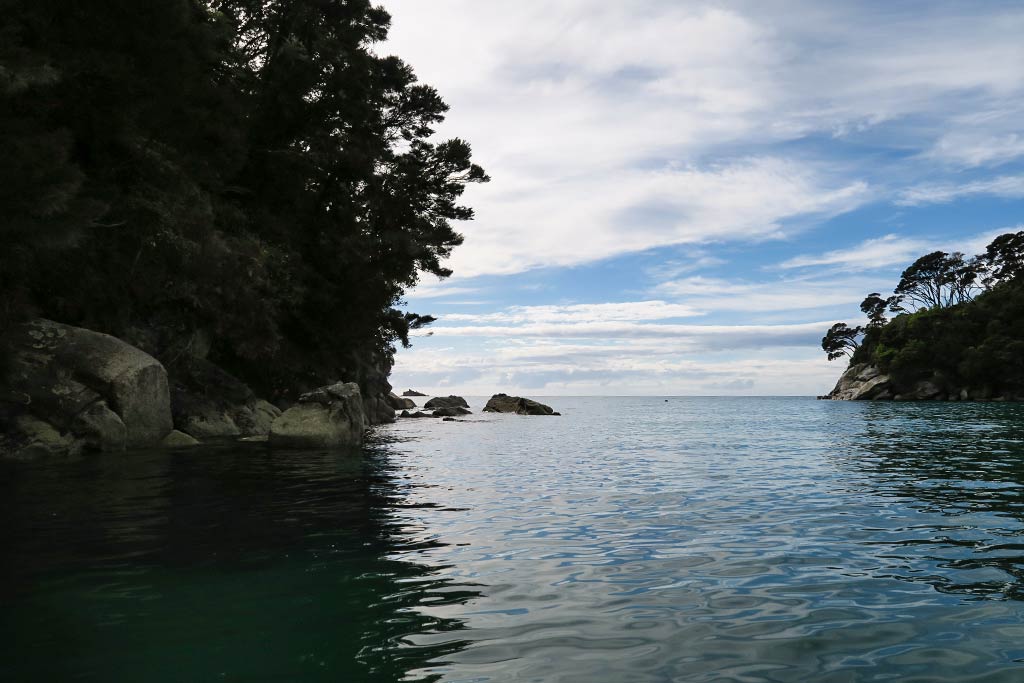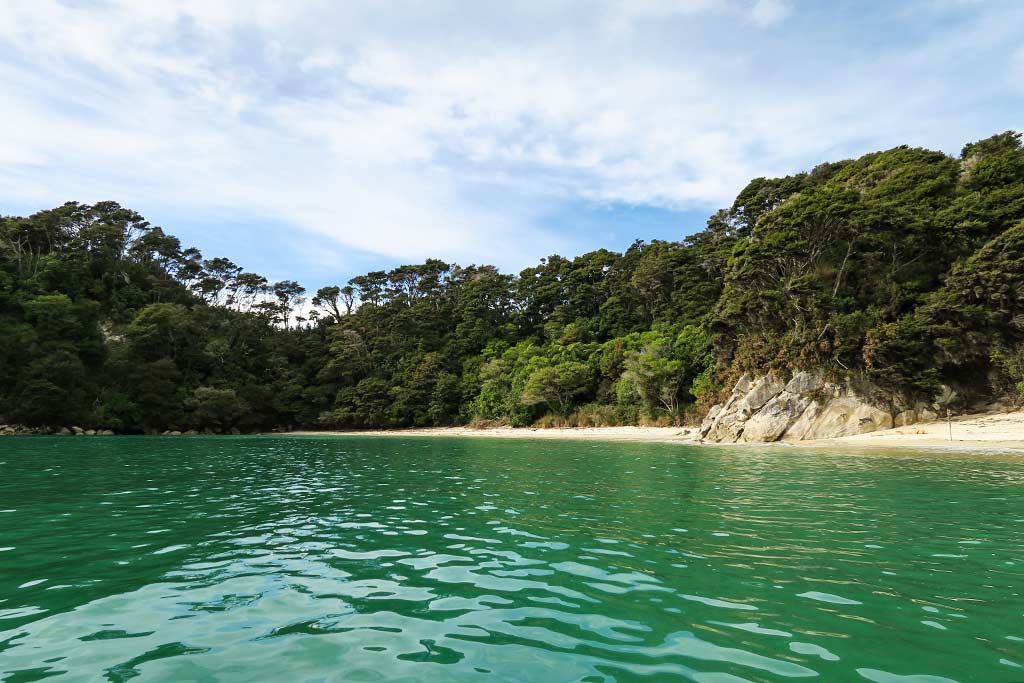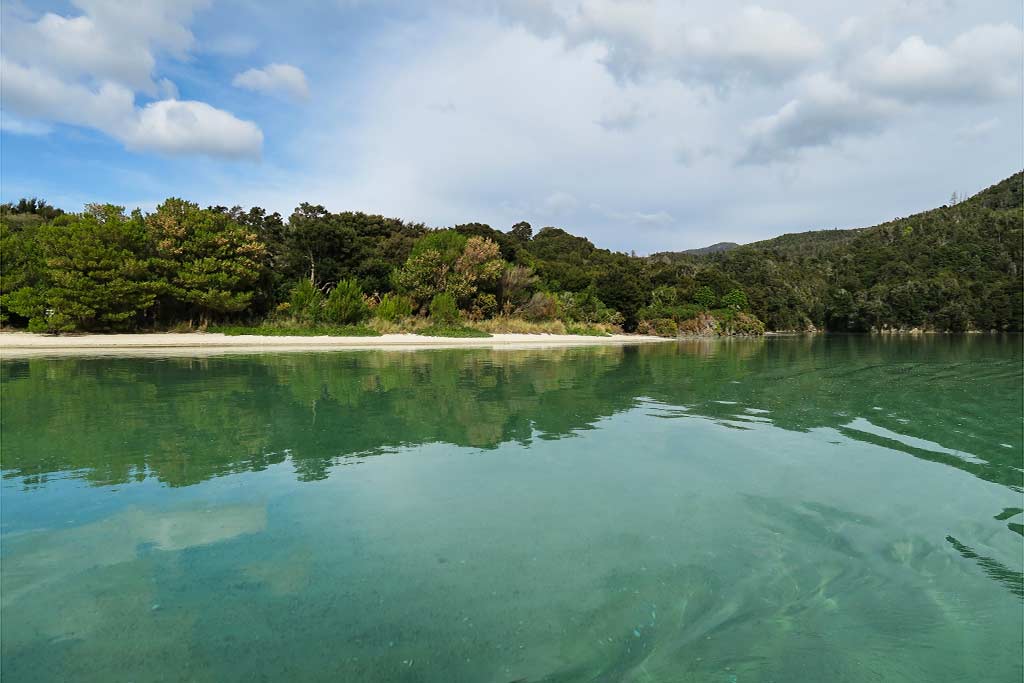
Torrent Bay Lagoon (Able Tasman National Park, New Zealand)

April 24, 2016

We had a few things on the agenda today, and when I say “we,” that actually means “I.” Being the unofficial tour guide, I do most of the planning; so Rich gets to be surprised. When I say “surprised,” I actually mean “dragged around.” Rich is a good sport about it, though, and gets to reap the benefits when the places I choose turn out to be gems. Occasionally, though, I have a miss, in which case I get ribbed about it endlessly. (I’m still hearing about the Seattle bed and breakfast fiasco of 1995).

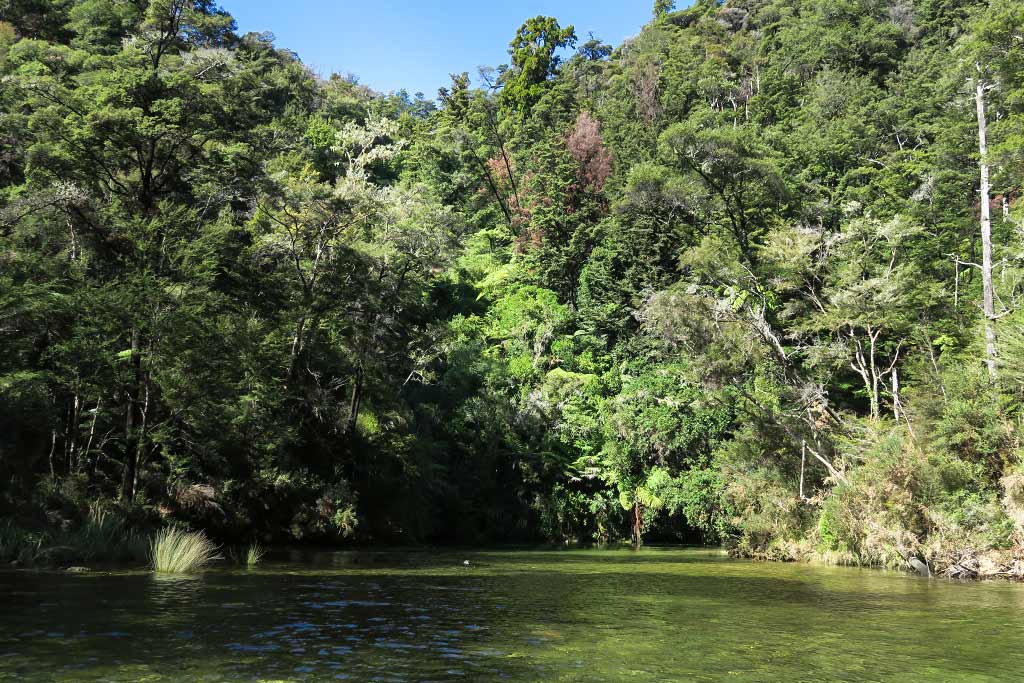
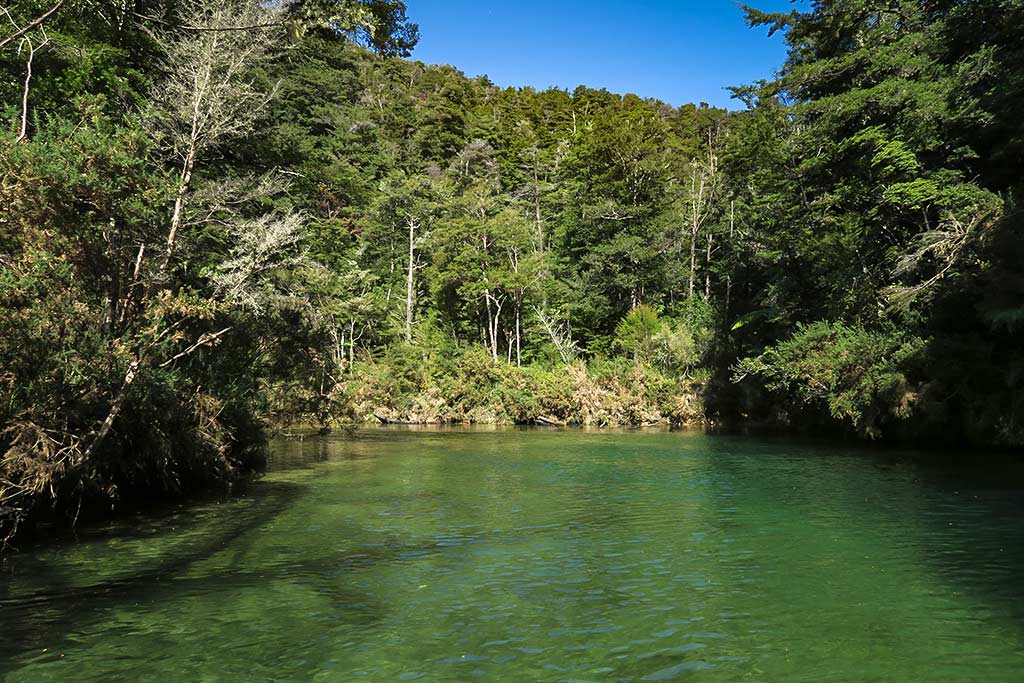
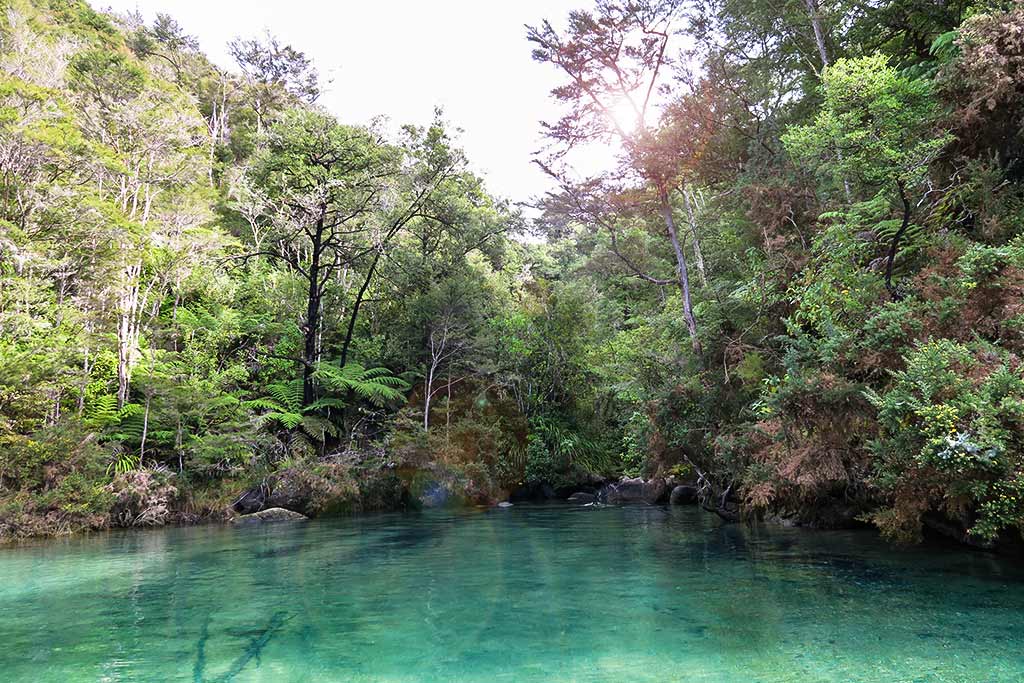
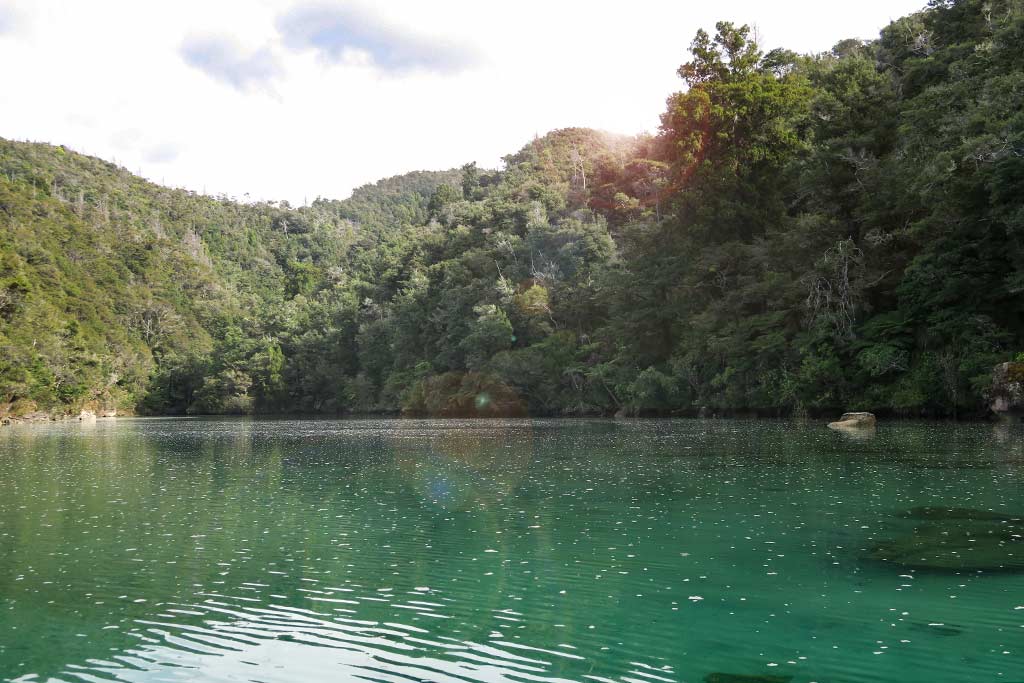
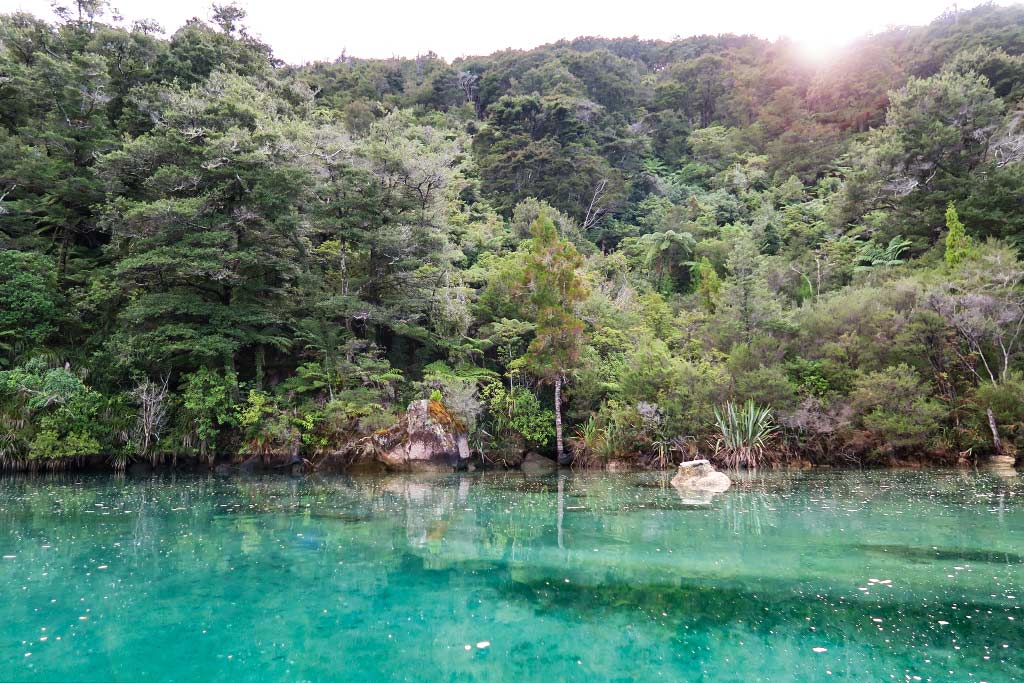
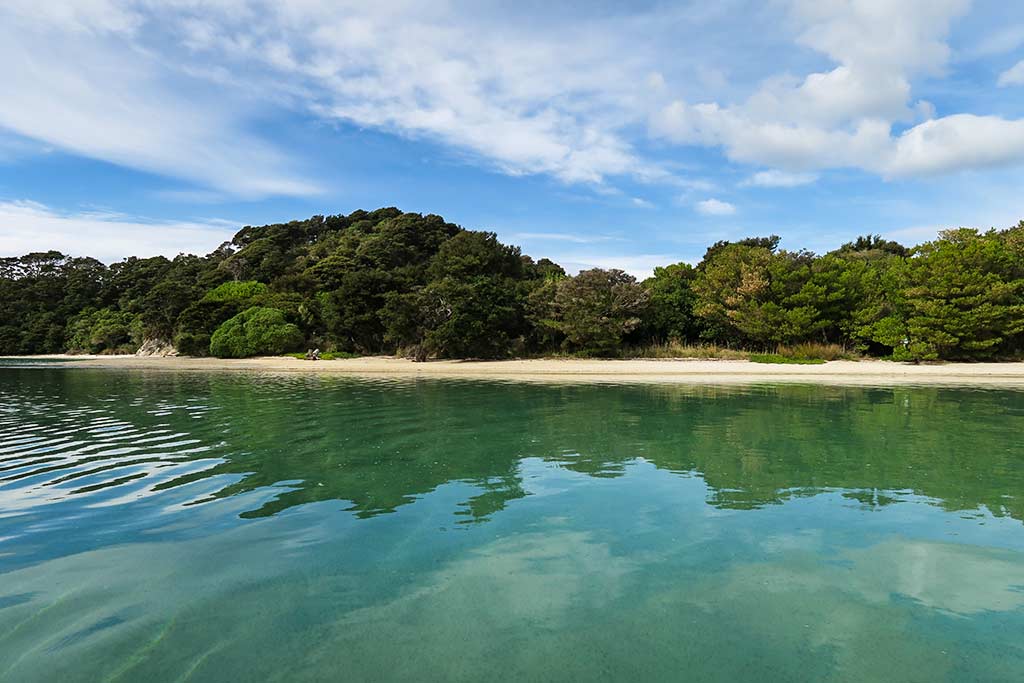
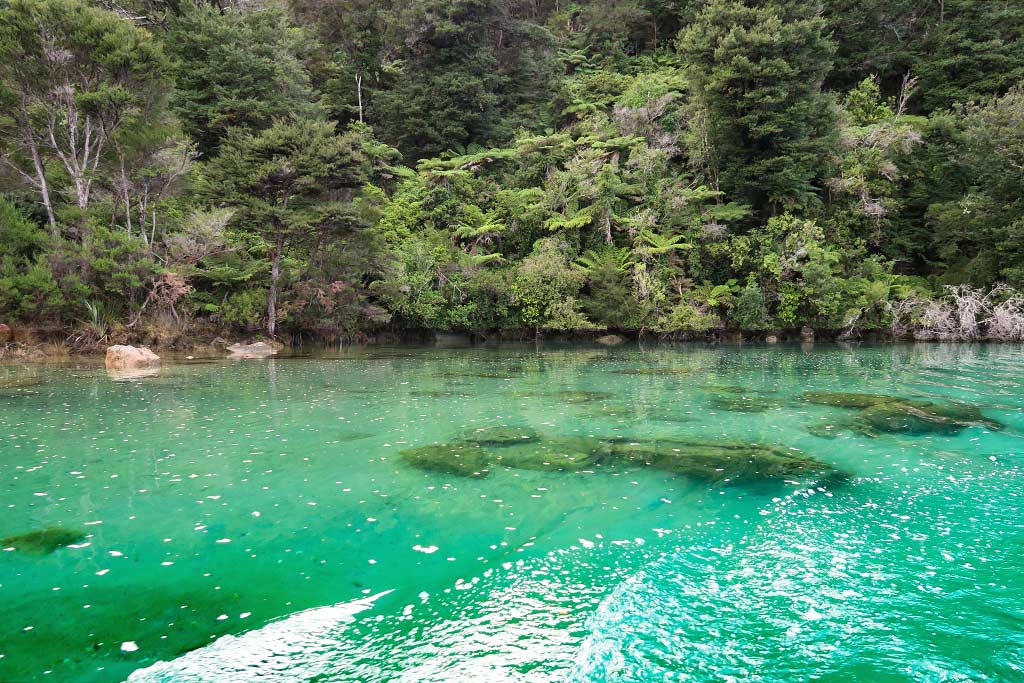
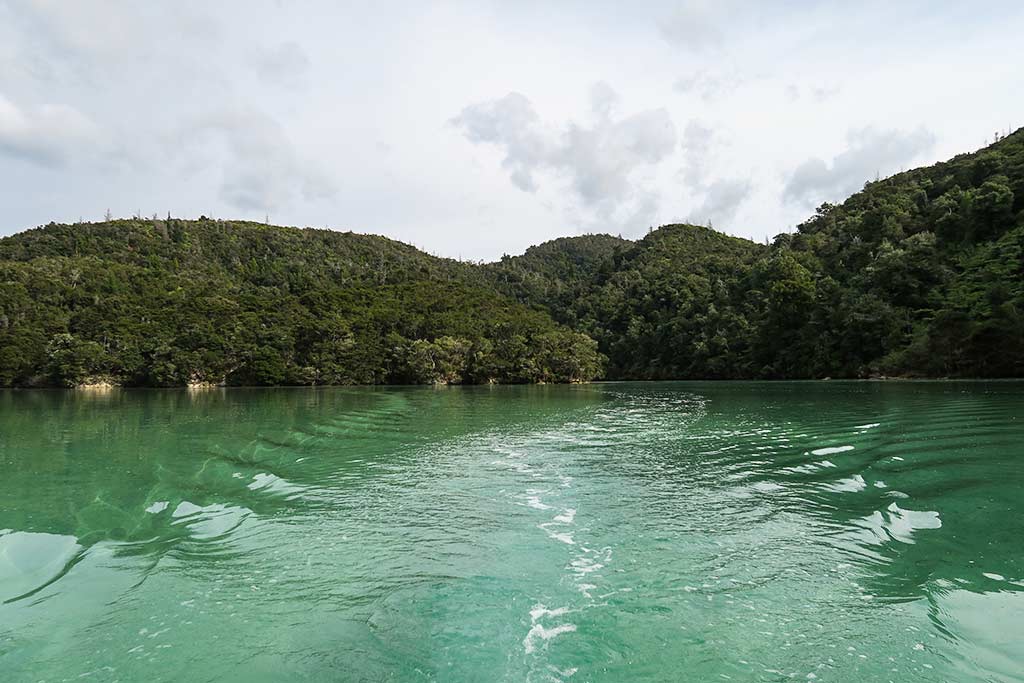
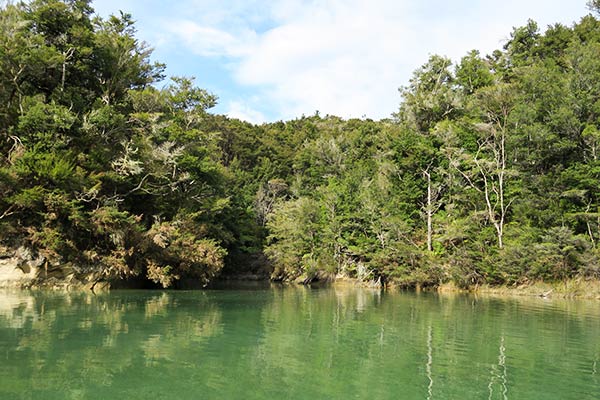
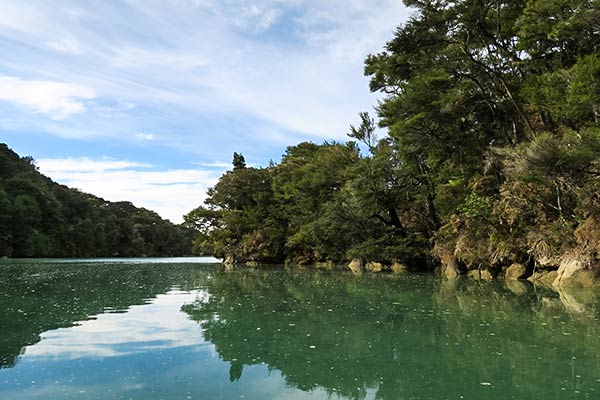
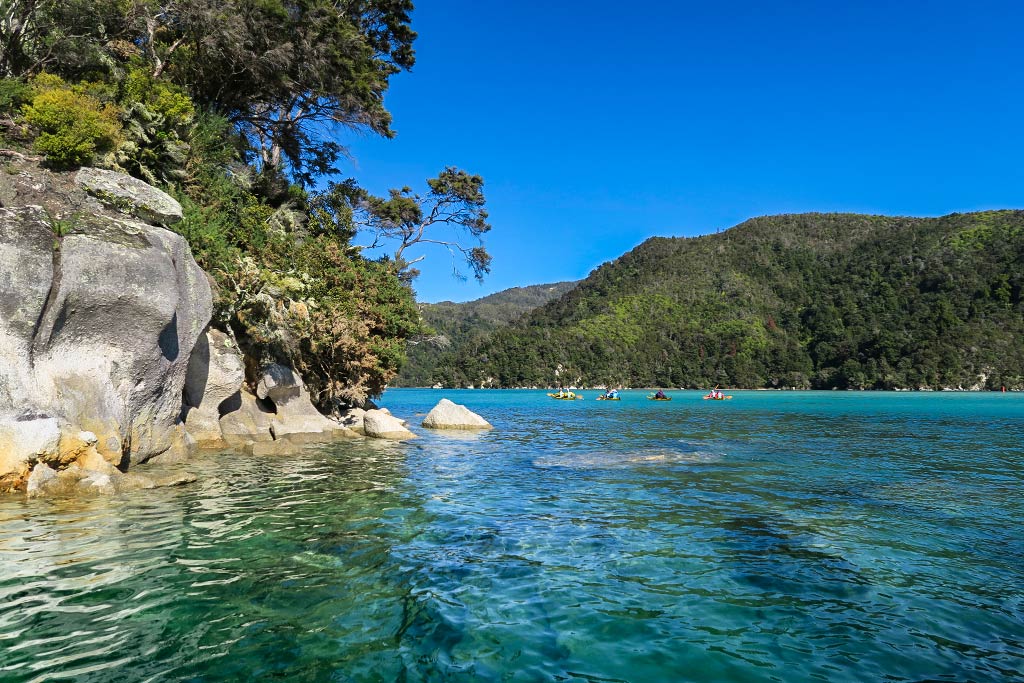
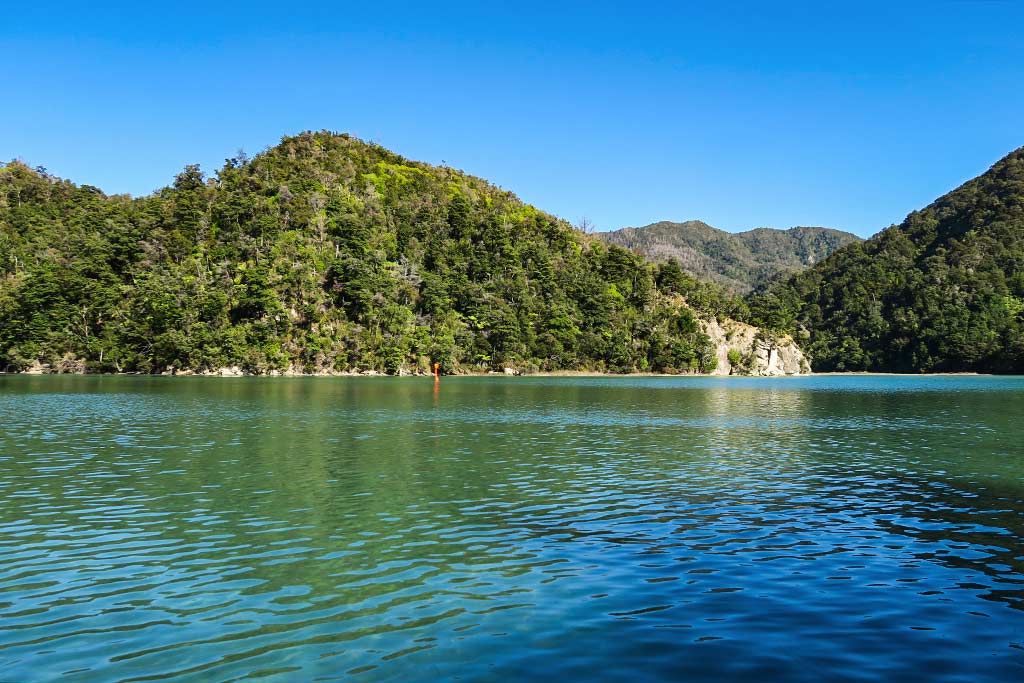
The first thing on the agenda today was to take our dinghy into Torrent Bay’s lagoon. We had to make sure to time this well because what appears as a lake at high tide gets completely dried out at low tide. (This is of particular concern to hikers who have to take a longer route if there’s water in the lagoon.) It was a beautiful day, it was high tide and it was time to head over there.

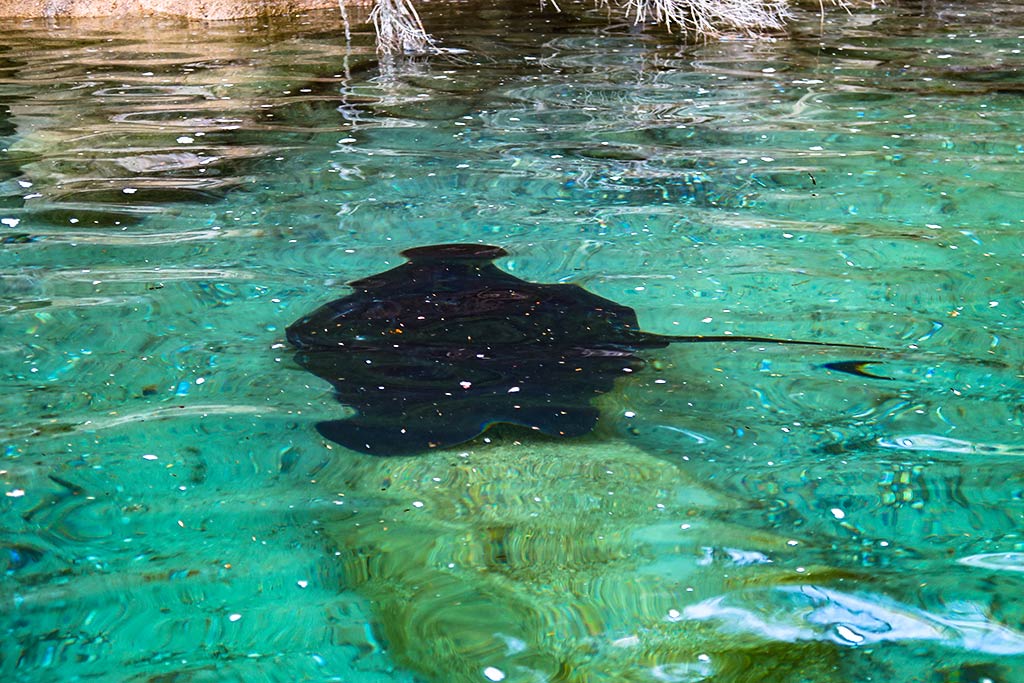
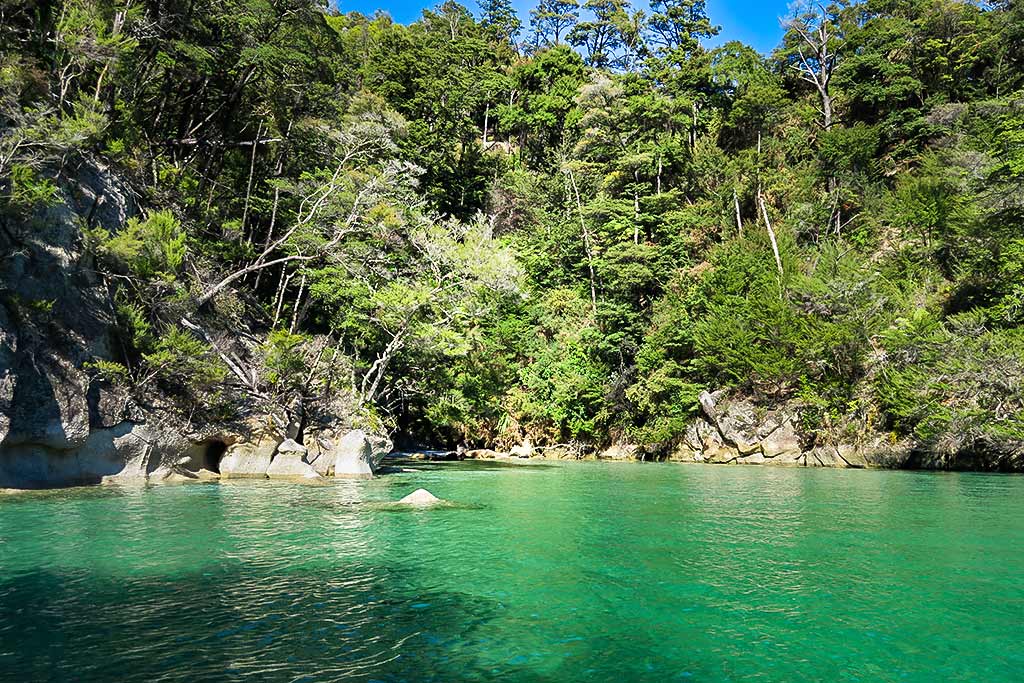
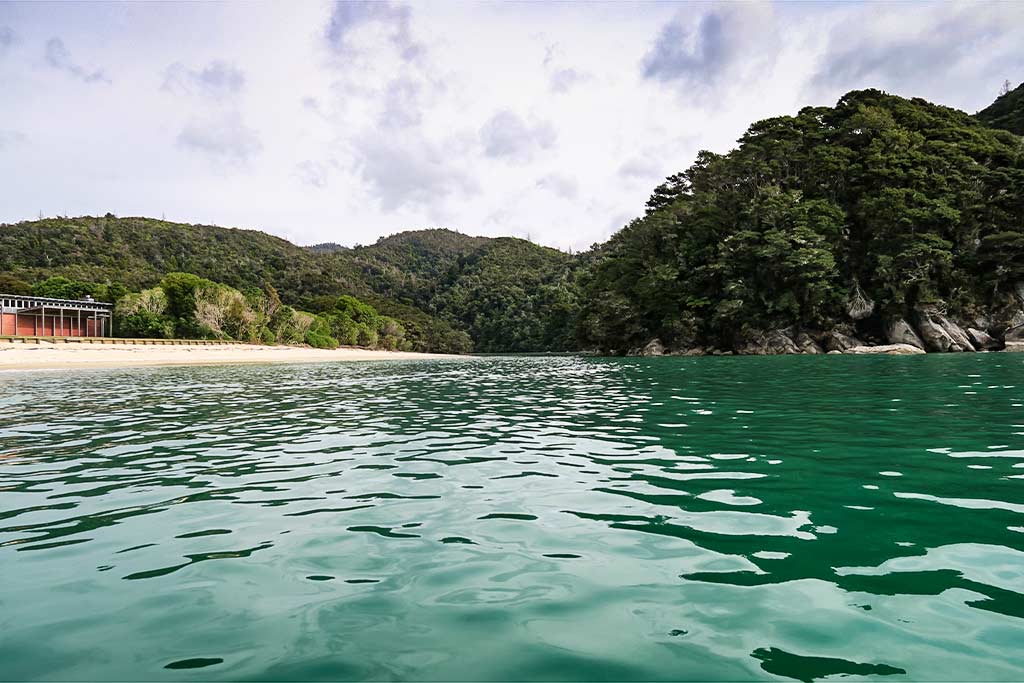
We entered the lagoon and began to make our way around near the shore. It was heavily forested, with numerous small rocky coves with pretty green water. If we hadn’t just seen Falls River and Frenchmans Bay, we would have considered this gorgeous, but after those two, it was relegated to the “really nice” category. Below, a few photos from our dinghy ride (click to enlarge/scroll).–Cyndi
Torrent Bay (Able Tasman National Park, New Zealand)

April 23, 2016

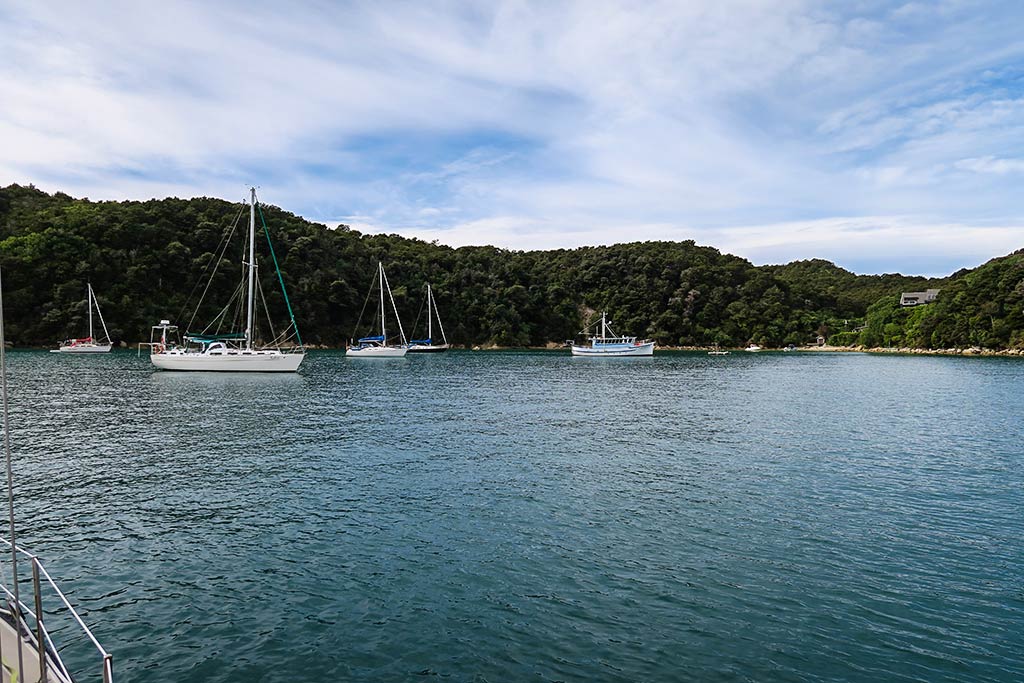
Torrent Bay is, without a doubt, the most popular place in Able Tasman National Park. It might be more accurate to call it a harbor since it encompasses three bays plus a rather large lagoon behind a sandspit. The stars of the show are the long curve of Brown’s Beach at the head of the bay, and an area known as The Anchorage just inside the protective arm of the peninsula that forms the east side of this harbor.


Since Torrent Bay is the only “all-weather anchorage” in Able Tasman National Park; everyone makes a beeline for it when easterly (or otherwise disagreeable) winds are forecast. This is where the problem comes in. The peninsula does create easterly and northerly protection, but only for those who get a spot right alongside it. By the time we arrived, boats were layers deep and so far towards the middle of the bay there was no longer northerly protection, not good in that strong northeasterly winds were forecast.

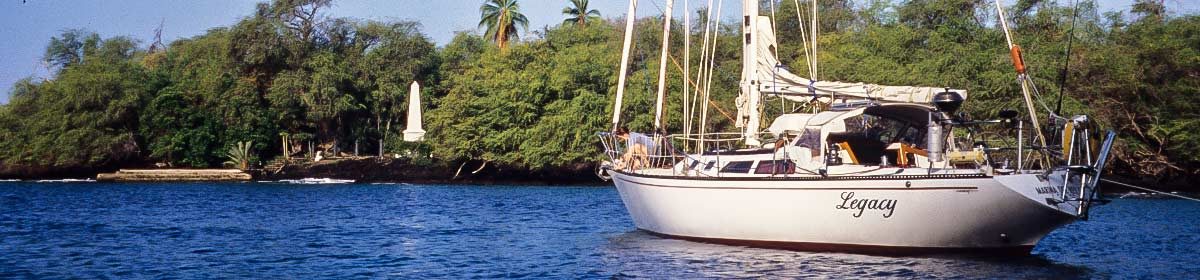
We motored around trying to see if we could find another place to tuck in, with no luck. We finally ended up anchoring outside the pack. We’d get the effect of the wind and some of the chop but hoped to be out of the way if anyone dragged. Then we went below, drowning out the sound of the escalating wind with a movie and a bottle of wine.

As the wind went west, some of the boats that had been protected were now getting the effect of the wind and chop. A catamaran anchored next to us, dragged, then decided to move elsewhere. Another boat came and anchored right on top of us, dragging after they did. We were now starting to drag a bit ourselves. We decided to move.

The wind was now gusting up near 30 knots. We went and moved away from the other boats to the middle of the bay, got our anchor well set, and now were just fine and out of the fray of boats moving around as the wind backed. If there’s one thing we learned about Torrent Bay, it’s that it is NOT an all-weather anchorage.

The wind finally eased up during the night, and we had some rain. In the morning it was blowing from the south but predicted to lighten as the day went on. As promised, the sun came out and the wind lightened, which would give us a day to explore this bay. -Cyndi

Below, some photos from The Anchorage, all showing various aspects of Brown’s Beach behind us. Click to enlarge/scroll.

Bom ba pa daa dup

Bom ba pa daa da dom,
Daa daa dom,

BOM BOM

April 26, 2016

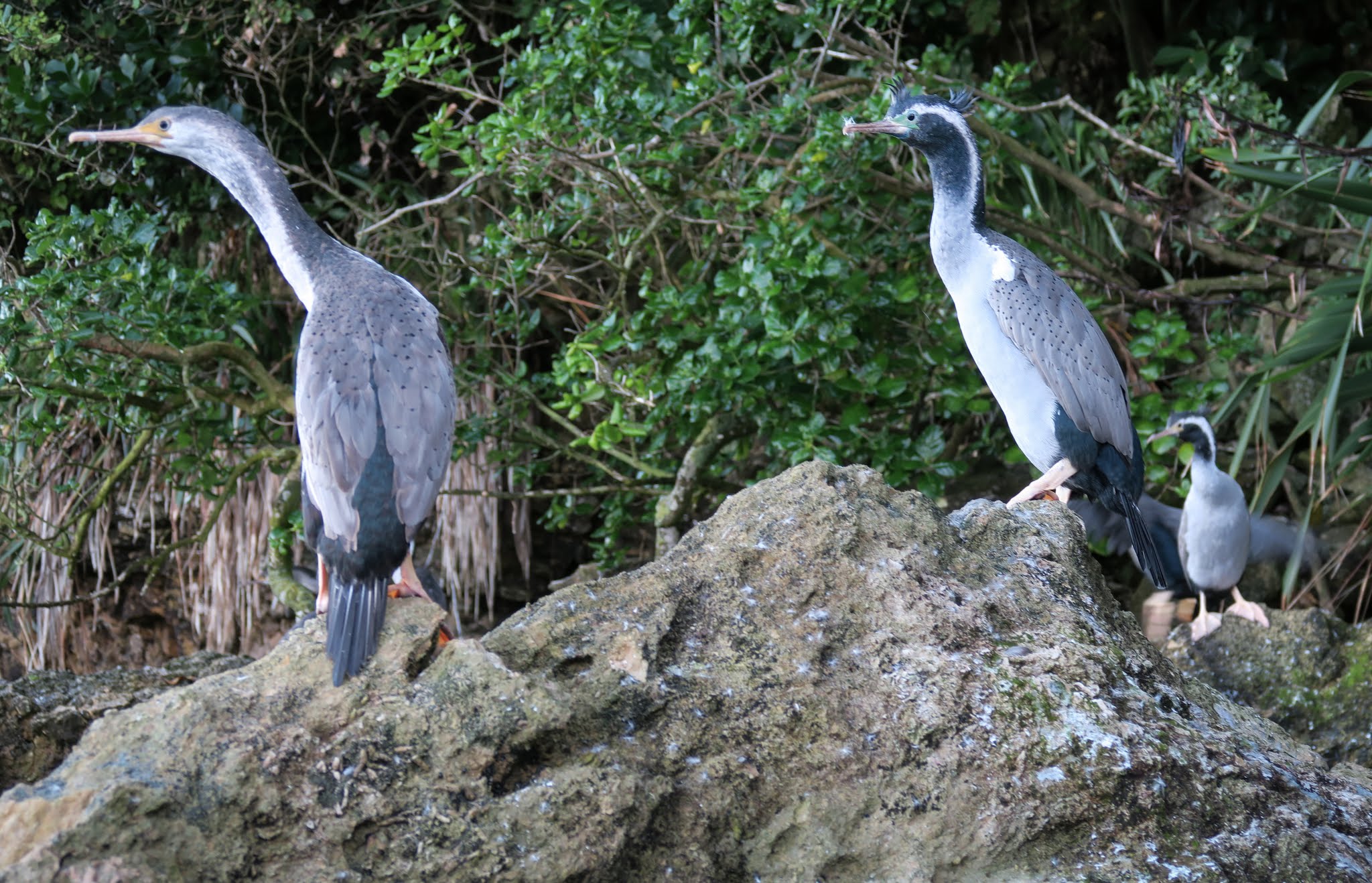
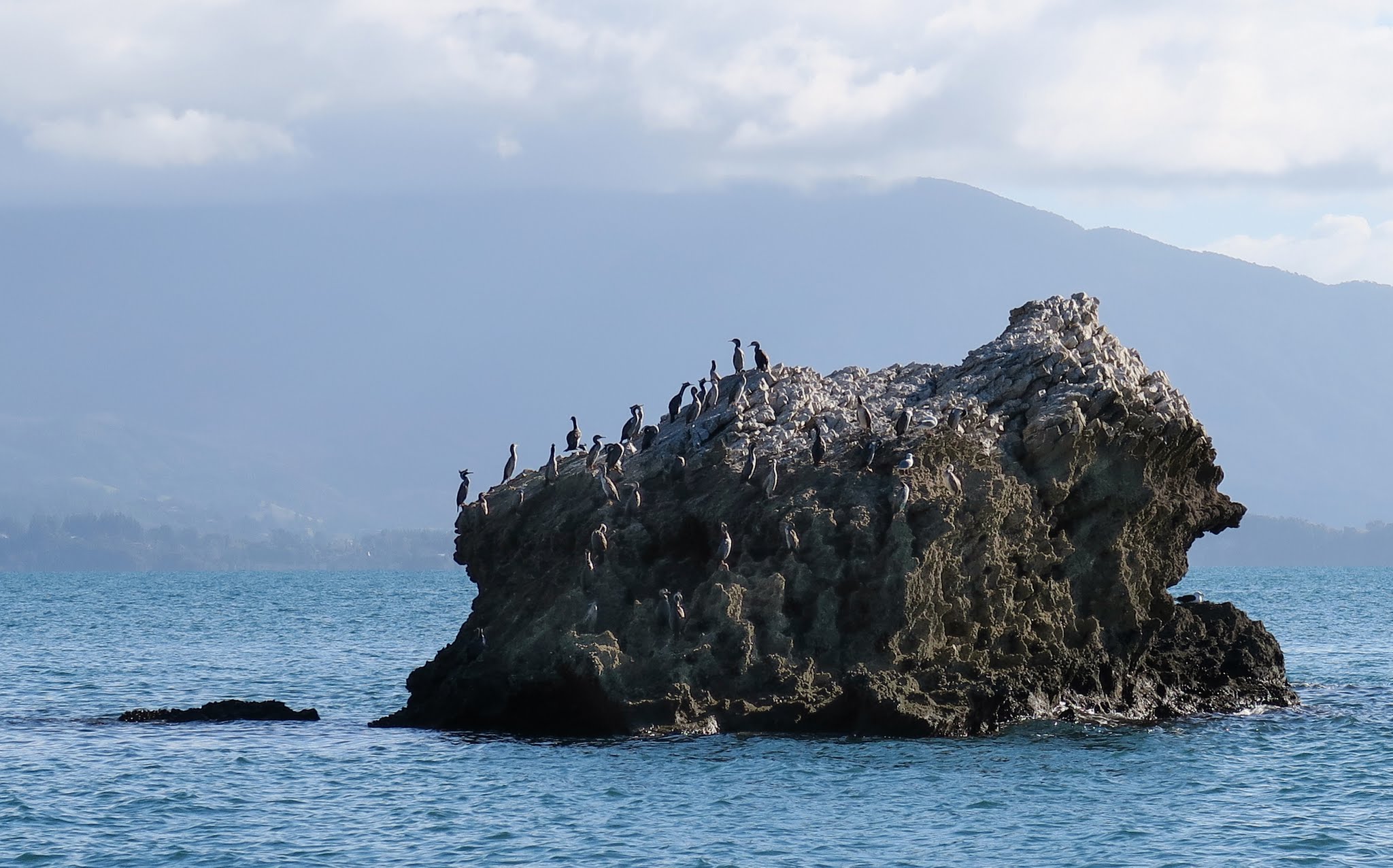
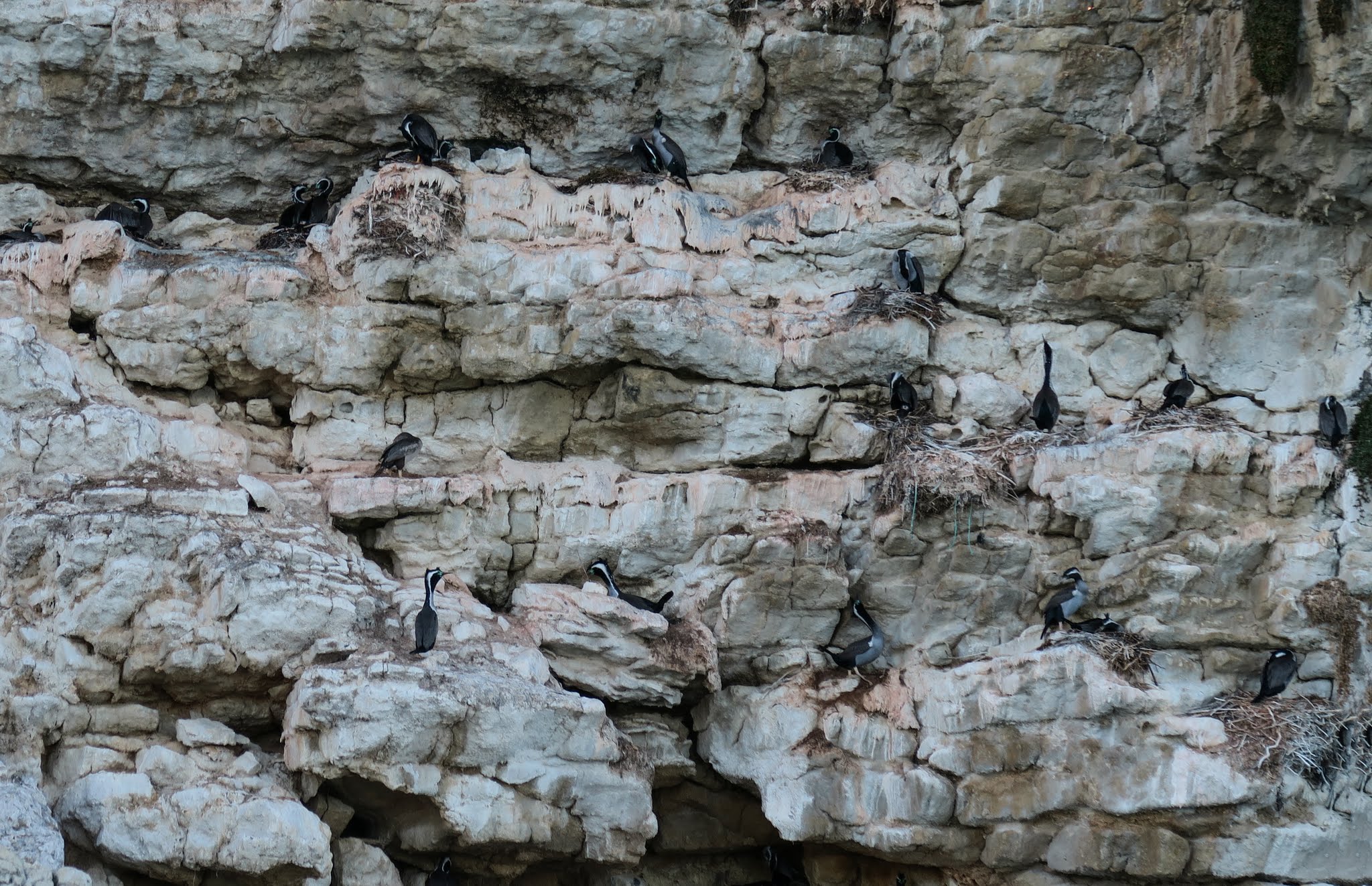
We feel like we’ve been living an episode of National Geographic (minus the bare-breasted natives). The wildlife in the Able Tasman National Park has been wonderful.

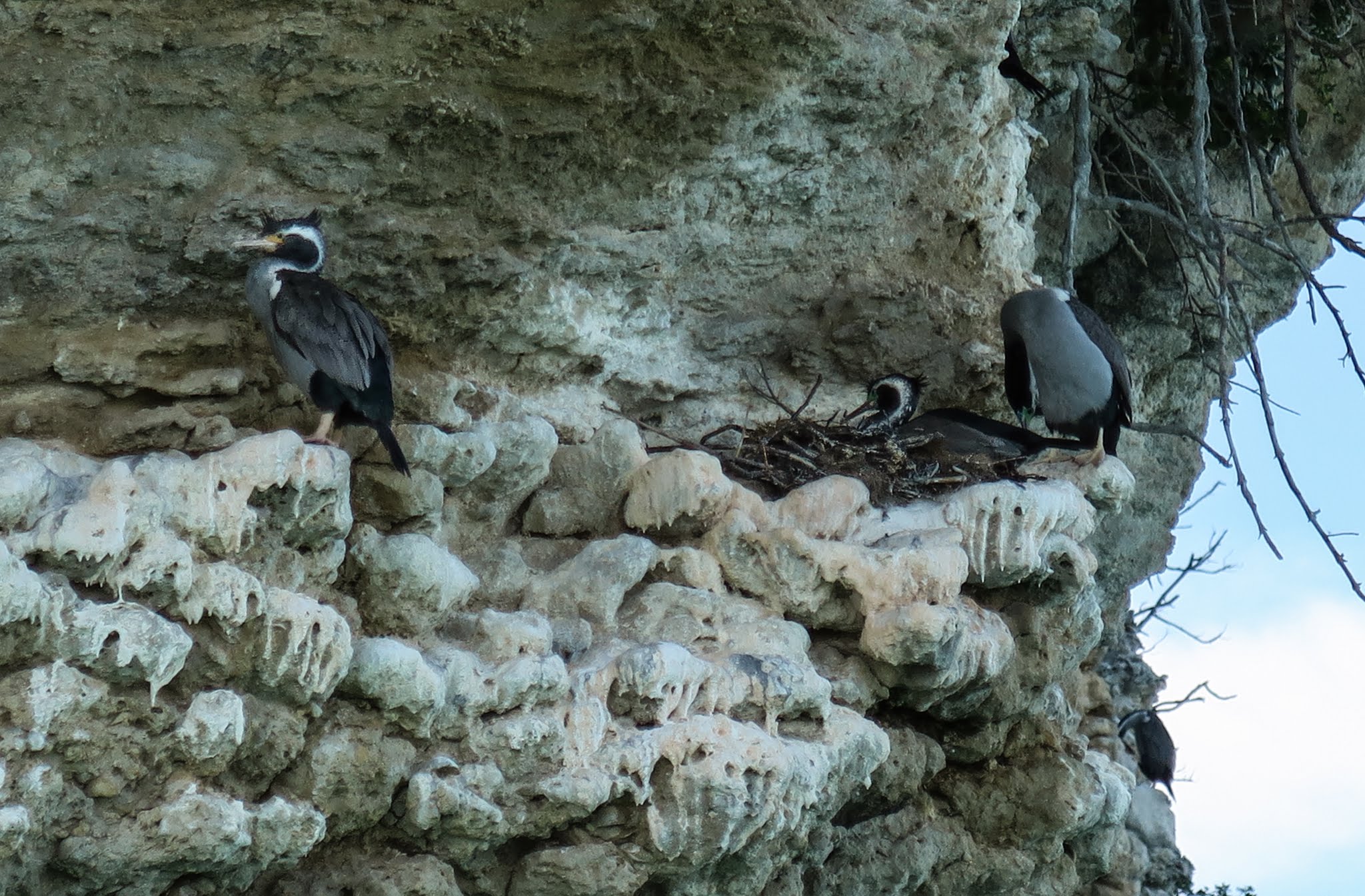
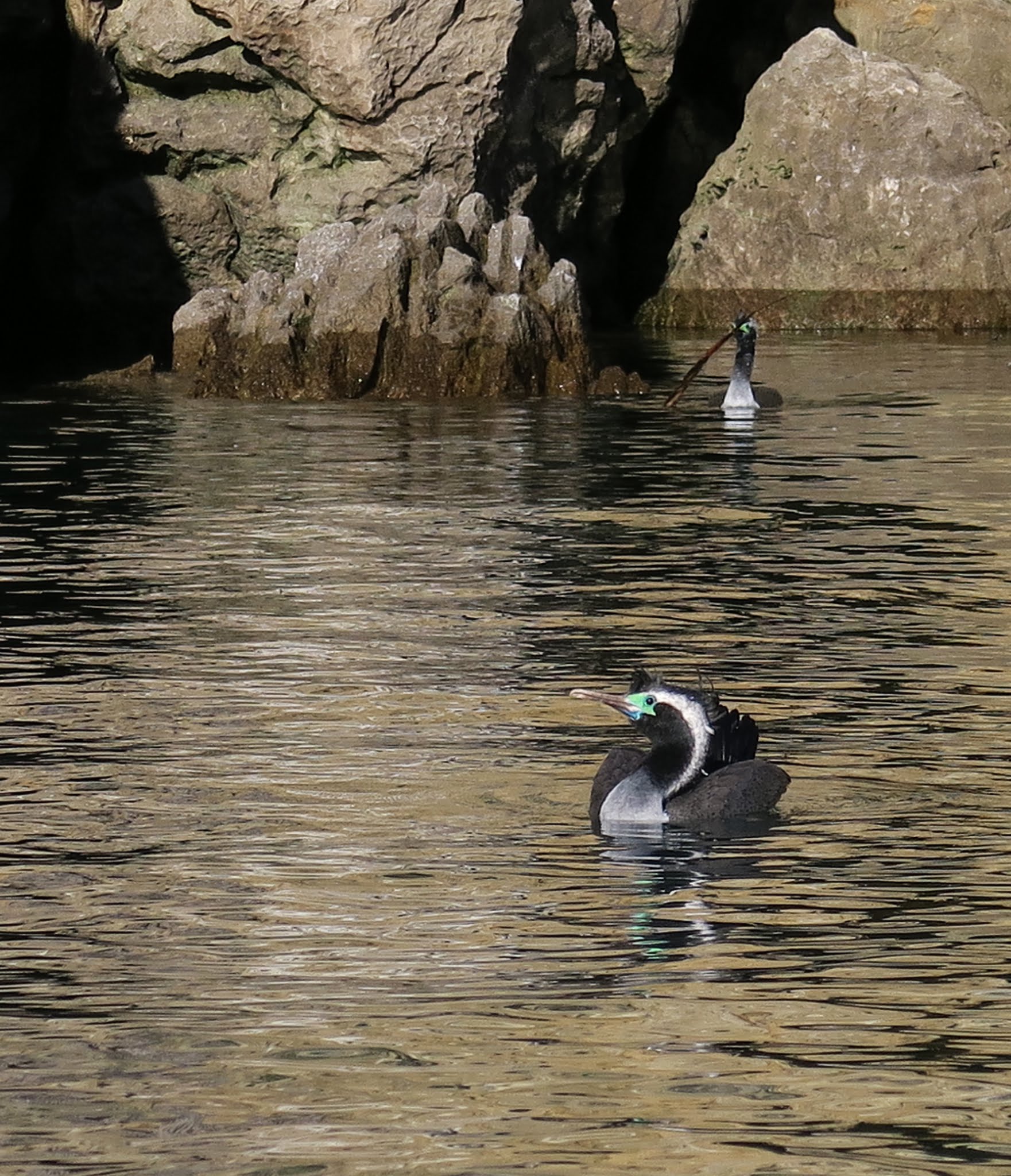
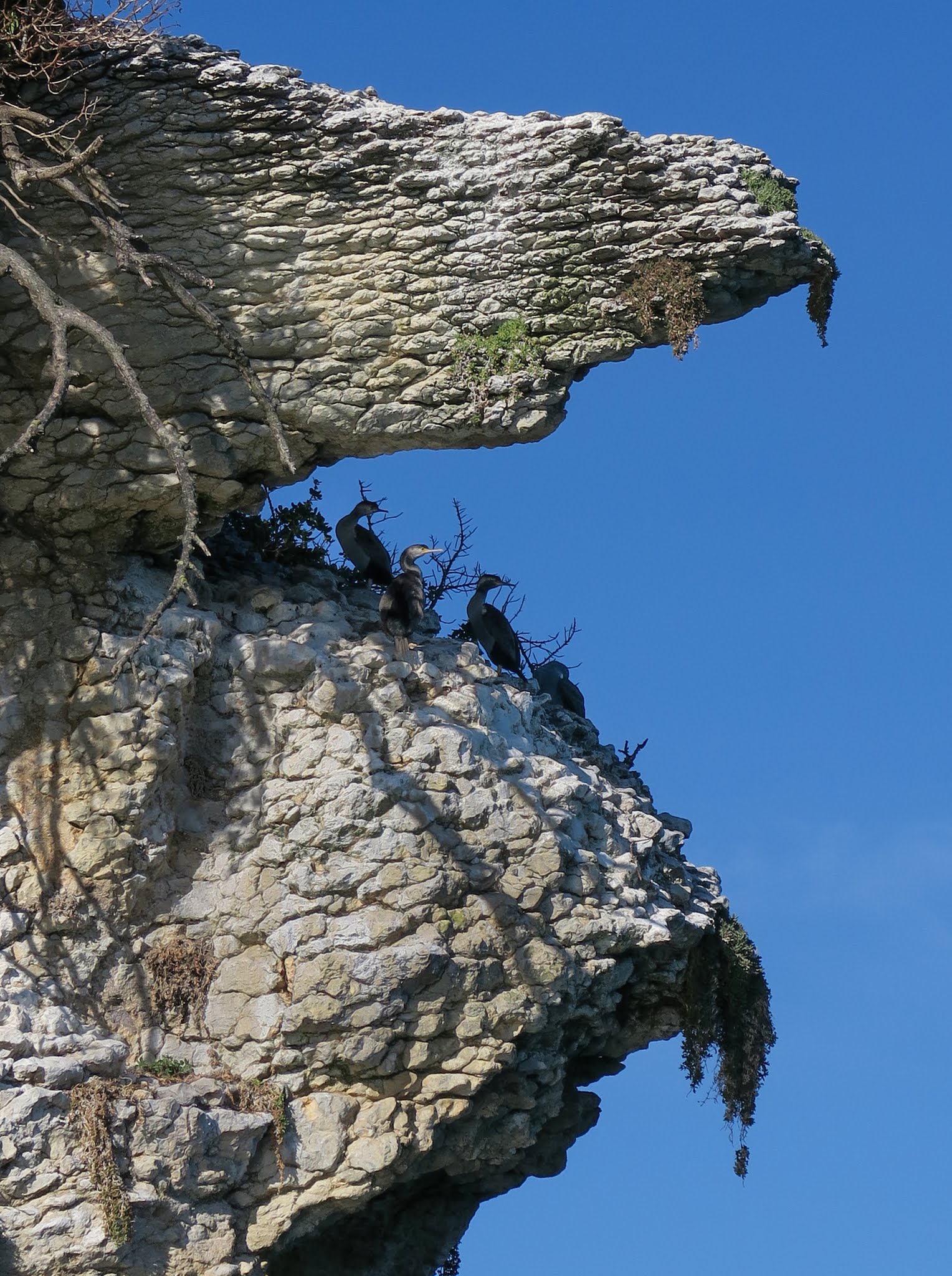
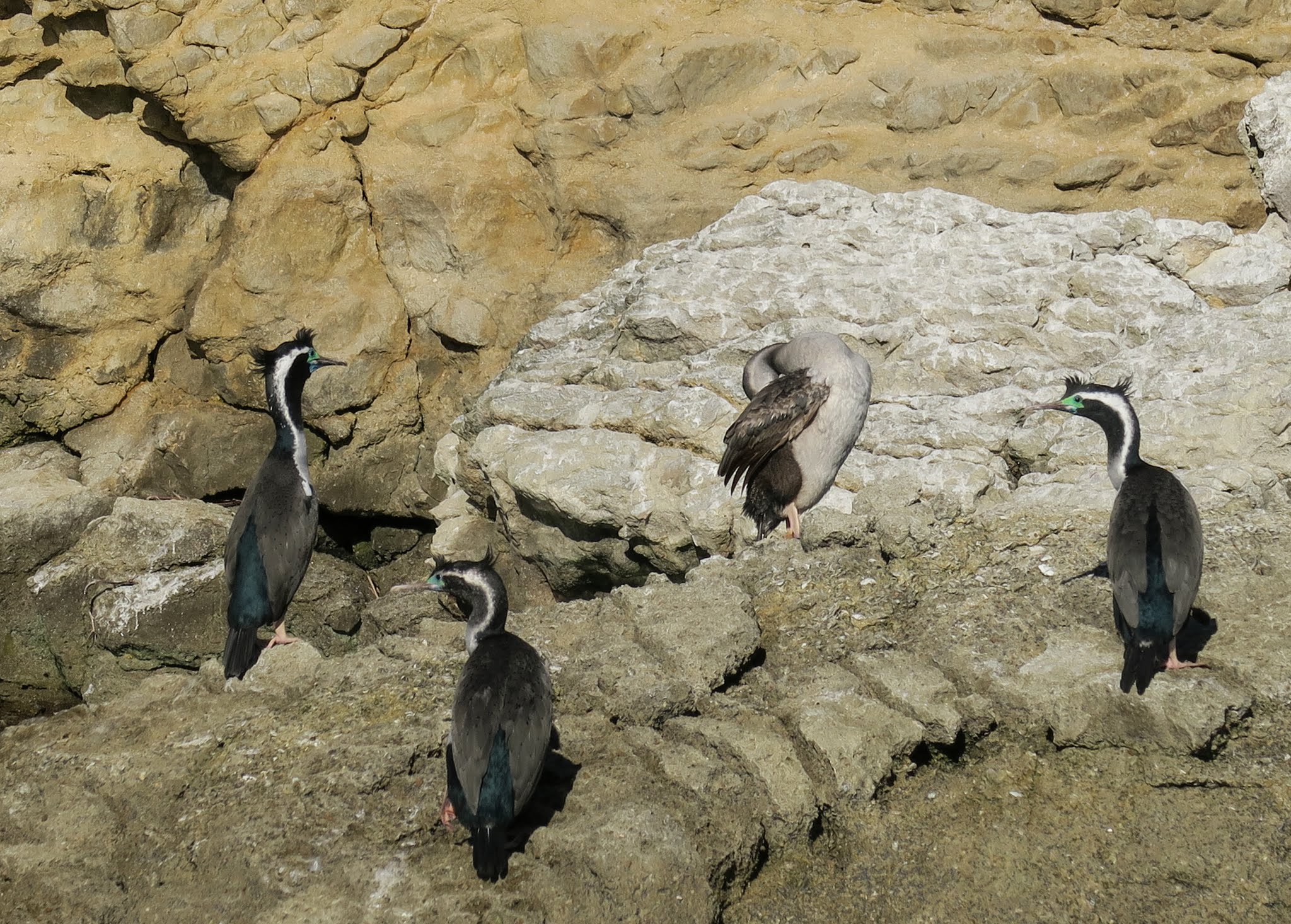
First, after we anchored off the Tata Islands, we discovered the two small islands were covered with cormorant nests, or as they’re called here, shags. (OK, so the Tata Islands are not really in the Able Tasman, but rather Golden Bay, but that’s where we started this leg of the cruise.)

At our next anchorage in Mutton Cove, Legacy was floating not much more than a boat length away from a fur seal rookery. The pups were everywhere! I’ve never seen such an appropriate use for the words “cavorting” and “frolicking.”

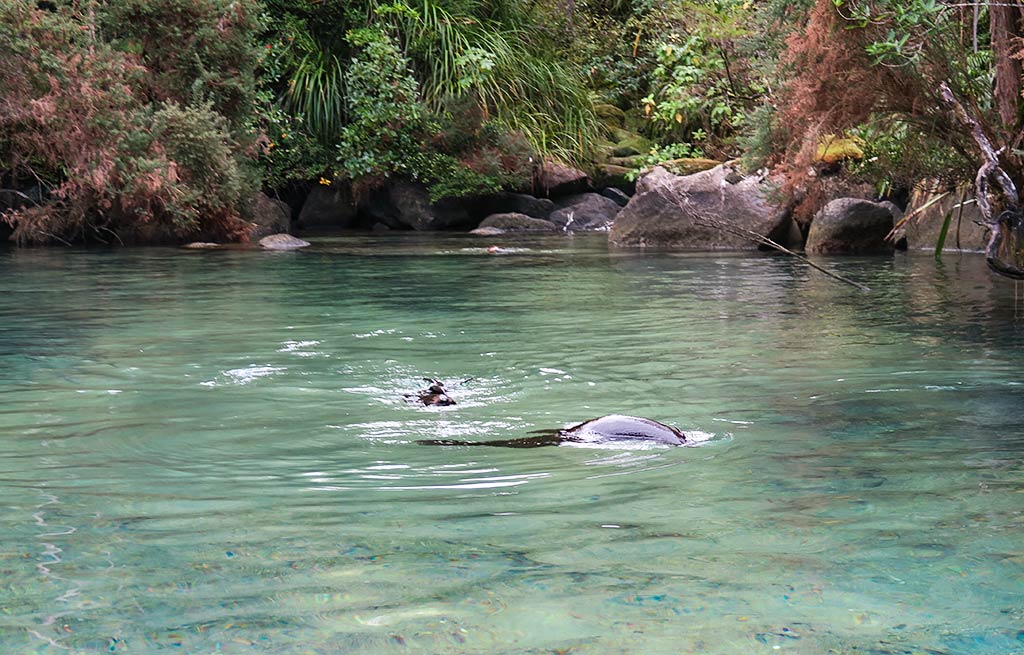
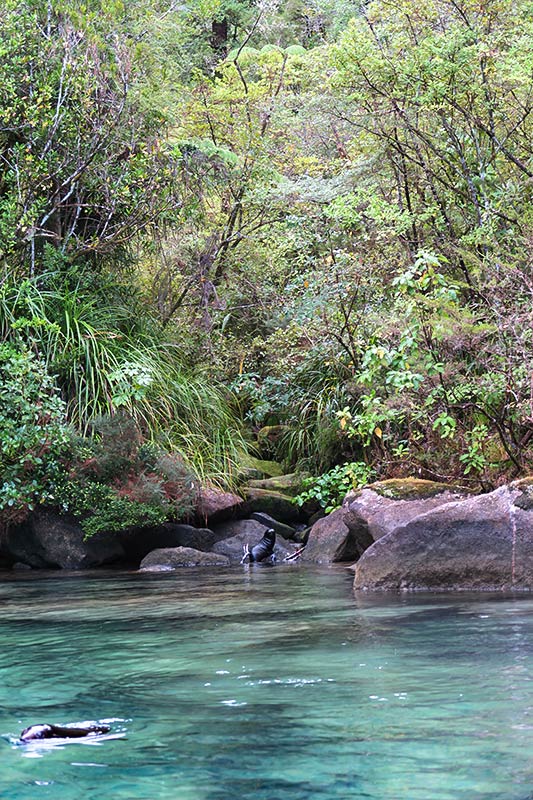
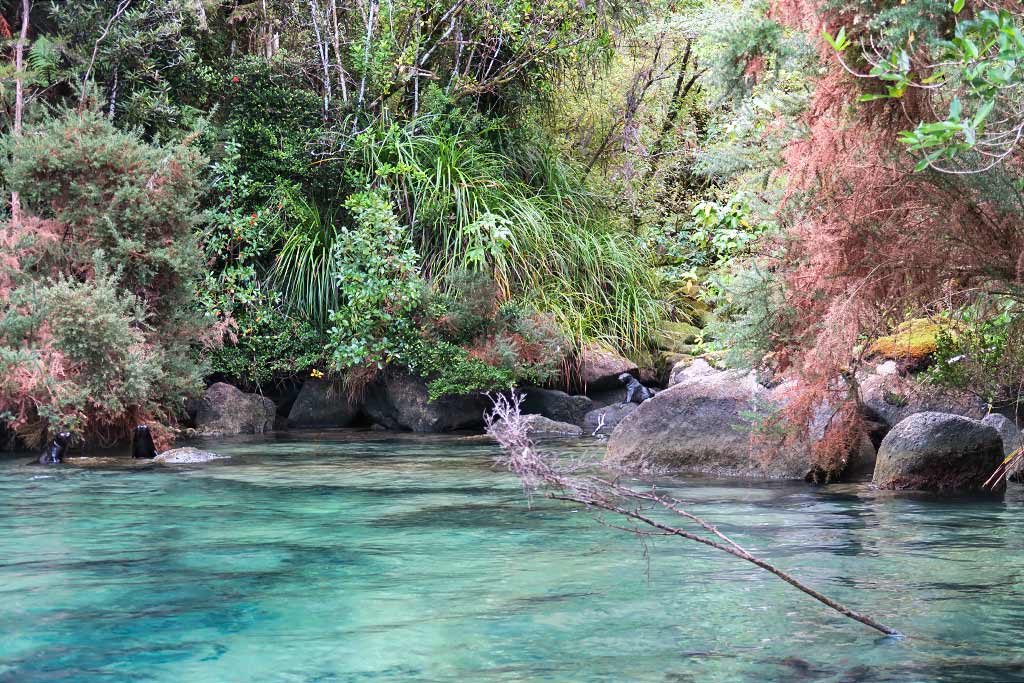
Then, on a dinghy ride up the stream that feeds Fisherman’s Cove, we found four little fur seal pups that were very interested in playing with us. We paddled closer to the head of the little cove and they exuberantly swam out to meet us.

In addition to these stars of the show, there were stingrays and eagle rays near almost every shore and the bird songs were constant. Every area we cruise seems to have some overriding theme. Here, in the Abel Tasman, it was definitely the nature show. –Rich

Enchanted Cove (Able Tasman National Park, New Zealand)

April 23, 2016

The cove sits at the base of a steep ravine full of mossy rocks and thick forest. Its inner area is a celadon green pool, with large black rocks at its head. Here, we found four baby fur seals cavorting in the water. Their parents were nowhere to be seen, probably out hunting for food.

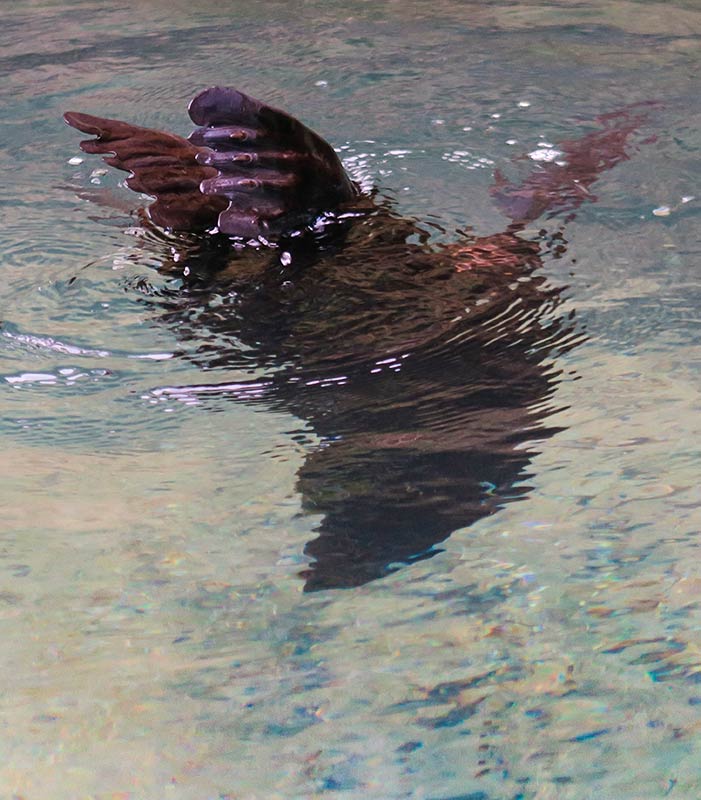
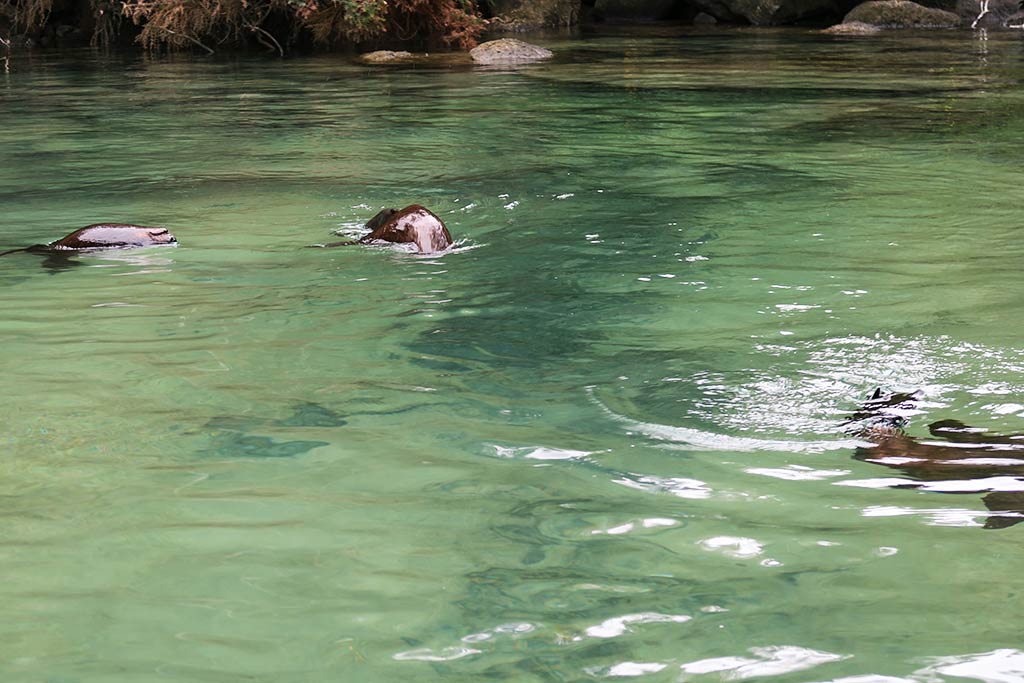
We cut the engine and padded in, and the pups, incredibly curious yet understandably cautious, stuck their heads up to check us out. We sat quietly, and when they decided we were OK, they swam over to our dinghy. They played around us for a bit, then something startled them and they darted back to shore. When they decided it was all clear again, they came back out to play, then once again got startled and swam back to shore.

The third time they came out, they were more comfortable and began swimming dreamily around our dinghy. (Below a gallery of photos from the cove–click to enlarge/scroll–and a video.)

This whole scene: the surreal beauty of the cove, the quiet stillness, and the baby fur seals, was like something out of a dream world. We sat still, wanting the moment to last as long as possible. Inevitably, they got excited again, jumping away towards shore. Sadly, it was time for us to go.

We turned and silently headed back out through the lagoon. Reaching the outer bay, we saw the wind had picked up. It was a long bumpy ride back to our boat, during which we nervously watched Legacy as she was pitching and rolling quite a bit. The front was arriving and it was time to head to a protected area: Torrent Bay just south of us. –Cyndi
Frenchman Bay and its Inner Lagoon (Able Tasman National Park, New Zealand)

April 23, 2016

After emerging from Sandfly Bay Lagoon, we had one more place to visit before heading on: Frenchman Bay just south of here, close enough to go by dinghy. Frenchman Bay is similar to the Sandfly Bay area, with an outer area, an inner lagoon and a waterway.


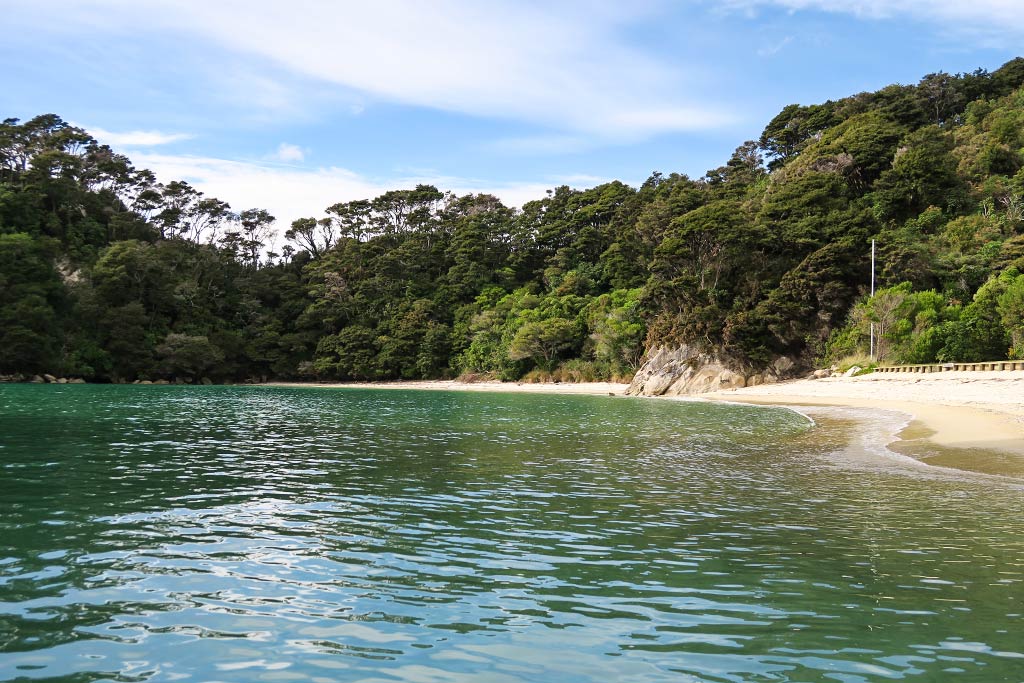
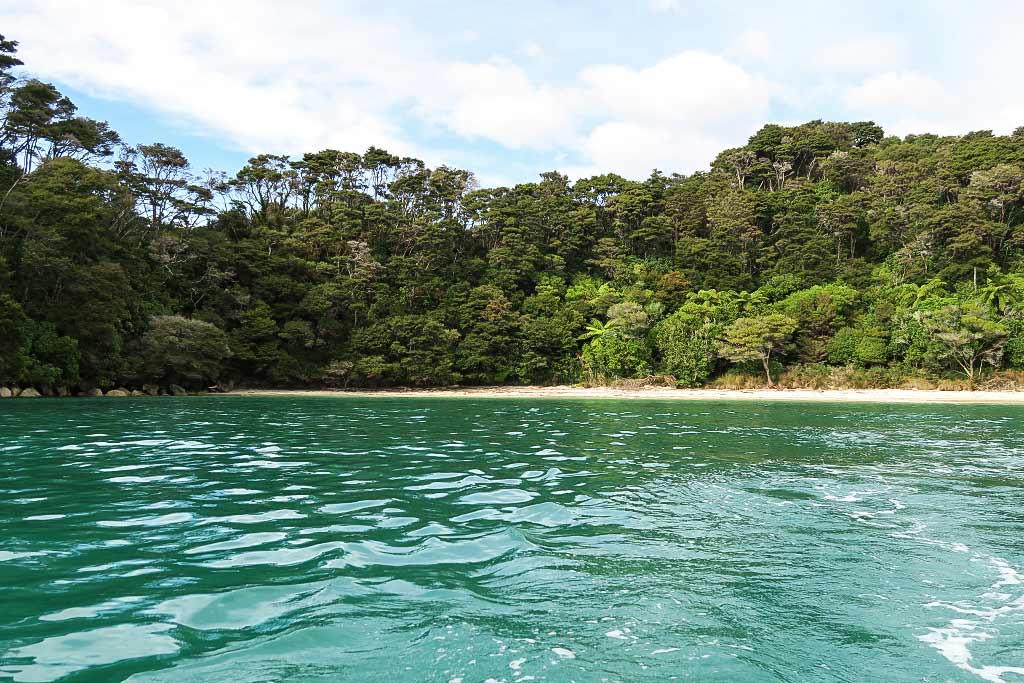
Frenchman Bay’s outer area is well protected by a reaching headland that gives it a somewhat enclosed feeling. In prevailing winds it’s so well protected that the water becomes flat and glassy near the strikingly pretty white beach along the shore. The lone house there gave us a good case of house envy–what a beautiful place to live! (Below, a gallery of photos of the outer bay; click to enlarge/scroll.)

Next, we headed in through a short pass to the lagoon. While not as stunning as Falls River, it was still very pretty, the white beach stretching from the outside bay right into the lagoon. Here, the water was very still and clear, and the place felt very peaceful. (Below, a gallery of photos of the lagoon.)

Lovely though all this was, we still had one more place to go. We’d gotten a tip from the kayakers: be sure to continue across the lagoon and head up the waterway to its far end. Follow it to find a cove with baby fur seas. We were anxious to go look for them!


There are numerous coves tucked in along the water. We wished we had more time to explore.
Looking back as we headed up the waterway.

We reached the end of the waterway and started to search the coves. Soon, we saw the telltale silvery rings of something playing in the water (the subject of the next post). –Cyndi