Partir pour Vanuatu

Leaving for Vanuatu to you english speakers (like us!)

June 20, 2017

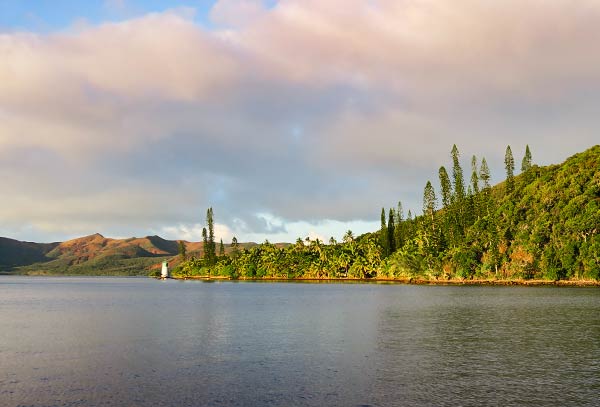
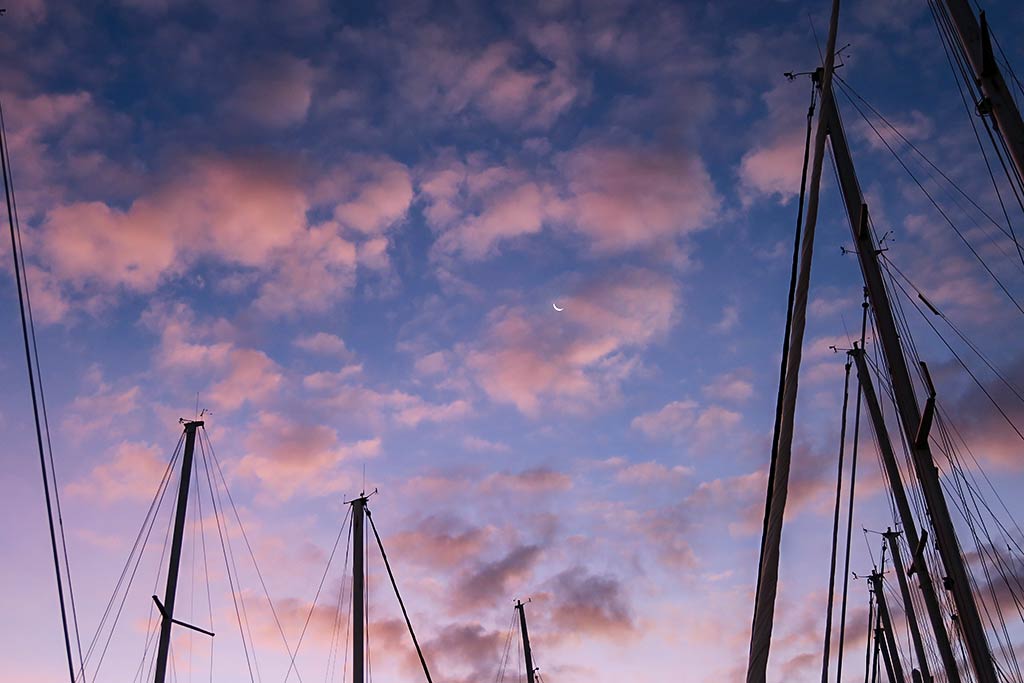
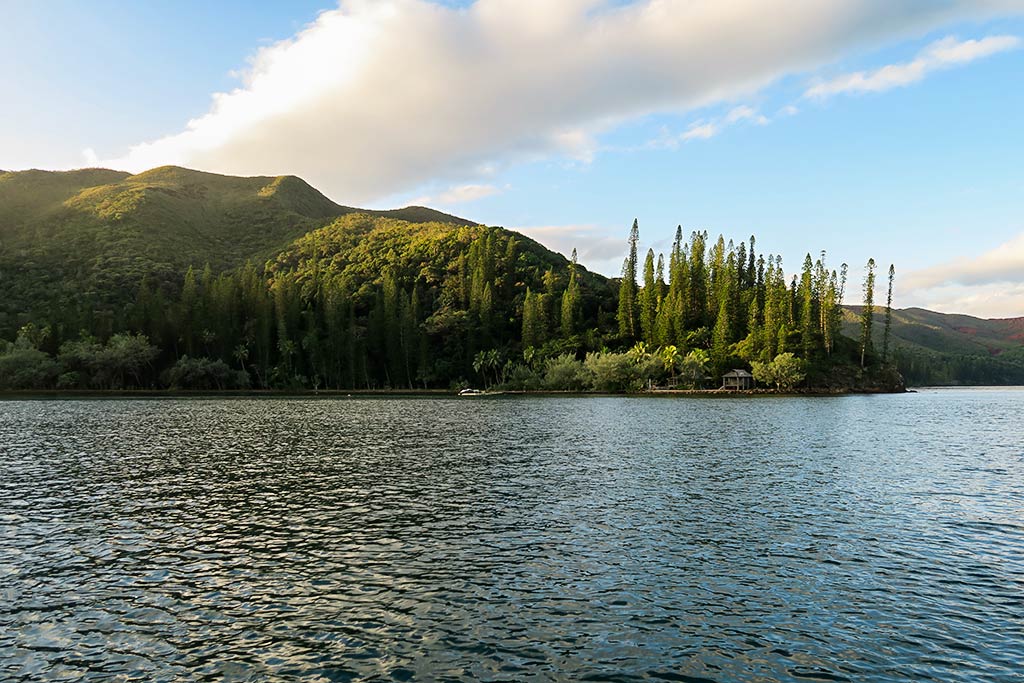
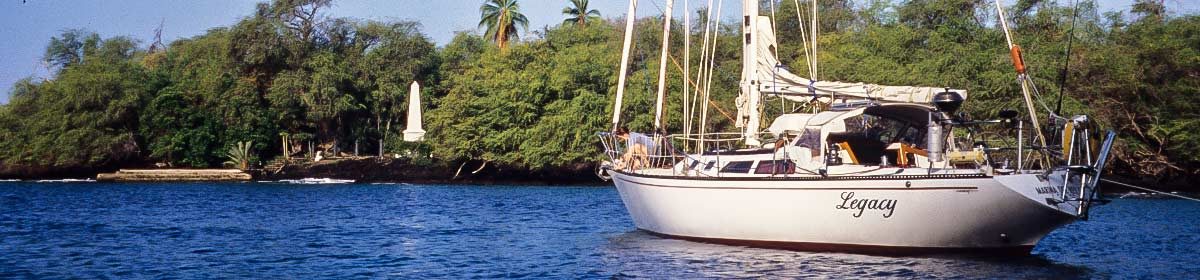
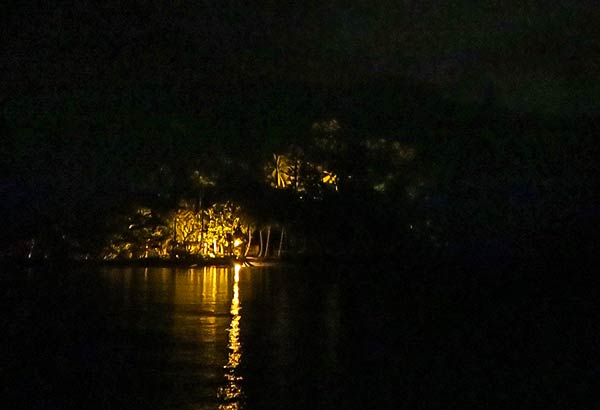
We headed out of Noumea about noon on the start of our trip to Vanuatu. We spent a black night in Baie de Koube with only the pretty yellow light at house on shore providing any light – oh, that and a billion stars!

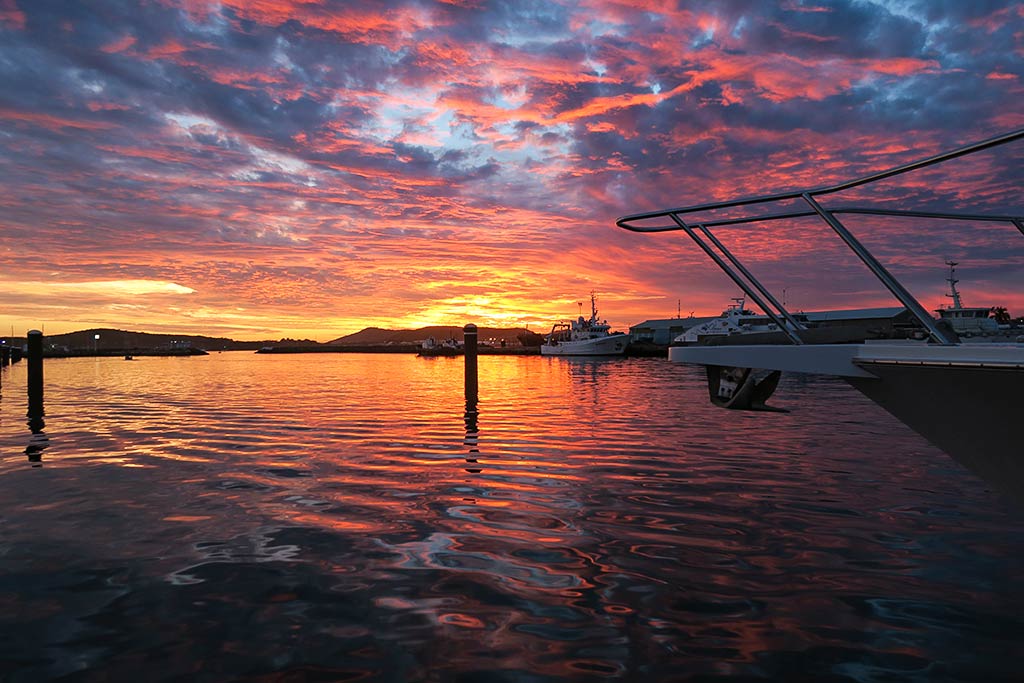
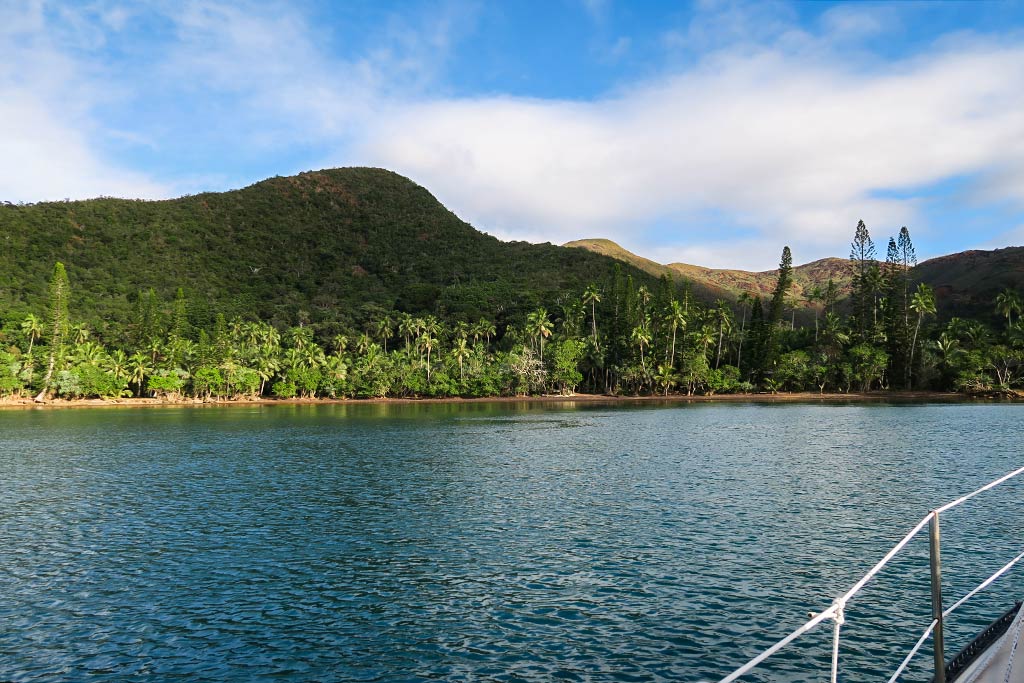
We woke to another Kodak-moment…

A hundred million flies chased us out and now we’re at Port de Goro by the pass we’ll exit at slack tide this evening. The fly count is down to a bearable two million here. I guess the weather caused a fly bloom, or maybe it’s the season, but we’ve never seen it like this here before. Even with the unwanted winged visitors, it’s still a wonderful place.

Here’s a map of all this stuff…

It’s about 200 miles to Aneityum, Vanuatu (two nights and a day for Legacy). We hope to be in Friday morning.

We may not have internet for a while. More when we can. -Rich

Hitting The Wall (Noumea, New Caledonia)

June, 2107

It just happens every so often: we hit a wall. Early in our cruising experience this was a big deal, a potential end to our cruising. Now as experienced (and anti-depressant medicated) cruisers, we have come to accept this as part of the cruising life (although admittedly at the worst of times we debate packing it in and heading for land life).

Basically, while there are wonderful aspects to the cruising lifestyle, much of it is about travel and novelty. These are fantastic things, but only in limited doses. Travel requires so much brain exercise, stress, adjustment, etc., that it’s like burning a candle on a high flame. It burns bright; but the candle goes down fast.

We’ve come to know the signs of burnout. It’s a feeling of lagging behind oneself, of feeling off-track and a little overwhelmed. We can tell we have it when nothing interests or excites us. This time, it happened after arriving in New Caledonia when we found ourselves suddenly losing interest in visiting areas we hadn’t yet seen or cruising the islands around us. We didn’t feel like it, nor did we feel like heading on to Vanuatu, or anyplace else for that matter. In a nutshell: we wanted to sit at a marina, eat yummy food, watch TV, drink wine, and worry about nothing else.

Burnout, for us, has several causes, but it was easy to see what had caused this particular bout. We’ve been cruising constantly this year and haven’t had our customary break: a long stay in a marina where any travel we do is by car and we don’t have to worry about weather. (A storm coming with 40- to 60-knot winds? How interesting! Let’s put out another fender and add another line or two; then we’ll head out to lunch.)

Another cause is something we call Big Project Letdown. It happens when we complete a huge task (finals at school, a huge work deadline, managing some major event, putting up tiresome relatives as house guests, etc.) Once the task (and the resulting celebration) is over, there’s relief, but instead of the expected happiness, life feels kind of empty for awhile, and the blahs set in. In our case, the big project had been getting from Sydney to New Caledonia, not easy this year. In fact getting out of Oz before our visas expired has been a nagging concern since Tasmania and part of the “big project” of getting to the tropics.

Between not having a break this year and accomplishing the task of getting from Tasmania to Sydney then on to New Caledonia in May, I think this burnout was inevitable. Thankfully we were in the city of Noumea. It’s a huge help to have this happen in a place we’re familiar with, where we know our way around town, where to eat, shop, do laundry, what’s special to buy, and where to move if the marina gets full. I can’t imagine going through this in a place that totally foreign.

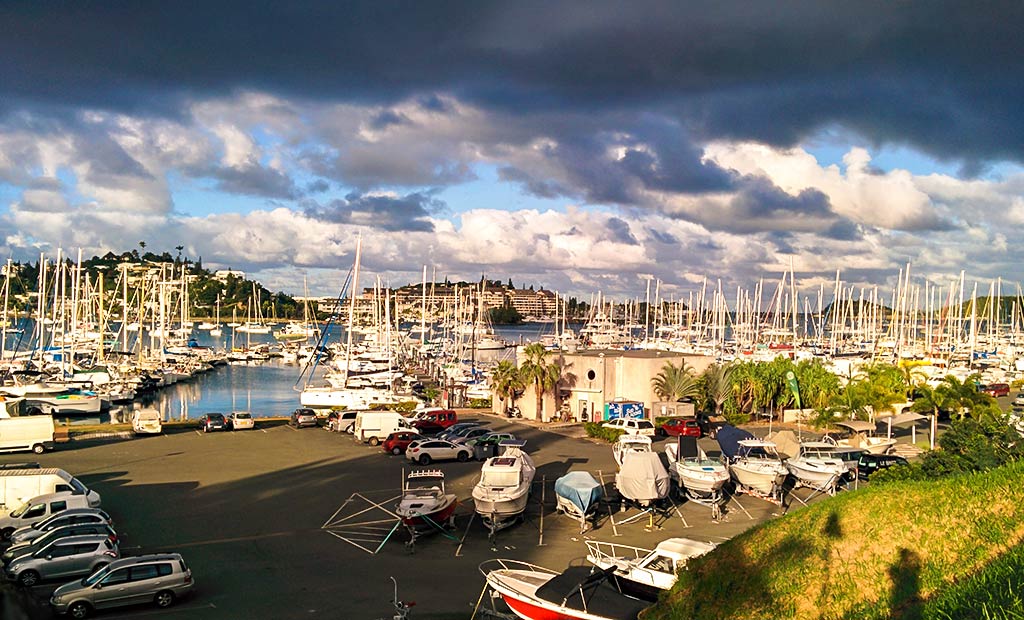
That’s how we came to sit in two different marinas for 3 1/2 weeks, our only movement being between one and the other. Do I feel guilty for “squandering” this time? Yes. I always feel that “it may be our last time here” pressure to see and do. But I’ve learned that the carrot works better than the stick, and when there’s no carrot, the solution is not to beat ourselves up with the stick but to give just give ourselves a break and take a rest from it all. During our 3 1/2 weeks in Noumea, we didn’t cruise, nor did we travel on land.

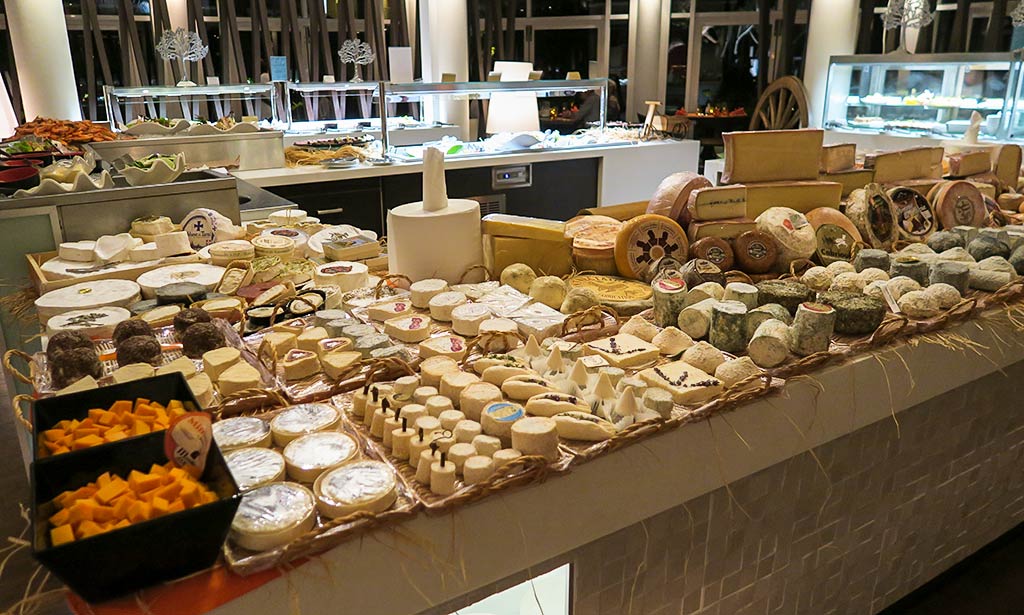
We did, however, find some good new eateries, revisited old ones, took full advantage of the best fish market in the south pacific, went to the French cheese festival, helped another couple who were also in a funk (they just needed more information–we suffered the same crisis when we first went to Fiji), made some new friends, and gradually found our feet again. Catching our breath probably took two weeks, getting excited about exploring a new place took three. But in the end, we were ready to head on and excited about an exotic and new (to us) place called Vanuatu.

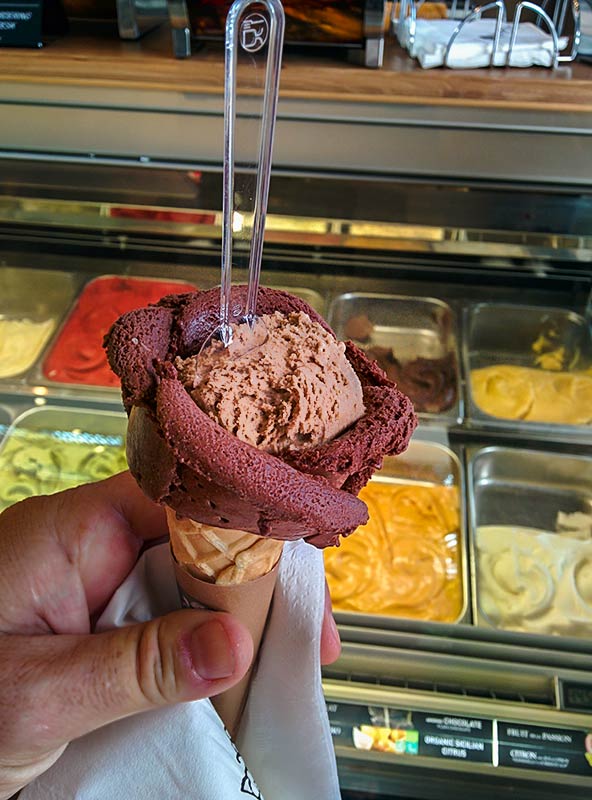
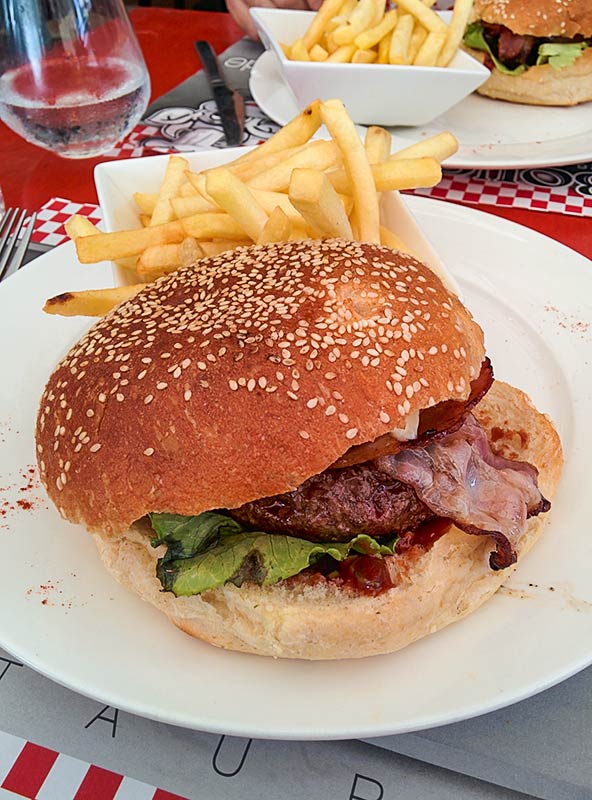
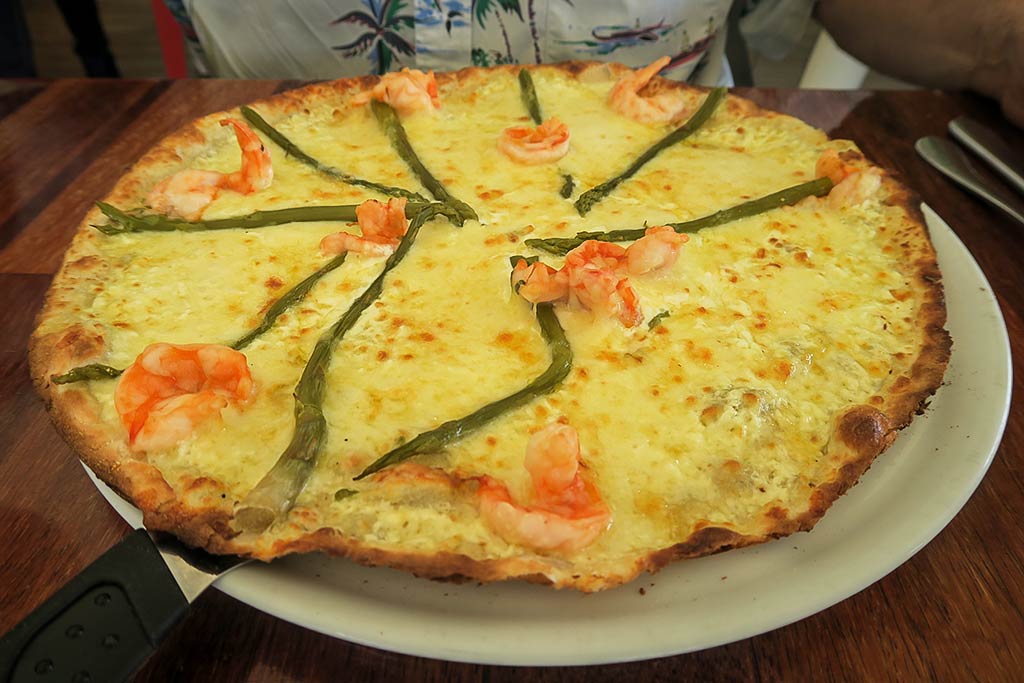
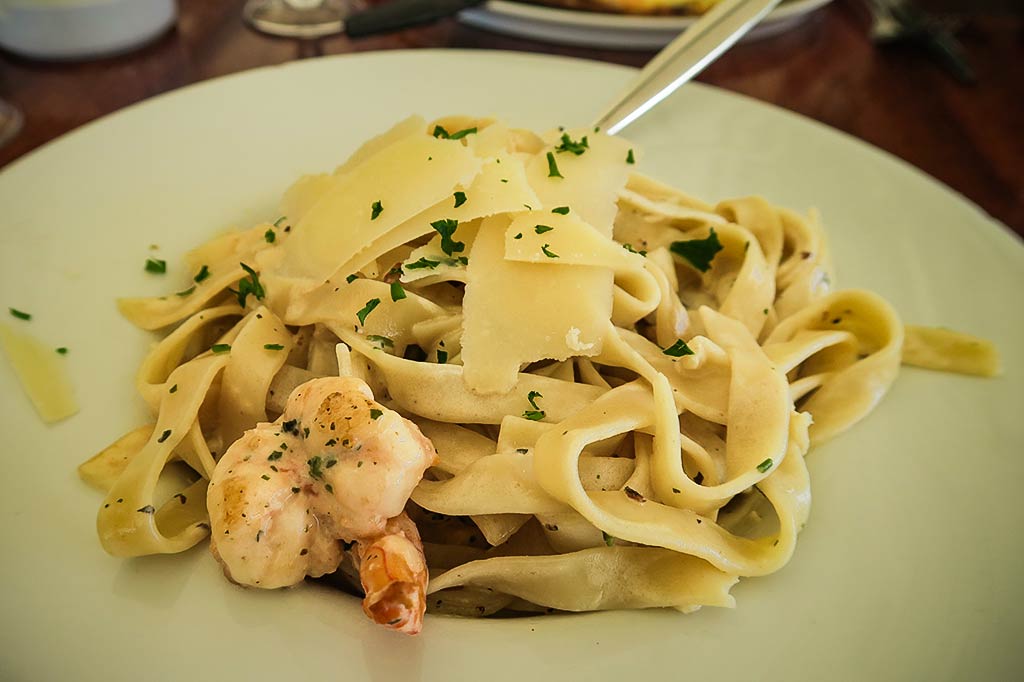
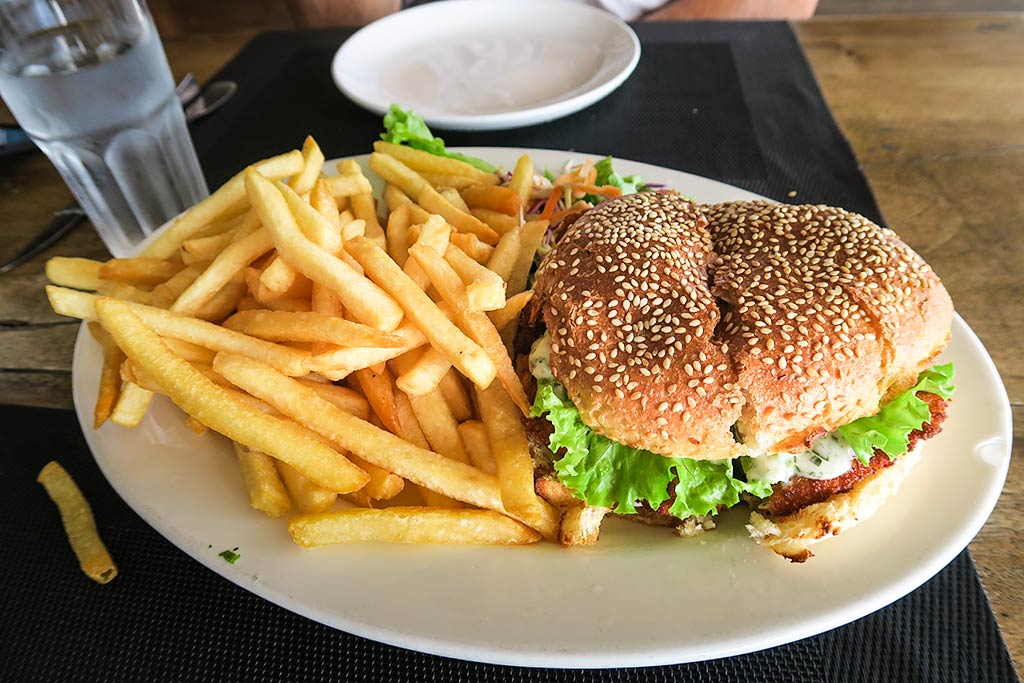
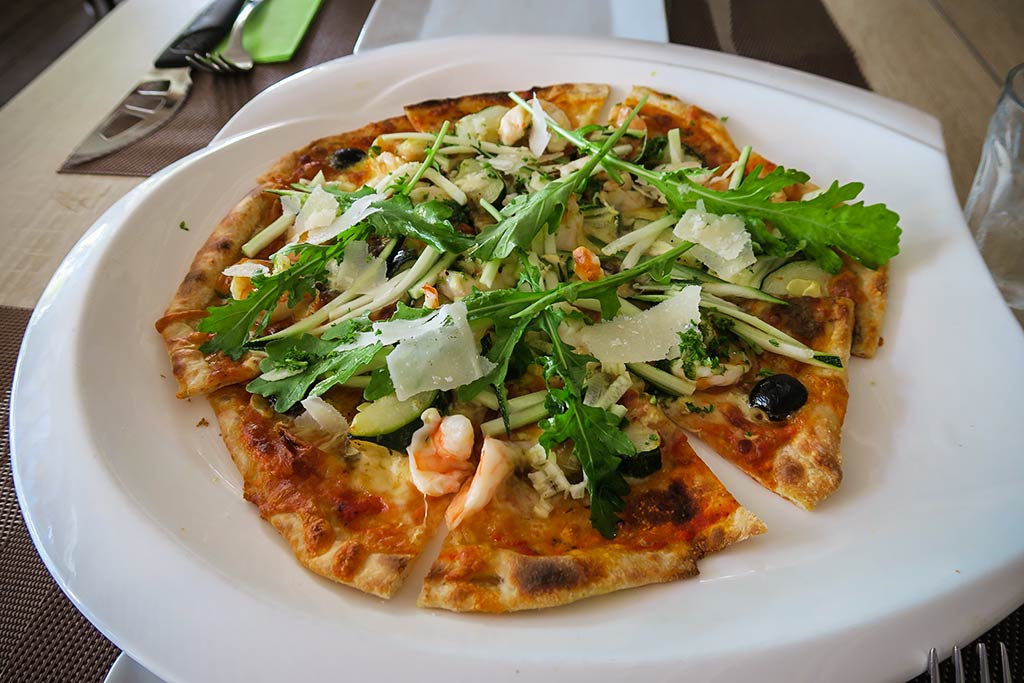
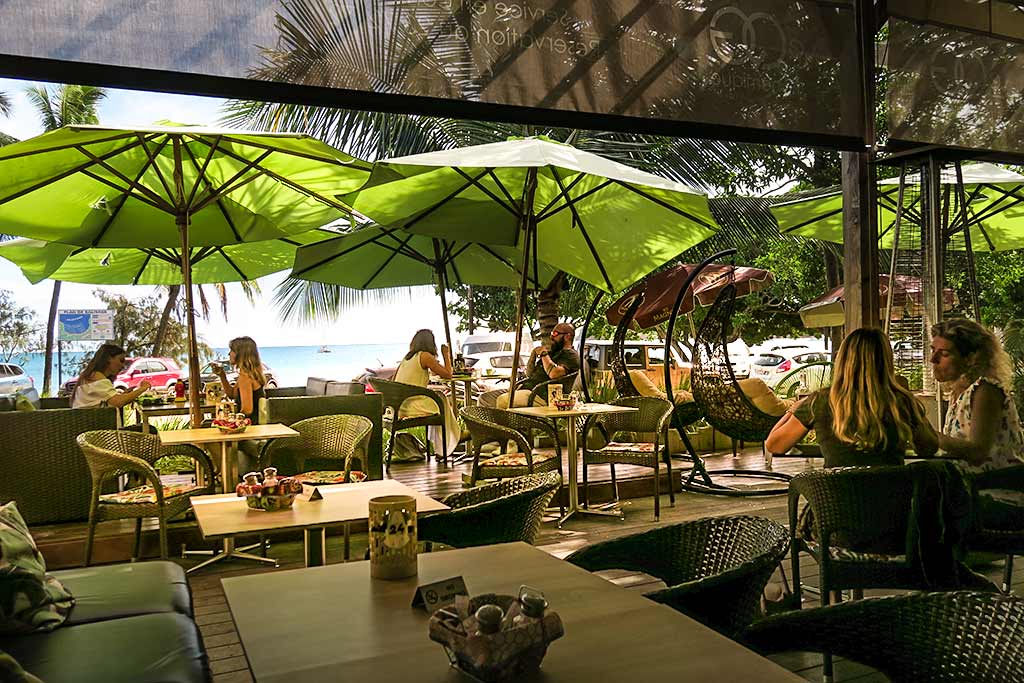
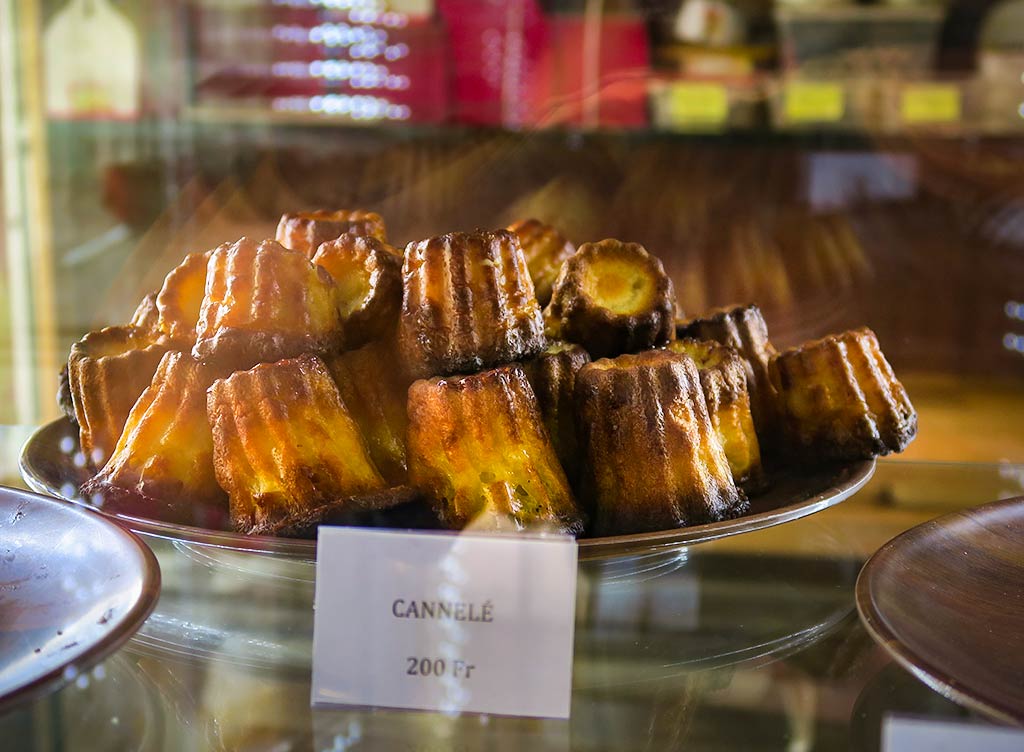
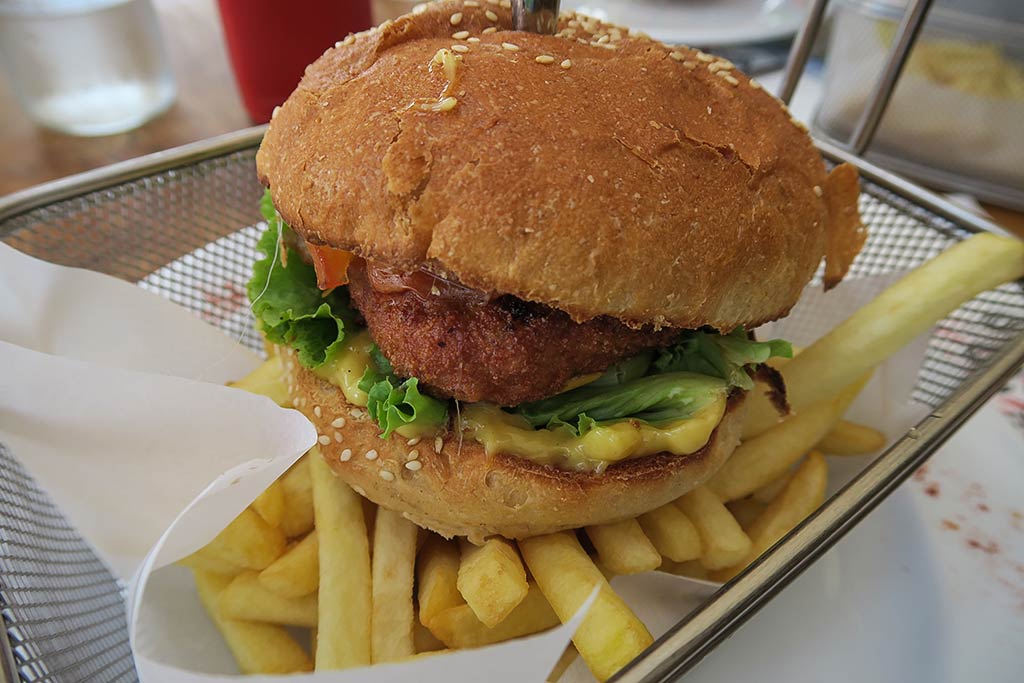
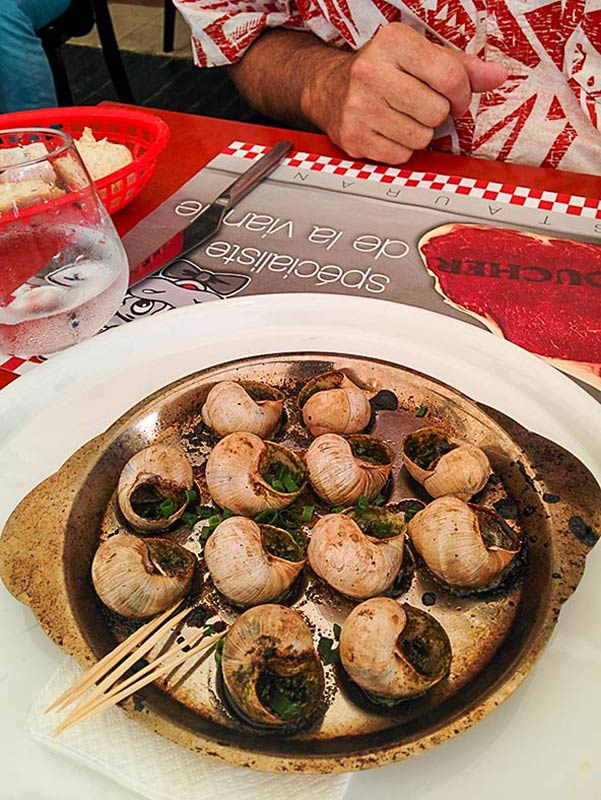
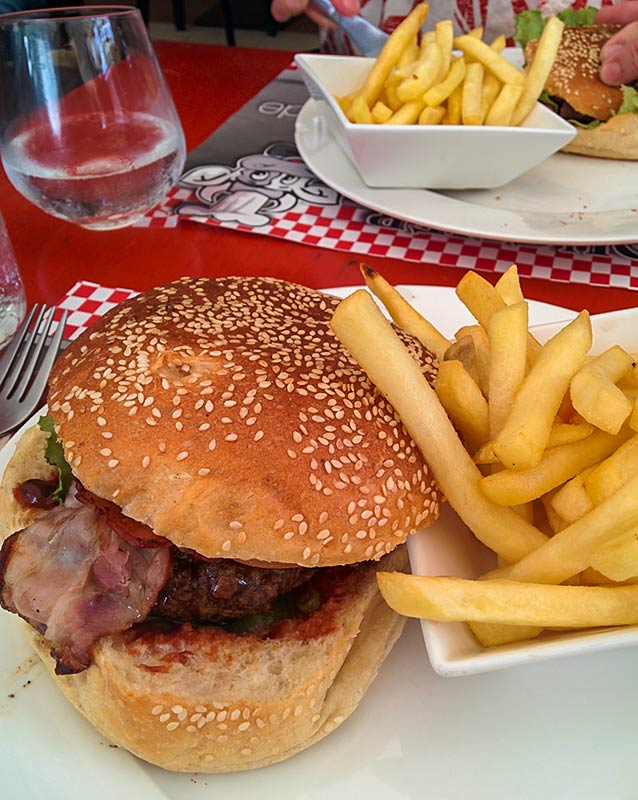
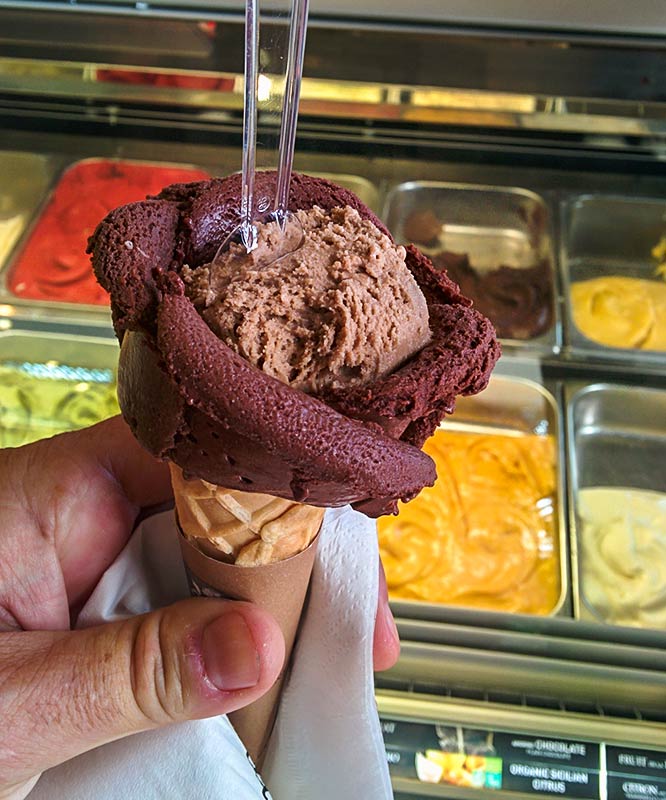
Below, a photo gallery with some nice moments from our time in Noumea. As you can see, our recovery featured lots of food, but we somewhat balanced all the eating with lots of walking. And it wasn’t completely unhealthy food: after all there’s lettuce on all those burgers and asparagus on the pizza. (You can click to enlarge/scroll through any of the photo galleries to follow.)

When the time came to leave, we headed out to a gorgeous anchorage near the pass to spend the night. Rich asked how I liked it, and I told him we have to move; let’s please find someplace ugly so I don’t feel so bad about leaving after not spending time in places like this. (We’ve actually seen a lot of New Cal in past years but there is so much we have yet to do.)

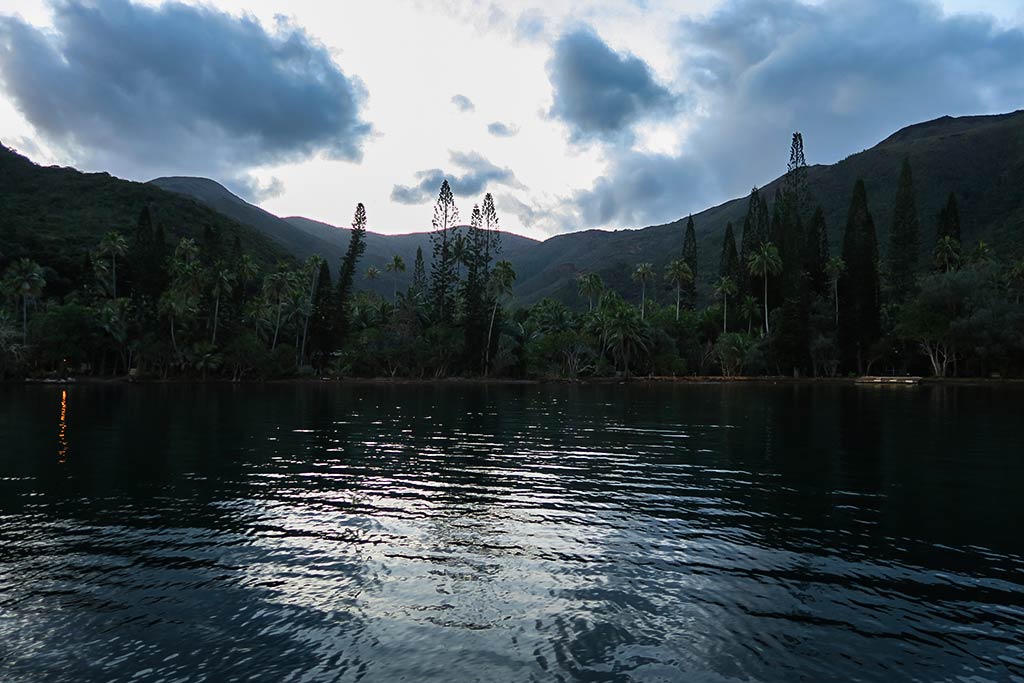
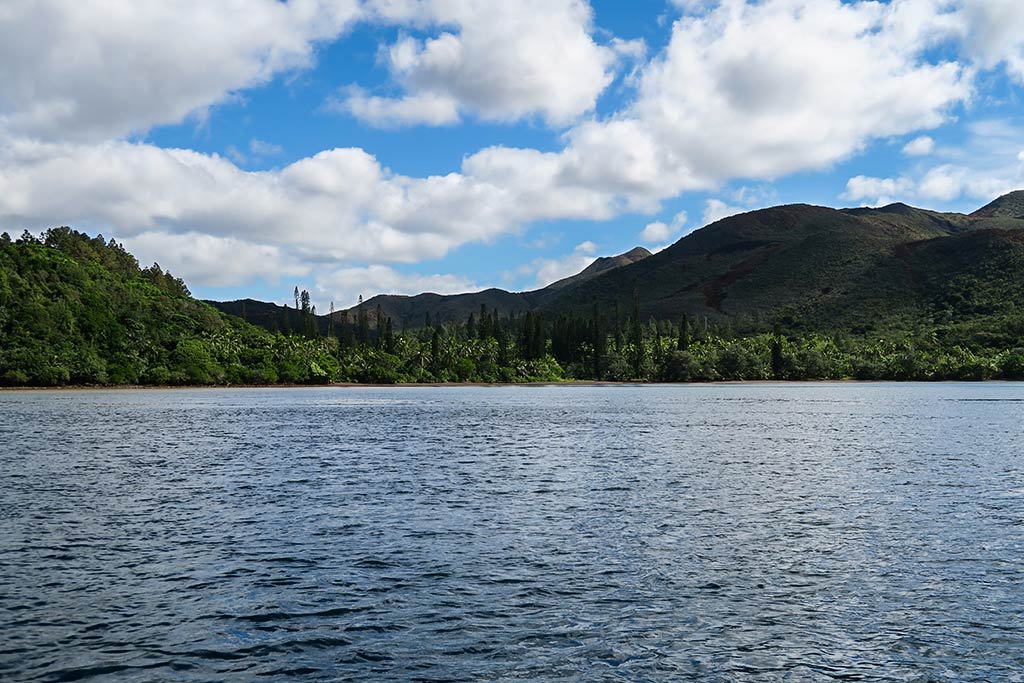
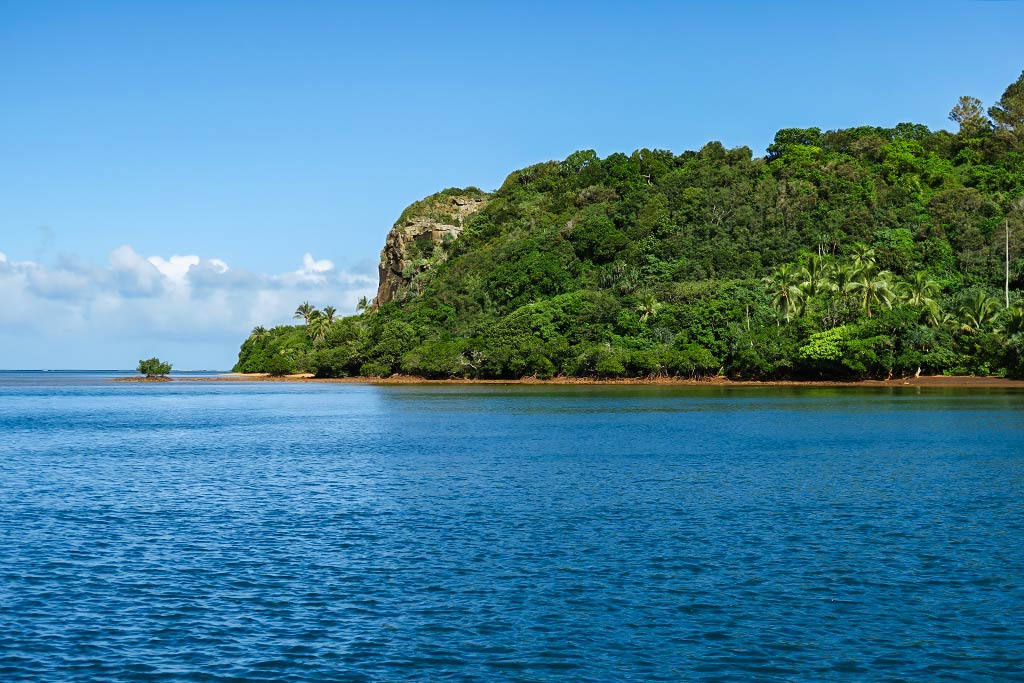
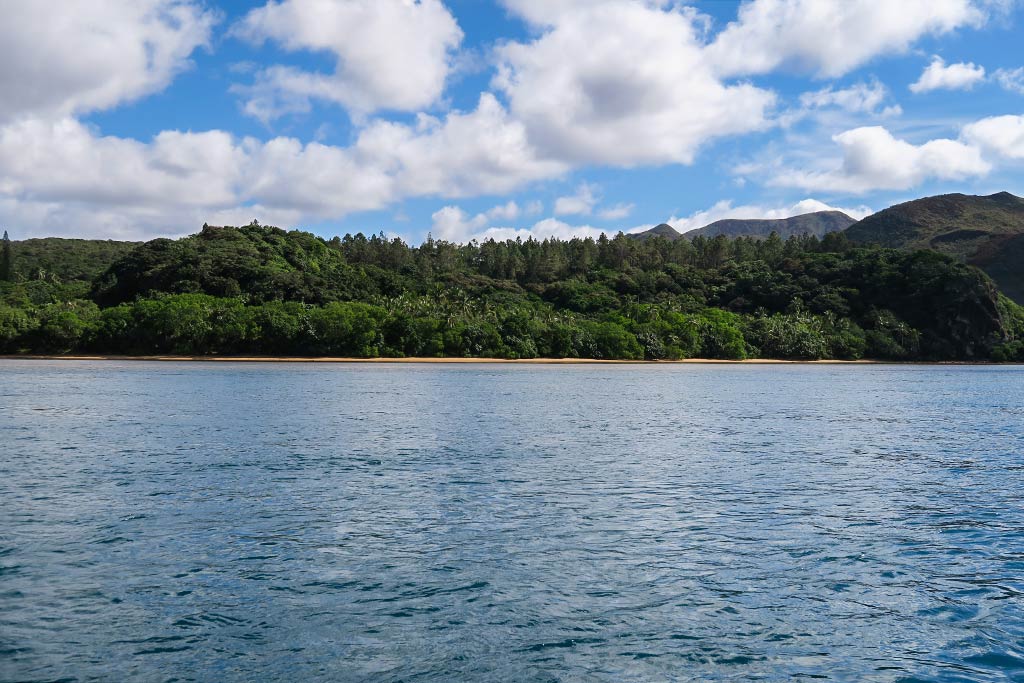
New Cal kindly helped us along as we had a bloom of flies the next day. We moved to another anchorage closer to the pass; the flies persisted. We’ve been to this area before and the flies aren’t the norm, but sometimes nature just hatches things in big batches. And so that evening, we headed out the pass glad to leave the flies behind. (Below, a few photos of Port de Goro, our final anchorage near the pass.)

In the meantime, I’ve been working here and there on some Tasmania reports and will still post those, then get back to our normal blog.–Cyndi

Update: We’ve since arrived in Aneityum, Vanuatu, where we’ve spent a few days and really fallen in love with the place. Blog posts about Aneityum to come.
Arduino Exhaust Temperature Sensor

May 14, 2017

When we started to have problems with the sea water pump on our engine, I was reminded how important an exhaust temperature alarm is. As our pump was failing, each time we’d take a big wave, air would enter the engine’s sea water intake and the failing pump wouldn’t prime. This happened a few times but I’m sensitive enough to sounds that I immediately caught the change in the exhaust sound. If I’d missed it, there would’ve been problems.

In the event of a raw cooling water failure, long before an engine with a wet exhaust system overheats, exhaust system components like the rubber exhaust hose or plastic water lift can start to melt. This could be a catastrophic failure.

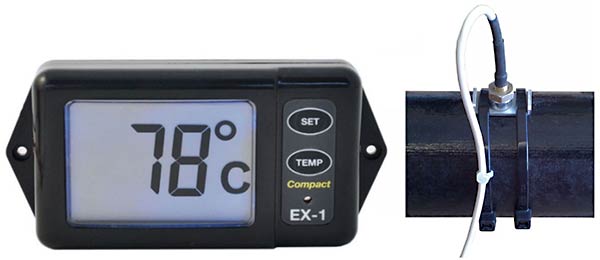
There are commercially available monitors and alarms available. I was looking at the EX-1 from NASA Marine (pictured below)…

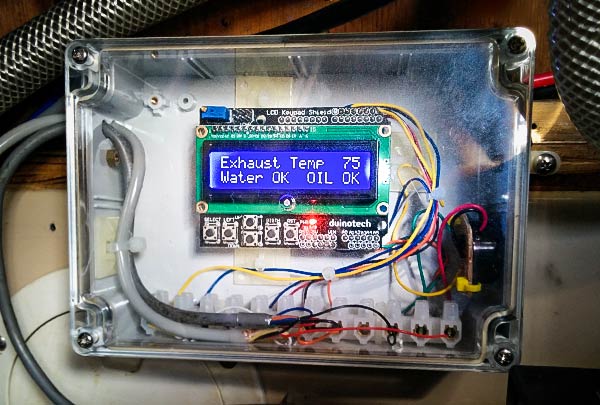
They run about $300 or so and I’m not wild about drilling a hole in the exhaust hose for the sensor. I thought I could do better, so I built my own using some readily available Arduino processor parts from Jaycar Electronics. (I probably spent about $100 for parts, and I only spent 30 or 40 hours building and programming the thing. Let me see… at ten cents an hour for my labor, the total cost was only about $104! But really, I did it for fun.) Here’s what I came up with…

Arduino Exhuast Temperature Monitor Installed
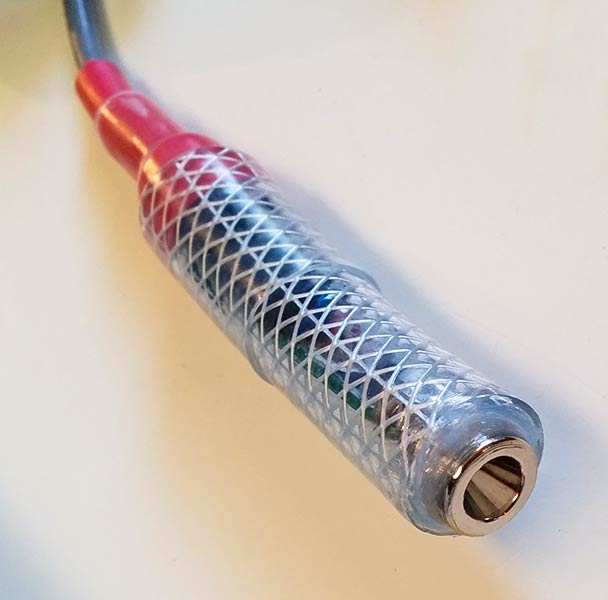
The non-contact IR temperature sensor in an improvised housing.
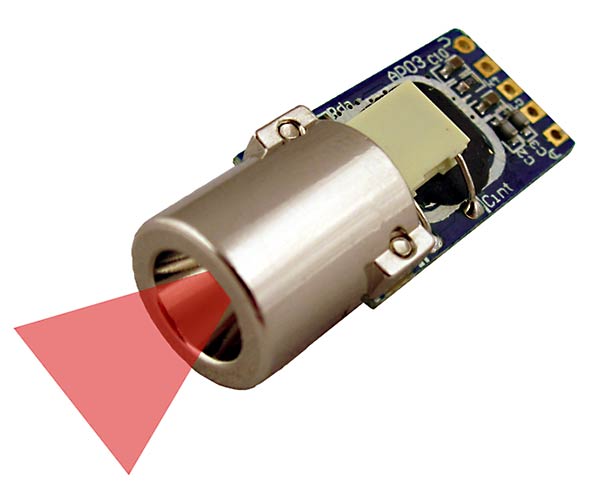
This is the IR sensor I used, made by FreeTronics.
Sensor installed, aiming at the metal exhaust elbow, below the point of water injection.

And as long as I had all that processing power (the Arduino processors are powerful little computers), I added a water and oil alarm. Since I planned to mount all this where it wasn’t easily visible, I used a piezo alarm to sound morse code signals for any failures:

W, dit dah dah, for water temperature high alarm
O, dah dah dah for oil pressure low alarm
X, dit dah dah dit for exhaust temperature high alarm.

If you should be foolish enough to want to do this yourself, here’s all the code for the project. Help yourself. Use it any way you’d like. (Keep in mind that I used some libraries that have their own reuse rules.) -Rich

Here’s the Arduino code: eng-alarm-6

UPDATE: On the way to New Caledonia our exhaust elbow started to clog up (again!). Before there was any overheating, I could see the problem indicated by a rise in my exhaust elbow temperature from it’s normal 100° F to about 130° F. I didn’t do anything about it until we got into Noumea other than run the engine at a little lower RPM. In Noumea, I cleaned out the exhaust elbow (again!) and also found some clogging in the heat exchanger (see this post about our raw water strainer).

Now I wish I’d mounted my little alarm where I could easily see it and not in the lazarette since it’s such a good engine monitoring tool.

Update: October 27, 2017

After a cruising season in the tropics (Vanuatu), here is how the alarm is working out.

1. I’ve had plenty of opportunities to test the water temperature alarm as my Yanmar 3YM30 can barely cool itself in tropical waters. I found I had a hard time telling which alarm was sounding when hear the morse code out of context – that is, with no preceding morse code letters. Was that a W: dot dash dash, or an O: dash, dash, dash? To solve this, I modified the code to repeat each alarm signal three times. That worked, but it might have been better to shorten the dot time.

I used the official morse code timing for dots and dashes in my code. I think by making the dot quite a bit shorter, the difference would be more obvious. This is in a define at the top of the code and is very easy to modify.

2. I really wish I’d made the display visible and not tucked it away in the lazarette. I mentioned this before. Along with this, I wish I’d used analog inputs for oil pressure and water temperature and displayed the pressure and temperature. It would have been better to be able to set the alarm threshold based on these analog inputs.

As it is, I used and oil pressure switch and water temperature switch wired into digital inputs. It turns out that the water temperature switch seems to sit in an area of the cooling system that gets a little air lock or air bubble and even though the engine isn’t overheating, the alarm switch closes. I might try to move the switch to another port, or find a switch with a higher set point, but making these analog inputs from the analog senders solves this issue and would also provide a nice display for the data. (That Arduino LCD shield is very nice and readable.)

3. N2K outputs would be nice but beyond the scope of what I wanted to do here.

Raw Water Strainer Modification

June 13, 2017

While waiting for weather in Noumea, we tackled the engine overheating problem we’ve been having for while now. I took the heat exchanger core out and found it partially clogged with algae. It seems that the holes in this commonly used raw water strainer are just too big and allow little twigs and leaves to enter the raw water cooling circuit.

Raw water filter basket with holes that are too large.

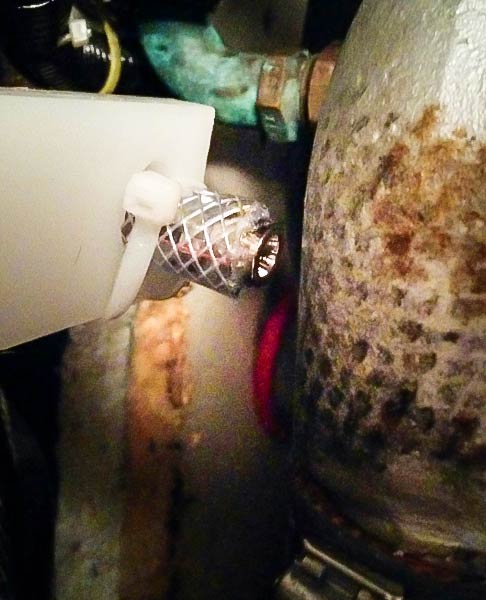
My solution was a small piece of fiberglass window screen. I cut a round hole in the center of a piece about 18 inches square, pushed it into the basket and trimmed the excess off the top. I used an o-ring to hold the screen down over the inlet tube at the bottom of the filter and a wire tie to hold it open at the top. The modification, including the head-scratching phase, took about ten minutes and I really think it’ll help keep the gunk out of the engine.

Here’s the final result…

Raw water strainer with fiberglass window screen filter.

-Rich

Eating Well in Noumea

June 8, 2017

There isn’t much to report in terms of great adventure lately. We’re sitting at a marina in Noumea and recuperating from a very busy cruising year. It’s nice to get a little break while we wait for a few parts to arrive by DHL.

In the meantime, all of the adventures we’re having are of the “searching for the best food” variety.

We’ll get moving in the next week or two towards Vanuatu. -Rich