Who’s The Boss? (Opua, Bay of Islands, New Zealand)

(December 6, 2012 – March 6, 2013)

There is one lord and master of Opua.  He oversees everything, and makes sure every visitor meets his approval.  He is about 1 foot tall with a pug face and brown hair.  His name is Ty, but we call him “The Boss.”

Here he is at the entrance to his store, Cater Marine, denying entrance to an undesirable. The undesirable’s name is Skipper, but we nicknamed him “Puddy” after the big dopey character on Seinfeld.  He belongs to the business next door, and The Boss lets him roam the grounds of Opua but will never allow him into Cater Marine.  If Puddy wants to play with Rich and Cyndi, he will have to wait for them outside.  -Cyndi
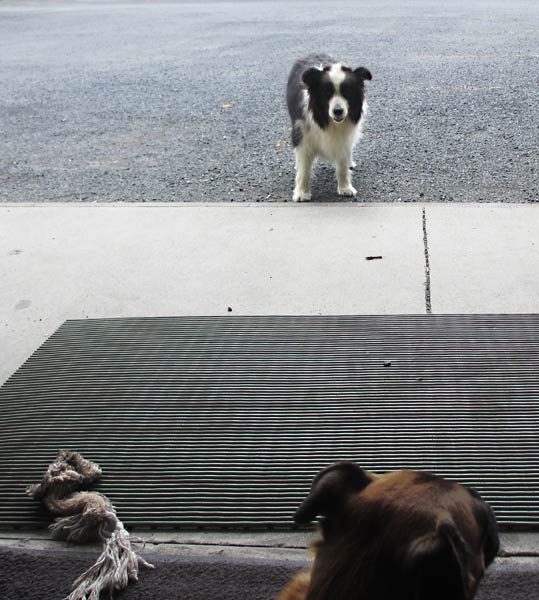
The Boss yet again denies permission to enter to Skipper (aka Puddy)

More from a previous post here.
More Opua Neighborhood Walks (Bay of Islands, New Zealand)

December – March, 2012-13

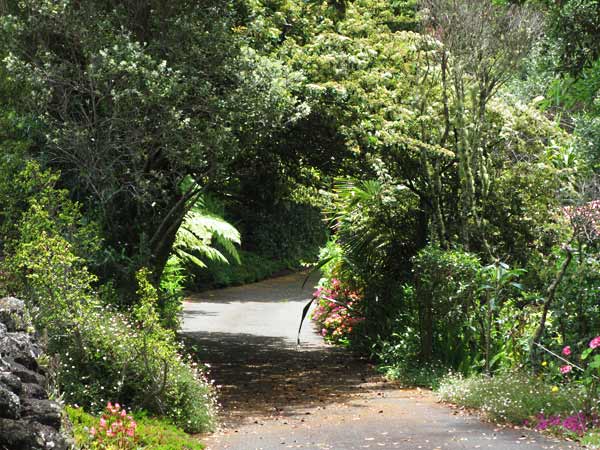
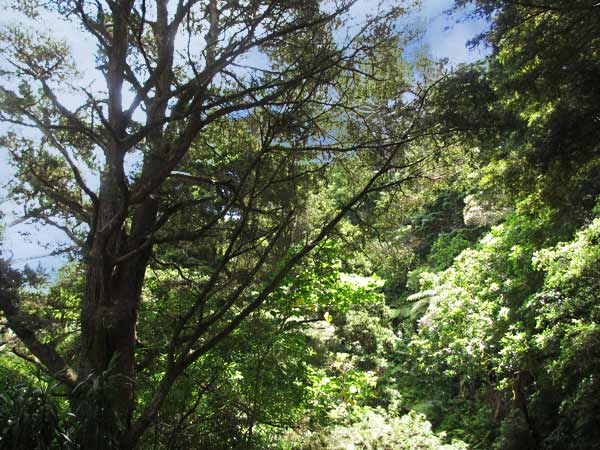
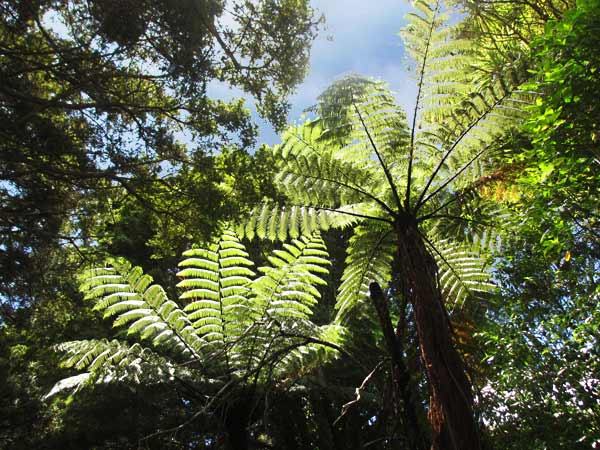
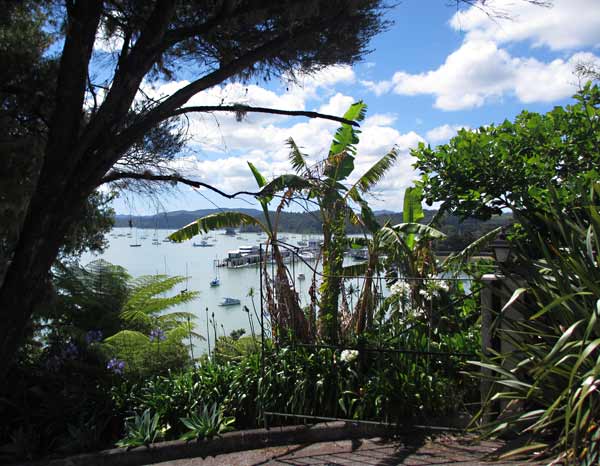
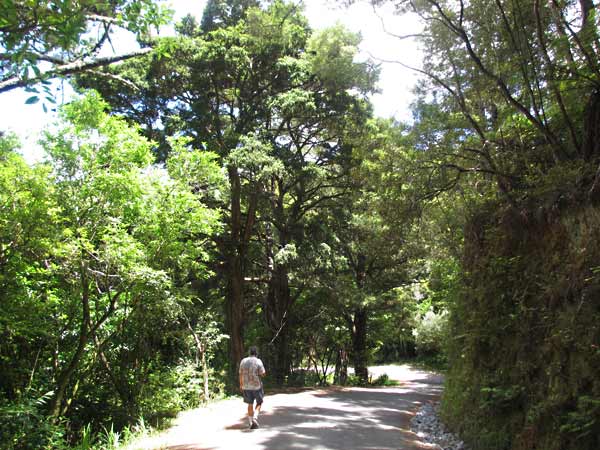
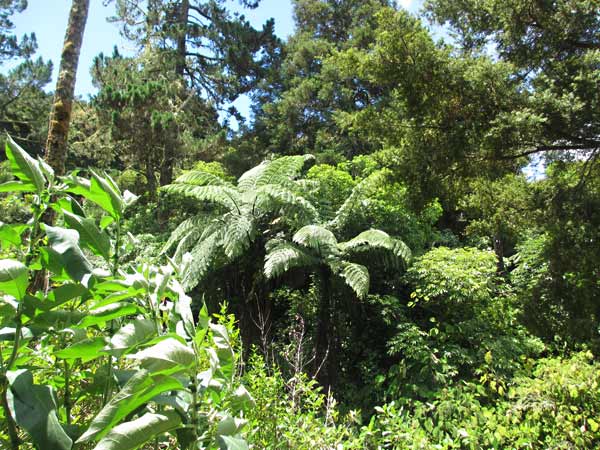
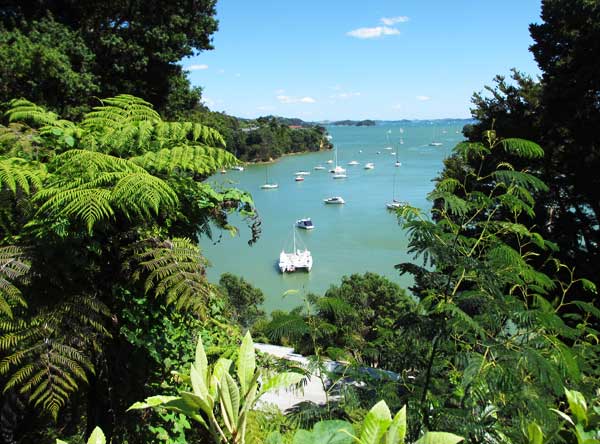
The views of the bay weren’t the only incentive to walk in the hills around Opua. The vegetation here was lush and beautiful with trees, shrubs and flowers of all sizes and shapes, and of course lots of the official plant of New Zealand: the tree fern. Rich did an earlier blog about some of our walks, but here I’ll add some of my own favorite photos. -Cyndi

A small side street in Opua.
A typical view walking down a nearby residential street.
Tree ferns often tower overhead.
Sometimes the plants were more tropical looking.
Rich walking down a tree-lined street.
Tree ferns growing among other trees.

Here’s an earlier post about our Opua walks:  link

Opua Neighborhood Walk (New Zealand)

(December 6, 2012 – March 6, 2013)

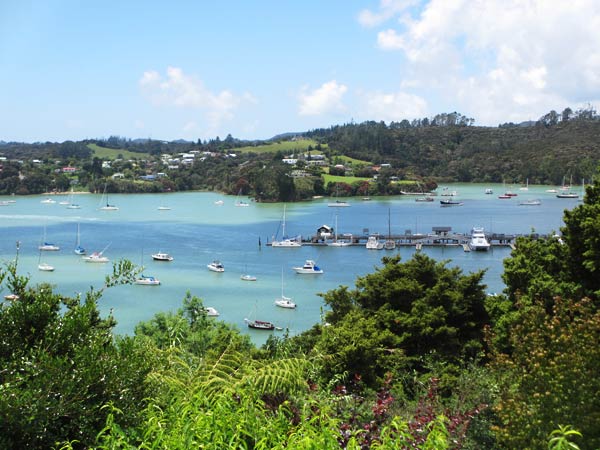
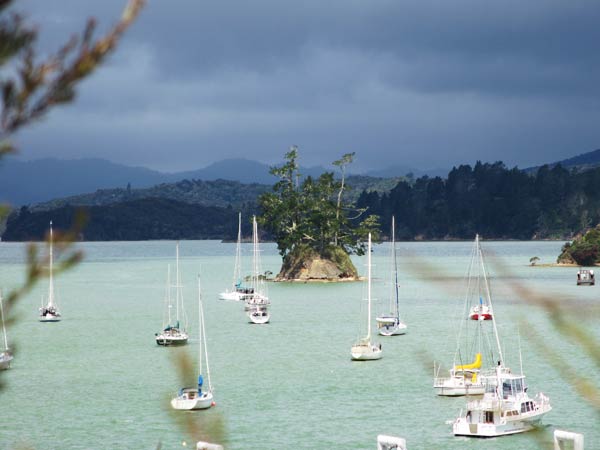
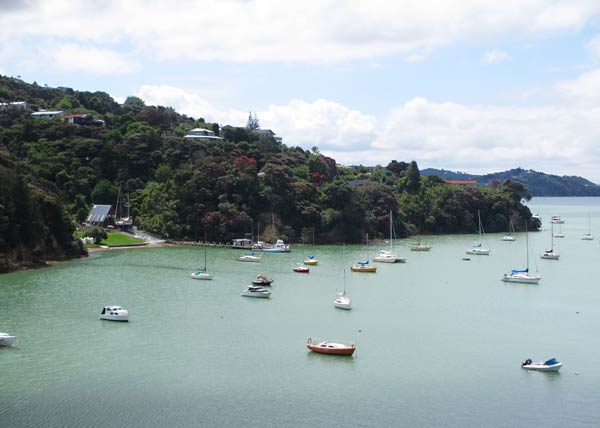
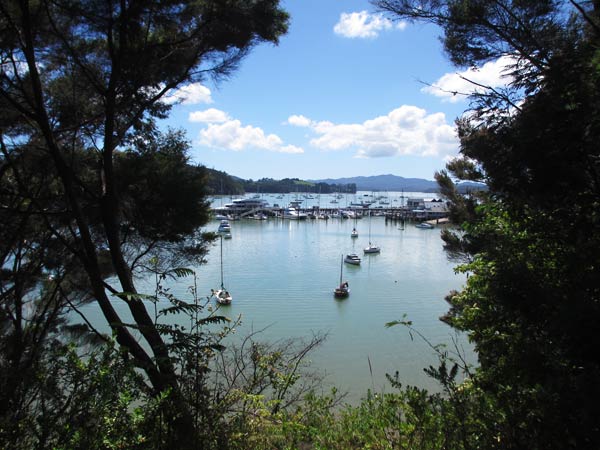
The best way to appreciate the beauty of Opua is to walk up a hillside for a view of the surrounding bay. You can probably tell why we weren’t in any hurry to leave. -Cyndi

opua-views-1

opua-views-2

opua-views-3

opua-views-4

opua-views-5

opua-views-6

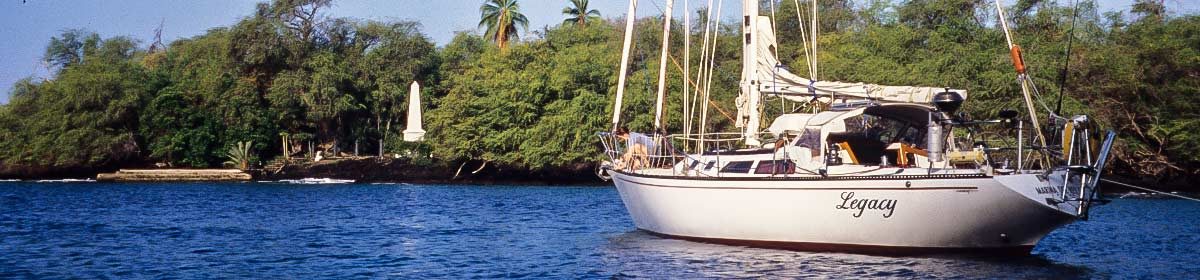
There's lots of activity where our boat is now with ferries coming and going all day. Can you spot Legacy (with the two blue stripes at the top of the mast)?
There’s lots of activity where our boat is now with ferries coming and going all day. Can you spot Legacy (with the two blue stripes at the top of the mast)?

New Zealand Discovery #3: Tuis

December 2012 – May, 2013

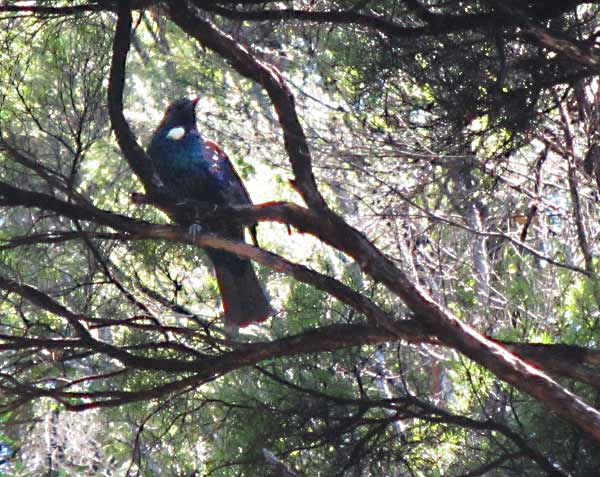
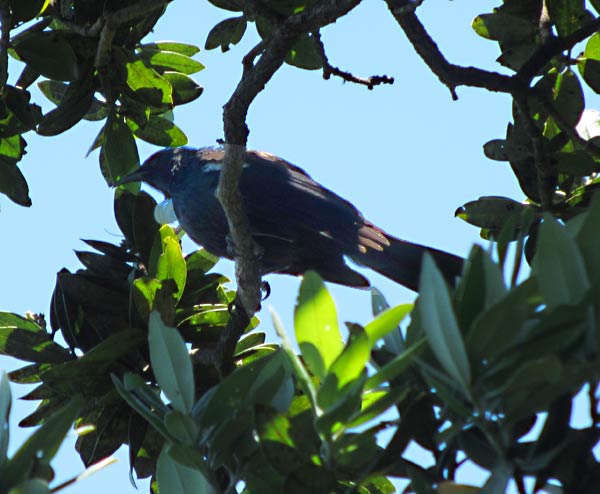
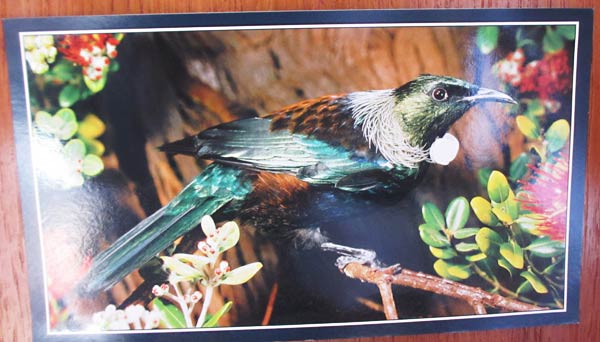
I can’t talk about pohutukawa trees without mentioning tuis, the birds that flock to them while they’re in bloom. They appear to be black, but if you catch them in the sunlight their feathers reflect a greenish hue, and you can see the white bars on their wings as they fly. Their most outstanding feature are the two white tufts at their throat. They grunt, chortle, gurgle, whistle, sing and can copy the sounds around them. In the spring they get drunk on kowhai berries and fall out of the trees, making it a bird I can especially relate to.

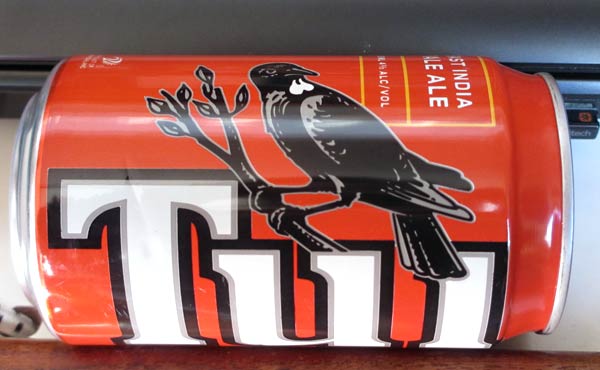
Like the pohutukawa tree gets overshadowed by the tree fern, the tui gets overshadowed by the kea, the mischievous alpine parrot in the south island.  But the tui is the only New Zealand bird to have a beer named after it, a well-deserved honor. -Cyndi

Tui in a tree.
Tui in a tree.
Another tui in a tree - they are hard to photograph!
Another tui in a tree – they are hard to photograph!
The tui postcard I have up on our wall.
A Tui beer can.
A Tui beer can.

New Zealand Discovery #2: Pohutukawa Trees

December 2012 – May, 2013

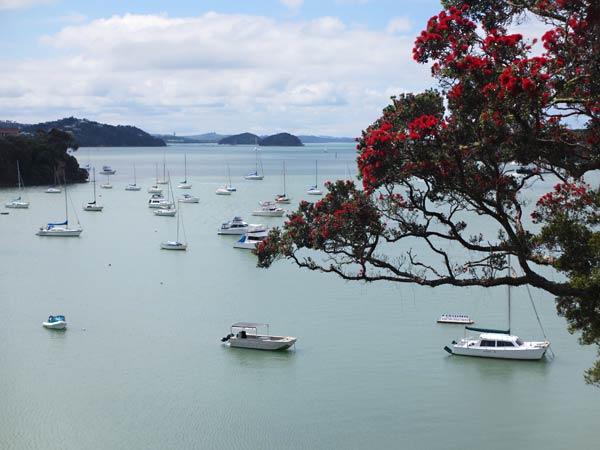
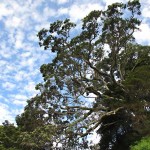
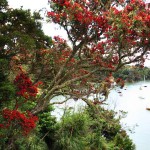
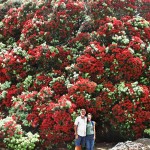
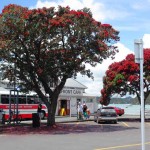
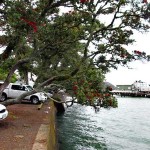
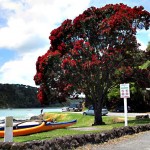
Pohutukawa trees are often called the New Zealand Christmas Tree because their prolific red bottlebrush-like flowers blossom during the December/January holiday season (link).

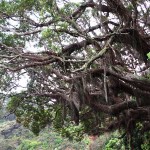
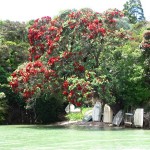
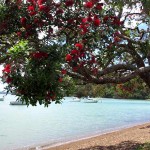
That’s very nice, but these trees are so much more than a mere holiday-blooming novelty. They are magnificent, and they are everywhere (at least in the North Island).  They grow along parkways and walkways, in yards and grassy fields, in the depths of the forest, along ocean beaches, and up the sides of craggy cliffs.  They can grow to be very large and hundreds of years old.

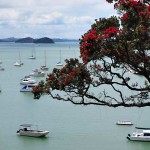
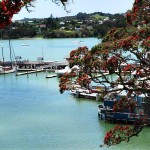
One thing pohutukawas especially seem to love growing low over river estuaries or ocean bays.  This leads to a quintessential Northland New Zealand scene: the red-blooming pohutukawa tree against a backdrop of turquoise or emerald water.  You’ll see this on postcards, greeting cards, brochures, travel guides, paintings, etc.  It is the scene that represents Northland New Zealand.  The tree fern may be New Zealand’s national tree, but I think the pohutukawa should hold that title. -Cyndi

(Click on a thumbnail image below for a larger version.)