March 8, 2013
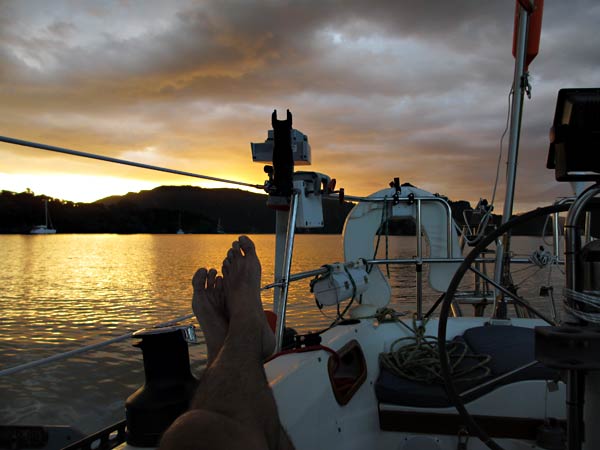
Just kickin’ back!
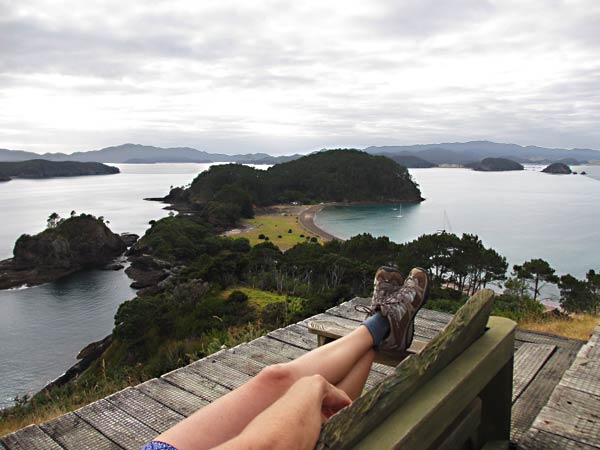
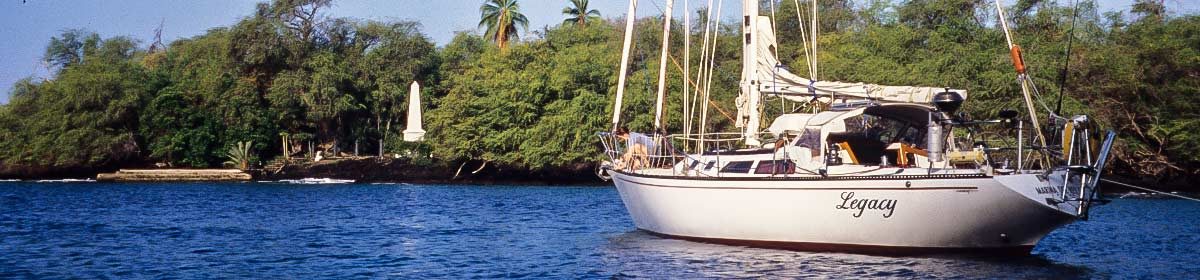
Cyndi and Rich aboard Legacy
March 8, 2013
Just kickin’ back!
March 8 2013
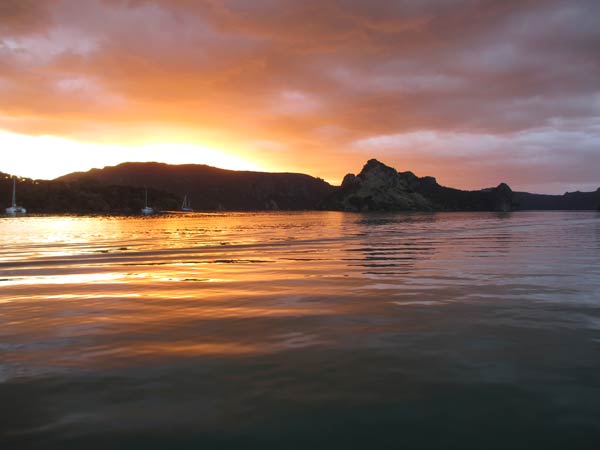
Here’s tonight’s sunset in Whangaroa Harbor, New Zealand.
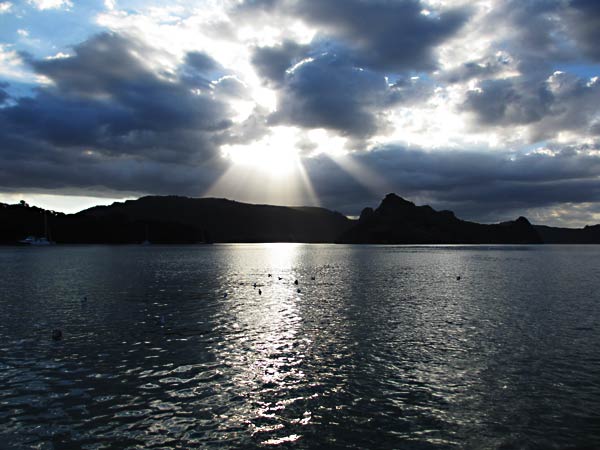
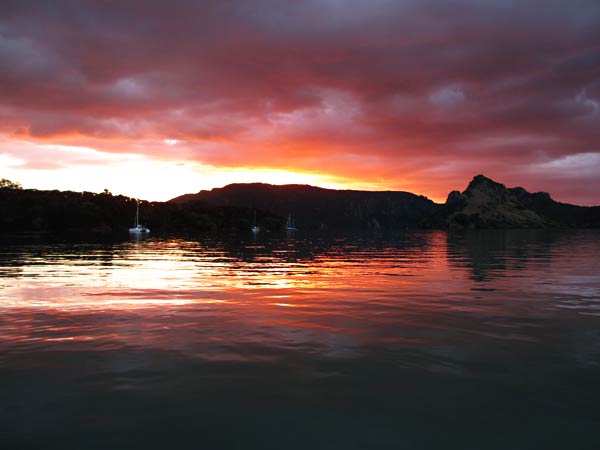
March 8 & 9, 2013
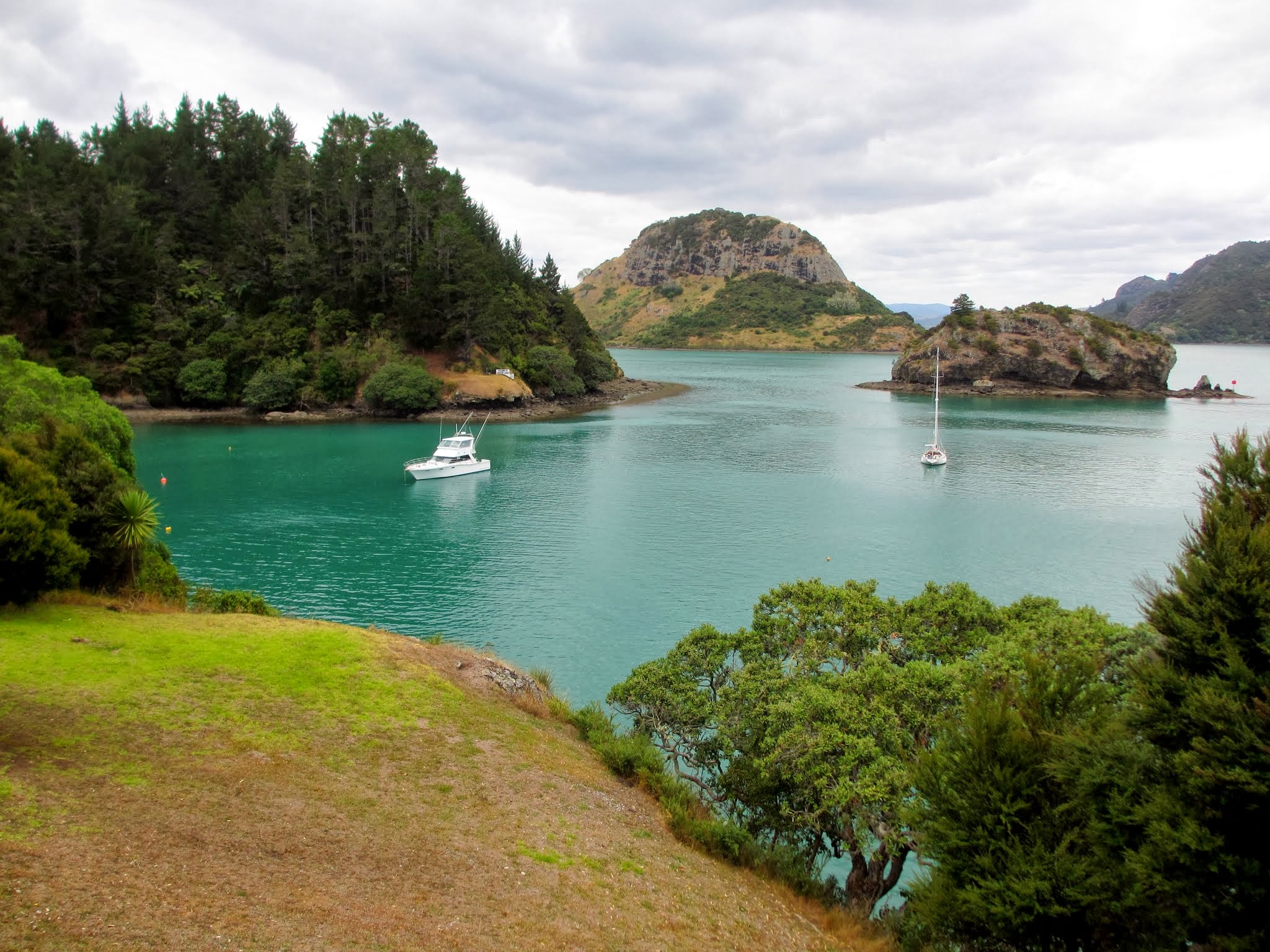
After we entered Whangaroa, we considered Pekapeka Bay (the most stunning bay here), but because of the wind direction we decided to start with a bay on the southwest side of the harbor.
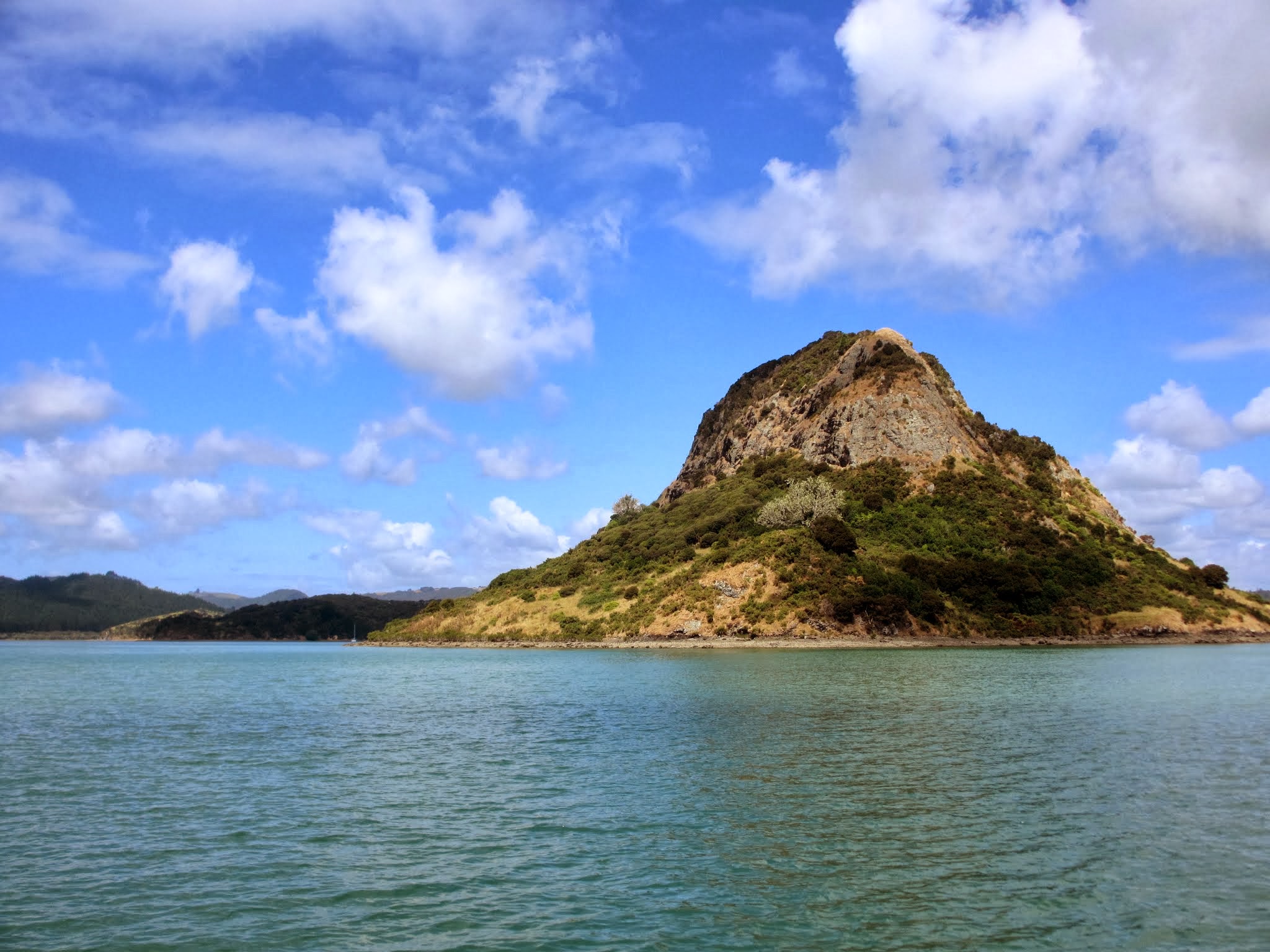
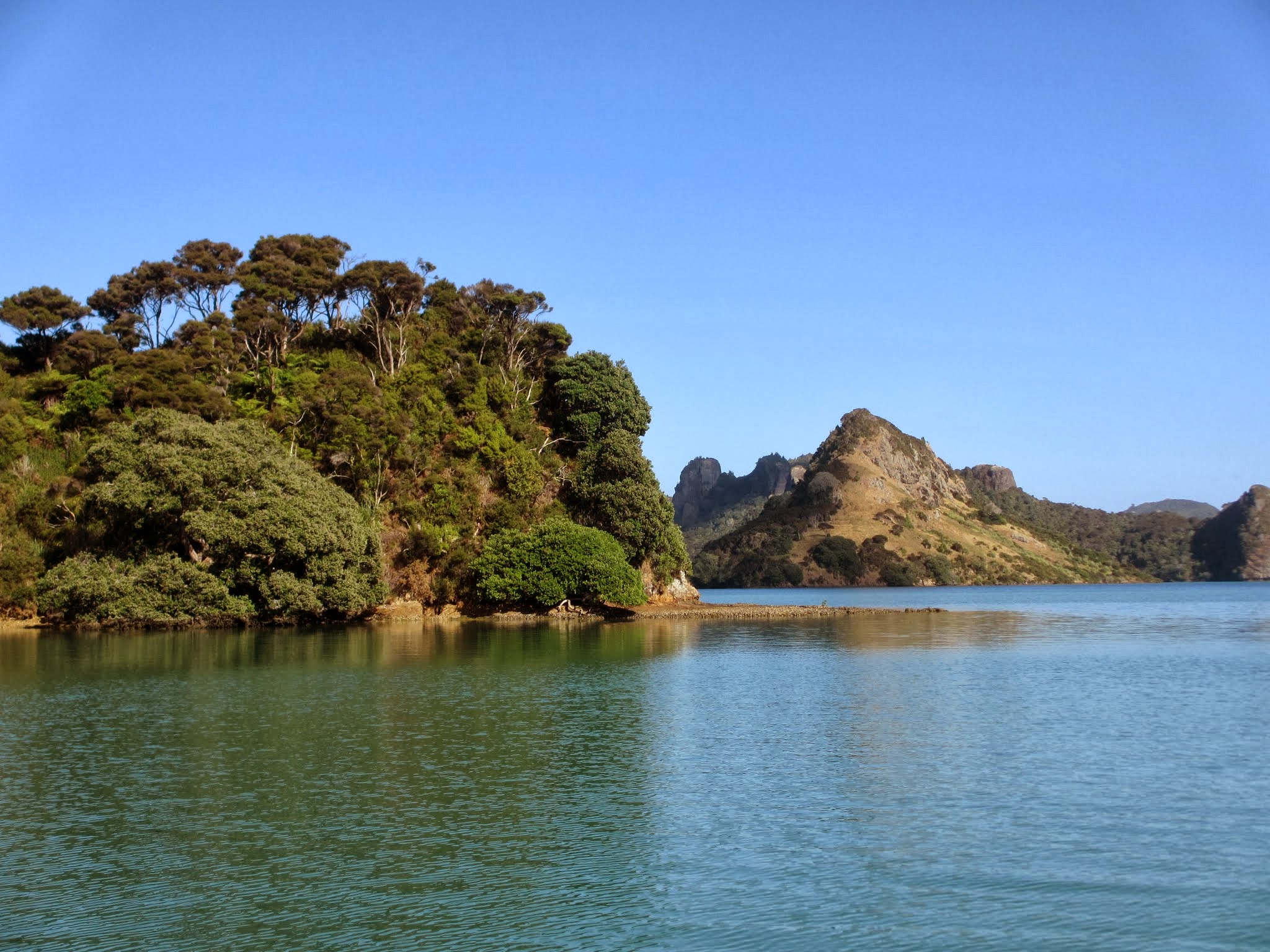
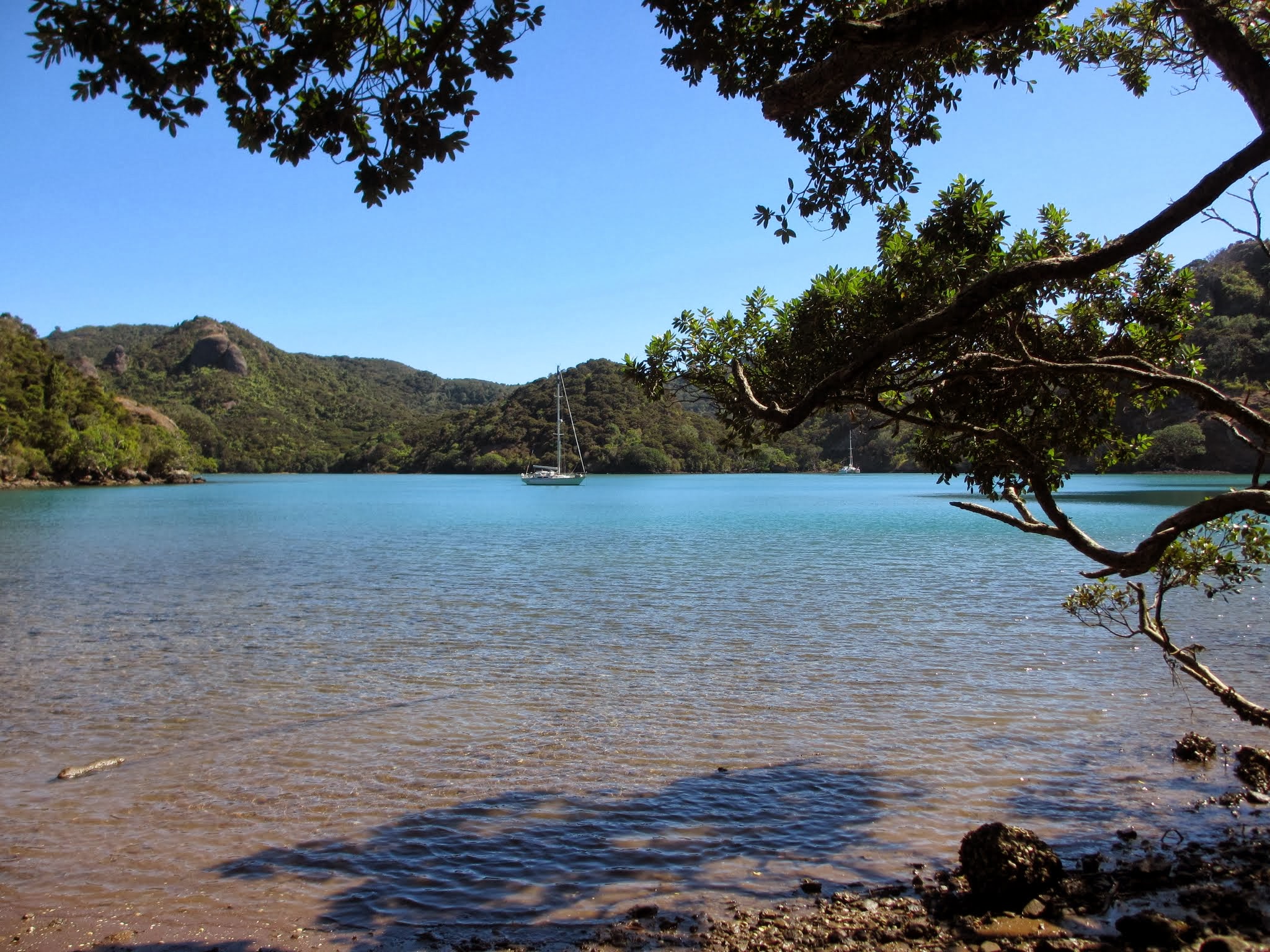
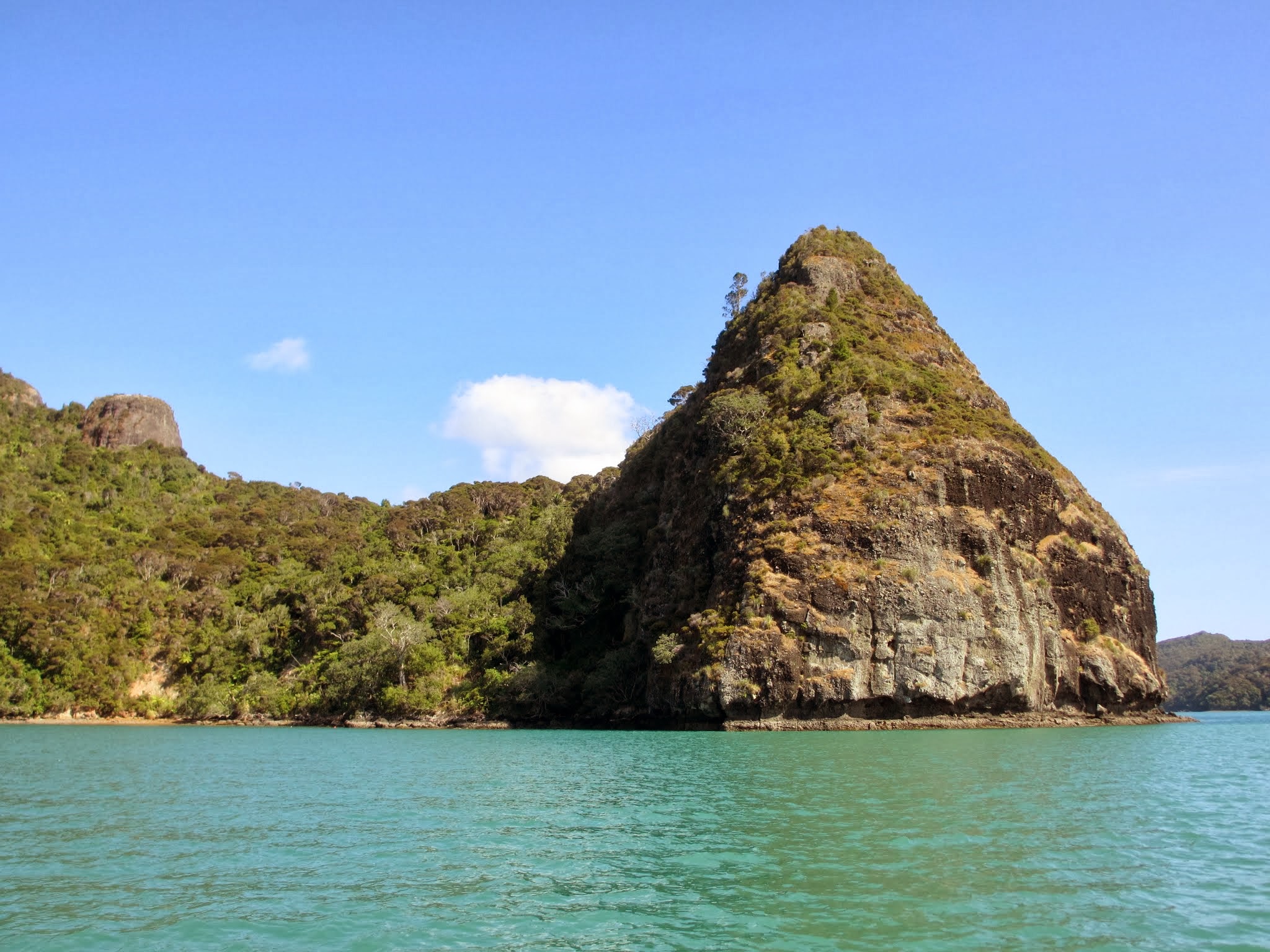
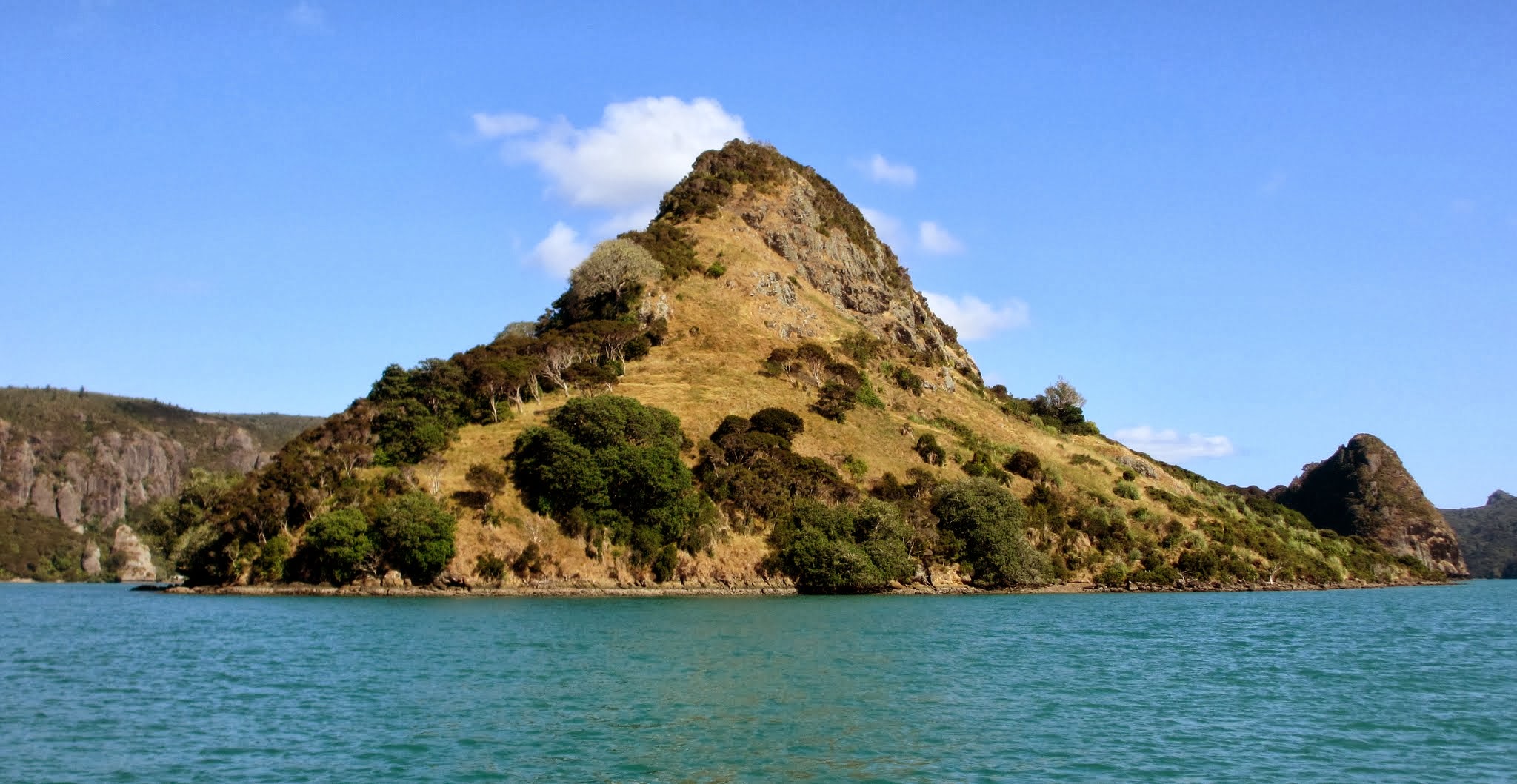
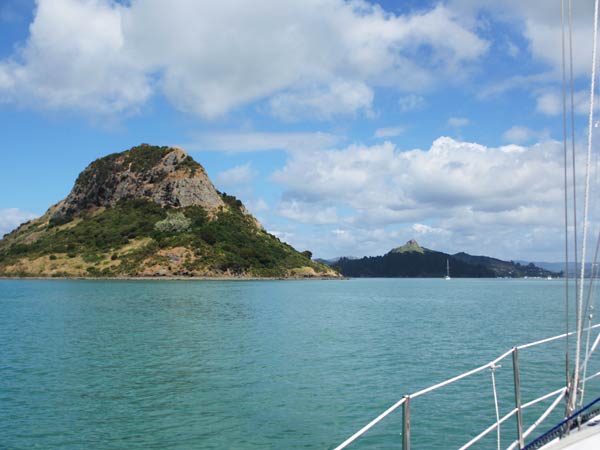
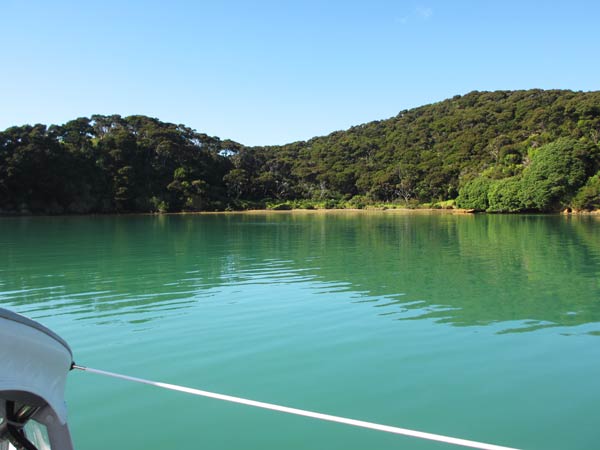
We motored through the next pass and around the cone-shaped Peach Island to another large bay. This bay was divided by a long, narrow island called Milford Island, and we anchored on the north side of it (called Owhatanga Bay).
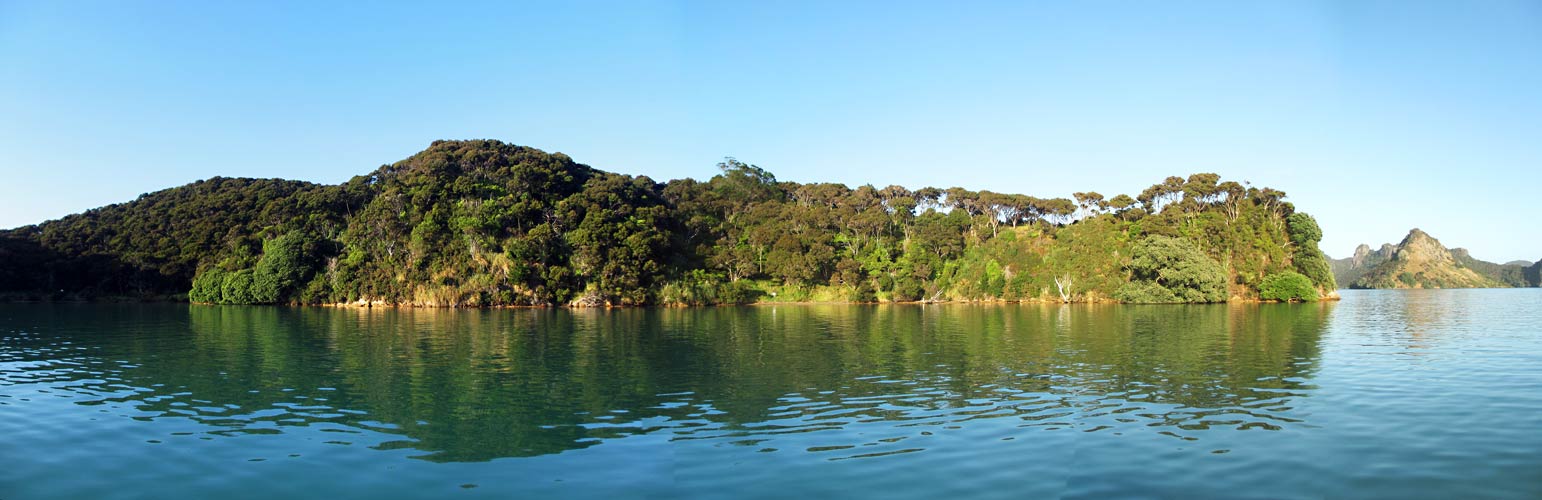
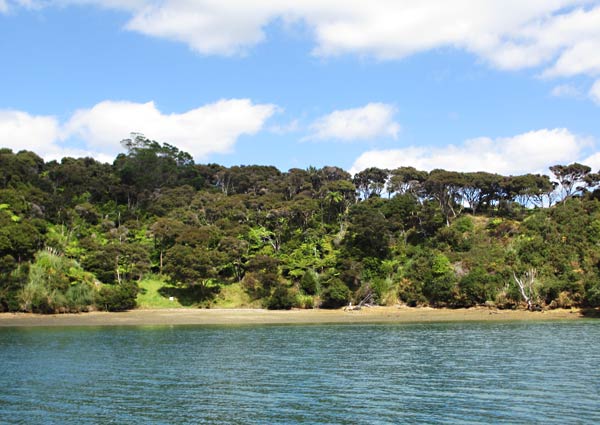
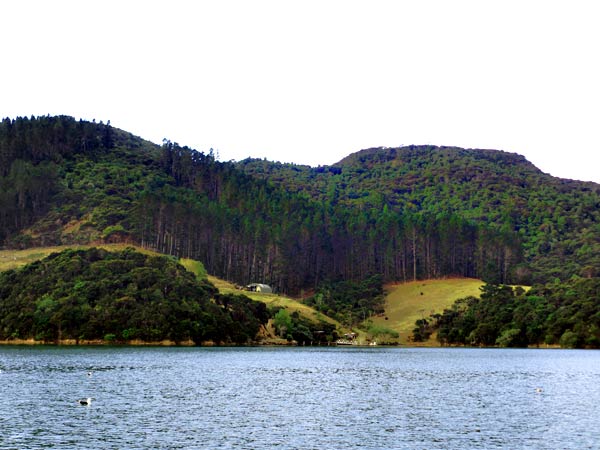
While this bay wasn’t as dramatic-looking as the bays on the other side of Whangaroa Harbour, its mountainous, tree-covered hills were beautiful, and Milford was a pleasant little island and secure anchorage in the current winds. We ended up spending a couple of nights anchored off Milford, in two different spots, and both places were very nice. –Cyndi
March 8 – March 13, 2013
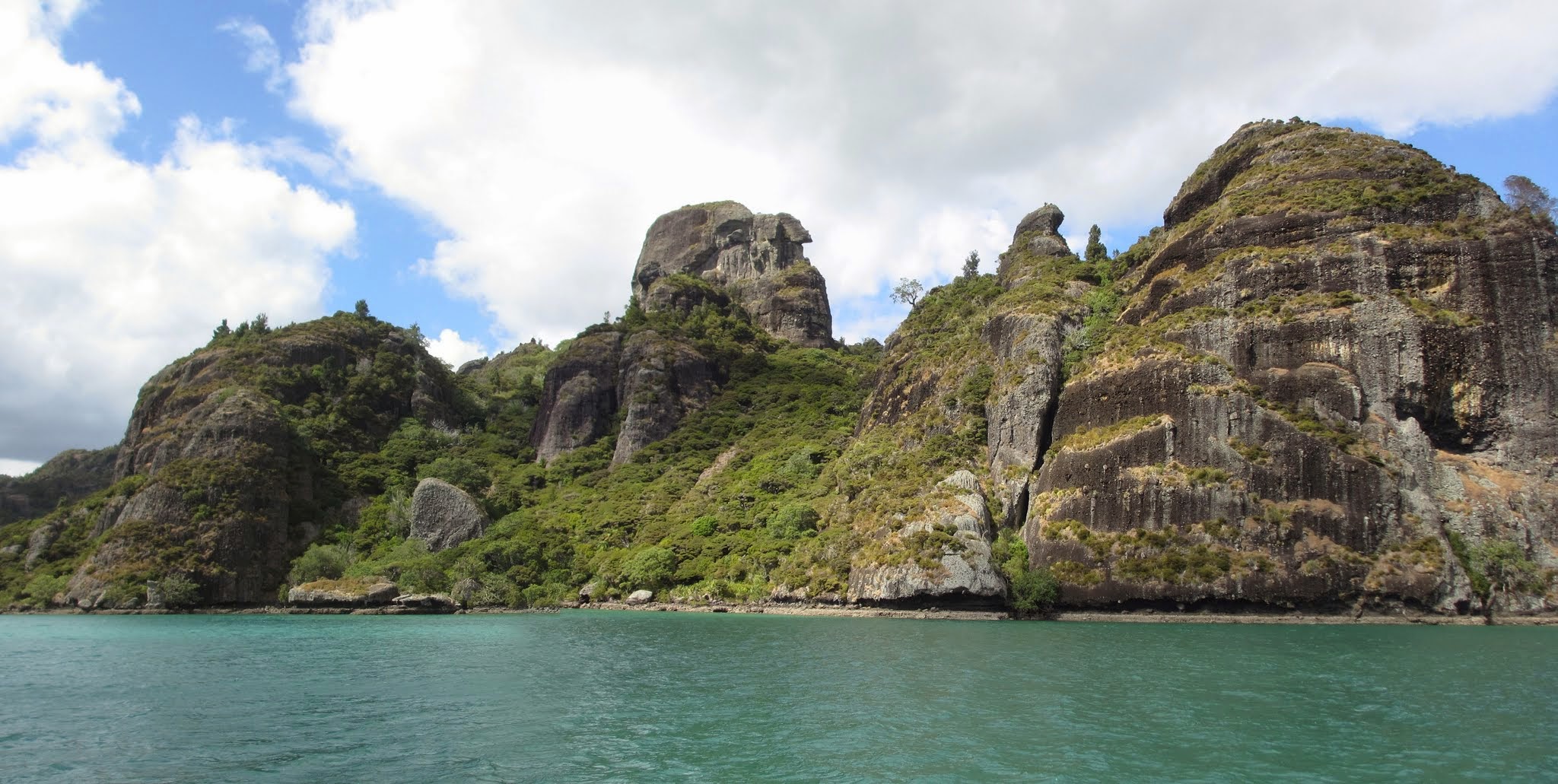
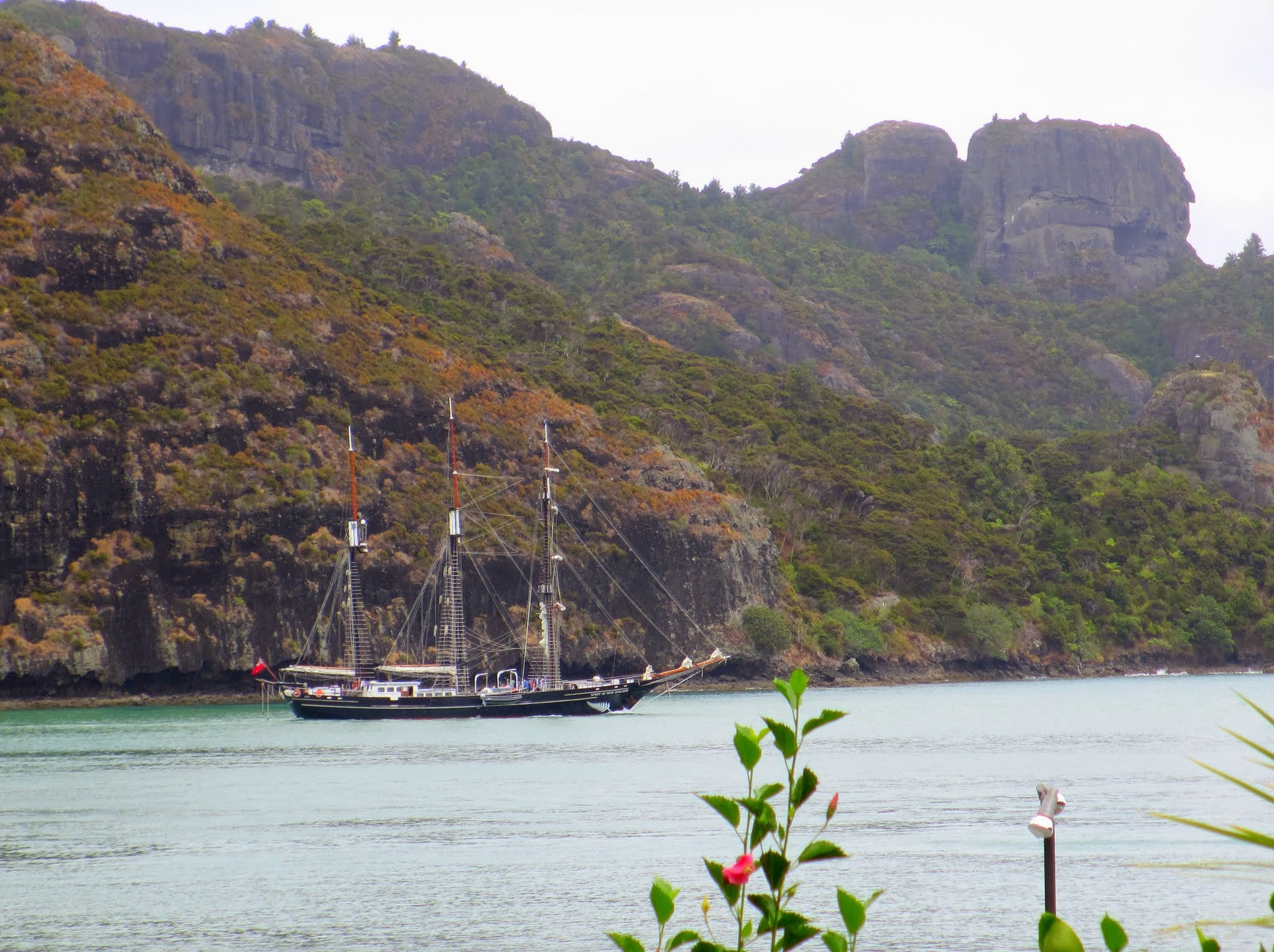
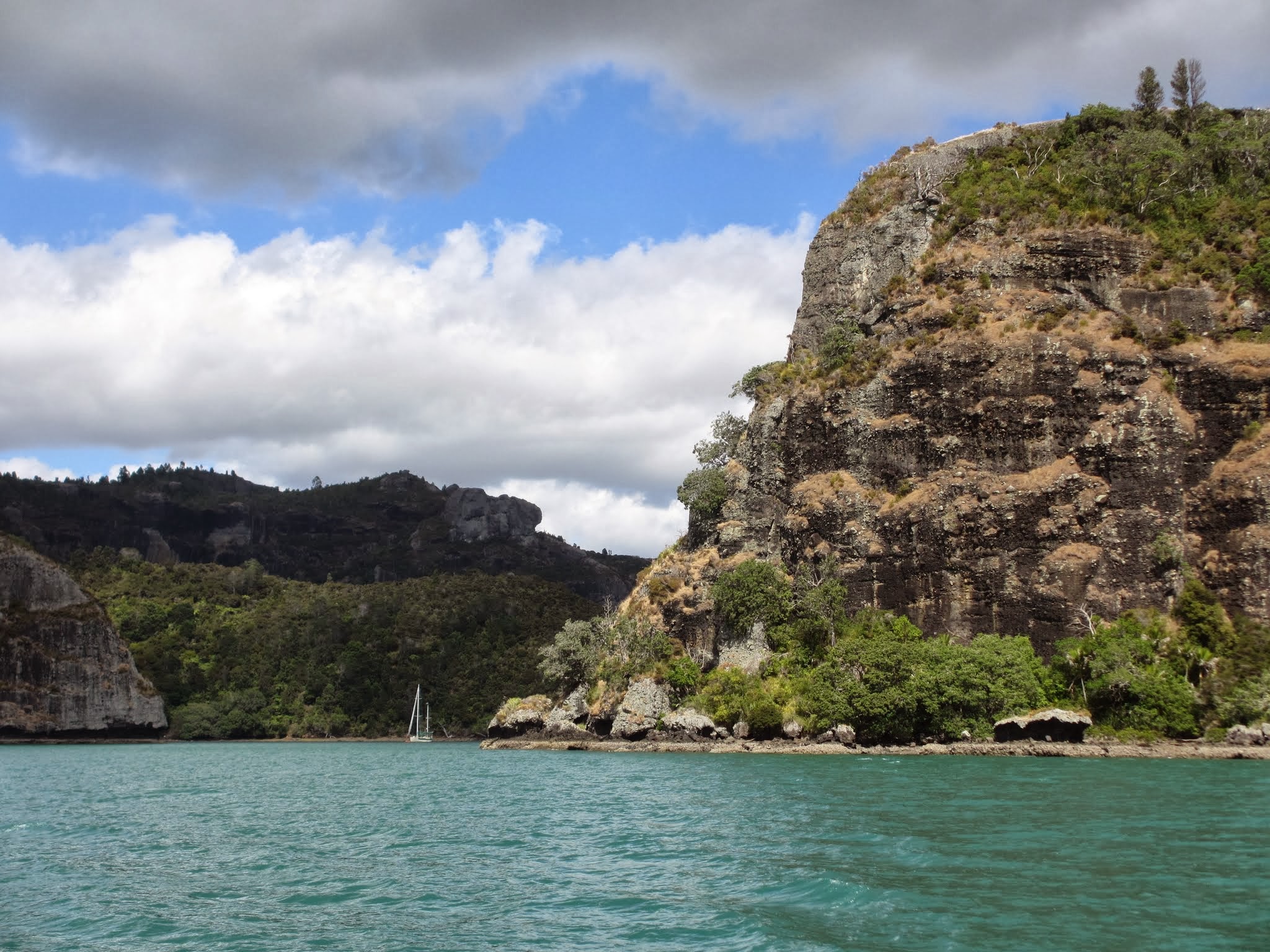
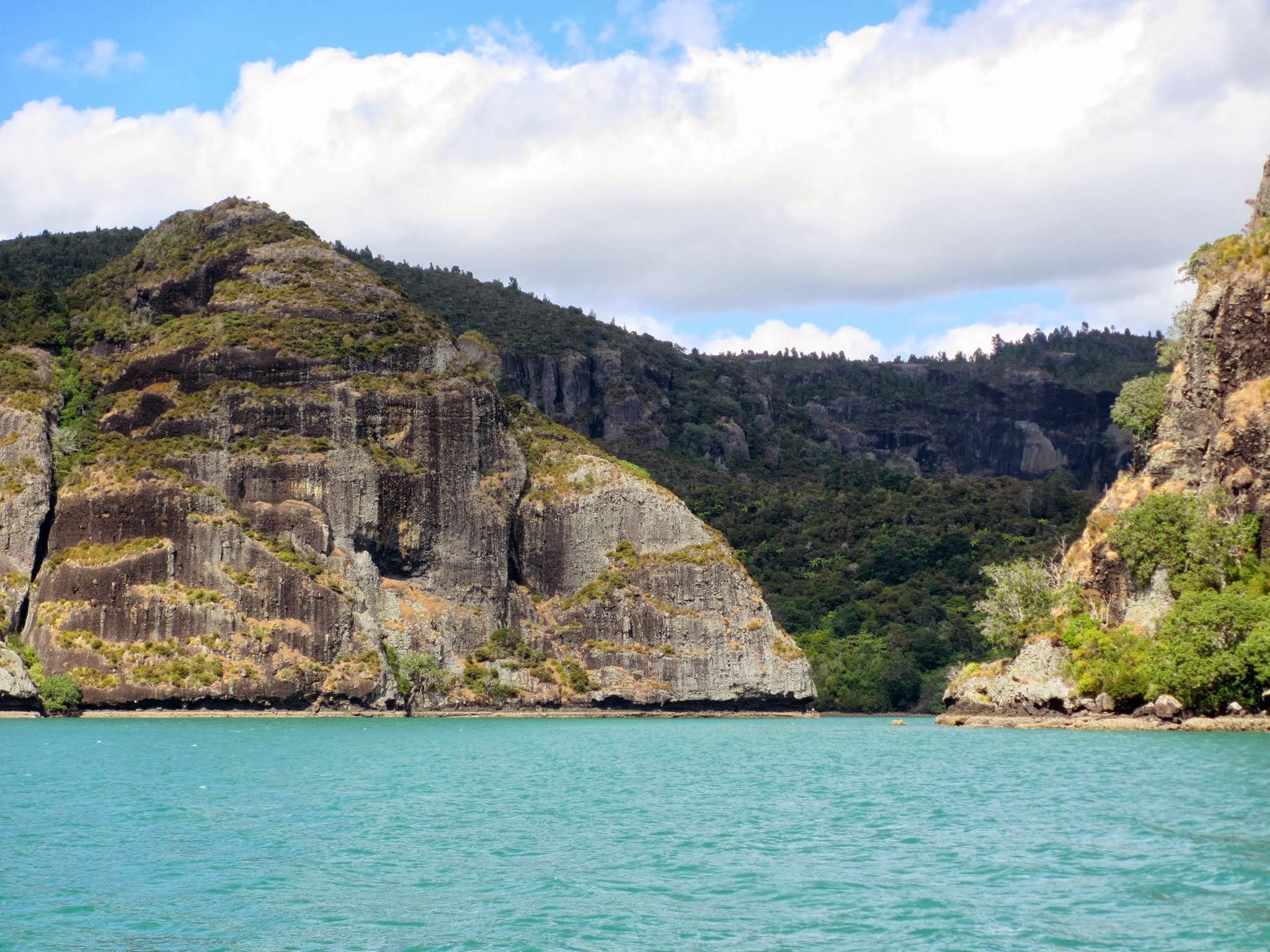
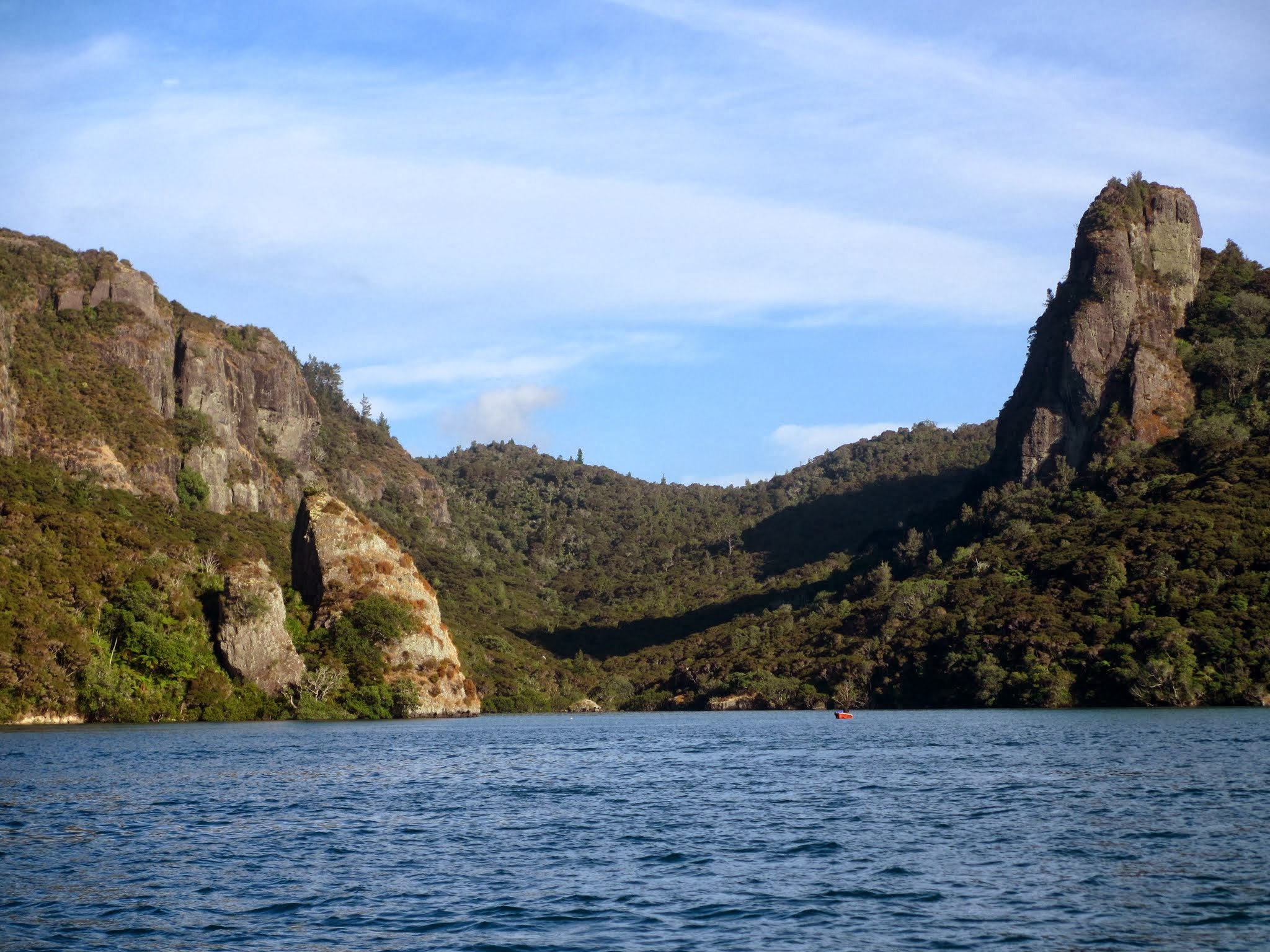
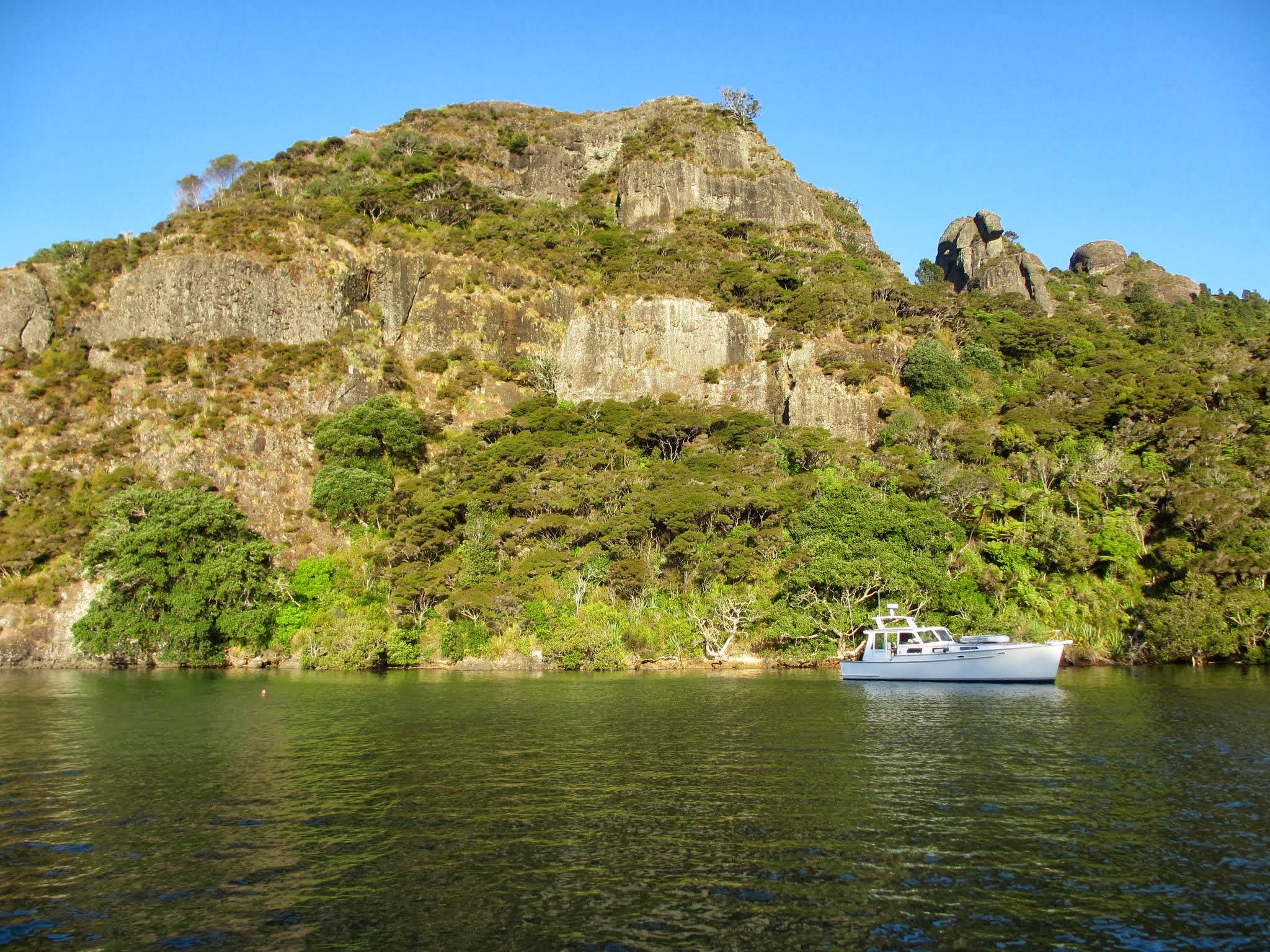
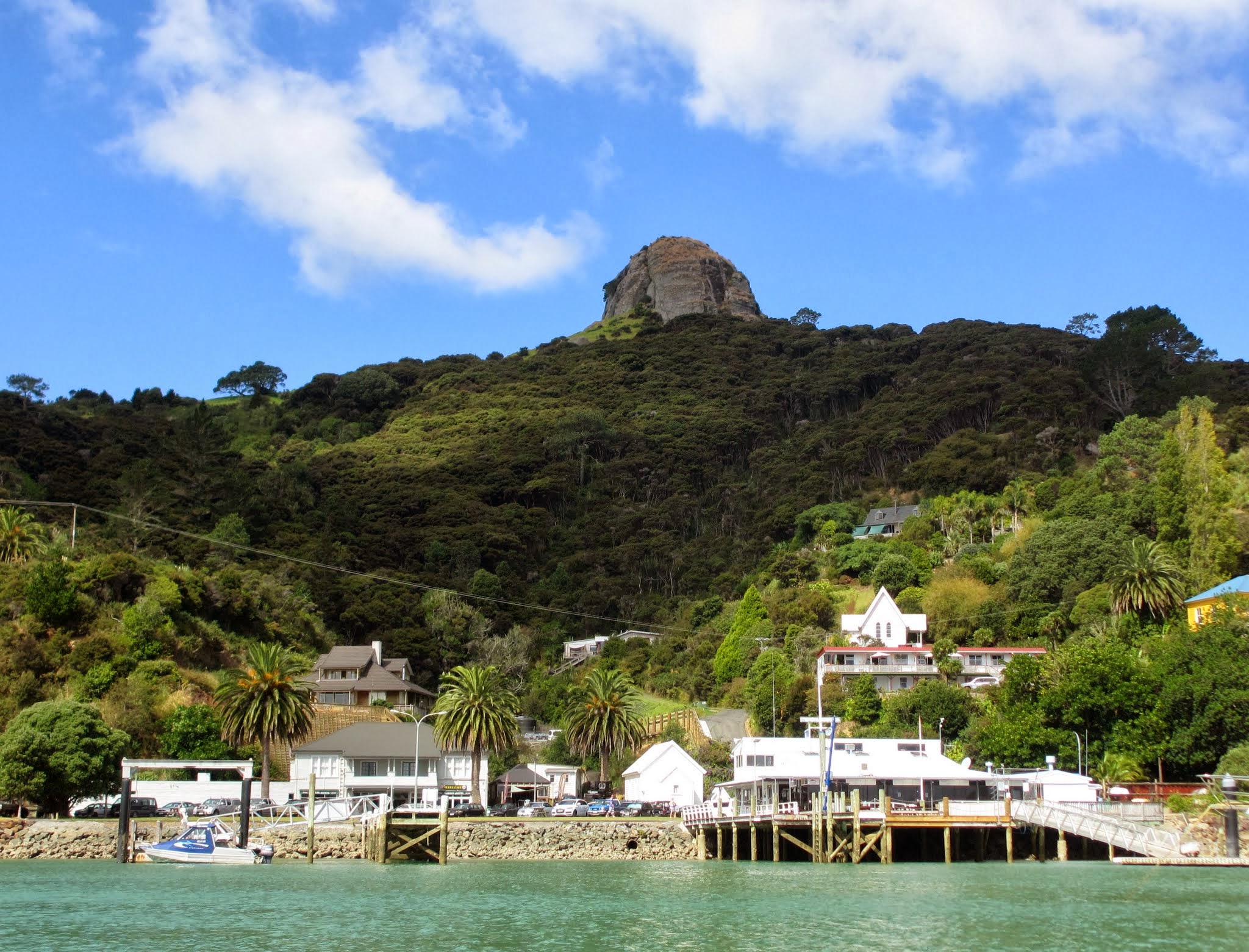
We had heard a lot about Whangaroa, the large, deep harbor north of Opua. We’d visited the hilly inner region and town in our car, but the spectacular fjord-like outer reaches of the harbor are accessible only by boat. Because the passage into this harbor is quite narrow, we made sure to arrive at slack tide.
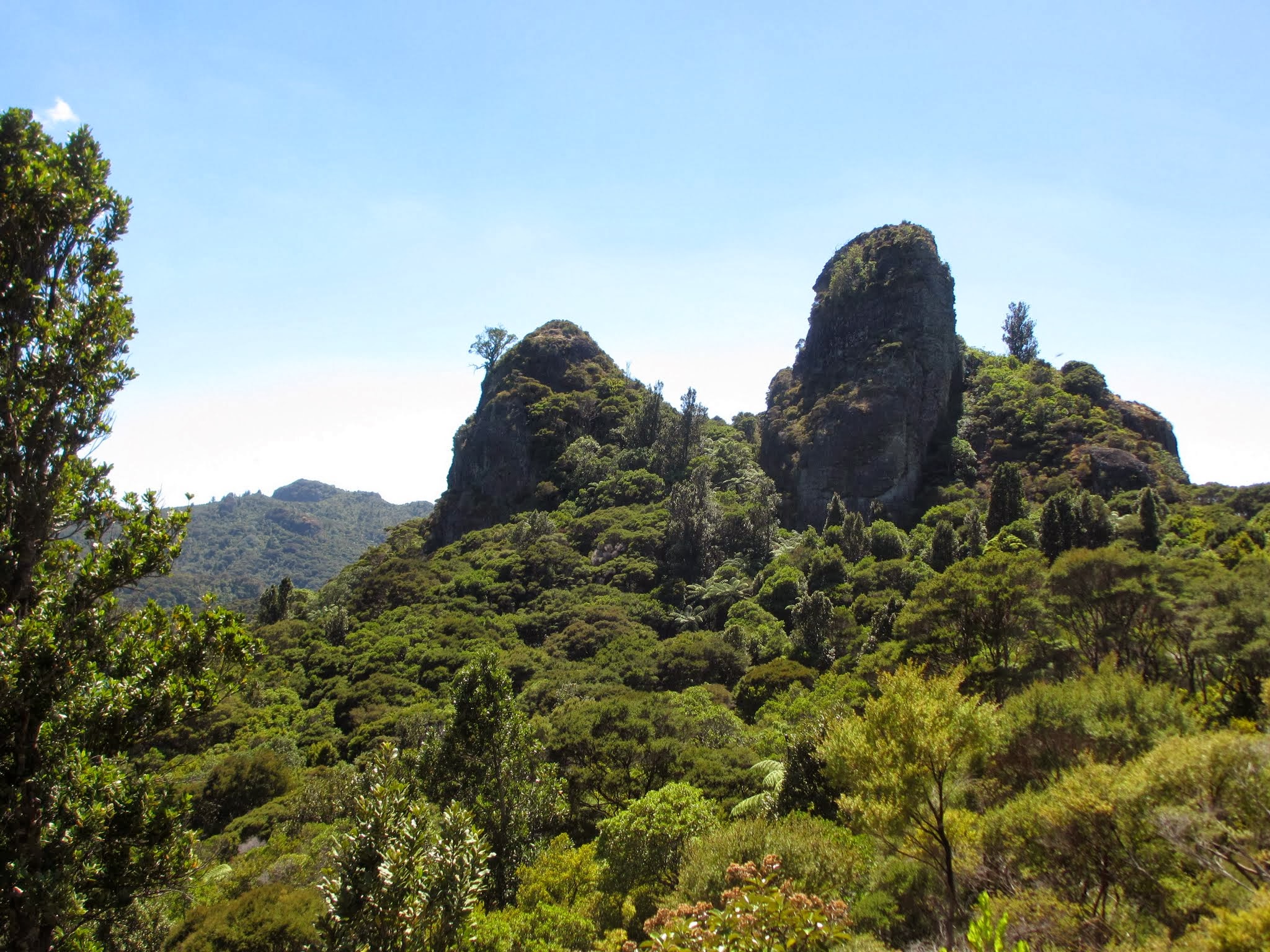
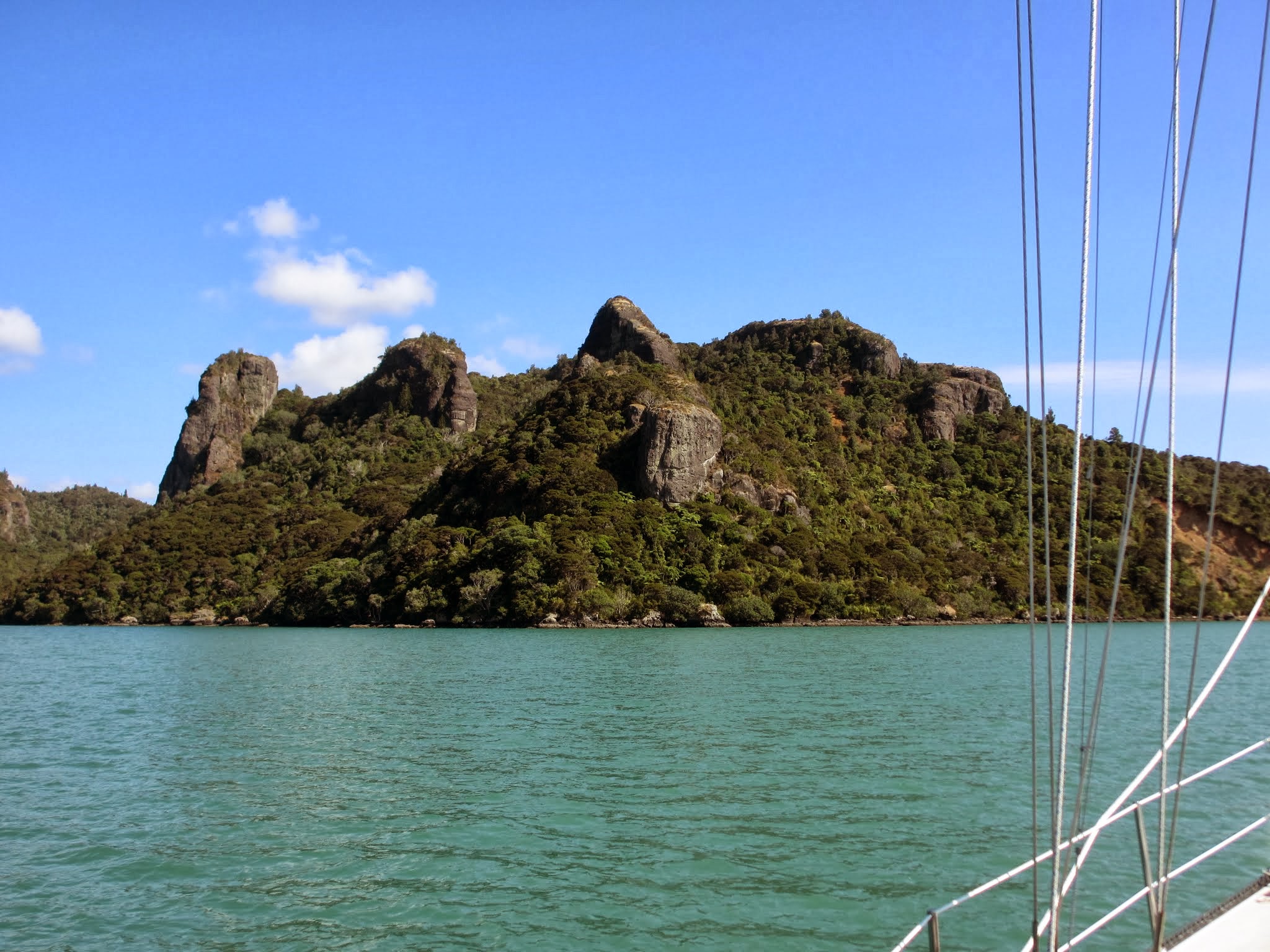
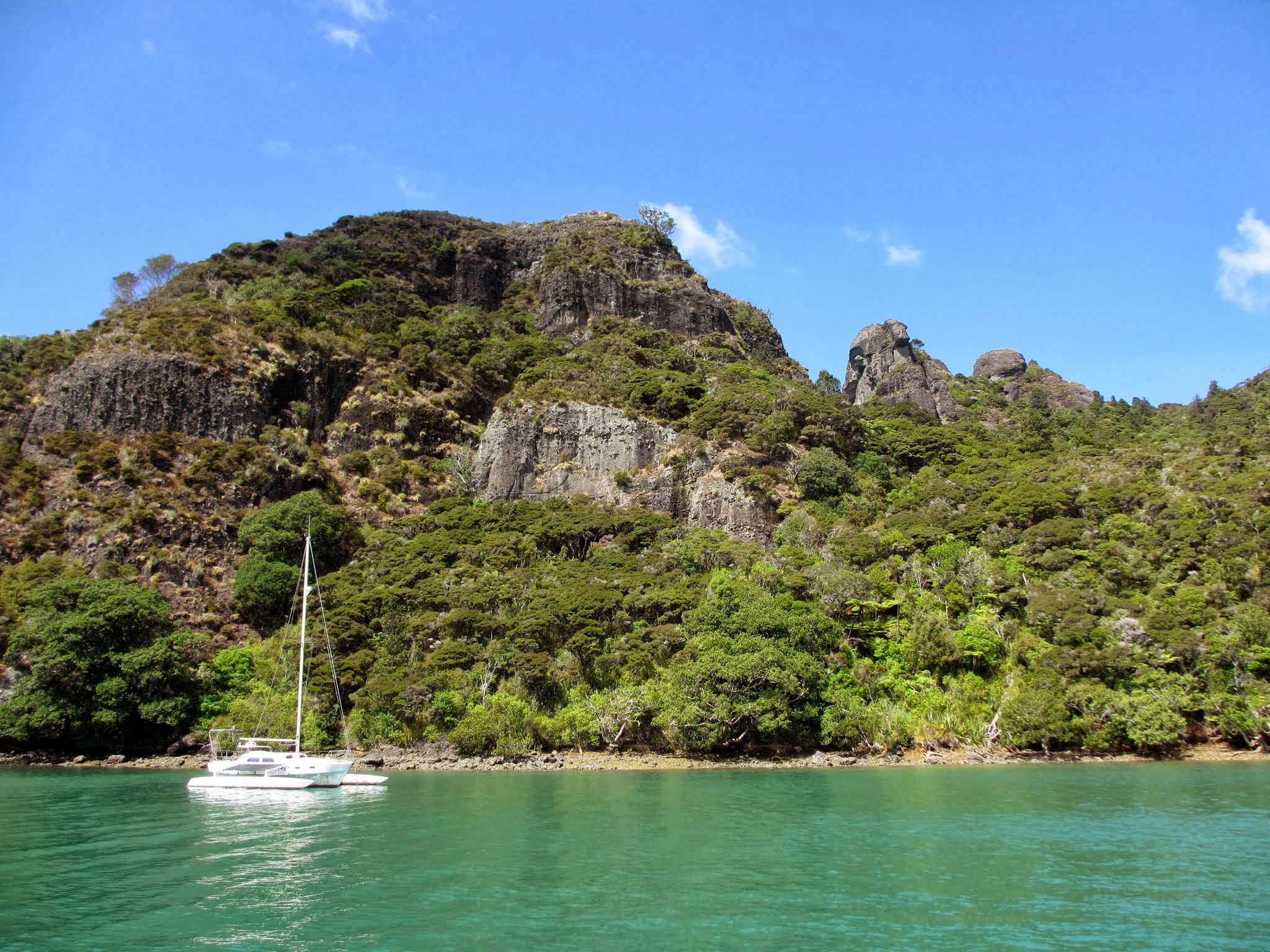
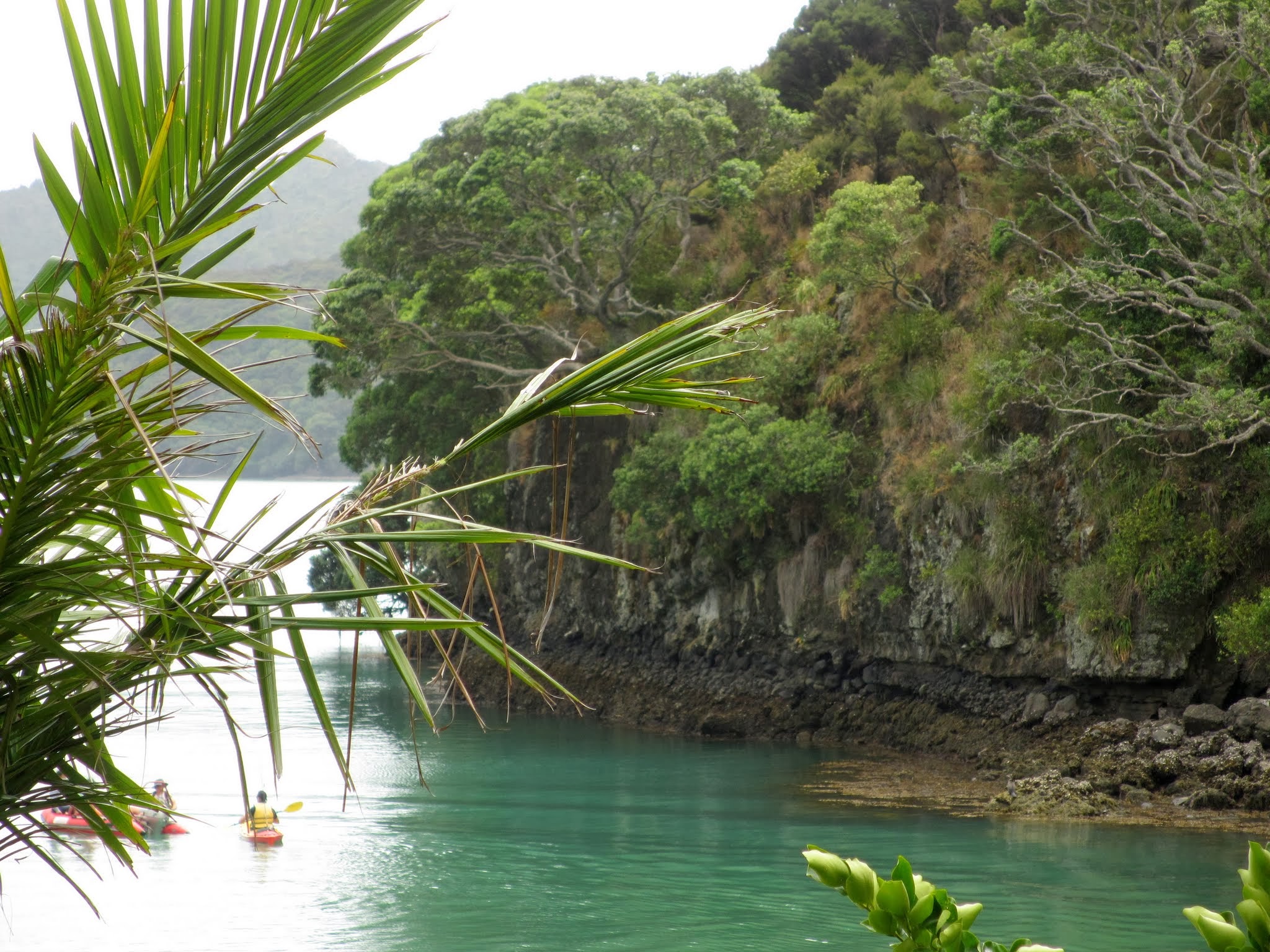
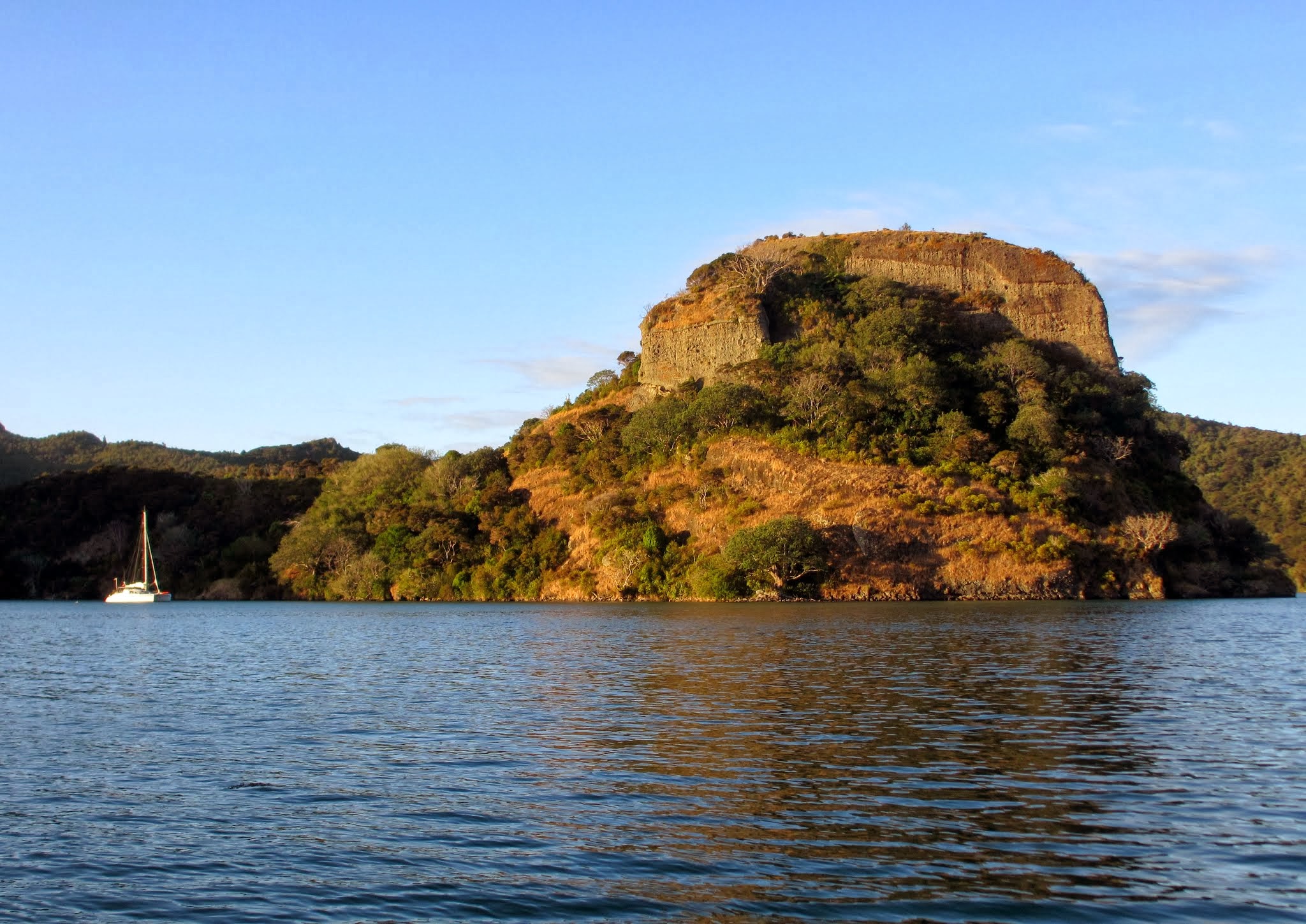
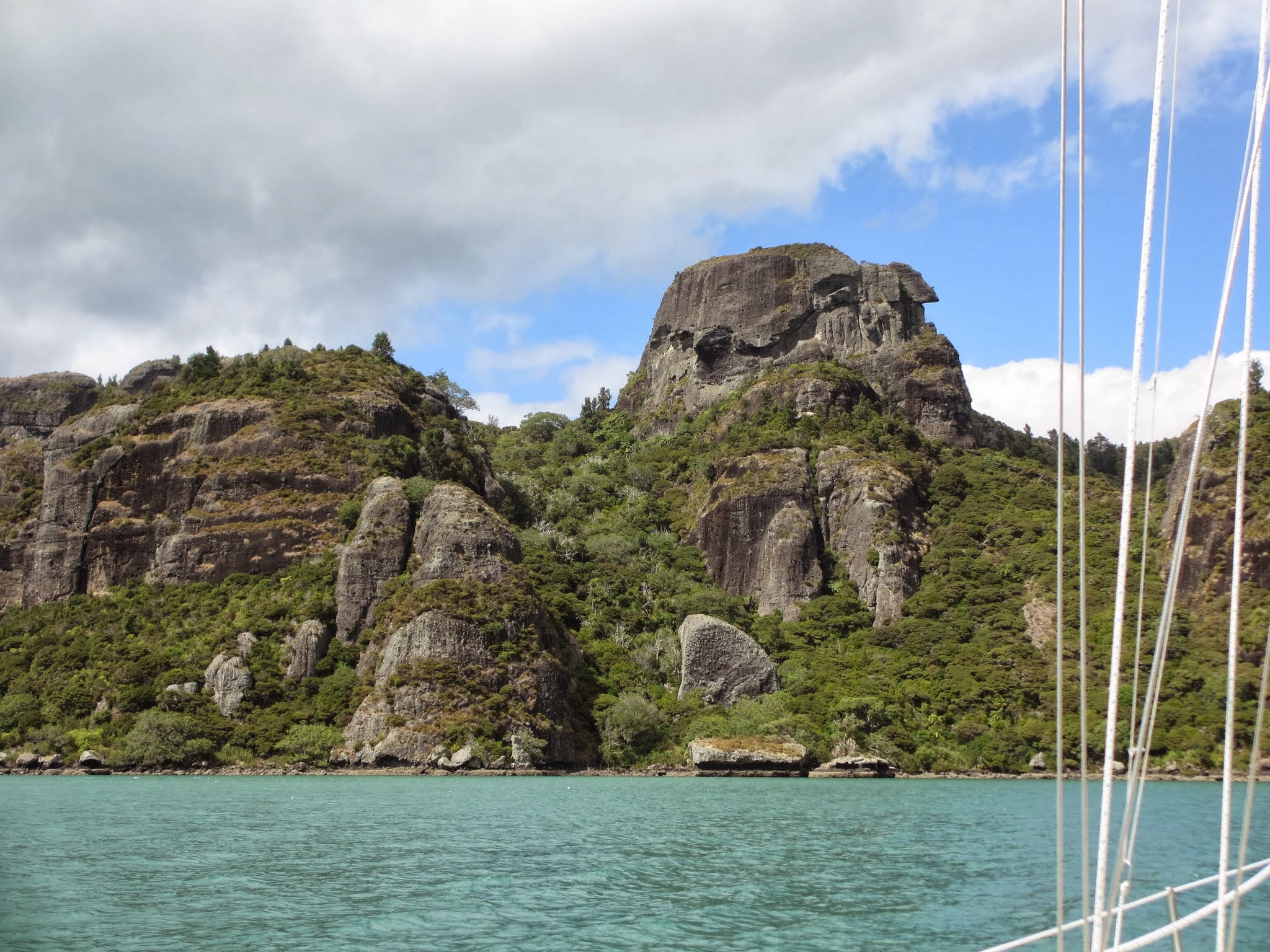
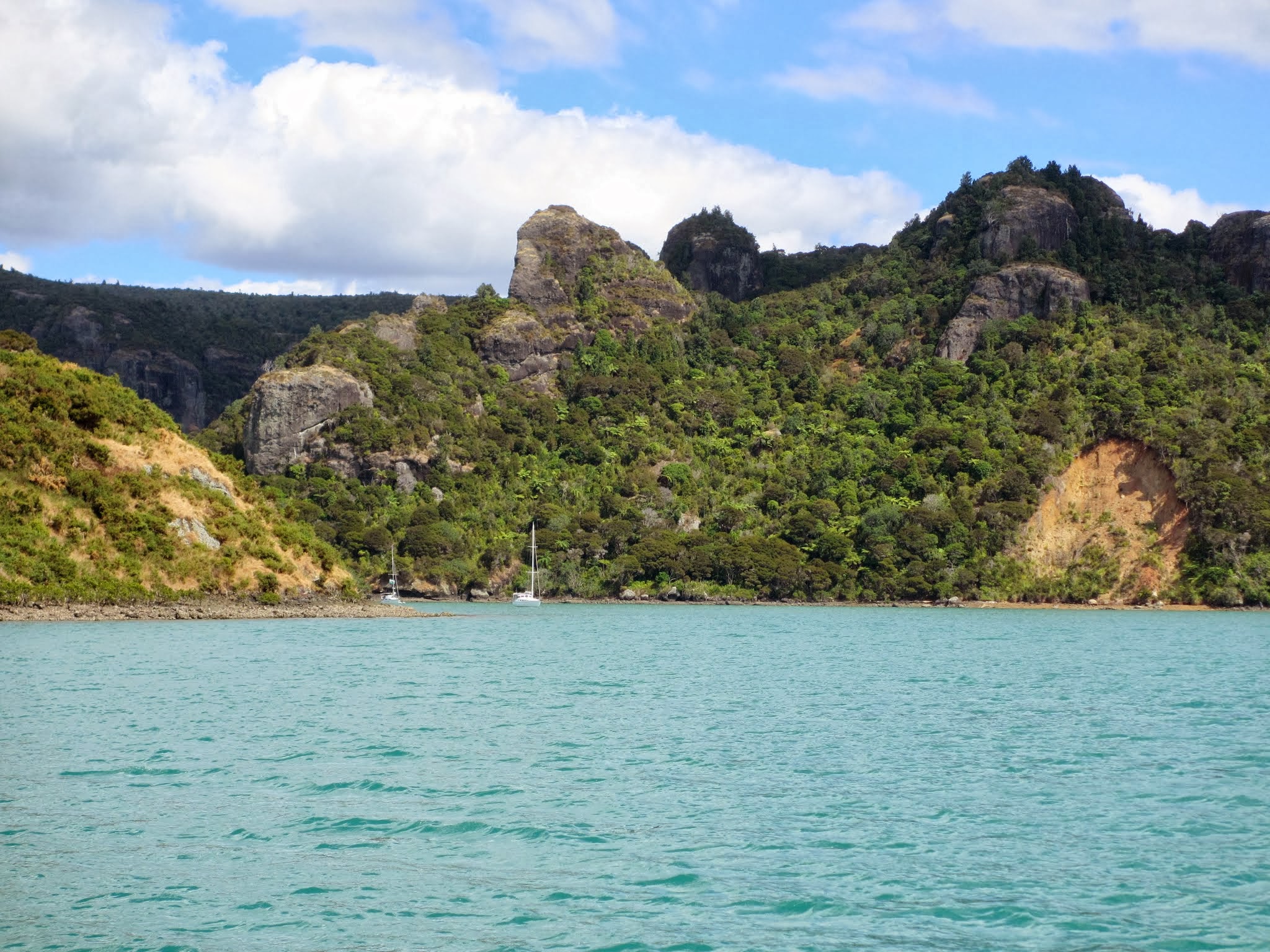
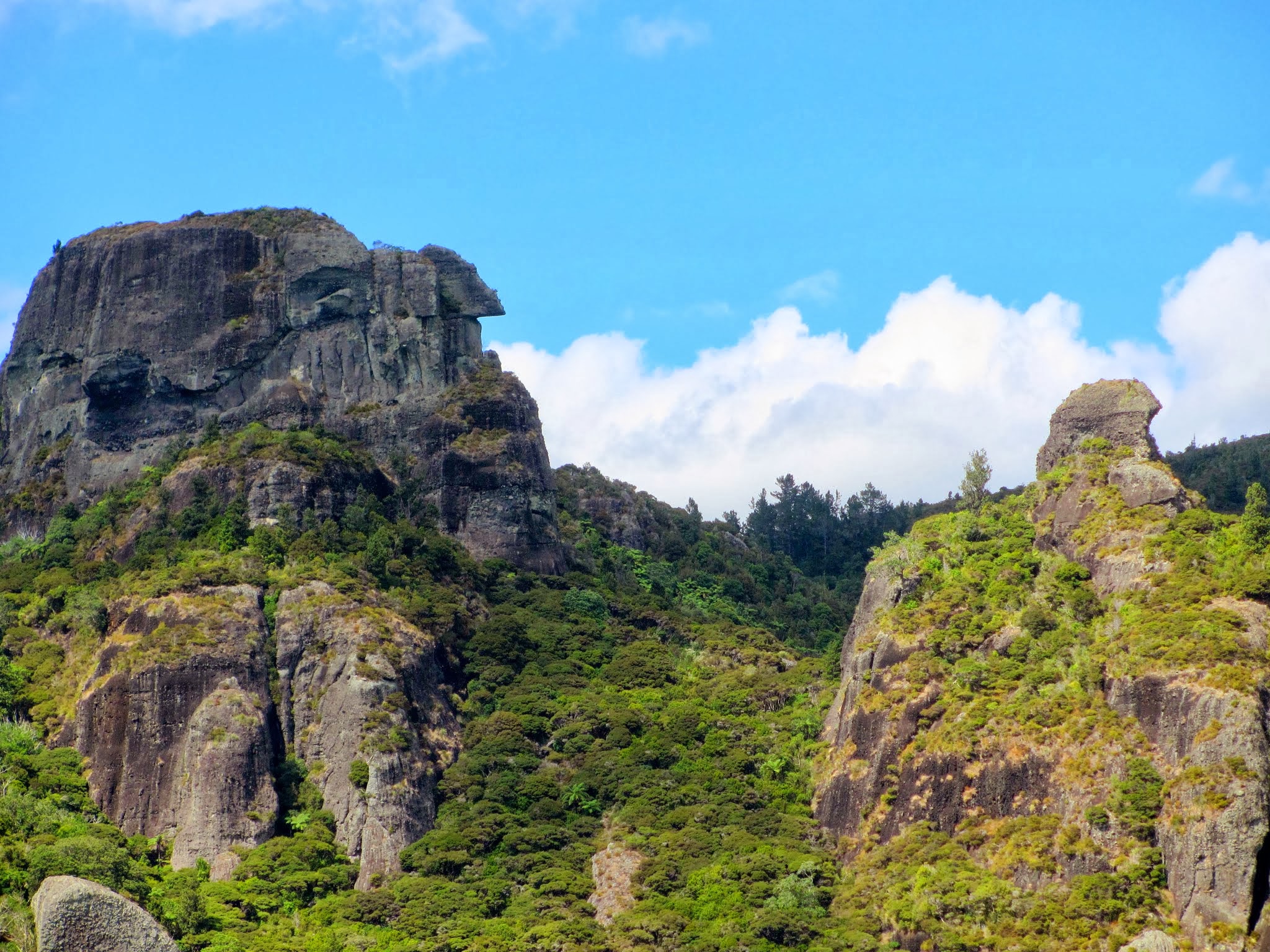
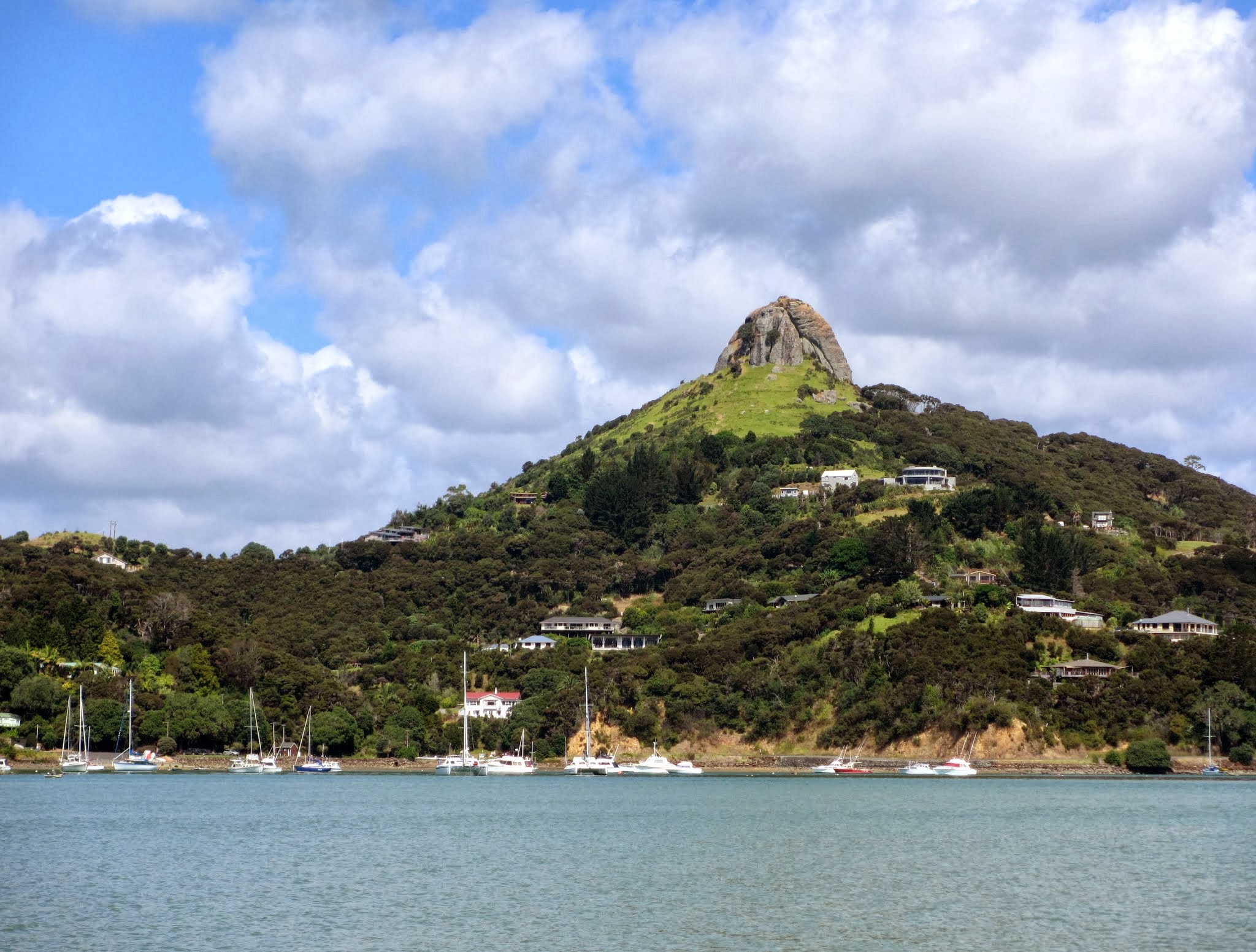
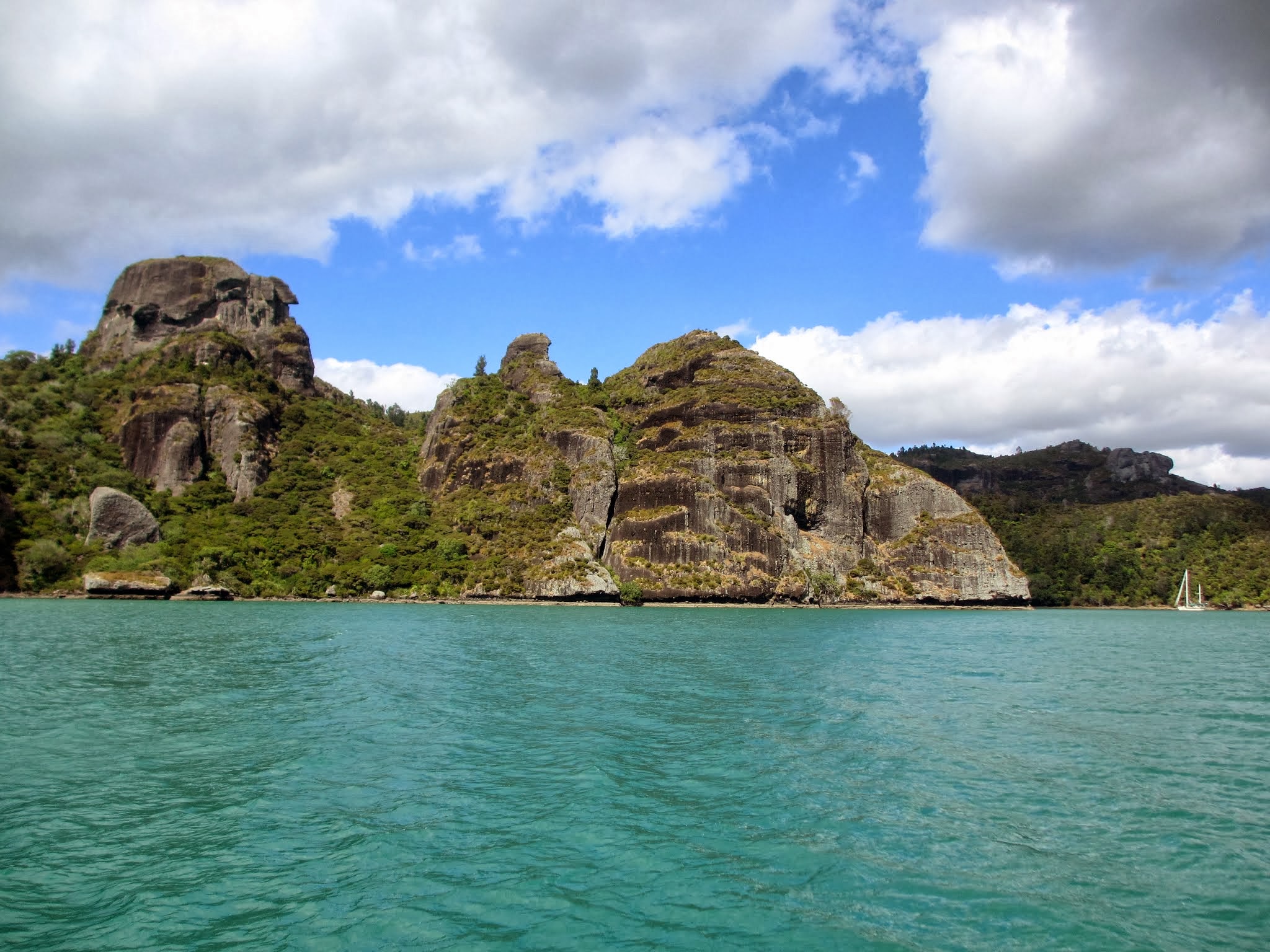
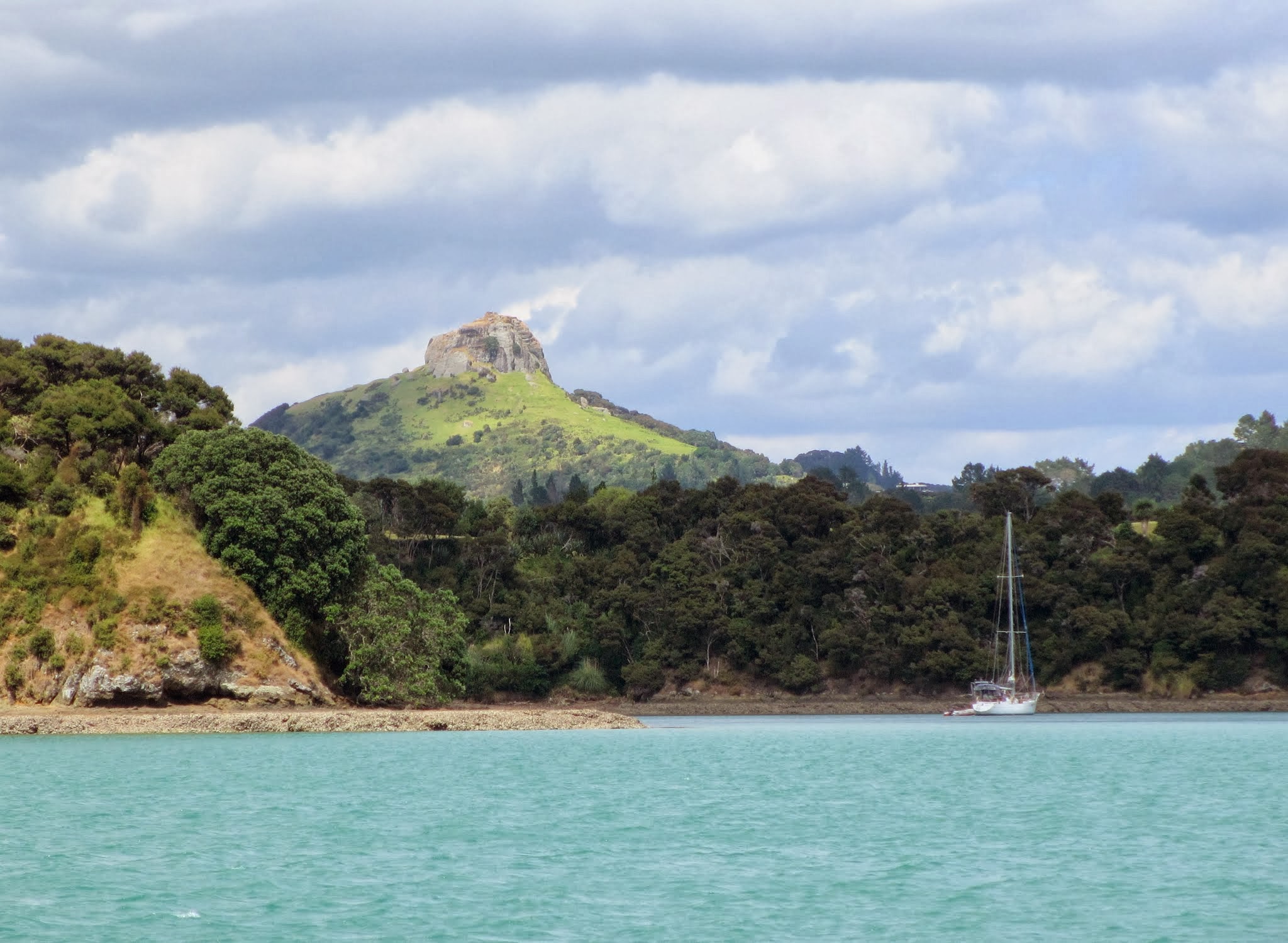
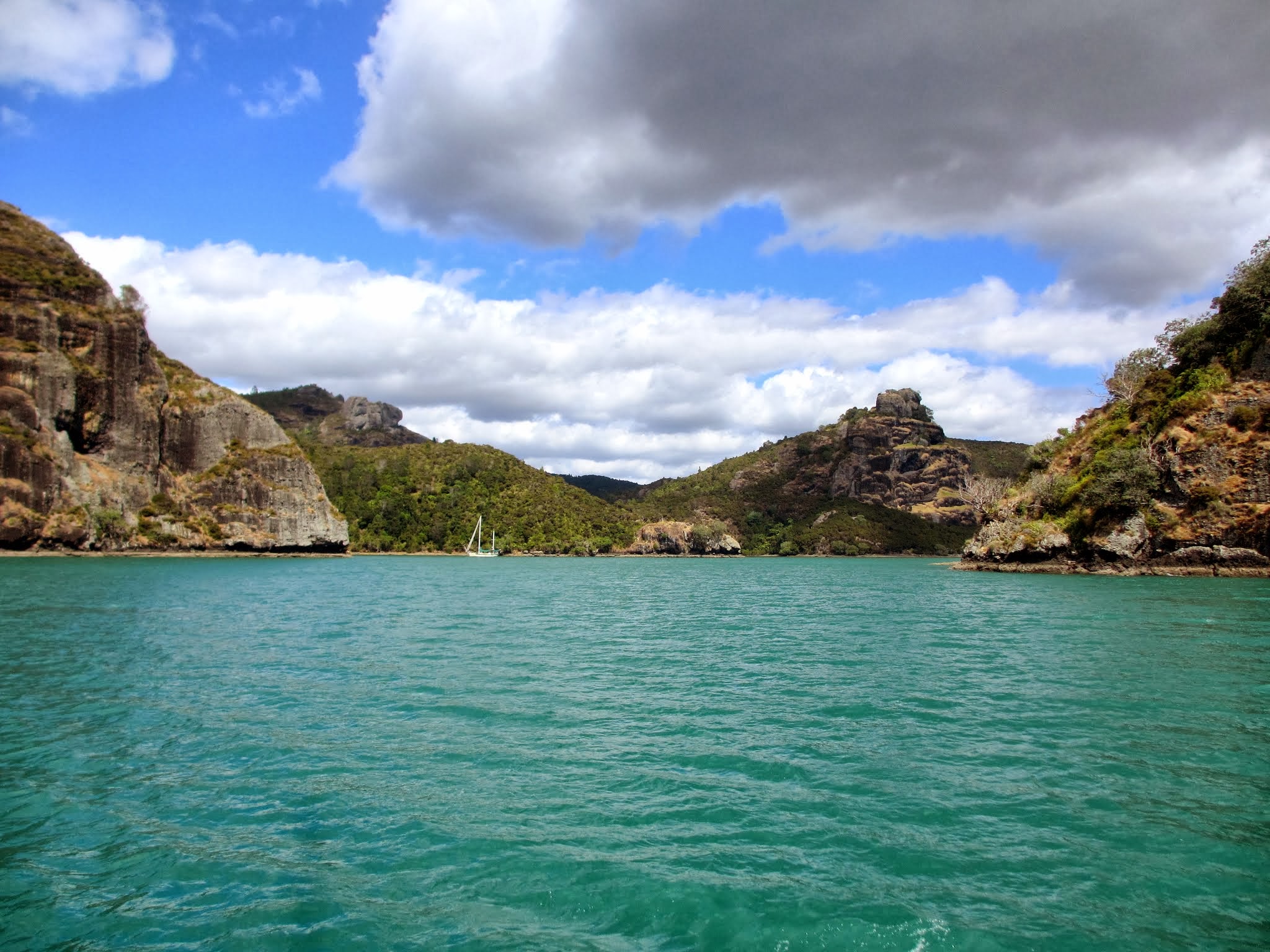
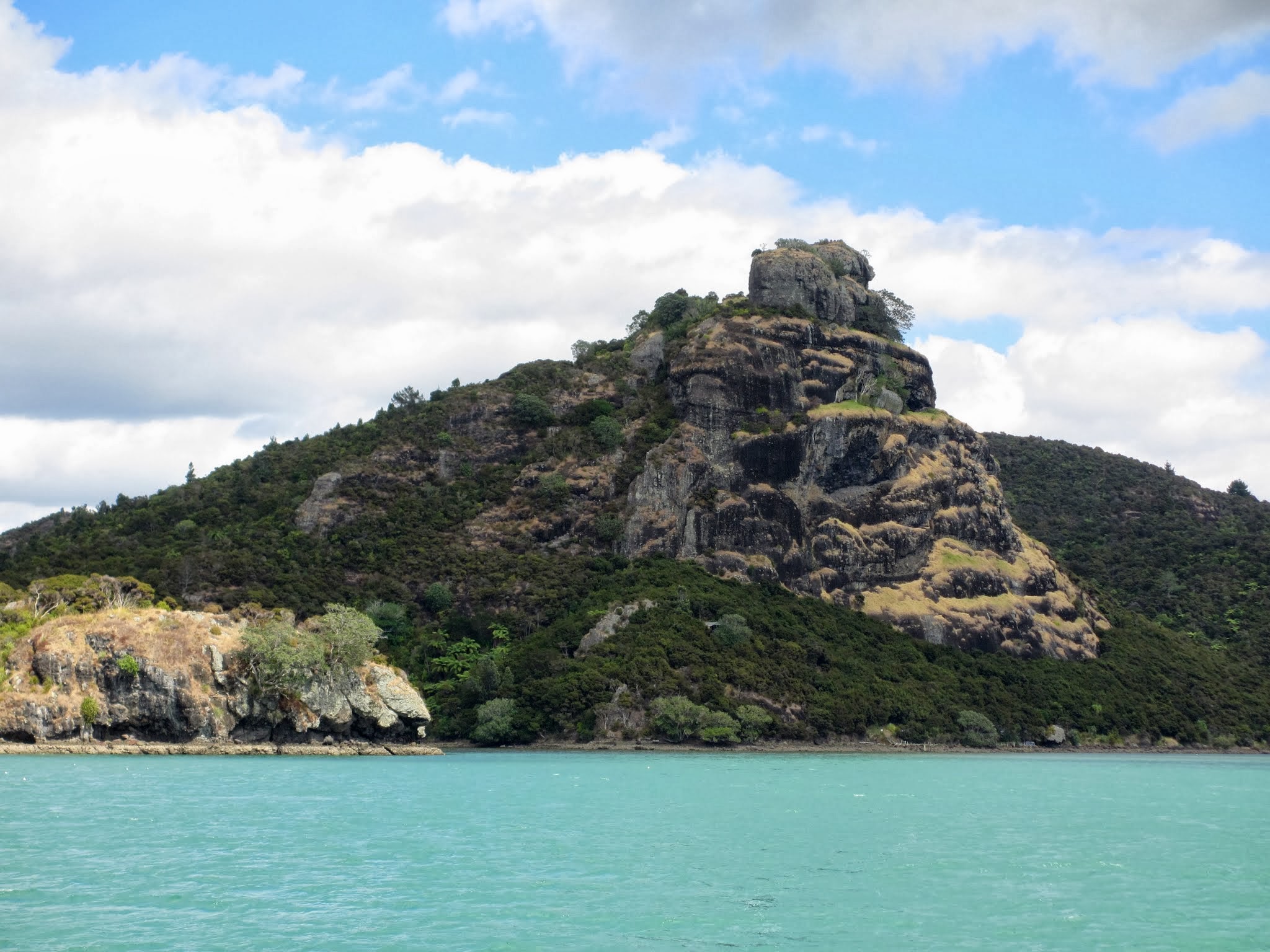
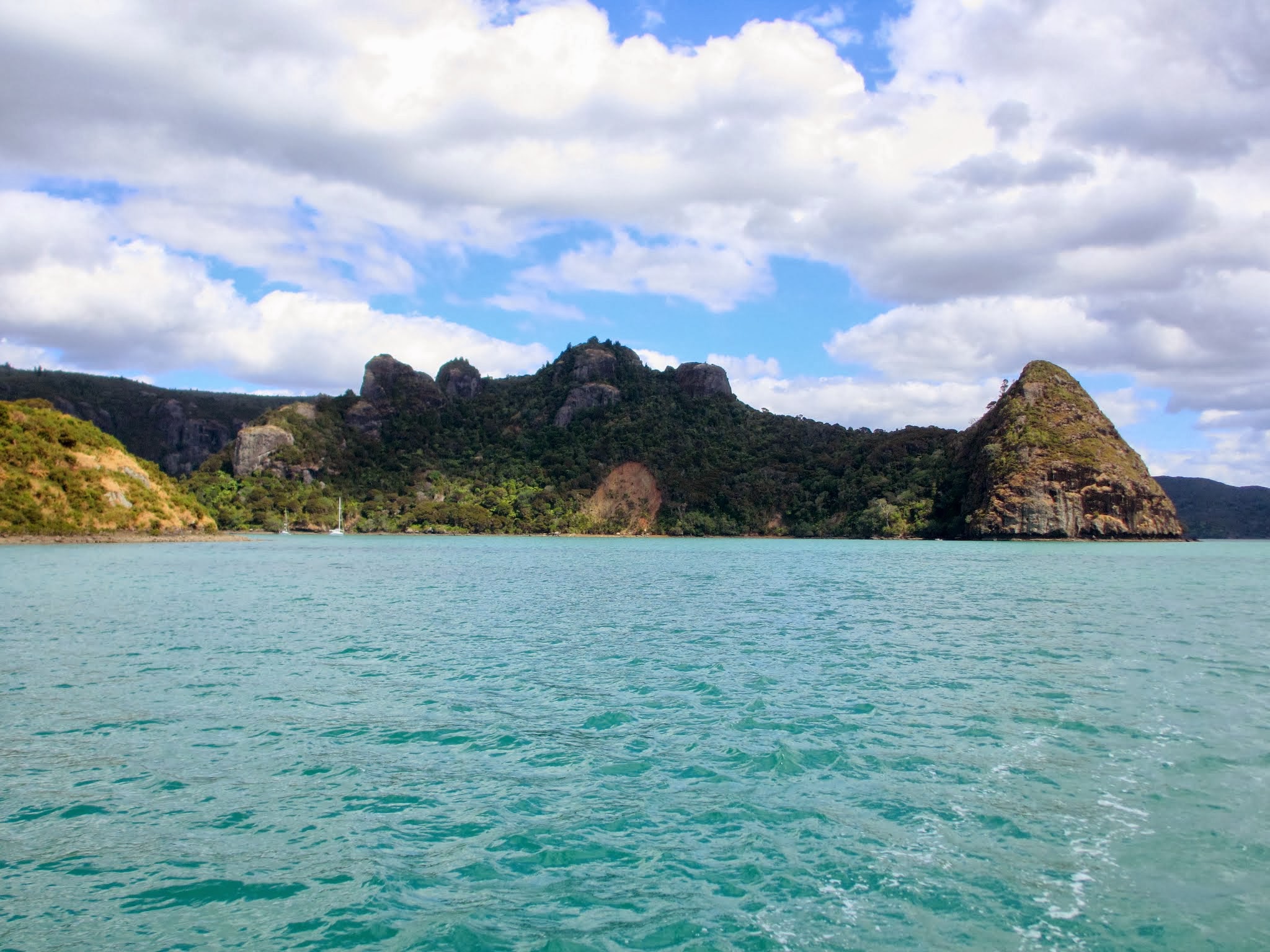
We’d been told what this would be like, but we were still stunned by the majestic scenery. This is truly like a fjord, with mountainous cliffs, dramatic pillars, and the points and curves of fantastic rocky outcrops. A cone-shaped island sits in the middle of an inner pass to a second area of bays. It was breathtaking.
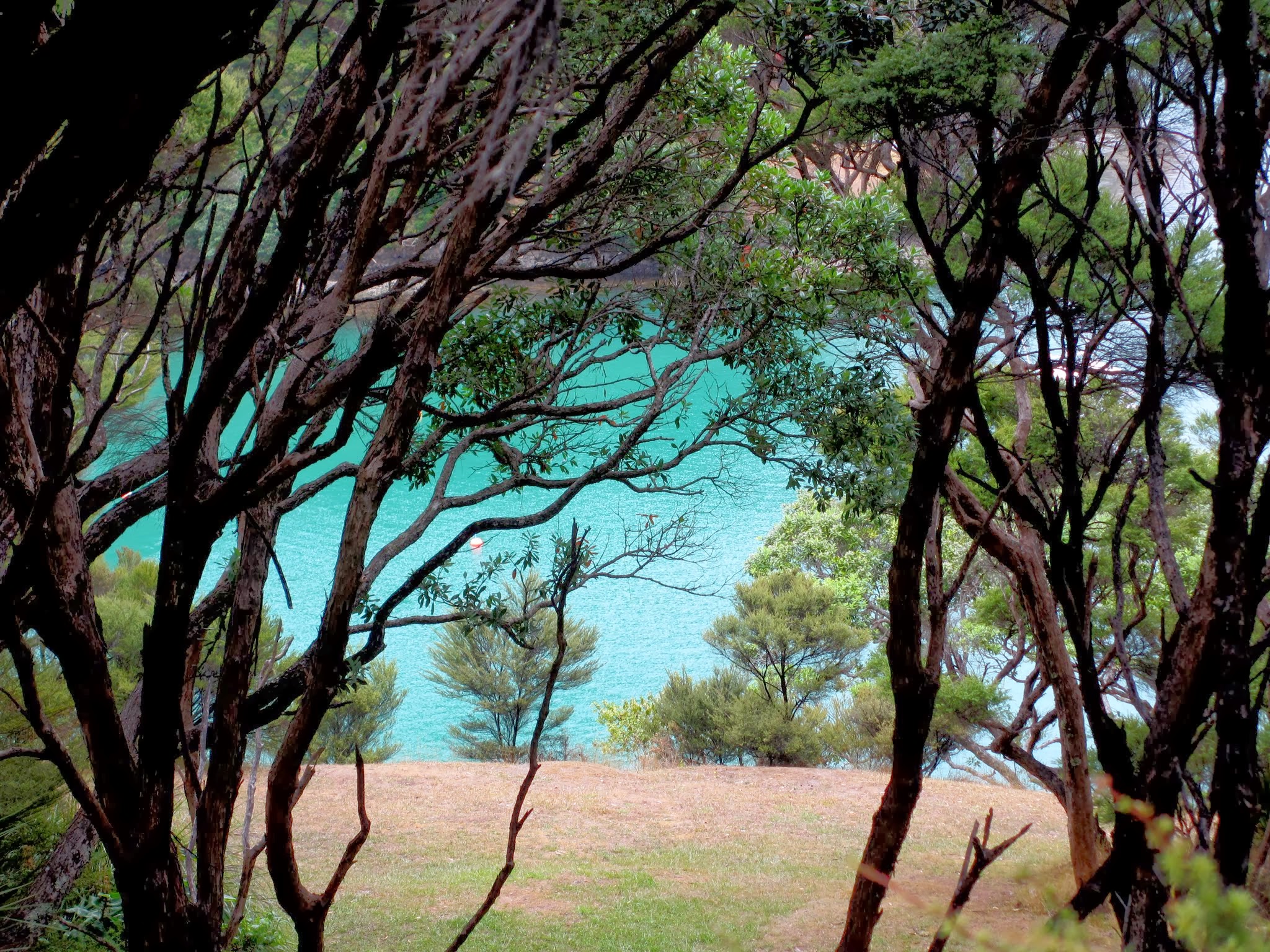
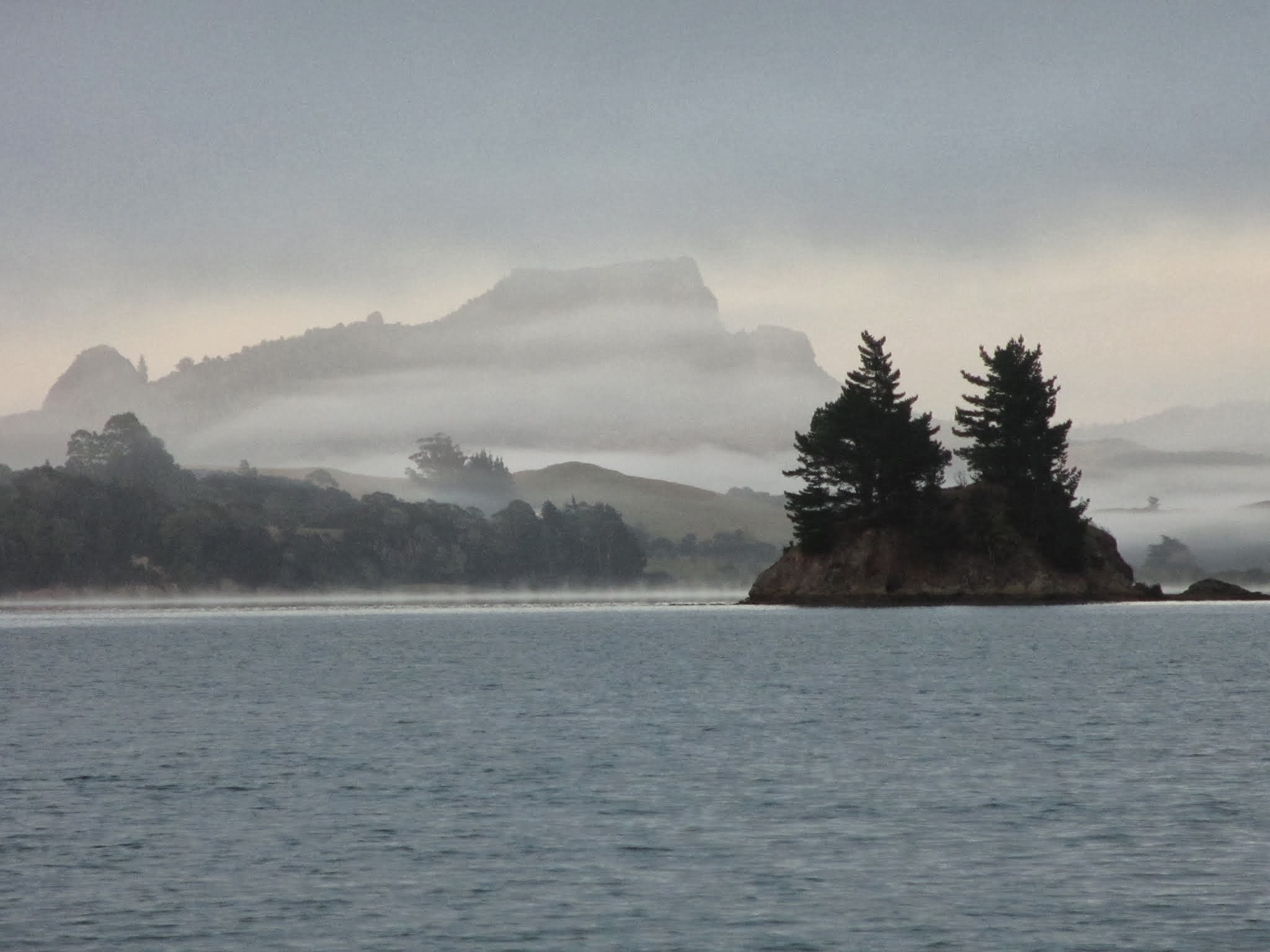
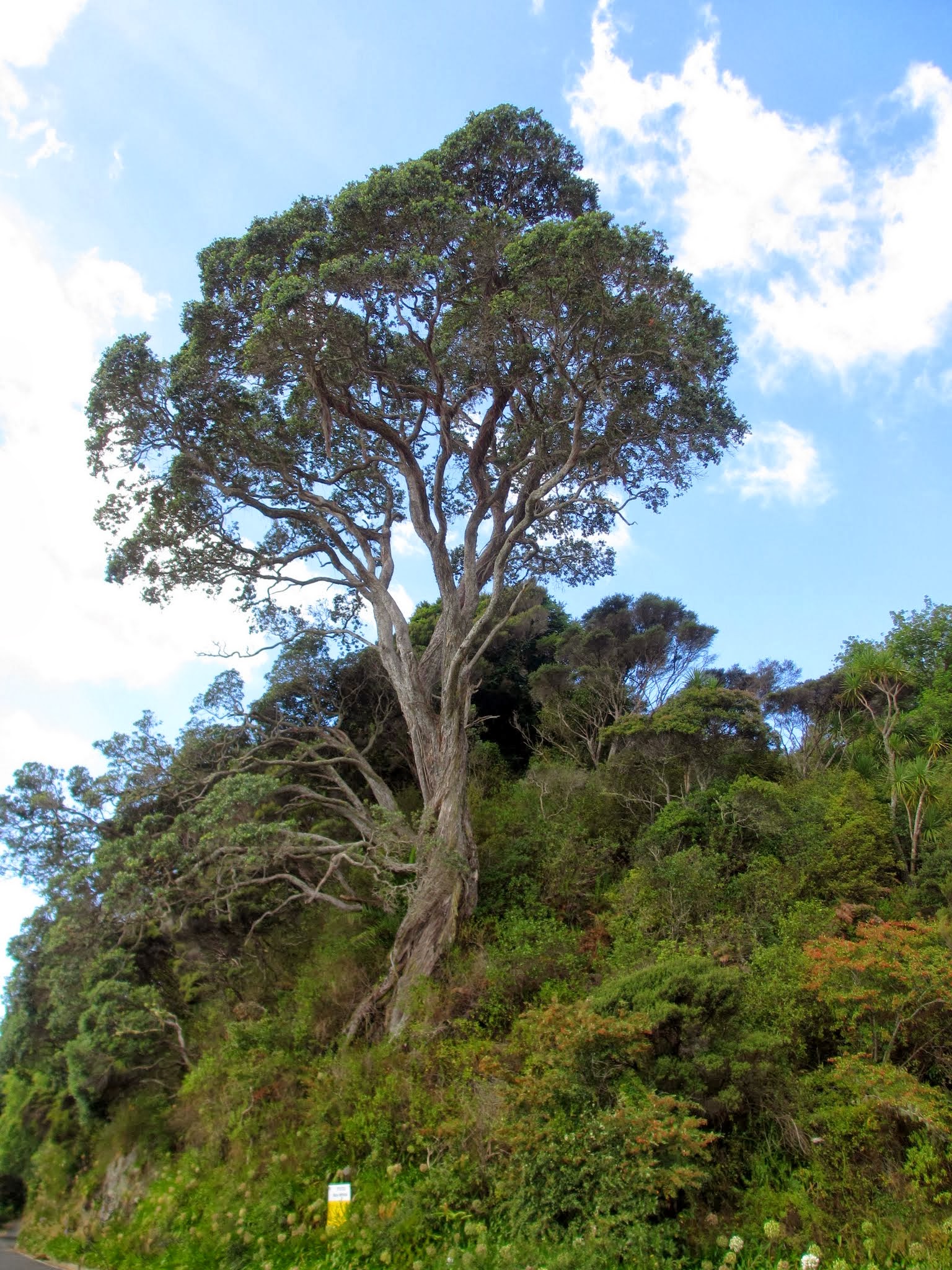
This harbor is large and there are many bays and anchorages to choose from once you’ve made your way in. We spent nearly a week here in several different anchorages. The pictures in this gallery were taken over several days, but it’s meant to convey a feeling for what it’s like coming into this harbor. (Click on any photo to enlarge them.) –Cyndi
March 9, 2013
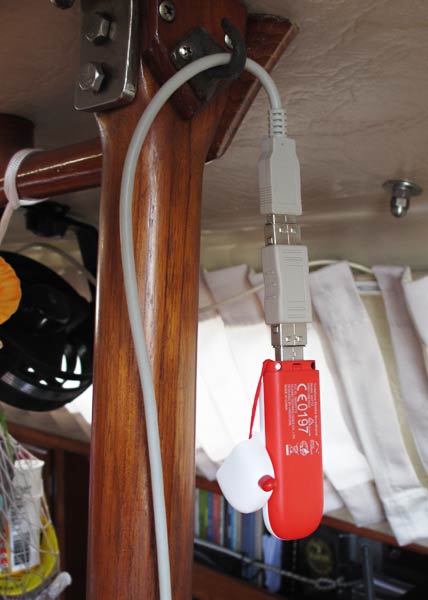
I know I said that we might not be posting much while we’re out cruising the islands so what happened? Turns out we have pretty good internet access out here. In fact, we’ve had internet everywhere we’ve anchored using the Vodafone dongle we bought in Opua.
This little USB device plugs in to the computer and provides internet access over the cell phone system. While it’s not going to break any internet speed records, it is fast enough. It’s a bit expensive to use at $50 NZ per 2GB of data but that’s a lot of blog posts.
For anyone planning to do this, I would suggest getting a USB extension cable so you can move the dongle higher to get better reception. Plugged directly in to my computer, it would be at about the water level when sitting at our chart table. I use a short extension cable to get it up to the cabin ceiling and that helps a lot.
Just a quick note: usually, in the marina, we use wifi with our wifi booster antenna. It’s faster and less expensive. Here’s a previous post where we mention the booster antenna (link). -Rich