The Hauraki Gulf: Our Waiheke Wine Tour (New Zealand)

April 9, 2013

We felt a little trepidation as we waited to be picked up for our wine tour. So far wine tasting in New Zealand had been a lot of fun, but today we’d be visiting higher-end wineries, and I hoped we wouldn’t feel intimidated by glossy surroundings or feel pressured to buy. As it turned out, I needn’t have worried: all of the places we visited were friendly and laid back, and the tour was a lot of fun.

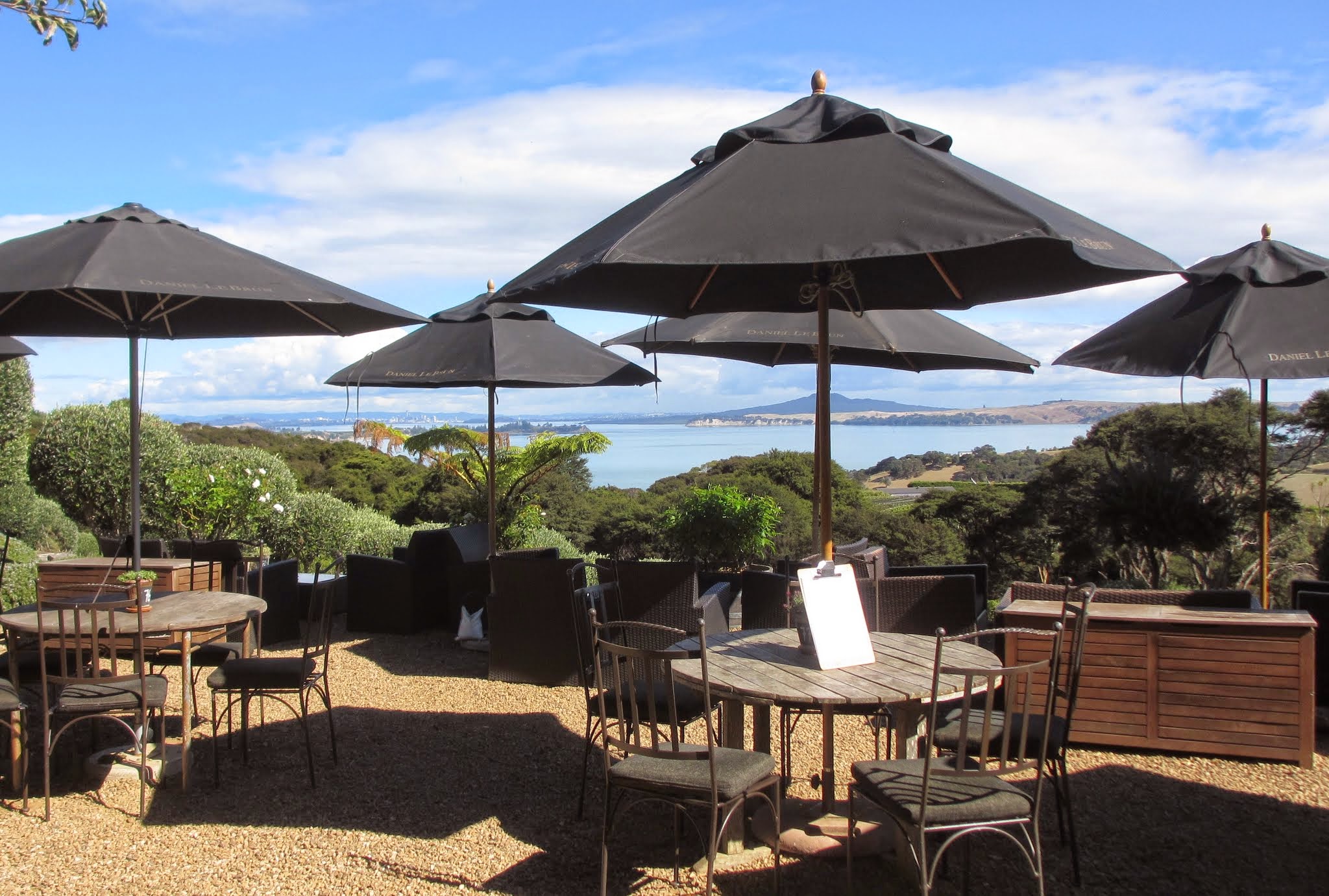
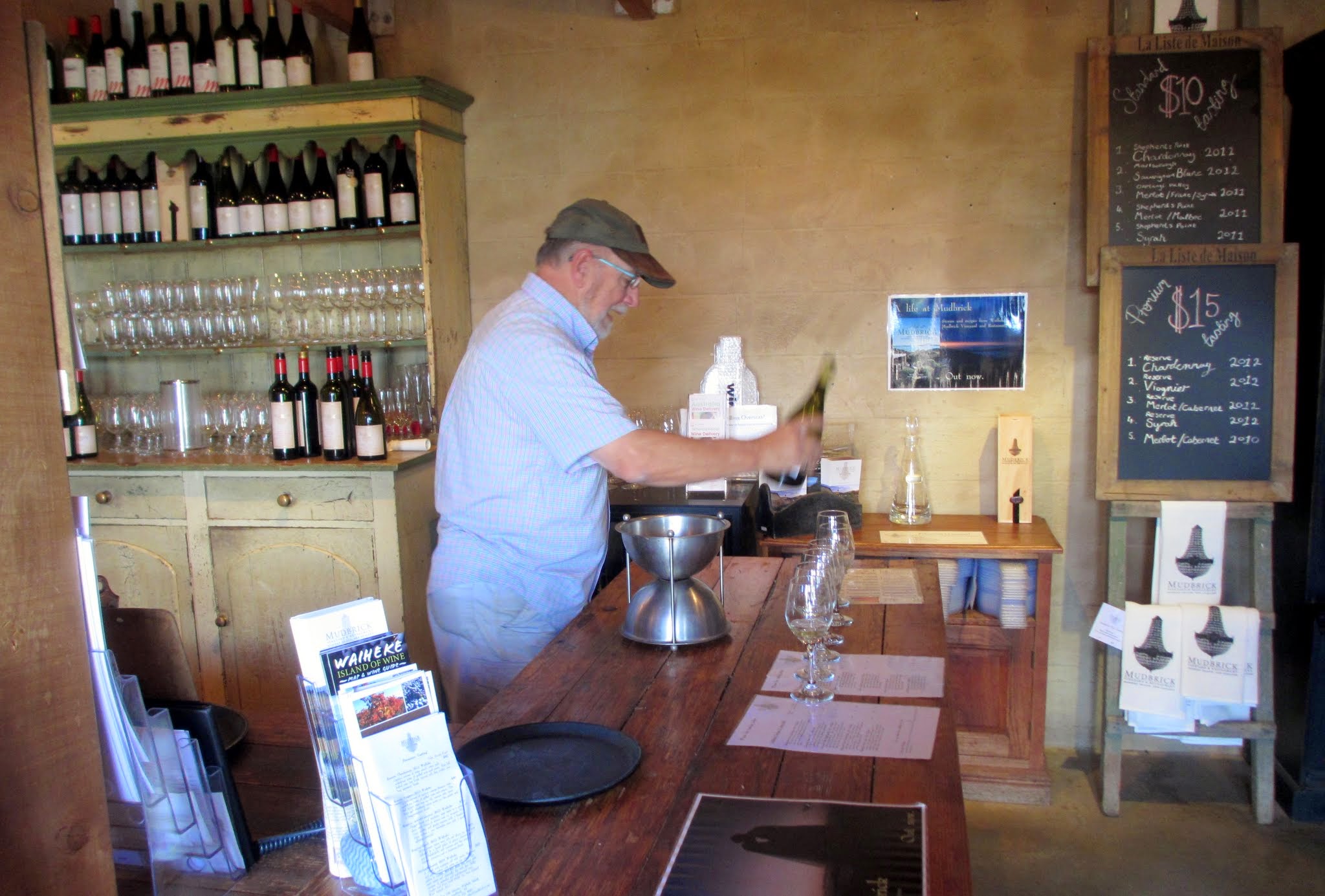
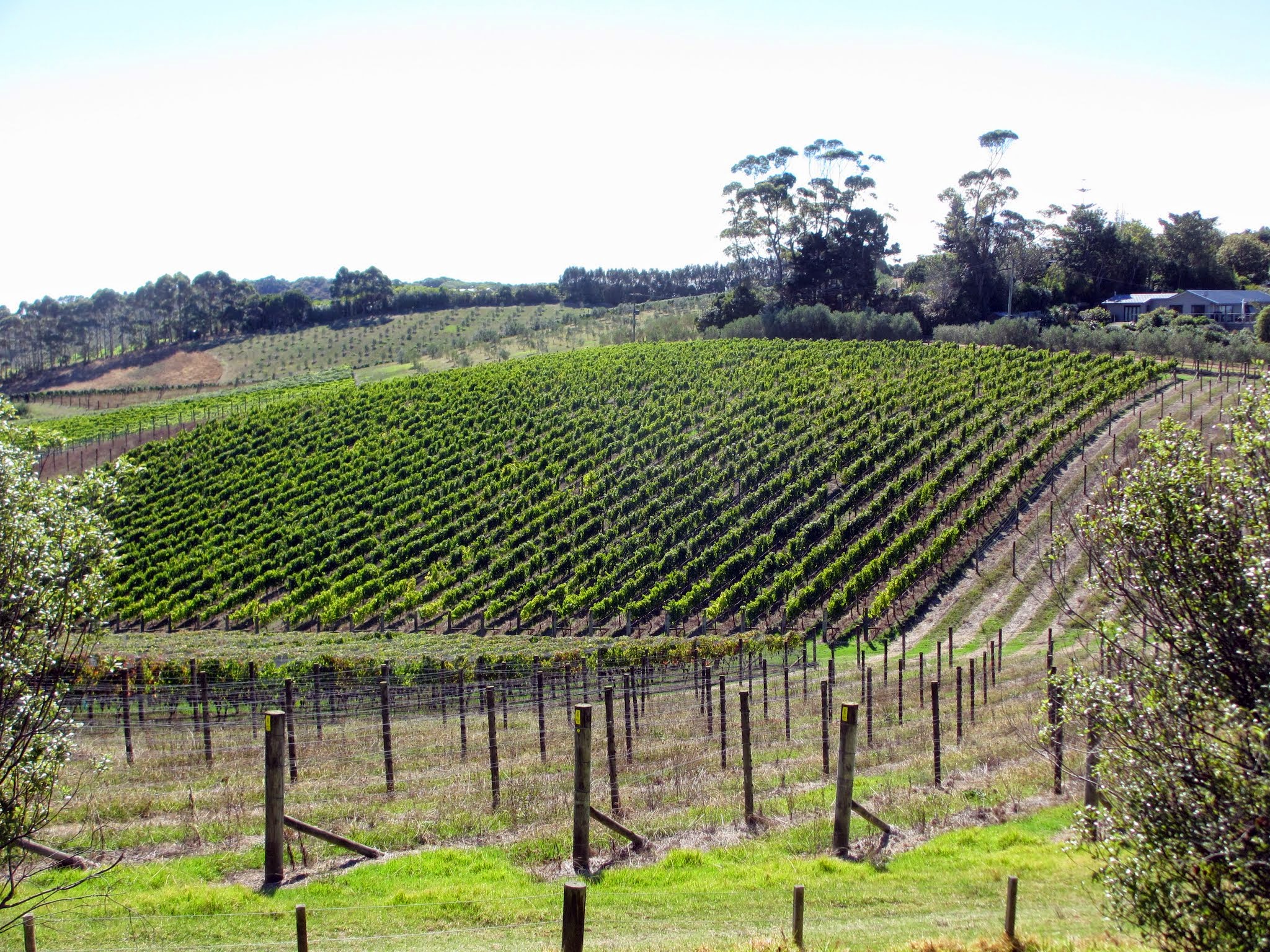
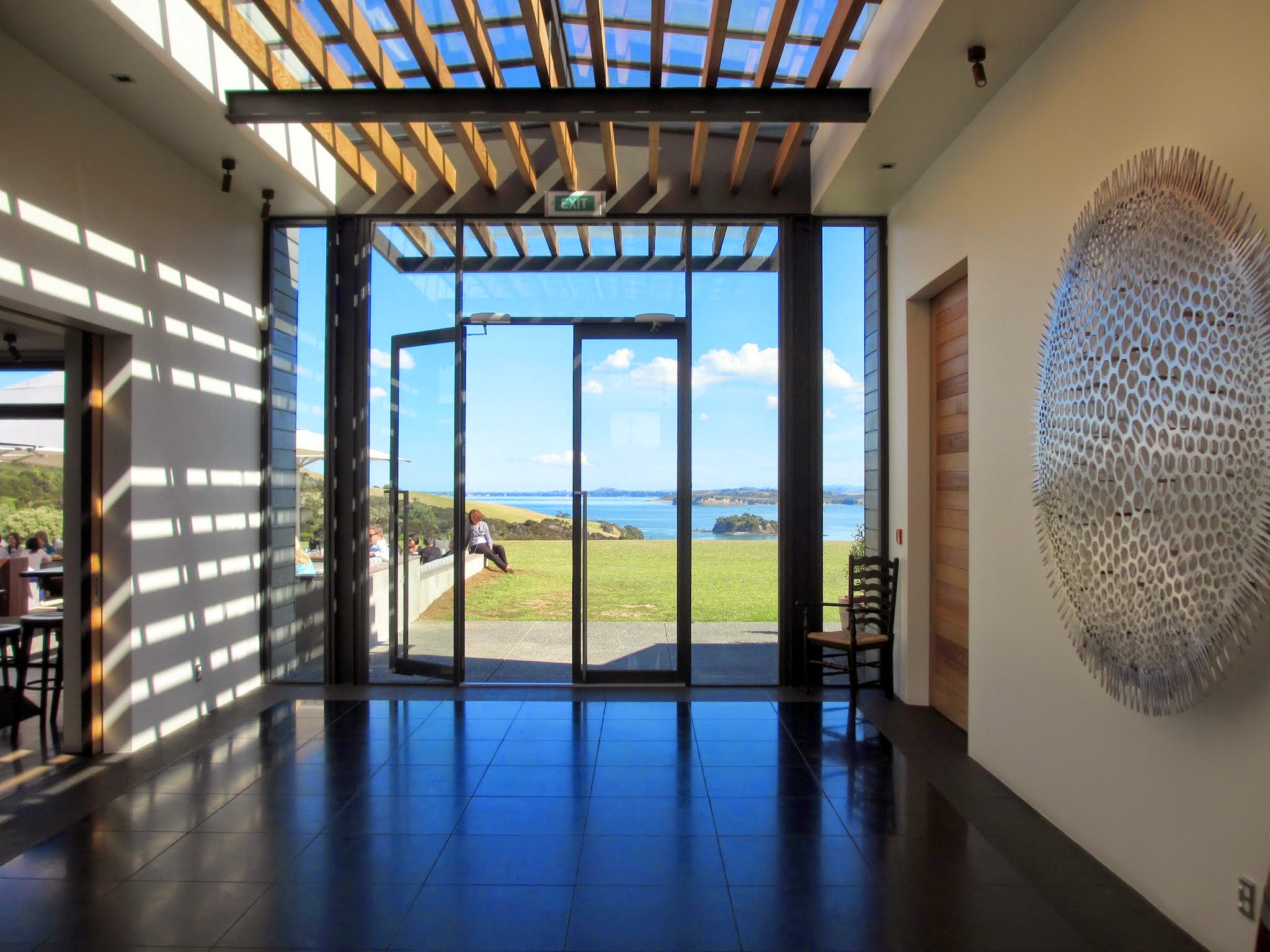
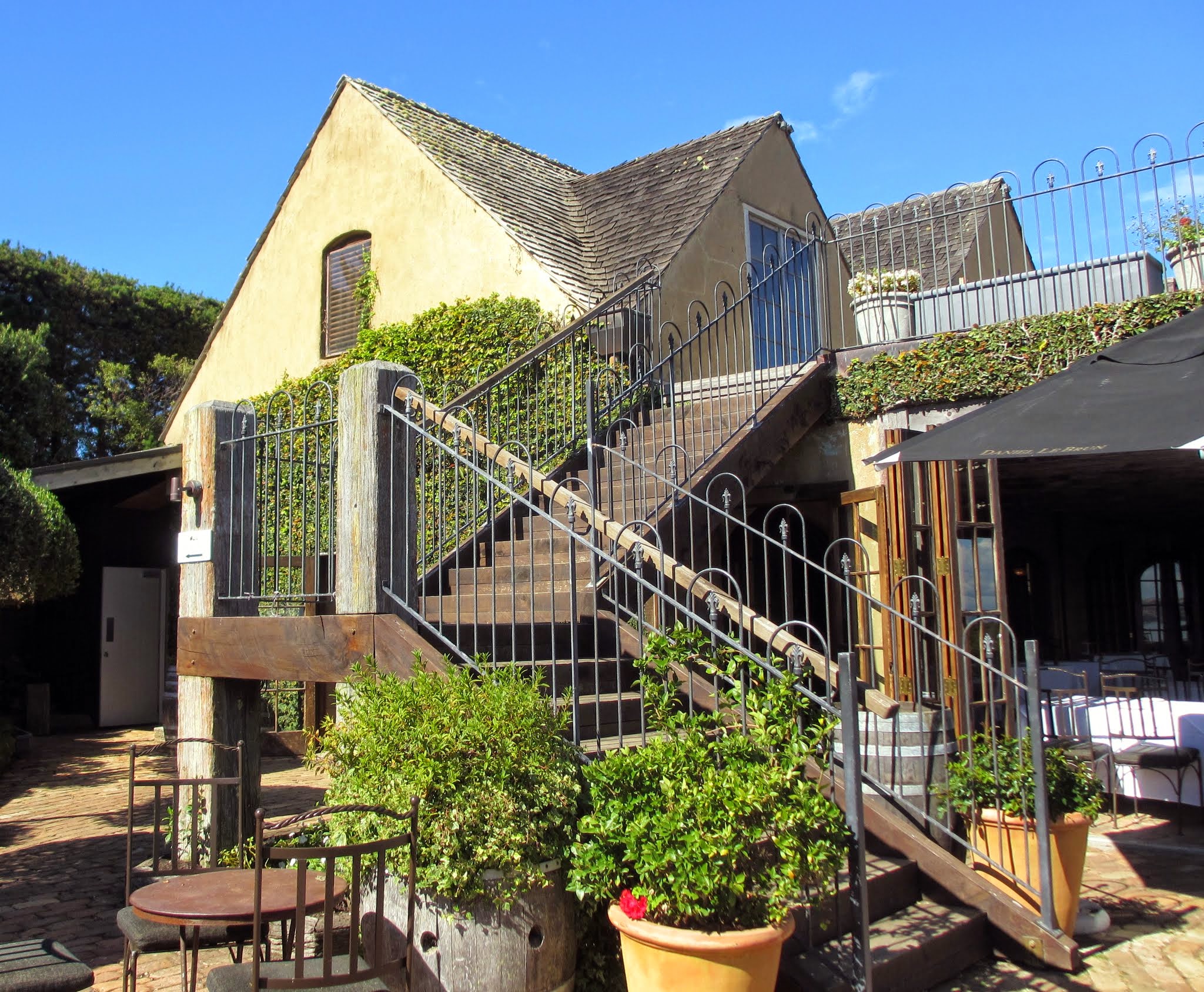
Our first stop was one of the most esteemed wineries on the island: Mudbrick Vineyard. It’s also one of the most beautiful, the kind of place that makes you start envisioning wedding receptions (if you’re female and/or prone to that sort of thing). The nice thing was in spite of having the most beautiful building and some of the most expensive wines on the island, Mudbrick managed to have a laid-back charm in the tasting room and tasting there was a lot of fun.

Mudbrick Vineyard
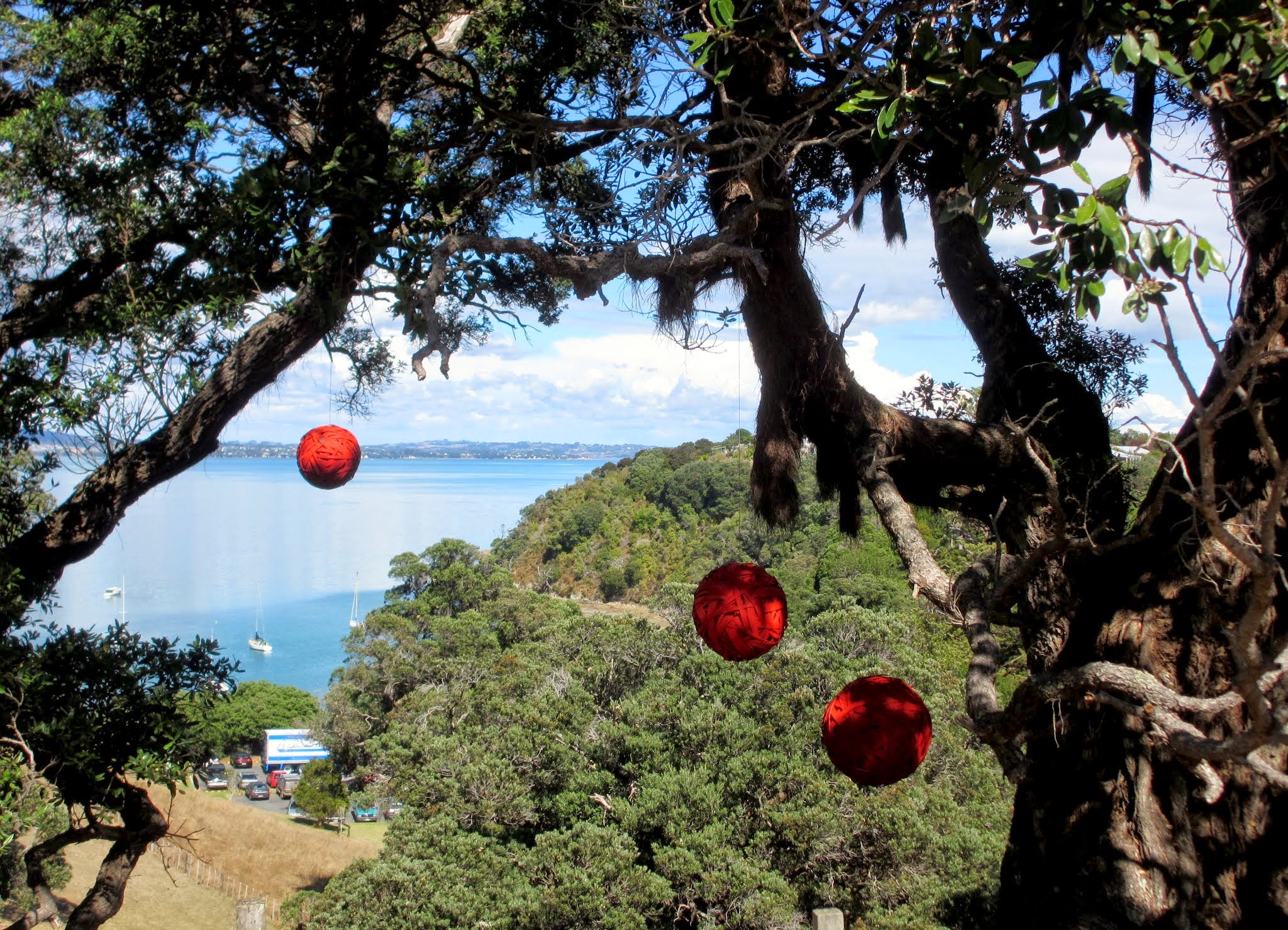
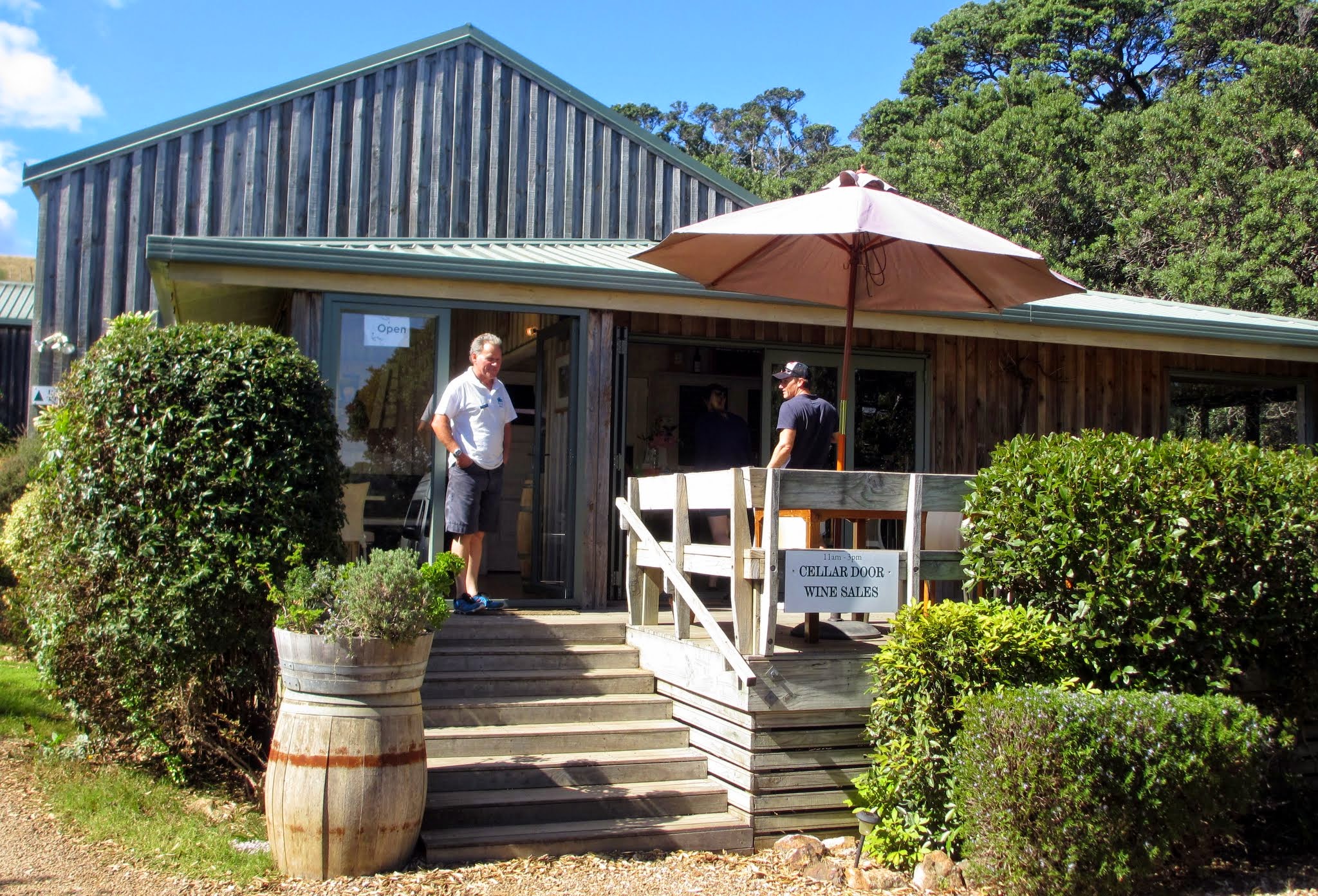
Our next stop was Kennedy Point Vineyard, a small, beautiful winery amid pohutukawa and olive trees. It has a casual, country feeling, and aside from wine they make excellent olive oil and the best honey we have ever tasted: Manuka Pohutukawa honey. The wine was wonderful and the price was right: we bought three bottles. This was definitely our favorite winery of the day!

Kennedy Point
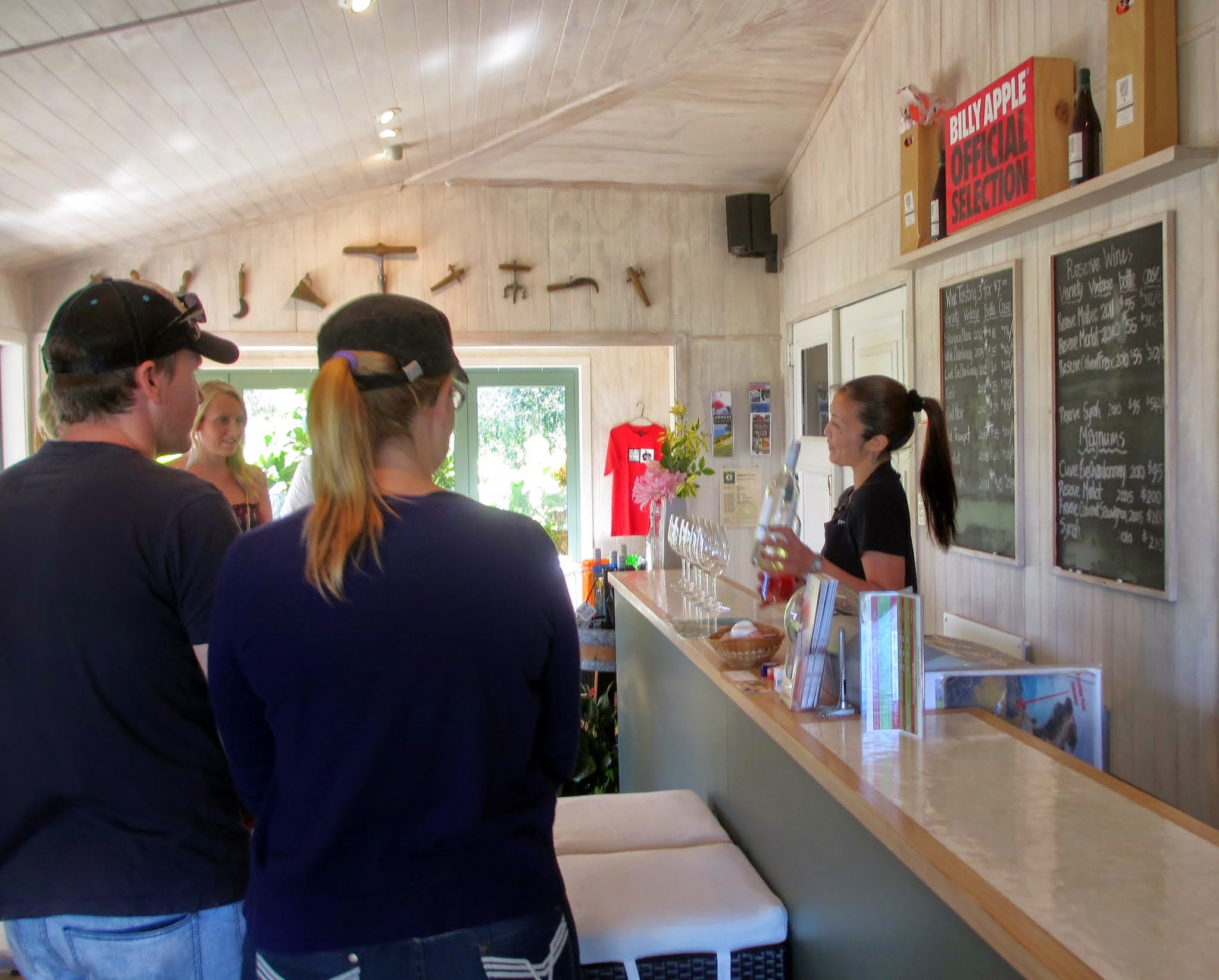
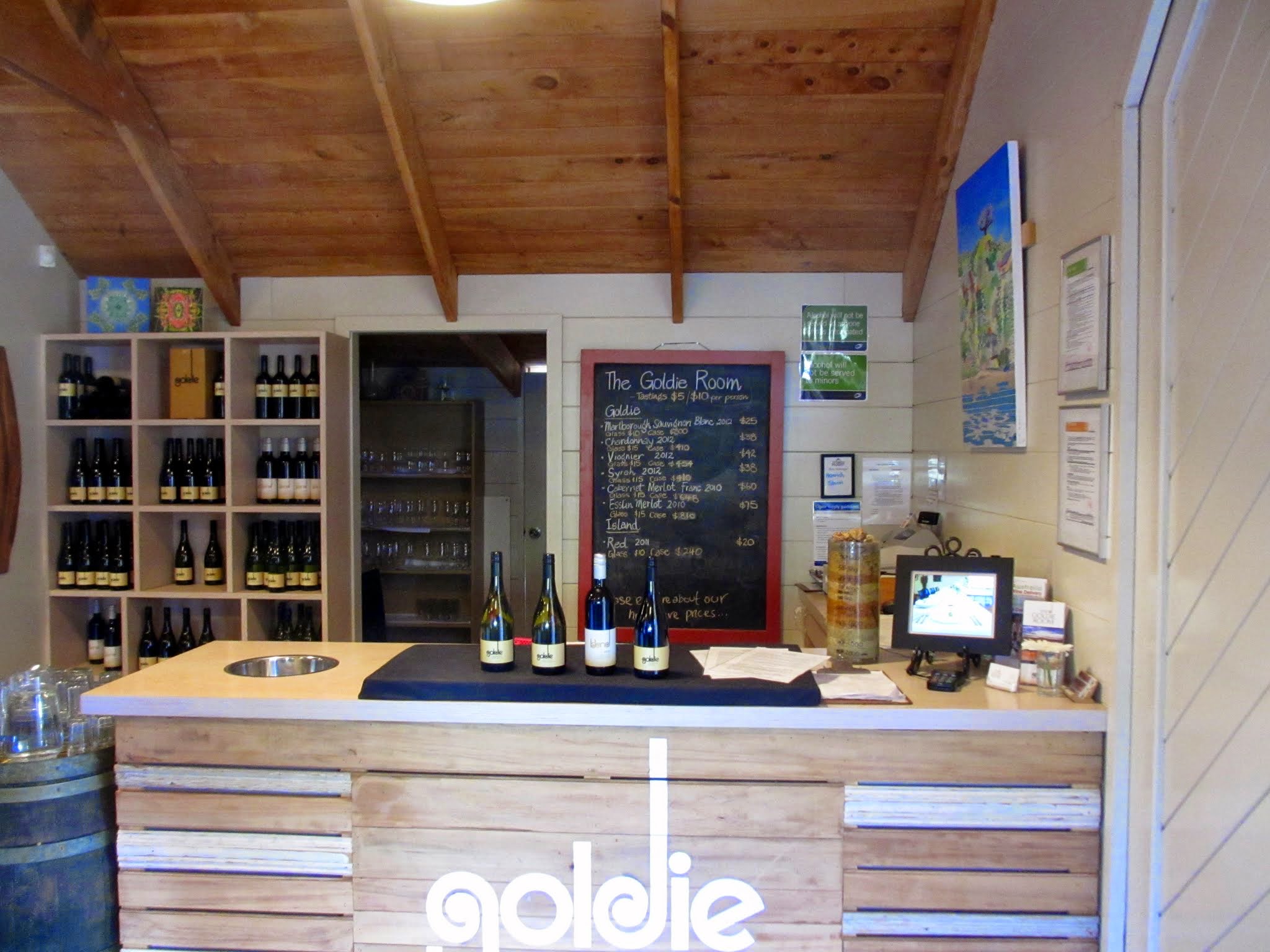
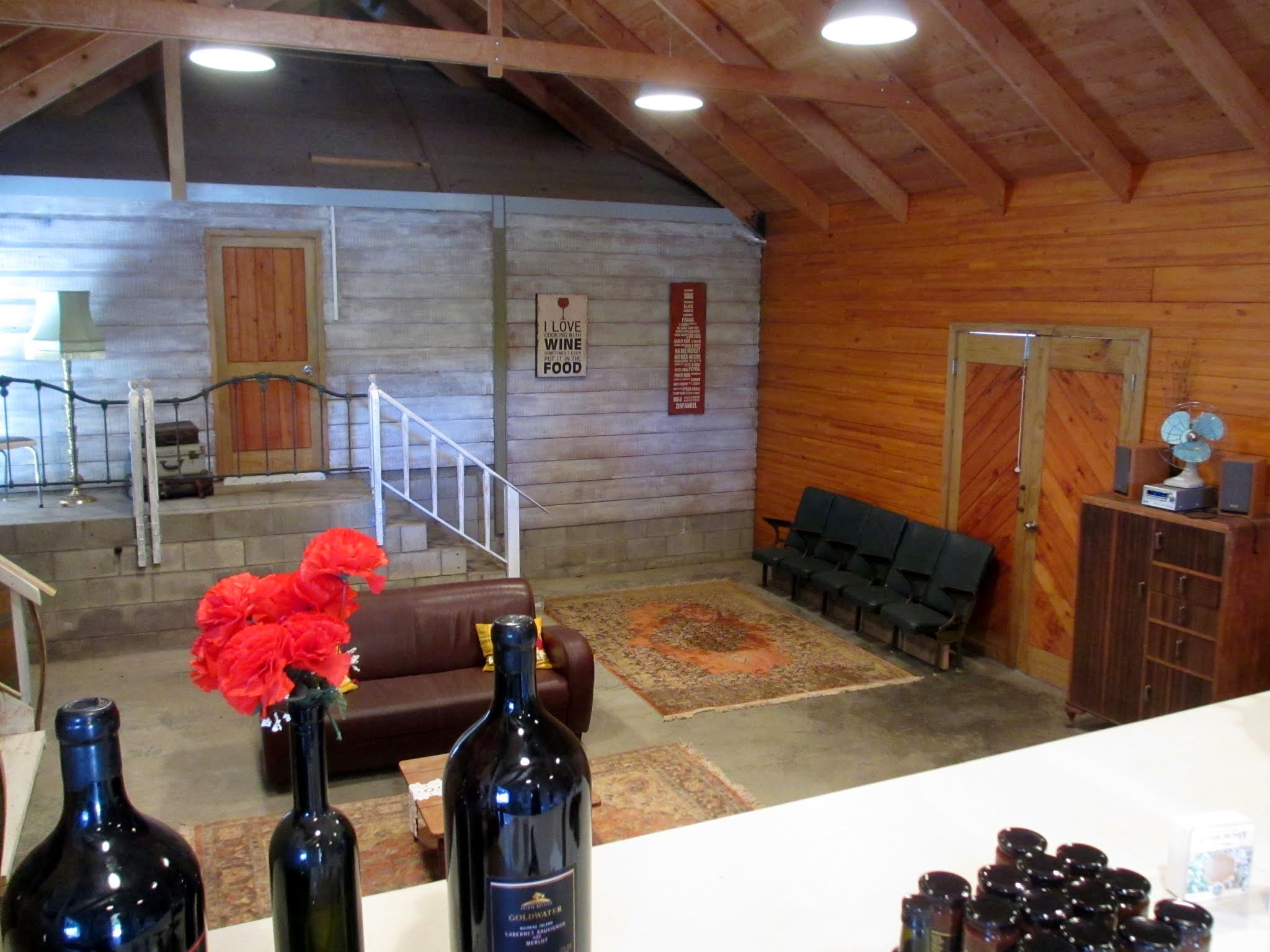
Our third stop was Goldie Vineyard, once privately owned but now run by the University of Auckland. This winery also had a homey country barn feeling, a nice presentation, and some excellent wines. We bought a bottle or two (my memory of the tour starts to get hazy around this point).

Goldie Vineyard
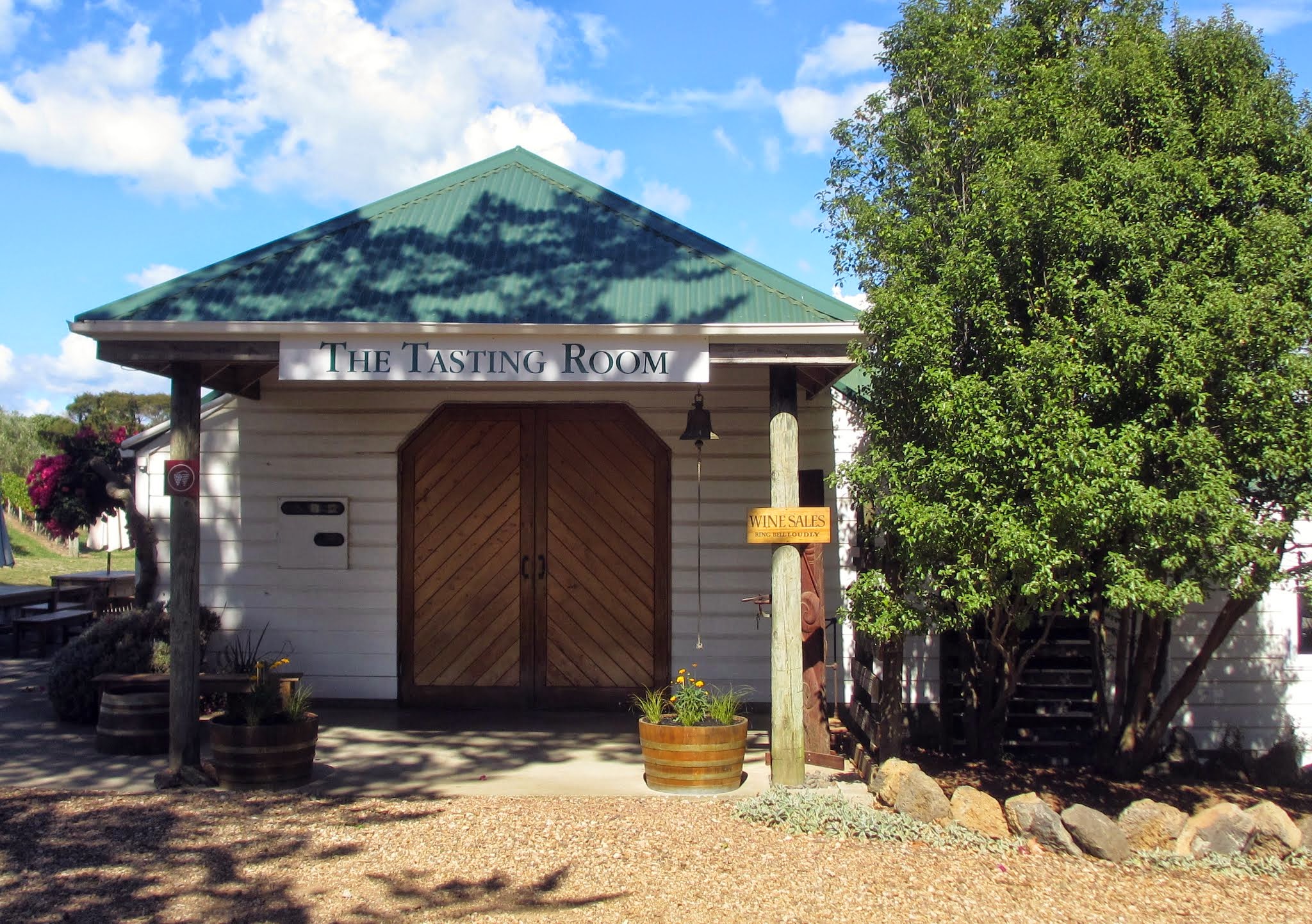
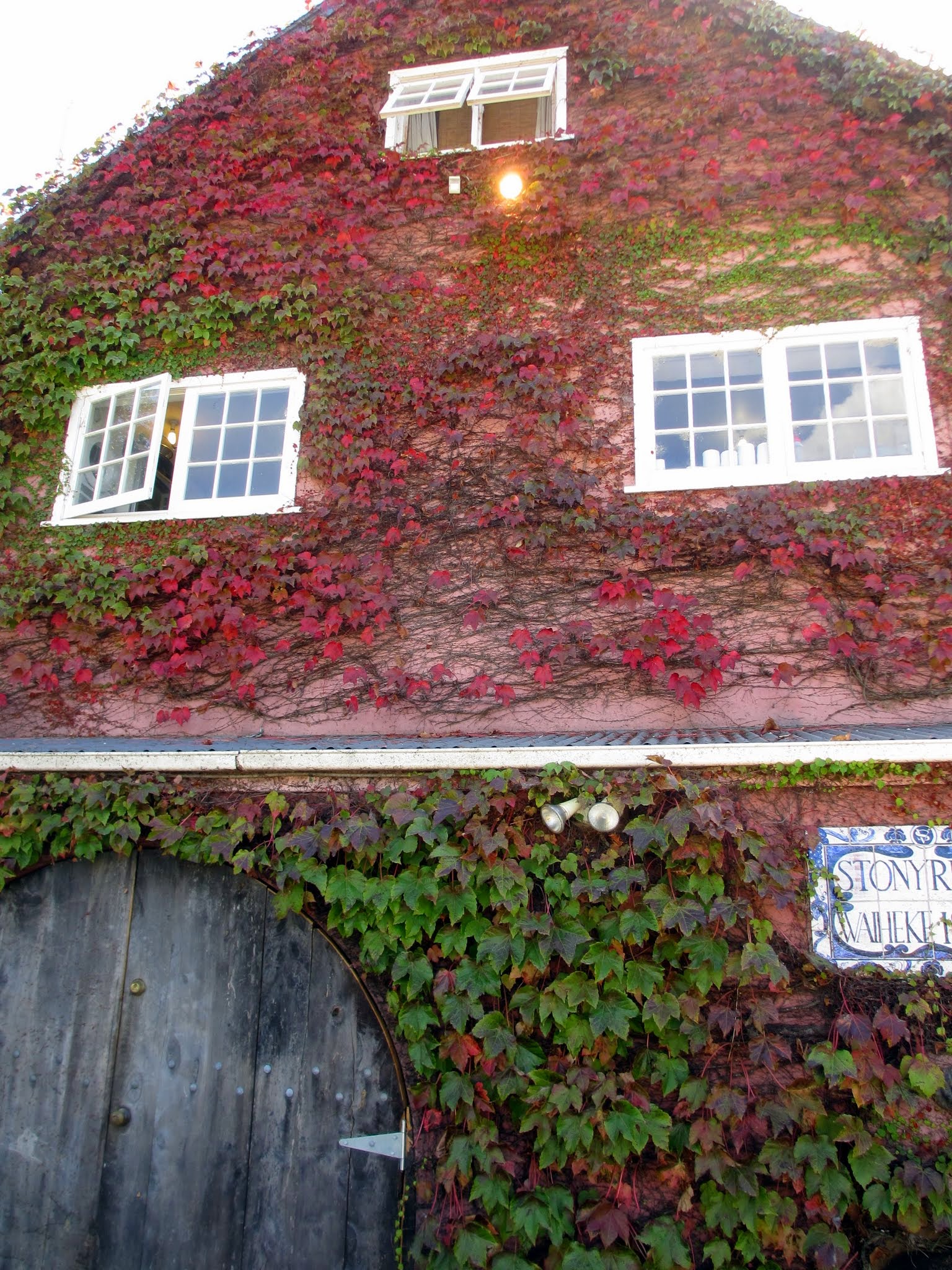
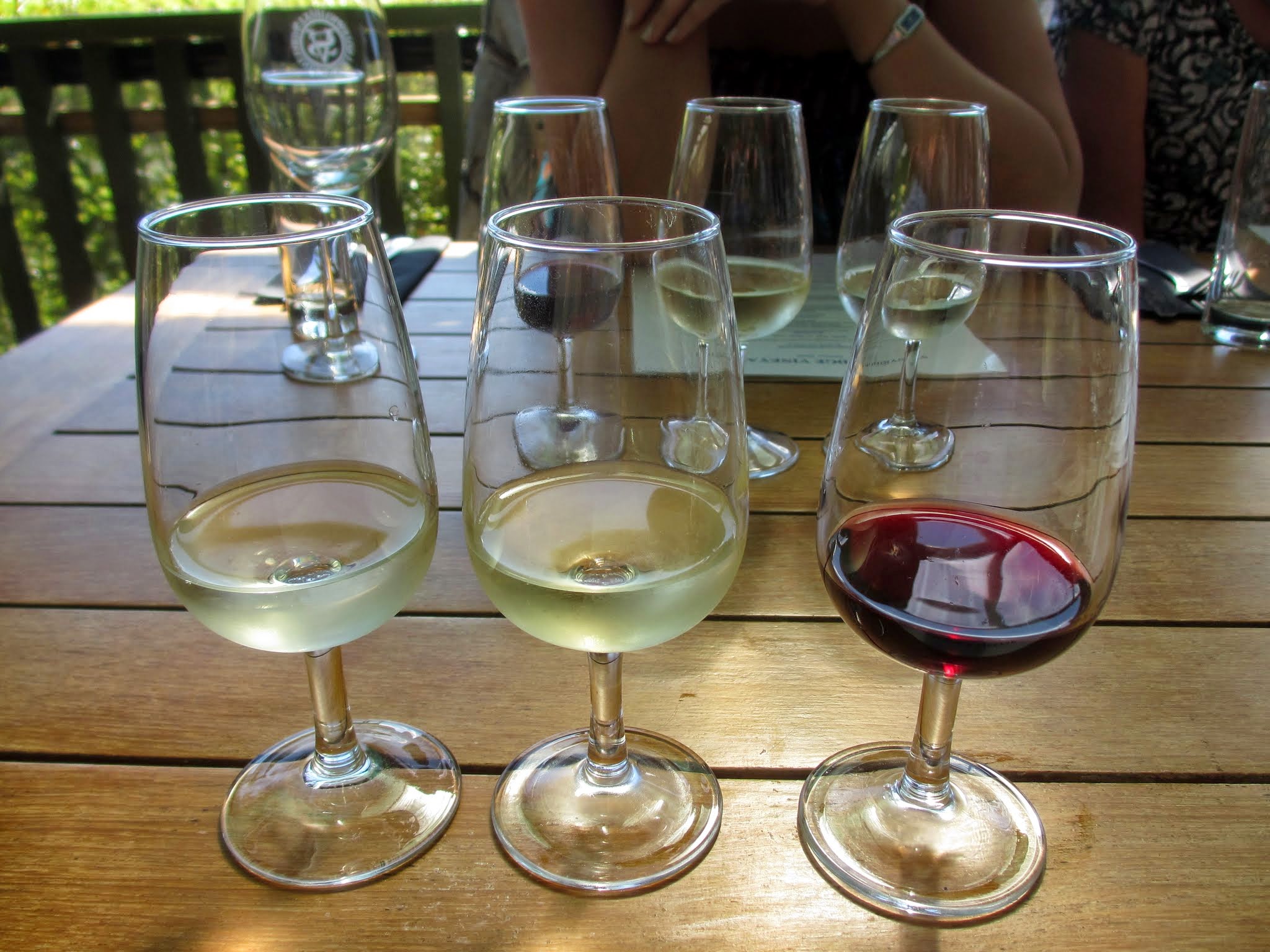
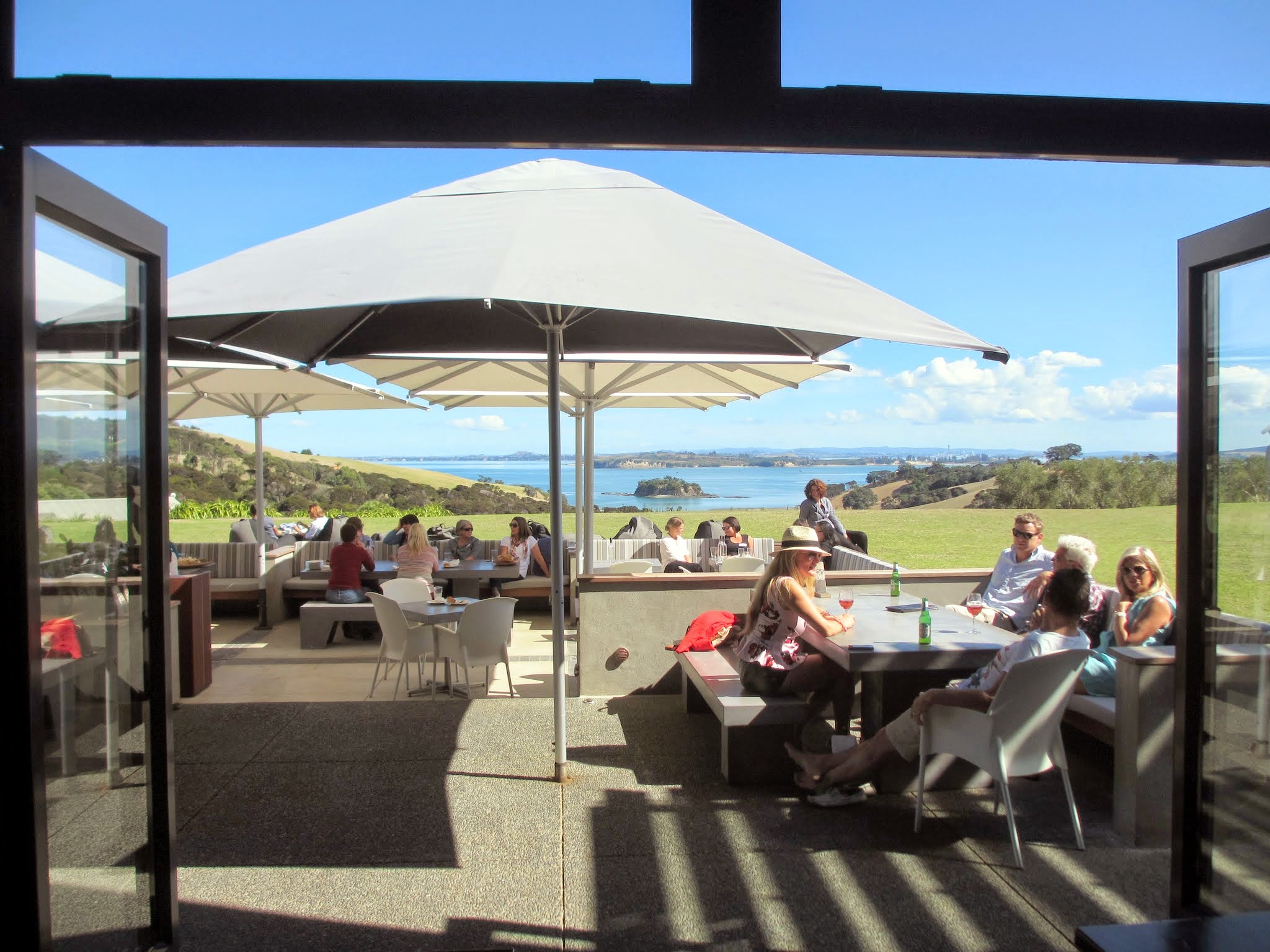
And last but not least was our lunch stop at Stoneyridge Vineyard. A day of wine tasting had turned a group of strangers into new best friends, and our tour group decided to sit together for lunch. We had tasting platters that were filled with fish, cheeses and other goodies and included 3 samples of wine to taste. I remember the beautiful ivy-covered building, the view of the hilly vineyards from the covered deck, a delicious lunch with good company, a fabulous dessert, and buying a taste of Stoneyridge’s top-end wine, Larose. I’m sure it was good, but my memory gets pretty foggy around this point. One tip for wine tasting: bring your camera as your pictures may have to fill in for your memory of the last part of the tour.

Stoneyridge Vineyard
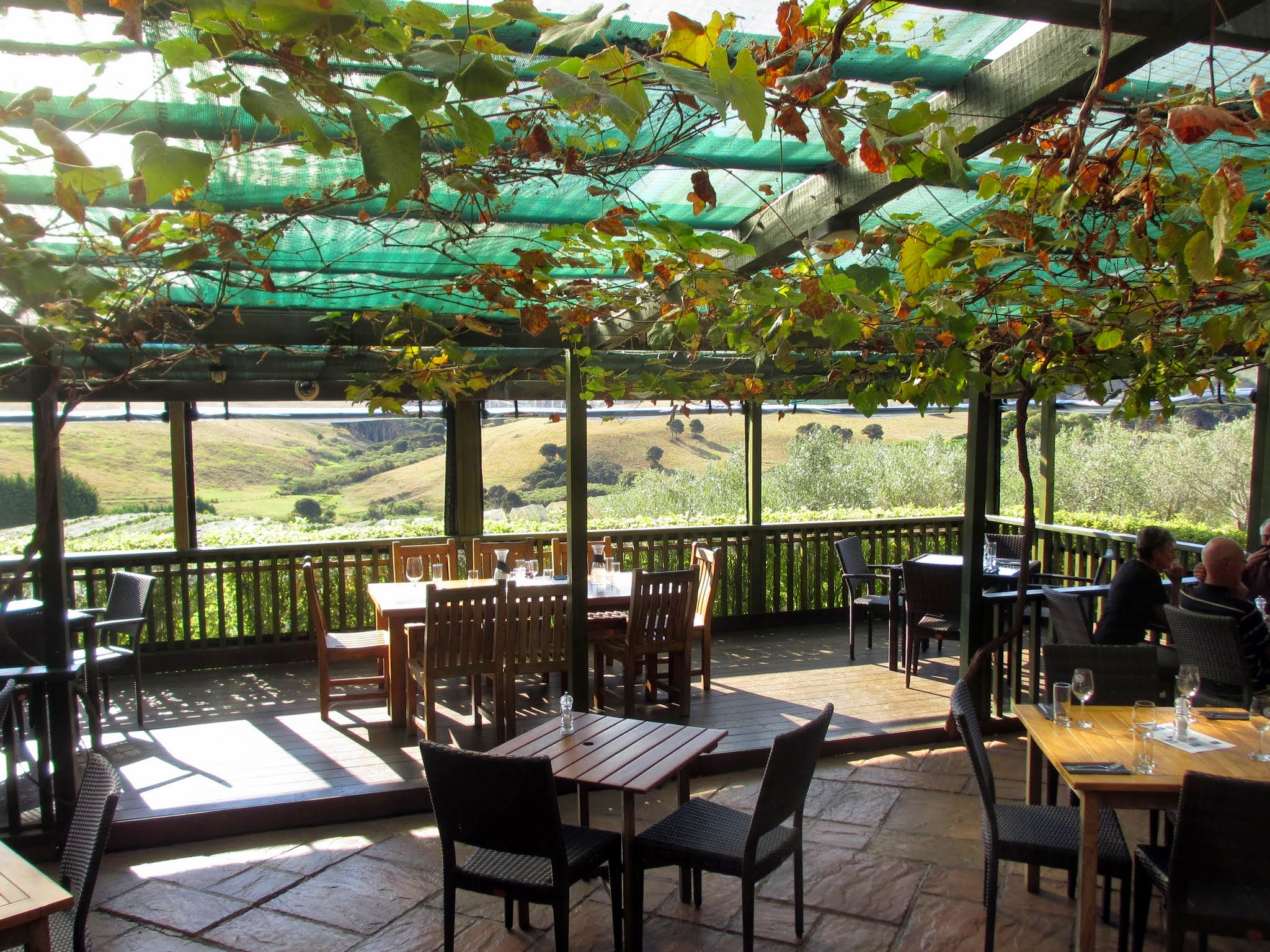
In all, it was a great day. We enjoyed all the wineries we went to and looked forward to coming back one day and sampling more. And it was nice over the coming weeks to open our purchases and find that even in an inebriated state we made good choices. –Cyndi

The Hauraki Gulf: Heading to Waiheke Island (New Zealand)

April 8, 2013

We checked the weather and found that in just a few days we were going to have a period of very light winds. Usually this is good news, but in this case we had to face the facts: our time was running out. We had reserved a slip in Tauranga, telling them we’d arrive around mid-April or so. I had hoped it would be more in the “or so” category, but here we had a perfect weather window to go around the Coromandel Peninsula and head down the other side to Tauranga. We couldn’t pass it up; so we’d have to leave cruising much of the Hauraki Gulf for the following year.

In the meantime, we needed to choose one island to see. The choice was easy: Waiheke Island. I don’t know what the word Waiheke means in Maori, but “food and wine” would be the most fitting for this place.

Waiheke is a large island only 3 miles from New Zealand’s mainland shore, but it’s warmer, drier, and has excellent conditions for growing wine grapes. As a result there are nearly 30 vineyards and some of the most popular wineries in New Zealand. They also produce top-notch olive oils, honey, and some popular artisan food specialities such as Ringawera bread and Waiheke herb spread. Waiheke also serves as a suburb to Auckland, with quite a few people commuting by ferry, and it’s very popular place for day trips and weekend getaways.

West side of Waiheke Island

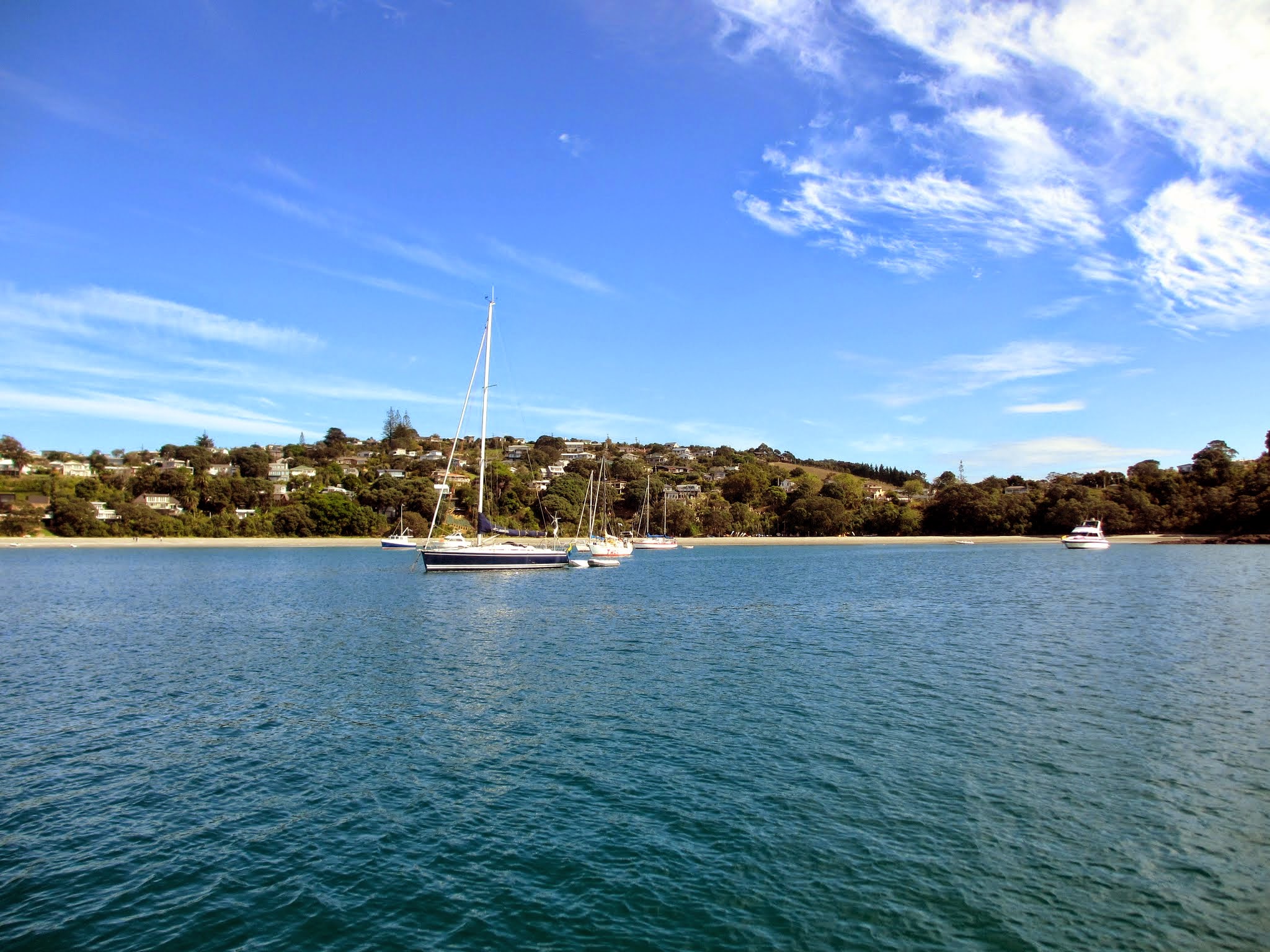
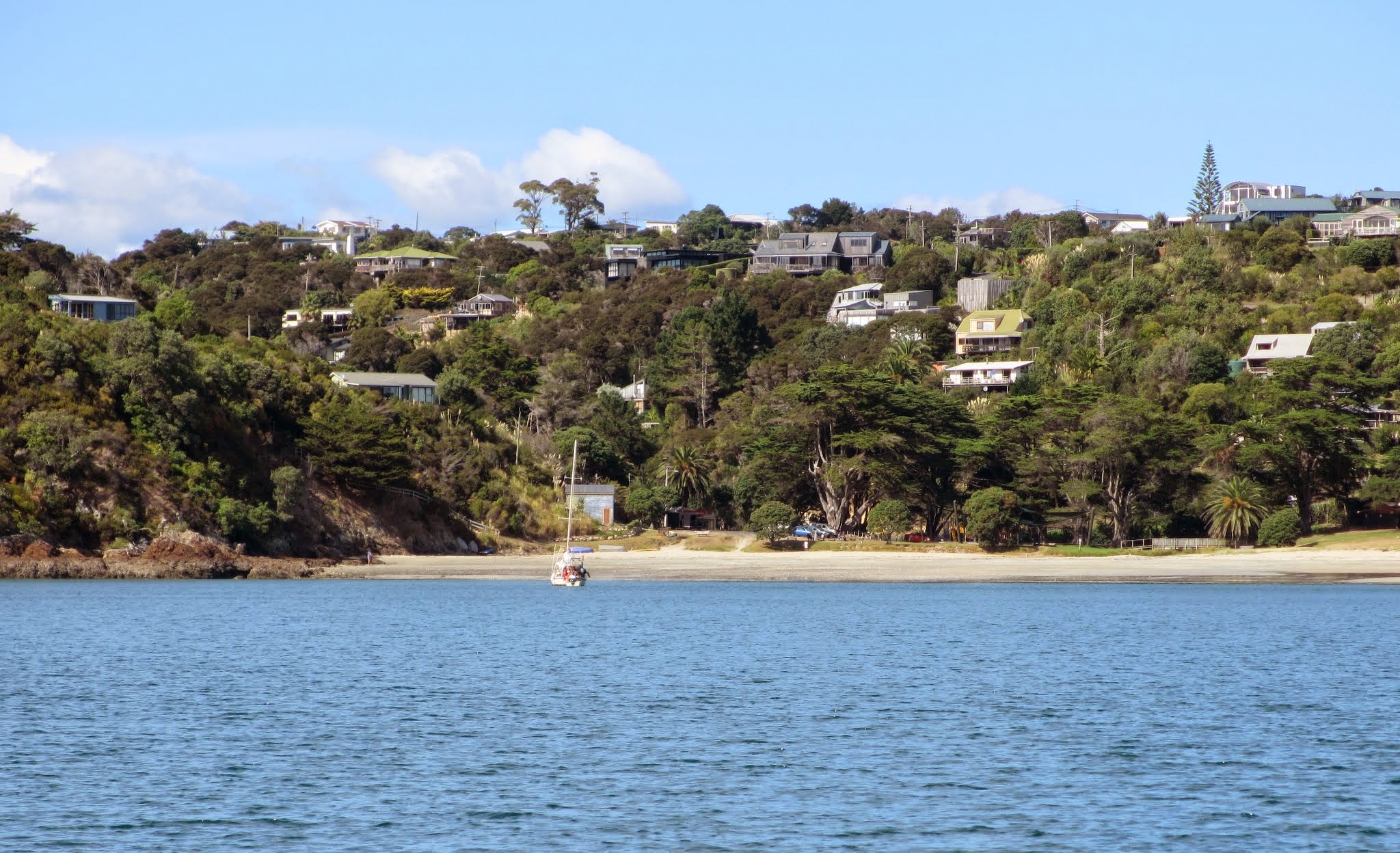
We motored up the west side of Waiheke in the morning’s calm seas. After the series of little islands we’d visited, the tall hills of Waiheke were impressive, as were some mansion-sized houses overlooking the ocean. We motored over the north side to Oneroa Bay which sits by the island’s main town.

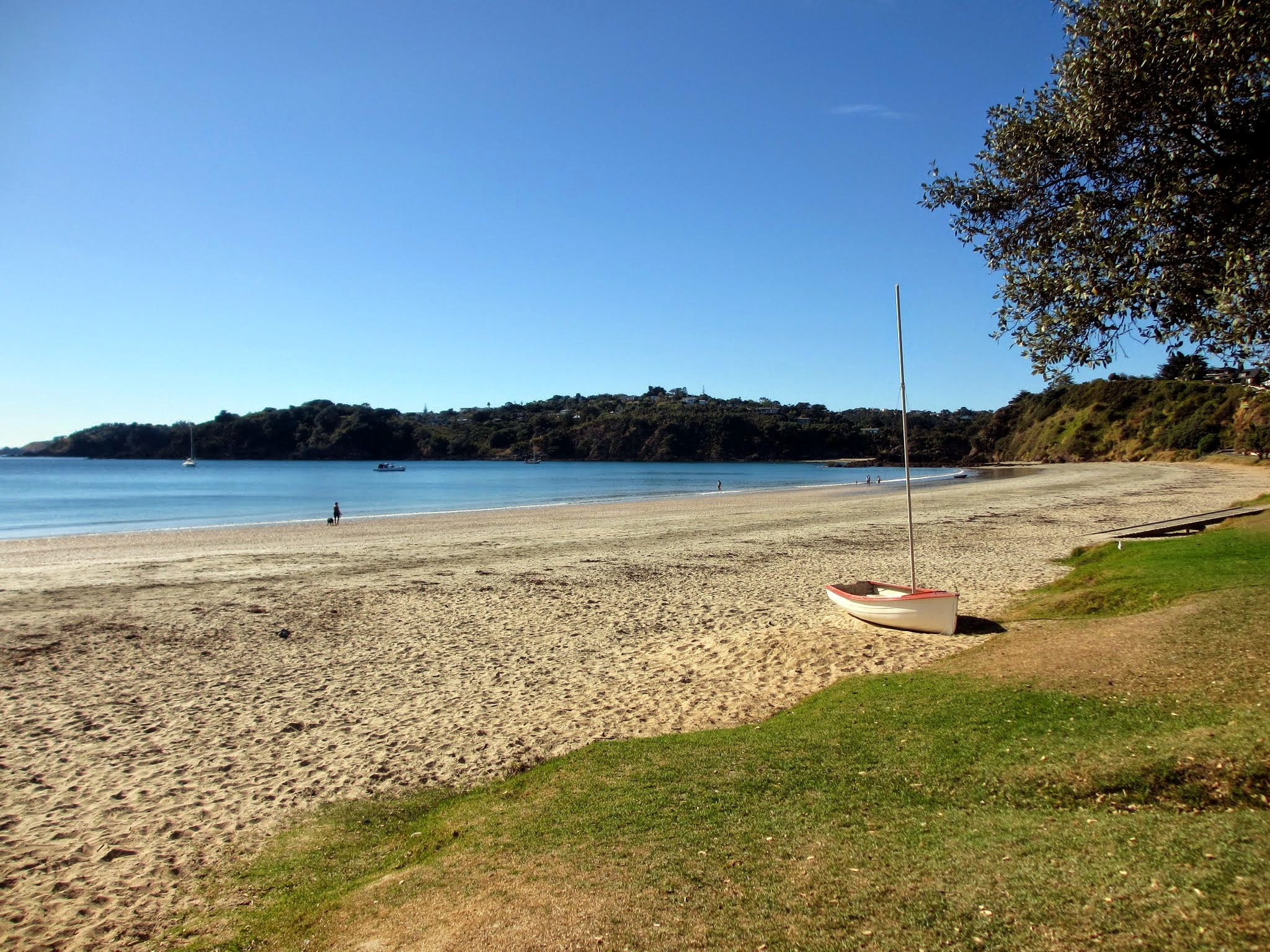
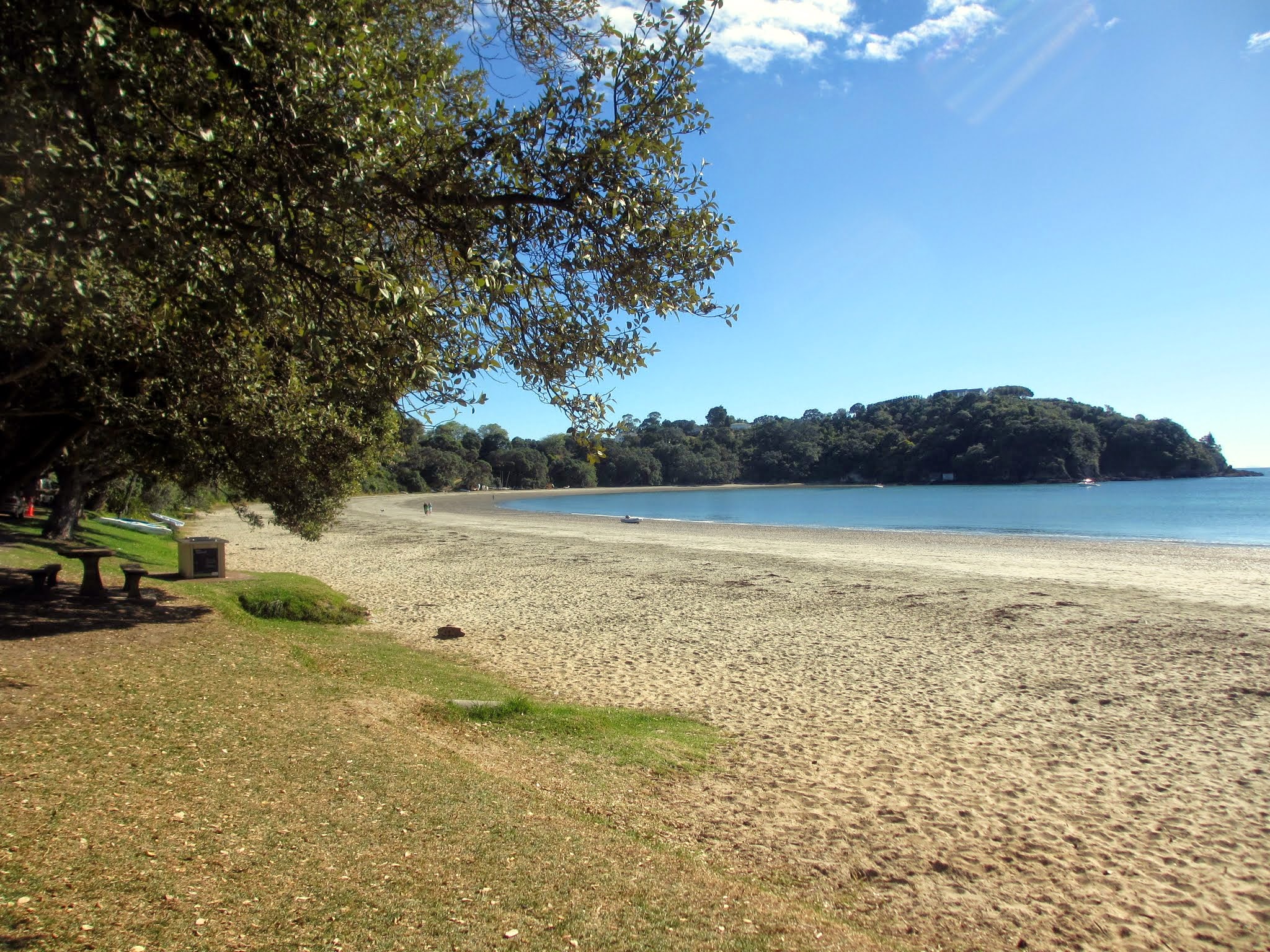
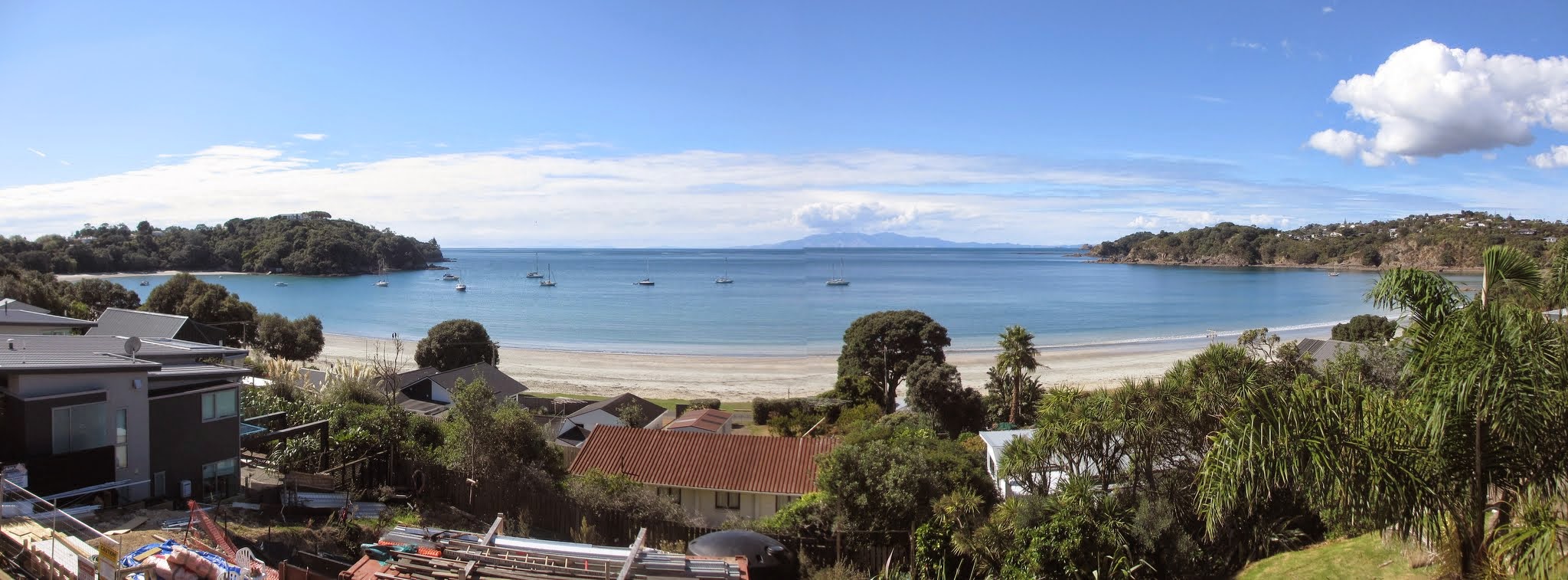
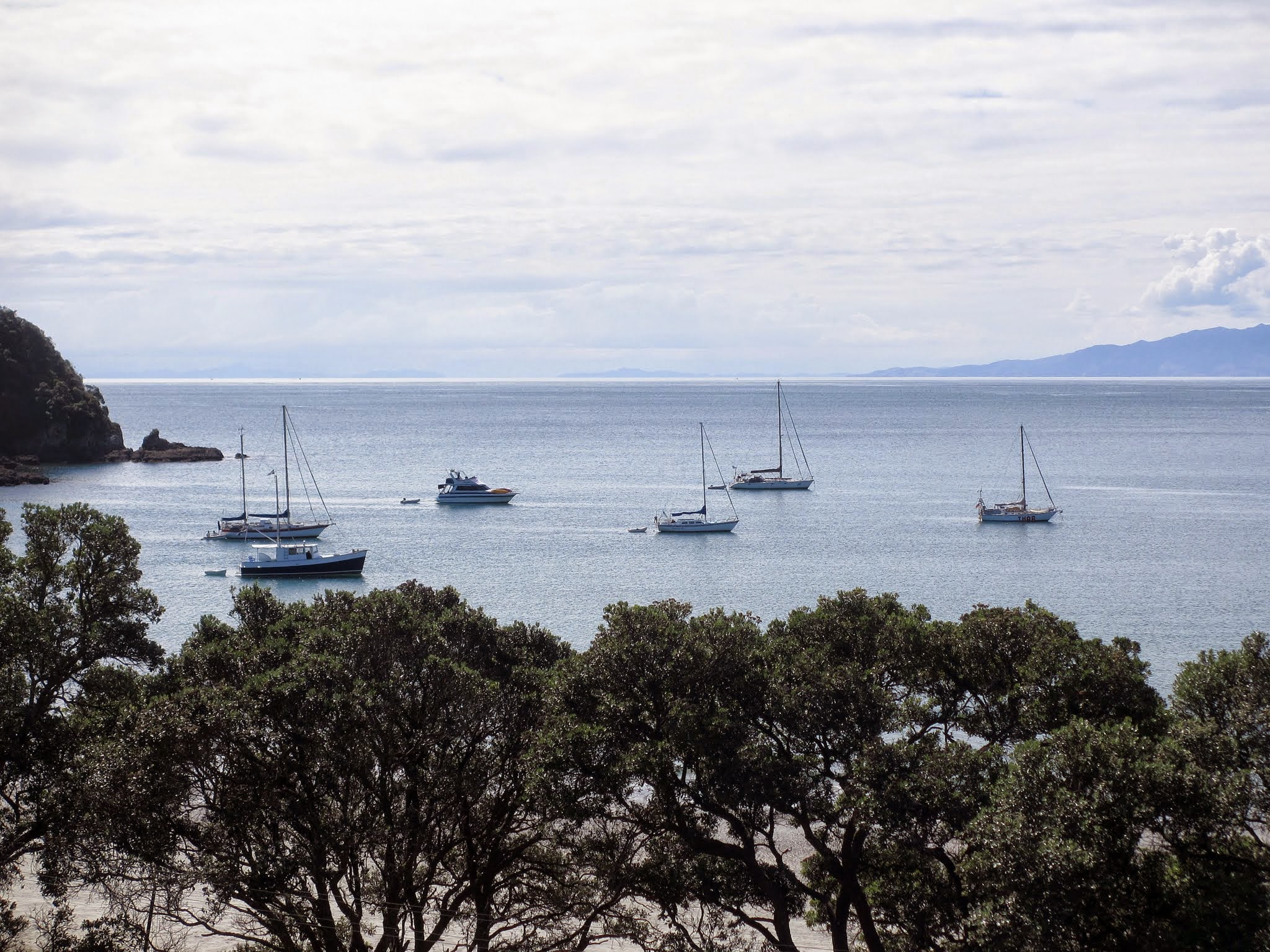
Oneroa Bay

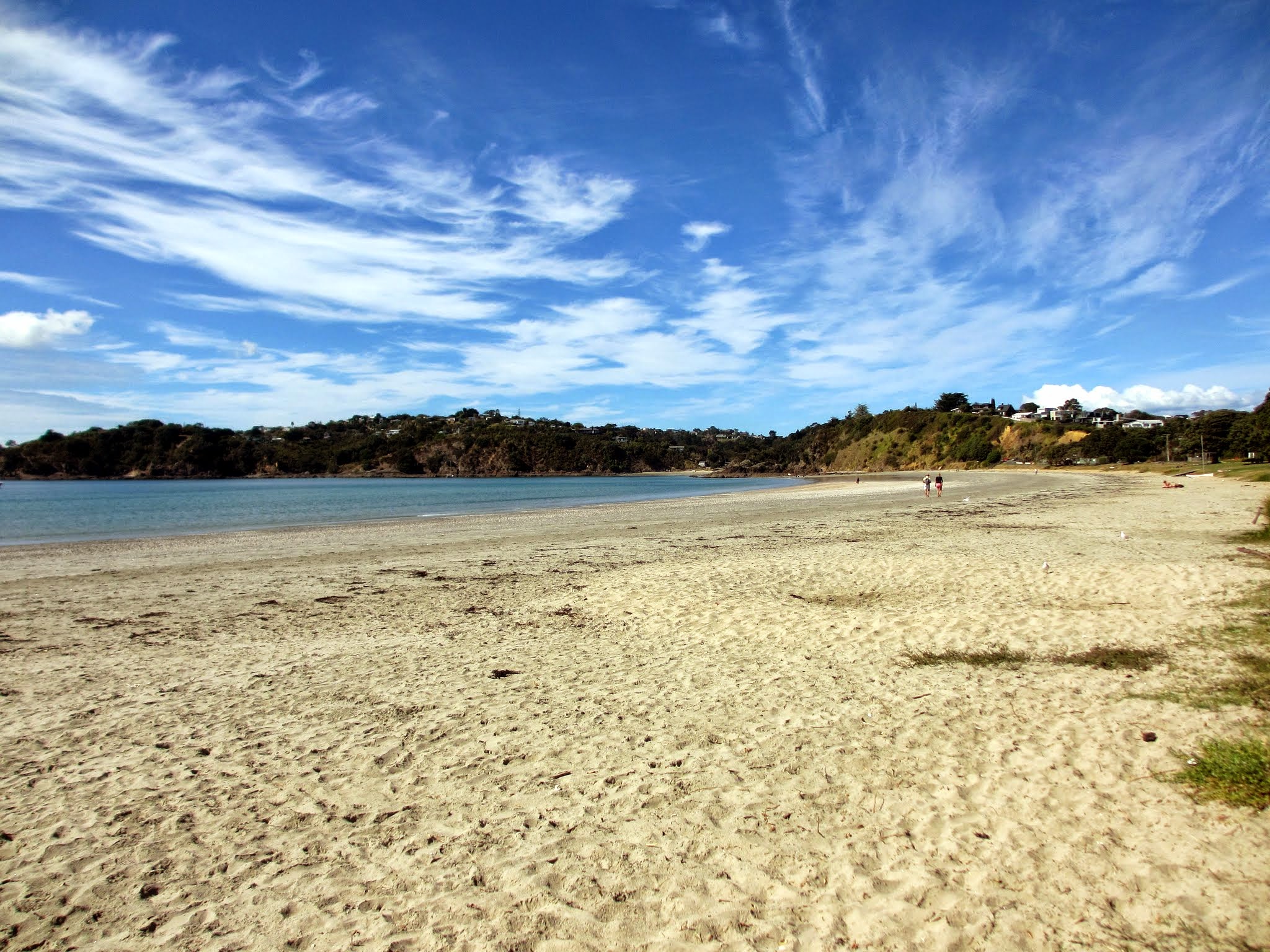
Anchoring was easy in this large bay with a sandy bottom. Carrying the dinghy across the wide sand beach was a little harder. Hardest of all was figuring out where town was. Behind the beach was a narrow unsealed road, and beyond that tree-shaded homes hugged the hillside. After wandering around a bit, we swallowed our pride and asked someone where the town was. They pointed out a steep walkway assured us that we’d find it up at the top of the hill.

Oneroa

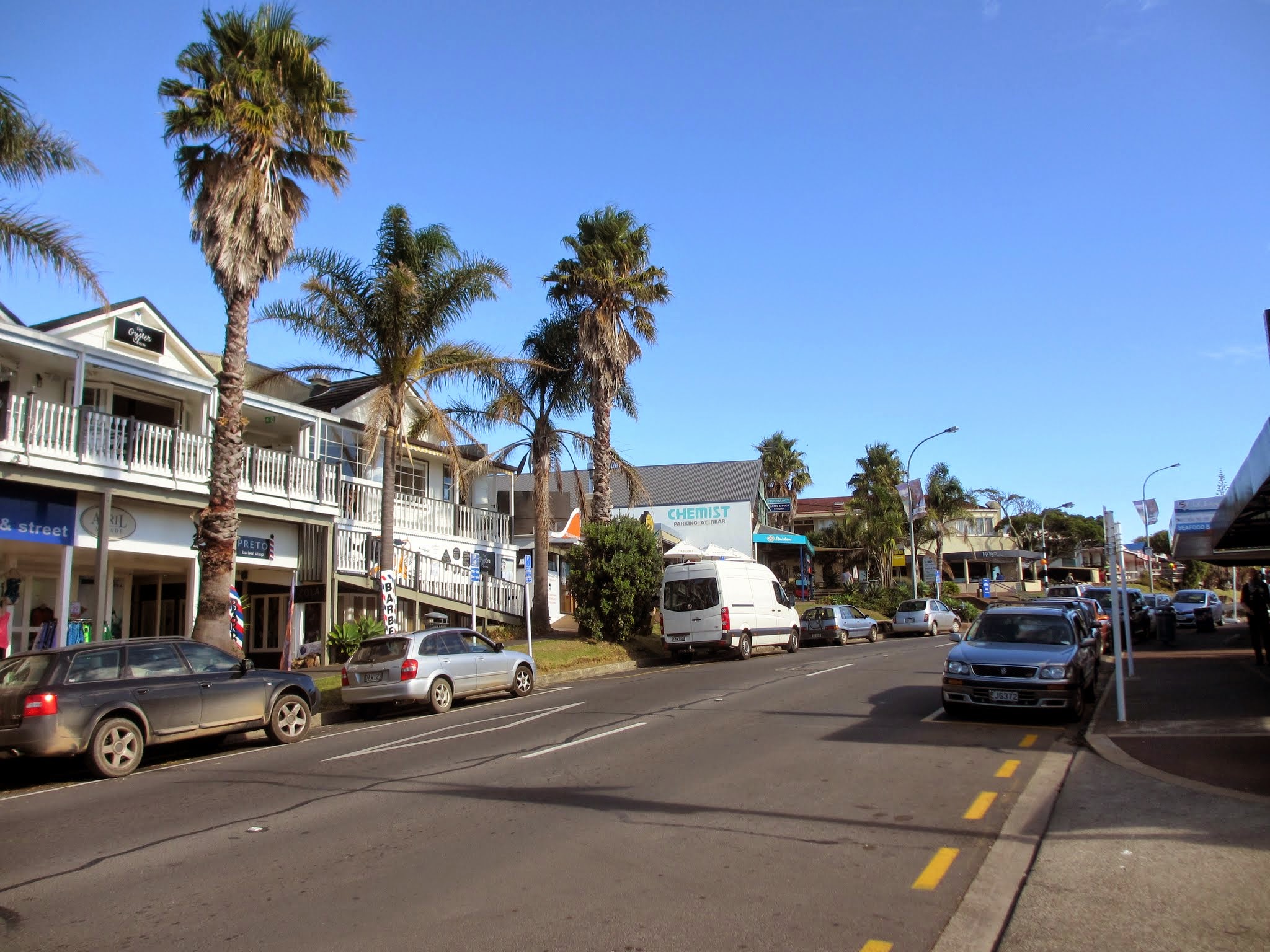
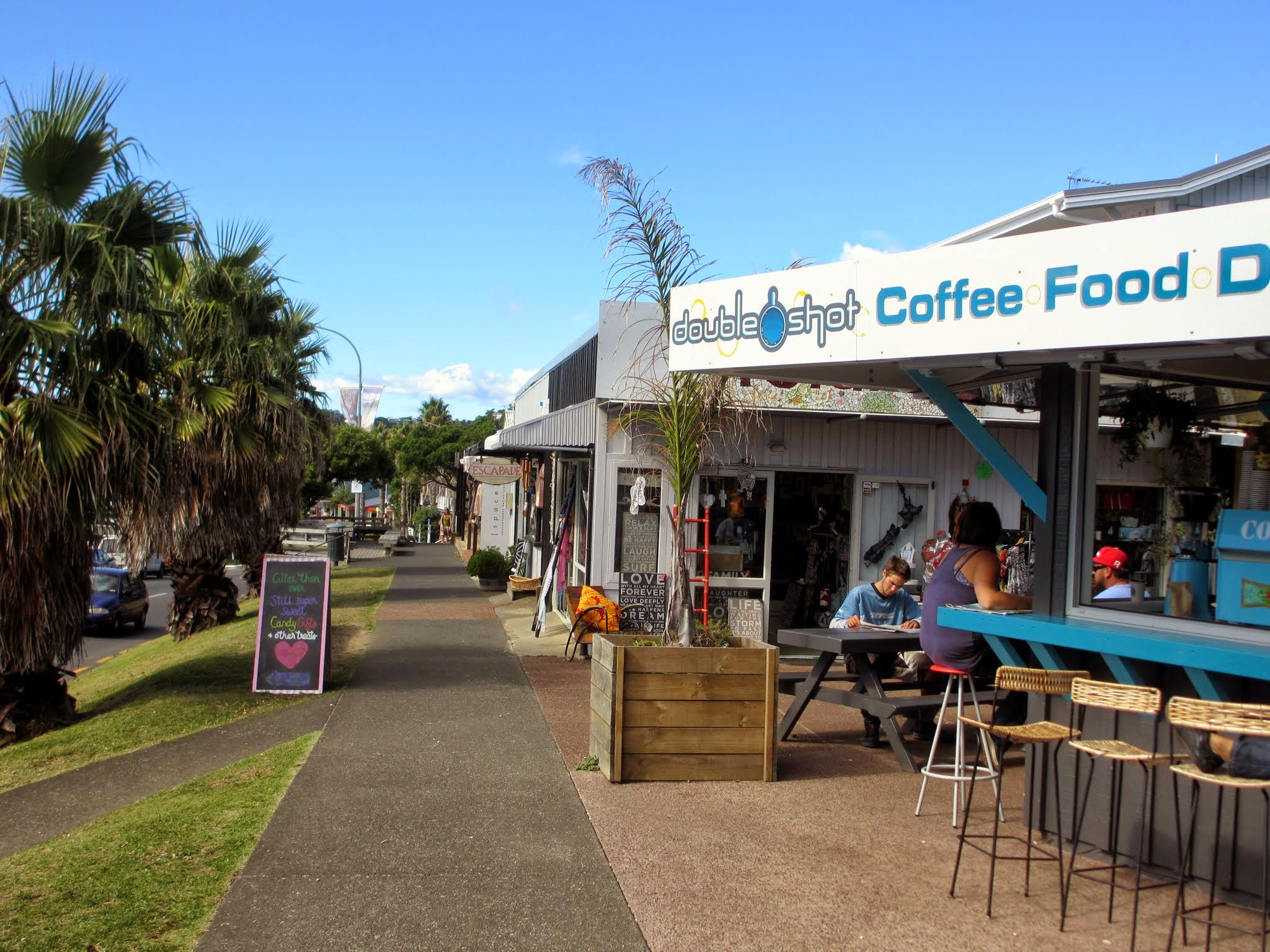
After a short but steep climb we at last found Oneroa! It’s more of a village than a town, just two or three blocks of cafes, shops, restaurants and coffeehouses packed in along a main road.

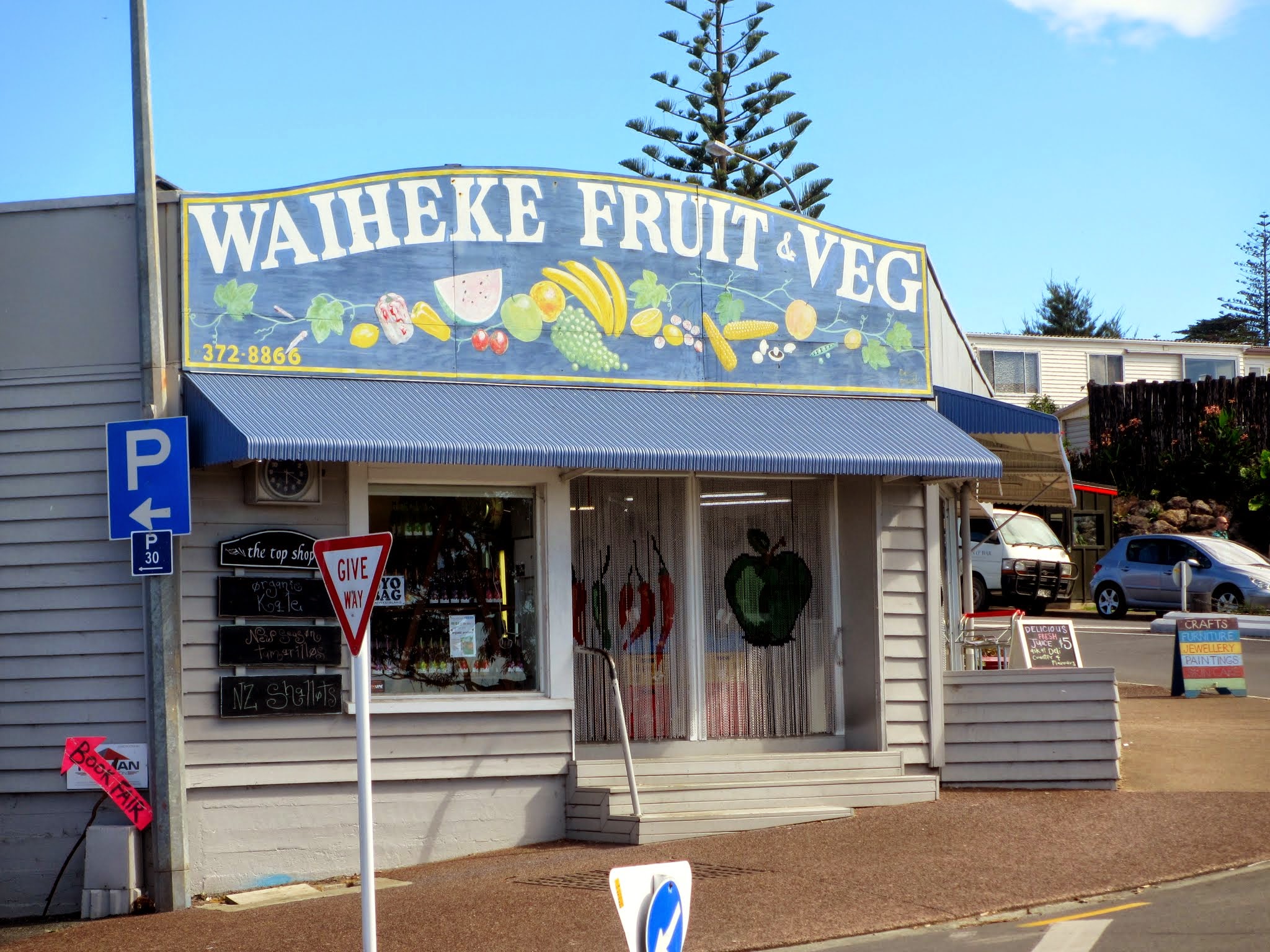
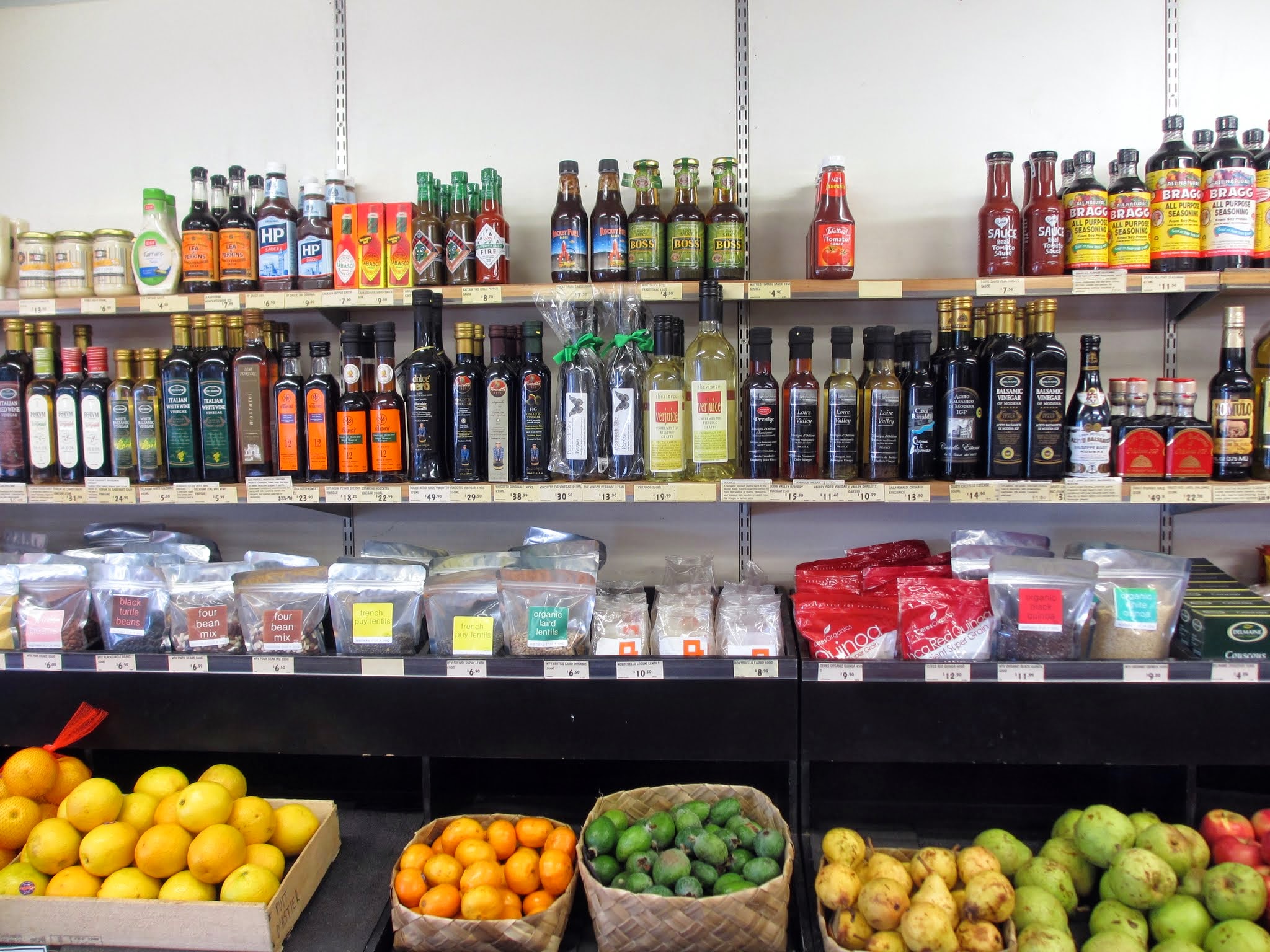
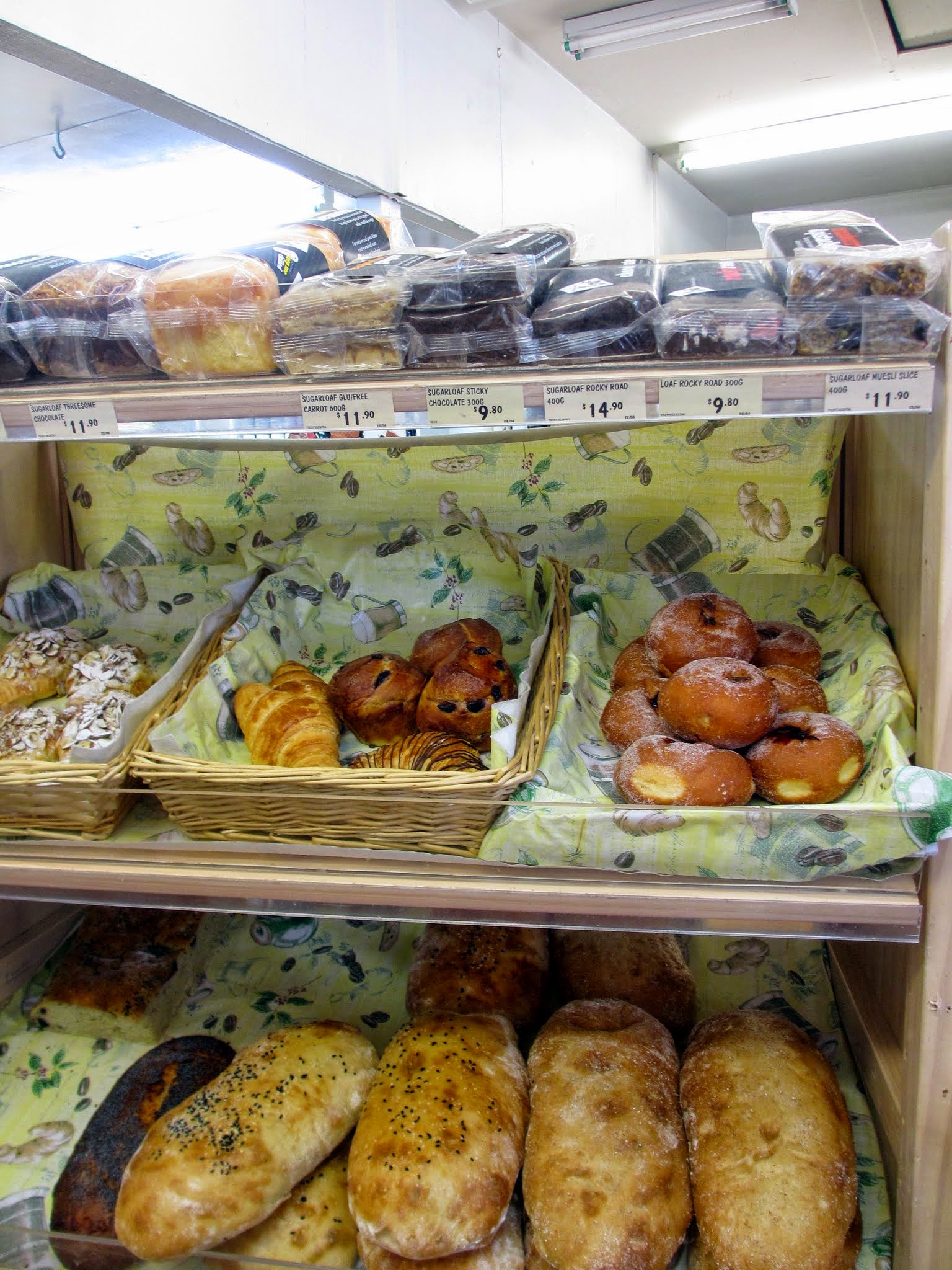
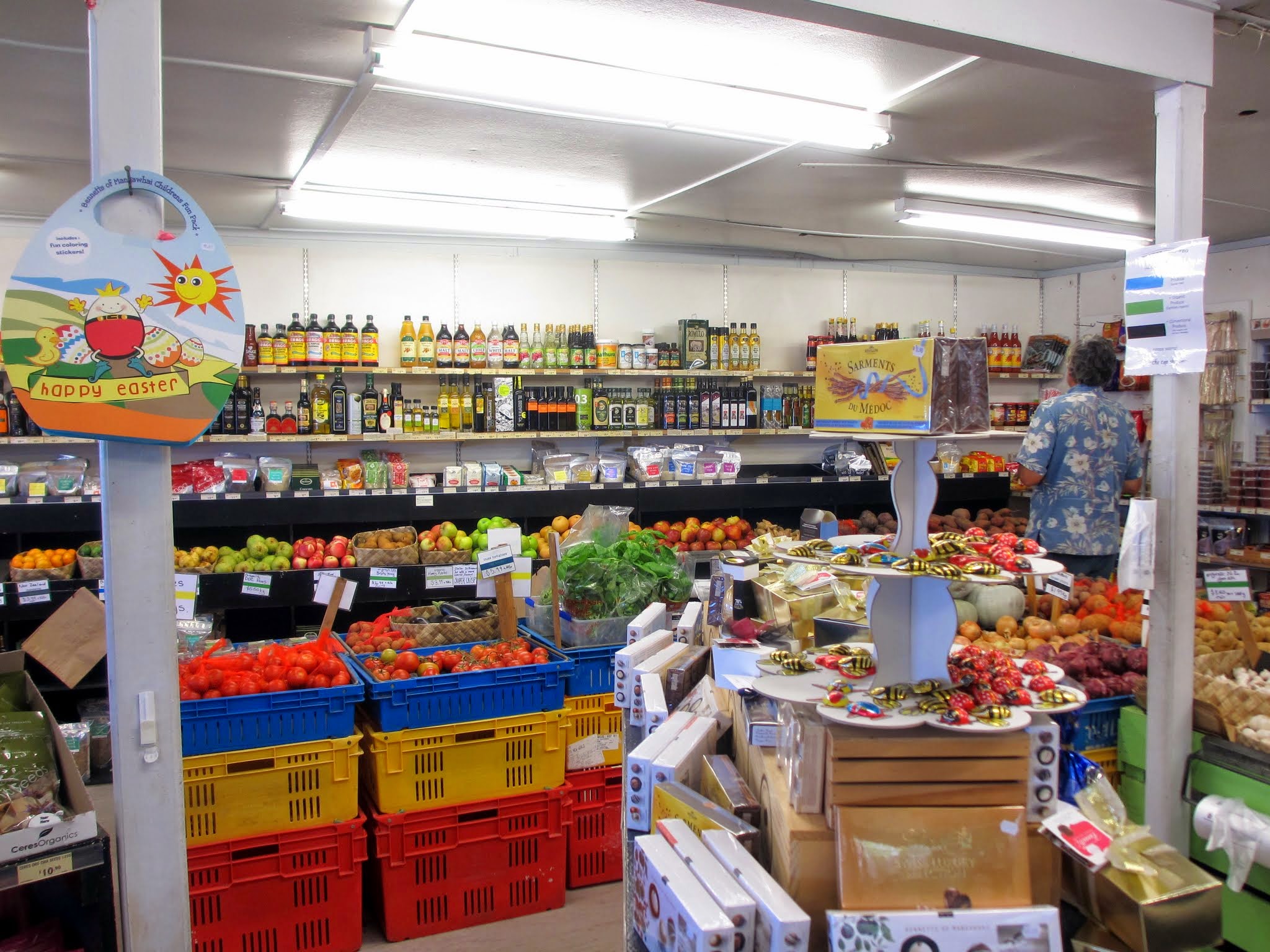
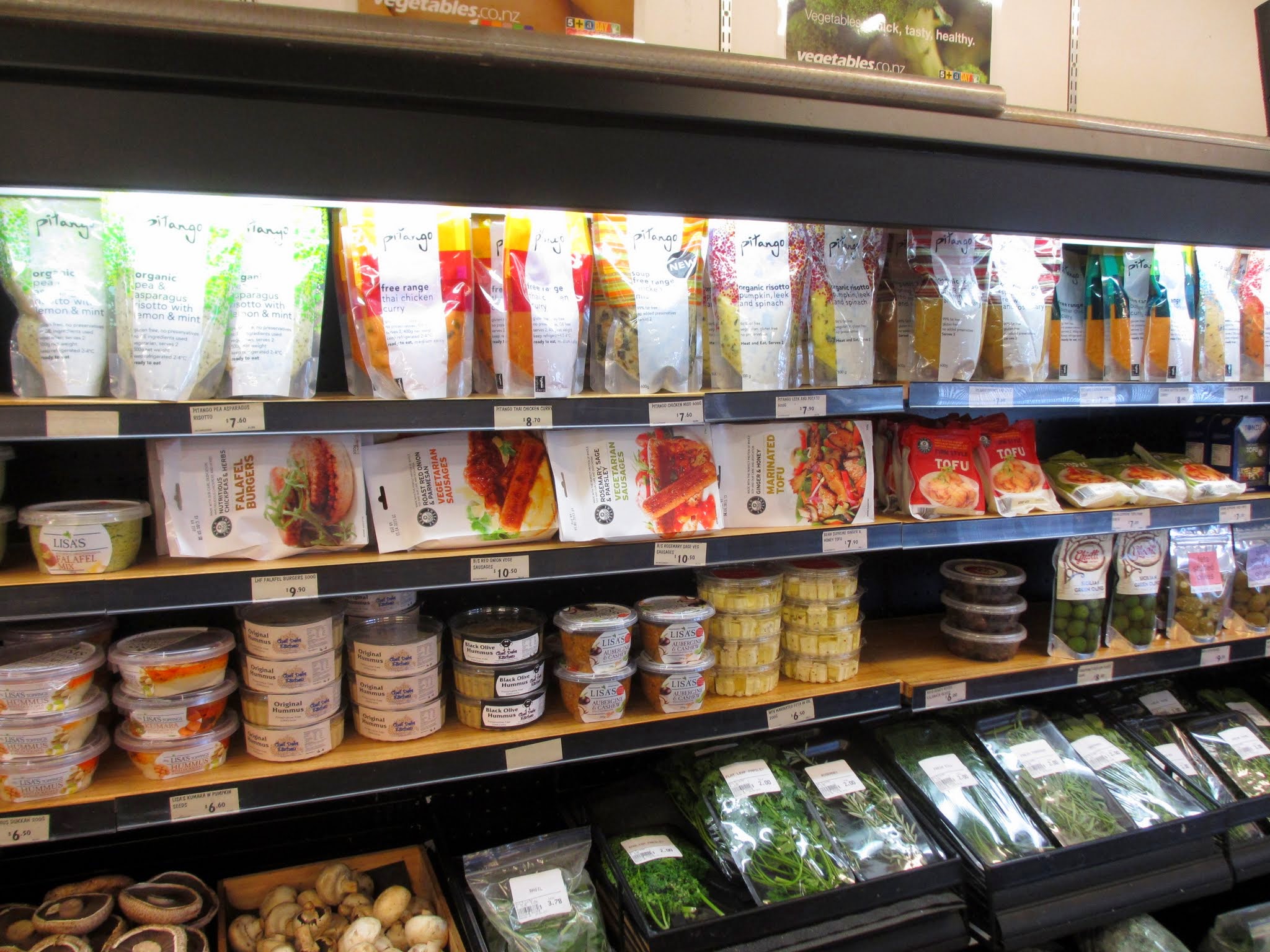
We started our town tour with Waiheke Fruit and Veg. It’s a just small corner market, but inside is a wonderland of food goodies.

Waiheke Fruit and Veg Market

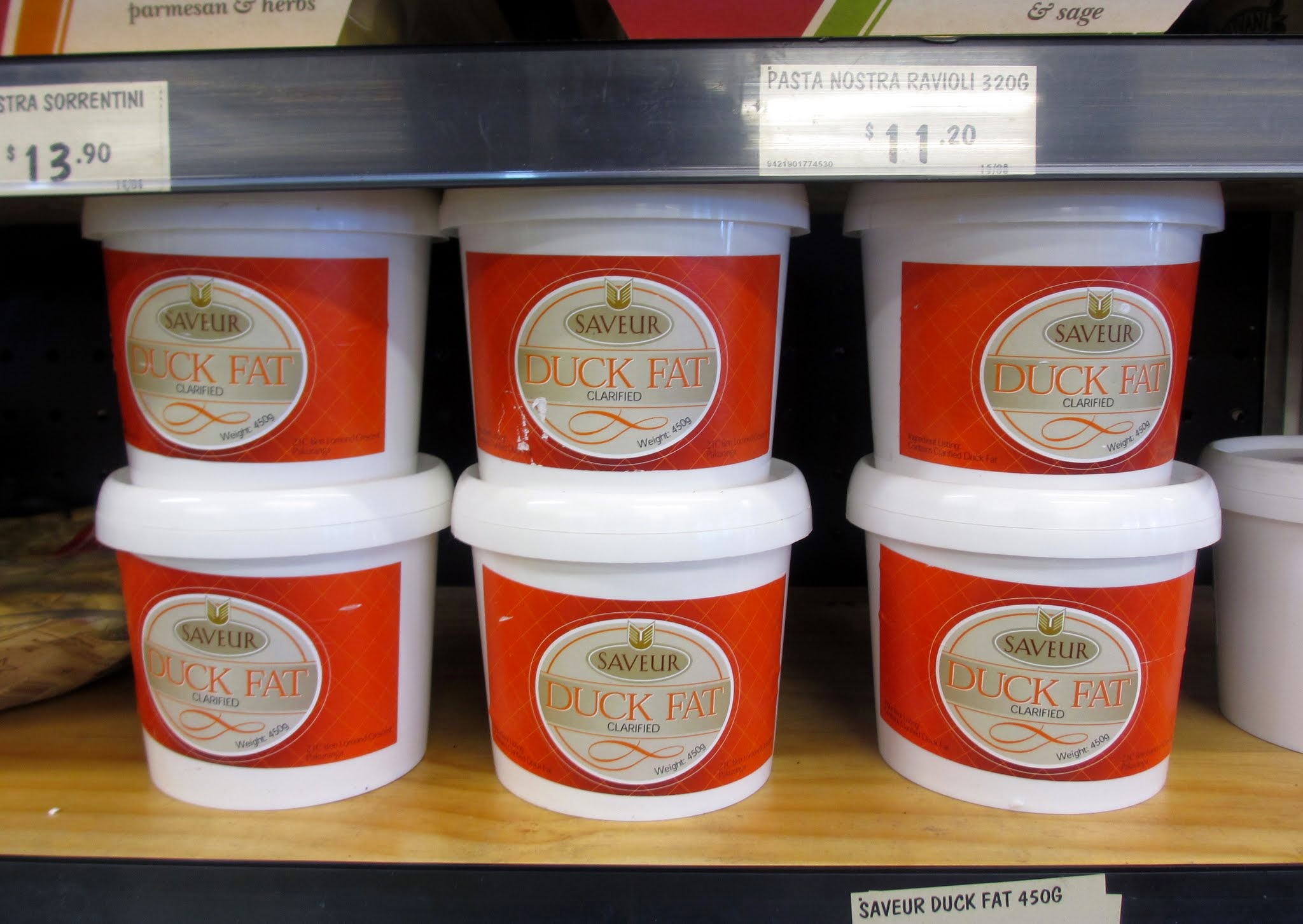
This market is a perfect representation of this island: an unassuming casual county facade hiding impressively sophisticated foodiness inside. I’ve been to some nice markets, but I’ve never seen one that sells tubs of duck fat.

Once we checked out the market and walked through the village, we were rather stumped as to what to do next. This is a large island and best seen by car, but we wanted to do wine tasting and not worry about driving. After considering something called the wine bus, we decided it would be easier to get on a tour. We called a number from my guidebook and found we could get on a tour the following day if we didn’t mind following that group’s itinerary. We didn’t mind at all and were relived to have found something. In the process of tasting we’d also get to see some of the island.

In the meantime, we decided to combine some wine tasting with lunch and headed to the sleek and elegant Cable Bay Vineyards because it was within walking distance.

Cable Bay Winery

The settling looked like a magazine layout, with fashionably-dressed customers seated about the beautifully furnished patio overlooking a bay. We were given menus and told to have a seat wherever we liked. Unfortunately that’s they last we saw of anyone working there. We decided rather than sit and watch other people eat, we’d head back to town.

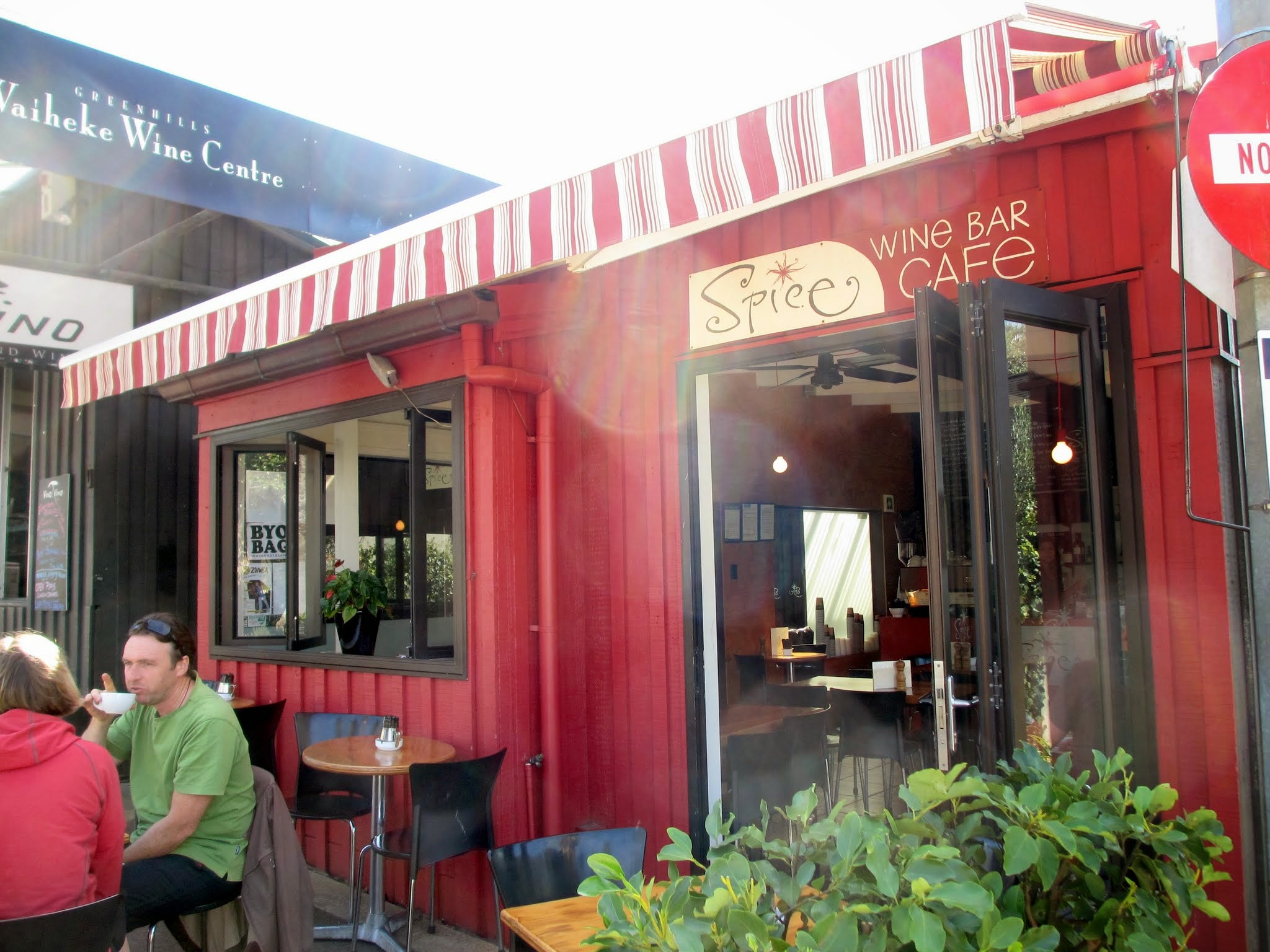
We ended up at a pretty little restaurant in town called Vino Vino. The menu was limited and a bit pricey, but the view was amazing! Our steak sandwich was surprisingly delicious, especially with chilled glasses of fabulous local white wine. We’d been somewhat put off by the Cable Bay Winery experience, but now we were feeling much more optimistic.

Vino Vino

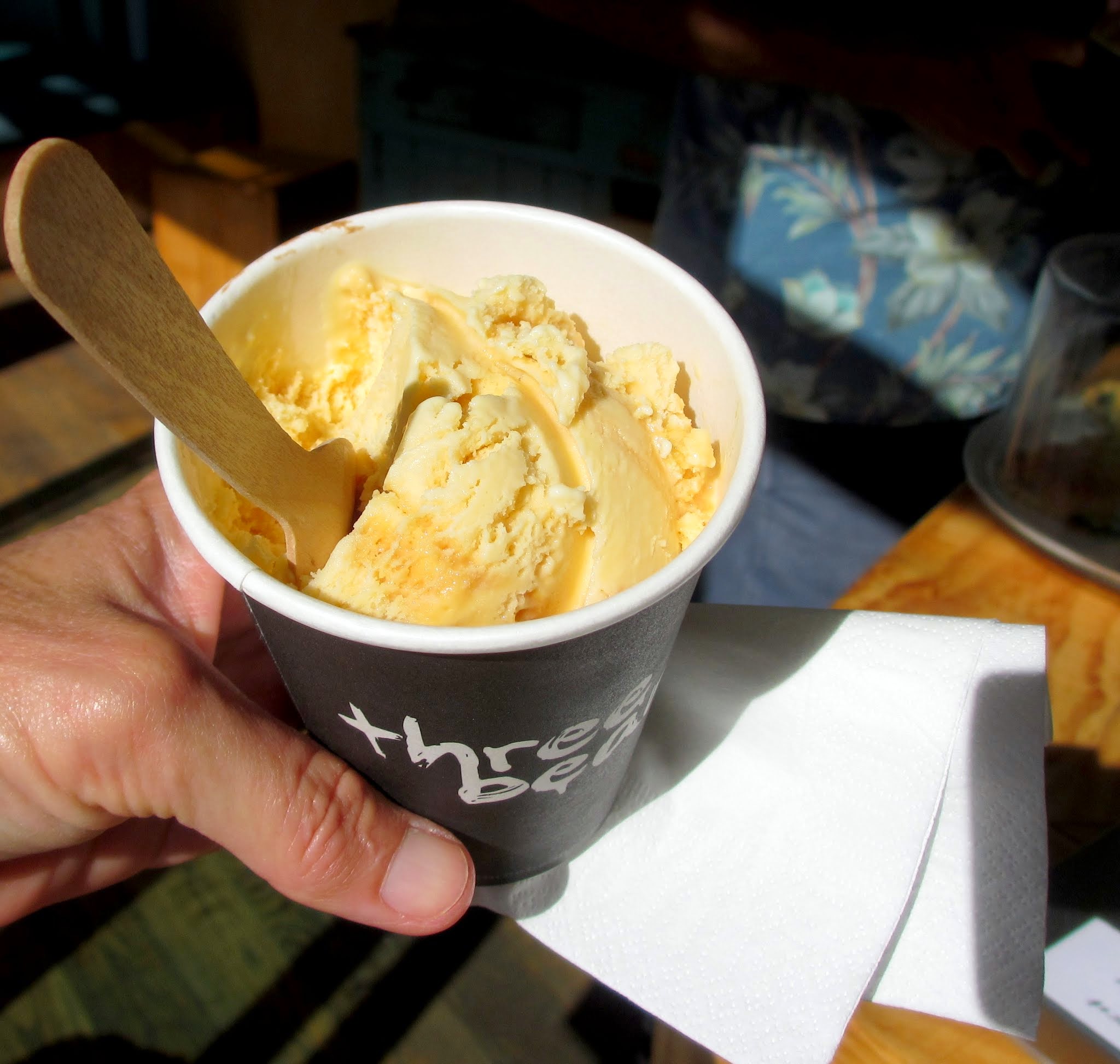
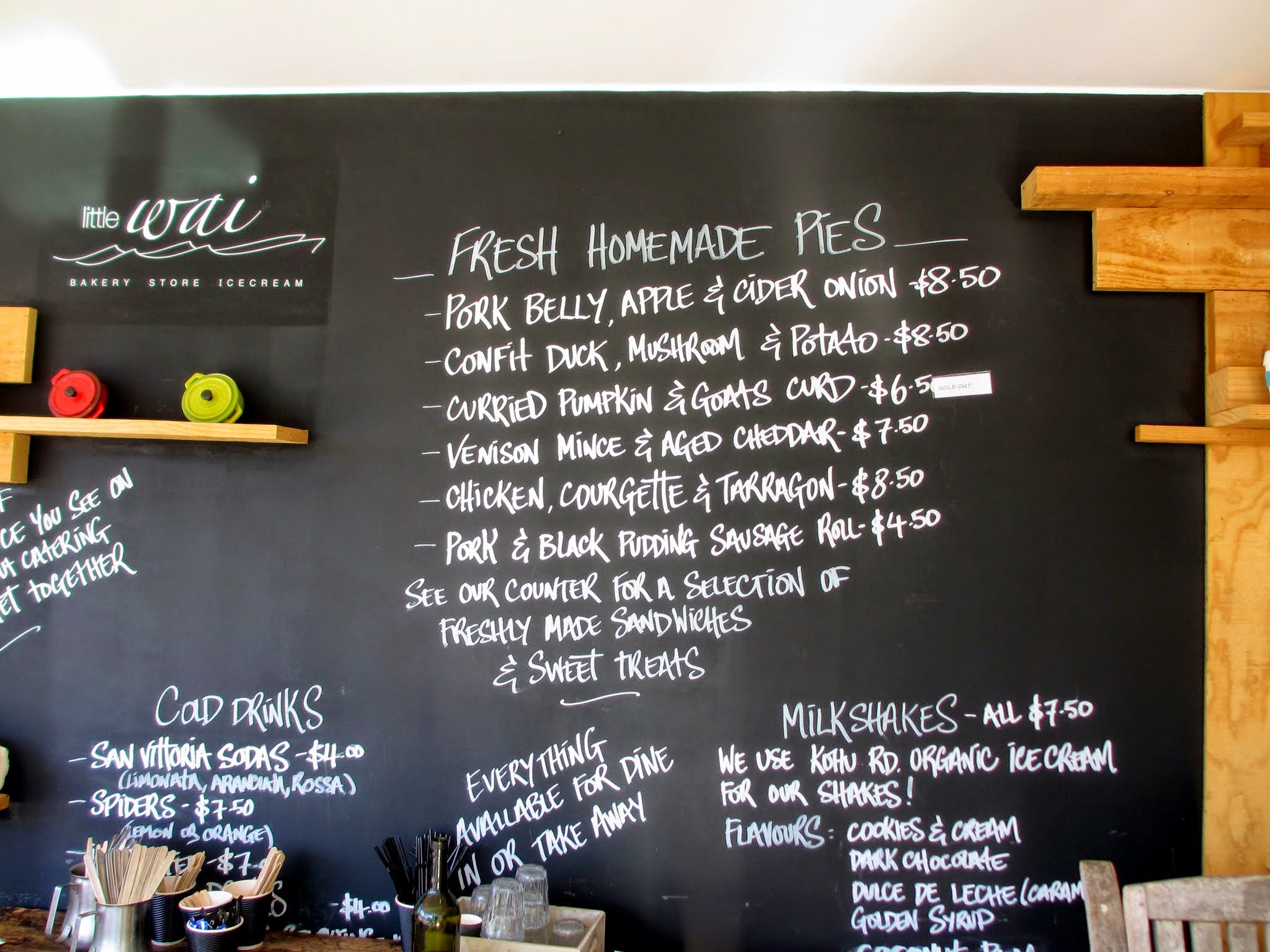
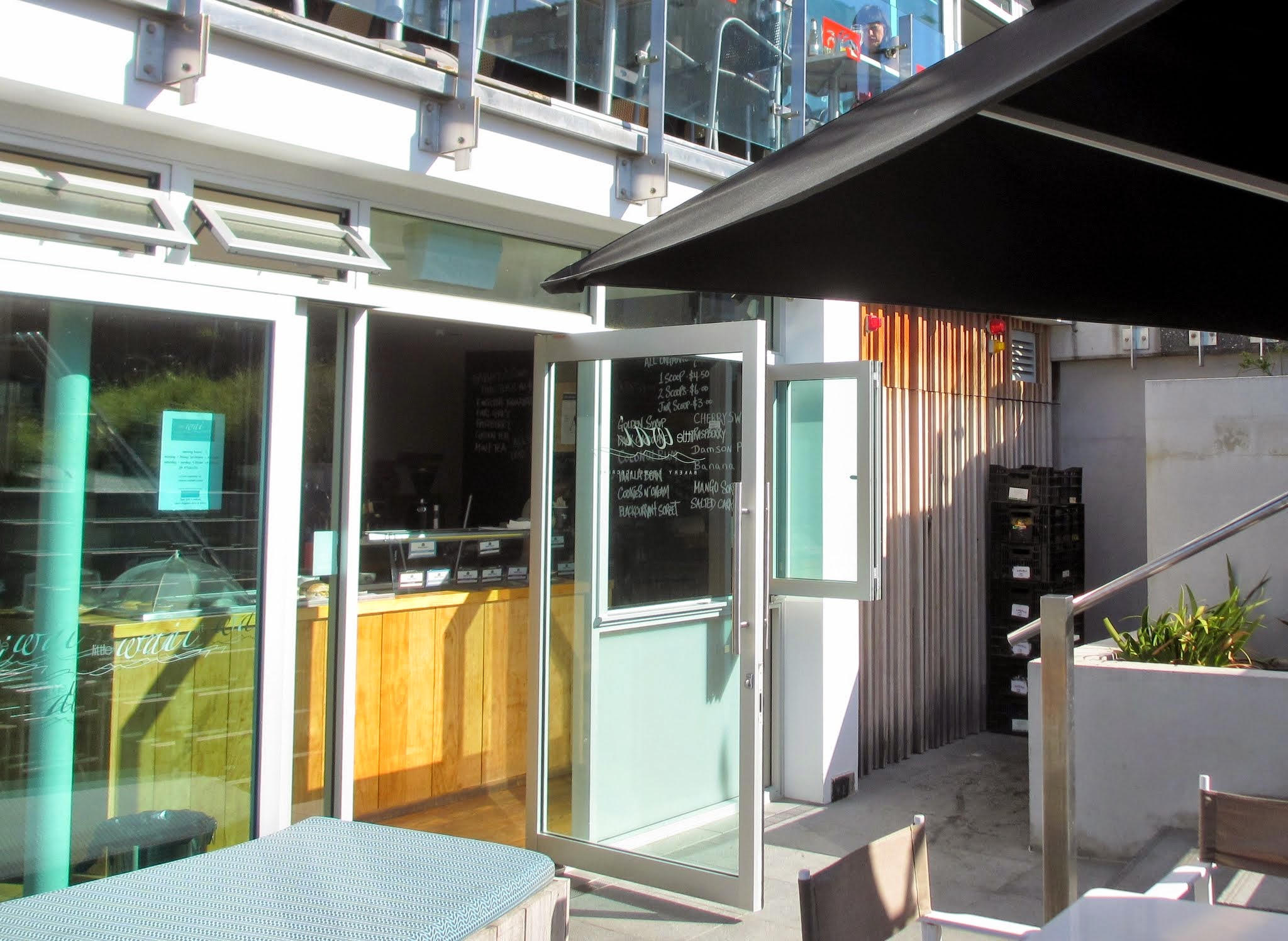
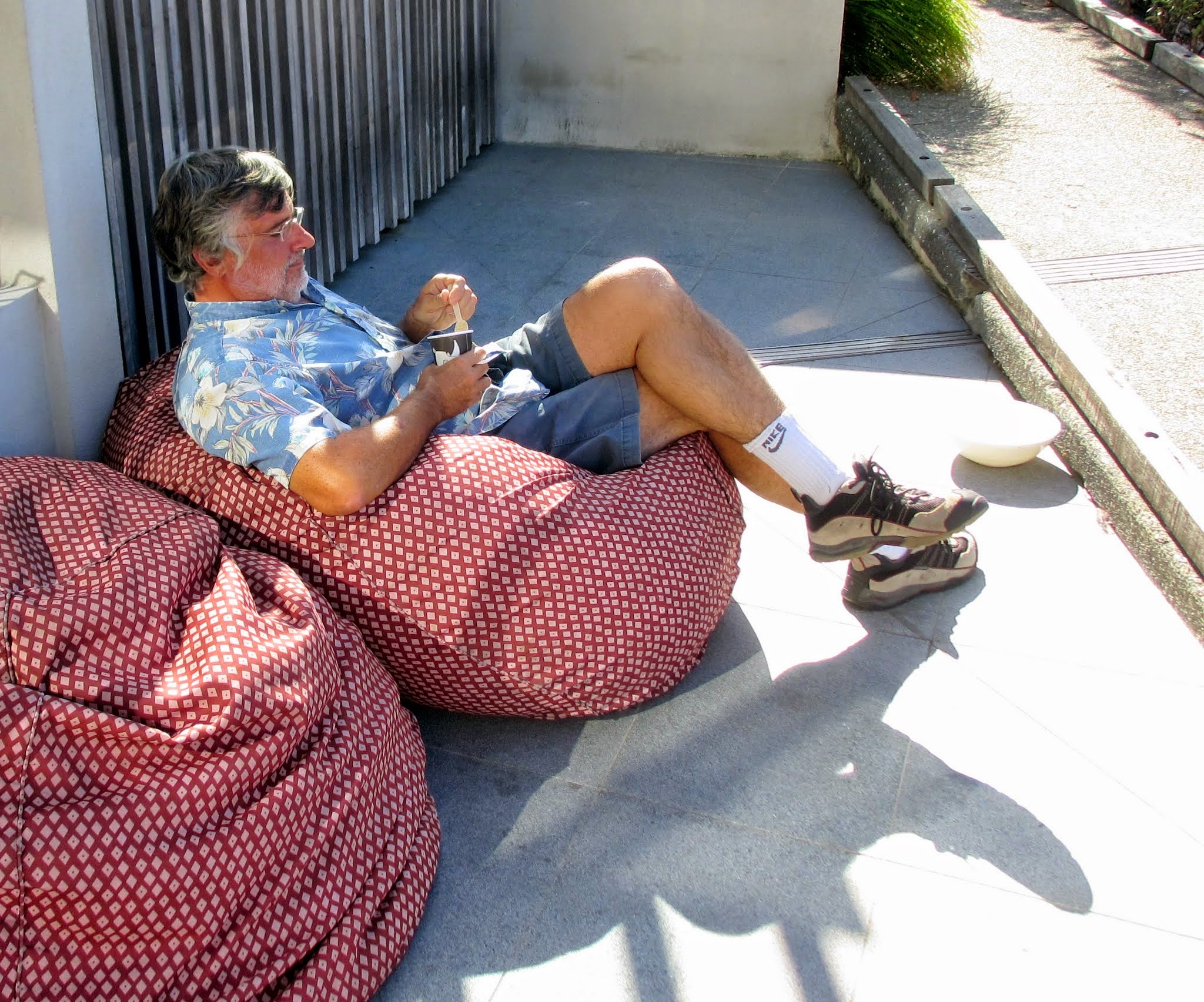
After lunch we did some exploring and ended up at a small bakery and ice cream place called Little Wai, situated downstairs from its larger parent restaurant (Big Wai, I guess?). We were amused at the varieties of meat pies. The simple meat pie is a New Zealand staple, but these versions were pretty fancy. It was yet another reminder that this is quite a foodie town. We wanted ice cream and both ordered the Kohu Road salted caramel and dark chocolate flavors. Holy crap! That ice cream was some of the best we’ve ever had, especially the salted caramel. It’s made in Auckland, organic and hand packed, and it’s not widely available. We were lucky to have stumbled across it.

Little Wai

After we finished our ice cream, we had just enough energy to carry our dinghy back across the wide beach. We motored back to the boat very happy with the way the day turned out and looking forward to the next day’s wine tour. –Cyndi
(Note:  You can click to enlarge and scroll through any photos above.)

The Hauraki Gulf: Motuihe Island (New Zealand)

April 7, 2013

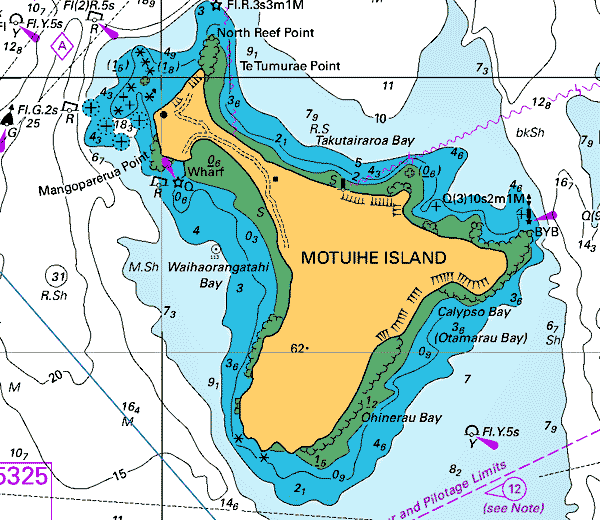
Motuihe is a small island with an unusual shape. It’s about a mile across with a long skinny arm that reaches out to a knob of land at its northwest end. Along the length of the arm are two good anchorages: Takutairaroa Bay which faces northeast, and Waihaorangatahi Bay which faces southwest. Which one is best depends on the direction of the wind.

A map of Motuihe Island.

Because of the slight northerly winds, we picked Waihaorangatahi Bay on the south side. (Luckily you don’t have to be able to pronounce it to stay there.) This very tranquil place had few boats, but we soon noticed it was pretty rolly. Turns out the rolliness was caused by the ferries going back and forth from Auckland to nearby Waiheke Island. No wonder there were more boats at the north anchorage! We decided to stay put knowing the ferry traffic would end this evening.

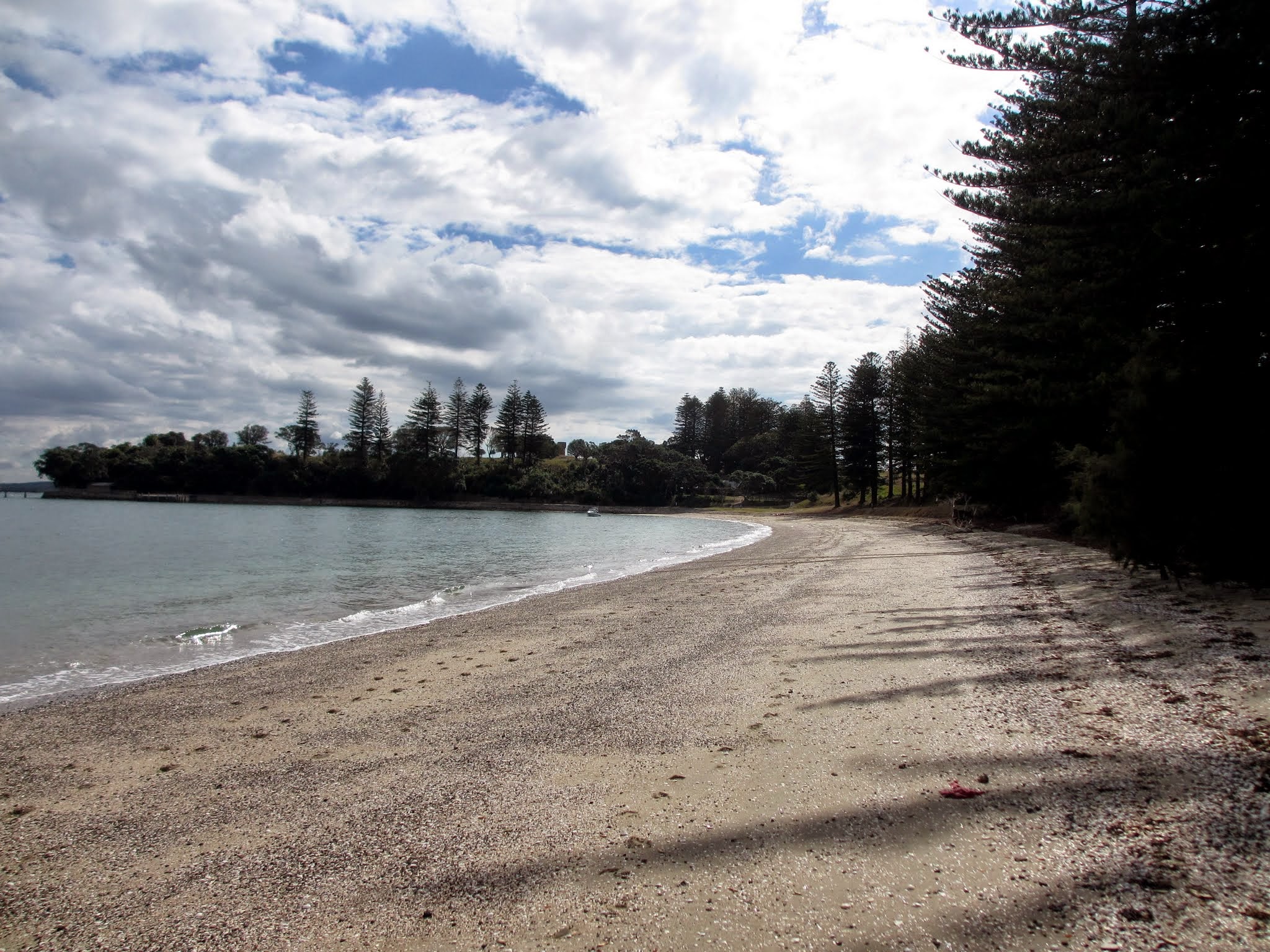
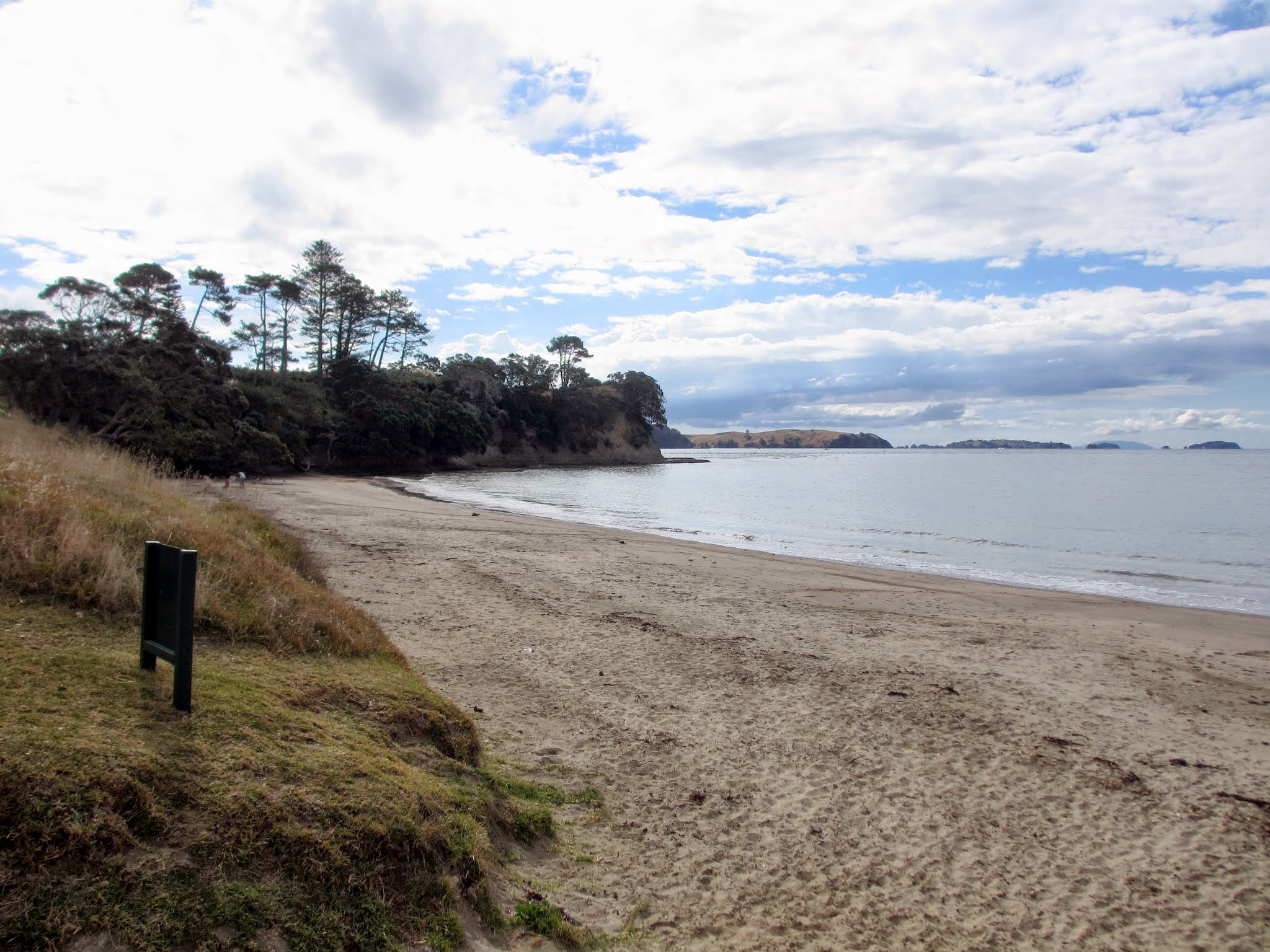
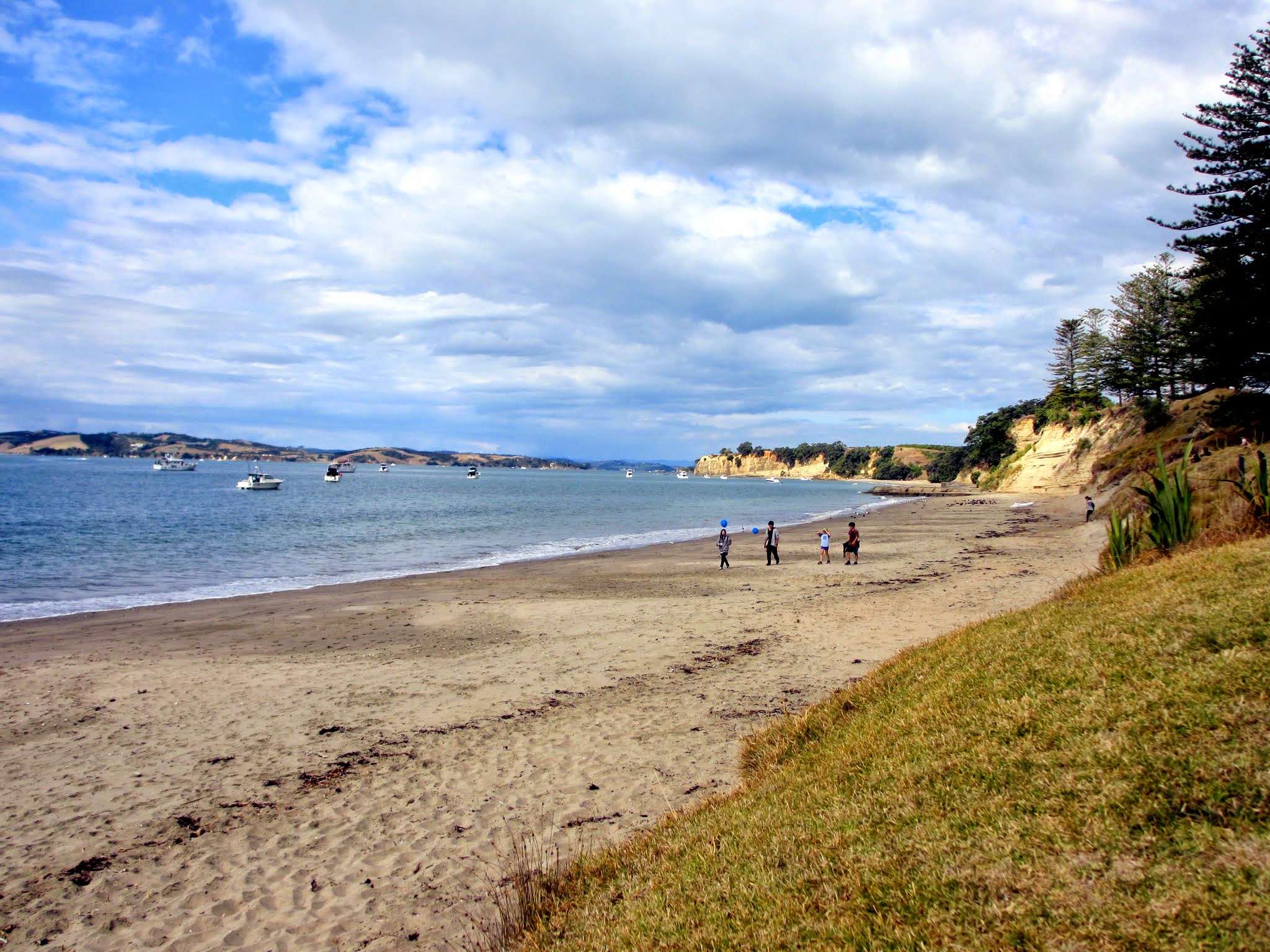
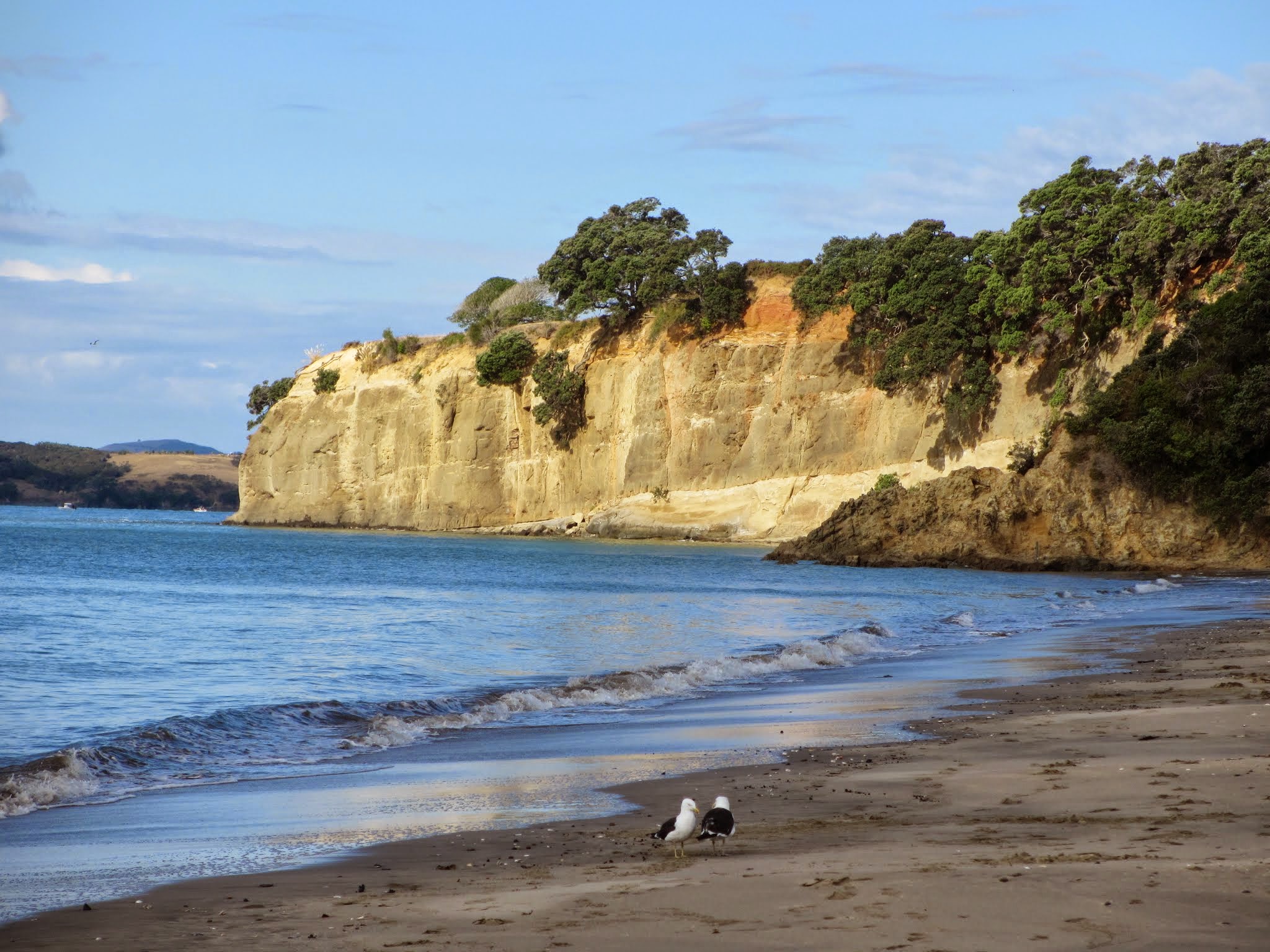
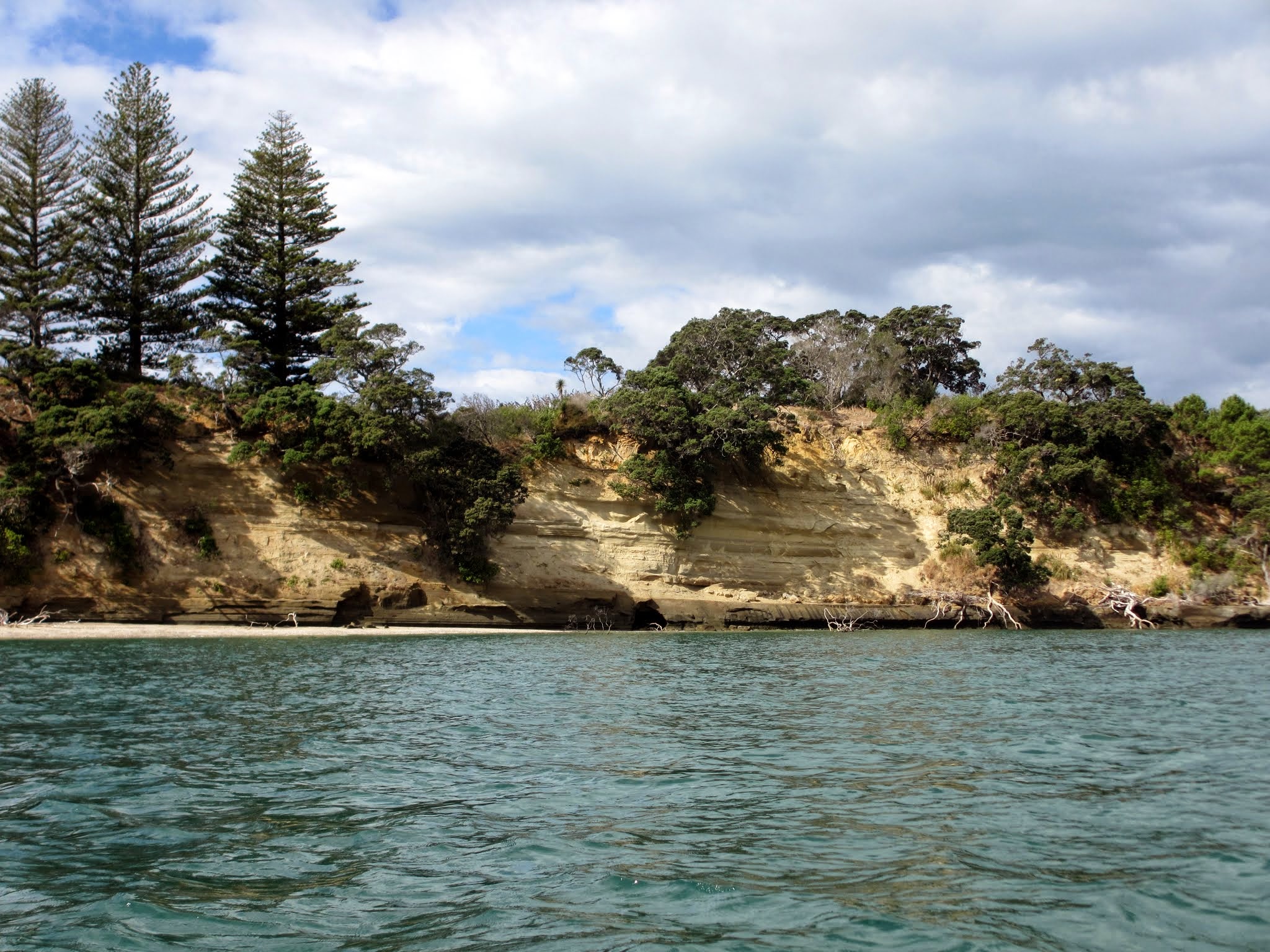
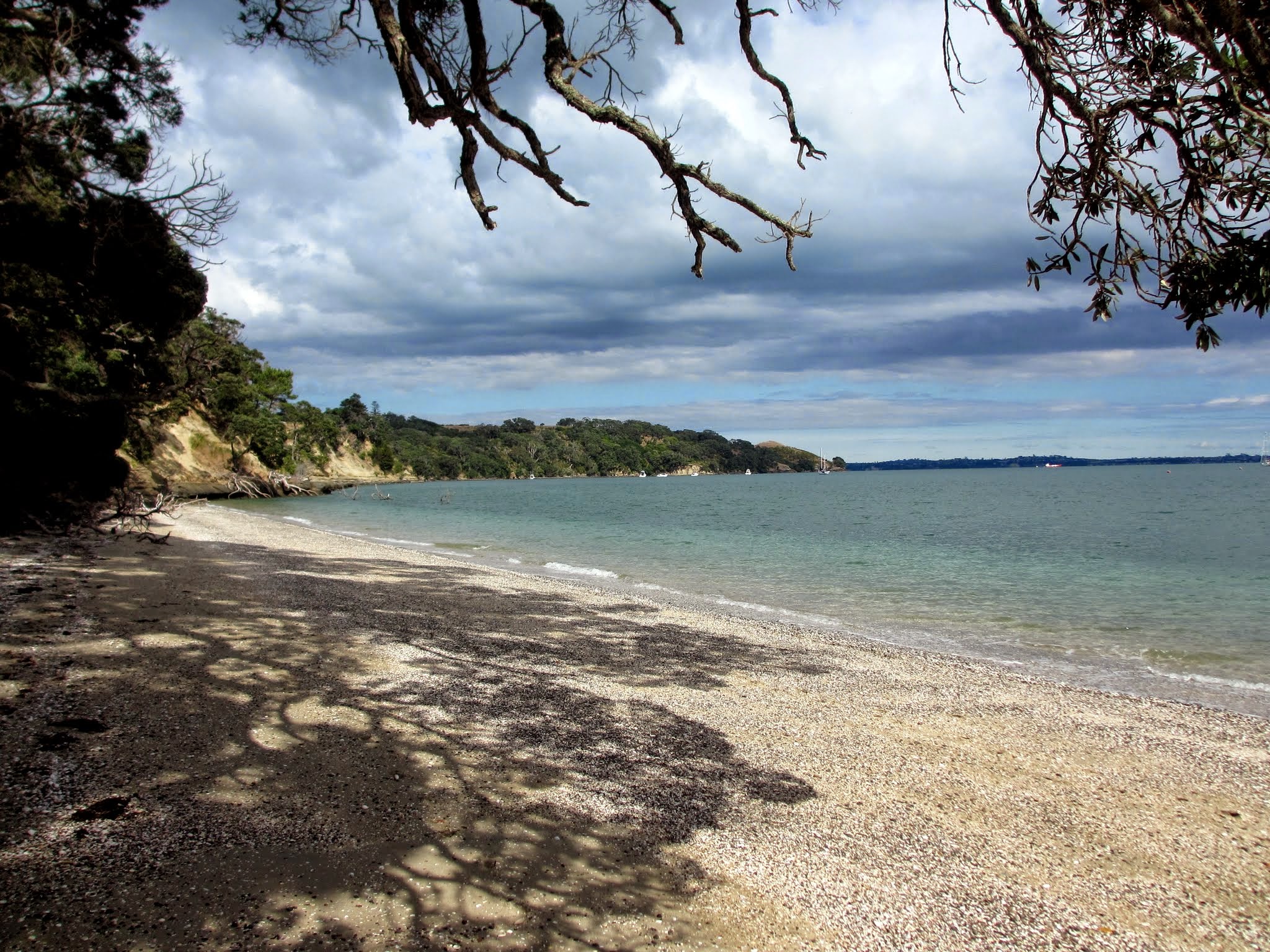
We headed ashore to explore some of the island, starting with our beach and then the beach on the other side of the narrow, grassy isthmus. Both beaches were quite nice, but the north beach was a little wider and sandier.

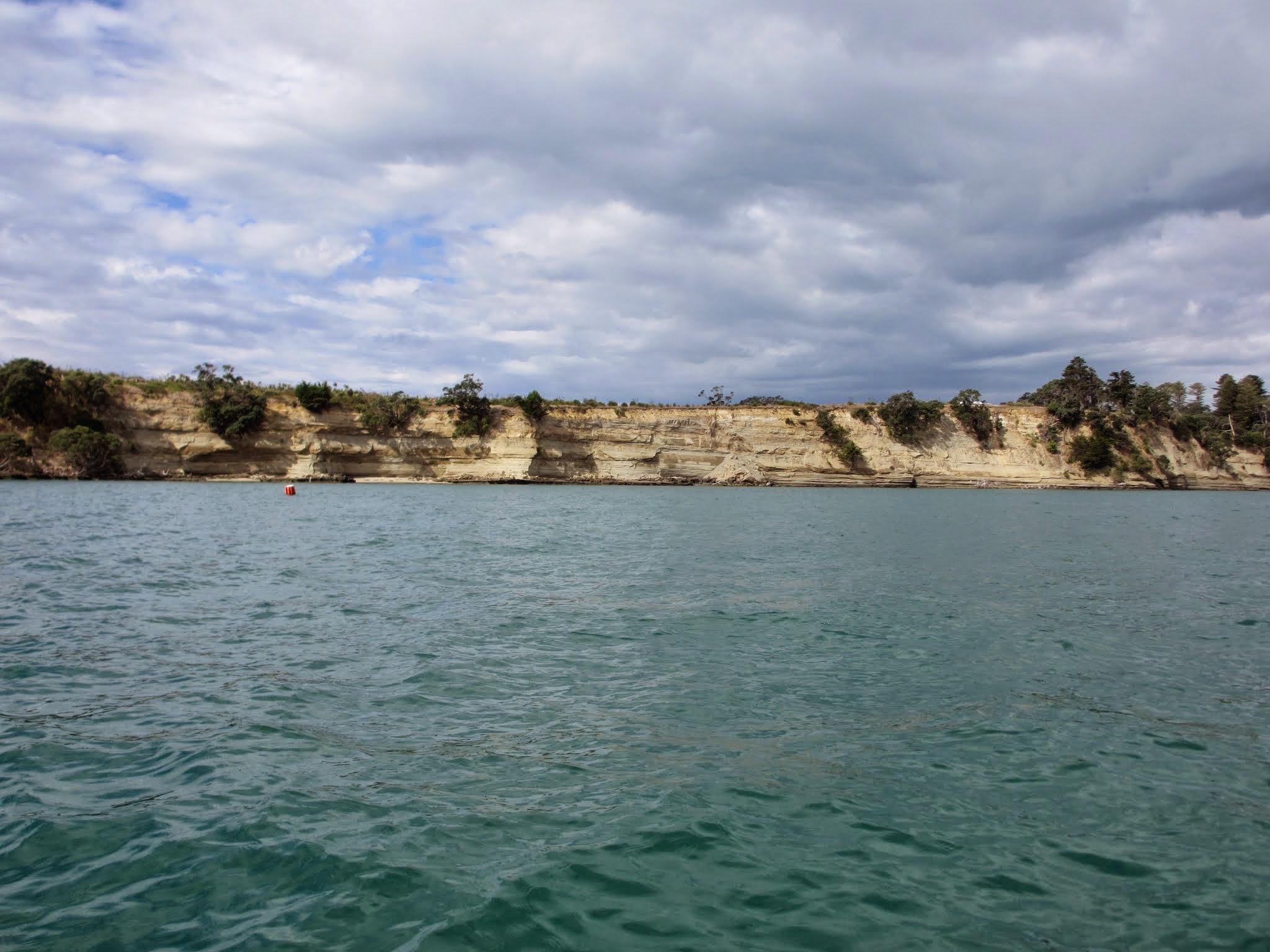
Below is a gallery of both anchorages, including our south side anchorage at Waihaorangatahi Bay and the north side, Takutairaroa Bay.

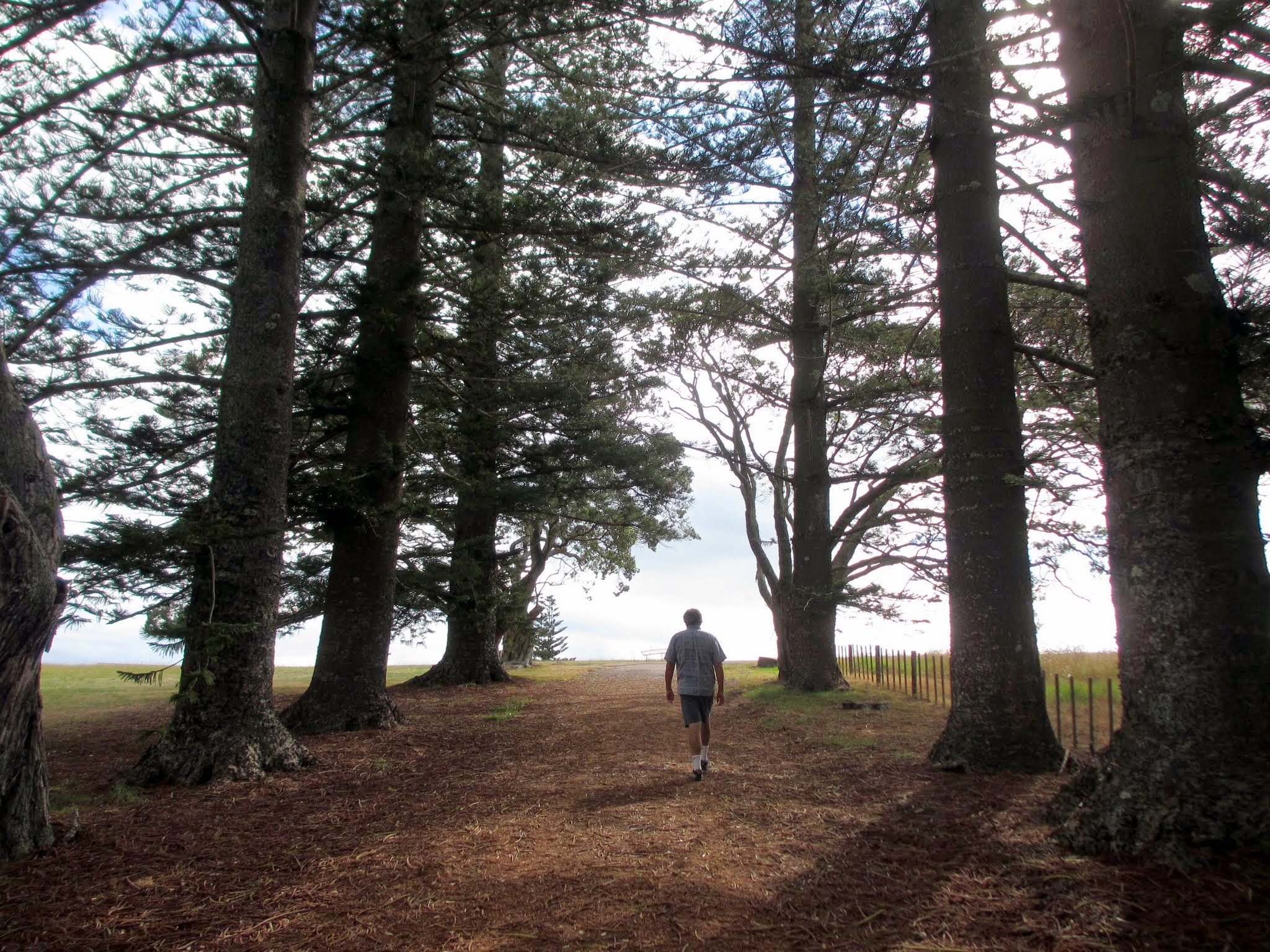
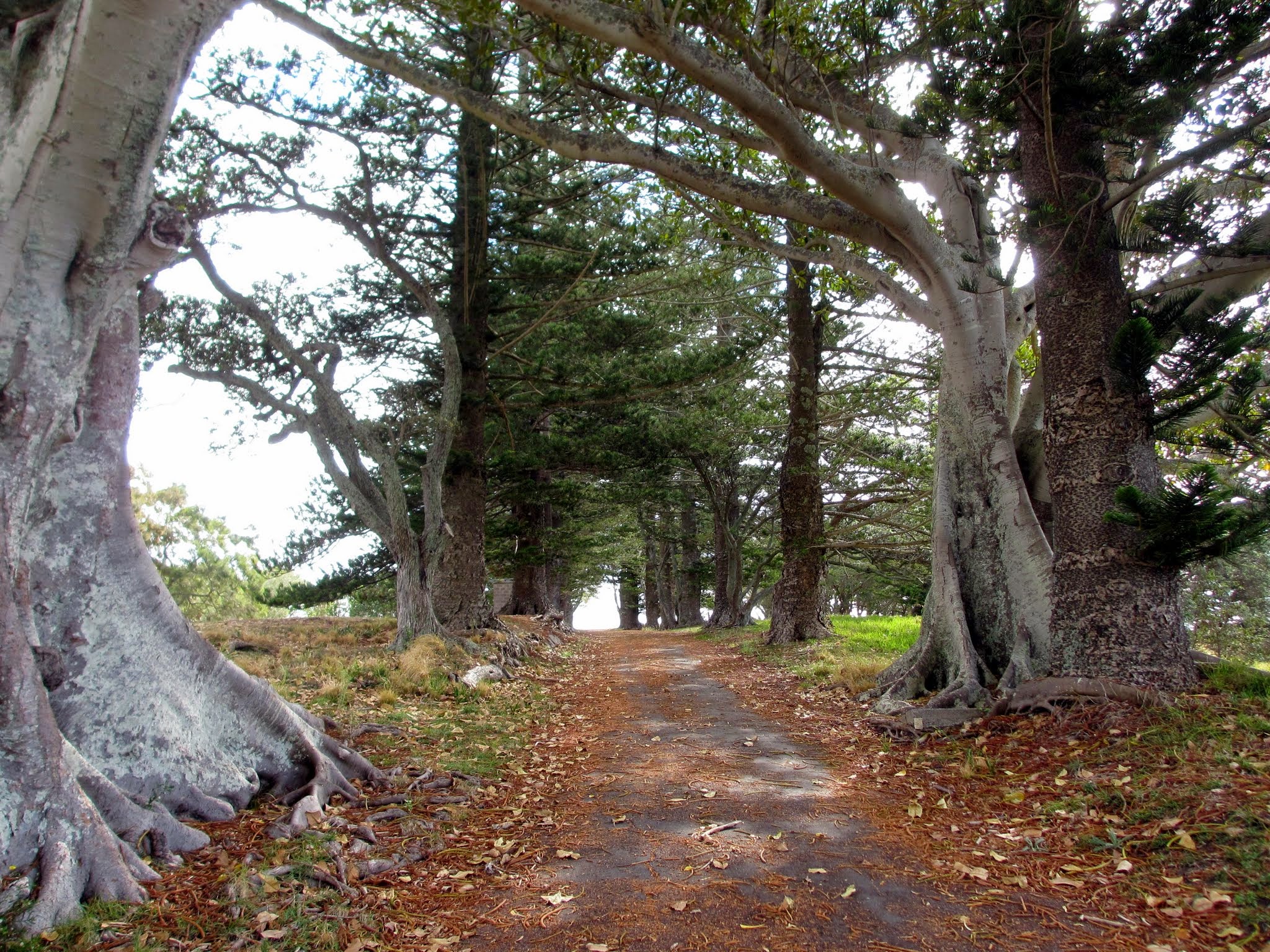
After we walked by the beaches, we headed over to the knob of land at the end of the arm. Yet again, we’d found an island that manages to have so many familiar elements in a totally unique combination. The path was lined with tall pine trees and a pair of gigantic rubber trees. Around us were little grassy hills and scattered trees. We knew this was a bird sanctuary island, and soon we spotted rosellas, colorful Australian parrots that now live in New Zealand, and kakarikis, New Zealand’s own green parrot. Pine trees, rubber trees, dry grassy slopes, and colorful parrots. You don’t see that every day.

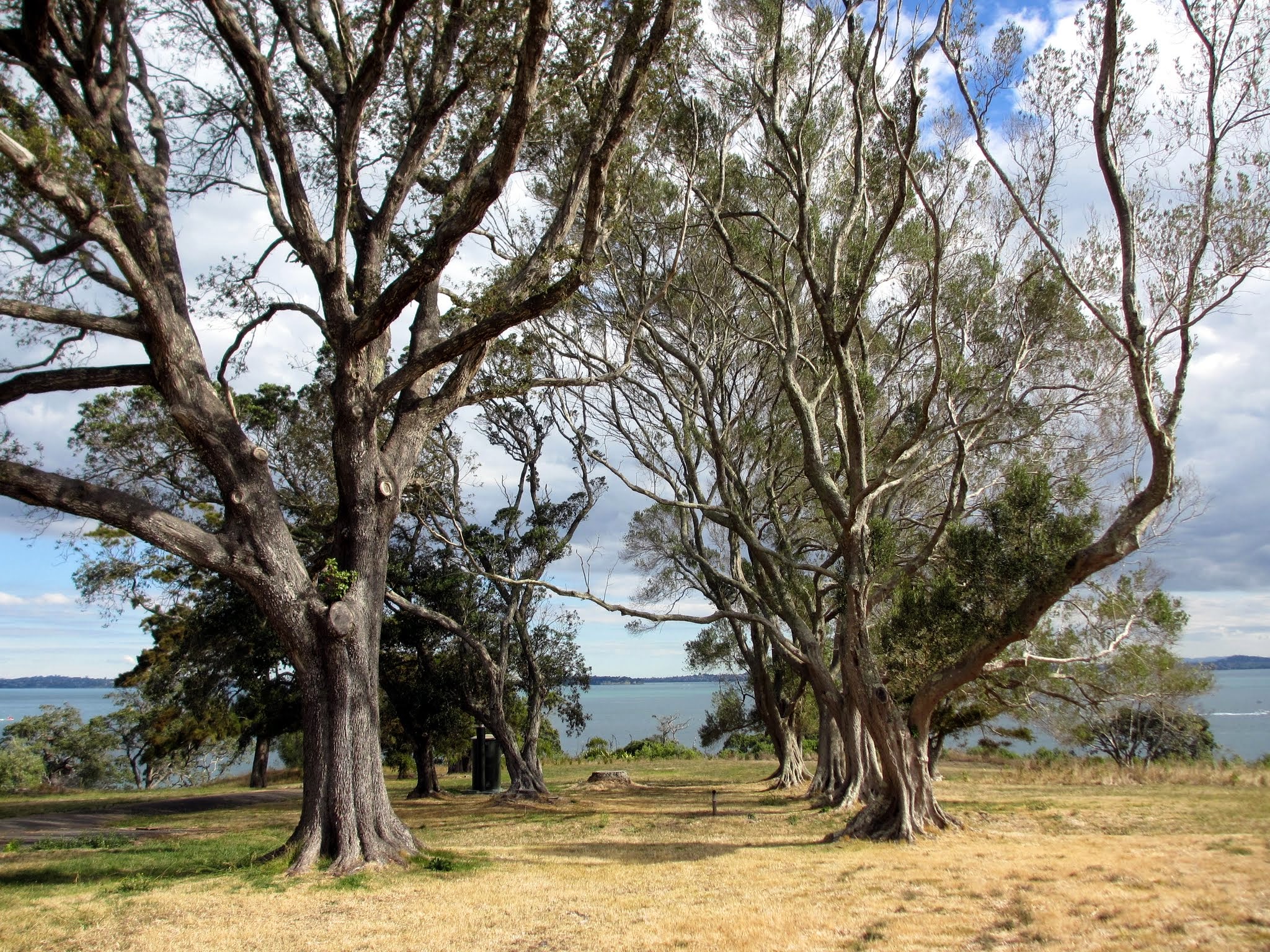
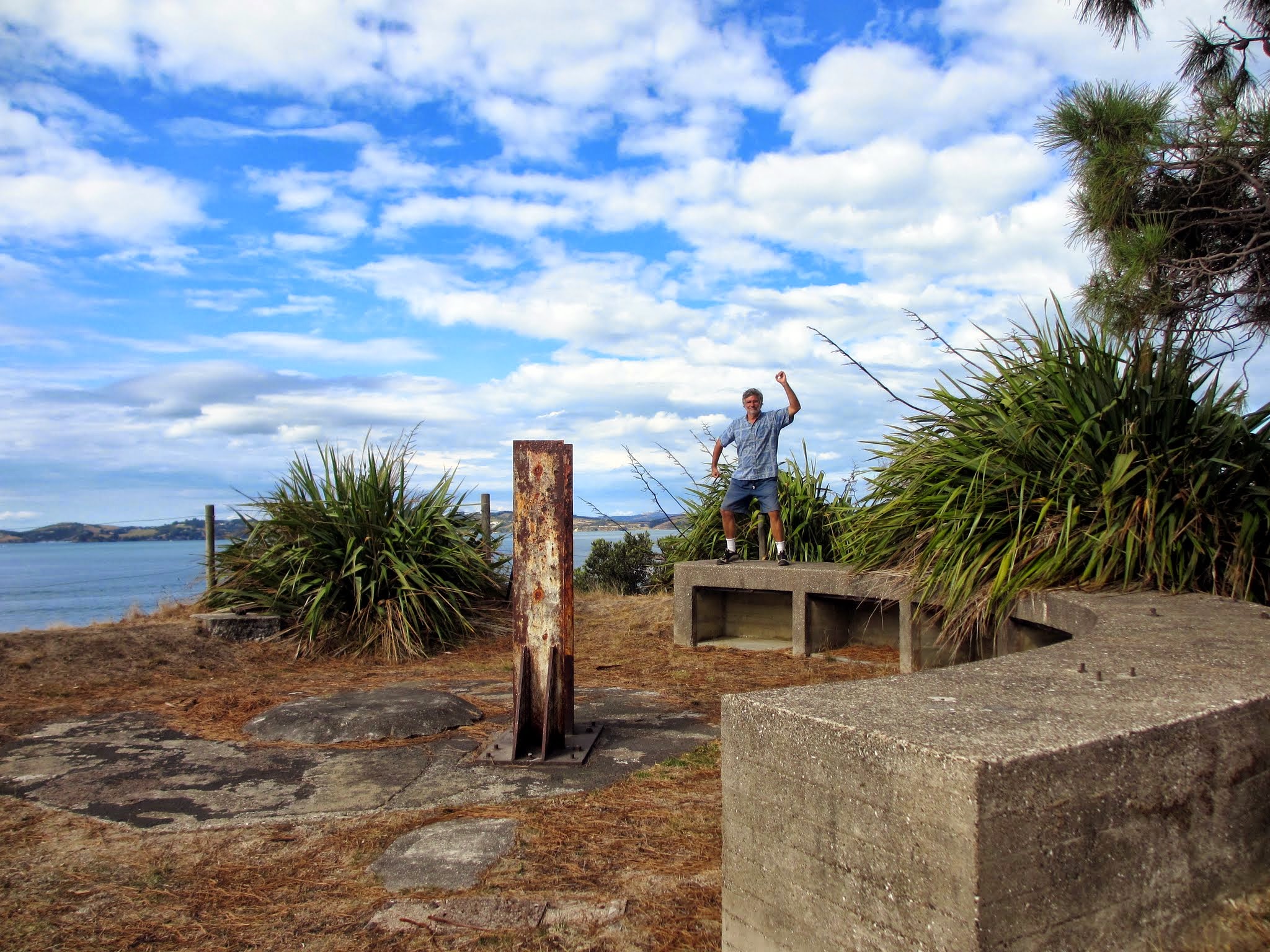
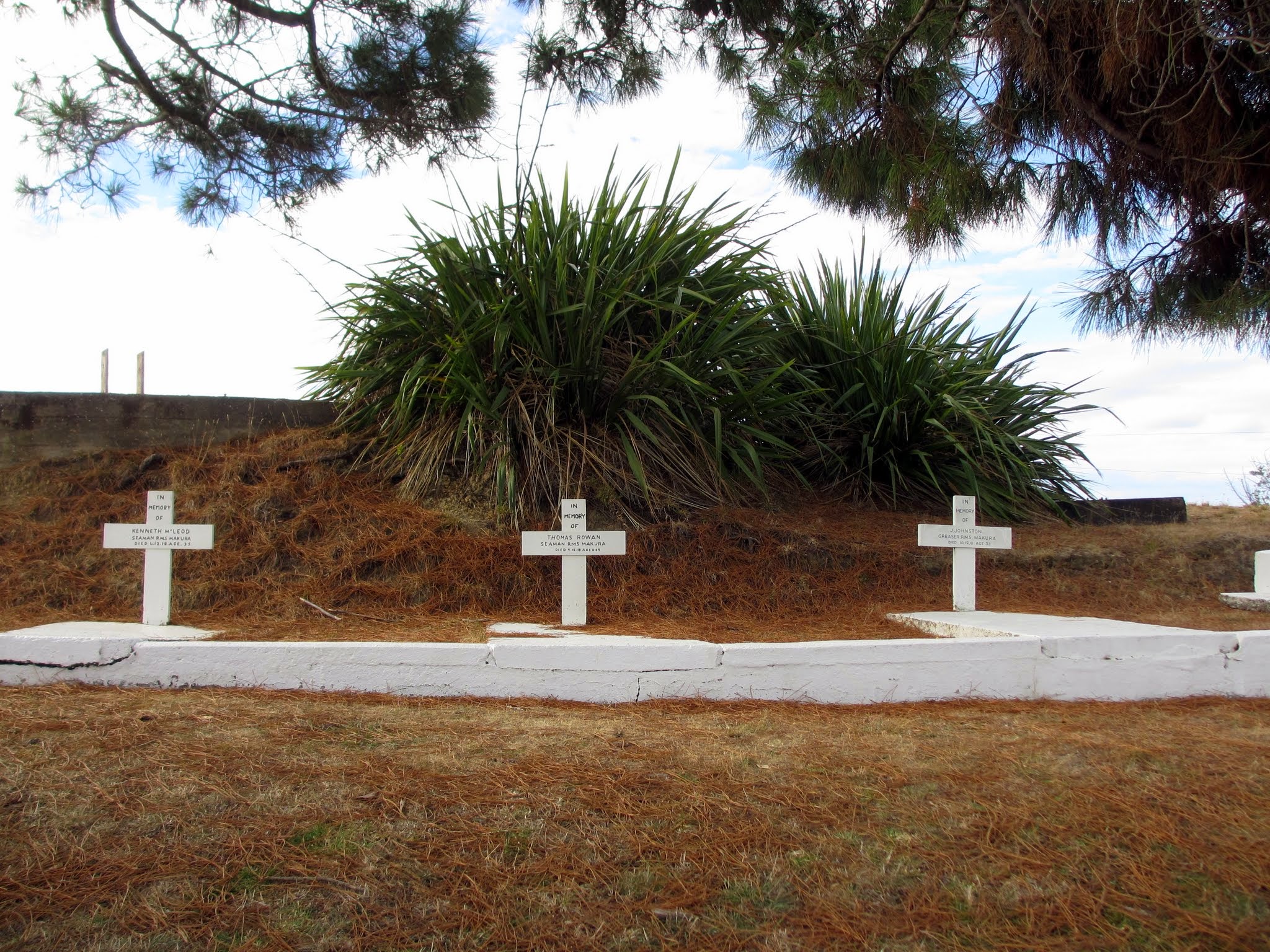
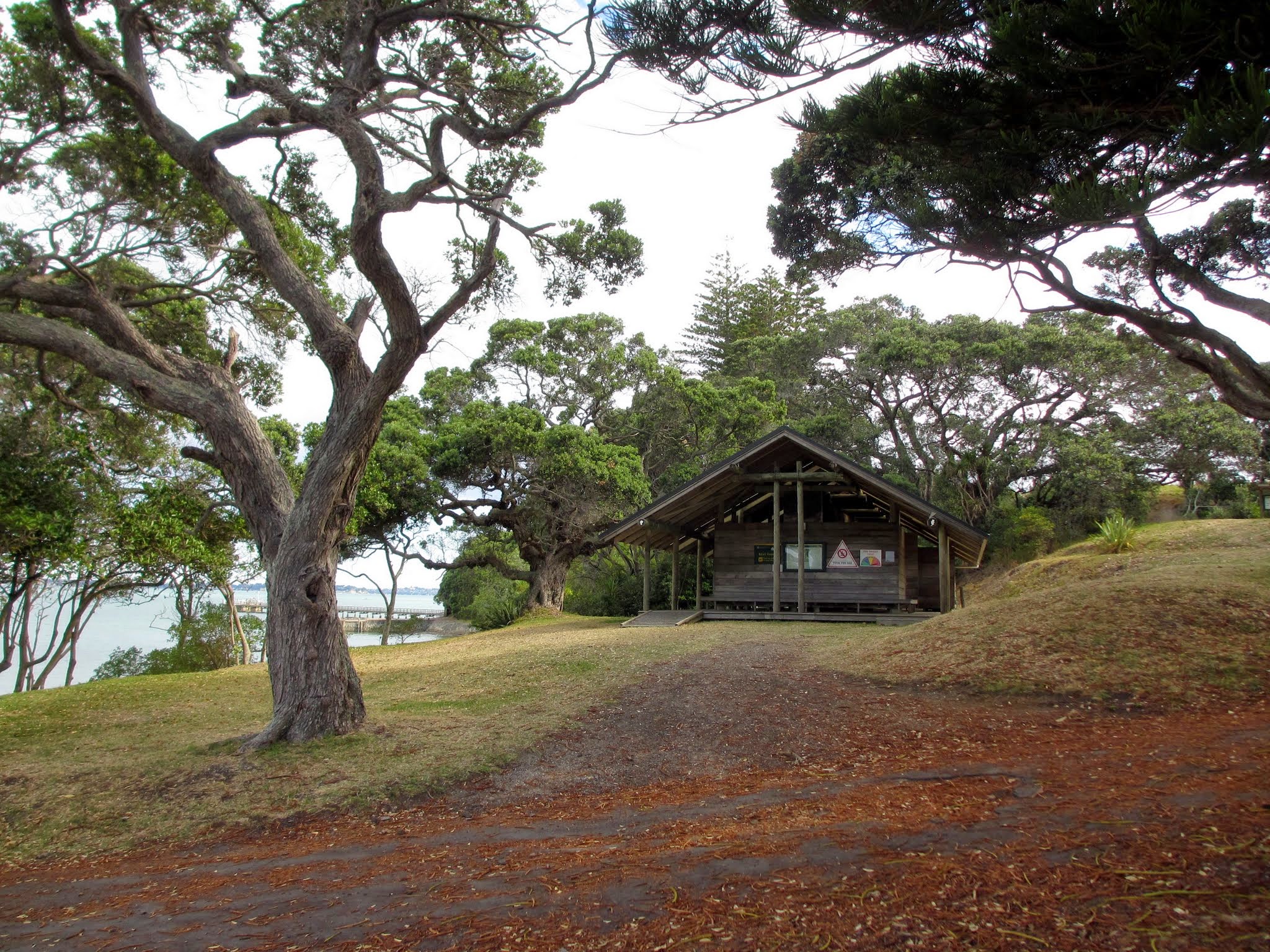
We went out on the knob of land to visit a historical site. During the 1917 Spanish flu epidemic, victims were quarantined here. What remains of that sad time are the ruins of the isolation hospital and a small graveyard. We paid our respects then walked around the area which was quite beautiful. The combination of little grassy hills and large trees was striking. And like Rakino Island nearby, there was a prevailing sense of peace, calm and quiet around this island.

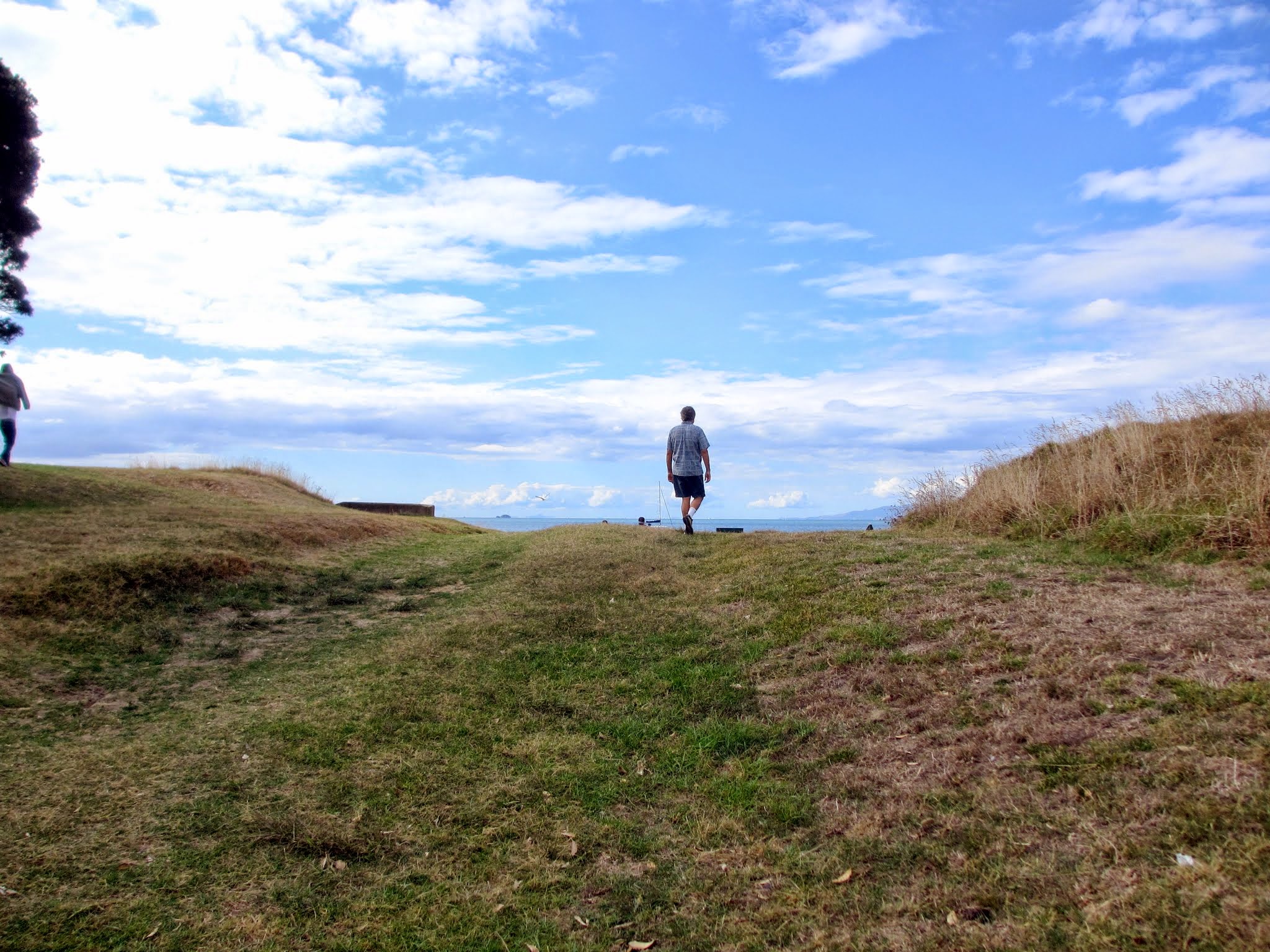
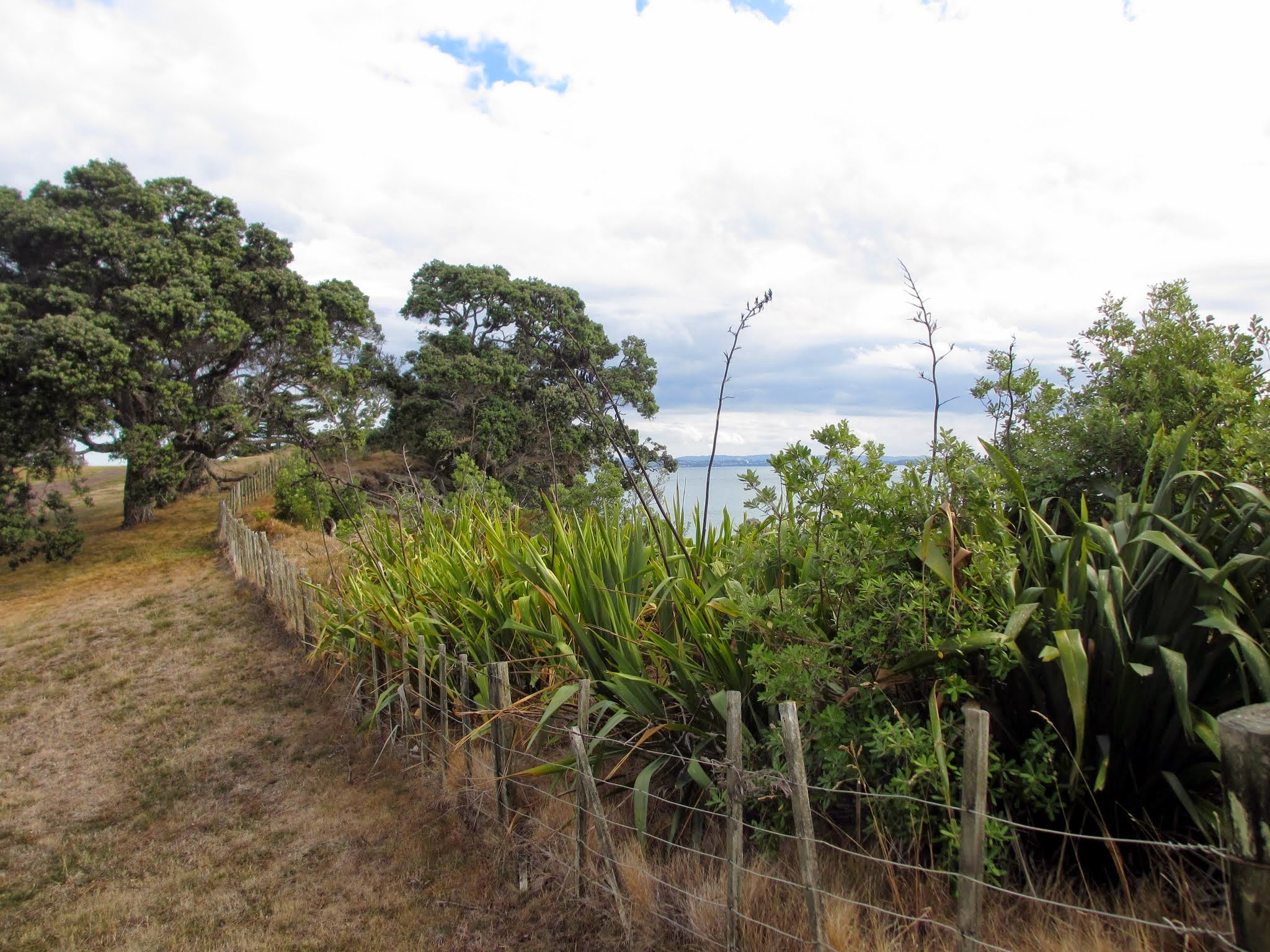
We continued our walk, going down a path to another area of the island, drier and grassier than the knob area, but very nice. Motuihe Island is beautiful place.

Below is a gallery of pictures from our afternoon at Motuihe island arranged in no particular order. I hope they convey the feeling of the place.  As always, click to enlarge and scroll.–Cyndi

The South Hauraki Gulf (New Zealand)

April 7, 2013

The winds had passed and the sun was out. It was time to head on to the next leg of our journey: the south Hauraki Gulf.

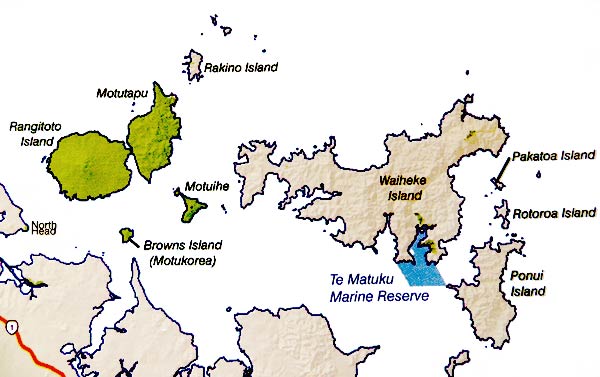
My first impression as we headed into it was to be amazed at how close all these islands are, both to Auckland and to each other. The south Hauraki Gulf is fairly large, but the islands themselves are close together, only a mile or two apart at most.

This map shows the islands of the south Hauraki Gulf. Rakino is the island we visited before we went to Auckland.

My next impression was that these islands are drier and grassier than those of the north Hauraki Gulf. With the exception of Rangitoto, the big volcanic island, these islands have supported livestock. They are still beautiful, but in a more grassy pastureland way. It gives the place a very different feeling from the north Hauraki Gulf: sunnier, more windswept and beachy.

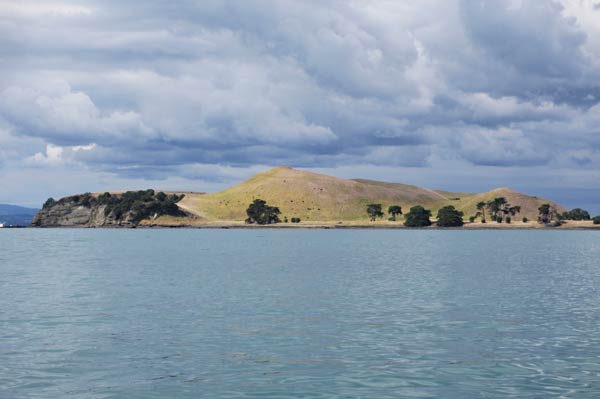
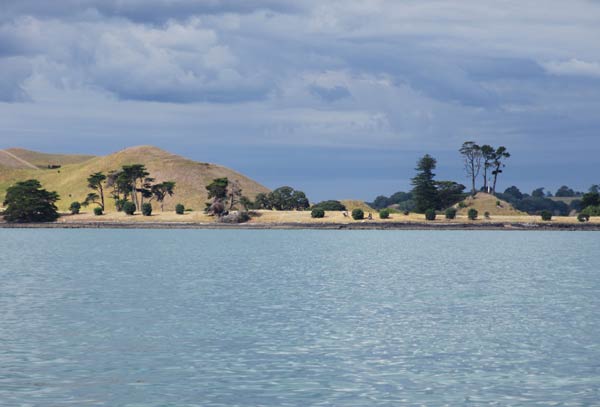
The first island we came across was Browns Island, actually the remains of an ancient volcano. It’s very small (about a mile long) and right outside of Auckland, popular with kayakers and as a stop for small boats. It might be possible for Legacy to anchor there, but only as a day anchorage and we’d need no-wind conditions. It wasn’t in the plan and we passed it by, but it looks like a fun little place. Something about it just appealed to me, and I hoped to have another chance visit it someday.

Pretty little Browns Island. The north end . . .
And the south end.
And the south end.

Our third impression is that Aucklanders love to fish! Small launches (powerboats) were everywhere!

We’ve read that one in every four New Zealanders owns a boat, which probably means those who don’t own boats have friends or family members who do. I’ve noticed that in America, boats are seen as a luxury item, an indulgence. In New Zealand, boats are part of the lifestyle–how can you fish if you don’t have a boat? (The idea of not fishing would never occur to them.) There must be some good fishing in this area, but we felt no need to join in. We’d rather stay out of the fray and let them have at it. Besides, we were focused on getting to our first stop: Motuihe Island. –Cyndi
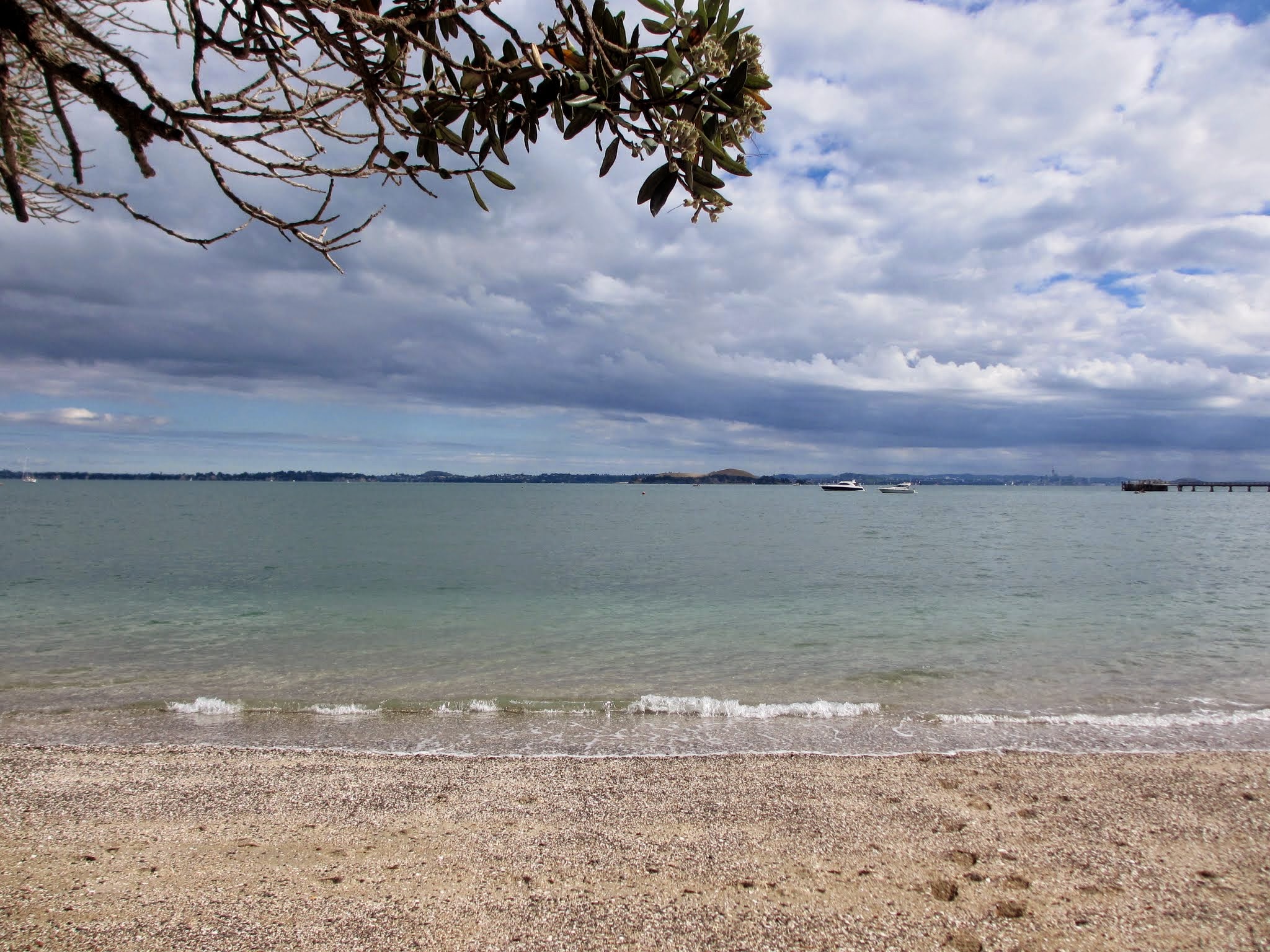
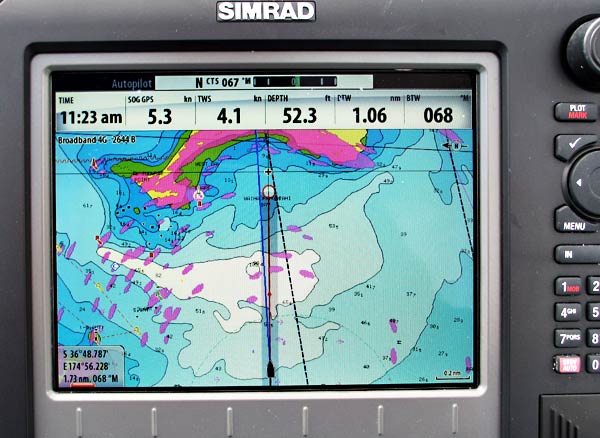
You can see the line of fishing boats between two of the islands.
All the fishing boats on our radar (the magenta blobs).

Pizza in the Rear-View Mirror (Auckland, New Zealand)

April 7, 2013

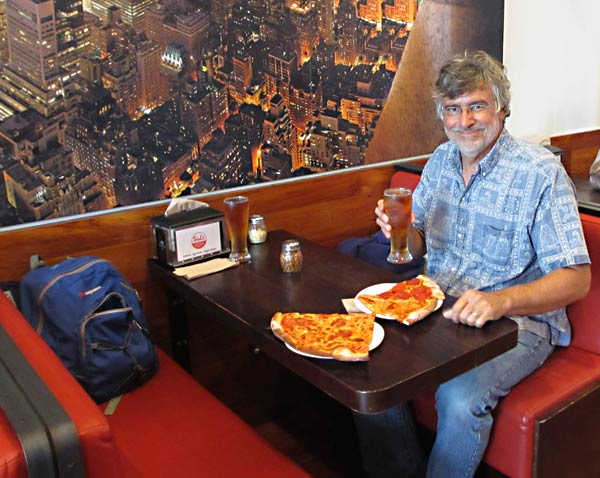
Pizza Again!
Pizza Again!

We’ve left pizza, and all the other wonderful things about Auckland life, behind to go back to the amazing islands of the Hauraki gulf and on with our continuing journey south to Tauranga.  We hope to be in Tauranga somewhere around 15 April.
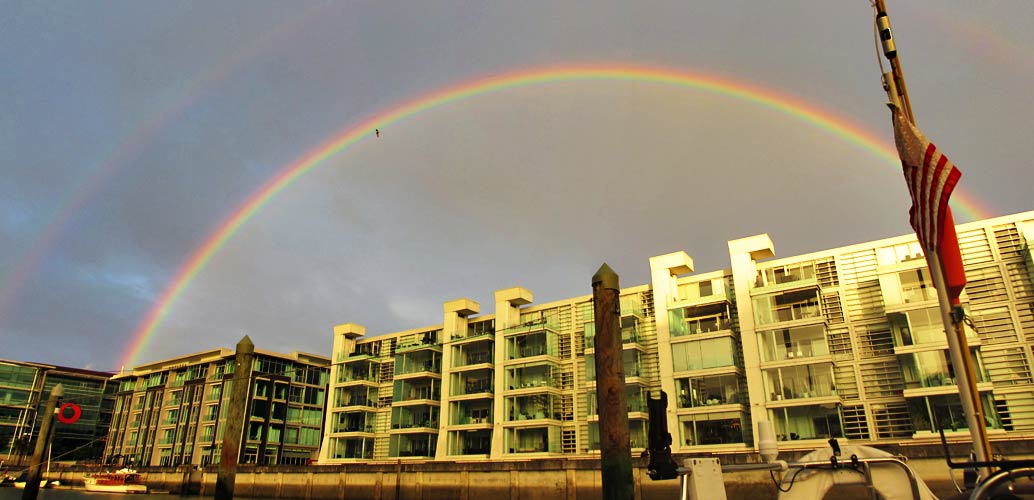
This rainbow was from the last of the weather system that sent us in to Auckland. A beautiful goodbye present! (Click on the picture for a larger image.)