Finding reliable navigation data out here is a challenge. I’m absolutely convinced that Navionics and C-Maps re-rendered versions of Captain Cook’s original hand-drawn charts. They are both wildly inaccurate. Satellite images are really the only way to go.
And it’s not always easy to find good satellite images. For years, we’ve been using a free PC program called SAS Planet to select the best satellite images from about 6 sources and make .mbtiles files that we can use in another free PC program (also on Android and maybe Mac) called OpenCPN.
Recently a cruiser we met introduced us to Offline Maps – a free Android App that views satellite images from several sources and saves them to your device so you can use them when you don’t have an internet connection.
There are several apps by that name. Make sure you get the right one. Here’s what the icon looks like:
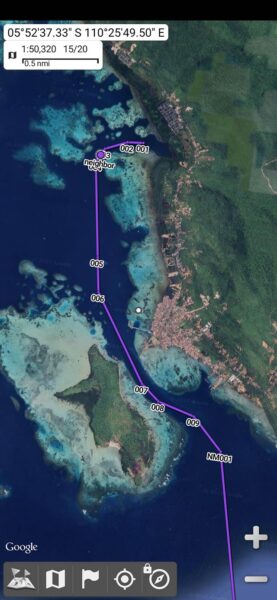
The app has a bunch of very useful features. Here are a few:
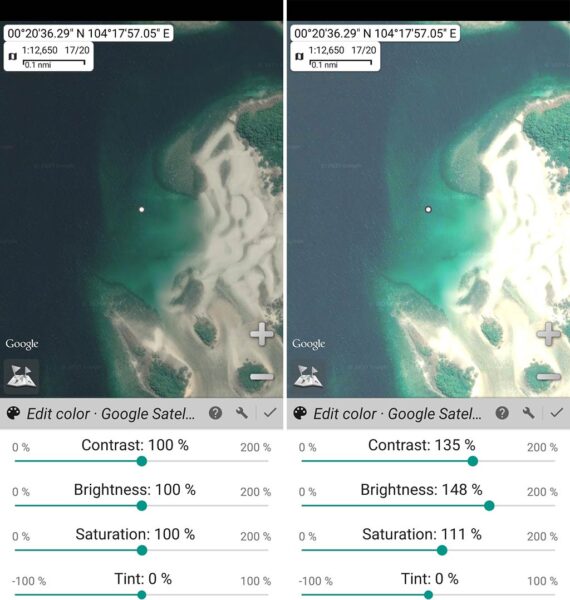
The app will show your real-time position and heading, as well as measured distance to any point.WIth a $5 add-on, you can import GPS routes and waypoints. This is very much worth the price and it’s nice to reward the developer for this great piece of work!A feature I’ve never seen anywhere else is the ability to adjust image properties. Sometimes an image is just too dark or gray to be usable. Tweaking contrast and brightness can really bring out the details you need in shallow water.
While the app is intuitive with a very well-designed user interface, you can really unlock its power by reading the help pages.
If you give it a try, I hope you find it as useful as I did.
We’re in Japara Bay on Java now, trying to get to Malaysia before September 4th – our visa expiration date. This was an unplanned stop. We were at Karimunjawa Island and couldn’t get cash from the single ATM there to buy fuel (they only take cash). Since we were low on fuel, we tucked our tails between our legs and ran back to Java.
Here’s a map of what we’ll discuss below:
Now, this morning, we started thinking about how to get to Malaysia. We have two choices: Peninsular Malaysia or Borneo Malaysia. We were planning to round the peninsula around Singapore but getting from here to there looks so hard! The Java Sea is challenging to say the least.
The entire area is very shallow. The water us muddy and the currents are strong. There are virtually no protected anchorages along the north coast of Java.
Here’s where too much information comes in.
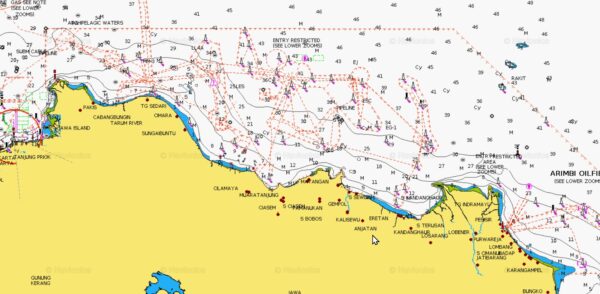
Naturally there are charts. Look at this mess:
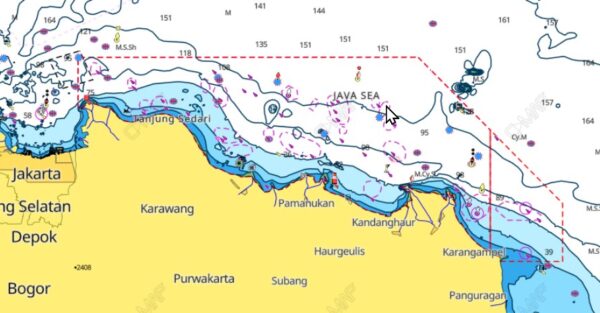
Only when I switch to C-Maps at a lower zoom can I see the problem we’d face getting to Jakarta from here: the Arimbi oil field. Here’s what that looks like:
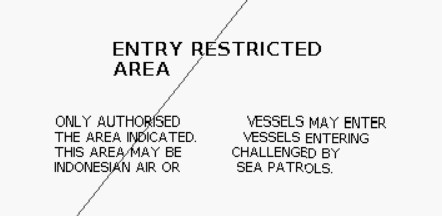
Finally, zooming to the exact right zoom level gives us a this note:
(With societies great advanced technology, somehow we still can’t make text read correctly on nautical charts!)
Day hops (Nope!)
I was plotting waypoints for day hops from here to Jakarta. Traveling at night near the coast here is foolhardy with all the fishing boats, fishing apparatus, and other hazards. For that I get advice from two sources: Zulu Waterways and No Foreign Land.
It was on Zulu that I found this:
This is an amazing post someone created with links to many sources. More information! Great! Aaargh!
It was here that I found SV Ah Ma‘s brilliant post about their trip from Karimunjawa to Jakarta. This was a turning point for me. Nope. I don’t want to go to Jakarta! This is also where I found mention of the oil field. It took another hour to find out exactly where this was. Right smack dab between us and Jakarta.
Grateful But Would The Simpler Days Have Been Better?
Naturally, I’m grateful for all this available information but after pouring over it for hours this morning, I think maybe I’d have liked the days when you wake up, feel the wind, look at the sky and if those are friendly, you set sail.
Queensland, the state encompassing northeast Australia, boasts some very special attributes including a tropical climate, natural beauty, diverse wildlife, and the 1,400-mile-long Great Barrier Reef that runs parallel to its coast. There’s a stretch of sea between this reef and the mainland that contains hundreds of islands.
It’s easy to take a moment to imagine this calm sea, glittering in the tropical sunlight and dotted with with islands. Many of these islands feature lovely beaches with soft, light sand and gracefully arching palm trees. The water is warm and clear, with areas of coral reef, tropical fish, sea turtles, and at times, migrating whales. Close by is the world’s largest coral reef (the Barrier Reef), a major attraction for divers and snorkelers.
Add to this the fact that this watery wonderland is accessible, located in a first-world country that’s already one of the world’s top tourist destinations. Considering the fact that Aussies love to travel around their own country, it seems a given that such a place would be chock full of island resorts.
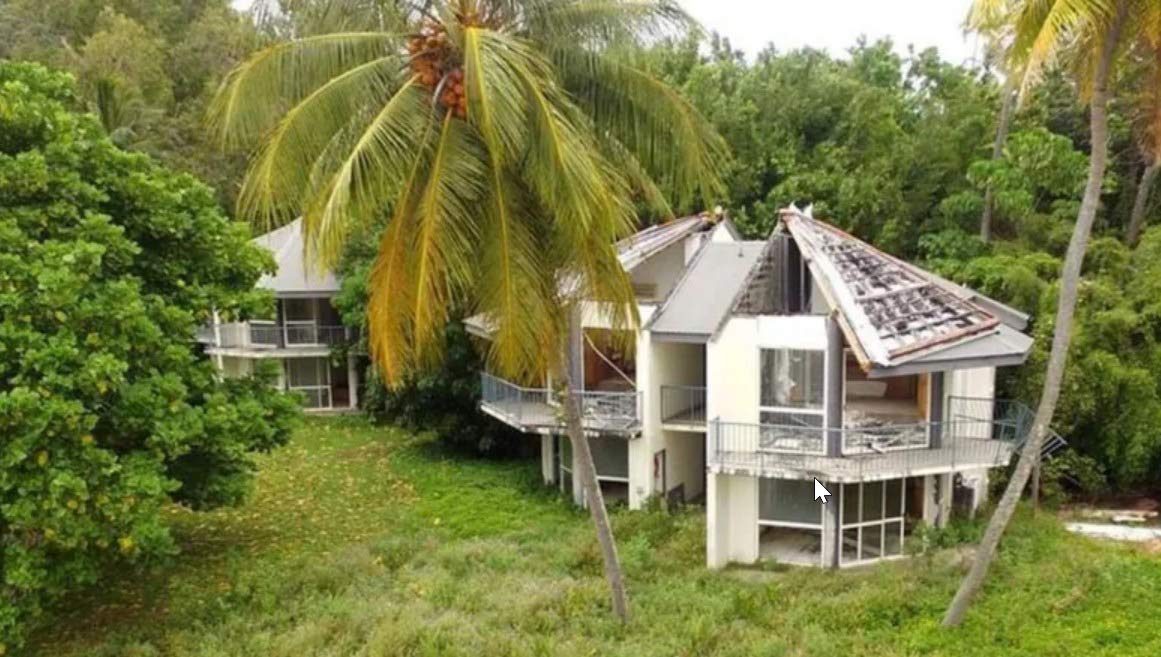
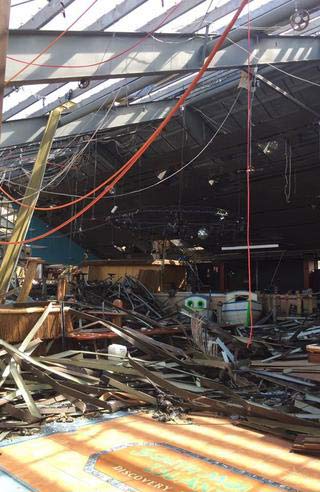
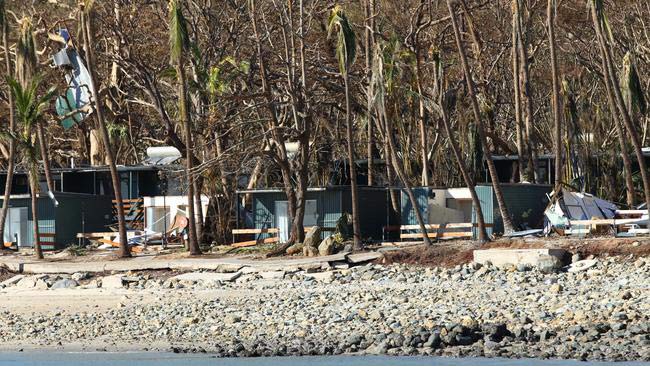
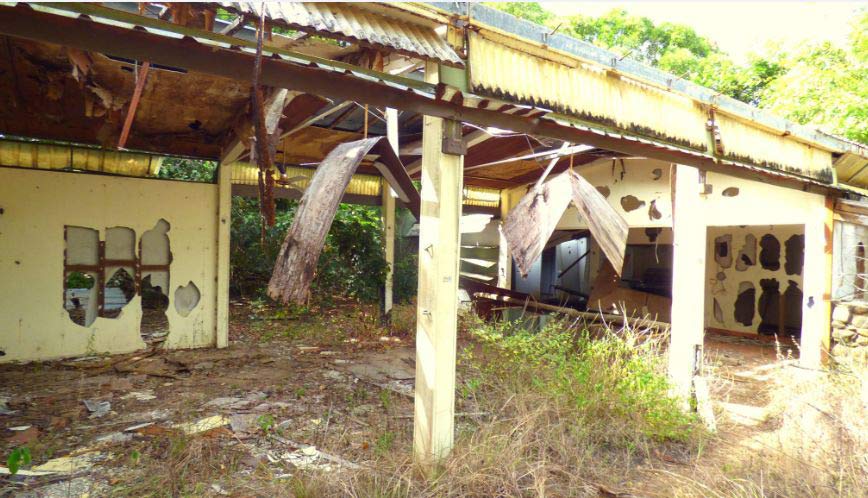
And once upon a time, it was! At its peak, the region boasted some 35 resorts spread across 29 islands. During their heyday, these were lively, popular places. Today, only a handful remain open, while the rest lie abandoned, derelict, and in varying states of decay. One has to wonder, what happened?
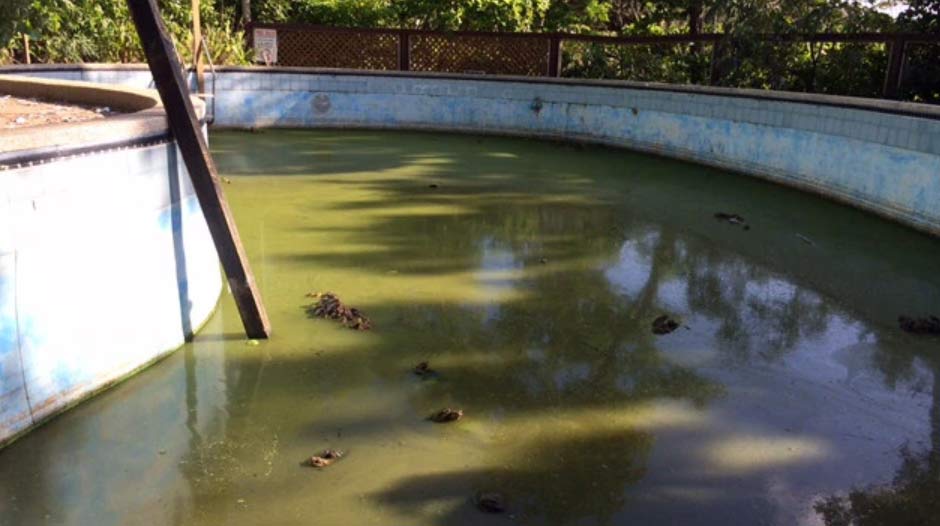
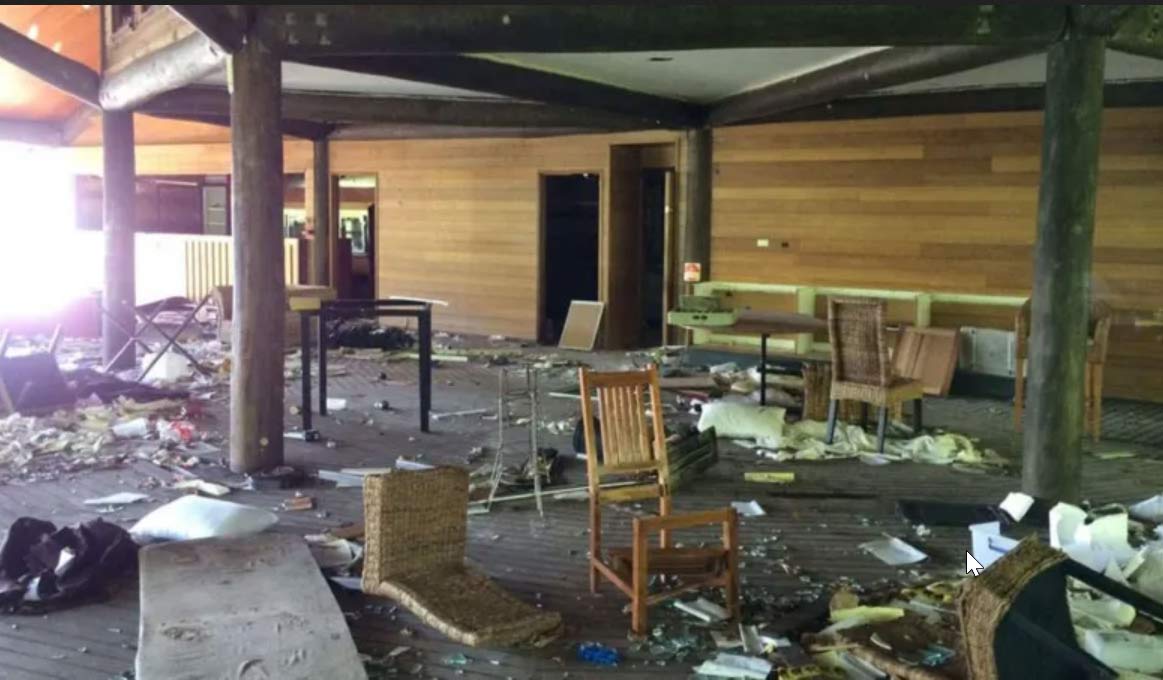
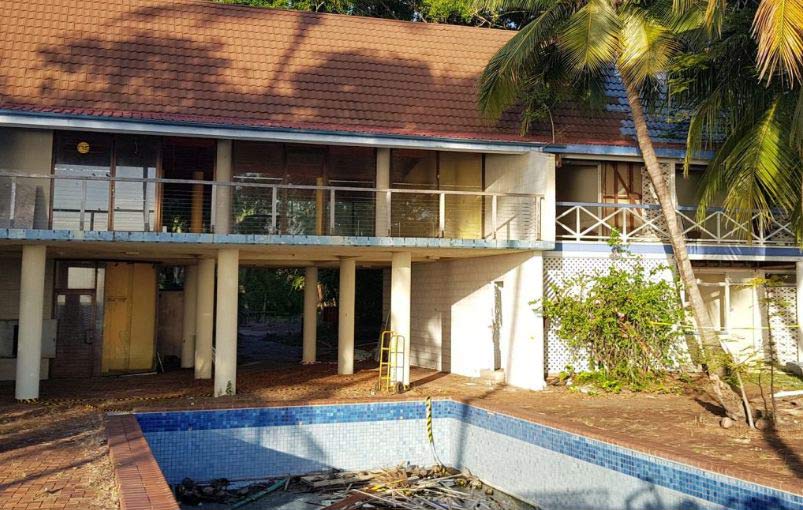
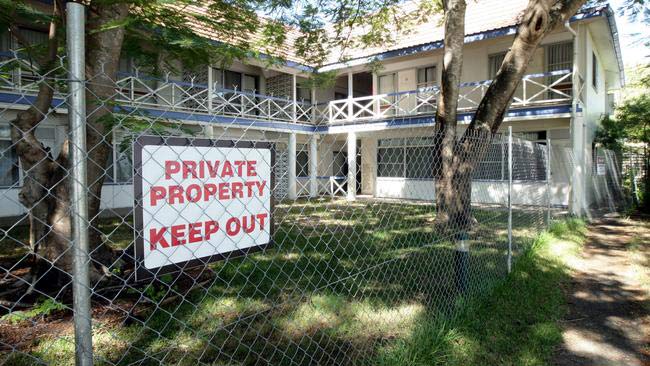
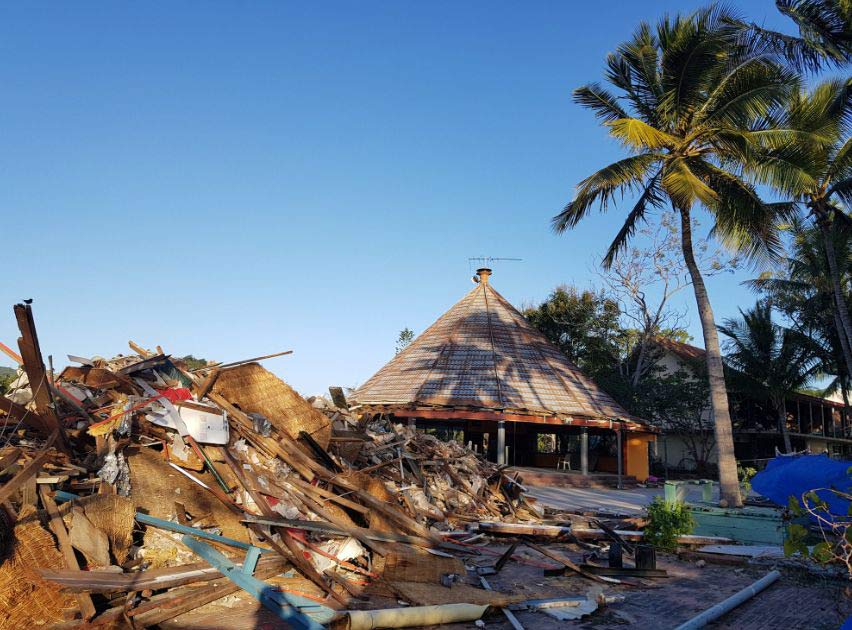
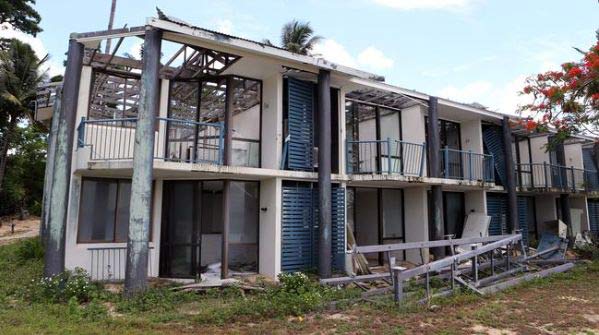
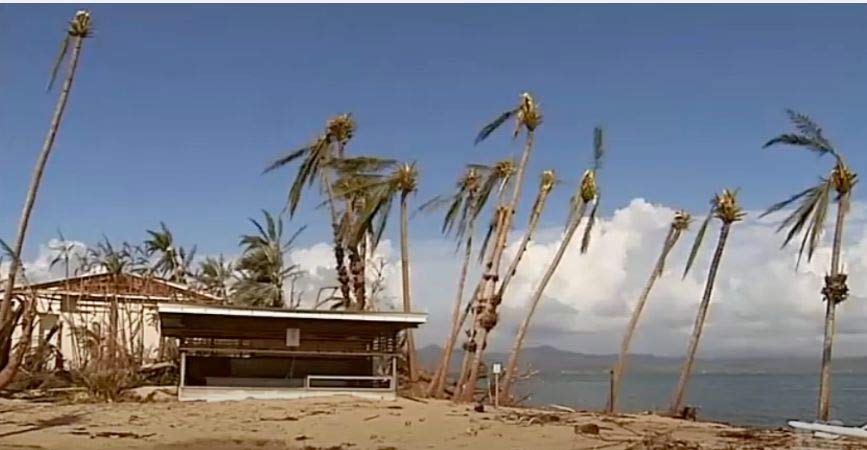
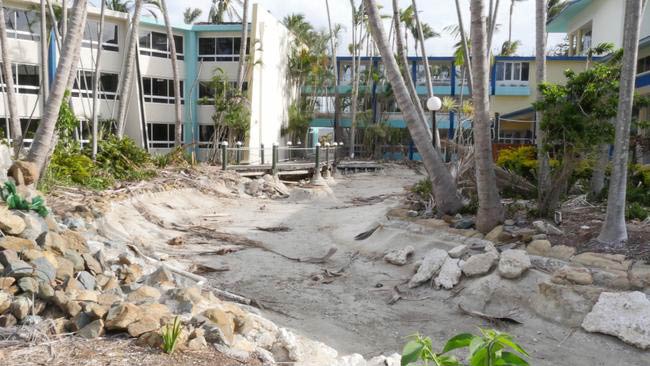
(Below, some photos showing how a few of the once-attractive resorts look today.)
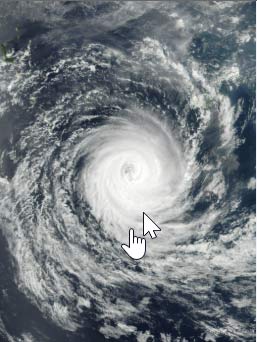
At first glance, the answer appears obvious: cyclones have wreaked havoc on the resorts. However, a closer examination reveals a far more complex story. In actuality, the abandoned resorts were already struggling before the various cyclones that hit them occurred—the storms simply delivered the final, fatal blow. The real question is what led to the resorts’ decline in the first place.
Birth, Expansion, The Golden Era, Decline, and Death: The Queensland Resort Story in a Nutshell
Birth, Expansion, and the Golden Era
The origins of many of Queensland’s island resorts actually goes back quite a ways, with most founded in the first half of the 1900s. It was in the 50’s and 60s, however, that they were constructed into then-modern buildings suitable for mainstream tourism, and those are the structures that remain today.
During the 60s and 70s, these resorts enjoyed a heyday, attracting plenty of Aussie and international tourists. However, their true golden era appears to have been in the 1980s, when major Australian airlines like Ansett, Air Australia, and Qantas owned several resorts. These airlines leveraged effective advertising and package deals to attract new customers. A few newer places also cropped up, including a Club Med on Lindeman Island in 1992. Remarkably, it remains the newest—and last—of the significant resorts and now lies abandoned.
(Note: I’m excluding Hamilton Island from this discussion because its size and scale set it apart. With upscale houses, resorts, an airport, a marina, as well as a supermarket, shops, and restaurants, it’s a small resort city and in a category of its own.)
Factors Ending the Golden Era, leading to Decline and Death
Airline Deregulation
In the 1990s, deregulation dealt a severe blow to Australia’s major airlines. Many either went bankrupt or sold off their small island resorts, transferring nearly all of them back to private investors by the end of the century. In my view, this was the main factor that signaled the end of the Golden Era.
The High Cost of Doing Business
According to one source, it was in the 1990s that the costs of operation started to catch up with the island resorts. The cost of accessing the islands by boat or plane, combined with rising insurance premiums, began eroding profits. At the same time, aging resort structures demanded ever-increasing repairs and maintenance.
Additionally, quality resorts must stay current with renovations and decor to avoid losing customers. While budget hotels can survive being seen as ‘dated,’ high-end resorts cannot. Needless to say, maintenance, repairs, renovations, and updating design and décor come with significant costs.
Changing Consumer Expectations
As the resorts were aging, another change was taking place, and that was in the consumers. I don’t know if this change has a formal name or is widely discussed in the tourism industry. I simply recognize it because I’ve been around long enough to witness it first hand. I would call this a fundamental change of attitude in the middle class that has evolved over the last 60 years, where many have gone from thinking of travel as a privilege to thinking of travel as an entitlement.
As a Baby Boomer, I can attest to what middle-class, Western culture was like in the 60s and 70s. Most families traveled by car to their holiday destinations. Flying was a luxury and a special occasion. “Exotic” trips typically meant visits to national parks, nearby islands, or a neighboring country (for my American family this was Canada or northern Mexico). Destinations like Asia, Africa, Europe, and South America were largely reserved for the wealthy.
When we did travel, we considered it a privilege, and as a result we didn’t much look that gift horse in the mouth. In other words, we were willing to overlook inconveniences in exchange for beautiful scenery or simply the thrill of being on vacation.
I would venture that things started to change sometime in the 80s. Airline deregulation led to lower fares and greater travel options for the general public. People were also traveling more for business and thus were accustomed to jetting off. These business travelers came to expect a higher level of service and luxury–far beyond the offerings of budget chains like Motel 6 or Howard Johnson.
Young people were also traveling more, and becoming more sophisticated in their tastes. Television, movies, and later social media, exposed people to new possibilities and the experiences of other travelers.
As a result of these factors, I believe today’s consumer simply expects a higher-quality experience than did travelers half a century ago. They expect to get their money’s worth and become very dissatisfied when they suspect that’s not happening.
I noticed this dynamic play out as I was reading reviews for one of the refurbished island resorts. It was interesting to see a dramatic division between the people who enjoyed themselves versus those who didn’t, a fascinating example of the “privilege” mentality vs the “entitled” mentality.
The “privilege” travelers (likely Baby Boomers) were simply grateful for the opportunity to visit a pleasant destination where they were catered to. As long as the food was decent (as in maybe not great, but acceptable), the scenery nice, the staff friendly, and they had a good time, they weren’t bothered by things like frayed curtains, dated décor, mildew, low-quality towels, spotty housekeeping, elevated prices for food and drink, temperamental air conditioning, or an unheated pool.
The “entitled” travelers, however, knowing they are spending more to visit an island resort, expected better. They very much noticed—and were made unhappy by—the above shortcomings.
One “privilege” reviewer, frustrated by the number of negative reviews for the resort, remarked, “These people must not have traveled much.” I would argue that those reviewers have probably traveled quite a bit and have clear sense of what a given dollar amount affords them elsewhere. Which leads me to the next factor.
Competition from Foreign Countries
Airfares are lower than they used to be, and many countries have simplified their entry processes to make international travel easier. Cheaper labor in developing countries and favorable exchange rates allow travelers to stretch their dollars further.
So it’s not a surprise that island resorts on foreign shores can pose stiff competition for their Australian counterparts. As one article aptly put it: “Why would someone who can afford a five-star resort choose to go only a few miles offshore?” I would add, “especially if the local option offers only a standard-level resort for the same price as the more upscale alternative abroad?”
Cyclones
It’s no secret that Queensland’s summer is cyclone season, but that doesn’t deter as many island resort guests as one might expect. Yes, the weather is hotter and rainier and there’s always the chance of a cyclone, but the risk remains relatively low. And with the effectiveness of modern-day weather forecasting, people have plenty of time to evacuate. Cyclone season travelers risk being inconvenienced, not losing their lives.
The upside to cyclone season is the opportunity to secure discounted rates as it’s “low season.” In regions like the South Pacific islands and the Caribbean, many tourists intentionally travel during cyclone season to take advantage of the savings.
In fact, the aftermath of cyclones can be more problematic than the cyclone itself. While a resort may survive largely unscathed, the beaches and surrounding coral reefs often suffer significant damage. As a result, a once-wonderful snorkeling reef near the resort may remain subpar for an extended period—three to five years or even longer—while it recovers. This can be a significant disappointment to returning guests who struggle to understand why the reef isn’t as they remember it. One guest at a cyclone-damaged, refurbished resort actually complained, “They aren’t maintaining the reef!”
Jellyfish
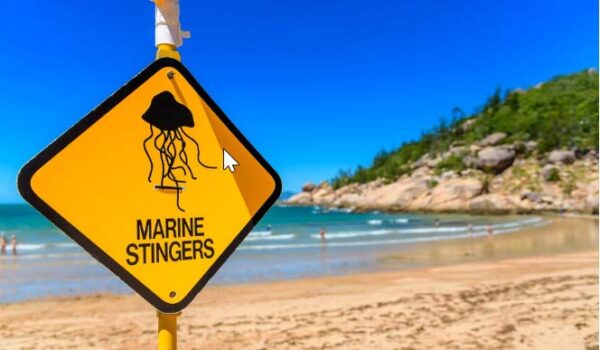
A bigger problem than cyclones, I believe, is the presence of deadly jellyfish (irukadji and box jellies) that ply northern Australia’s waters from October thru May, encompassing summer and the surrounding months. It must be problematic to have a seaside resort that’s un-swimmable for more than half the year.
Actually, a person can reduce the risk of jellyfish stings by wearing a stinger suit that covers the body, along with a hood, gloves, boots, and a mask and snorkel to protect the face. While this type of suit is perfectly suited for diving and snorkeling, it’s far less appealing for a casual dip in the ocean, especially in hot weather and warm water. After all, who wants to add more layers when it’s already hot?
This brings up a couple current issues for modern day hospitality businesses.
The Informed Consumer
One interesting issue may well be the internet and the increasingly informed consumer. In the past, not only were international visitors unaware of the jellyfish problem, but many Australians from the southern regions were as well. Even today, I came across a review from a disgruntled Australian who complained about not knowing he and his family would need stinger suits to swim until they arrived at the resort.
It’s not a surprise that some people don’t do their research. In the past, resorts might have dismissed these guests with an attitude of, “Everyone knows this except you, you ignoramus.” But now, that same ignoramus can post a review on Google; informing other ignoramuses, putting them “in the know.”
This brings me to a related issue:
Google and Trip Advisor Reviews
People can now leave reviews for everyone to read, which has put a lot of power into the hands of the consumer. This shift likely contributed to the downfall of at least one resort hotel on the Queensland coast.
There was a time when remote resorts with a high guest turnover could simply let unsatisfied customers go on their way, because there were always new guests coming who’d be clueless about a place’s misrepresentations and shortcomings. I think lots of small resorts (worldwide—I’m not picking on Australia here) were able to exist because the “uninformed guest” factor. Those days, however, are gone.
Hopes for Resort Revivals
The Rise of the Investor “Saviors”
A quick search for any closed Queensland resort will likely reveal headlines announcing its purchase by an investor or investment group with ambitious plans to redevelop the property into something grander. The islands’ history of popularity and profitability has been irresistible to some investors, particularly foreign ones who may not fully understand the challenges of the region.
The majority of these investor purchases occurred during the first two decades of the 2000s, These purchases were accompanied by significant news media fanfare, as outlets eagerly reported the sales and provided updates. The media had a consistent party line: “The property is now being redeveloped into a new luxury resort!,” creating the impression that construction was already underway, which it never was.
The problem was that many investors had the funds to purchase the property lease and create ambitious plans, but they depended on securing additional investors to bring those plans to life. In the meantime, a crisis would inevitably arise—a cyclone, the 2008 financial crisis, legal troubles for the investment group, or a similar challenge.
Ultimately, unable to attract additional investors, the initial investors would lose interest, leaving the properties to deteriorate or putting them back on the market. Occasionally, another investment group would step in, only for the cycle to repeat itself.
Community Support
Investor purchases are always met with enthusiastic support and fanfare from local communities, eager to revive the golden years when these resorts provided hundreds of jobs—not just on the islands, but also in the mainland gateway towns serving as launching points for visitors. People cling to the promises made by these investors, and even when it becomes clear that they are unlikely to deliver, the locals will staunchly defend them to the bitter end.
It would be sad to see the local communities be disappointed, but they remain steadfastly optimistic, sure that some new investor will be coming along at any minute. As one source put it, “So there are great obstacles to overcome, but the benefit and the value of those islands as a tourism destination really can’t be overstated.” I hate to break it to them, but yes, it can be overstated–and by quite a lot.
The Case of Great Keppel Island
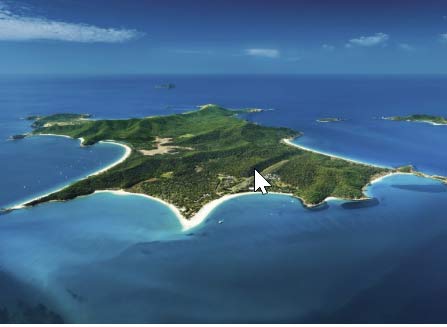
The saddest case is likely that of Great Keppel Island. In 2006, an Australian investor acquired the lease for the island’s main resort, which was once thriving but now sits abandoned, and made promises to refurbish it. At this point, the investor had the support of everyone!
However, after a period of quiet, he re-appeared with an updated plan for a huge development with a much bigger resort, numerous homes, two golf courses, and a casino! It seemed he envisioned making Great Keppel more like Hamilton Island (which would have completely ruined the natural environment of this island).
This proposal divided the once close-knit community terribly, with lifelong friends now not speaking to each other, and even death threats made to those who opposed the large-scale development. The pro-resort side didn’t care about the ecosystem of the island: they wanted the jobs it would bring. When the investor didn’t get his big casino license approved, he changed his application to request a license for a “boutique” casino, with just 35 tables for the high rollers.
The investor wanted to use this license to attract Asian investors for the money he needed to actually build the development. The pro-resort locals were not only on board with this idea but saw it as a lifeline. They were all about that boutique gaming license, and the threats continued against those who opposed it. This led to significant division in Queensland, fracturing both the local population and the political landscape.
I will note there is one thing the pro-casino locals didn’t seem to realize: high rollers travel to cities like Las Vegas, Macao, London, and Monte Carlo to do their gambling. These are some of the most glamorous cities in the world with luxury accommodations and surroundings, top chefs and restaurants, designer shopping, limousines, a see-and-be-seen crowd of beautiful people, high-end call girls, lots of amusements for non-gambling family members they might bring along, etc.
These high-rollers do not want to go to a place like Yeppoon, the dated, suburban mainland town that serves as the gateway to Great Keppel Island. (Apologies to Yeppoon, —it’s not a bad town, but it’s far from an attraction for affluent visitors, let alone the ultra-wealthy). It comes as no surprise that the boutique gaming license never came through.
In fact the big mainland coastal resort I referred to earlier, the one that went out of business partly due to poor reviews, also probably suffered from having Yeppoon as its nearby city. When it was constructed, it boasted the largest swimming pool in the southern hemisphere. That was something, but a major hotel needs more for tourists to do than admire the pool. (The hotel I’m referring to is the Capricorn Resort.)
The Pandemic Hopes
Ironically, while Covid quashed hopes for international tourists, it also sparked a new sense of optimism. With overseas trips off the table, it seemed natural that travel-loving Australians might flock to Queensland’s islands. Perhaps Covid would be the catalyst for a revival of the island resorts! However, as the virus mutated into a less-lethal form and vaccines became widely available, people’s desire for foreign travel grew stronger than ever. Once again, these hopes were dashed.
Revived Resort Success Stories
So, have there been any success stories at all? Yes, but with considerable limitations. Out of all the cyclone-damaged resorts, only a handful have been revived, the star attraction being Hayman Island.
The famous and exclusive Hayman Island Resort
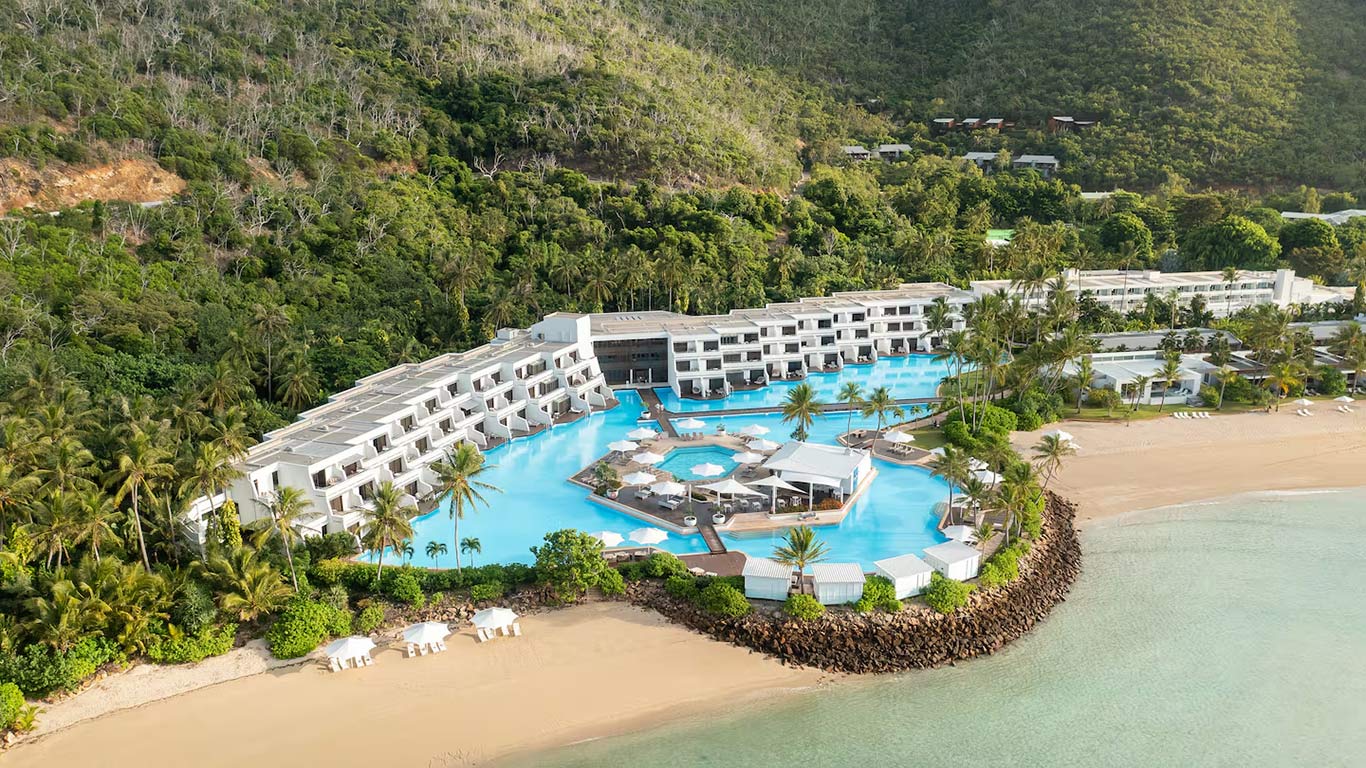
Located in the Whitsunday Islands, Hayman Island Resort has long been the crown jewel of Queensland’s resorts. Renowned for its luxury and exclusivity, it has always been a bucket-list destination. Nestled against a hillside with a solid structure, the resort still sustained significant damage from Cyclone Debbie in 2017. For this iconic resort, however, rebuilding and refurbishing were the obvious choice, and it reopened two years later, now stronger and more cyclone-resistant than ever.
With beautiful grounds, an attractive building, a spectacular pool, top-tier restaurants, and luxurious surroundings, the resort’s guests are not so concerned about swimming off the beach during the troublesome jellyfish season—especially when they can afford excursions to the Barrier Reef for diving and snorkeling.
Hayman also has no problem attracting the international crowd, which is a good thing because it’s too pricey for most Aussie travelers. There’s no doubt it remains a highly profitable destination.
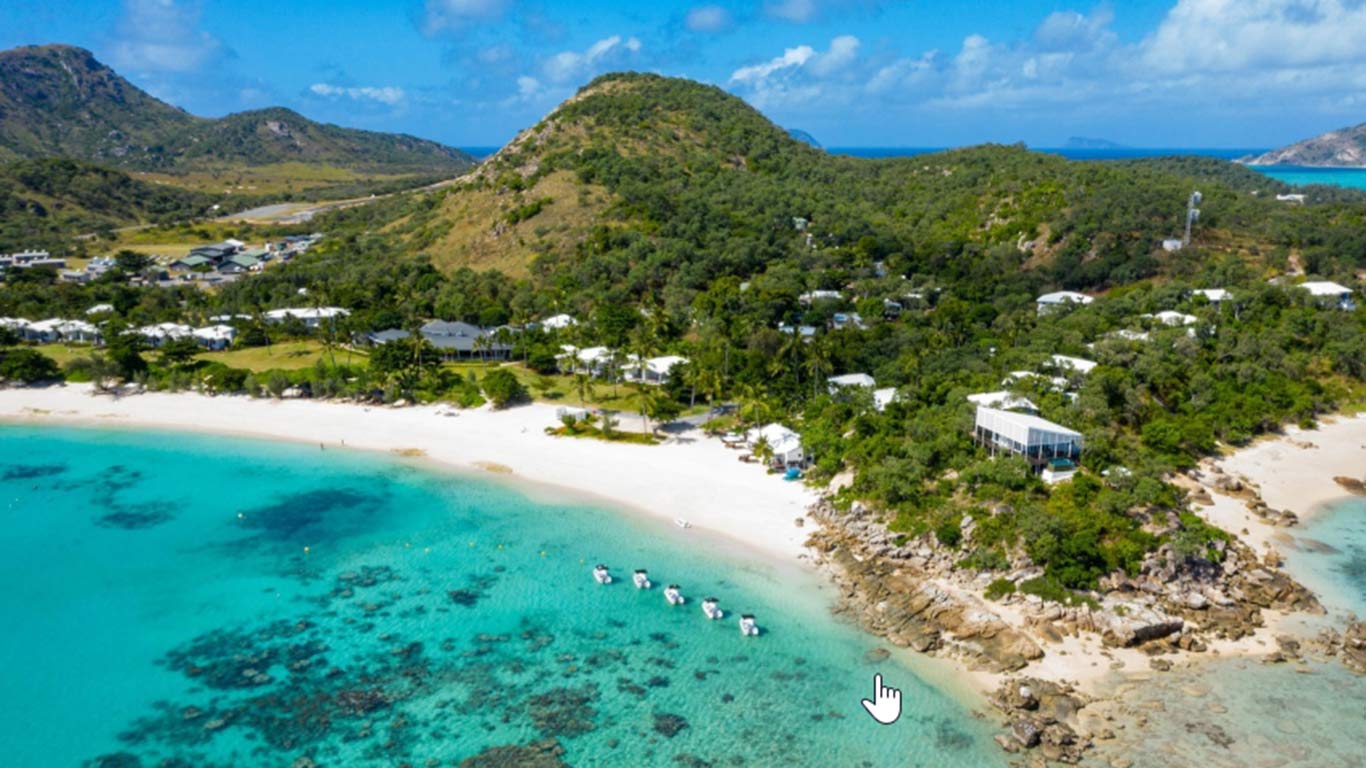
Another success story happens to be another very upscale resort: Lizard Island Resort. It was in the path of Cyclone Ita in 2014 but was spared from major damage. Although it had to close temporarily for repairs, it reopened shortly afterward. Once again, its status as a high-end and profitable resort made its revival inevitable.
Beautiful Lizard Island and its resort.
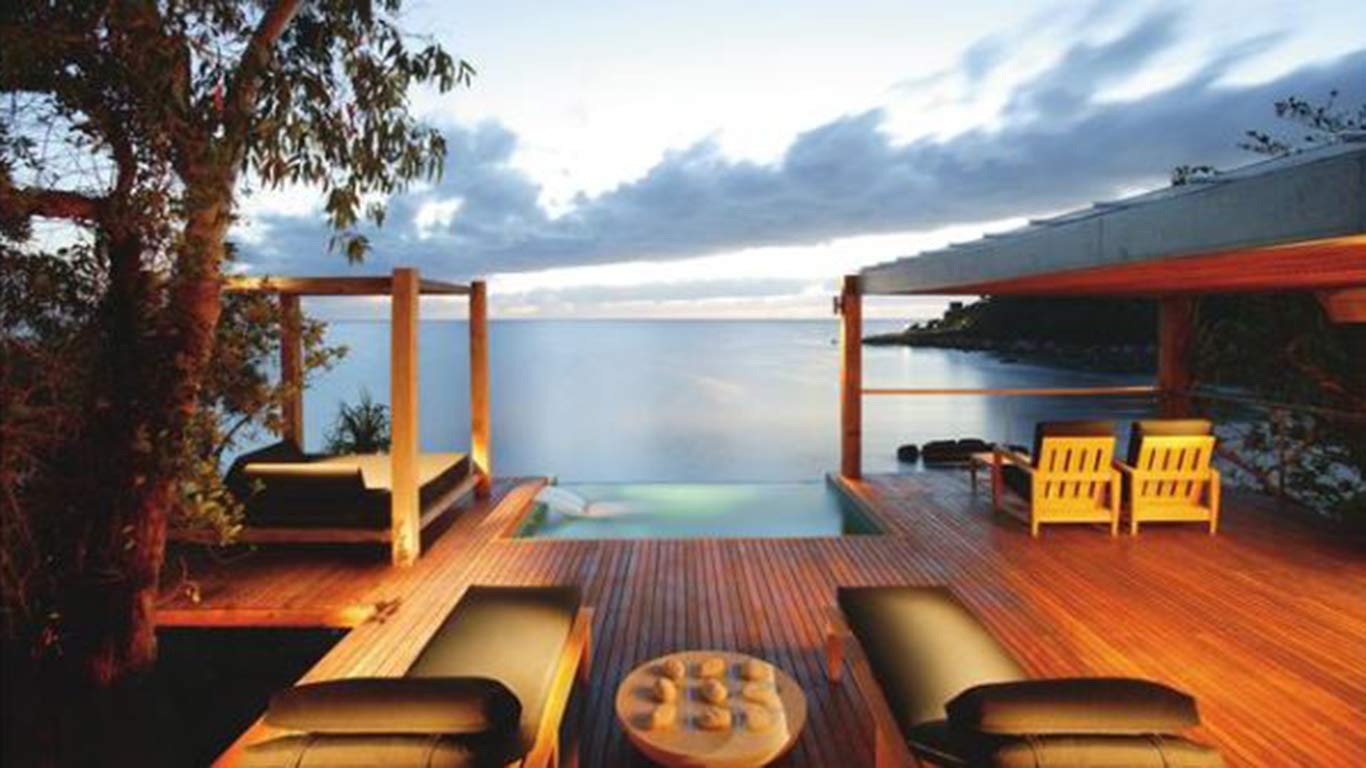
Worth mentioning is the smallest yet most expensive resort of the group: the eight-villa Bedarra Island Resort. Damaged during Cyclone Yasi in 2011, it, along with other villas on the island, was refurbished and, as far as I know, is thriving today.
The lovely and serene Bedarra Island Resort
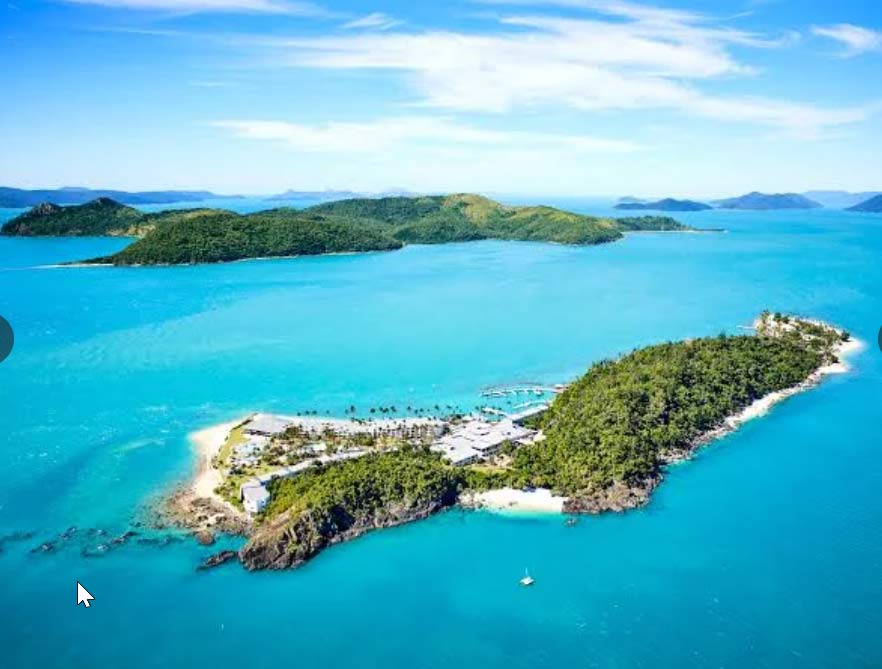
Sitting at a lower price point is Daydream Island in the Molle Island Group, working to reclaim its reputation as a family-friendly destination where kids eat free!
Family-friendly Daydream Island Resort is up and running once again.
Both Daydream and neighboring South Molle Island’s resort properties were acquired by an investment group with plans to upgrade and refurbish both of them. However, before these plans could be realized, Cyclone Debbie struck in 2017, causing significant damage to both islands.
Fortunately for Daydream Island’s resort, the damage wasn’t too bad. It avoided falling into a dilapidated state and was able to undergo refurbishment. The resort on South Molle Island was not so lucky–damage from the cyclone made the refurbishment plans too expensive.
Today, Daydream Island’s resort is up and running but with mixed reviews. It’s the example I talked about earlier, examining the disparity between “privilege” vs “entitled” travelers’ reviews. One has to wonder how people can have such wide-ranging reactions to the same experience!
Reflecting on this disparity, I can’t help but wonder how many of the positive reviews come from guests with children. With kids eating free, families can save significantly on meals—especially those with several children. For some families, this kind of deal might make an island vacation financially possible. Judging by others’ reviews complaining about food prices, it appears childless guests may be subsidizing those free meals.
I’m uncertain whether Daydream can continue attracting its ‘entitled’ guests. If not, I question whether the resort can survive solely on ‘privilege’ travelers, particularly if it can no longer afford to provide free meals for kids. Only time will tell.
Further north, another refurbished resort, Green Island Resort, faces a similar challenge. While more upscale than Daydream, though less so than the other resorts mentioned, it appears to be struggling to align its food and amenities with its pricing. Much like Daydream, reviews are sharply divided: ‘privilege’ guests praise the resort, while ‘entitled’ guests express dissatisfaction with their experience. As with Daydream, only time will tell if Green Island Resort can make it work.
The last cyclone-damaged resort still operating is Fitzroy Island Resort. It had already deteriorated into a backpacker hotel, but after sustaining damage from Cyclone Jasper at the tail end of 2023, it seems they don’t have the money to make repairs and refurbishments. Located near the city of Cairns, the island remains popular with day-trippers and is likely to stay that way. However, the resort, though still open, appears to be on its last legs.
Current Hopes for the Abandoned Properties
Glamping
As the challenges of running profitable island resorts in Queensland become more apparent, attention has shifted toward re-purposing these locations for “glamping.”In fact, a few former resorts have already reopened for camping and glamping. However, I believe many of the challenges faced by resorts will similarly impact glamping operations. It seems to me that turning a profit from glamping may be even more challenging, as guests often expect amenities like air conditioning, dining facilities, and showers—similar to resorts—but at a much lower price.
Canceling the Land Leases
There were hopes to compel investors to either get their businesses operational or forfeit the leases they had purchased. While you can’t force someone to run a business, you can reclaim the land. Queensland has now canceled some long-term land leases granted to the once-optimistic investors.
Are new investors likely to step in? Probably not, as Australian island resorts are far from the most attractive investments. There have been one or two “emotional” investors—wealthy Australians nostalgic for the past and eager to revive it. In the end, however, even wealthy individuals rarely take on losing propositions, no matter how close they are to the heart—and these projects ultimately failed as well.
The Present and the Future
I will mention here a situation of interest: a couple of newly-built, small resorts on Long Island in the Molle Islands, conveniently located near the Queensland coast. These resorts are somewhat upscale, yet like Daydream Island, their reviews reveal a sharp divide between “entitled” and “privilege” travelers—horrifying reviews from the former and glowing ones from the latter. As with Daydream, only time will tell whether these resorts can achieve long-term success.
Thus far, the strongest indicator of success for a Queensland resort relaunch appears to be its ability to maintain a reputation for luxury, exclusivity, and justify its high price point. It remains to be seen how the lower-priced resorts will fare in comparison.
A Final Note
One challenge I encountered while writing this post was that, for reasons I can’t quite understand, closed resorts actively conceal their closure.
I’ve noticed this phenomenon during our travels, with resorts that haven’t yet opened displaying images and a reservation calendar—even when they’re still in the early stages of construction—with no indication that they are, in fact, nowhere near being open.
Strangely, this also occurs with closed resorts. Google’s sidebar often displays photos of the resort and its rooms, giving the impression that the property is still operational. Travel booking sites, like Agoda, still list these resorts. You can begin the reservation process, only to encounter a message stating, ‘No rooms available on these dates.’
Frankly, I’d call this fraud, yet it appears to be a common practice among closed hotels. Or at least it used to be. Upon checking again, it seems Google is addressing some (though not all) of these cases of false advertising. Hopefully, all such cases will eventually be resolved. Why does it matter? Because trip planning is hard enough without having to deal with phantom resorts that disappear as you try to make a booking. –Cyndi
While I try to figure out how to get back into doing blog posts, I though I’d return to where I left off: cruising through the Whitsunday Islands in Queensland.
One thing I wanted to talk about was something we’d already started seeing during our journey: the many abandoned island resorts off the Queensland coast. I started working on this a few months ago but dropped it when I was distracted by other goings on. Now it was time to pick it up again and finish.
This is the fate of the once glamorous resort on Dunk Island. Many of Queensland’s resorts have suffered a similar fate.
It actually turned into a pretty long piece, but it might be interesting for those familiar with the situation.
Since it’s been nearly a year since I worked on it, I worried some details might have changed. At a glance, however, it looks like the situation remains the same. –Cyndi
As many of you know, we’ve been building a language learning Android app while we sail around Indonesia. We’re trying to get the word out and one of the ways we’re doing that is with YouTube shorts. This one is a little tongue-in-cheek. Does it work or is it cringey? What do you think? Let us know in the YouTube comments if you would.
 The app has a bunch of very useful features. Here are a few: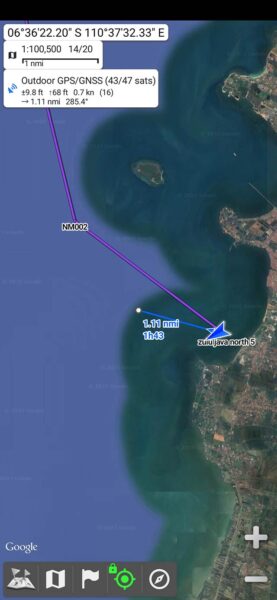
 Finally, zooming to the exact right zoom level gives us a this note:
 (With societies great advanced technology, somehow we still can’t make text read correctly on nautical charts!)
 This is an amazing post someone created with links to many sources. More information! Great! Aaargh!